Michigan fishing runs on a simple truth: the rules change depending on which water you're standing on. Before you pick a lake or river, you need to know whether you're fishing Great Lakes water, an inland lake, or a stream, because the seasons, limits, and gear rules differ across those classes. Start at the MDNR regulations portal, confirm your water class, then plan the drive.

INNA BELAND via Pexels
Michigan Fishing Guide: Waters, Seasons & Regs (2026)
9 min read
State Fishing Guide
Michigan fishing runs on one truth: the rules change by water class. Great Lakes, inland lakes, and streams each carry different seasons and limits (2026).
Most anglers underestimate how much time the planning step takes in Michigan. The state has more freshwater shoreline than any other state in the country, and the fisheries are managed as distinct systems, not one uniform resource. the MDNR has consolidated the rulebook online. This guide orients you to how it all fits together.
How Fishing Is Organized Here
Michigan splits its waters into three regulatory classes, and each one carries different seasons, size limits, and possession limits:
Great Lakes and connecting waters. This includes the four Great Lakes that touch Michigan (Superior, Michigan, Huron, Erie) plus the St. Marys River, Detroit River, and St. Clair River. These waters are managed with input from multiple states and the province of Ontario, so the regs can differ from inland rules. Salmon and trout seasons here often run longer than inland waters, and the daily possession limits are usually more generous.
Inland lakes. Everything that isn't Great Lakes water and isn't a named trout stream falls here. Most inland lakes open for general fishing on the last Saturday in April, and walleye, bass, pike, and panfish seasons align with that date. Some lakes have special regulations, so the county-by-county listings in the regs book matter.
Rivers and streams. The inland stream rules split further into "type 1" through "type 4" designations that control trout seasons and gear. A type 1 stream might be open year-round with artificial lures only, while a type 4 stream closes in fall and reopens in spring. You cannot guess this from the water's appearance; you need the county listing.
The MDNR publishes the full rulebook online at the laws and regs page. As of 2026, this is the authoritative source. Printed copies are available at license vendors, but the online version includes the mid-season adjustments that sometimes happen.
Regulations and Seasons Portals

The MDNR runs three separate online tools that serve different purposes. Knowing which one answers which question saves time.
The regulations page (linked above) is the legal rulebook. It covers seasons, size limits, possession limits, gear restrictions, and special regulations by county. Check this before you buy a license and again before any trip to a water you haven't fished in the past year. Special regs get added and removed, and assuming last year's rules still apply is how you end up with a citation.
The stocking portal (stocking page) explains the state's stocking program. Michigan raises and releases millions of fish annually across inland lakes, Great Lakes tributaries, and the Great Lakes themselves. The portal describes which species get stocked, where the hatcheries are, and how stocking decisions get made. It is useful background, but it is not a fishing report.
The FishStock database (FishStock DB) is the practical tool. You can look up individual lakes and see what species were stocked, in what numbers, and in which years. This is the single most useful planning resource for inland lake fishing in Michigan. If you're deciding between two lakes an hour apart, the stocking history often settles it.
Read the stocking notes, then verify locally. A lake stocked with walleye last fall might still be recovering from a tough winter. The database tells you what went in; it doesn't tell you what survived.
Water Classes and Where to Start

New to Michigan fishing? Pick one lane and learn it before branching out.
Inland lakes are the easiest starting point. Michigan has more than 11,000 inland lakes, and most have public access sites maintained by the DNR or local counties. Panfish, bass, pike, and walleye are the targets. You need a boat or kayak to fish most of them productively, though shoreline fishing works on smaller lakes and in state parks. The FishStock database is your friend here.
Great Lakes tributaries are where the salmon and steelhead action happens. Rivers like the Pere Marquette, Manistee, Au Sable, and Muskegon draw crowds in spring and fall runs. These are technical fisheries: you need the right gear, the right timing, and a tolerance for company. The regs differ from inland streams, so confirm the water class before you wade in.
Big water means the Great Lakes themselves or the big bays like Saginaw Bay and Grand Traverse Bay. This is a different skillset entirely. Wind changes the plan on the big water, and small boats have no business on Lake Michigan when the forecast calls for 20-knot winds. Charter operations run out of most port towns, which is a reasonable way to learn the fishery without owning the equipment.
Most anglers underestimate how much wind matters on the Great Lakes. A flat forecast at 6 AM can turn into three-foot waves by 10 AM. The bigger the water, the faster conditions change.
Major Waters to Know

You will encounter these names in any Michigan fishing conversation. This is orientation, not a deep dive.
Lake Michigan - Lake trout, salmon, steelhead, and a recovering walleye fishery in some areas. The east side of the lake, along Michigan's coast, has deep water close to shore, which concentrates fish in predictable zones.
Lake Huron - Generally less crowded than Michigan. Lake trout and salmon fishing, plus excellent walleye in Saginaw Bay, which is technically part of the Huron system.
Lake Superior - The coldest and clearest of the Great Lakes. Lake trout and coho salmon dominate. The water stays cold even in August, which changes fish behavior compared to the southern lakes.
Lake Erie - The western end, which Michigan shares with Ohio, has the famous walleye fishery. The Michigan waters are the southernmost part of the state's Great Lakes territory, and the fishing season runs differently here than in the upper lakes.
The inland chains - Higgins Lake, Houghton Lake, and the numerous smaller lakes in the northern Lower Peninsula. These are the bread-and-butter walleye and panfish waters. Houghton Lake is one of the largest inland lakes in the state and fishes like a small Great Lake in windy conditions.
The trout rivers - The Au Sable, Manistee, Pere Marquette, and Boardman are the famous names. Northern Lower Peninsula options also include the Sturgeon near Wolverine and the Rifle toward Saginaw Bay. There are hundreds of smaller trout streams that get less pressure. The type 1 through type 4 classifications determine what you can use and when you can fish.
St. Marys River - Connects Lake Superior and Lake Huron. Known for the "Soo" salmon fishery and a mix of species that migrate between the lakes.
This list is not exhaustive. The fish species guides cover individual species in more depth, and the MDNR county listings in the regs book show every public access in the state.
River Guides
Published Michigan river pages with live USGS flow context:
- Au Sable River fishing
- Muskegon River fishing
- Manistee River fishing
- Boardman River fishing
- Sturgeon River fishing
- Rifle River fishing
- St. Joseph River fishing
- Kalamazoo River fishing
- Grand River fishing
For year-to-year fall discharge consistency across gauged rivers, see Michigan rivers ranked by fall flow reliability.
Species Paths

Michigan fishing breaks into a handful of seasonal lanes. Pick a species, learn its season, and the rest of the planning follows.
Walleye. The inland lake season opens with the general opener in late April. Evening and night fishing dominates summer. Saginaw Bay and Lake Erie offer the big-water walleye experience with different regs than inland lakes. The FishStock database shows which inland lakes have been stocked recently.
Trout. Inland trout season runs from the last Saturday in April through September on most streams, with year-round options on type 1 waters. Great Lakes tributaries have separate seasons for steelhead and lake-run browns. The regs page lists the stream classifications by county; do not guess.
Salmon. Chinook and coho run the Great Lakes tributaries in late summer and fall. The runs start in August in the northern rivers and build through September. Lake Michigan ports also produce salmon for trollers through summer. Confirm the river-specific regs before fishing; some tributaries have bait restrictions during the runs.
Bass. Largemouth and smallmouth seasons open with the general inland opener, but catch-and-immediate-release fishing is allowed before that on most waters. The "catch and release" window in spring is popular for smallmouth on the big rivers. Size limits vary by water, so the regs page matters.
Panfish. Bluegill, crappie, and perch are the entry-level species. Open year-round on most inland waters, though the best fishing is late spring through early fall. Perch in the Great Lakes have their own regs and can be a different animal entirely.
Ice fishing. Michigan's winter fishery is substantial. Inland lakes freeze reliably in the northern Lower Peninsula and Upper Peninsula. Walleye, pike, and panfish support the crowds. Ice conditions vary wildly by winter; the DNR does not issue ice thickness reports, so local bait shops are the source for current conditions.
Confirm the season and size limit on the MDNR regs page for every species on every trip. The regs change, and the penalty for a wrong guess is steep.
Planning Notes
Access is not a given. Michigan has thousands of public access sites, but some lakes have only one ramp, and it might be a gravel launch that gets muddy after rain. The DNR maintains a searchable list of boating access sites, and the FishStock database includes access information for stocked lakes. Check both before you tow a boat across the state.
Bring a backup access. If your planned launch is full or the ramp is closed for repairs, you need a plan B. County parks, state parks, and city launches often provide alternatives. Mark two or three options on your map before you leave.
Check the gauge before you leave. This applies to river fishing specifically. The USGS operates stream gauges across Michigan, and the flow readings are public. If flows are up, wait a day or two. High, off-color water makes most Michigan river fishing tough, and the window between "too high" and "too low" can be narrow.
Wind changes the plan on the big water. The Great Lakes and the large inland lakes (Houghton, Higgins, Lake Leelanau) turn dangerous quickly. Check the marine forecast, not just the general weather app. A 15 mph wind on a small inland lake is a nuisance; on Lake Michigan, it is a hazard.
Gear follows the water class. The rods, line, and lures that work on inland lakes often fail on Great Lakes tributaries. If you're new to a water class, talk to a local shop before you buy gear. The gear guide covers this in more depth.
Licenses are separate from regs. Michigan requires a fishing license for anyone 17 and older, and the rules for residents and nonresidents differ. The license and permits page has the current details. As of 2026, buy your license online before you head out; the e-license system is reliable, and paper applications take time.
Practical Takeaways
- Bookmark the MDNR regulations page and check it twice per season. Special regs change, and the county listings are the only reliable way to know the rules on a specific water.
- Use the FishStock database before choosing an inland lake. A lake stocked with walleye in 2024 has a different profile than one stocked with trout in 2019.
- Know your water class before you fish. Great Lakes, inland lake, and river rules differ, and the penalties for violations do not care whether you made an honest mistake.
- Check the USGS gauge for any river you plan to fish. If flows are up, wait.
- Check the marine forecast for any Great Lakes or large inland lake trip. Wind is the primary hazard, and it changes fast.
- Bring a backup access. The first ramp might be full, muddy, or closed.
- Ice conditions are local knowledge. The DNR does not certify ice thickness, and no website replaces a conversation with a bait shop.
- Confirm the season and size limit on the MDNR regs page for every species. The general opener is late April for most inland waters, but exceptions exist.
- If you're new to Great Lakes fishing, book a charter for your first trip. The equipment, techniques, and water behavior are different enough that a guide saves you a season of trial and error.
- Read the stocking notes, then verify locally. The database tells you what went in the water, not what came out of it.
Final Thoughts
Michigan asks more of a planner than most states. The water classes, the county-level regs, the stocking history, and the weather all factor into whether a trip works. None of it is hard to figure out, but all of it requires checking before you leave.
The payoff is access to fisheries that other states can't match. The Great Lakes, the inland lakes, and the trout rivers are all within a few hours of each other in the Lower Peninsula, and the Upper Peninsula adds another layer of remote water. The planning is the price of admission.
Start with the regs portal, pick one water class, and learn it well. The rest of Michigan fishing will still be there when you're ready to expand.
Sources
- Official source: Michigan DNR michigan.gov/dnr/things-to-do/fishing/fishing-regulations
- Official source: Michigan DNR michigan.gov/dnr/managing-resources/fisheries/stocking
- Official source: Michigan DNR dnr.state.mi.us/fishstock
Photo Gallery
More to Explore
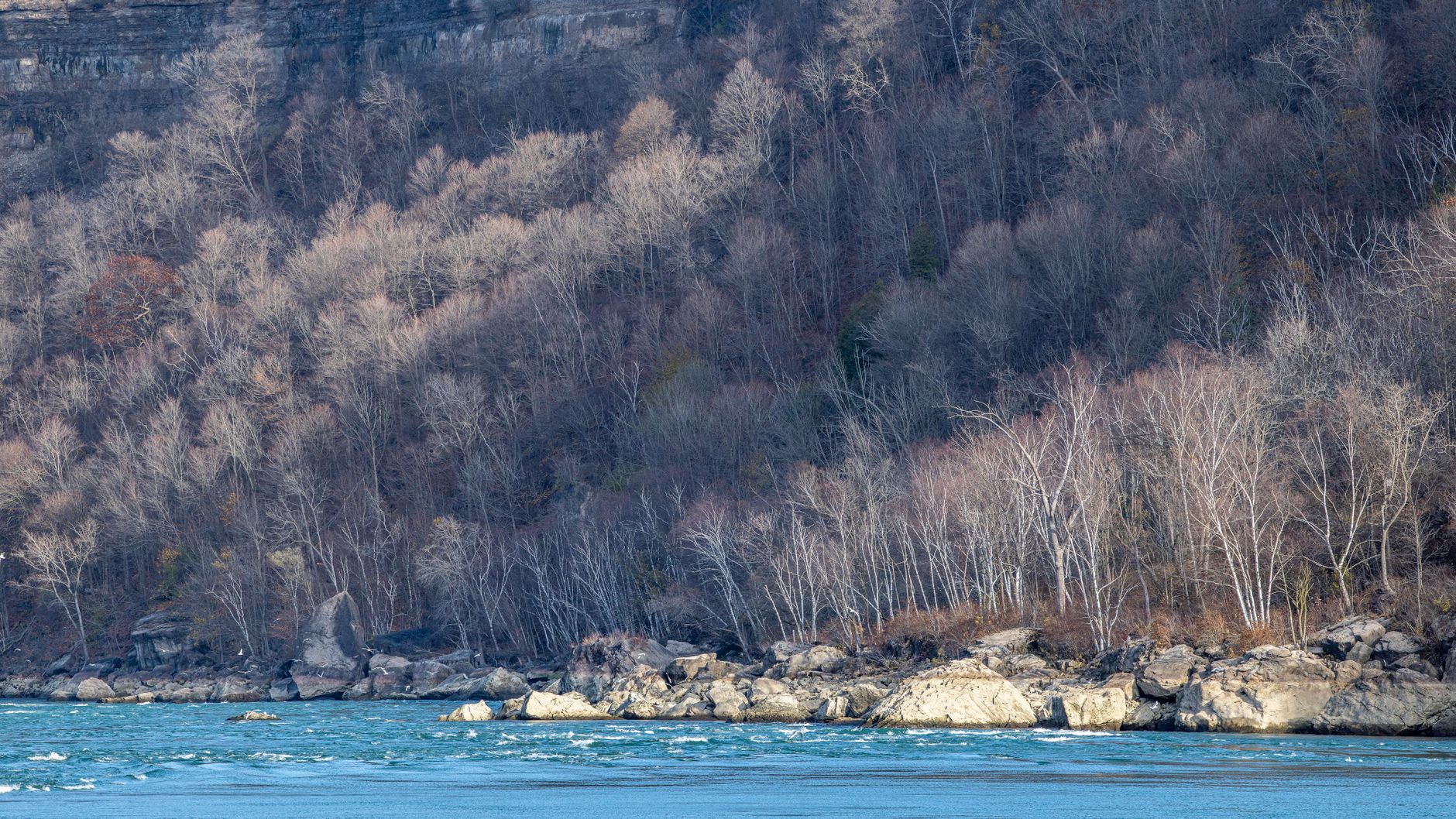
Waterbody Guide
Grand River Fishing: Grand Rapids Gauge & November Push
Grand River at Grand Rapids: start with the gauge, not the calendar — fall median discharge near 3,570 cfs inside a wide 2,310–5,827.5 cfs band.
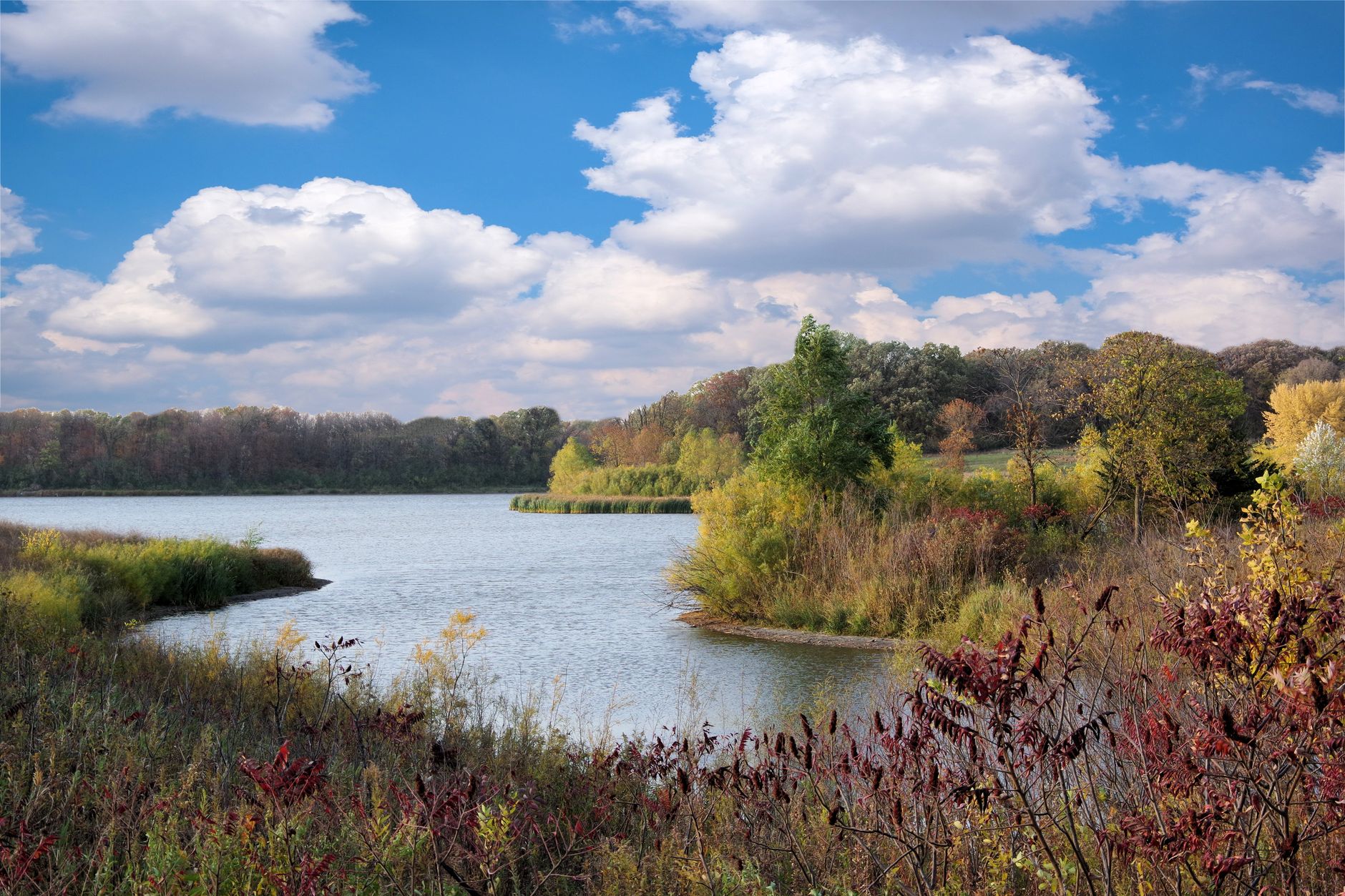
Waterbody Guide
Kalamazoo River Fishing: New Richmond Fall Flow Band
Kalamazoo River fishing: character shifts from headwaters to the Lake Michigan mouth, with fall median discharge near 1,770 cfs and water around 52°F (11.2°C).
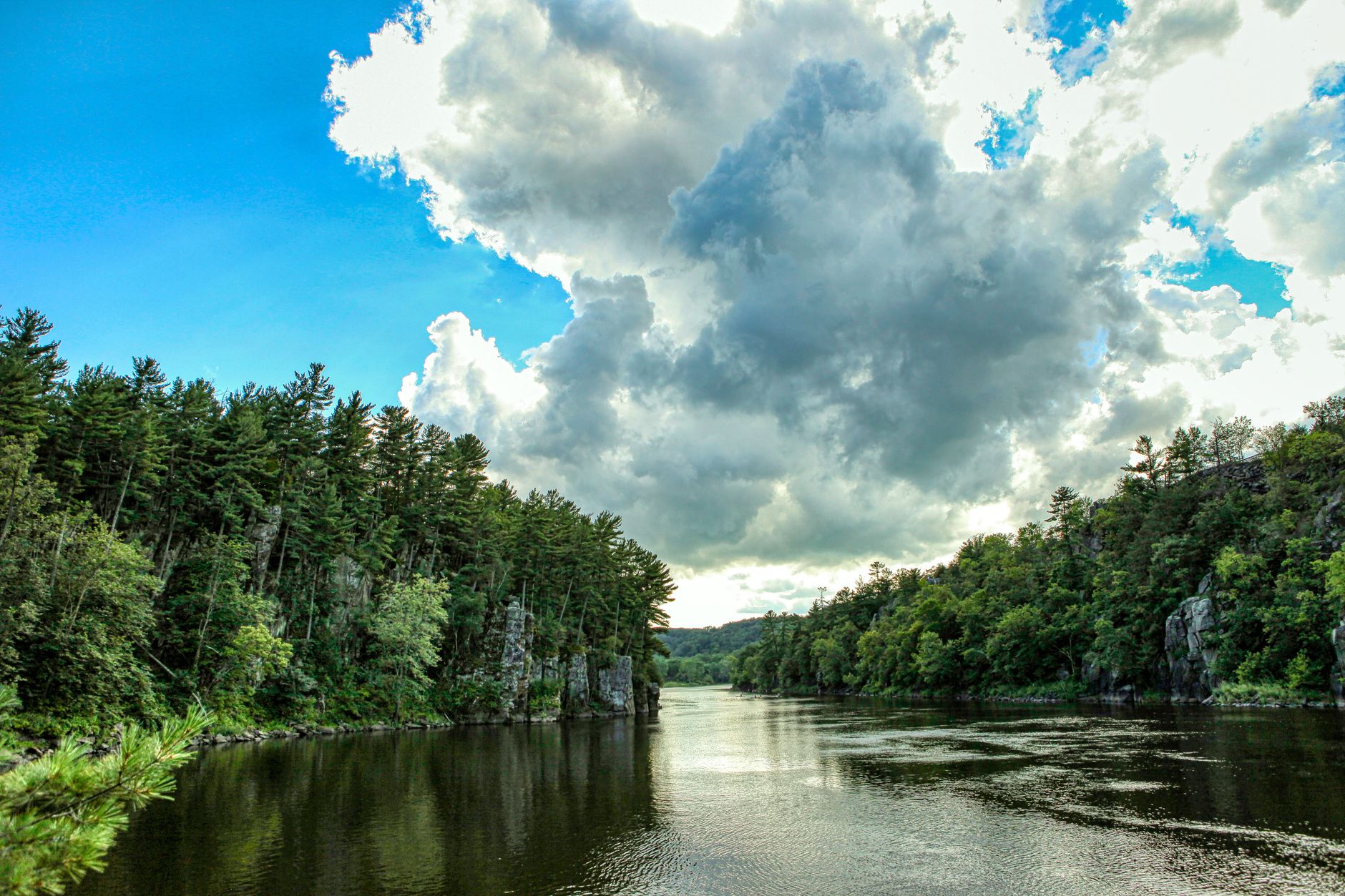
Waterbody Guide
St. Joseph River Fishing: Niles Gauge & Berrien Reaches
St. Joseph River: lower water below Niles takes on Big Lake runs while Berrien reaches fish warmer, with fall median discharge near 3,520 cfs at Niles.
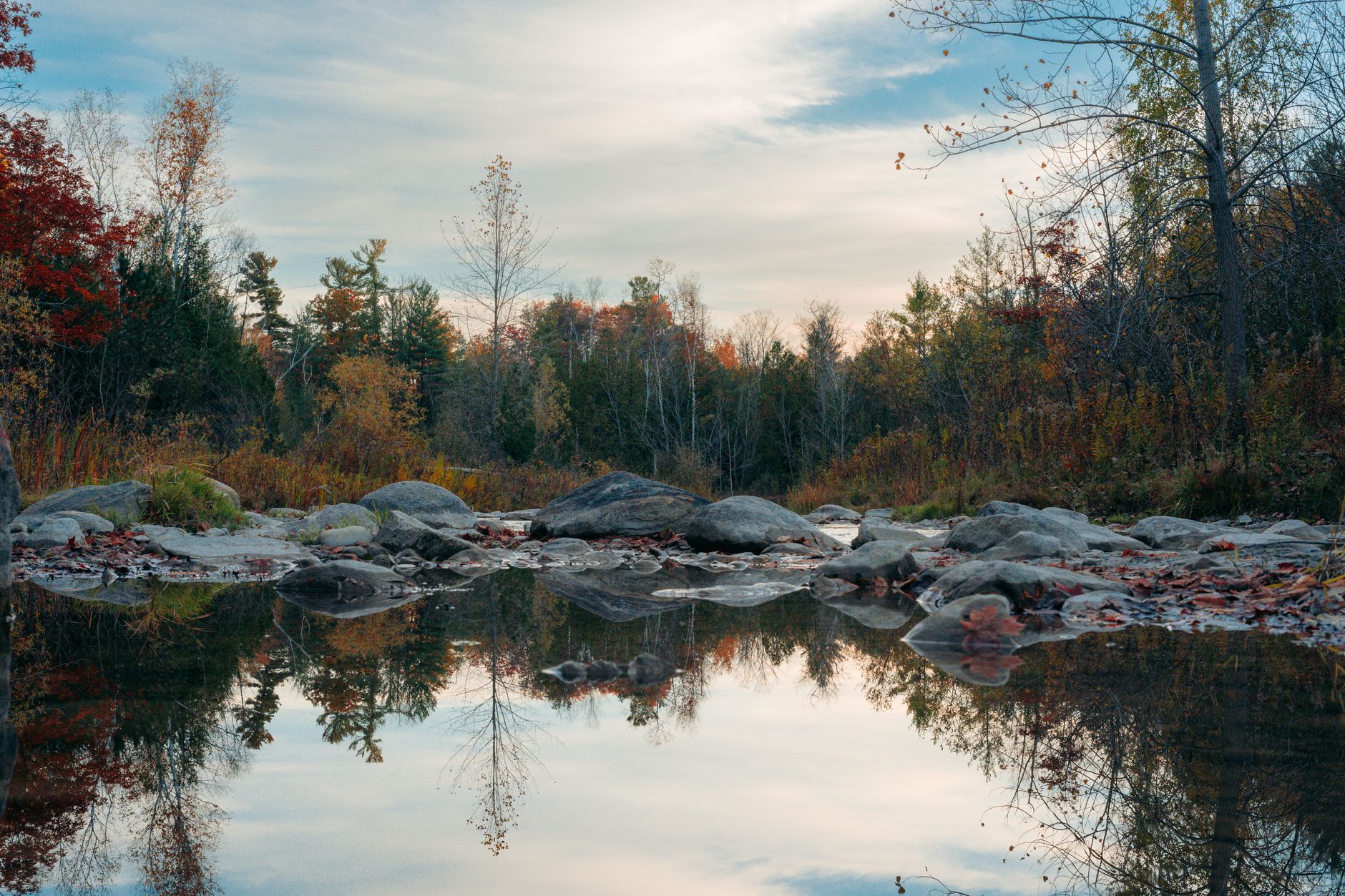
Waterbody Guide
Rifle River Fishing: Sterling Gauge to Saginaw Bay
Rifle River toward Omer and Saginaw Bay: access limits the day more than desire, with fall median flow near 239.3 cfs and water around 47°F (8.5°C).
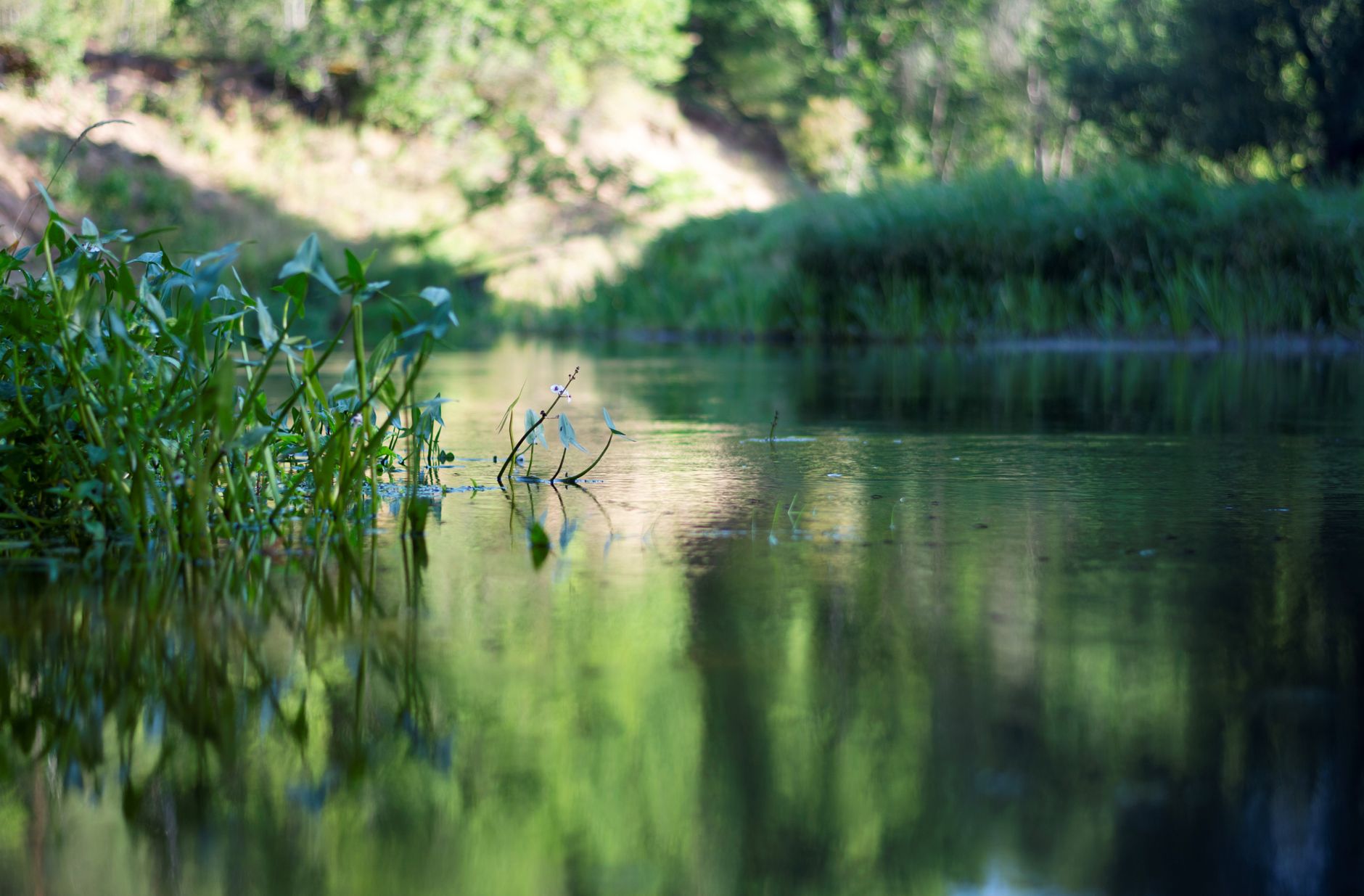
Waterbody Guide
Sturgeon River Fishing: Wolverine Gauge Autumn Band
Sturgeon River near Wolverine: September–November fall median discharge near 214.5 cfs, inside a reliable 197–259 cfs band for northern Lower Peninsula trips.
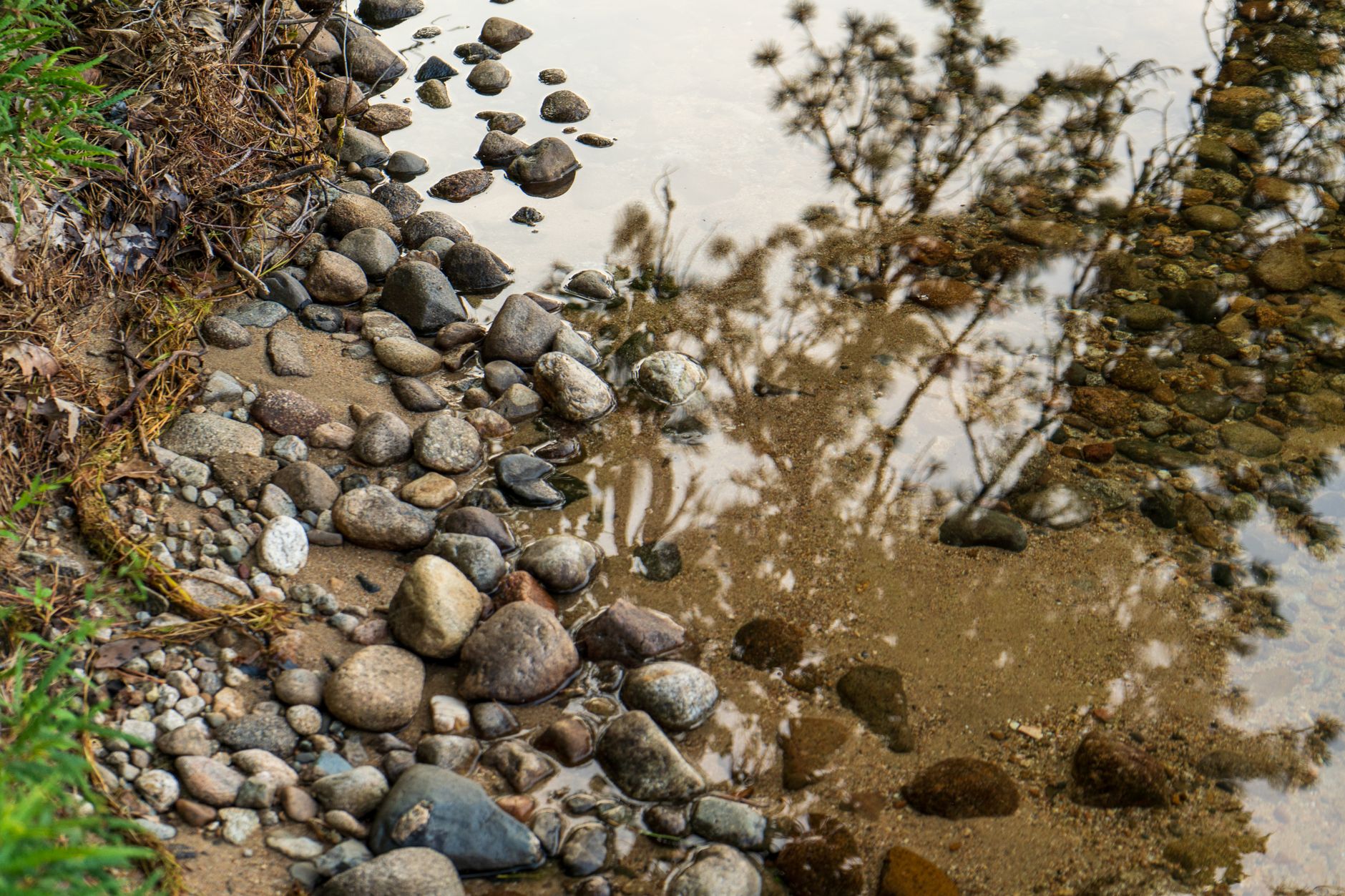
Waterbody Guide
Boardman River Fishing: Beitner Road Fall Consistency
Boardman River near Traverse City: fall median discharge near 259.5 cfs at Beitner Road, inside a reliable 234–307 cfs band for late-season trips.
Sign in to join the conversation.
Sources & Attribution
Fishing regulations and waters information should be verified with the relevant state wildlife agency before you fish.
Images: Photo by INNA BELAND on Pexels; Photo by Zachary Andre on Pexels; Photo by MEHMET KAYNAR on Pexels; Photo by Todd Friske on Pexels; Photo by Petr Ganaj on Pexels. Stock photos from Pexels / Unsplash license; links above point to each photo where available.
Information may change. Always verify seasons, licenses, and local regulations with the official source before you fish.
Did this guide help? Share it with a friend.