Start with the Grand Rapids gauge, not the calendar. Fall-window median discharge on the Grand River sits near 3,570 cfs, inside a wide band between about 2,310 and 5,827.5 cfs. Year-to-year fall consistency is lower here than on many northern tributaries, so USGS 04119000 matters more than the month on the map. Confirm the MDNR fishing regulations before you load the truck — Kent County water swings from late-summer lows near 2,080 cfs in August toward the higher November push.
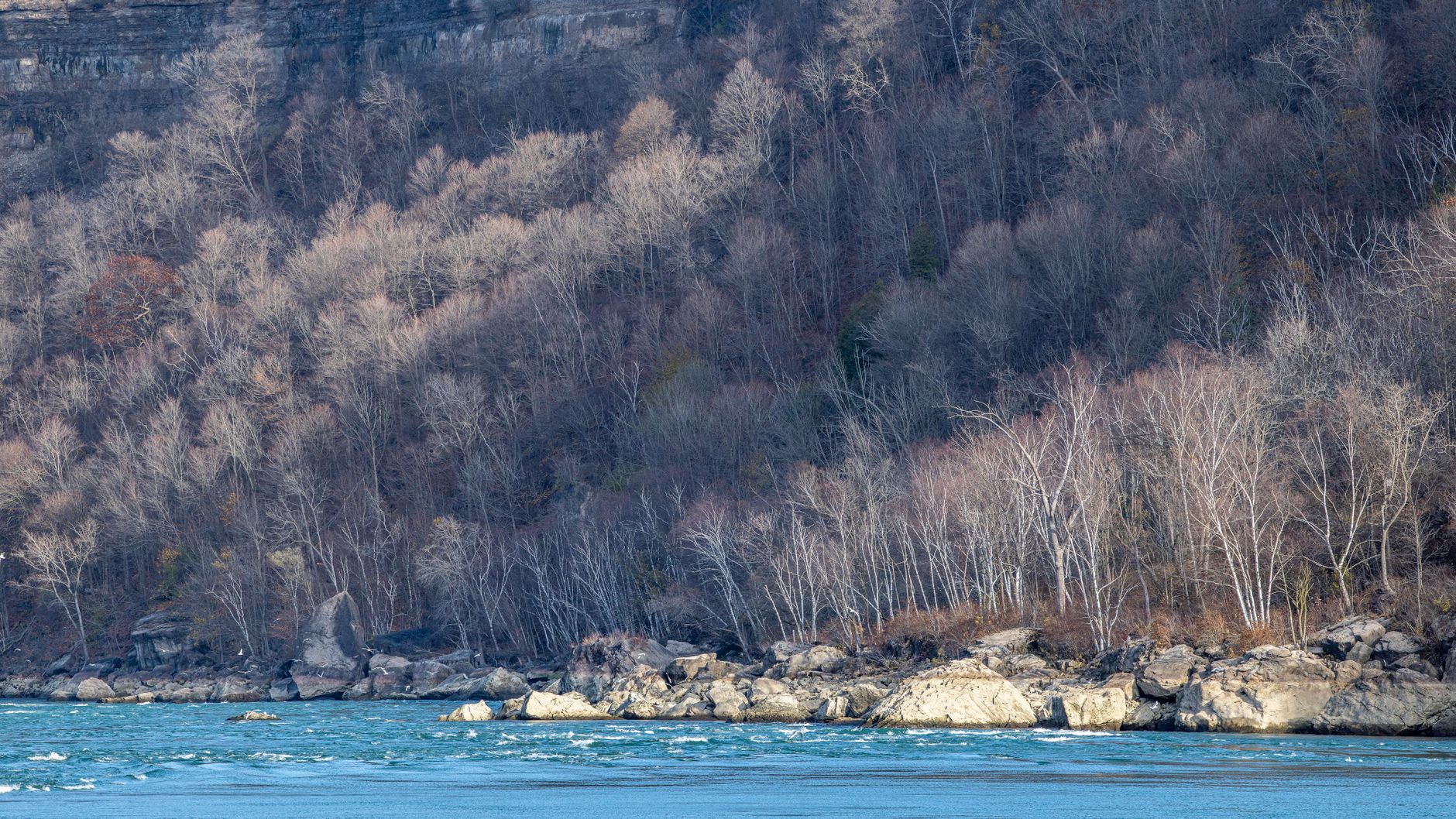
Photo by Ali Soheil on Pexels
Grand River Fishing: Grand Rapids Gauge & November Push
7 min read
Waterbody Guide
Grand River at Grand Rapids: start with the gauge, not the calendar — fall median discharge near 3,570 cfs inside a wide 2,310–5,827.5 cfs band.
Your plans
Flow reliability
Seasonal consistency of median discharge from the curated USGS gauge for this place.
Spring
78%
year-to-year consistency
Summer
81%
year-to-year consistency
Fall
59%
year-to-year consistency
Winter
68%
year-to-year consistency
Median monthly discharge (cfs)
| Jan | Feb | Mar | Apr | May | Jun | Jul | Aug | Sep | Oct | Nov | Dec |
|---|---|---|---|---|---|---|---|---|---|---|---|
| 4025 | 5155 | 6220 | 7110 | 4865 | 3265 | 2600 | 2005 | 1995 | 3040 | 3760 | 3840 |
In the last 10 falls, roughly 1 of every 2 September–November weeks sat inside this band (2270–5800 cfs); typical flow in those weeks 3510 cfs.
Computed from 10 years of USGS daily records, station 04119000 (3,652 daily values). Last computed Oct 19, 2026.
Hydrological description only — not advice about wading, floating, or whether conditions are safe for recreation. Always check current USGS readings and local guidance before you go.
Conditions and Gauge
The USGS station at Grand Rapids (04119000) is your reference point. The 10-year monthly medians tell the story: August sits at 2,080 cfs, September drops to 2,030 cfs, then October bumps to 3,185 cfs and November jumps to 3,760 cfs. Spring is the big-water season - April median is 7,110 cfs, March runs 6,220 cfs. Winter holds steady around 4,000-5,000 cfs.
What this means practically: late summer is low and clear, fall brings rising flows and fresh fish moving up from Lake Michigan, and spring is often too high to fish effectively. The seasonal reliability scores from the 10-year dataset put fall at 0.599 - meaning the September-to-November window is dependable but not a lock. Summer reliability is better at 0.771, and spring is the least predictable at 0.779 variability in the opposite direction.
Wind changes the plan on the big water, but on the Grand it's flow that matters more. If the gauge reads above 6,000 cfs, expect stained water and tough presentations. Below 2,500 cfs, the river gets skinny in places and fish stack in deeper holes.
Access
Access here is not a given. The Grand River runs through private property for long stretches, and the public access points are more spread out than most anglers expect. You cannot simply pull off and fish wherever you see water. The MDNR maintains a network of launches and access sites, but you need to plan your put-in and take-out before you drive.
The Grand Rapids stretch has the most public access, with city parks and DNR sites providing bank access and ramp options. Upstream and downstream of the metro area, access thins out considerably. Bring a backup access. Several launches along the river are seasonal - they flood in spring and silt in during late summer drawdowns.
For bank fishing, look for the city-run parks in Grand Rapids proper. For boat access, the DNR launch sites are your best bet, but check the water level first. A 2,000 cfs August flow can leave a ramp's downstream edge dry.
Seasons and Regulations
Confirm the season and size limit on the MDNR regs page before you fish. As of 2026, the Grand River falls under statewide regulations for most species, but there are special regulations on certain stretches and species that change year to year. The regs page is the only reliable source - don't trust a forum post from three seasons ago.
The river is open year-round for most species, but the game fish seasons vary. Trout and salmon seasons follow the Great Lakes and inland rules depending on which section of the river you're fishing. steelhead and salmon runs typically start showing in September and build through fall. Spring steelhead (the lake-run rainbows returning to spawn) peak in March and April, which is also when the river is most likely to be unfishable.
The state fishing guide breaks down which regulations apply to which river section, and it's worth the five minutes to read it. The boundary between "Great Lakes" and "inland" regulations on the Grand is not where you'd guess - it's well upstream of the mouth.
Species Presence
The iNaturalist observation data for the Grand River shows 12 confirmed water species, which gives you a solid picture of what's actually in the system. The numbers come from angler and observer reports, so they skew toward what people catch and photograph rather than a complete census.
Largemouth Bass leads with 28 observations - not surprising for a warmwater river with plenty of backwater habitat. Chinook salmon shows 8 observations, reflecting the fall run that draws most of the fishing pressure. Yellow Perch (6 observations), Northern Pike (4), and Rainbow Trout (3) round out the common catches. Brown Trout and Smallmouth Bass each show 2 observations, with Lake Trout, Walleye, Coho Salmon, Lake Whitefish, and Muskellunge all confirmed at 1 observation apiece.
The species list tells you this is a mixed fishery. The river supports warmwater species throughout, but the salmon and steelhead runs are what bring anglers from outside the immediate area. The chinook salmon run in particular draws serious pressure from September through November.
Read the stocking notes, then verify locally. The MDNR stocks salmon and steelhead in the Grand River system, but the stocking locations and numbers change annually. The stocking portal has the full records, and the searchable FishStock database lets you look up specific years and locations.
Tactics That Match Conditions
The tactics that work on the Grand River depend entirely on the season and flow, so match your approach to the gauge reading.
Late summer (August-September, 2,000-2,500 cfs): Low, clear water means fish are spooky. Smallmouth bass and largemouth bass are holding in deeper holes and around structure. Weightless soft plastics and small crankbaits work better than flashy hardware. Focus on the outside of bends where the current has scoured deeper water. Early morning and evening are the productive windows - midday the fish shut down in the clear water.
Fall salmon run (September-November, 3,000-6,000 cfs): This is when the Grand gets crowded. Chinook salmon move up from Lake Michigan, and the fishing is best after a fresh push of water brings new fish in. If flows are up, wait - fresh salmon will move in with the rising water, and fishing the first drop after a spike is usually the best window. Big plugs, spawn sacs, and flies that imitate salmon eggs all produce. The steelhead follow the salmon in October and November, and they'll take similar presentations.
Winter (December-February, 3,800-4,000 cfs): The river stays open in most winters, and steelhead hold in the system through the cold months. Fishing is slow but can be productive for patient anglers working deep, slow water with spawn or nymphs. The key is finding the warmer water - tributary mouths and areas near industrial discharges hold fish when the main river drops into the mid-30s.
Spring (March-April, 6,000-7,000 cfs): The river is often blown out in spring. If the gauge shows 6,000 cfs or higher, the water is likely too stained and fast to fish effectively. When it drops below 5,000 cfs, the spring steelhead bite turns on. Focus on the slower inside bends and the seams between fast and slow water. This is also the best window for walleye moving up to spawn, though the observation data suggests they're not abundant in the system.
Summer smallmouth (June-July, 2,600-3,300 cfs): The smallmouth bite is consistent through early summer. Topwater is productive in low light, and tube jigs work all day. The river has good smallmouth habitat through the Grand Rapids stretch, and the fish run larger than most anglers expect.
For statewide orientation, see the Michigan fishing guide. To compare this river’s fall discharge consistency against other gauged Michigan rivers, see Michigan rivers ranked by fall flow reliability.
Practical Takeaways
- Check the USGS gauge 04119000 before you leave. Above 6,000 cfs, expect tough conditions. Below 2,500 cfs, adjust your presentation for clear, low water.
- Confirm the season and size limit on the MDNR regs page. The Grand has special regulations on some stretches, and they change.
- Plan your access. Public access is limited outside Grand Rapids, and private shoreline blocks most of the river.
- The fall salmon run (September-November) is the highest-pressure window. Go midweek if you can.
- Spring steelhead (March-April) is the best trophy window, but only when the river drops below 5,000 cfs.
- Bring a backup access. Launches flood in spring and get shallow in late summer.
- The species mix is broader than most anglers realize - muskellunge, lake whitefish, and coho are all confirmed in the system, even if they're rarely targeted.
- Read the stocking notes on the MDNR portal, then verify locally. Stocking numbers and locations change annually.
Final Thoughts
The Grand River is a workhorse fishery - not the prettiest river in Michigan and not the easiest to access, but it holds more species and more consistent action than most anglers give it credit for. The fall salmon and steelhead runs justify the drive for most people, and the summer smallmouth fishing is underrated. But if the gauge is pushing 7,000 cfs in April or the access you planned on is under water, skip the drive. The river will be there next week, and the fish will still be moving through.
Sources
- Official source: Michigan DNR michigan.gov/dnr/things-to-do/fishing/fishing-regulations
- Official source: Michigan DNR michigan.gov/dnr/things-to-do/fishing/laws-and-regs
- Official source: Michigan DNR michigan.gov/dnr/managing-resources/fisheries/stocking
More to Explore
Waterbody Guide
Kalamazoo River Fishing: New Richmond Fall Flow Band
Kalamazoo River fishing: character shifts from headwaters to the Lake Michigan mouth, with fall median discharge near 1,770 cfs and water around 52°F (11.2°C).
Waterbody Guide
St. Joseph River Fishing: Niles Gauge & Berrien Reaches
St. Joseph River: lower water below Niles takes on Big Lake runs while Berrien reaches fish warmer, with fall median discharge near 3,520 cfs at Niles.
Waterbody Guide
Rifle River Fishing: Sterling Gauge to Saginaw Bay
Rifle River toward Omer and Saginaw Bay: access limits the day more than desire, with fall median flow near 239.3 cfs and water around 47°F (8.5°C).
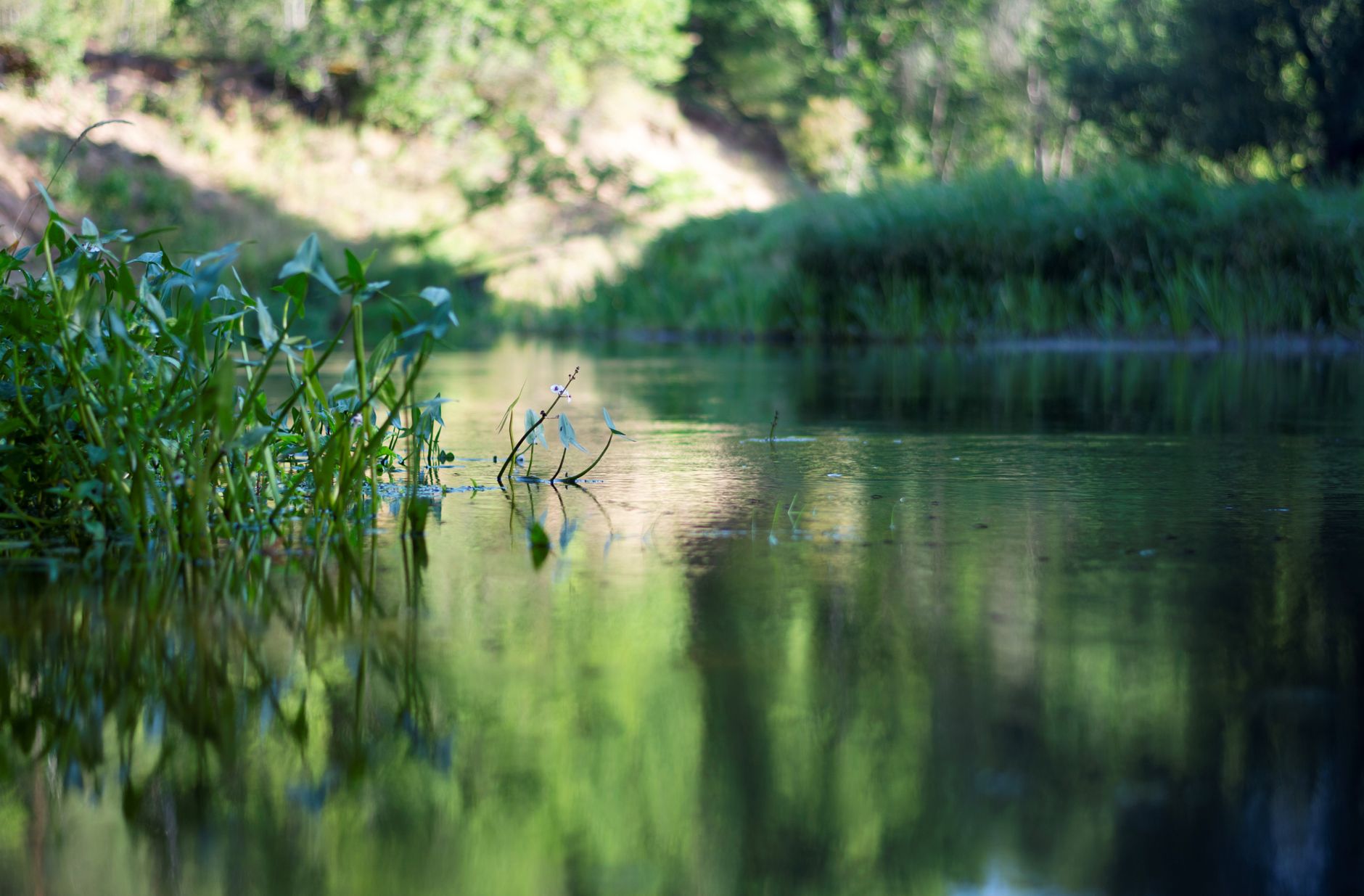
Waterbody Guide
Sturgeon River Fishing: Wolverine Gauge Autumn Band
Sturgeon River near Wolverine: September–November fall median discharge near 214.5 cfs, inside a reliable 197–259 cfs band for northern Lower Peninsula trips.
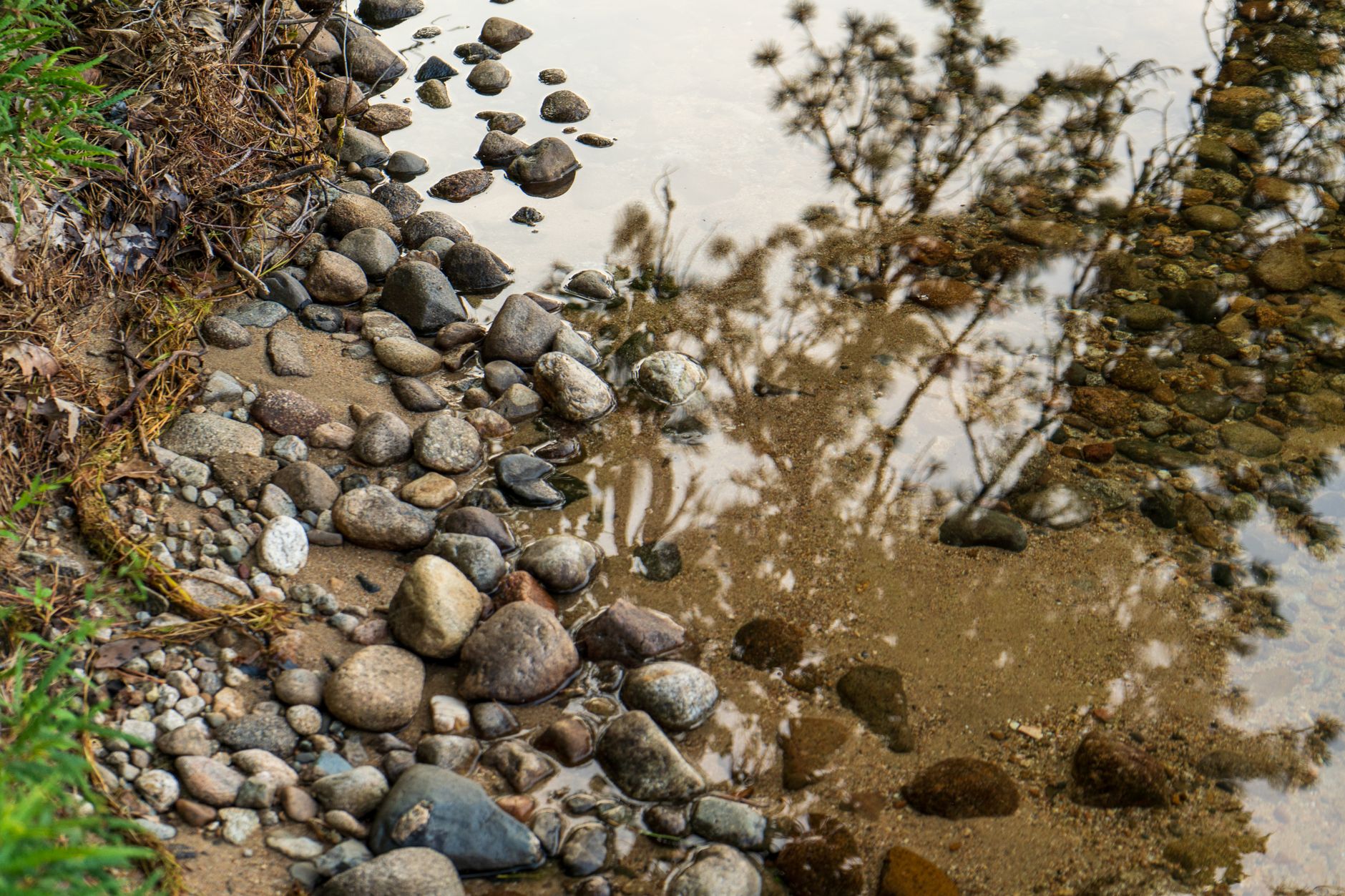
Waterbody Guide
Boardman River Fishing: Beitner Road Fall Consistency
Boardman River near Traverse City: fall median discharge near 259.5 cfs at Beitner Road, inside a reliable 234–307 cfs band for late-season trips.
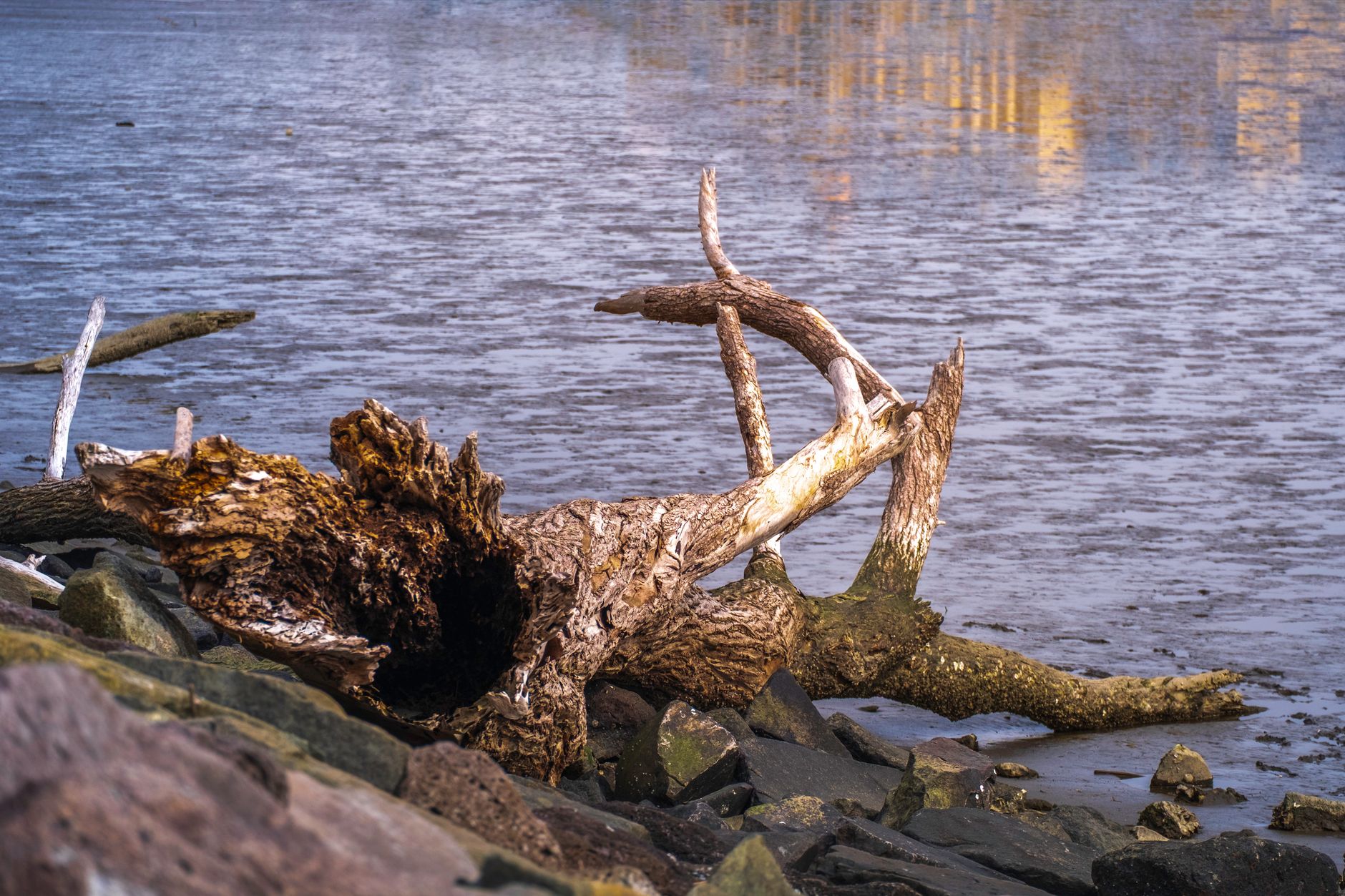
Waterbody Guide
Muskegon River Fishing Guide: Access, Conditions & Seasons (2026)
Muskegon River fishing from Newaygo to the mouth: late-summer flows near 1,330 cfs, fall steelhead and salmon runs, plus access, seasons, and tactics for 2026.
Sign in to join the conversation.
Sources & Attribution
Fishing regulations and waters information should be verified with the relevant state wildlife agency before you fish.
Images: Photo by Ali Soheil on Pexels. Stock photos from Pexels / Unsplash license; links above point to each photo where available.
Map data © OpenStreetMap contributors.
Information may change. Always verify seasons, licenses, and local regulations with the official source before you fish.
Did this guide help? Share it with a friend.