The chinook salmon run in Michigan is a late-summer and fall event, and the timing shifts every year depending on water temperature and river flow. For most anglers, the serious fishing starts in late August and runs through October, with September as the reliable peak. If you're planning around the chinook salmon season in 2026, understand that the fish don't read calendars - they read thermometers.

Héctor Berganza via Pexels
Chinook Salmon in Michigan: Runs, Timing & Where (2026)
8 min read
Species Guide
Michigan Chinook enter rivers in the mid-60s: late August through October, with September the peak before fish spawn out.
Observation seasonality
Month-of-year pattern of research-grade reports in Michigan — observed angler and naturalist activity, not how many fish are in the water.
1Jan
1Feb
1Mar
3Apr
7May
8Jun
12Jul
33Aug
62Sep
95Oct
10Nov
2Dec
235 research-grade observations · iNaturalist taxon 54191 · computed Oct 19, 2026.
Observation counts from iNaturalist research-grade records. Counts reflect when people reported this species — not how many fish are present. No license is claimed for the records.
Season Windows
Chinook salmon enter Michigan rivers when stream temperatures drop into the mid-60s or below. In a typical year, that starts happening in late August on northern Lake Michigan tributaries and builds through September. By early October, the run is usually in full swing on most rivers. The fish that enter in August are often the most aggressive biters; by mid-October, many are dark, spawned-out, and focused on spawning rather than eating.
Three distinct windows matter for Michigan anglers:
Late August to mid-September (the fresh-run bite). Fish entering from the big lakes are bright silver, hard-fighting, and still willing to strike. This is the window most experienced anglers target. Water temps in the rivers are dropping but the fish haven't fully committed to spawning.
Mid-September to early October (the peak push). The largest numbers of fish move in during this stretch. Rivers like the Pere Marquette, Manistee, and Muskegon see heavy pushes of fish, especially after a rain event bumps flows. Expect crowds on weekends.
October (the late run). Fish are darker, softer, and less interested in eating. Some rivers still hold decent numbers, but the quality of the fight drops. By late October, most fish are near or on the spawning gravels, and many are dying. The bite turns into a snagging problem in some rivers, which is illegal - more on that below.
What changes the window
A warm September pushes the run later. A cold snap in late August can pull fish in early. Rain events that raise river levels trigger upstream movement, which is why the best fishing often comes right after a rising or falling river. Check the gauge before you leave. A river that dropped overnight will hold fish in deeper holes; a rising river pushes them upstream and into fresh water.
Legal Notes

The Michigan DNR sets the regulations, and they change. As of 2026, the rules you need to know start at the state fishing guide, which is the official source for seasons, size limits, and bag limits. Confirm the season and size limit on the MDNR regs page before you go - don't rely on what you heard at the bait shop.
A few things that apply broadly to chinook salmon in Michigan:
- The general inland waters season for salmon and trout runs from the last Saturday in April through September 30 on most rivers, with extended seasons on some streams. Check the specific river you plan to fish - the regs list exceptions by waterbody.
- Great Lakes waters have their own regulations, and the boundary between "inland" and "Great Lakes" waters matters. A river mouth that counts as Great Lakes water may have different rules than the river itself.
- Size and bag limits vary by water. Some rivers have special regulations that differ from the statewide standard.
- Snagging is illegal. Fish must be taken by hook in the mouth. When fish are thick and dark in October, the temptation to foul-hook them is real, and enforcement officers know exactly where to look.
The stocking portal at the MDNR website (https://www.michigan.gov/dnr/managing-resources/fisheries/stocking) lists where chinook salmon are stocked each year. Read the stocking notes, then verify locally. A river that got a strong stocking three years ago will have a bigger run this year.
Where It Shows Up

Chinook salmon are an introduced species in the Great Lakes, stocked by the MDNR to control alewife populations. They're found in all five Great Lakes but are most abundant in Lake Michigan and Lake Huron, with the biggest runs in tributaries of those lakes.
Lake Michigan tributaries
The classic chinook rivers on the Michigan side of Lake Michigan include:
- Pere Marquette River - one of the most popular and crowded chinook rivers in the state. The lower stretches near Ludington get heavy pressure.
- Manistee River - big water with a strong run. The lower river below Tippy Dam is the main fishing area.
- Muskegon River - a large system with a solid run, especially downstream of Croton Dam.
- Big Manistee, Little Manistee, and Platte rivers - smaller systems that still draw fish and anglers.
- Betsie River near Elberta and the Kalamazoo River farther south also see runs.
Lake Huron tributaries
The Lake Huron side has fewer and smaller runs, but rivers like the Au Sable and Saginaw River system see chinook movement. The runs tend to be smaller and more variable than the Lake Michigan side.
The big water
Most chinook salmon are caught in the open waters of Lake Michigan and Lake Huron before they ever enter a river. Trolling from late spring through summer targets these fish in the upper water column. The river runs are the fall finale, not the whole story.
How Anglers Target It

River fishing (fall)
The standard approach on Michigan rivers is to fish for chinook where they hold - deep holes, current seams, and the heads of pools. Fish that have just entered from the lake are still holding in deeper water and may strike aggressively. Fish that have been in the river for a week are less interested in eating and more interested in holding position.
Spinning tackle. A medium-heavy rod with 12-15 pound test line handles most river fish. Cast spoons (like the classic Cleo or Little Cleo), spinners, or spawn bags drifted through holding water. The key is getting the bait down to the fish - chinook hold deep, and a bait ticking bottom through a deep hole will outfish one swinging mid-column.
Fly fishing. Spey rods and sinking lines are the standard for river chinook. Big streamers, egg patterns, and flesh flies all work. The presentation matters more than the pattern - fish that aren't feeding strike out of aggression or habit, and a fly swinging through their face at the right depth triggers the response.
Drift fishing. A spawn bag or skein drifted through a run with enough weight to tick bottom is the most consistent method. Use enough weight to hold in the current but not so much that it snags constantly.
Great Lakes trolling (summer)
From late spring through August, chinook are taken by trolling in the open lake. Downriggers, dipsey divers, and lead core line all get down to the fish. The depth depends on water temperature - chinook hold near the thermocline, which can be anywhere from 30 to 100 feet down depending on the time of year and location.
Spoons (Michigan Stinger, Moonshine, and similar patterns) and cut-bait rigs both produce. The bite is best at dawn and dusk, with the fish moving shallower in low light.
Conditions That Matter

Water temperature. This is the single biggest factor. Chinook stop feeding and start spawning when temps drop into the mid-40s. The ideal river bite happens when temps are in the mid-50s to low 60s. If the river is still in the 70s, the fish are holding at the mouth, not moving upstream.
Flow. A river that's dropping after a rain event concentrates fish in predictable holding water. A river that's blowing out is unfishable. If flows are up, wait. Check the USGS gauge for the river you're fishing - most Michigan chinook rivers have a gauge with real-time data. The trend matters more than the absolute number.
Wind. On the big water, wind changes the plan. A northeast wind on Lake Michigan pushes warm surface water and can shut down the trolling bite. A southwest wind often improves it. On river mouths, wind direction affects whether fish hold in the river or push back into the lake.
Forage. Alewife abundance drives the chinook population. Years with strong alewife numbers produce bigger, healthier fish. The MDNR stocking decisions reflect alewife assessments - years with low alewife numbers get reduced stocking. Read the stocking notes, then verify locally.
Common Mistakes
Fishing too shallow in rivers. Chinook hold deep. Most anglers underestimate how deep these fish sit, especially in clear water. If you're not ticking bottom, you're fishing above the fish.
Waiting too long in the season. The late-October crowd that shows up expecting fresh silver fish is usually disappointed. By then, most fish are dark, spawned, and dying. The bright fish come in September.
Ignoring the gauge. A river at 300 cfs fishes completely differently than the same river at 1,200 cfs. The water levels change the holding lies, the wading safety, and the boatability. Check the gauge before you leave.
No backup access. Access here is not a given. The most popular stretches of the Pere Marquette and Manistee have limited public access, and private property lines are not always obvious. Bring a backup access. Know where the public land is before you park.
Fishing the same water as everyone else. The crowd at the most famous holes is always there. The fish aren't always in those holes. Walk an extra quarter mile. Most anglers won't.
Assuming the regs you learned last year are still current. The MDNR adjusts regulations regularly. Confirm the season and size limit on the MDNR regs page. It takes two minutes.
Practical Takeaways
- Check the USGS gauge for your target river before you leave. Look at the trend, not just the number. A stable or dropping river is better than a rising one.
- Confirm the season, bag limit, and size limit on the MDNR regs page. Inland waters and Great Lakes waters have different rules.
- Target late August to mid-September for fresh, bright fish. The crowds are smaller and the fish fight harder.
- Bring enough weight to get down to the fish. Bottom-ticking presentations outfish mid-column ones.
- Have a backup access point. The most popular river sections are crowded on weekends, and private property limits shore access.
- Read the stocking notes on the MDNR stocking portal. A river with a strong stocking three years ago will fish better this year.
- On the big water, check the wind forecast. Wind direction changes the trolling bite more than any other factor.
Final Thoughts
The chinook salmon run in Michigan is worth the effort, but it's not a casual trip. The fish are big, the crowds are real, and the conditions change daily. If the river is blown out or the run hasn't started, skip it and try again next week. If the gauge is stable, the water is cool, and the fish are in, you'll know it within the first hour. The season is short. Make the days count.
Sources
- Official source: Michigan DNR michigan.gov/dnr/things-to-do/fishing/laws-and-regs
- Official source: Michigan DNR michigan.gov/dnr/managing-resources/fisheries/stocking
Photo Gallery
More to Explore
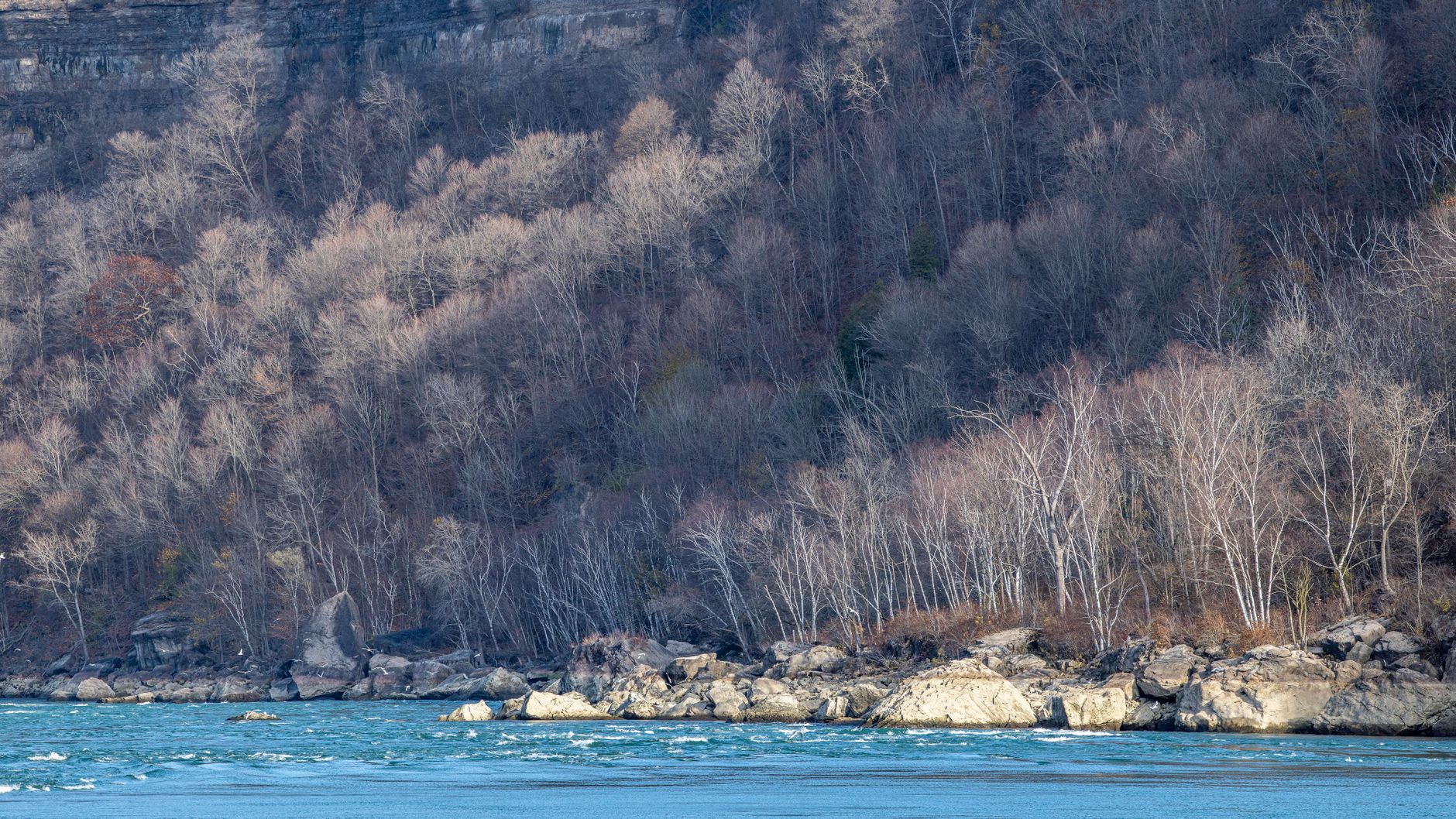
Waterbody Guide
Grand River Fishing: Grand Rapids Gauge & November Push
Grand River at Grand Rapids: start with the gauge, not the calendar — fall median discharge near 3,570 cfs inside a wide 2,310–5,827.5 cfs band.
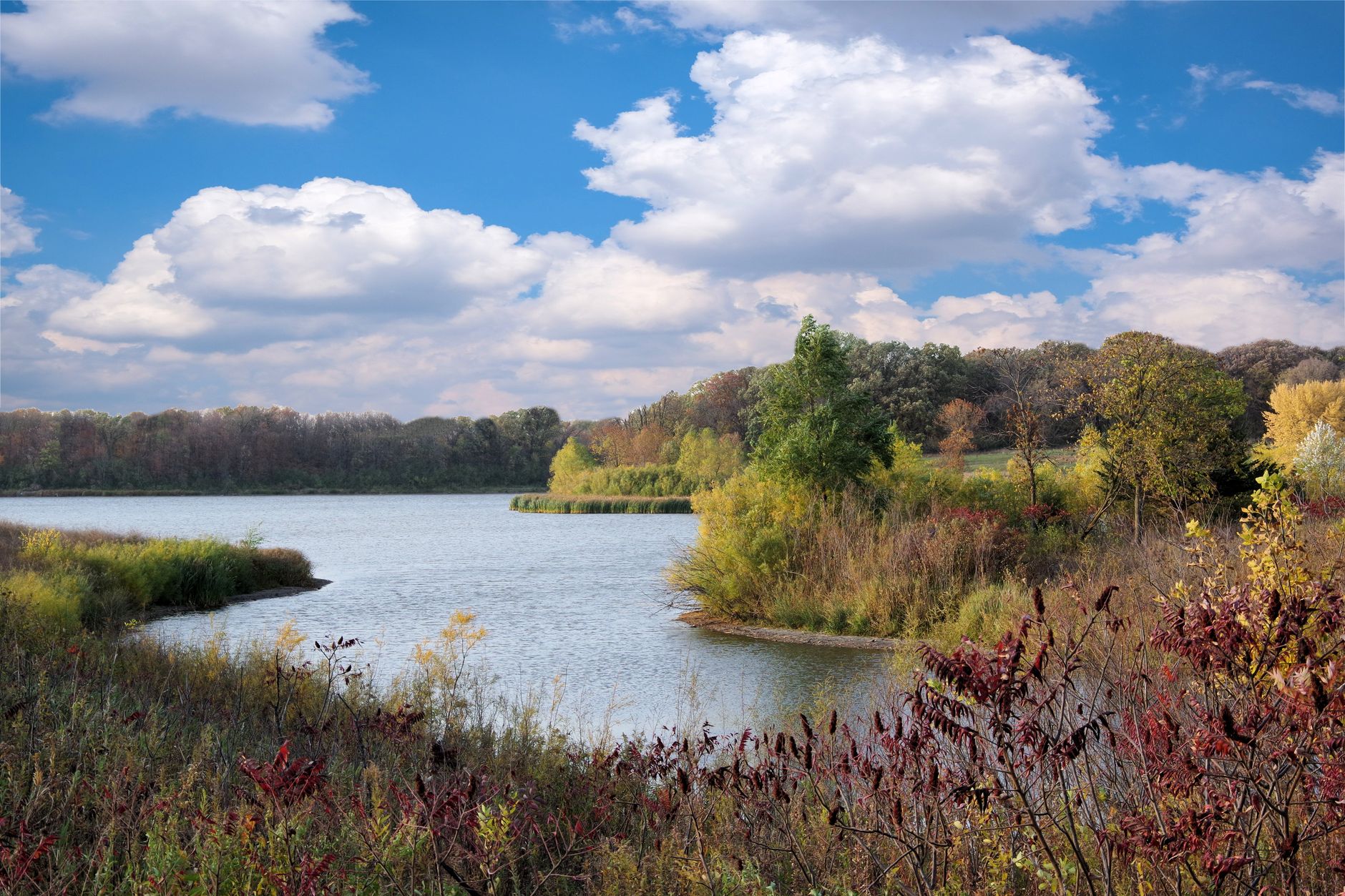
Waterbody Guide
Kalamazoo River Fishing: New Richmond Fall Flow Band
Kalamazoo River fishing: character shifts from headwaters to the Lake Michigan mouth, with fall median discharge near 1,770 cfs and water around 52°F (11.2°C).
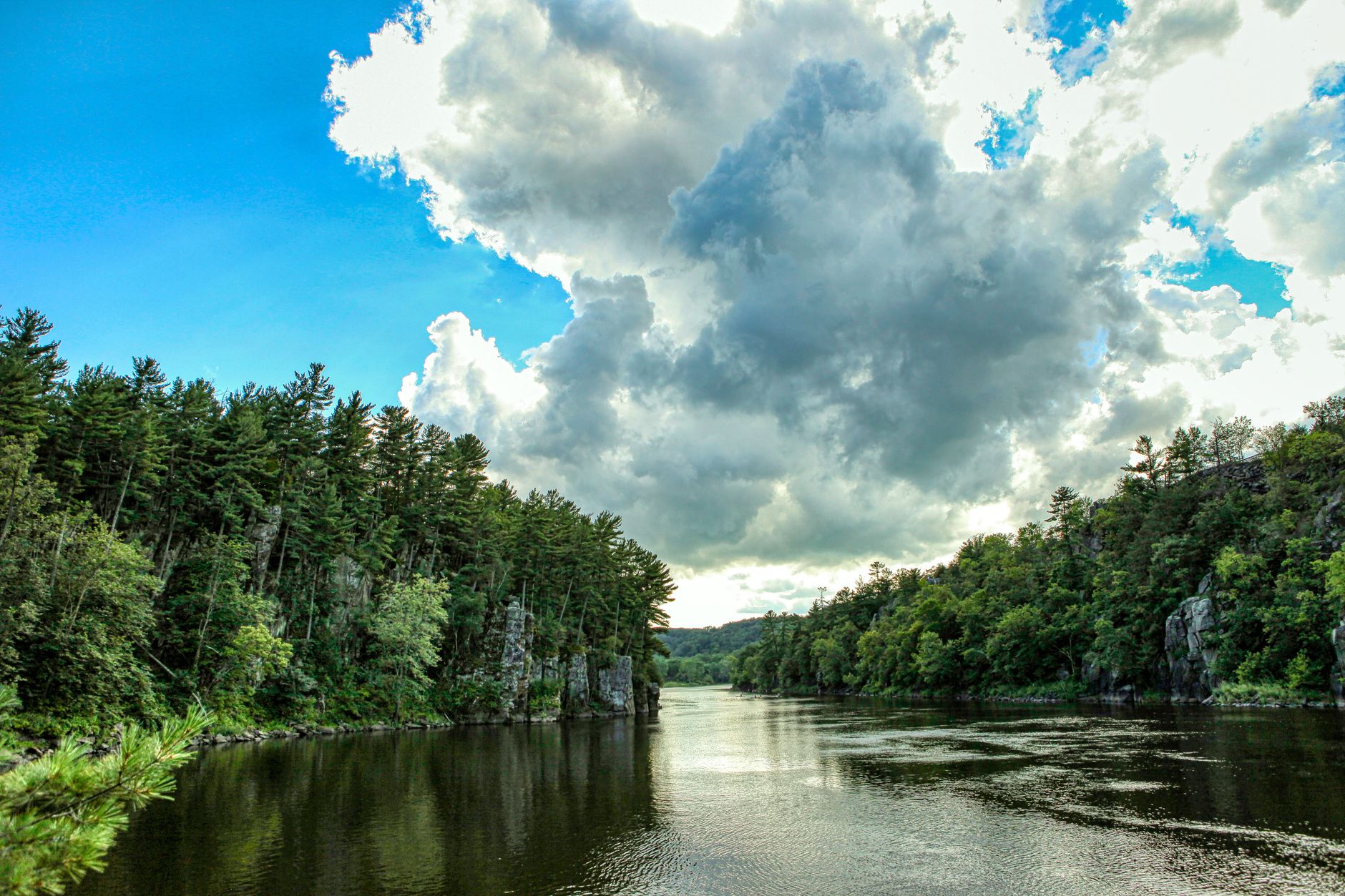
Waterbody Guide
St. Joseph River Fishing: Niles Gauge & Berrien Reaches
St. Joseph River: lower water below Niles takes on Big Lake runs while Berrien reaches fish warmer, with fall median discharge near 3,520 cfs at Niles.
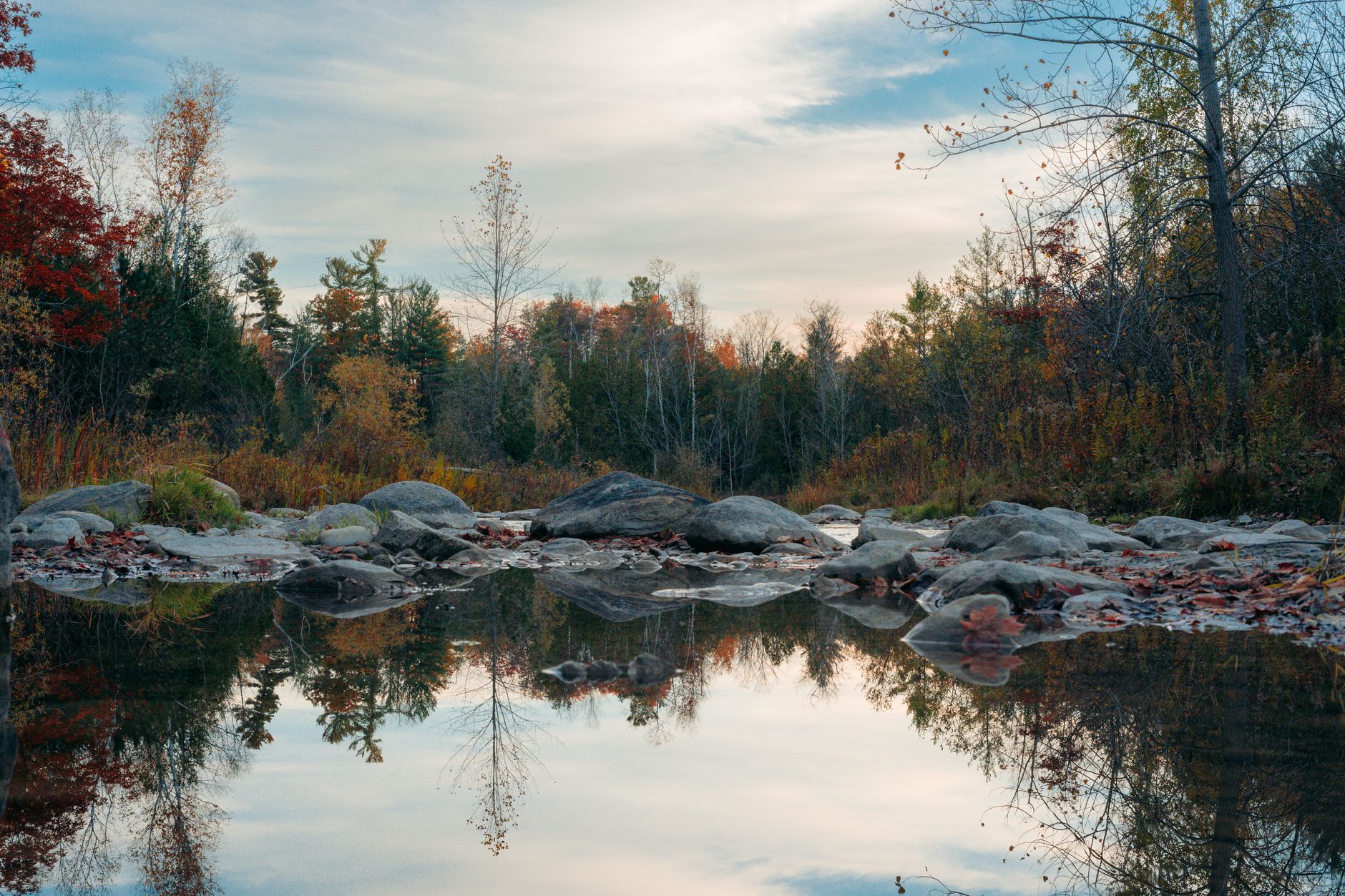
Waterbody Guide
Rifle River Fishing: Sterling Gauge to Saginaw Bay
Rifle River toward Omer and Saginaw Bay: access limits the day more than desire, with fall median flow near 239.3 cfs and water around 47°F (8.5°C).
Waterbody Guide
Sturgeon River Fishing: Wolverine Gauge Autumn Band
Sturgeon River near Wolverine: September–November fall median discharge near 214.5 cfs, inside a reliable 197–259 cfs band for northern Lower Peninsula trips.
Waterbody Guide
Boardman River Fishing: Beitner Road Fall Consistency
Boardman River near Traverse City: fall median discharge near 259.5 cfs at Beitner Road, inside a reliable 234–307 cfs band for late-season trips.
Sign in to join the conversation.
Sources & Attribution
Fishing regulations and waters information should be verified with the relevant state wildlife agency before you fish.
Images: Photo by Héctor Berganza on Pexels; Photo by James Thomas on Pexels; Photo by The Humantra on Pexels; Photo by Michal Dziekonski on Pexels; Photo by 424fotograf on Pexels. Stock photos from Pexels / Unsplash license; links above point to each photo where available.
Information may change. Always verify seasons, licenses, and local regulations with the official source before you fish.
Did this guide help? Share it with a friend.