What separates a steelhead trip that produces from one that just produces windshield time? Timing. The steelhead runs in Michigan's tributaries follow a narrower calendar than most anglers assume, and the fish don't read the same schedule twice. As of 2026, the reliable windows are fall (October through December) and spring (March through May), with the exact push tied to water temperature and flow. Get those windows right and you're fishing. Miss them and you're casting at empty water.

Jason Pittman via Pexels
Steelhead in Michigan: Seasons, Rivers & Tactics (2026)
9 min read
Species Guide
What separates a steelhead trip that produces from windshield time? Timing, river choice, and reading water — how Michigan steelhead actually work (2026).
Observation seasonality
Month-of-year pattern of research-grade reports in Michigan — observed angler and naturalist activity, not how many fish are in the water.
3Jan
8Feb
25Mar
30Apr
59May
63Jun
82Jul
62Aug
52Sep
24Oct
20Nov
20Dec
448 research-grade observations · iNaturalist taxon 47516 · computed Oct 19, 2026.
Observation counts from iNaturalist research-grade records. Counts reflect when people reported this species — not how many fish are present. No license is claimed for the records.
Full statewide month-by-month dataset: Michigan steelhead: observed activity by month
Season Windows
Steelhead in Michigan get targeted in two distinct seasons, and they fish differently in each.
Fall run (October-December): The first fish show in Great Lakes tributaries when water temps drop below about 50°F, usually mid-October along the northern Lower Peninsula and Upper Peninsula. The peak push typically lands between late October and Thanksgiving. These are fish moving up to hold for winter, and they'll sit in deeper holes rather than push all the way to the spawning gravel. December fishing slows as ice forms on the shallower tributaries, but the southern rivers in the Lower Peninsula can stay open into January.
Spring run (March-May): This is the more reliable window for most anglers. Fish that wintered in the rivers start moving again as ice breaks up and water temps climb into the upper 30s and 40s. The spawning push peaks in April, with fish spread from the river mouths to the upper reaches. Spring steelhead are more aggressive and more willing to chase a swung fly or a drifted spawn sac. The window runs later in the U.P., where ice persists into April.
Summer steelhead? A few fish hold in the bigger rivers all summer, but this is not a reliable Michigan target. The Skamania strain gets stocked in some systems (check the state fishing guide for specifics), but most anglers don't bother. If you're planning a summer trip for steelhead specifically, you're probably better off chasing smallmouth or targeting the early fall run instead.
Legal Notes

Steelhead are managed under Michigan's general trout and salmon regulations, but the specifics depend on which water you're fishing. The rules split between the Great Lakes and their tributaries, and they change by season in some rivers.
Key points as of 2026:
- License: A standard Michigan fishing license covers steelhead. No stamp required.
- Season: Most Great Lakes waters and tributaries are open year-round for steelhead, but individual rivers may have closures during spawning periods. Some managed sections close entirely from late March through April.
- Size and bag limits: These vary by water body and whether you're in the inland or Great Lakes district. Do not assume the limit you learned on one river applies to the next one over.
Confirm the season and size limit on the MDNR regs page before you go. The regs are organized by water body, so look up the specific river you plan to fish, not just the general rules.
The MDNR stocking portal lists which rivers get steelhead and when. This is worth checking before you pick a destination. A river that got stocked last spring will have fish this fall. A river that hasn't been stocked in three years might still hold fish, but the numbers will be thinner. Read the stocking notes, then verify locally.
Where It Shows Up

Steelhead are anadromous in the Great Lakes, which means they live in the lakes and run up tributaries to spawn. In Michigan, that means the fish are where the rivers meet the big water.
Great Lakes tributaries
The classic steelhead rivers in Michigan are the tributaries to Lake Michigan and Lake Huron. The Pere Marquette, the Manistee, the Muskegon, the Au Sable, and the Betsie all get consistent runs. In the U.P., the Carp River, the Rapid River, and the Two Hearted see fish but get less pressure. The Lake Superior tributaries, like the Ontonagon and the Presque Isle, run smaller and colder, which pushes fish timing later in the spring.
The rivers that fish best share a few features: they have enough flow to hold fish through the winter, they have gravel substrate for spawning, and they're deep enough to give fish cover. Small creeks that freeze solid in January won't hold steelhead through the winter; they'll only get a quick fall push before the fish drop back to the lake.
Harbor and pier fishing
When the runs are on, fish stage off the river mouths in the harbors and along the piers. This is a legitimate option for anglers without a boat or without waders. Pier anglers catch steelhead casting spawn sacs, spoons, and even crankbaits into the harbor basins. The fish are often holding in 10 to 20 feet of water right off the pier ends.
Open water
In spring and fall, trolling along the shoreline in 10 to 40 feet of water can pick up steelhead moving along the beach. This is a niche tactic compared to river fishing, but it works when the fish are staging before the runs. Spoons and body baits behind planer boards or divers get the most attention.
How Anglers Target It

The tactics split by season and water class.
Fall river fishing
Fall steelhead are holding fish. They're not actively feeding, so you're fishing to provoke a reaction rather than satisfy hunger. The standard presentation is a spawn sac drifted through a deep run or hole, with enough weight to get down near the bottom. Add a float to control depth and keep the offering in the strike zone.
Fly anglers fish egg patterns and nymphs under an indicator, or swing streamers through the deeper runs. The swing bite gets better as the water cools and the fish get more territorial.
Gear: A 9-foot rod rated for 8 to 10 weight line handles both spawn sacs and flies. Spinning anglers can get away with a 7-foot medium-heavy rod spooled with 10 to 12 pound test. The fish aren't line shy in the fall; they're just lethargic.
Spring river fishing
Spring steelhead are a different animal. They're actively moving, and they'll chase. The same spawn sac drift works, but you can also cast spoons, spinners, and crankbaits through the runs. The aggressive fish will hit a moving target.
Fly anglers switch to egg patterns, stoneflies, and streamers. The swinging streamer bite peaks in the spring, especially on overcast days when the fish are moving.
Gear: Same rods, but you might size down to a 7 weight for the smaller spring fish and the lighter presentations. Bring both spawn sacs and hardware so you can switch when the fish tell you what they want.
Pier and harbor fishing
Pier anglers do best with a simple setup: a 9 to 10 foot rod, a sliding float, and a spawn sac or a small spoon fished just off the bottom. Cast beyond the staging fish and work the bait back through the pod. The bite is often subtle, so watch the float, not the rod tip.
Boat fishing
Trolling for steelhead in the open water requires downriggers or divers to get baits down to the fish. Spoons in silver, chartreuse, and orange get the most attention. Speed matters: steelhead like a faster troll than salmon, usually 2.5 to 3.5 mph. Watch your temperature gauge; the fish will be in the warmest water they can find, usually 45 to 55°F.
Conditions That Matter

Steelhead movement is tied to water temperature and flow more than any other factor.
Water temperature: The runs start when tributary temps drop below 50°F in the fall and pick back up when temps climb above 40°F in the spring. Fish hold in the 45 to 55°F band. If the water is colder than that, they'll be sluggish and harder to move. Warmer than that, and they'll be pushed up into the river already.
Flow: Steelhead move on rising water. A good rain that bumps the river up a foot or two will push fresh fish in from the lake. If flows are up, wait. Fish the falling water after the peak, when the fish are settled and the water clarity improves. The rivers fish best a day or two after a rain event, when the water is dropping and clearing.
Clarity: Steelhead will hit in off-color water, but the presentation changes. In stained water, use bigger baits and brighter colors. In clear water, downsize and fish lighter line. Most anglers underestimate how clear the fall rivers get; a 6-pound fluorocarbon leader isn't overkill.
Wind: Wind changes the plan on the big water. A strong east or northeast wind on Lake Michigan will push warm surface water into the tributary mouths, which can stall the fall run for days. Conversely, a northwest wind will pull the warm water out and trigger a push. Check the wind forecast before you commit to a weekend.
Ice: The late fall window closes when the shallow tributaries freeze. A mild December can extend the season; a hard freeze can end it overnight. Bring a backup access that's deeper or further south if you're fishing late in the year.
Common Mistakes
Fishing the wrong water. Most anglers overestimate how far up the river the fish are. In the fall, the bulk of the fish hold in the lower reaches, within a mile or two of the lake. Hiking three miles upstream to "better water" often means walking past the fish. Fish the lower sections first, then work up.
Fishing at the wrong time of day. Steelhead in the fall will often move at first light and then shut down as the sun hits the water. The last hour of the day can be equally productive. The middle of the day is for napping, not fishing, unless it's cloudy and wet.
Using too much weight. The drift needs to look natural. A spawn sac bouncing along the bottom with a quarter-ounce of lead clattering behind it isn't fooling anything. Use the lightest weight that keeps your bait in the zone. The fish aren't spooked by the weight, but they won't move for an unnatural presentation.
Not checking the regs for the specific river. The general rules don't cover everything. Some rivers have special regulations, including artificial-only sections, fly-only stretches, and seasonal closures. Access here is not a given. Check the MDNR regs page for the specific water before you drive.
Ignoring the stocking data. The MDNR stocking portal tells you which rivers got fish and when. A river that received 20,000 spring yearlings in 2025 will have fish in the 2026 fall run. A river that hasn't been stocked in five years is fishing on leftover wild fish only. Read the stocking notes, then verify locally.
Practical Takeaways
- Check the gauge before you leave. The USGS streamflow page for your target river tells you if the water is dropping, rising, or blown out. Adjust your plan accordingly.
- Confirm the season and size limit on the MDNR regs page. Look up the specific river, not the general rules.
- Read the stocking notes on the MDNR stocking portal for the past two years. That tells you if the river has fish to target.
- Fish the lower river first in the fall. The fish are closer to the lake than you think.
- Bring spawn sacs, spoons, and a few streamers. The fish will tell you what they want; be ready to switch.
- Watch the wind forecast. A sustained east wind can stall the fall run for days.
- Have a backup access. If the river is blown out or the fish aren't there, the next river over might be on.
- If flows are up, wait. The fishing improves as the water drops and clears.
Final Thoughts
Steelhead fishing in Michigan rewards patience and preparation more than skill. The fish are there, but only during the right windows and only in the right water. Check the regs, check the gauge, check the stocking notes, and be willing to adjust. When the conditions line up, the fishing is worth the drive. When they don't, you'll know before you get there.
Sources
- Official source: Michigan DNR michigan.gov/dnr/things-to-do/fishing/laws-and-regs
- Official source: Michigan DNR michigan.gov/dnr/managing-resources/fisheries/stocking
Photo Gallery
More to Explore
Waterbody Guide
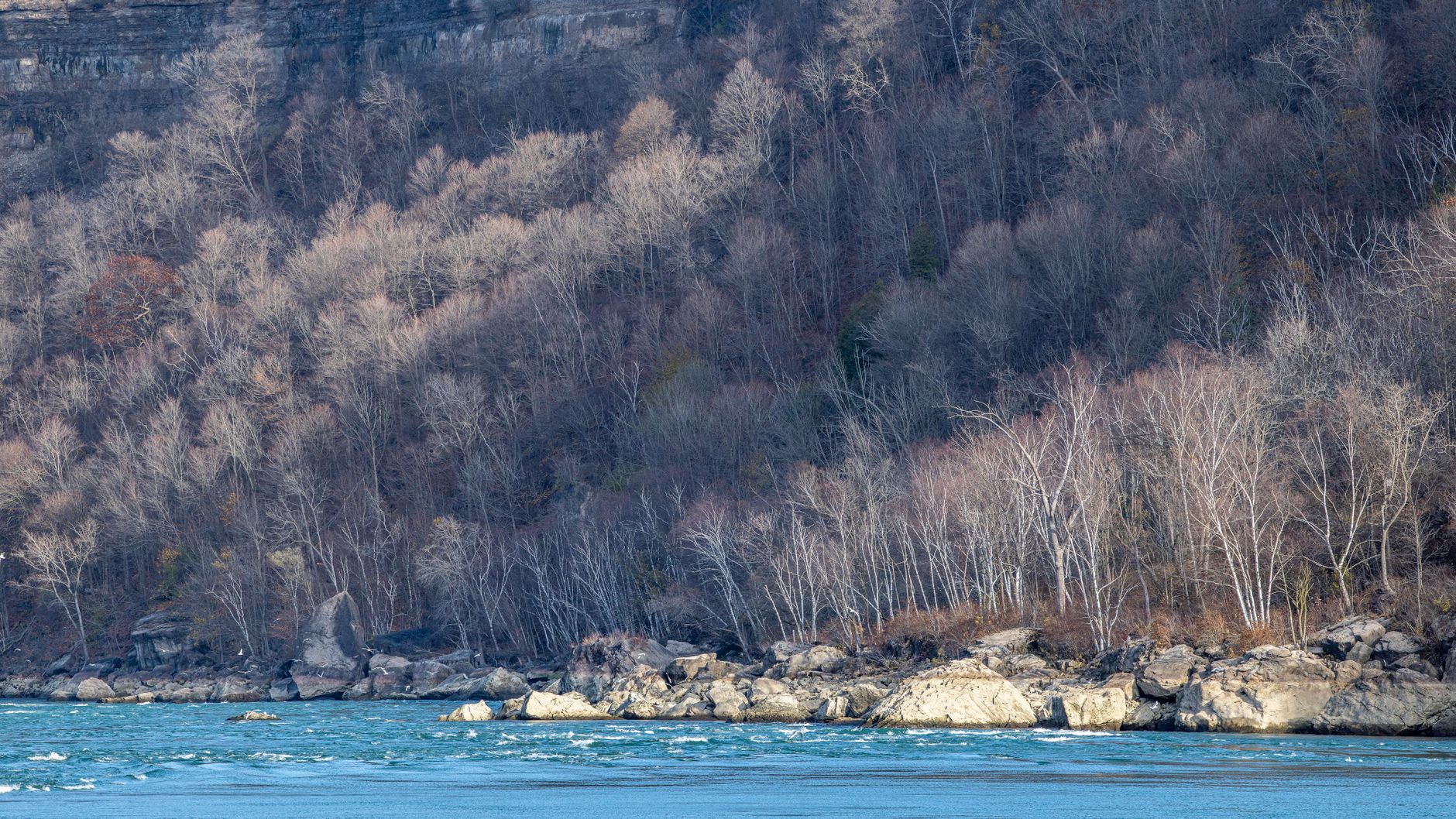
Grand River Fishing: Grand Rapids Gauge & November Push
Grand River at Grand Rapids: start with the gauge, not the calendar — fall median discharge near 3,570 cfs inside a wide 2,310–5,827.5 cfs band.
Waterbody Guide
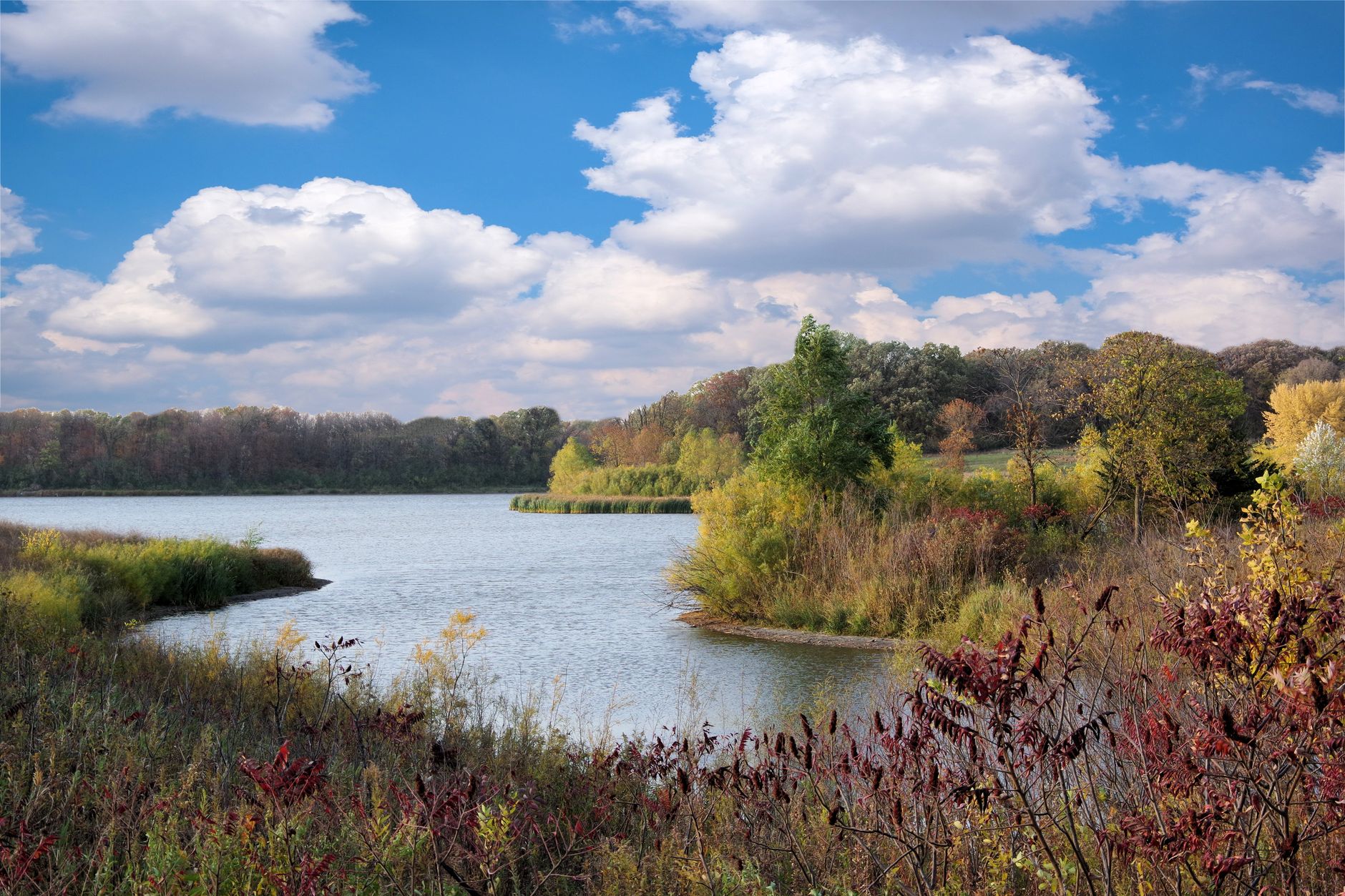
Kalamazoo River Fishing: New Richmond Fall Flow Band
Kalamazoo River fishing: character shifts from headwaters to the Lake Michigan mouth, with fall median discharge near 1,770 cfs and water around 52°F (11.2°C).
Waterbody Guide
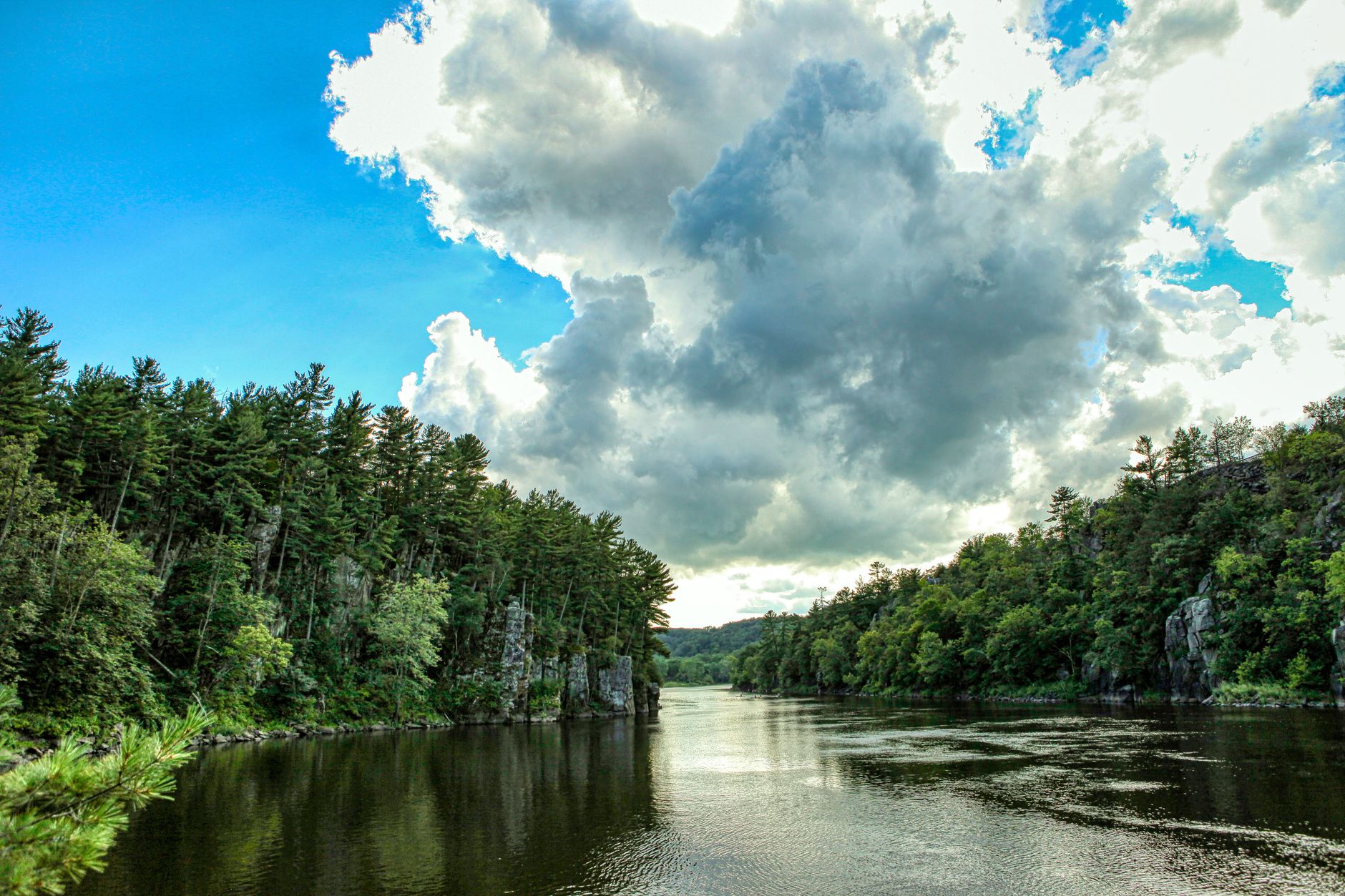
St. Joseph River Fishing: Niles Gauge & Berrien Reaches
St. Joseph River: lower water below Niles takes on Big Lake runs while Berrien reaches fish warmer, with fall median discharge near 3,520 cfs at Niles.
Waterbody Guide
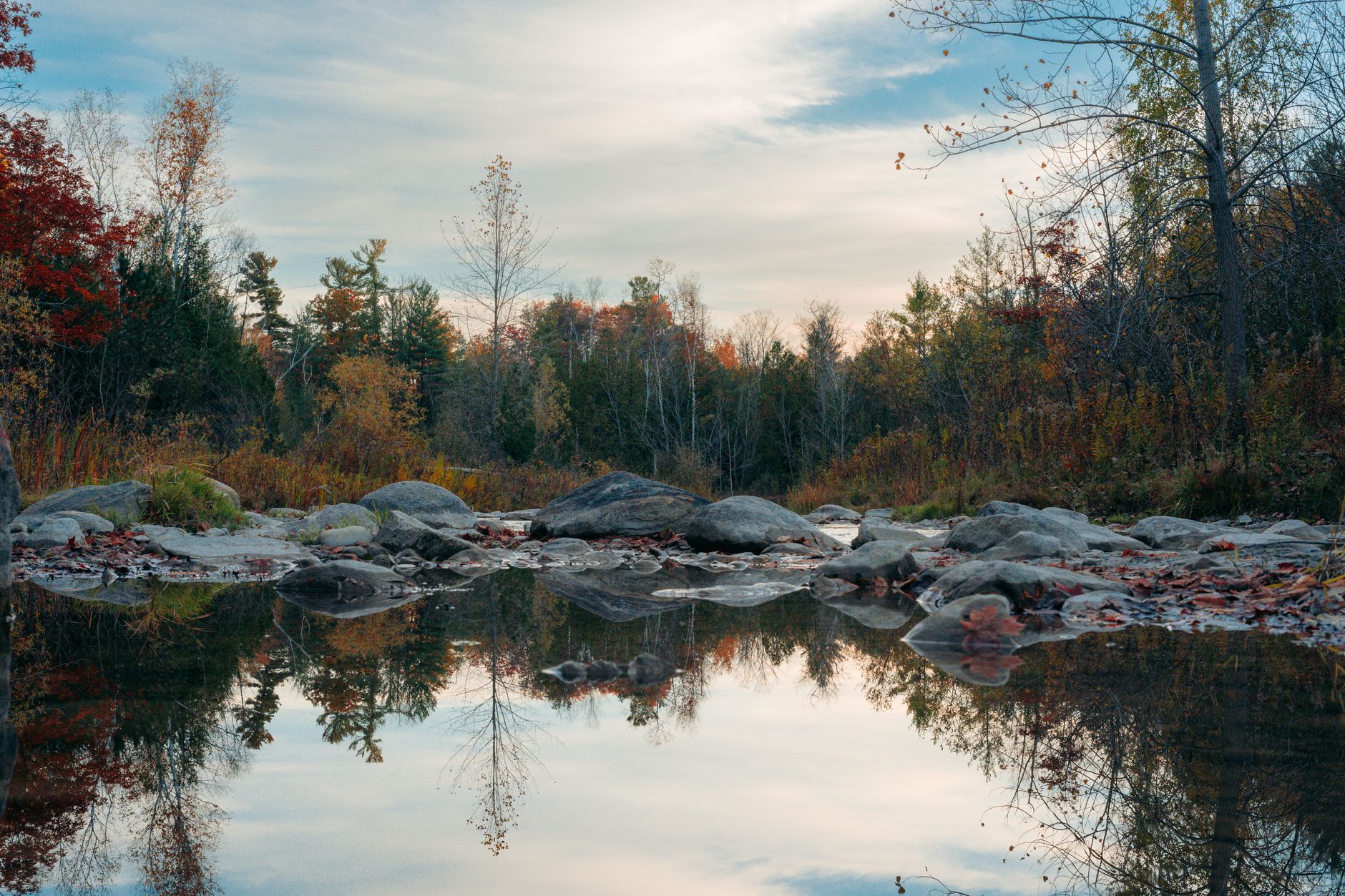
Rifle River Fishing: Sterling Gauge to Saginaw Bay
Rifle River toward Omer and Saginaw Bay: access limits the day more than desire, with fall median flow near 239.3 cfs and water around 47°F (8.5°C).
Waterbody Guide
Sturgeon River Fishing: Wolverine Gauge Autumn Band
Sturgeon River near Wolverine: September–November fall median discharge near 214.5 cfs, inside a reliable 197–259 cfs band for northern Lower Peninsula trips.
Waterbody Guide
Boardman River Fishing: Beitner Road Fall Consistency
Boardman River near Traverse City: fall median discharge near 259.5 cfs at Beitner Road, inside a reliable 234–307 cfs band for late-season trips.
Sign in to join the conversation.
Sources & Attribution
Fishing regulations and waters information should be verified with the relevant state wildlife agency before you fish.
Images: Photo by Jason Pittman on Pexels; Photo by James Thomas on Pexels; Photo by The Humantra on Pexels; Photo by Michal Dziekonski on Pexels; Photo by 424fotograf on Pexels. Stock photos from Pexels / Unsplash license; links above point to each photo where available.
Information may change. Always verify seasons, licenses, and local regulations with the official source before you fish.
Did this guide help? Share it with a friend.