Most visitors to Olympic National Park head for the Hoh Rain Forest or the Hurricane Ridge overlooks. That leaves the Queets River valley largely to itself - and the 20-site Queets Campground sitting beside it. This is the quietest front-country campground in the park, and it requires a deliberate choice to reach.
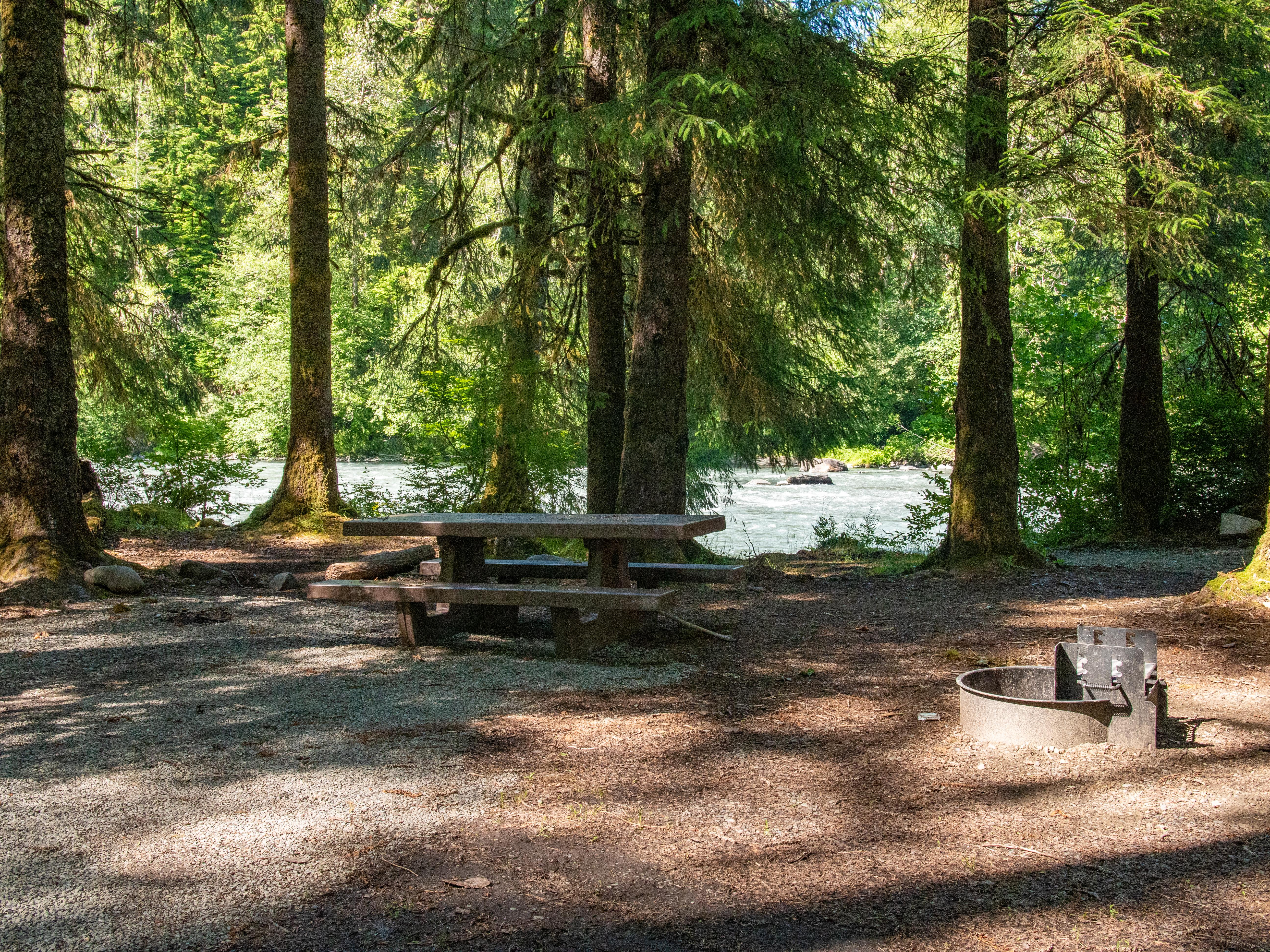
NPS via NPS.gov (Public Domain)
Queets Campground: Quietest Front-Country Camping (2026 Guide)
5 min read
Campsite Guide
Queets Campground in Olympic National Park: 20 first-come sites at $15 per night, reached via 11 miles of gravel road. No hookups or potable water (2026).
Your plans
For more, see Campsites at Hoh Campground (2026 Guide) and Campsites at Kalaloch Campround (2026 Guide).
The Queets Campground sits at the end of a gravel road that was cut off from the main park road system by a mudslide years ago. The slide never got repaired on the original access route, so the campground is now only reachable from the Upper Queets River Road - a longer, rougher approach that keeps casual traffic away. If you are looking for solitude and don't mind driving 11 miles of unpaved road to get it, this campground rewards the effort.
What Makes Queets Campground Different
The Seclusion Factor
The Queets Campground sits on the Queets River in the park's southwest corner, an area that sees a fraction of the visitors the Hoh or Sol Duc valleys get. The campsites are spread along a single loop under a canopy of bigleaf maple, alder, and Sitka spruce. The sound here is river water over gravel bars, not generators or other campers' conversations.
The access situation matters. Because the original road washed out and the park shifted to using the Upper Queets Road, the drive in from Highway 101 takes longer than the map suggests. From the highway, you turn onto Road 21 (a forest service road), then onto the Upper Queets Road. That upper road is gravel, narrow in places, and can be rough after storms. Rangers will tell you to expect about 45 minutes from Highway 101 to the campground, and they are not exaggerating.
Site Details
Twenty sites, all first-come, first-served. No reservations. At $15.00 per night as of 2026, this is one of the cheaper camping options in the park. No hookups, no dump station, no potable water - pack in what you need. Each site has a fire ring and a picnic table. The vault toilets are maintained but basic.
The sites themselves vary. Some are closer to the river, others tucked further into the trees. Early morning is your best bet for securing a spot during summer months, though even on busy weekends the campground rarely fills completely. Most visitors underestimate how far out of the way this campground is, which works in your favor.

Practical Information for Your Visit
Season and Weather
The campground is open year-round. Winter use is possible but comes with caveats. The Queets River valley gets heavy rain - 120 to 140 inches annually is normal. From November through March, expect saturated ground, frequent rain, and short days. The road becomes more challenging in wet conditions but remains passable to standard vehicles when maintained.
Summer and early fall (June through October) offer the most reliable weather. Daytime temperatures range from the mid-60s to low 70s Fahrenheit. Nights cool into the 40s and 50s. Pack extra water for this stretch - the river water requires treatment before drinking, and the campground has no tap.
What the Official Website Doesn't Mention
Cell service drops out at roughly the same point you turn onto Road 21. Plan accordingly. Download maps and directions before leaving Highway 101. The drive into the campground itself is beautiful - through second-growth forest and then into old growth as you approach the river - but it is slow going. Allow the full 45 minutes from the highway.
The Queets River is glacier-fed and runs cold year-round. Swimming is possible on hot days but requires some nerve. The river also fluctuates with snowmelt and rain, so keep an eye on conditions if you are camping near the bank.

Activities and Nearby Attractions
On the River
The campground's main attraction is the Queets River itself. Fishing for salmon and steelhead draws anglers in season (check Washington Department of Fish and Wildlife regulations - the park has specific rules that differ from surrounding national forest land). The river also offers miles of gravel bars for wandering. Keep an eye out for elk - the Queets valley supports a healthy herd, and they move through the area regularly.
Hiking from Campground
The Queets area does not have the short, well-marked trails you find near the Hoh or Lake Crescent. This is rougher country. The main trail from the campground is the Queets River Trail, which follows the river upstream into the park's backcountry. This is a backpacking route, not a day hike - expect stream crossings and route-finding challenges. For shorter walks, the campground loop itself and the gravel bars offer plenty of exploring without needing a formal trail.
Broader Park Access
Because of the access situation, the Queets Campground works better as a destination itself than as a base for touring the park. If you want to visit Hurricane Ridge, the Hoh, or the coast, you will be driving 90 minutes or more each way. Plan to stay put. This is a campground for people who want to be in one place for a few days, listening to the river and reading books.
For a broader overview of your options at the park, the complete visitor guide covers all the major areas and how they connect. If you are comparing Queets to other camping options, the all campgrounds page breaks down what each location offers.

Practical Takeaways
- Arrive early. First-come, first-served means the best sites go by late morning during summer. Midweek is your safest bet.
- Pack everything. Bring drinking water, food, firewood (buy local to avoid spreading pests), and a camp stove as backup. No supplies are available at the campground or along the access road.
- Tank up on gas. The nearest gas is in Queets village on Highway 101 or in Forks. Fill up before turning off the highway.
- Check road conditions. The Upper Queets Road is not maintained to the same standard as park paved roads. Call the park or stop at the visitor center before heading in, especially in shoulder seasons.
- Bring rain gear. This is the Olympic Peninsula. Even in August, rain is possible. A waterproof shell and dry bags for gear are standard equipment here.
- Leave no trace. Pack out all trash. The campground has no dumpsters. What you bring in, you carry out.
- Consider a Thursday arrival. The campground empties out midweek. Arriving Thursday gives you first pick of sites before the Friday crowd arrives, such as it is.

Final Thoughts
The Queets Campground is not for everyone. It requires a rough road, self-sufficiency, and a willingness to sit still. But for the visitor who wants to experience Olympic National Park away from the crowds, it delivers exactly that. The river noise at night, the absence of artificial light, the sense that you are in a place most people pass by - that is what this campground offers.
Book your reservation at the entrance station, pull in, set up, and listen. The Queets River has been running here a long time. It has something to say.
Sources
- Official source: National Park Service nps.gov/olym/planyourvisit/queets-area-brochure.htm
- Official source: NPS — Olympic National Park nps.gov/olym/index.htm
Photo Gallery
More to Explore
Park Guide
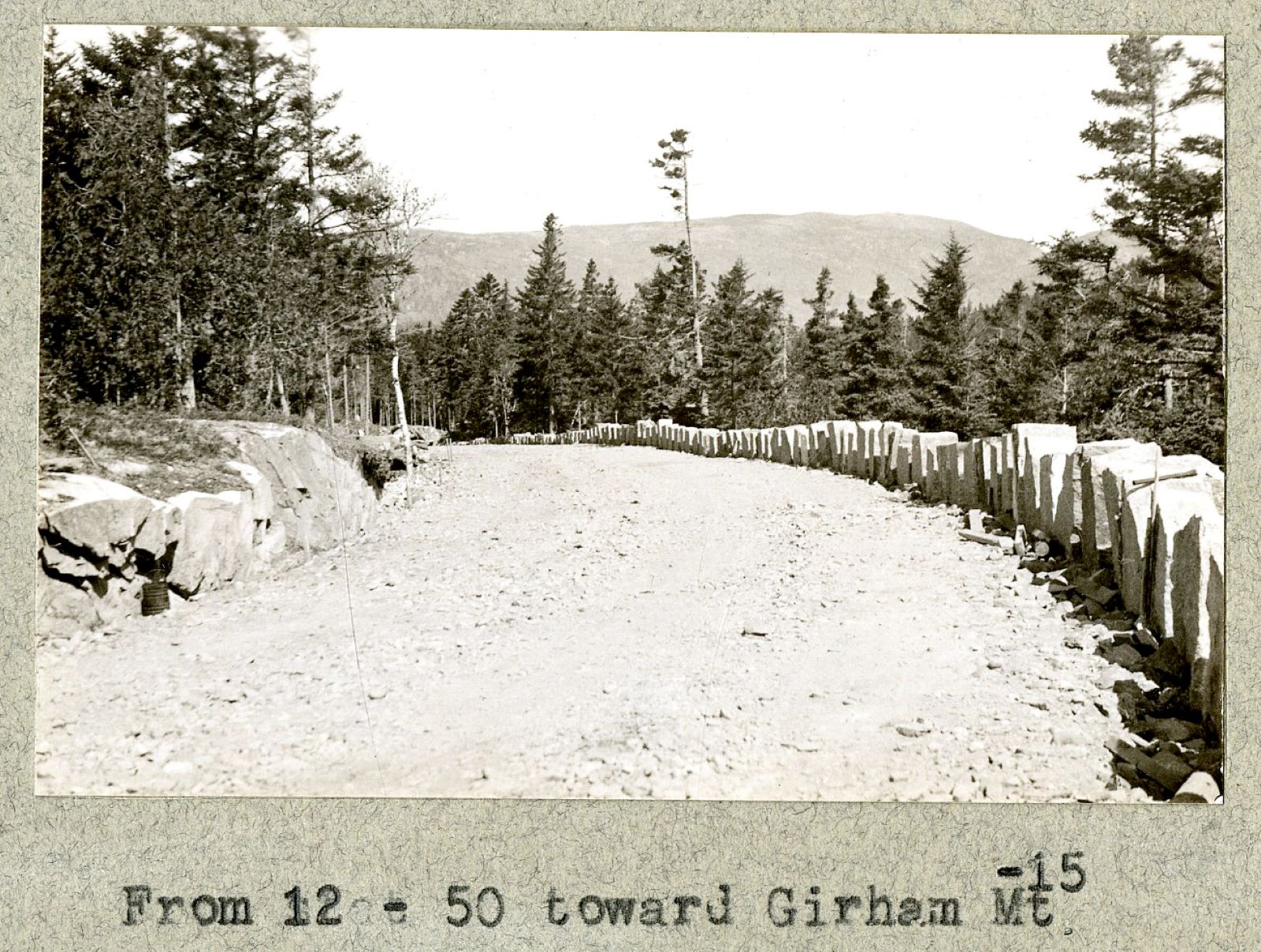
Acadia National Park: Carriage Roads, Cadillac Mountain & 2026 Guide
Discover carriage roads, Cadillac Mountain, and rugged Maine coast. Complete 2026 guide to Acadia National Park — trails, fees, lodging, permits, and what rangers recommend.
Hiking Guide
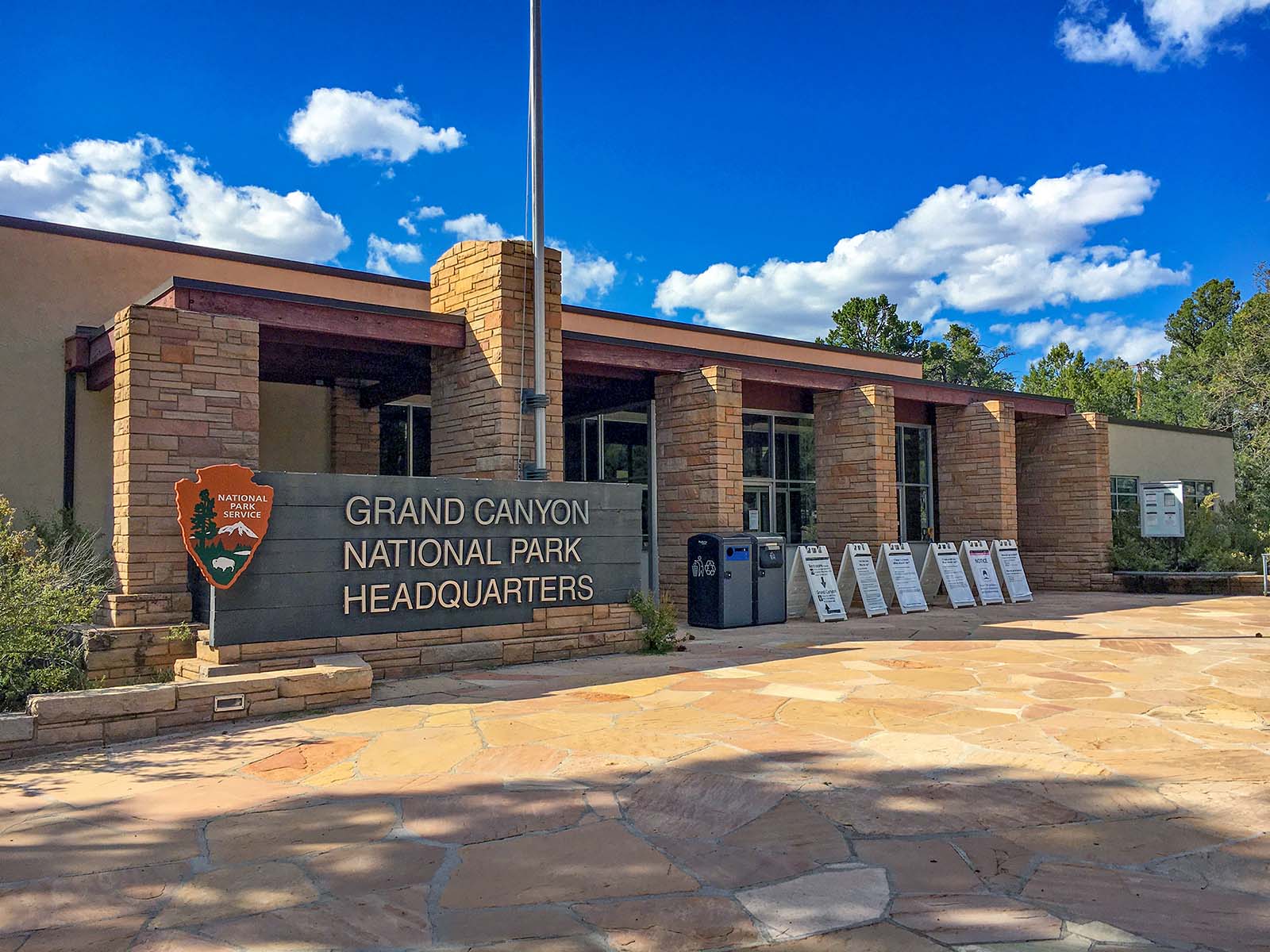
Grand Canyon Hiking Trails: Day Hikes, Water Sources & Rim to Rim
Compare Grand Canyon hiking trails: Bright Angel, South Kaibab, Hermit, Grandview, and rim to rim, with distances, elevation, water stops, and trailhead access for each.
Best Of
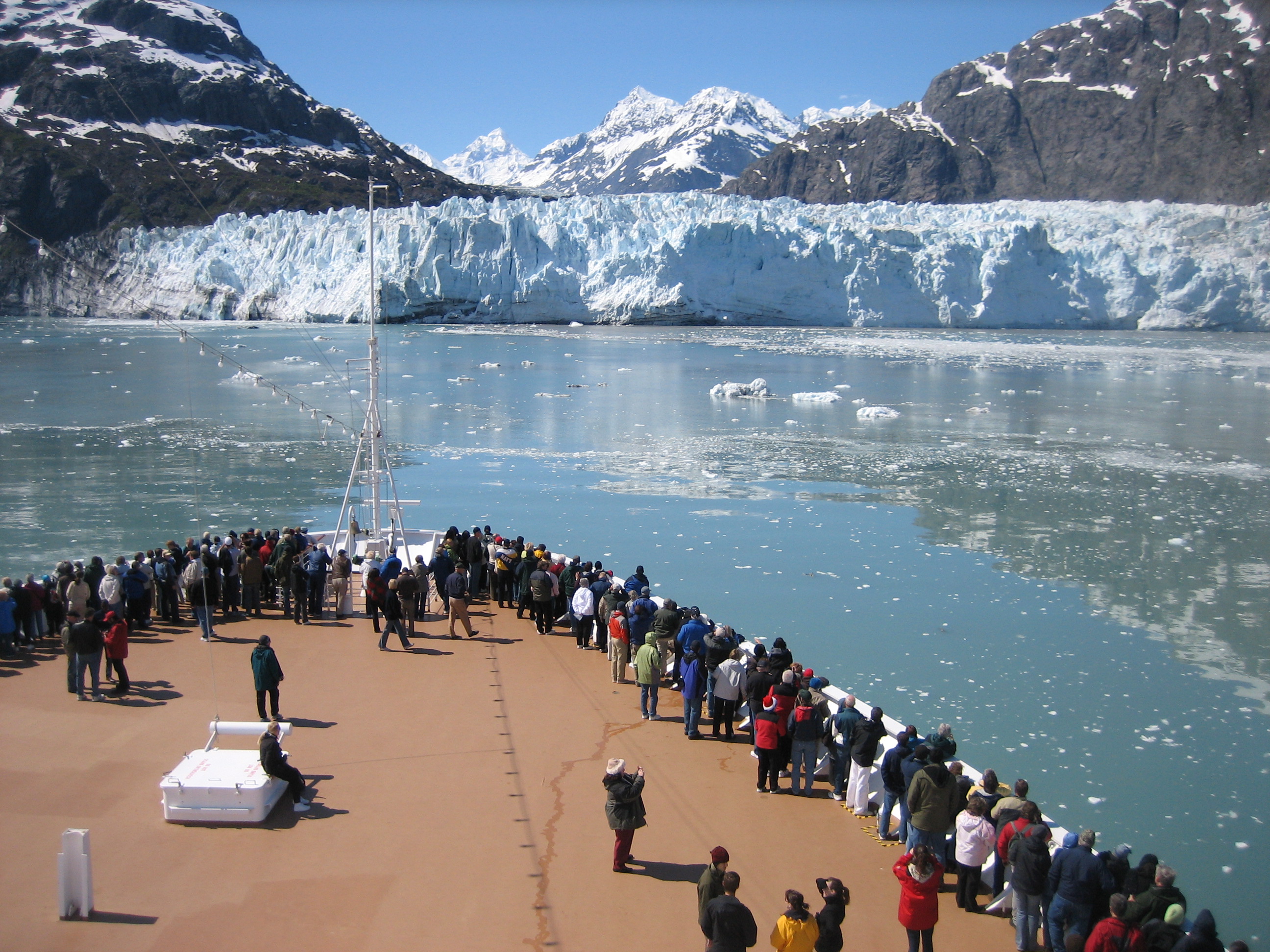
Best of Glacier Bay National Park
The best of Glacier Bay is reached by boat: ranger-led day tours up the bay to the tidewater glaciers. What's worth it, how to book, and when to go (2026).
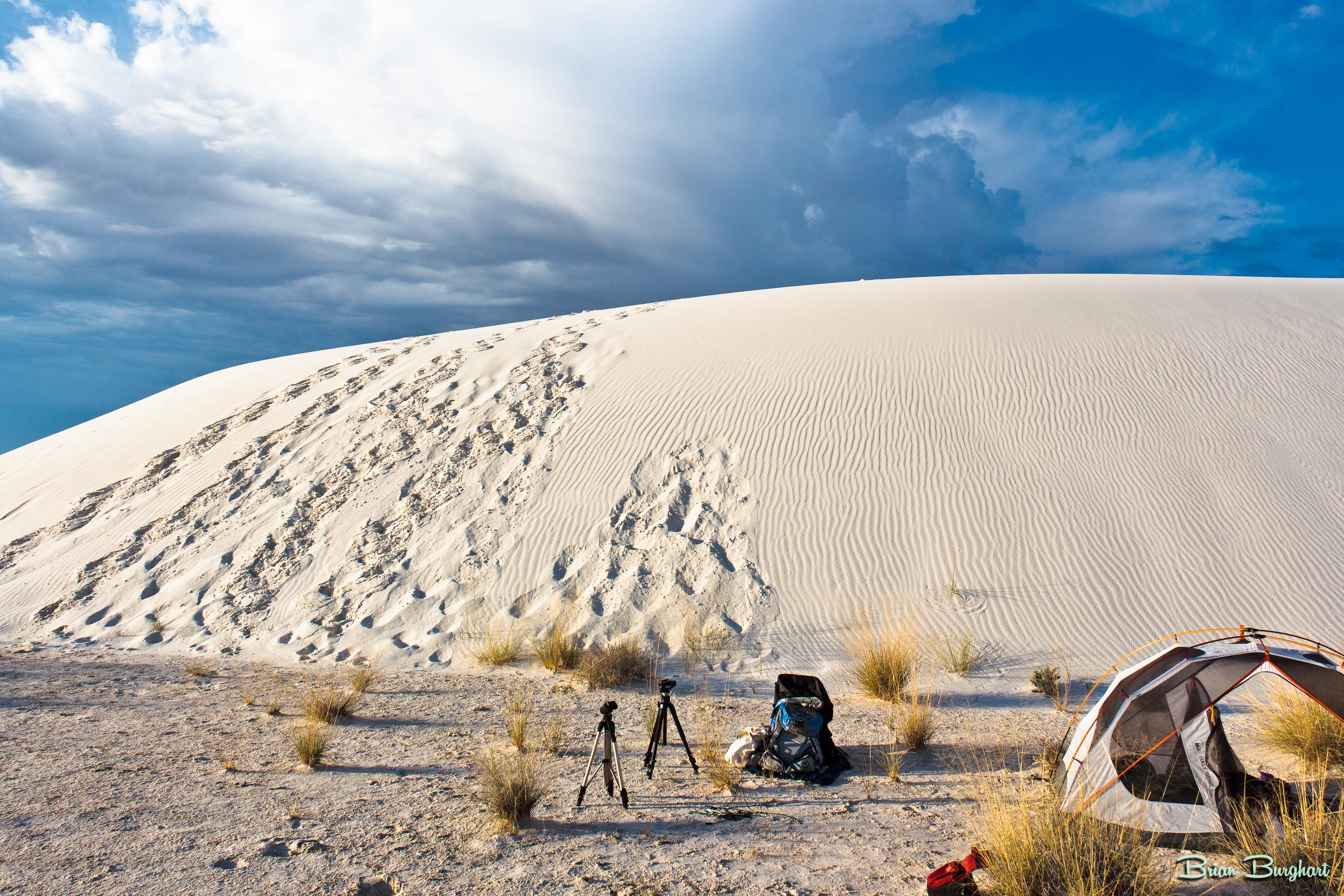
Campsite Guide
White Sands Backcountry Camping: Closed for 2026 — What to Know
As of 2026, backcountry camping at White Sands National Park is closed for site rehabilitation. What that means, and where to camp nearby instead.
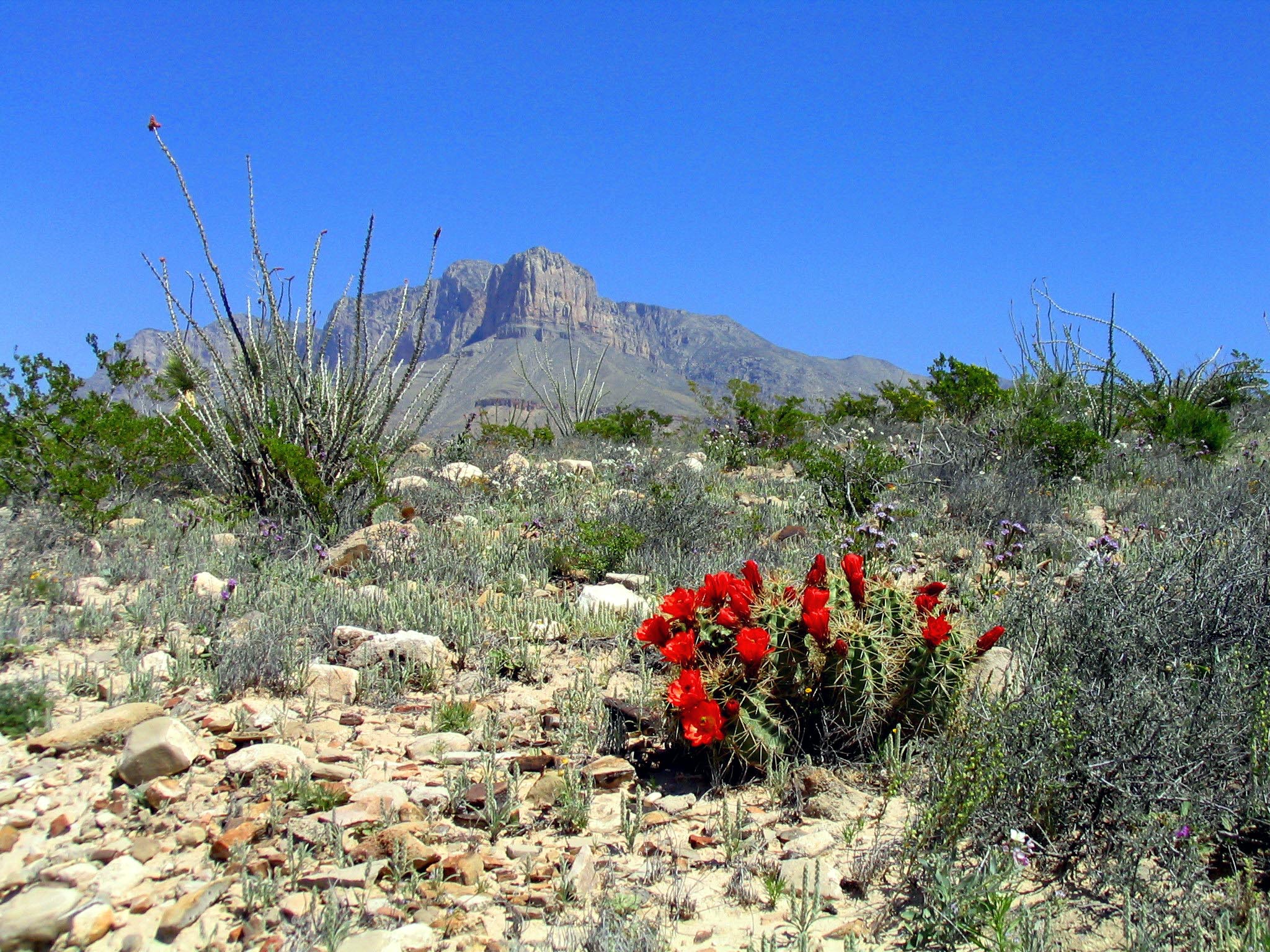
Weather Guide
Guadalupe Mountains National Park Weather: Weather
Guadalupe Mountains National Park: weather guide guide updated 2026. Practical visitor information, reservations, and seasonal tips worth bookmarking before
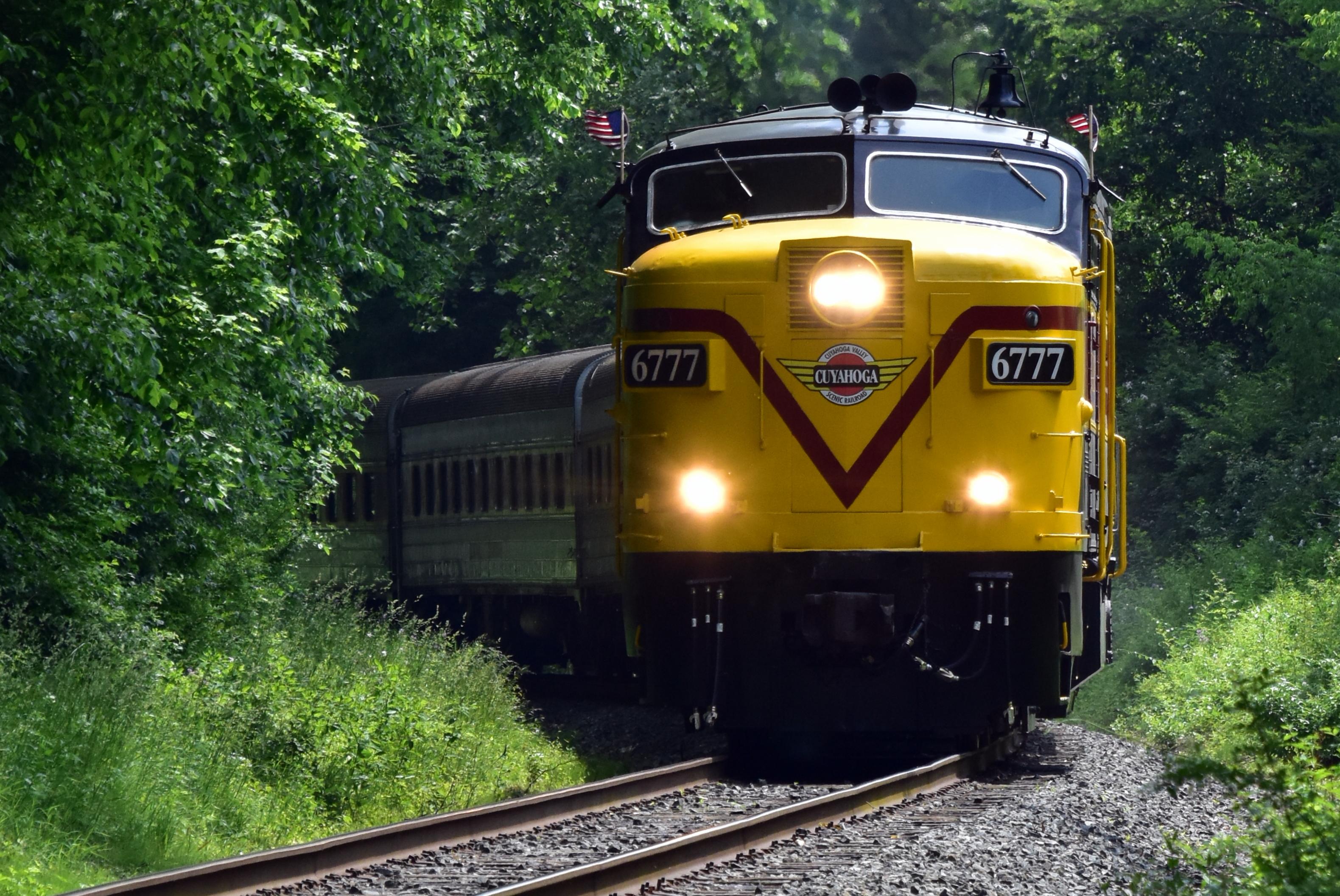
Best Of
Best of Cuyahoga Valley National Park: Best Things to Do
Seeing a Cleveland Orchestra concert with the woods as your backdrop is a uniquely Cuyahoga Valley experience.
Sign in to join the conversation.
Sources & Attribution
Location data courtesy of the National Park Service (U.S. Department of the Interior). NPS data is public domain. Official NPS page.
Images: NPS; NPS; NPS; NPS; NPS.
Map data © OpenStreetMap contributors.
Park operations alerts: NPS.gov · Weather and weather hazards: National Weather Service · Live conditions.
Information may change. Always verify fees, hours, and conditions directly with the official source before visiting.
Did this guide help? Share it with a friend.