The Hoh River runs gray-green with glacial silt, and on a summer morning the sound of it carries through the sitka spruce and western hemlock like a low engine idling. Hoh Campground sits at the end of Upper Hoh Road, 31 miles from Forks, Washington, in one of the few temperate rain forests in the continental United States. The place gets 140-plus inches of rain annually, which is exactly why the moss hangs six inches thick from every branch and the ferns grow waist-high. This guide covers what you need to know before booking a site here in 2026 - how reservations work, which sites are worth the extra effort, and what most first-time visitors get wrong.
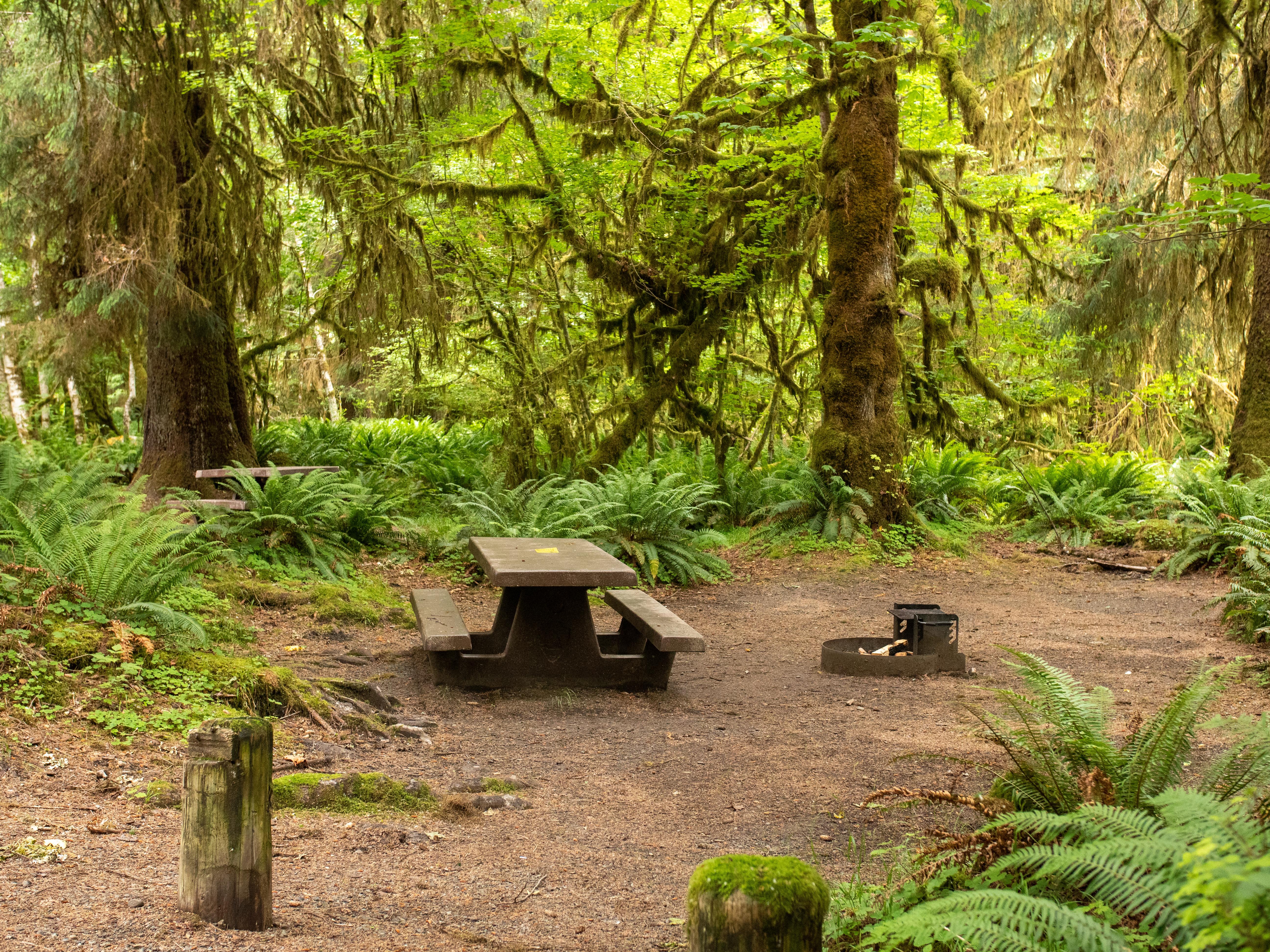
NPS via NPS.gov (Public Domain)
Campsites at Hoh Campground (2026 Guide)
7 min read
Campsite Guide
Hoh Campground has 78 sites spread across two loops in a dense old-growth forest along the Hoh River. The dominant sound here is not human.
Your plans
For more, see Campsites at South Beach Campground (2026 Guide).
The Rain Forest Campground
Hoh Campground has 78 sites spread across two loops in a dense old-growth forest along the Hoh River. The dominant sound here is not human. It is water - the river, yes, but also the constant drip from the canopy even when it is not actively raining. The air smells of damp earth, decaying wood, and the faint sweetness of moss.
Site Selection
Not all sites are equal. The riverside sites - those closest to the Hoh River - fill first for good reason. You can hear the river clearly from your tent, and in warmer months the breeze off the water keeps the mosquitoes somewhat manageable. The inner-loop sites are quieter in terms of foot traffic but sit deeper in the forest, which means less light and more dampness.
Site 43 is a particular favorite among regulars, located near the river with good privacy from the road. Sites in the high 60s to low 70s back up against the forest and offer more separation from neighbors. The pull-through sites accommodate RVs up to 35 feet, though anyone towing a trailer should be aware that the road in is narrow and winding.
Rangers will tell you that the campground layout is straightforward - two loops, A and B - but the real trick is showing up with a backup plan. If you arrive without a reservation in summer and find the campground full, you are looking at a minimum 45-minute drive back to the nearest alternatives.
The $24 Question
As of 2026, a standard site costs $24 per night. That covers up to eight people and two vehicles. Extra vehicles are $6 each per night. There are no hookups here - no electric, no water at individual sites, no dump station. The campground does have flush toilets and drinking water spigots scattered through the loops, but that is the extent of the amenities. If you need a shower, you are not finding one here.

Navigating Reservations and Timing
This is where most visitors stumble. Hoh Campground operates on a mixed reservation system, and understanding it makes the difference between a guaranteed site and a gamble.
Summer Reservations
From approximately Memorial Day weekend through late September, roughly half the sites are available by reservation through Recreation.gov. The other half remain first-come, first-served. The reservation window opens six months in advance, and the riverside sites are typically gone within hours of becoming available.
If you are planning a summer trip in 2026, mark your calendar. For a mid-July booking, you need to be on Recreation.gov at 7 AM Pacific exactly six months prior. The system is competitive, and hesitation costs you.
Off-Season Walk-Up
From October through May, the entire campground goes first-come, first-served. This is when the place changes character. The crowds thin dramatically. The ranger programs shut down. The silence deepens. Pack extra rain gear for this stretch, because the winter months deliver the full rain forest experience - relentless precipitation, swollen rivers, and a kind of green intensity that summer visitors never see.
The parking situation here is straightforward: you register at the self-pay station near the entrance if the office is closed. Envelopes, fees, done. Cell service drops out at roughly the point where you turn off Highway 101 onto the Upper Hoh Road, so bring cash or a check. Cards do not work at the self-pay station.
Check-In Reality
The campground office opens at 8 AM. If you reserved online, you still need to stop and register. If you are walk-up, arrive early. By 10 AM on a Friday in July, the first-come sites are gone. By noon, every site is filled and the campground host is turning people away.

What You Actually Do Here
The temptation is to treat Hoh Campground as a place to sleep before moving on. That is a mistake. The Hoh Rain Forest is the draw, and the campground puts you inside it.
Hall of Mosses Trail
The most popular short hike in the area starts from the Hoh Rain Forest Visitor Center, about a mile before the campground. The Hall of Mosses Trail is a 0.8-mile loop that takes you through the kind of forest you have seen in calendar photos - bigleaf maples draped in so much moss the trees look like they belong in a fantasy novel. Early morning is your best bet for light. By 10 AM the parking lot is full, and the trail gets busy.
Spruce Nature Trail
Also from the visitor center, this 1.2-mile loop follows the Hoh River for a stretch before cutting back through the forest. It is slightly less crowded than Hall of Mosses and offers better river views. The trail narrows here in a few spots where fallen trees force single-file passage.
Hoh River Trail
For anyone with more ambition, the Hoh River Trail heads 17.3 miles into the backcountry to Glacier Meadows. You do not need to go that far. A day hike of 3-5 miles in gives you a solid feel for the valley, with the river on one side and the forest closing in on the other. The elevation gain is worth it - subtle at first, then noticeable as you round the bend at about mile 2.5 where the valley widens.
Ranger Programs
Summer ranger programs happen at the campground amphitheater. Topics vary - forest ecology, salmon life cycles, the cultural history of the Hoh people who lived in this valley for thousands of years. These are worth attending, especially if you have kids. The rangers here know the forest in a way that guidebooks do not capture.
Wildlife Viewing
Keep an eye out for Roosevelt elk. The Hoh Valley has a resident herd, and they wander through the campground with some regularity. Do not approach them. Male elk during the fall rut are not messing around. Black-tailed deer are common and less concerning. Banana slugs - bright yellow, the size of your finger - are everywhere. The park service recommends not touching them, as the slime is surprisingly difficult to wash off.

What the Official Website Does Not Mention
The official NPS site tells you about fees and rules. It does not tell you that the ground stays wet from October through June and that your tent floor needs to be seam-sealed. It does not tell you that the mosquitoes emerge in force by mid-May and do not let up until September. Bring repellent. The good kind with DEET.
It also does not tell you that the Hoh River, while beautiful, is not safe for swimming. Glacial-fed rivers run cold and fast. People die here. The park service posts warnings, but every year someone ignores them.
And it does not tell you that the nearest grocery store is in Forks, 31 miles away. If you forget something, you are committing to an hour round trip. Pack carefully.

Practical Takeaways
Reservations matter. Book summer sites exactly six months out on Recreation.gov. For fall through spring, arrive early for first-come sites.
Bring cash. The self-pay station does not take cards, and there is no ATM.
Pack for rain. Even in August. Even if the forecast says clear. The rain forest earns its name.
Mosquito repellent is not optional. Bring it. Use it.
Food storage is required. Bear wire or hard-sided containers. The raccoons here are bold and persistent.
Firewood rules apply. Do not bring wood from outside the area. Buy it locally. The park enforces this to prevent spreading tree diseases.
Check alerts. As of early 2026, several roads in Olympic National Park have closures - Graves Creek Road, South Shore Quinault Road - though the Hoh Road is open. Verify conditions before you drive out.
Final Thoughts
Hoh Campground is not for everyone. If you want full hookups, a pool, or reliable cell service, look elsewhere. If you want to sleep in one of the most biologically rich forests on the continent and wake up to the sound of a river running past your tent, it is worth the advance planning. The rain is part of the deal. So is the moss, the elk, and the quiet that settles in after the last day-hiker leaves. Most visitors underestimate how wet it stays here. The ones who prepare correctly tend to come back.
For more information, see our complete Olympic National Park Guide.
Sources
- Official source: NPS — Olympic National Park nps.gov/olym/index.htm
- Official source: National Park Service nps.gov/olym/planyourvisit/hoh-rain-forest-area-brochure.htm
Photo Gallery
More to Explore
Park Guide
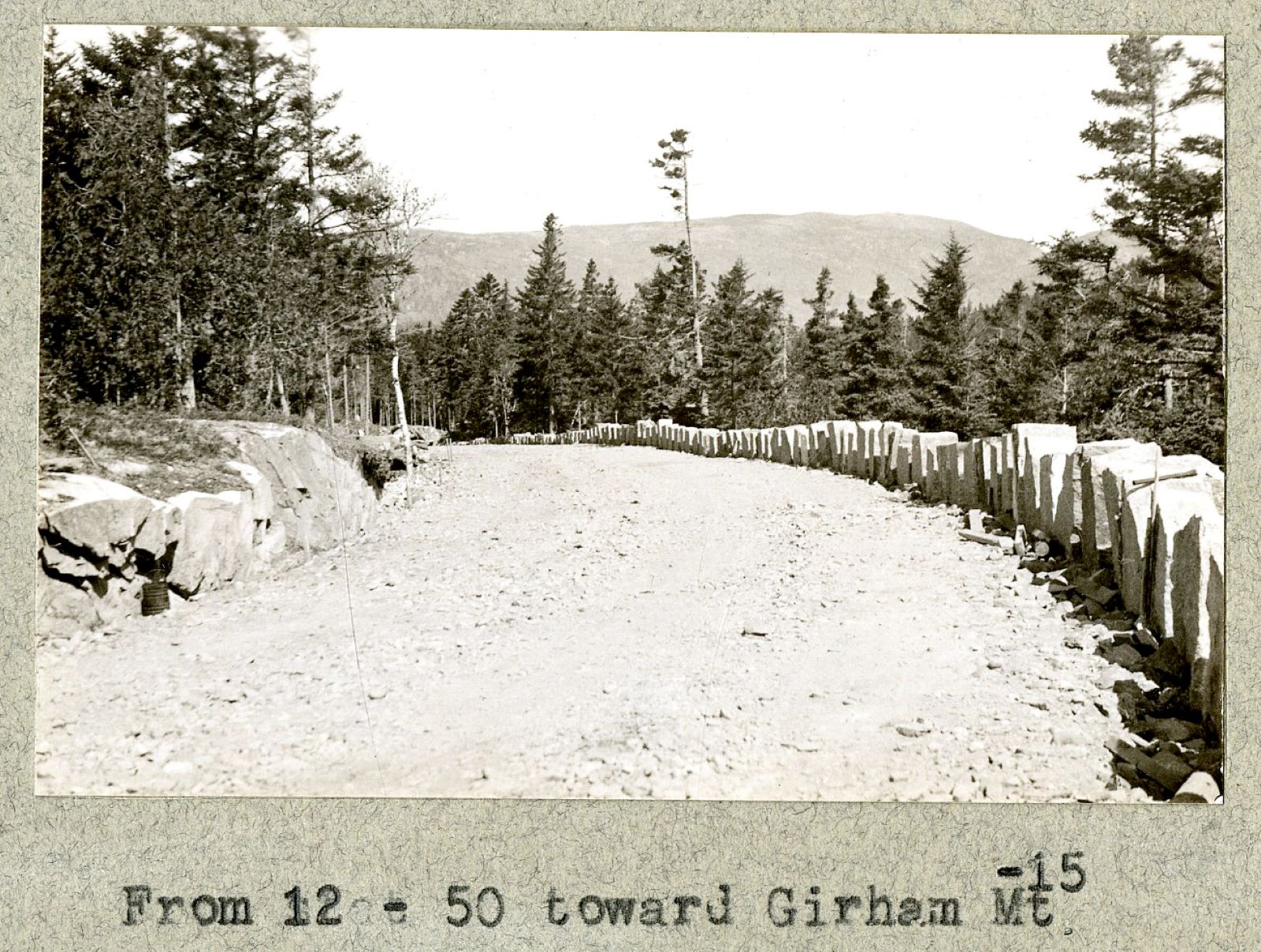
Acadia National Park: Carriage Roads, Cadillac Mountain & 2026 Guide
Discover carriage roads, Cadillac Mountain, and rugged Maine coast. Complete 2026 guide to Acadia National Park — trails, fees, lodging, permits, and what rangers recommend.
Hiking Guide
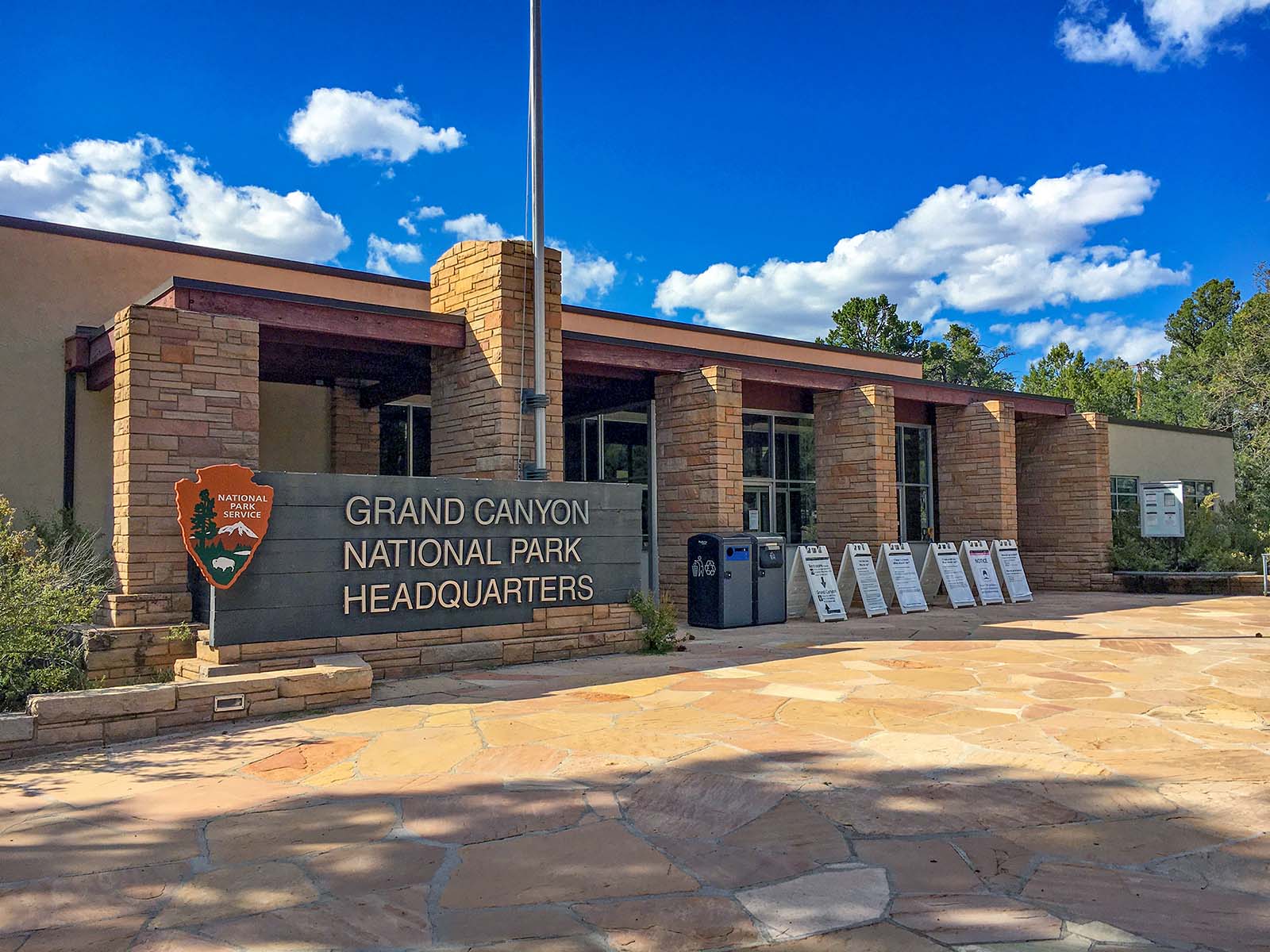
Grand Canyon Hiking Trails: Day Hikes, Water Sources & Rim to Rim
Compare Grand Canyon hiking trails: Bright Angel, South Kaibab, Hermit, Grandview, and rim to rim, with distances, elevation, water stops, and trailhead access for each.
Best Of
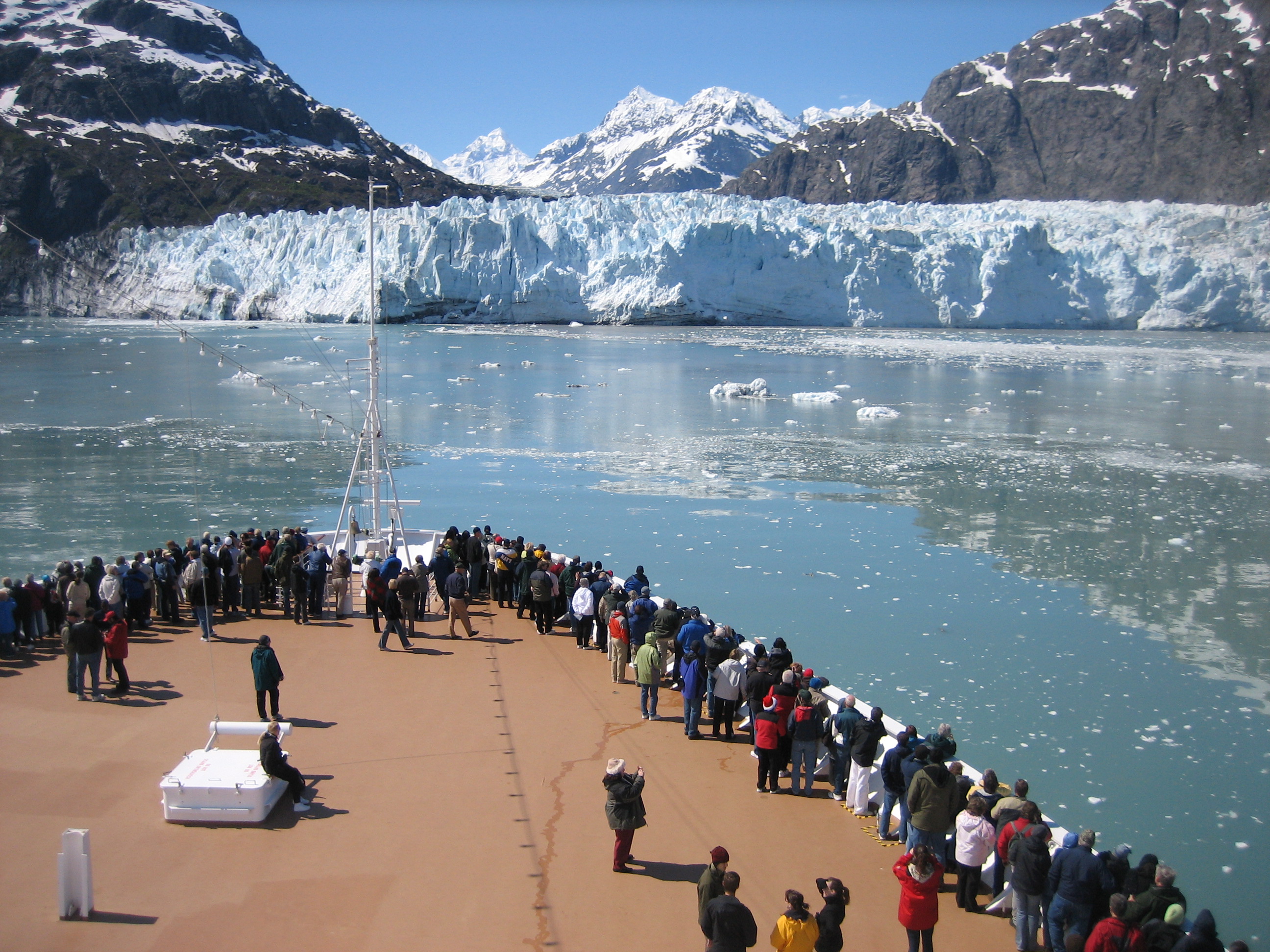
Best of Glacier Bay National Park
The best of Glacier Bay is reached by boat: ranger-led day tours up the bay to the tidewater glaciers. What's worth it, how to book, and when to go (2026).
Campsite Guide
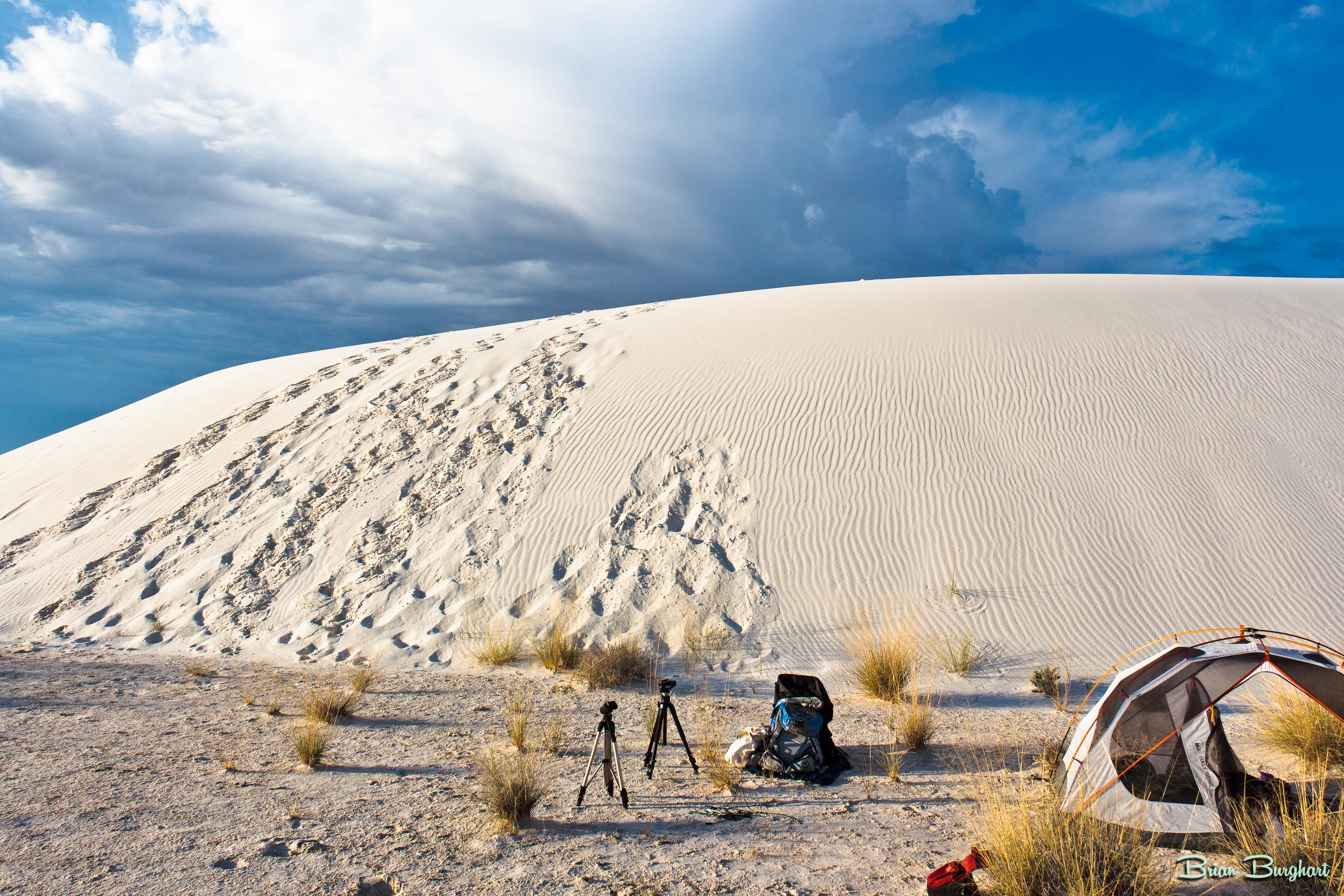
White Sands Backcountry Camping: Closed for 2026 — What to Know
As of 2026, backcountry camping at White Sands National Park is closed for site rehabilitation. What that means, and where to camp nearby instead.
Weather Guide
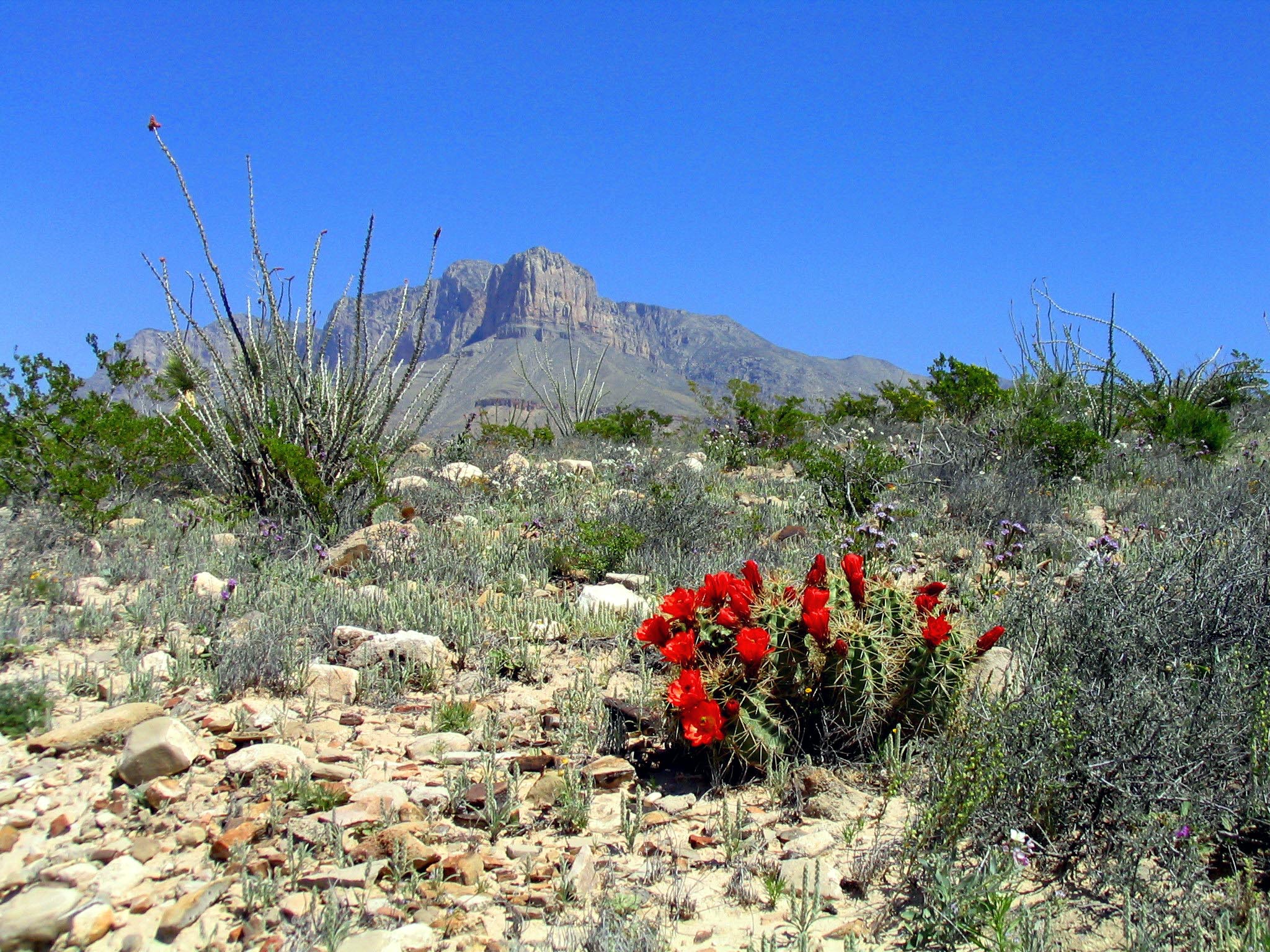
Guadalupe Mountains National Park Weather: Weather
Guadalupe Mountains National Park: weather guide guide updated 2026. Practical visitor information, reservations, and seasonal tips worth bookmarking before
Best Of
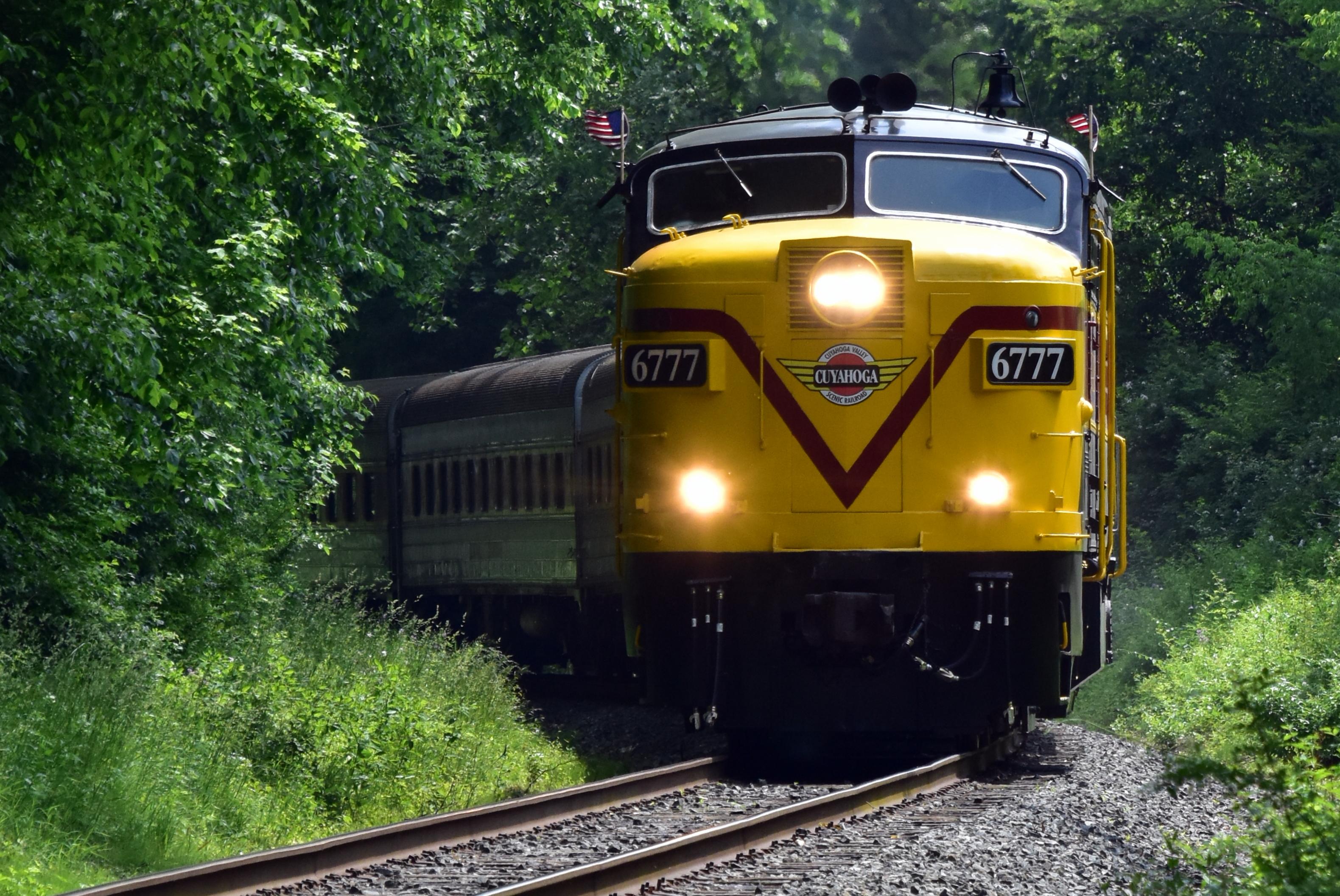
Best of Cuyahoga Valley National Park: Best Things to Do
Seeing a Cleveland Orchestra concert with the woods as your backdrop is a uniquely Cuyahoga Valley experience.
Sign in to join the conversation.
Sources & Attribution
Location data courtesy of the National Park Service (U.S. Department of the Interior). NPS data is public domain. Official NPS page.
Images: NPS; NPS; NPS; NPS; NPS.
Map data © OpenStreetMap contributors.
Park operations alerts: NPS.gov · Weather and weather hazards: National Weather Service · Live conditions.
Information may change. Always verify fees, hours, and conditions directly with the official source before visiting.
Did this guide help? Share it with a friend.