Most first-time visitors assume Olympic National Park is a single ecosystem, then spend their first day driving three hours between rainforest and coastline wondering where all the animals went. The park spans nearly a million acres across three distinct ecosystems - temperate rainforest, alpine peaks, and 70 miles of wild Pacific coastline - and the wildlife follows completely different patterns in each. You won't see Roosevelt elk in the intertidal zone, and you won't find tidepool creatures at Hurricane Ridge. Understanding which species lives where, and when, is the difference between a trip full of sightings and one full of empty trail.
NPS via NPS.gov (Public Domain)
Olympic National Park Wildlife: Where to See Wildlife in (2026 Guide)
11 min read
Wildlife Guide
Learn which species lives in each of Olympic National Park's three ecosystems—rainforest, alpine, coastline—to see Roosevelt elk and tidepool life in 2026.
This article contains affiliate links — we may earn a small commission at no extra cost to you.
The Signature Species
Roosevelt Elk
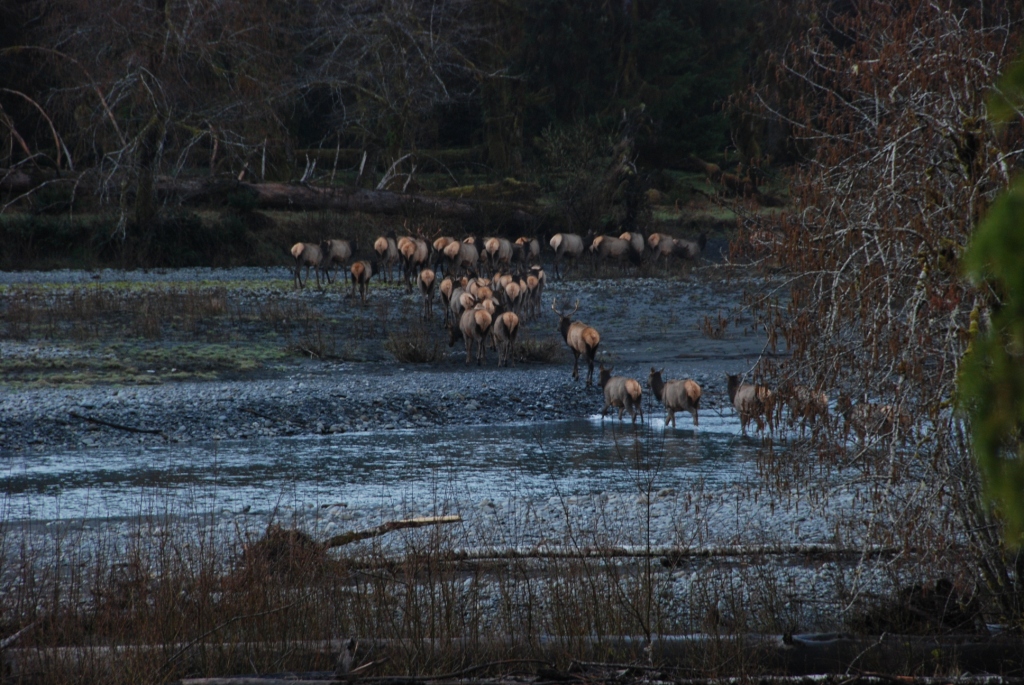
Olympic National Park protects the largest wild herd of Roosevelt elk in the Pacific Northwest. These animals are bigger than Rocky Mountain elk - bulls can reach 1,200 pounds - and they behave differently here because they face minimal hunting pressure. Rangers will tell you the single most common mistake visitors make is expecting to see elk in the high country during summer. They don't. The herd moves to higher elevations in spring, but by July they've largely retreated into the deepest old-growth forest where heat and insects are less intense.
Your best bet for Roosevelt elk is the Hoh River Valley. The Hoh Rain Forest trail system cuts through prime elk habitat, and the animals are often visible from the paved path in the first mile. Early morning is your best bet for sightings - dawn light filtering through the moss-draped maples creates visibility along the riverbanks. Late September through October is the peak viewing window, when the rut kicks in and bulls become more active and vocal. You'll hear them before you see them: a high-pitched bugle that carries surprisingly far through dense forest.
The Quinault Valley also holds a resident herd. The North Shore Road and the Quinault Rain Forest Nature Trail offer reliable spotting opportunities. Keep an eye out for them at meadow edges and along river gravel bars, especially in the hours around sunrise.
Most visitors underestimate how quietly elk move through forest. You can walk within 50 yards of a resting herd without noticing them if they're bedded down in ferns. Watch for movement at the edges of clearings, and listen for the snap of branches.
Olympic Marmot: Complete Viewing Guide
The Olympic marmot is found nowhere on earth except the Olympic Peninsula. It's a distinct species, not a subspecies - roughly the size of a house cat, with a thick brown coat and a habit of whistling at anything that approaches. This is the animal most visitors want to see and most miss entirely because they're looking in the wrong places.
Where they concentrate
Hurricane Ridge is the only reliable location. The marmots live in subalpine meadows between 4,500 and 6,000 feet elevation. They emerge from hibernation in late April or early May, depending on snowmelt, and are most active through August. By mid-September they're already fattening up for winter, and most are back underground by October.
The best specific spot is the Hurricane Hill Trail. Marmots den in the rocky talus slopes along the first two miles. They're frequently visible sunning themselves on boulders in the morning, especially on the south-facing sections where the rock holds heat.
Best time of day
Late morning, 9 AM to noon. Marmots are cold-blooded enough to need the sun to warm them before they become active. You'll rarely see one before 8 AM even on clear days. By early afternoon on hot days they retreat into their burrows.
What behavior to look for
The whistle is unmistakable - a sharp, single-note call that sounds like a bird but carries more weight. When you hear it, stop and scan the rocky areas. A marmot will sit upright on a boulder, watching you, and whistle again if you get too close. They're curious animals and will often stay visible if you don't approach directly.
Safety distance
Park regulations require you stay at least 50 feet from marmots. This is as much for their protection as yours - they're slow breeders and stress easily. Do not feed them. A marmot that learns to associate humans with food becomes a problem animal, and the park has had to relocate or euthanize habituated marmots in the past.

Black Bear: Complete Viewing Guide
Olympic has a healthy black bear population, estimated at several hundred individuals. They're not grizzlies - all bears in the park are black bears, though their color varies from black to cinnamon to blond.
Where they concentrate
The Elwha Valley has the highest concentration of bears in the park. The restoration of the Elwha River after dam removal created rich riparian habitat that bears use heavily. The Geyser Valley Trail and the Elwha River Trail both pass through prime bear habitat. Late summer, when salmon return to the river, is the best time to see bears feeding on carcasses along the banks.
The Hoh Rain Forest also holds bears, though they're harder to spot in the dense understory. The Hall of Mosses Trail and the Spruce Nature Trail offer reasonable odds if you go early.
Best time of day
Dawn and dusk. Bears in Olympic are largely crepuscular, especially during summer when daytime temperatures can push them into shade. The first two hours after sunrise and the last two hours before sunset are your windows.
Best season
May through October. Bears emerge from hibernation in April and are most active through early fall. Late August through October is the peak viewing window in the Elwha, as bears concentrate along salmon streams.
What behavior to look for
You'll often hear a bear before you see it - the sound of something large moving through brush, the crack of branches. Stop immediately if you hear this. Do not run. Make yourself known by speaking calmly, then back away slowly. A bear that doesn't know you're there is more dangerous than one that does.
Safety distance
Park regulations require 100 yards minimum distance from bears. Carry bear spray in any valley below treeline. Rangers will tell you that most bear encounters in Olympic happen because people surprise them on tight trails with poor visibility - the rainforest trails are notorious for this.
Black-Tailed Deer: Complete Viewing Guide
Olympic's black-tailed deer are smaller and darker than the mule deer you might know from other parks. They're common throughout the park but concentrated in specific areas.
Where they concentrate
The Hurricane Ridge area in summer, where they graze in the subalpine meadows alongside marmots. The Ozette Loop Trail on the coast, where they emerge from forest onto the beach at dawn. The Kalaloch area, where they browse along the forest edge above the beach bluffs.
Best time of day
Dawn and dusk, same as most deer species. They're visible throughout the day in the Hurricane Ridge meadows but tend to be bedded down in forest cover elsewhere.
Best season
Year-round at low elevations. The coastal herds are visible any month, though summer offers the longest daylight viewing windows.
How to distinguish from similar species
Black-tails have a completely black tail - no white underside like mule deer. Their ears are smaller. They're generally more skittish than the deer in eastern national parks, which may reflect less habituation to humans.

Gray Wolf
Wolves have been documented in Olympic National Park in recent years after decades of absence. As of 2026, sightings remain rare but are increasing. A small pack is known to range in the park's northeastern section, near the Elwha Valley and Gray Wolf River area.
What you need to know
You almost certainly will not see a wolf. The animals are extremely wary and cover vast territories. What you might see are tracks - look for them on gravel bars along the Elwha River and in snow at higher elevations. Wolf tracks are larger than coyote tracks (about 4-5 inches long compared to 2-3 inches) and show distinct claw marks.
If you hear howling at dusk in the backcountry, consider yourself extraordinarily lucky. Rangers estimate fewer than 20 people per year hear wolves in Olympic.
Bald Eagle: Complete Viewing Guide
Olympic has one of the densest bald eagle populations in the lower 48 states. The combination of old-growth forest for nesting and salmon-rich rivers for feeding makes the park ideal habitat.
Where they concentrate
The Elwha River from the mouth to the former dam sites. The Sol Duc River near Salmon Cascades. The entire coastal strip from Kalaloch to Ozette.
Best time of day
Late morning to early afternoon, when thermals develop and eagles begin soaring. Early morning they're often perched in riverside trees waiting for the sun to warm the air.
Best season
Late summer through fall, when salmon runs peak. Eagles congregate at Salmon Cascades on the Sol Duc River in August and September, where you can watch them from the viewing platform. Winter also offers good viewing along the coast, when eagles gather at river mouths.
What behavior to look for
Watch for eagles perched in the tallest dead snags along rivers - they use these as hunting perches. In flight, the flat-winged soar (wings held horizontal) distinguishes them from turkey vultures, which hold their wings in a V-shape.

Harbor Seal and Sea Lion: Complete Viewing Guide
The park's coastal section hosts significant marine mammal populations. Harbor seals are year-round residents; California sea lions and Steller sea lions are seasonal visitors.
Where they concentrate
Destruction Island, visible from the coast near Kalaloch, hosts a large harbor seal colony. Cape Alava and Ozette offer the best land-based viewing. The Mora area near the Quillayute River mouth.
Best time of day
Low tide, when haul-out sites are exposed. Check tide tables before heading out - a minus tide in the morning is ideal.
Best season
Harbor seal pups are born June through August. Sea lions are most common September through May.
Safety distance
Park regulations require 100 yards minimum distance from marine mammals. Do not approach seals on beaches - mothers may abandon pups if disturbed. Use binoculars or a spotting scope.
Wildlife by Season
Spring (April - May)
Snow lingers at high elevations through May. The lowland rainforest is at its wettest and greenest. Marmots emerge from hibernation at Hurricane Ridge as snow melts, usually by late April. Black bears are active in valleys. Gray whales migrate past the coast in April and May - the Kalaloch and Mora bluffs offer good viewing. Bird migration peaks in May.
Summer (June - August)
Peak wildlife viewing season. Marmots are most active at Hurricane Ridge. Elk are in the high valleys and subalpine meadows but harder to spot in dense forest. Salmon begin returning to rivers in late August. Harbor seal pups are born. Black-tailed deer are visible in subalpine areas. Bird activity is high but dispersed.
Fall (September - October)
Elk rut peaks in September and October - the best time to see Roosevelt elk in the Hoh and Quinault valleys. Salmon runs are at their peak; bears and eagles concentrate along rivers. Marmots begin hibernating by October. Coastal bird populations swell with migrants. This is the most reliable season for large mammal viewing.
Winter (November - March)
High elevation areas are snowed in. Hurricane Ridge Road is open but weather-dependent. Winter is quiet for most terrestrial mammals. Bald eagles concentrate along the coast and at river mouths. Sea lions are common on coastal haul-outs. Storm watching brings visitors to the coast, and seabird diversity is high.

Where Wildlife Concentrates
Hurricane Ridge is the single best location for subalpine species - marmots, black-tailed deer, and occasional black bears. The Hurricane Hill Trail offers consistent marmot sightings from late May through August. Cell service drops out at about the Visitor Center, so download maps before heading up.
Hoh River Valley is the best place for Roosevelt elk, especially from late September through October. The Hoh Rain Forest Trail is your best bet. Early morning is essential - the parking lot fills by 8 AM in summer. Pack extra water for this stretch; the rainforest is wet but trailheads have limited facilities.
Elwha Valley offers the highest bear density in the park, plus excellent salmon viewing at the former dam sites. The Elwha River Trail is the main access. Rangers will tell you this is also the most likely place to find wolf tracks, though sightings remain rare.
Kalaloch and the Coastal Strip is where you'll find marine mammals, bald eagles, and coastal black-tailed deer. The Kalaloch Beach Trail and the Ozette Loop offer reliable viewing. Check tide tables before going.
Salmon Cascades on the Sol Duc River is a designated viewing area for salmon in late summer and fall. Bald eagles and bears both concentrate here during the run. Bring binoculars.
Quinault Valley holds a resident elk herd and good bird diversity. The North Shore Road and Quinault Rain Forest Nature Trail are accessible options.
Ethical Viewing and Safety
Olympic National Park enforces specific wildlife distance regulations that carry fines. The rules are:
- 100 yards minimum distance from bears and wolves
- 50 yards from all other large mammals (elk, deer, marmots)
- 100 yards from marine mammals on land
Rangers actively patrol popular viewing areas during summer. If an animal changes its behavior because of your presence, you're too close. Signs of stress in elk include raised heads, stiff posture, and ears pinned back. In bears, huffing, jaw-popping, and standing on hind legs mean back away immediately.
Do not feed any wildlife. This includes leaving food unattended at viewpoints or on beaches. The fines for feeding wildlife start at $250.
Carry bear spray on any trail below treeline, especially in the Elwha, Hoh, and Quinault valleys. Know how to use it before you need it - practice removing the safety clip at home, not on the trail.
On the coast, be aware of tides. Visitors have been stranded on beaches and killed by sneaker waves while watching seals. Check tide tables, and never turn your back on the ocean.
For a complete overview of the park's geography and planning logistics, check the complete visitor guide. If you're interested in the best routes for accessing wildlife areas, the hiking trails guide covers trail-specific details for the Hoh, Elwha, and Hurricane Ridge systems. For structured outings with naturalist guides who know exactly where animals are active, consider tours and guided experiences.
Practical Takeaways
- Know your ecosystem. Olympic has three distinct wildlife zones - rainforest, alpine, and coast. A species found in one will almost never appear in another. Pick one ecosystem per day and focus there.
- Timing is everything. Dawn and dusk are the active windows for most mammals. Plan to be on trail by 6 AM in summer. The midday hours are for napping or coastal tidepooling, not mammal watching.
- Hurricane Ridge for marmots, Hoh for elk, Elwha for bears. These are the specific locations where each species is most reliably found. Don't try to see all three in one day - the driving distances between them are substantial.
- Late summer and fall are the peak seasons for large mammals. The elk rut in September, the salmon runs in August through October, and the bear activity along rivers make these months the best for wildlife viewing.
- Bring binoculars. Many animals in Olympic are visible only from a distance due to dense vegetation. A good pair of 8x or 10x binoculars will dramatically improve your odds.
- Carry bear spray and know the distance regulations. The park enforces strict wildlife distance rules. Violations can result in fines, and more importantly, can lead to habituation and eventual euthanasia of the animals.
- The coast is its own world. Harbor seals, sea lions, bald eagles, and coastal black-tailed deer are all visible along the park's 70-mile coastline. Check tide tables, bring rain gear, and expect the weather to change every 20 minutes.
Sources
- Official source: NPS — Olympic National Park nps.gov/olym/index.htm
Photo Gallery
More to Explore
Park Guide
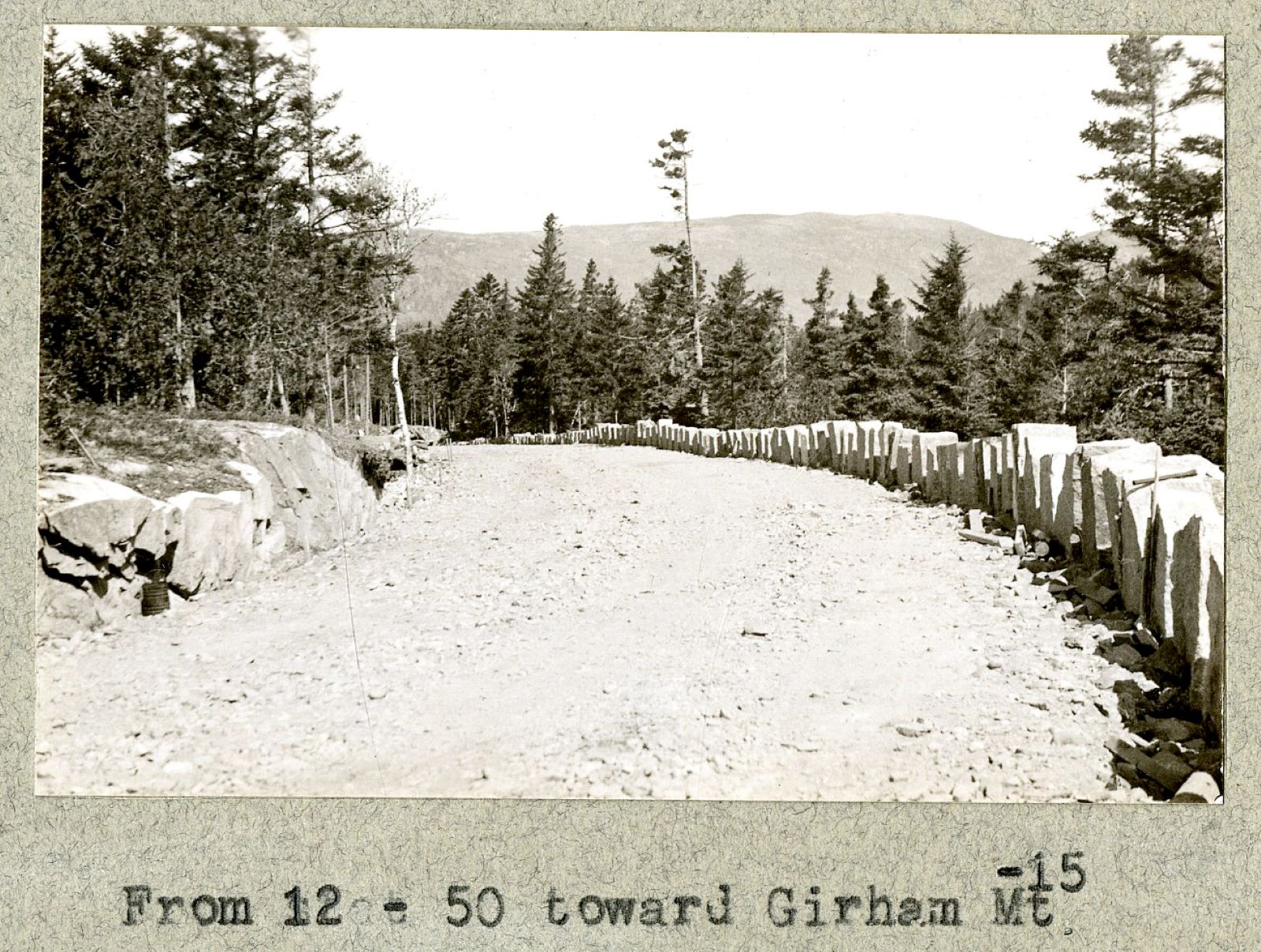
Acadia National Park: Carriage Roads, Cadillac Mountain & 2026 Guide
Discover carriage roads, Cadillac Mountain, and rugged Maine coast. Complete 2026 guide to Acadia National Park — trails, fees, lodging, permits, and what rangers recommend.
Hiking Guide
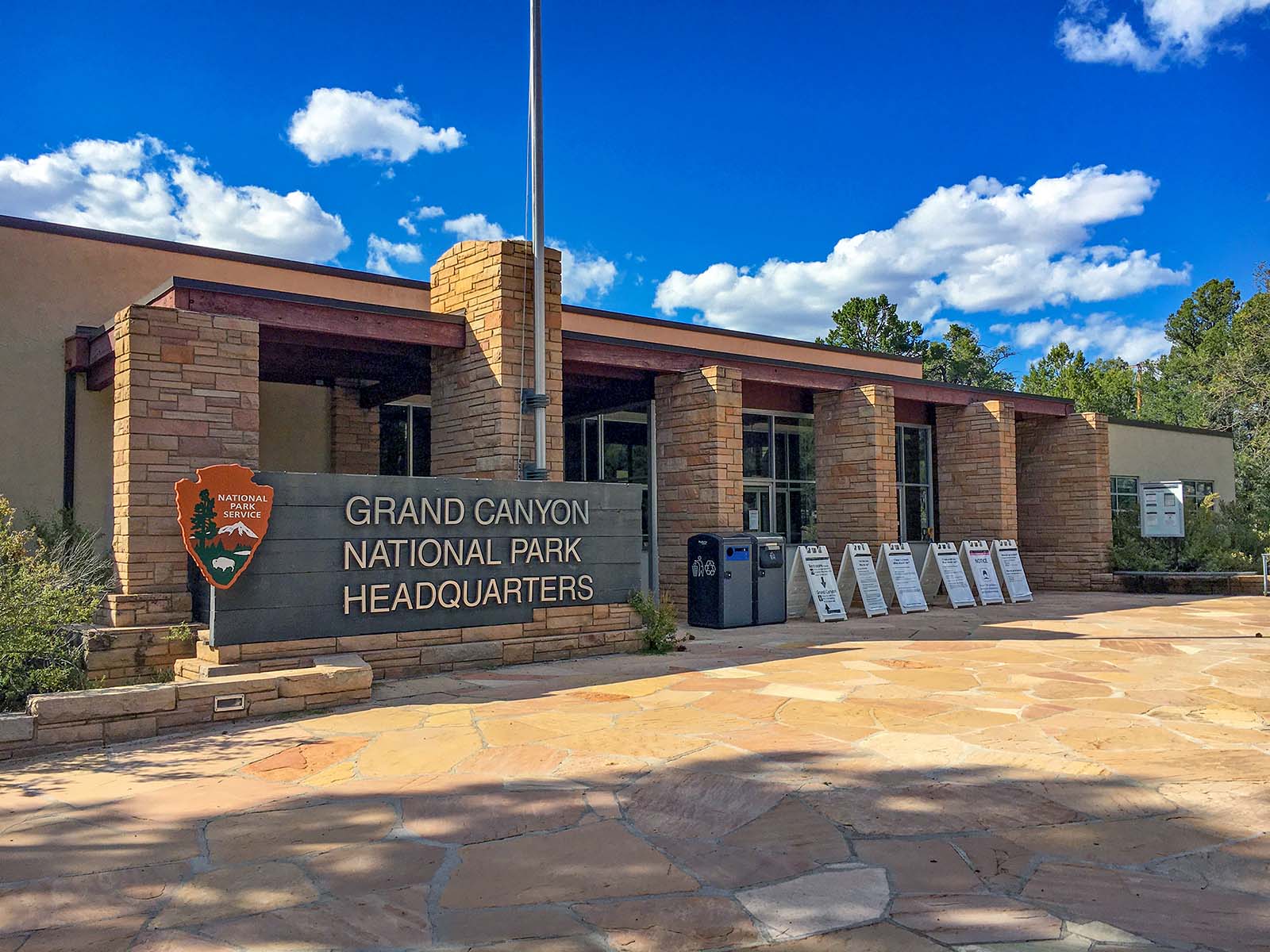
Grand Canyon Hiking Trails: Day Hikes, Water Sources & Rim to Rim
Compare Grand Canyon hiking trails: Bright Angel, South Kaibab, Hermit, Grandview, and rim to rim, with distances, elevation, water stops, and trailhead access for each.
Best Of
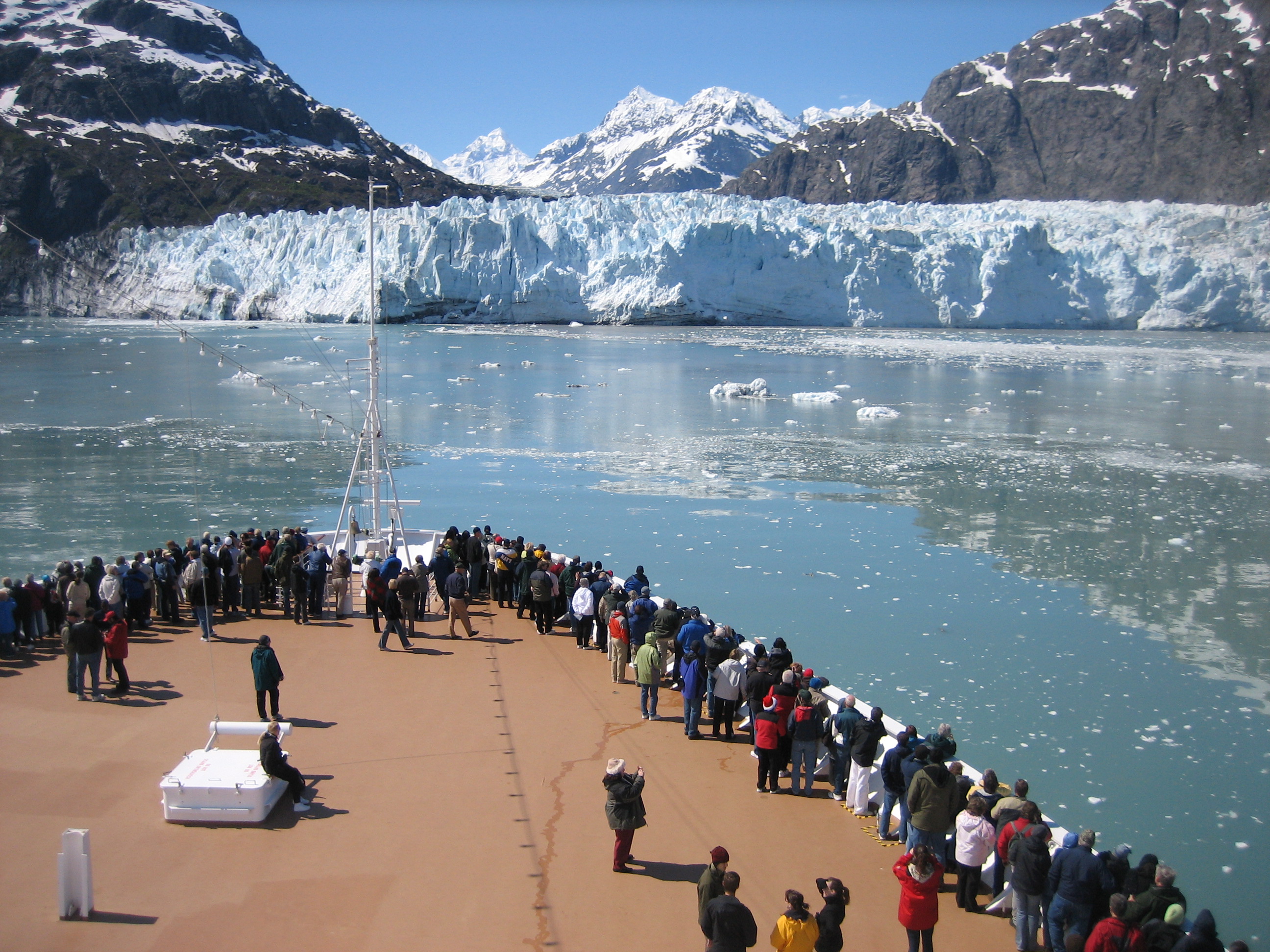
Best of Glacier Bay National Park
The best of Glacier Bay is reached by boat: ranger-led day tours up the bay to the tidewater glaciers. What's worth it, how to book, and when to go (2026).
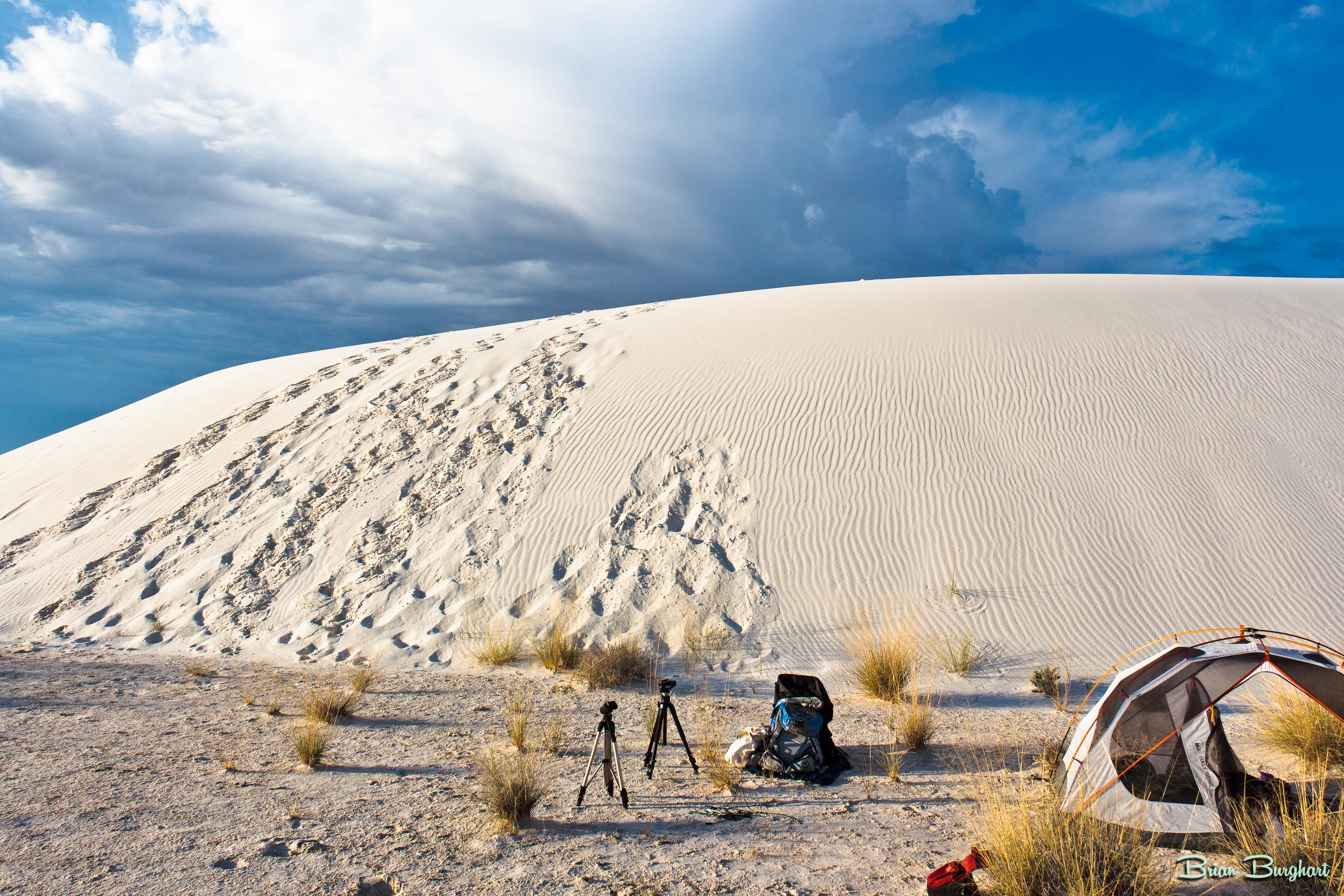
Campsite Guide
White Sands Backcountry Camping: Closed for 2026 — What to Know
As of 2026, backcountry camping at White Sands National Park is closed for site rehabilitation. What that means, and where to camp nearby instead.
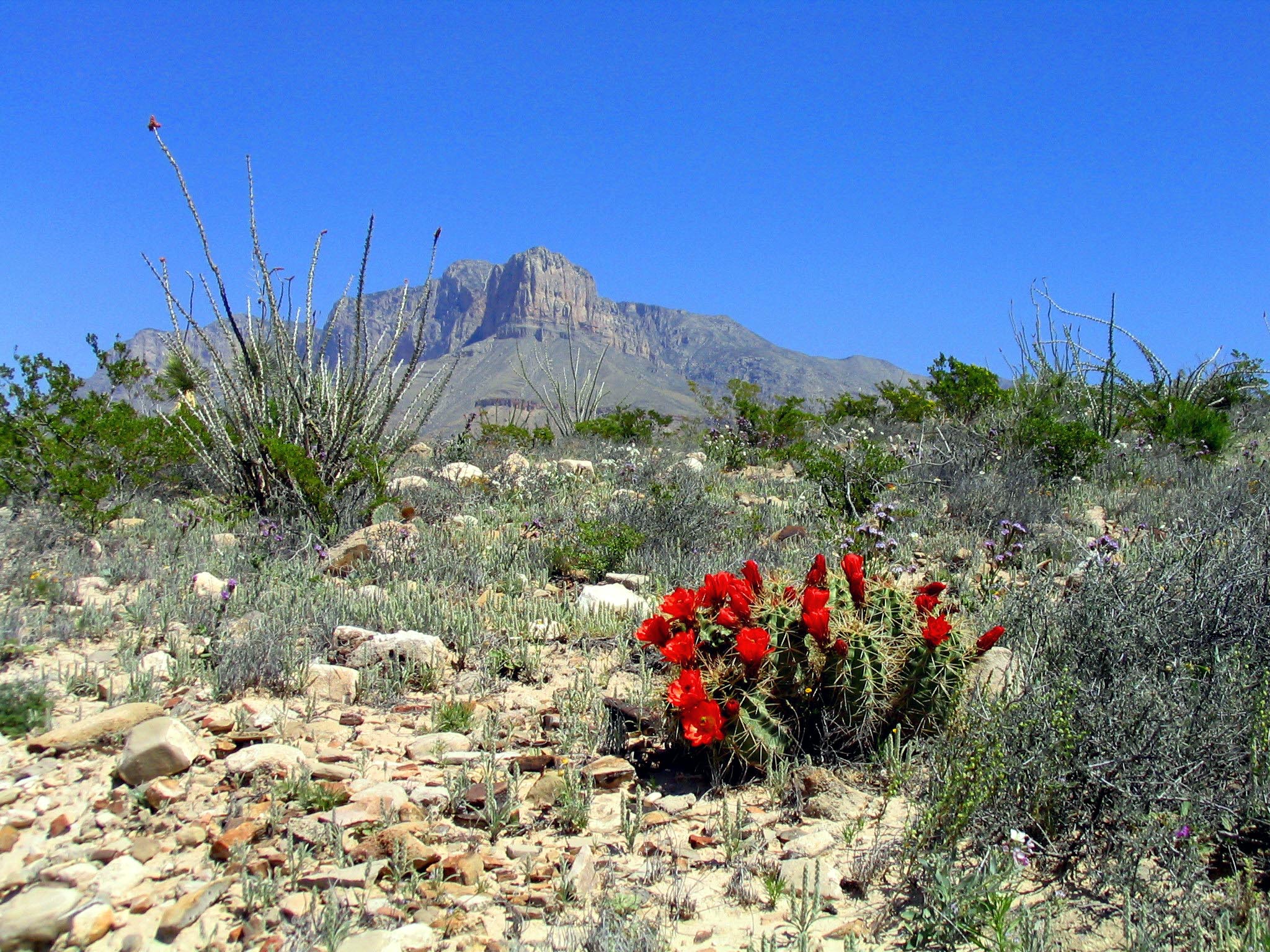
Weather Guide
Guadalupe Mountains National Park Weather: Weather
Guadalupe Mountains National Park: weather guide guide updated 2026. Practical visitor information, reservations, and seasonal tips worth bookmarking before
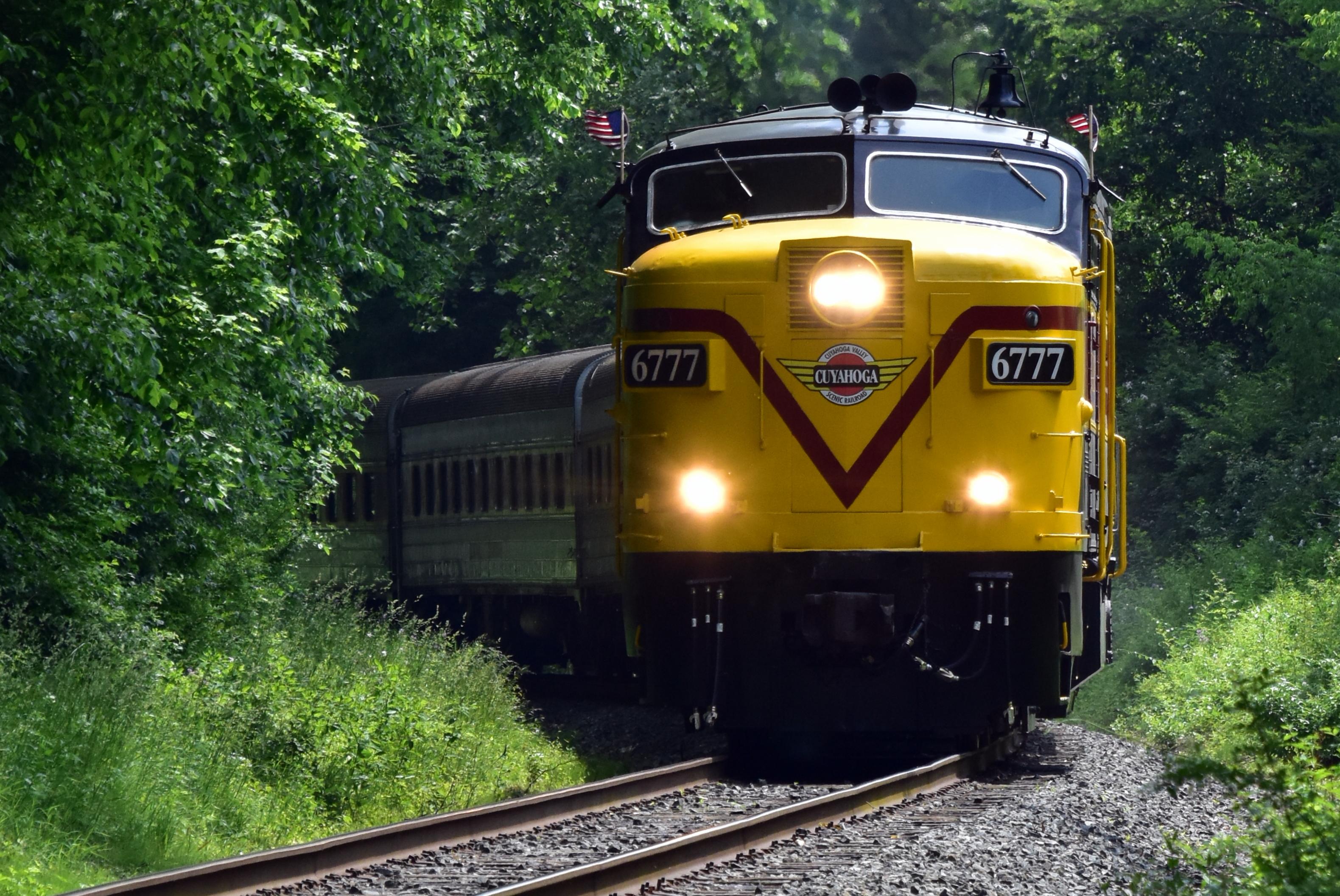
Best Of
Best of Cuyahoga Valley National Park: Best Things to Do
Seeing a Cleveland Orchestra concert with the woods as your backdrop is a uniquely Cuyahoga Valley experience.
Sign in to join the conversation.
Sources & Attribution
Location data courtesy of the National Park Service (U.S. Department of the Interior). NPS data is public domain. Official NPS page.
Images: NPS; NPS; NPS; NPS; NPS.
Map data © OpenStreetMap contributors.
Park operations alerts: NPS.gov · Weather and weather hazards: National Weather Service · Live conditions.
Information may change. Always verify fees, hours, and conditions directly with the official source before visiting.
Did this guide help? Share it with a friend.