Which shoreline in Olympic National Park gives you the best return on your evening? The answer isn't complicated, but most first-time visitors end up at the wrong beach, wondering why the sun disappeared behind a headland twenty minutes early.
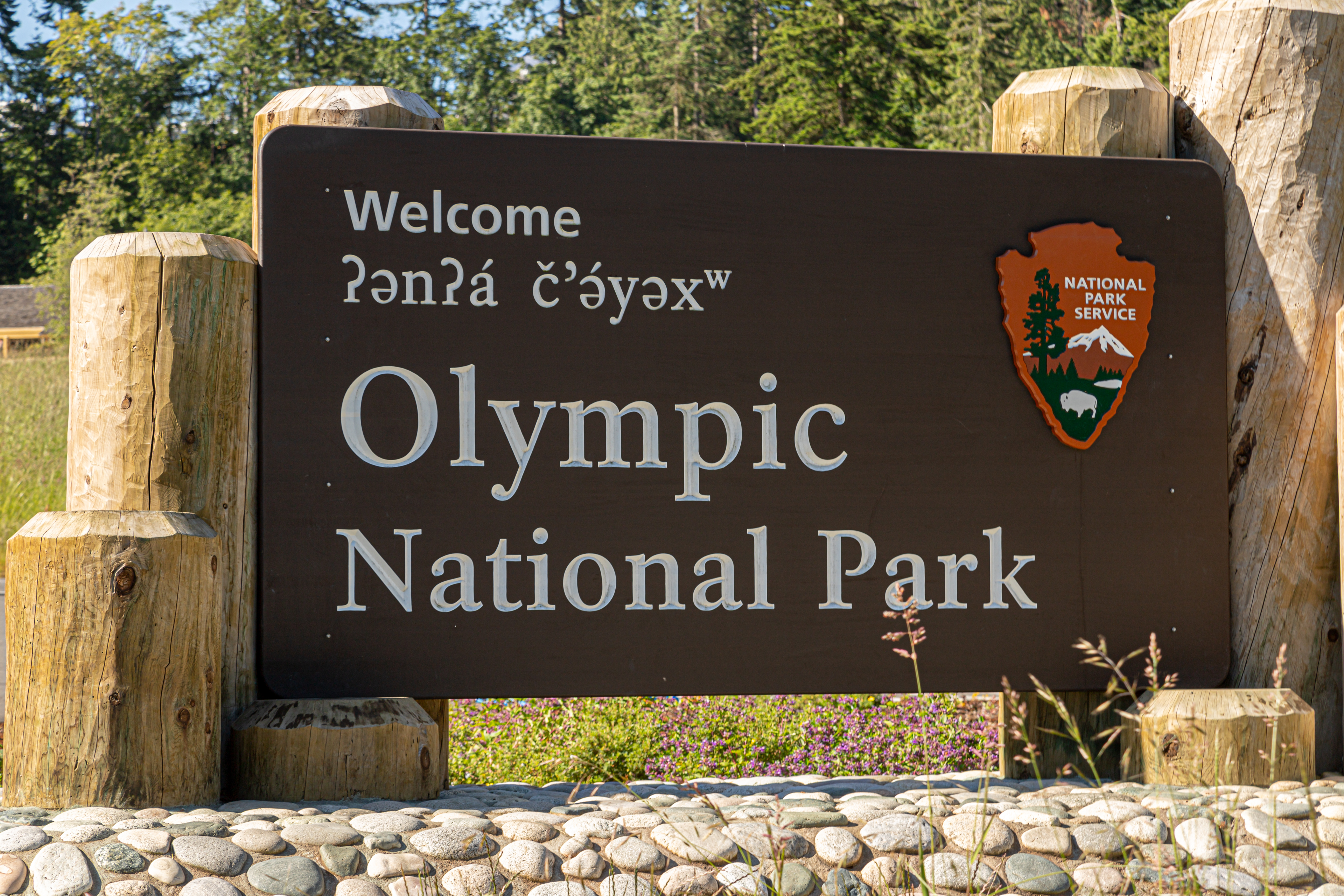
NPS via NPS.gov (Public Domain)
Best of Olympic National Park: Best Beach for Sunset
8 min read
Best Of
Rialto Beach is the best beach for sunset in Olympic National Park, offering westward exposure, sea stacks, and driftwood. Parking fills by 6 PM in July and August.
This article contains affiliate links — we may earn a small commission at no extra cost to you.
Rialto Beach, north of the Quillayute River, is the best beach for sunset at Olympic National Park. No other stretch of coastline here combines westward exposure, accessible sea stacks, and that dramatic driftwood-strewn foreground in quite the same way. The parking lot fills by 6 PM in July and August. Plan accordingly.
If You Only Have One Day
This assumes you arrive with a vehicle and start early. You'll cover the coastline, a slice of rainforest, and a viewpoint. Adjust for your fitness and tolerance for driving.
7:00 AM - Enter the park via the Port Angeles entrance. (The $30 vehicle fee covers seven days; an America the Beautiful pass works.) Drive straight to the Hoh Rain Forest visitor center. The road is winding; give yourself 90 minutes from Port Angeles. By 8:30 AM, you're on the Hall of Mosses Trail (0.8 miles, flat). The moss drapes are heaviest in morning light. Rangers at the visitor center emphasize that by 10 AM it's standing-room-only on this trail. Leave by 9:30.
11:00 AM - Head to Hurricane Ridge. From the Hoh, it's about a 2-hour drive back through Port Angeles and then up. The road opens at 9 AM weather permitting. The Hurricane Hill Trail (3.2 miles round-trip, 700 feet elevation gain) gives you 360-degree views of the Olympic Mountains. Pack extra water for this stretch. Cell service drops out a few miles before the ridge.
2:30 PM - Lunch in Port Angeles or Forks. Then drive to Rialto Beach (about an hour from Port Angeles). Arrive by 4 PM to secure a parking spot.
4:00 PM to sunset - Walk north on Rialto Beach toward Hole-in-the-Wall. The surface is coarse sand and rounded stones - not great for bare feet. At low tide you can walk around the sea stacks. Sunset is the payoff. The light turns the driftwood silver and the sea stacks orange. Most visitors underestimate how quickly the tide comes in. Check the tide table at the ranger station before you start walking.
Sunset - Back at the car before dark. The road out is unlit and narrow. Drive slowly for deer.
This day works if you are disciplined about time. One decision that derails most one-day visits: lingering too long at the Hoh in hopes of spotting elk. You won't see the sun set on Rialto if you do.
The Top Experiences, Ranked
#1 - Rialto Beach Sunset: The definitive coastal evening
- Why it makes this list - Western exposure, sea stacks, driftwood logs the size of cars. No other beach in the park gives you this composition.
- What it requires - About 2 hours for the sunset window. No hiking required for the main view, but the 4-mile round-trip to Hole-in-the-Wall is worth the effort if tides allow.
- The single best tip - Arrive 90 minutes before sunset. Walk north until you find a driftwood log you can sit on with an unobstructed view west. Stake your spot.
- What most visitors do wrong - They walk south toward the river mouth and end up with the sun blocked by a headland. Walk north.
- Link: Check the complete visitor guide for tide charts and camping info.
#2 - Hoh Rain Forest Hall of Mosses: Short, strange, essential
- Why it makes this list - This is where the park's reputation as a temperate rainforest becomes tangible. Moss hangs from every branch, ferns carpet the ground.
- What it requires - 30 minutes, zero elevation gain. Accessible for almost everyone.
- The single best tip - Arrive before 9 AM. The visitor center lot fills by 10:30 in summer. From July through September, a timed-entry permit is required. Get it on Recreation.gov 30 days ahead.
- What most visitors do wrong - They skip the longer Spruce Nature Trail (1.3 miles). It's quieter and shows a wider variety of forest types.
- Link: See hiking trails for details on both loops.
#3 - Hurricane Ridge: The high-country overview
- Why it makes this list - You can see the entire park from one spot: the Strait of Juan de Fuca, the Olympic Mountains, and on clear days, Vancouver Island.
- What it requires - A 17-mile winding road from Port Angeles. 90 minutes minimum at the top. The Hurricane Hill Trail adds 1-2 hours.
- The single best tip - Check the webcam before driving up. Cloud cover at 5,000 feet renders the view pointless. Early morning in June-September offers the clearest visibility.
- What most visitors do wrong - They stop only at the visitor center overlook. Walk 200 yards east on the paved path to a less crowded viewpoint with better angles.
#4 - Lake Crescent: The deep, clear lake
- Why it makes this list - The water stays cold (45°F year-round) but the color - a blue-green that looks artificial - makes it worth a stop.
- What it requires - 30 minutes to walk out to the dock at the lodge. The Marymere Falls Trail (1.8 miles round-trip) is a pleasant add-on.
- The single best tip - Rent a kayak from the Lake Crescent Lodge for an hour. The water is glassy in the morning and the reflections double the landscape.
- What most visitors do wrong - They drive past it to get to the Hoh. It's right on the road. Pull in.
#5 - Ruby Beach: The photogenic alternative
- Why it makes this list - Ruby has the same sea stacks as Rialto but is more accessible from Highway 101. The short trail from the parking lot drops you directly onto the beach.
- What it requires - A 0.25-mile walk down a slope. No significant hiking.
- The single best tip - Visit at low tide to see the tide pools near the southern end. The purple sea urchins and green anemones are easy to spot.
- What most visitors do wrong - Expecting the sand to be ruby-colored. It's not. The name comes from a 19th-century miner's description of garnet sand, but you won't see it with the naked eye.
#6 - Kalaloch Beach and Tree of Life
- Why it makes this list - The Tree of Life is a strange photo op: a massive Sitka spruce suspended over an eroded cliff with its roots dangling into the air. It hangs on purely by grip.
- What it requires - A 5-minute walk from the Kalaloch Lodge parking lot.
- The single best tip - Go at dawn. The low angle light makes the roots stand out against the cliff. By 10 AM the area is crowded with people standing under the tree for photos.
- What most visitors do wrong - Touching the roots. The tree is already precarious. Stay back.
#7 - Ozette Triangle: The coastal backpacking staple
- Why it makes this list - A 9.4-mile loop that takes you to a remote section of the Pacific coast with sea stacks, petroglyphs at Wedding Rocks, and a consistent lack of crowds.
- What it requires - 4-6 hours. Reasonable fitness. Boardwalks keep your feet dry through the forest sections, but the coastal portion involves walking on sand and rocks.
- The single best tip - Do it clockwise (north along the lake then south along the coast). The wind is usually at your back.
- What most visitors do wrong - Underestimating the boardwalk. It gets slick after rain, which is frequent. Trekking poles help.
What Most People Miss
The Quinault Rain Forest - Ninety percent of first-time visitors go to the Hoh. The Quinault Valley, two hours south, has comparable moss and ferns with a fraction of the people. The Quinault Rain Forest Nature Trail (0.8 miles) rivals the Hoh's Hall of Mosses. The drive down the south shore road is unpaved in sections but passable with a sedan.
The Dungeness Spit - Technically outside the park boundary but managed by the U.S. Fish and Wildlife Service, this 5.5-mile sand spit juts into the Strait of Juan de Fuca. The lighthouse at the end is the oldest on the West Coast. Bring binoculars for the seabird colonies.
Sol Duc Falls - Everyone drives to Sol Duc Hot Springs for the developed pools. The 1.6-mile round-trip hike to Sol Duc Falls is the real draw. The waterfall drops into a narrow canyon with two distinct channels. Arrive by 8 AM to have the viewpoint to yourself.
The coastal wilderness camping permits - You don't need to be a backpacker to use them. If you're staying at Kalaloch or Mora campgrounds, a day-use wilderness permit (free, just fill out the form at the ranger station) lets you hike past the designated day-use boundary on the beach. The coast gets dramatically less crowded after the 0.5-mile mark.
What's Overrated (and Better Alternatives)
Hurricane Ridge on a cloudy day - The drive takes 35 minutes from Port Angeles. If clouds are below the ridge, you'll see nothing. Many visitors still go because they've already driven to the park. The better move: check the ridge webcam. If it's socked in, drive west to Lake Crescent instead. The road is lower and the lake is visible even in overcast.
The Hoh Rain Forest in July - The timed-entry system has reduced crowds, but the Hoh is still the park's most visited unit in summer. The better alternative is the Quinault Valley (less crowded) or the Bogachiel Rain Forest (trails near Forks, free permit, no timed entry). Both have the same giant ferns and moss-draped maples without the queue.
Kalaloch Lodge dining - The restaurant is convenient and the view is good, but the food is average and prices are high for what you get. The better move: pack a sandwich and eat on the bluff above the beach. Or drive to the Forks Coffee Shop for a diner breakfast.
Practical Takeaways
- The best beach for sunset at Olympic National Park is Rialto Beach. North side, walk away from the river mouth. Arrive 90 minutes before sunset. Check the tide table.
- Timing is everything at the Hoh. The timed-entry permit (required July-September 2026) can be reserved 30 days ahead on Recreation.gov. Without it, arrive before 9 AM or after 5 PM. Rangers will turn you away otherwise.
- Cell service exists only in Port Angeles, Forks, and along Highway 101. Download offline maps for the entire park before you arrive. The park app (NPS Olympic) includes trail descriptions and road conditions.
- The $30 vehicle fee covers seven days. If you plan to visit multiple national parks in a year, the $80 America the Beautiful pass pays for itself after three visits. It also waives the timed-entry surcharge.
- Camping requires reservations if you want certainty. Kalaloch, Mora, and Fairholme campgrounds are reservable on Recreation.gov. Olympic camping include walk-up sites at some locations, but by June they fill by 10 AM.
- The weather changes everything. The best time to visit for clear beaches is September-October. July and August bring the most people and the most consistent weather, but marine fog can roll in and kill your sunset view by 4 PM. Check the forecast for La Push specifically, not Port Angeles.
- Pack more layers than you think you need. The coast is 20°F cooler than Port Angeles in summer and the wind cuts through a single fleece. A rain shell is not optional.
Recommended Gear
What experienced visitors bring to Best of Olympic National Park: Best Beach for Sunset
Links may earn us a commission at no extra cost to you. We only recommend gear we believe in.
Hiking Essentials
Hydration Pack (3L)
Hands-free water for long trail days
Trekking Poles (Pair)
Save your knees on steep descents
Hiking Boots (Ankle Support)
Sturdy footwear for rocky, uneven trails
Sun & Heat Protection
Wide-Brim Sun Hat
Full coverage UPF 50+ protection at altitude
Insulated Water Bottle (32oz)
Keeps water cold in desert heat all day
Winter Gear
Microspikes / Traction Devices
Essential for icy rim trails in winter months
Packable Down Jacket
Lightweight warmth that stuffs into a pocket
Sources
- Official source: NPS — Olympic National Park nps.gov/olym/index.htm
More to Explore
Park Guide
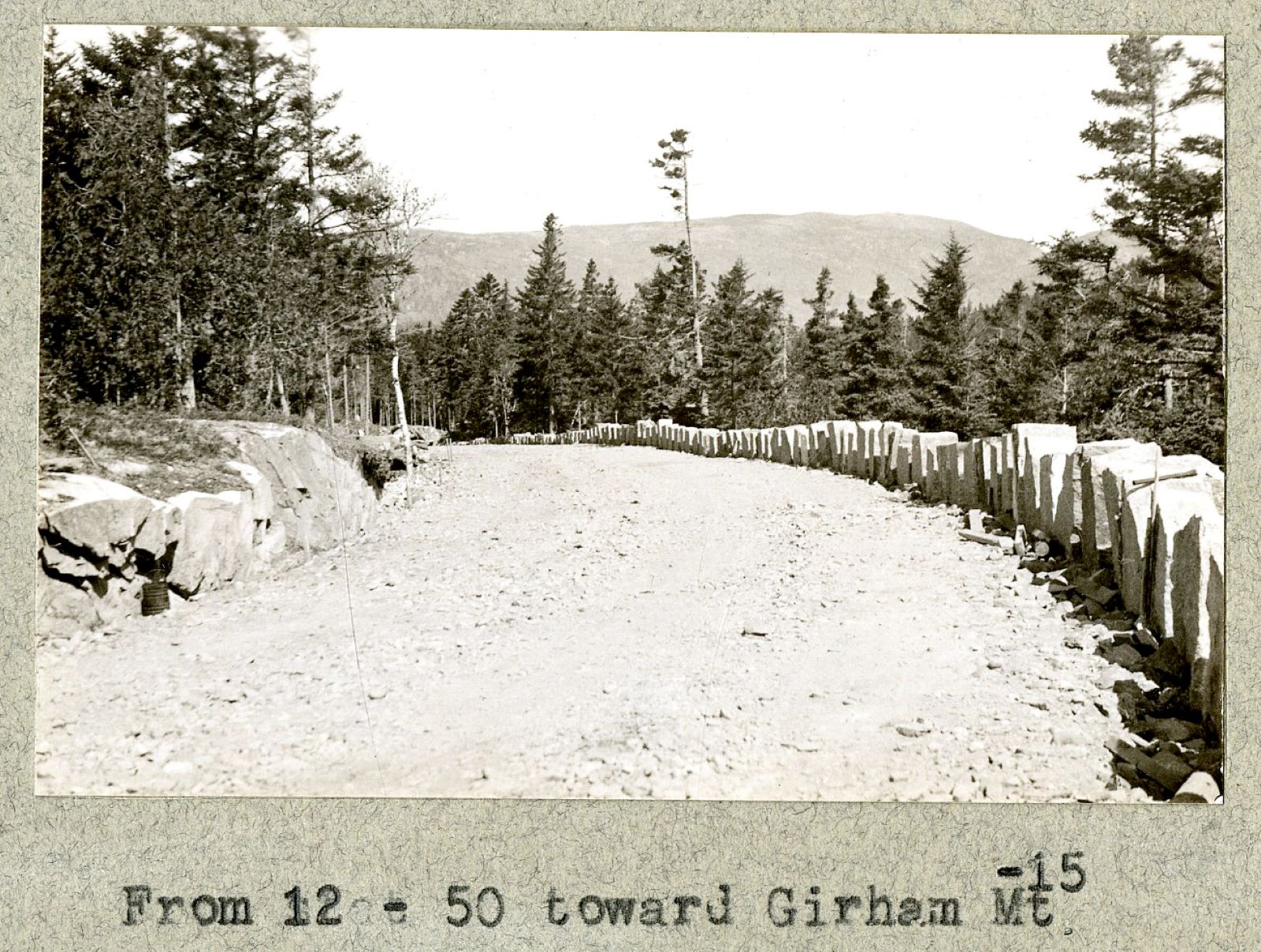
Acadia National Park: Carriage Roads, Cadillac Mountain & 2026 Guide
Discover carriage roads, Cadillac Mountain, and rugged Maine coast. Complete 2026 guide to Acadia National Park — trails, fees, lodging, permits, and what rangers recommend.
Hiking Guide
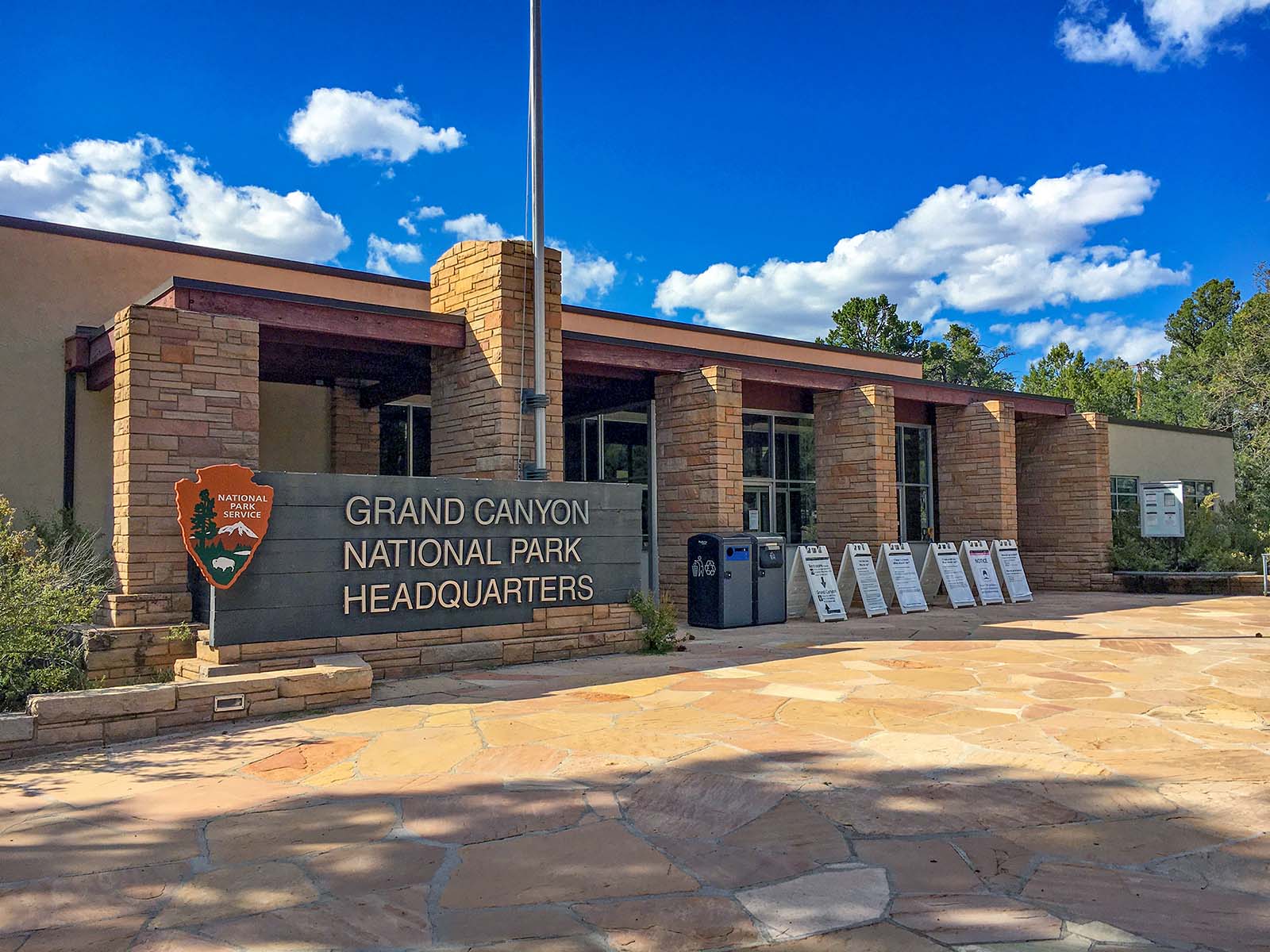
Grand Canyon Hiking Trails: Day Hikes, Water Sources & Rim to Rim
Compare Grand Canyon hiking trails: Bright Angel, South Kaibab, Hermit, Grandview, and rim to rim, with distances, elevation, water stops, and trailhead access for each.
Best Of
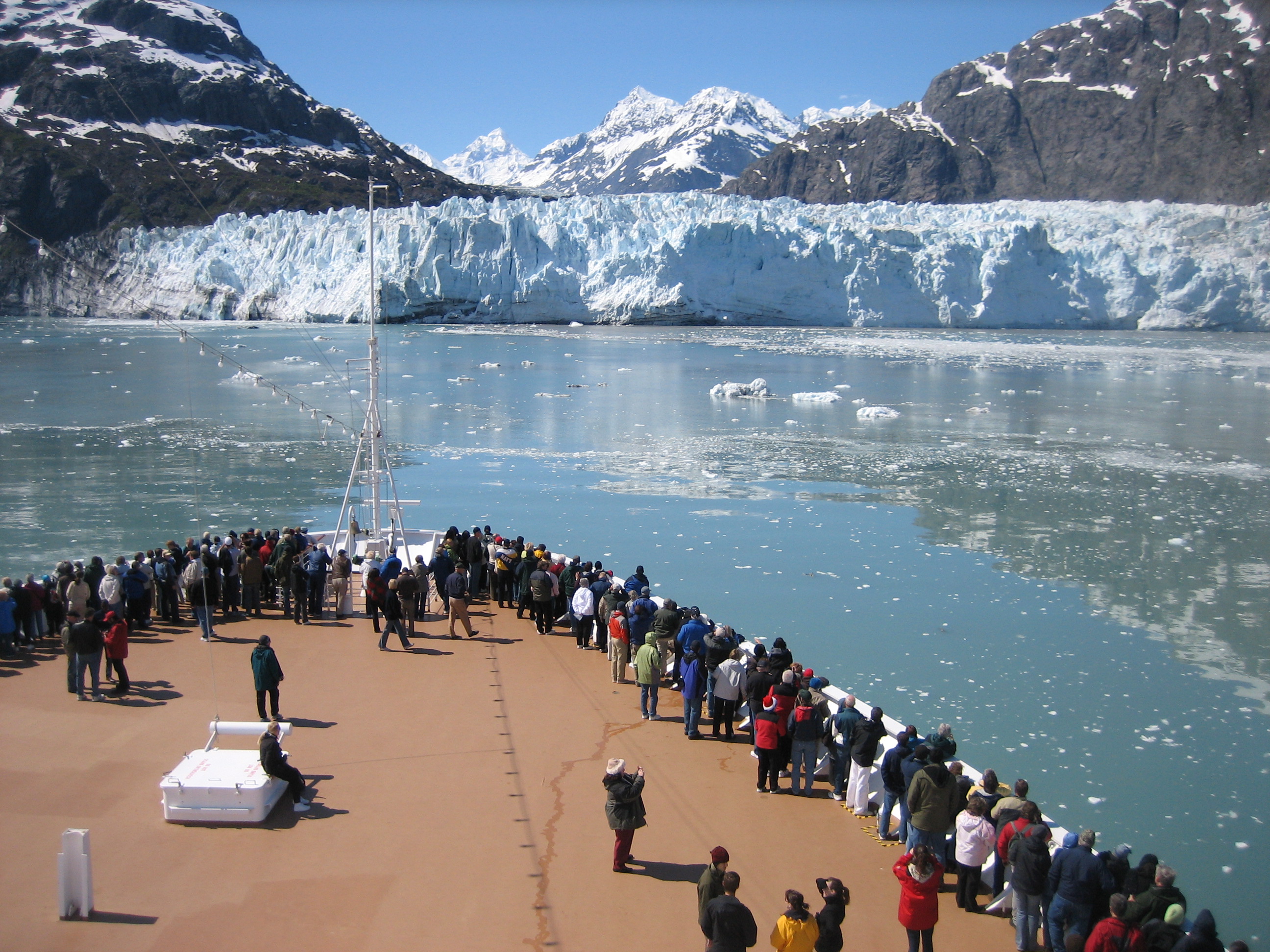
Best of Glacier Bay National Park
The best of Glacier Bay is reached by boat: ranger-led day tours up the bay to the tidewater glaciers. What's worth it, how to book, and when to go (2026).
Campsite Guide
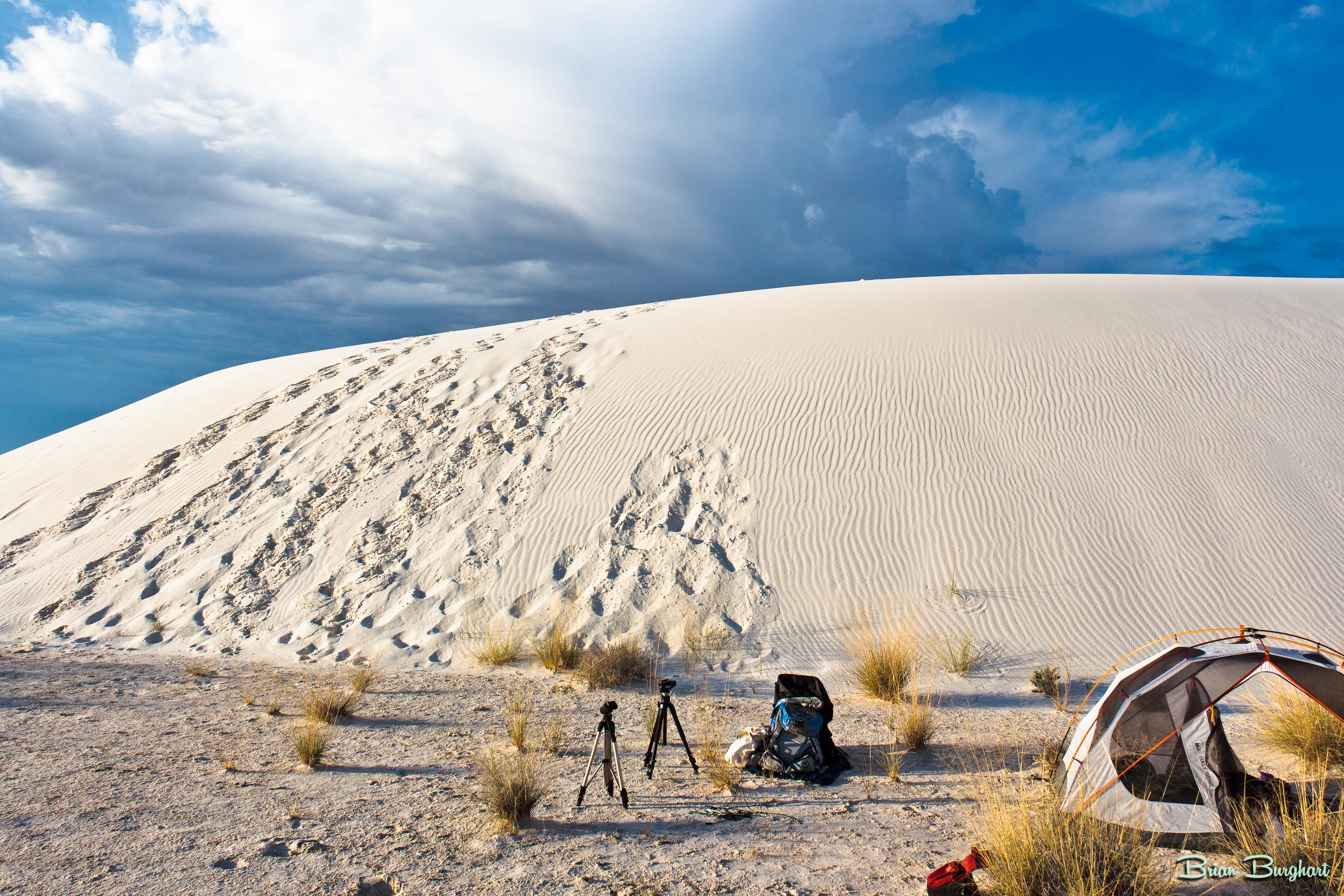
White Sands Backcountry Camping: Closed for 2026 — What to Know
As of 2026, backcountry camping at White Sands National Park is closed for site rehabilitation. What that means, and where to camp nearby instead.
Weather Guide
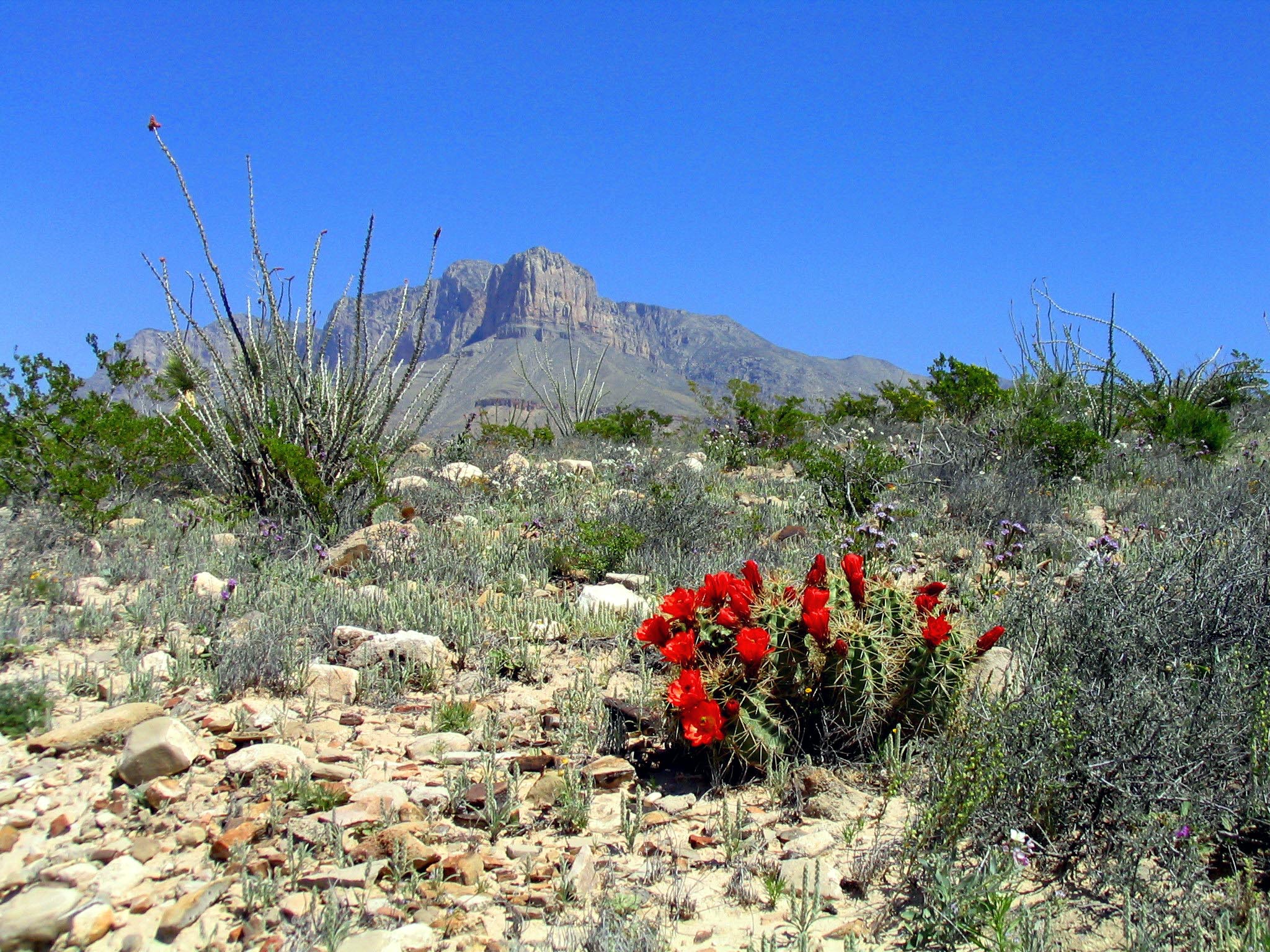
Guadalupe Mountains National Park Weather: Weather
Guadalupe Mountains National Park: weather guide guide updated 2026. Practical visitor information, reservations, and seasonal tips worth bookmarking before
Best Of
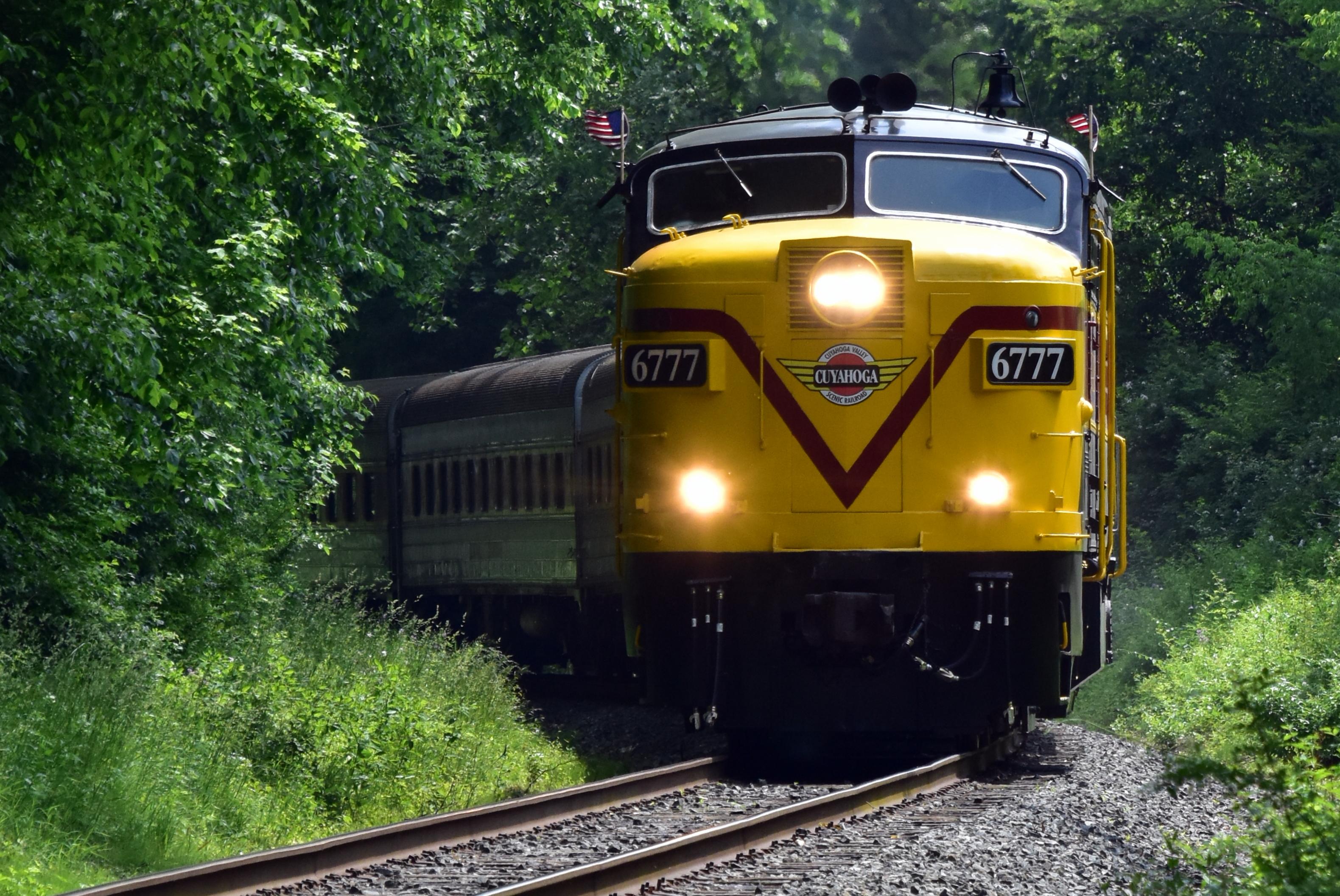
Best of Cuyahoga Valley National Park: Best Things to Do
Seeing a Cleveland Orchestra concert with the woods as your backdrop is a uniquely Cuyahoga Valley experience.
Sign in to join the conversation.
Sources & Attribution
Location data courtesy of the National Park Service (U.S. Department of the Interior). NPS data is public domain.
Images: NPS.
Map data © OpenStreetMap contributors.
Park operations alerts: NPS.gov · Weather and weather hazards: National Weather Service · Live conditions.
Information may change. Always verify fees, hours, and conditions directly with the official source before visiting.
Did this guide help? Share it with a friend.