The first thing you notice isn't the view. It's the weight of the air in the Hoh Rainforest, thick enough to taste, and the sharp, dry scent of pine resin at 5,000 feet on Hurricane Ridge. You can drive from a dripping, 45-degree coastal bog to a sunny, 70-degree alpine meadow in under two hours. That's the Olympic National Park weather reality: you aren't visiting one climate, you're road-tripping through three or four. The official forecast for Port Angeles is a polite suggestion that becomes irrelevant the moment you turn off Highway 101. Rangers will tell you that packing for one condition is the most common mistake first-time visitors make. The park's weather isn't just variable; it's simultaneously different in every district, dictated by the Olympic Mountains wringing moisture from Pacific storms and creating a pronounced rain shadow.
Olympic National Park Weather
8 min read
Pack for three climates in one park. Olympic National Park weather shifts from rainforest to alpine meadow in hours. Plan your 2026 trip right.
For more, see hiking trails and camping options.
The Weather Reality
The Olympic Mountains act like a 7,000-foot wall. Pacific storms slam into the west side, dumping over 12 feet of rain annually in the rainforests. The air then rises, cools, and drops its moisture, leaving the northeast corner - the Sequim area - remarkably dry, with less than 20 inches a year. This rain shadow effect isn't a mild gradient; it's a stark, dramatic split.
What the regional forecast misses is the microclimate whiplash. You can have low clouds and drizzle at Lake Quinault, clear blue skies at Lake Crescent, and a blizzard warning for the high country, all in the same afternoon. The term "mild winters" applies only to the coastline and lowland forests. Up high, winter lasts from October through June, with snow measured in dozens of feet. Summers are fair and warm at lower elevations, with highs typically 65 to 75°F, but the mountains remain 20-30 degrees cooler. The park's immense vertical relief means you must plan by elevation, not just by calendar.

Month by Month
Planning a trip to Olympic requires matching your comfort level with moisture, cold, and access to the right month—there's no single "perfect" time.
January - March
January through March is the quiet season. Sea-level temperatures range from 35 to 45°F. The rainforests reach their peak intensity—a constant, green drip. Hardy visitors watch storms along the coast, with dramatic waves and driftwood. In the mountains, winter is in full force: Hurricane Ridge Road is mostly closed due to snow, opening only for winter weekends for snowshoeing and skiing, not drives. Most high-elevation routes are buried under snow. Crowds are absent. The challenge lies in limited access, with many facilities closed and short daylight hours. The reward is solitude across entire ecosystems.
April - May
A season of transition and runoff. Lowland temps climb into the 50s and 60s. Rain is still frequent, but sun breaks become longer. This is when the rainforests explode with new growth, and the rivers run high and loud with snowmelt. The wildflower show begins at lower elevations. The big question mark is the high country. As of April 2026, Hurricane Ridge Road is still closing due to snow, opening only intermittently based on plowing and conditions. Rangers emphasize that spring in the lowlands does not mean spring in the mountains. Trail conditions are a mix of mud, snow patches, and blowdowns from winter storms. Crowds begin to build in late May.
June - September
This is the access window. July, August, and September are the driest months, but "dry" is relative - expect some rain, especially early in the season. Lowland highs are consistently in the 70s, perfect for rainforest and coastal hikes. The snow finally recedes from the high trails, usually by mid-to-late July. This is the only reliable time for hiking in the alpine zones like Seven Lakes Basin or Klahhane Ridge. Crowds peak in July and August; parking lots at popular trailheads like Sol Duc Falls or the Hoh fill by mid-morning. September is the golden month: cooler nights, fewer people, less rain, and the start of the elk rut. Mosquitoes in the high country can be fierce in July.
October - December
The storm door reopens. October can still offer spectacular, crisp fall days with brilliant yellow bigleaf maples in the river valleys, but rain increases steadily. By November, the wet season is firmly in command. Temperatures drop back into the 40s and 50s. The first significant snows dust the high country, closing passes and mountain roads for the season. This is a time for storm watching on the coast and contemplative walks in the dripping woods. Most campgrounds and secondary roads begin seasonal closures. You trade reliable weather for moody, dramatic atmosphere and near solitude.

Best Times for Specific Activities
Your timing depends entirely on what you want to do.
For Hiking the High Country
Aim for late July through mid-September. That's your narrow, snow-free window for trails above 4,000 feet. Early in this period, you'll contend with lingering snowfields and high streams. By August, most passes are clear. Check current conditions for Hurricane Ridge and Obstruction Point roads before planning any high-elevation hike.
For Wildlife Viewing
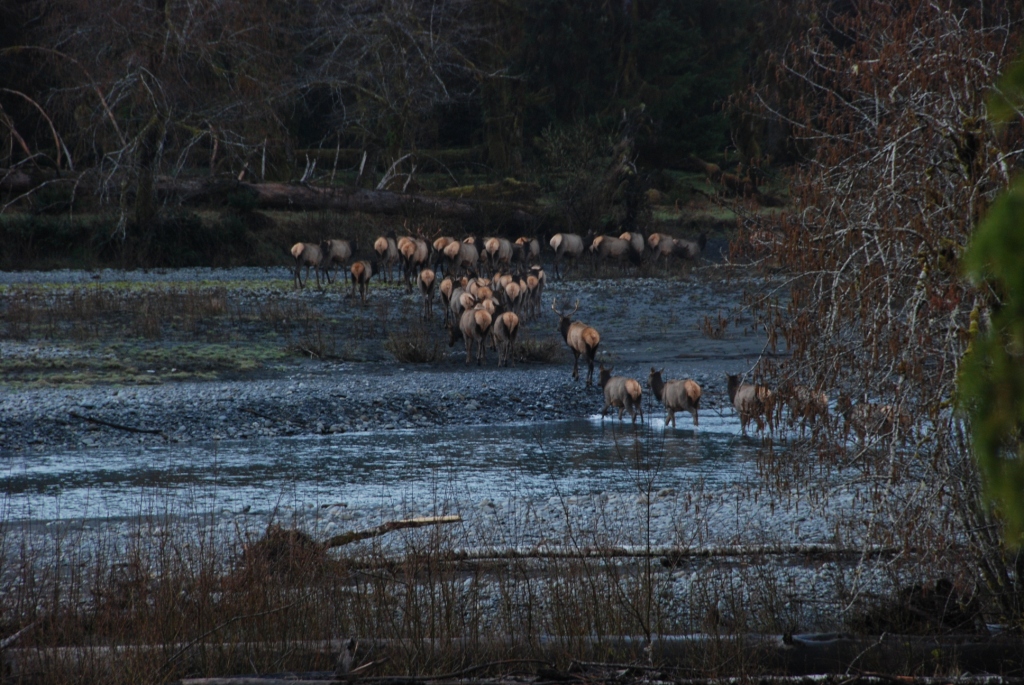
Different seasons offer different highlights. September and October are prime for the elk rut (mating season); you'll hear the bulls' bugling in the Hoh and Quinault valleys at dawn and dusk. Spring (April-May) brings migrating gray whales along the coast. Black bears are active from spring through fall, often foraging in meadows. River otters and harbor seals are common coastal sightings year-round.
For Wildflowers
It's a rolling bloom. In the lowland rainforests and valleys, peak is May and June. In the subalpine and alpine meadows, the show hits its stride in July and August, with lupine, paintbrush, and avalanche lilies.
For Fall Color
Target early to mid-October. The bigleaf maples and vine maples in the river corridors (like the Quinault and Hoh) turn brilliant gold and red. The higher elevations have already browned out by this time, so focus on the forest valleys.
For Stargazing
Clear, dry nights from August through October offer the best chance. The coastal and alpine zones have the darkest skies, but you need a cloudless night, which is a precious commodity. The rain shadow area near Port Angeles has statistically clearer skies.
For Storm Watching
November through February on the coast. Bundle up in waterproof layers and watch from safe headlands like Second or Ruby Beach. Never turn your back on the ocean.

What to Pack by Season
Forget a single packing list. You need a layered system for multiple climates.
The Non-Negotiable Base Layer (Year-Round):
A waterproof, breathable rain jacket with a hood. Not water-resistant - waterproof. Rain pants are not overkill; they are essential for comfort in the rainforest or on a wet coastal hike. Sturdy, waterproof hiking boots. The trails are often muddy and slick.
Spring/Fall (April-May, October-November):
Add a warm mid-layer like a fleece or puffy jacket. A warm hat and gloves. Quick-dry hiking pants. Expect to use all your layers in a single day. Traction devices for your shoes (like microspikes) can be necessary for higher-elevation trails with icy patches.
Summer (June-September):
Your rain gear stays. Add shorts and t-shirts for lowland hikes, but always have the pants and jacket accessible. A warm layer for the mountains - it can be 40°F and windy on Hurricane Ridge even on an 80°F day in Port Angeles. Sunscreen and a hat for exposed coastal and alpine areas. Insect repellent; the mosquitoes in the alpine meadows in July are legendary.
Winter (December-March):
Full cold-weather and wet-weather gear. Insulated waterproof boots, thermal layers, a heavy jacket, gloves, and a warm hat. If venturing into the snow zone, carry the Ten Essentials and know how to use them. The coastal wind chill can be brutal.

What the Forecast Doesn't Tell You
- The "Sun Break" Illusion: A forecast showing sun in Port Angeles does not guarantee sun at the Hoh Visitor Center, 90 minutes away. Always check conditions for your specific destination district.
- Mountain Weather is Local Weather: Conditions can deteriorate rapidly in the high country. A sunny hike can become foggy, windy, and cold in minutes. Turn around if visibility drops.
- River Crossings are Seasonal: In spring and early summer, snowmelt turns creek crossings on trails into hazardous undertakings. What was a rock-hop in September can be a thigh-deep, fast-moving channel in June.
- Coastal Fog is a Wild Card: The coast can be shrouded in cool, dense fog while the interior forests are sunny. This is most common in summer mornings.
- The Rain Shadow is Real: If it's pouring at Kalaloch, drive an hour northeast to Sequim or Port Townsend for a hike in likely dry conditions.
- Road Status is Everything: A primary road like Hurricane Ridge Road can be closed for snow into June or after an early fall storm. As of April 2026, it was still closing intermittently. Always check the park's road status page before you go.
- Dampness is Persistent: Even on days without heavy rain, the humidity is high. Nothing dries quickly. Pack extra socks.
Practical Takeaways
- Plan by District: Decide if you're visiting the coast, rainforest, or mountains each day, and pack/plan accordingly. Trying to do all three in one day is a recipe for being unprepared.
- July through September is the most forgiving window for first-time visitors wanting to see all areas, but it's also the busiest. September often offers the best balance of weather and smaller crowds.
- Your Rain Jacket is Your Most Important Piece of Gear. Full stop.
- Always Check Road and Trail Conditions: The park's website has current alerts. As of spring 2026, issues like the Graves Creek Road closure and South Shore Quinault Road washout significantly affect access to specific areas.
- Layer Like an Onion: Wear synthetic or wool layers that retain warmth when wet. Cotton becomes a liability.
- Start Early: This is true for beating crowds at popular trailheads, but also for weather. Mornings often have the most stable conditions, especially in the mountains.
- Embrace the Mood: If you demand constant blue skies, you'll be frustrated. The magic of Olympic - the moss, the fog, the roaring rivers - is a product of its weather. Come prepared, and you'll see why this climate creates such an unforgettable landscape. For more on navigating the park's diverse regions, see our complete visitor guide.
For detailed trail conditions and seasonal access, our guide to hiking trails in the park is a useful companion. If you're planning an overnight trip, research all camping options well in advance, as spots in the popular summer and fall seasons are highly competitive.
For more information, see our complete National Park Guide.
Related: olympic national park guide
Related: olympic national park lodges guide
Sources
- Official source: NPS — Olympic National Park nps.gov/olym/index.htm
Photo Gallery
More to Explore
Acadia National Park: Carriage Roads, Cadillac Mountain & 2026 Guide
Discover carriage roads, Cadillac Mountain, and rugged Maine coast. Complete 2026 guide to Acadia National Park — trails, fees, lodging, permits, and what rangers recommend.
Grand Canyon Hiking Trails: Day Hikes, Water Sources & Rim to Rim
Compare Grand Canyon hiking trails: Bright Angel, South Kaibab, Hermit, Grandview, and rim to rim, with distances, elevation, water stops, and trailhead access for each.
Best of Glacier Bay National Park
The best of Glacier Bay is reached by boat: ranger-led day tours up the bay to the tidewater glaciers. What's worth it, how to book, and when to go (2026).
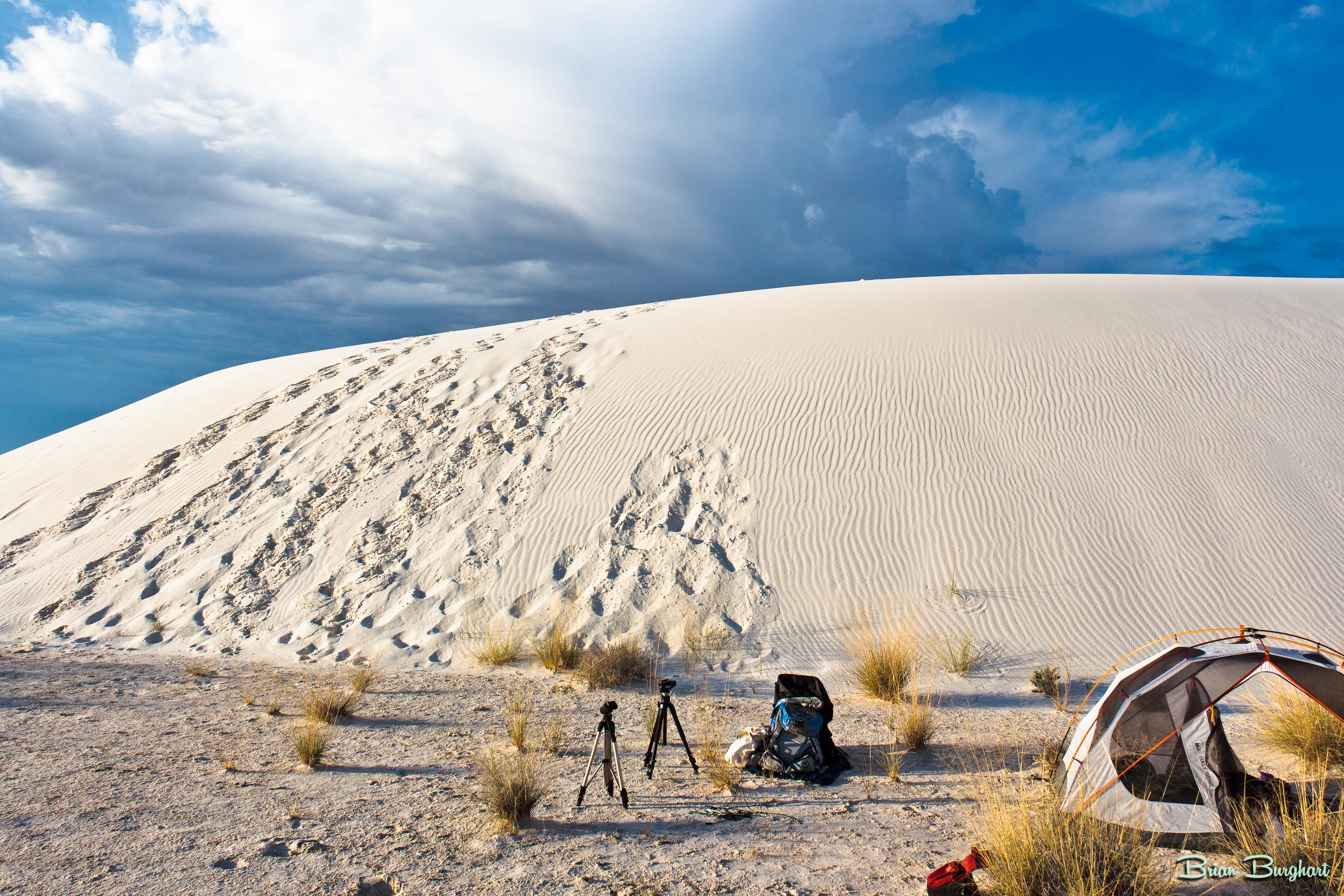
White Sands Backcountry Camping: Closed for 2026 — What to Know
As of 2026, backcountry camping at White Sands National Park is closed for site rehabilitation. What that means, and where to camp nearby instead.
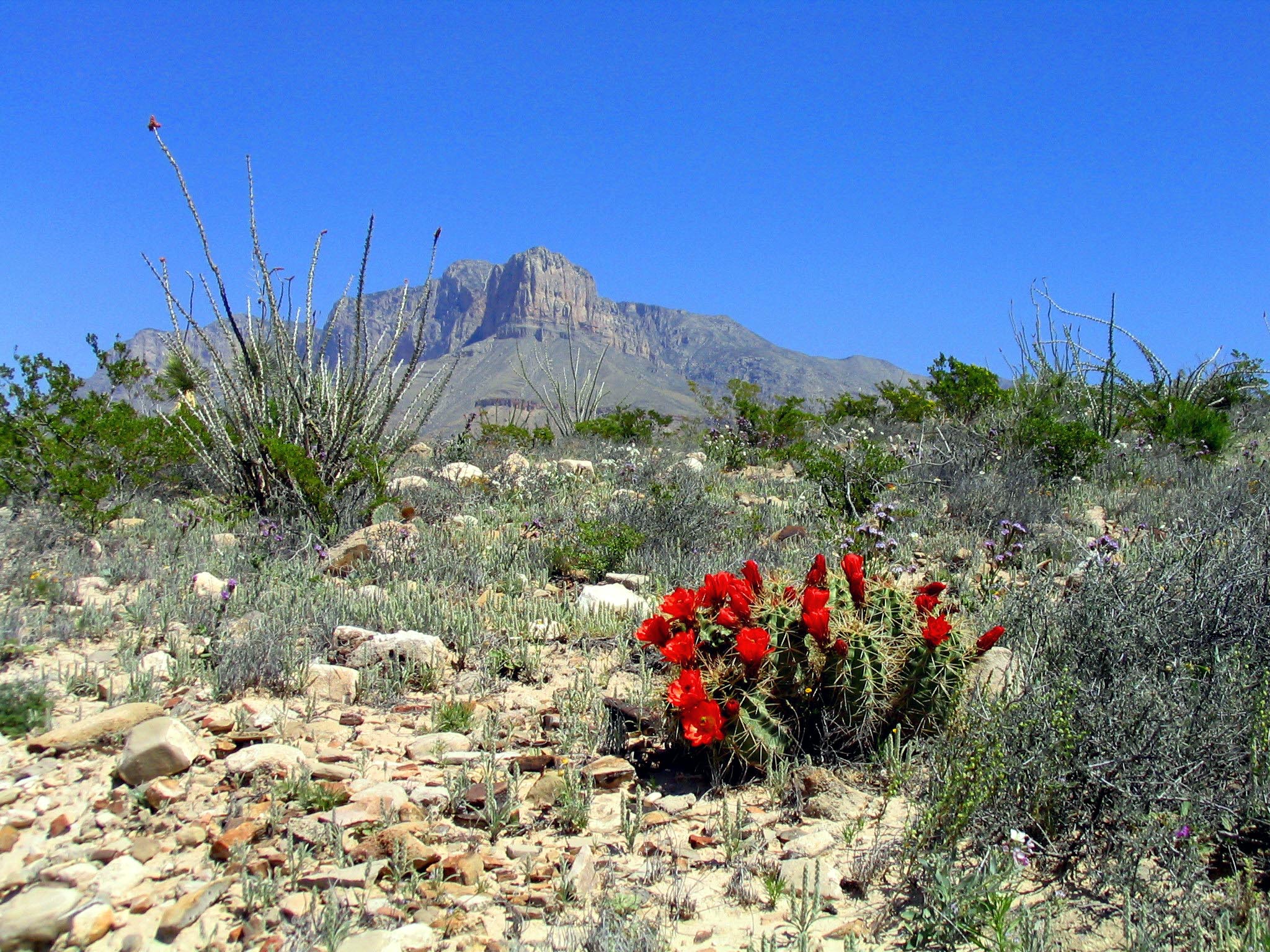
Guadalupe Mountains National Park Weather: Weather
Guadalupe Mountains National Park: weather guide guide updated 2026. Practical visitor information, reservations, and seasonal tips worth bookmarking before
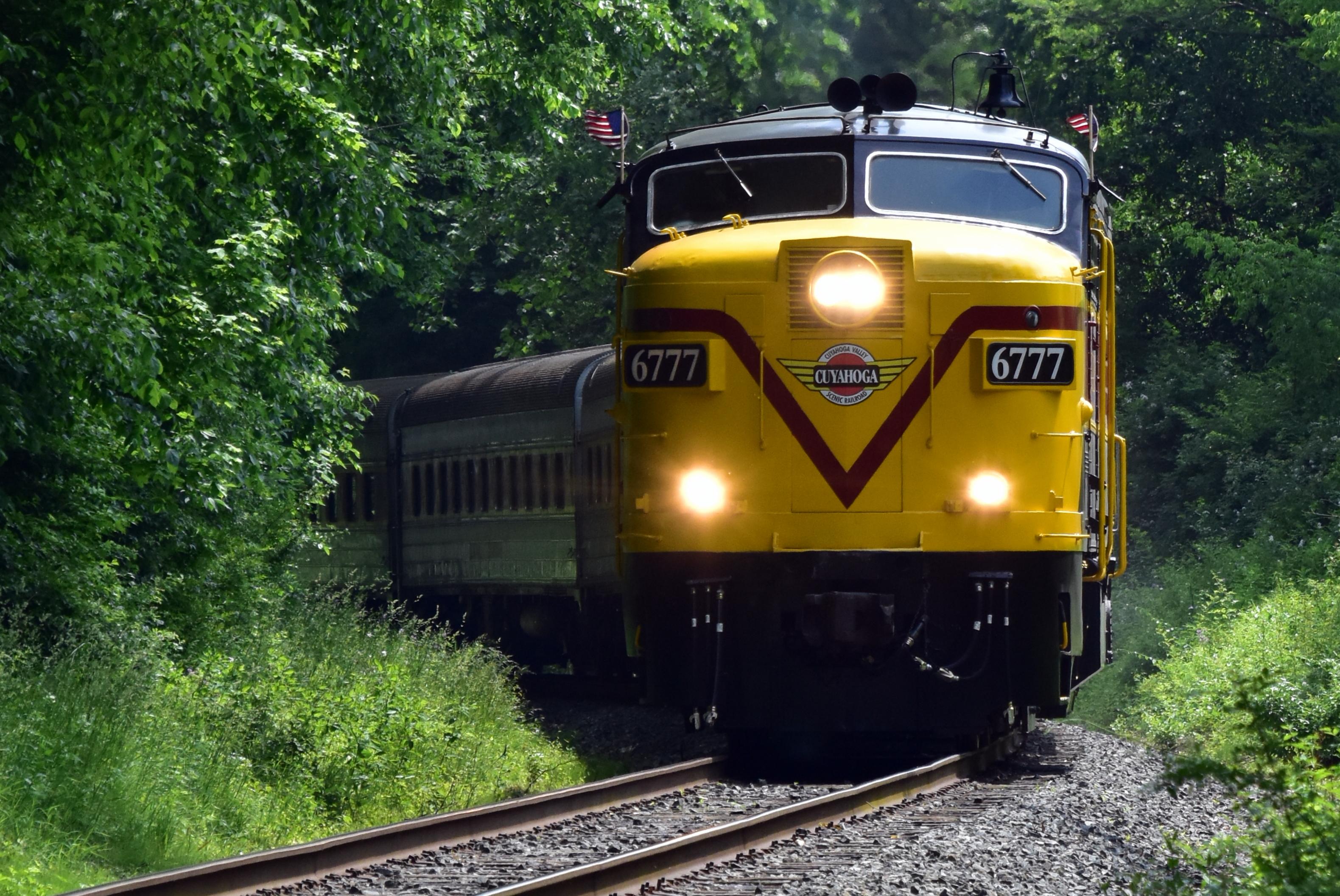
Best of Cuyahoga Valley National Park: Best Things to Do
Seeing a Cleveland Orchestra concert with the woods as your backdrop is a uniquely Cuyahoga Valley experience.
Sign in to join the conversation.
Sources & Attribution
Location data courtesy of the National Park Service (U.S. Department of the Interior). NPS data is public domain. Official NPS page.
Images: NPS; NPS; NPS; NPS; NPS.
Map data © OpenStreetMap contributors.
Park operations alerts: NPS.gov · Weather and weather hazards: National Weather Service · Live conditions.
Information may change. Always verify fees, hours, and conditions directly with the official source before visiting.
Did this guide help? Share it with a friend.