The first thing to understand about Deer Park Campground Olympic National Park is that you cannot simply roll up with an RV and expect to fit. The access road settles that question before you even reach the gate. This is a campground that selects its visitors - those willing to navigate 18 miles of steep, winding gravel for a payoff that comes at 5,400 feet.
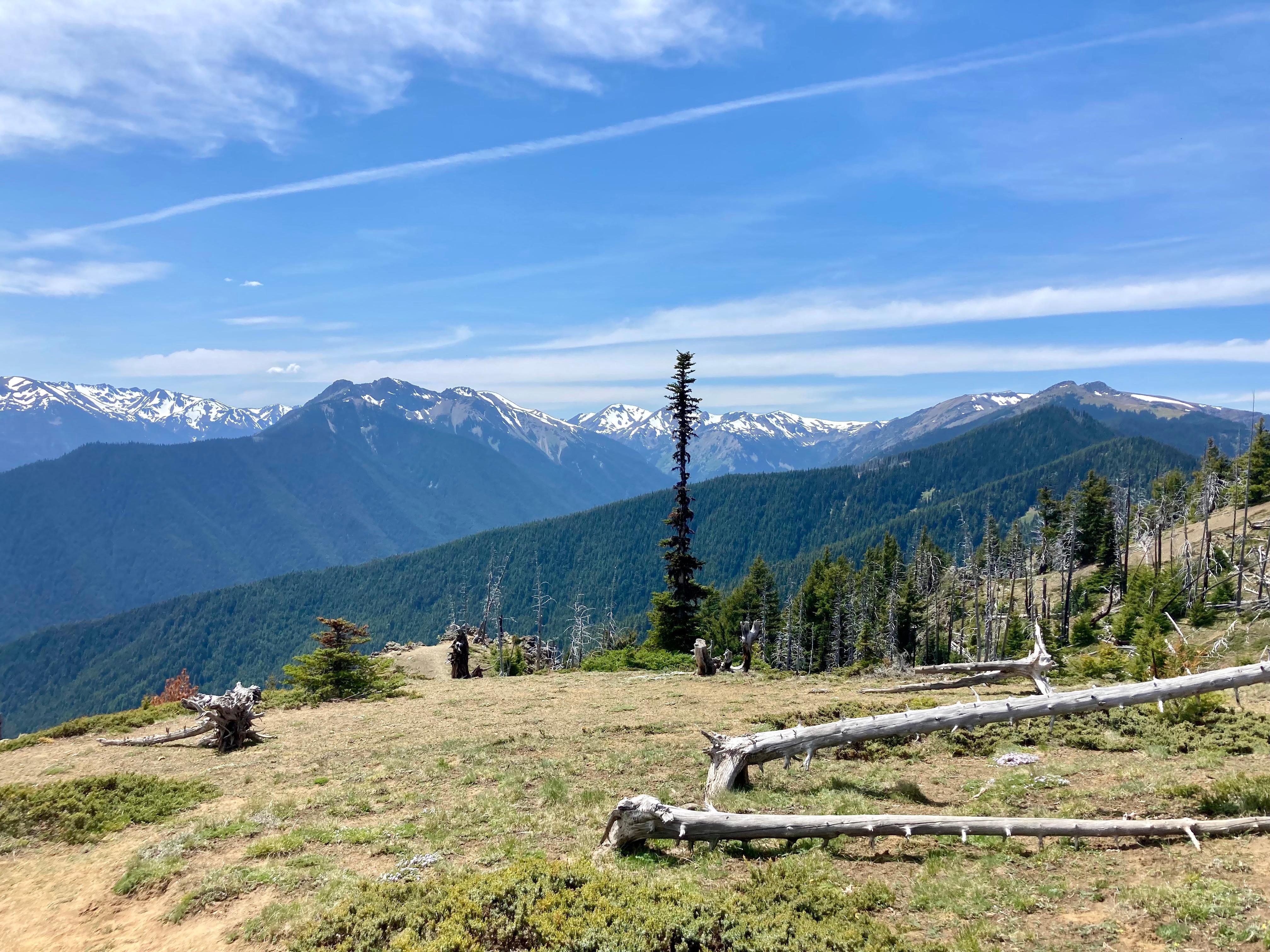
NPS via NPS.gov (Public Domain)
Deer Park Campground: 18 Miles of Gravel, 5,400 Feet (2026 Guide)
6 min read
Campsite Guide
Deer Park Campground sits at 5,400 feet in Olympic National Park, up 18 miles of steep gravel road. Open roughly June to mid-October (2026).
Your plans
For more, see complete visitor guide, all campgrounds, hiking trails, lodging and accommodations, Heart O' the Hills Campground at Heart O' the Hills Campground, Kalaloch Campround at Kalaloch Campround Olympic National Park, Mora Campground at Mora Campground Olympic National Park (2026, North Fork Campground at North Fork Campground Olympic National Park (2026 Guide), and Ozette Campground at Ozette Campground Olympic National Park.
For anyone who has thumbed through the complete visitor guide for Olympic, Deer Park stands apart from every other campground in the park. It sits high enough that you trade the temperate rainforest canopy for subalpine meadows and views that run clear to the Strait of Juan de Fuca on a clear day. But getting here, and staying here comfortably, requires specific planning.
What Makes Deer Park Different
Elevation changes everything
Most campgrounds in Olympic National Park sit at low elevation - think sea-level beach sites or valley-floor forest camps. Deer Park Campground Olympic National Park sits at 5,400 feet. That elevation does two things. First, it puts you above the tree line in spots, meaning open sky and long views. Second, it means the season runs short.
The campground opens roughly June through mid-October, but those dates shift every year based on snow melt and road conditions. In heavy snow years, the road may not clear until July. Rangers at the visitor center can give you current conditions, but plan for a June opening at earliest and an October closing regardless of weather.
The road is not a joke
The Deer Park Road runs 18 miles from Highway 101, and the last several miles are gravel - steep, winding, and narrow in places. The park service explicitly states Deer Park is not RV accessible. The research data confirms this. If you show up with anything longer than about 20 feet or with low clearance, you will have a problem. Passenger cars handle it fine in dry conditions, but the road gets slick after rain. Allow at least 45 minutes from the highway to the campground.

Campsite Specifics
What you get for $15
Deer Park has 14 sites, and they are strictly first-come, first-served. No reservations. The fee as of 2026 is $15 per night per campsite. That puts it among the cheaper options in the park.
Sites are basic - a tent pad, a fire ring, and a picnic table. No hookups, no dump station, no potable water. You pack in everything you need, including water. The vault toilets are functional but not glamorous. Plan accordingly.
Which site to aim for
The campground layout follows a simple loop. Sites on the outer edge tend to have more privacy, while interior sites feel closer to neighbors. There is no bad view here - every site looks out across subalpine meadows toward the Olympic Mountains or the Strait. But the end sites on the loop catch the best morning light and the widest sightlines.
Early morning is your best bet for securing a site, especially on summer weekends. The campground fills by late afternoon most July and August days.

What to Do From Deer Park
Hiking from the campground
The trail network around Deer Park is the primary draw. The main trailhead sits right at the campground and connects into the larger Olympic wilderness trail system. The most direct option is the Deer Park Trail, which drops into the Gray Wolf River drainage and connects to longer backpacking routes.
For day hikers, the ridge walks near camp require minimal effort for maximum return. The elevation gain is worth it - you walk along open ridges with 360-degree views. Keep an eye out for black-tailed deer and Olympic marmots; both are common in this elevation band.
Rangers will tell you that afternoon thunderstorms build quickly at this elevation. Start your hikes early, and be off exposed ridges by early afternoon.
Stargazing
Deer Park is one of the best places in Olympic National Park for night sky viewing. The high elevation and distance from Port Angeles's light glow mean the Milky Way is visible on moonless nights. Bring a red-lens headlamp and a chair. The show starts after true dark, about an hour past sunset.
Day trips from camp
You are about an hour from Hurricane Ridge, 90 minutes from the Lake Crescent area, and two hours from the Hoh Rain Forest. The Moments in Time Trail at Barnes Point on Lake Crescent is a solid 0.8-mile option for a rest day. Madison Falls near the Elwha River is another easy stop - 60-foot waterfall, short walk from the parking area, accessible year-round.
Cell service drops out at about the point the pavement ends on Deer Park Road. Download maps and directions before you leave Port Angeles.

What Most Visitors Underestimate
The temperature swing
Daytime temperatures at 5,400 feet in July might hit 75°F. Nighttime temperatures can drop into the 40s. Even in August, you need a sleeping bag rated to at least 30°F. The wind also picks up in the afternoon and never fully dies overnight. A tent with good stake-out points matters here.
Water is your problem
There is no potable water at Deer Park Campground Olympic National Park. The nearest reliable water is in Port Angeles, 18 miles down the road and back up again. Pack extra water for this stretch. Figure a gallon per person per day for drinking and cooking. If you are hiking from camp, add more.
Experienced visitors bring collapsible containers and fill up at the last water source in town. The park service recommends treating any surface water you find, though reliable streams are not close to the campground.
Wildlife habits
Bears are present in the Olympic Mountains, and Deer Park sits in bear habitat. Store food in a hard-sided cooler or bear canister. Do not leave food in your tent. The park also has raccoons and rodents that will chew through soft-sided coolers. The camp hosts are strict about food storage - rightly so.

Seasonal Considerations
Late June to early July
Snow patches still linger on north-facing slopes. Some trails above camp may be muddy or blocked. Mosquitoes are at their peak in the meadows. Bring head nets and DEET.
Mid-July to late August
The sweet spot. Trails are clear, wildflowers are out, temperatures are stable. This is when the campground fills earliest. Aim for a weekday arrival.
September
Cooler nights, fewer people, no mosquitoes. The aspens and huckleberries turn color. By late September, the risk of early snow is real, but September is the best month for solitude.
October
The road can close with little notice once snow starts. If you come in October, check current conditions before driving up. The park service posts updates on the website.
Practical Takeaways
- Arrive early - before noon - to claim a site. Fill by early afternoon on summer weekends.
- Bring all your water from Port Angeles. One gallon per person per day minimum.
- No RVs, no trailers longer than 20 feet, no low-clearance vehicles. The gravel road is steep and winding.
- Pack for cold nights. A 30°F sleeping bag is the warmest you should consider.
- Download offline maps before you lose cell signal. It drops at the gravel road start.
- Bring a bear canister or hard-sided cooler for food storage.
- Reserve nothing - it is first-come, first-served. No online booking, no phone reservations.
- Check road conditions before heading up. The park website posts updates.
- The camp hosts (present most of the season) know the area well. Ask them about trail conditions.
- If Deer Park is full, all campgrounds in the park offer different experiences - Heart O' the Hills is closest, at lower elevation with 97 sites and potable water.
Final Thoughts
Deer Park Campground Olympic National Park is not for everyone. The drive weeds out the unprepared, the lack of water weeds out the disorganized, and the elevation weeds out anyone who came for rainforest humidity. What remains is a straightforward camping experience with views that rival any front-country site in the park.
The campground rewards the kind of visitor who reads the road conditions before leaving home, packs extra fuel for the stove, and understands that 14 first-come sites means showing up early. If that describes your approach, Deer Park will be your favorite campsite in Olympic. If it sounds like too much work, there are other options lower down. But the people who make the drive tend to come back. That is the best thing you can say about any campsite.
Sources
- Official source: National Park Service nps.gov/olym/planyourvisit/deer-park-area-brochure.htm
- Official source: NPS — Olympic National Park nps.gov/olym/index.htm
Photo Gallery
More to Explore
Park Guide
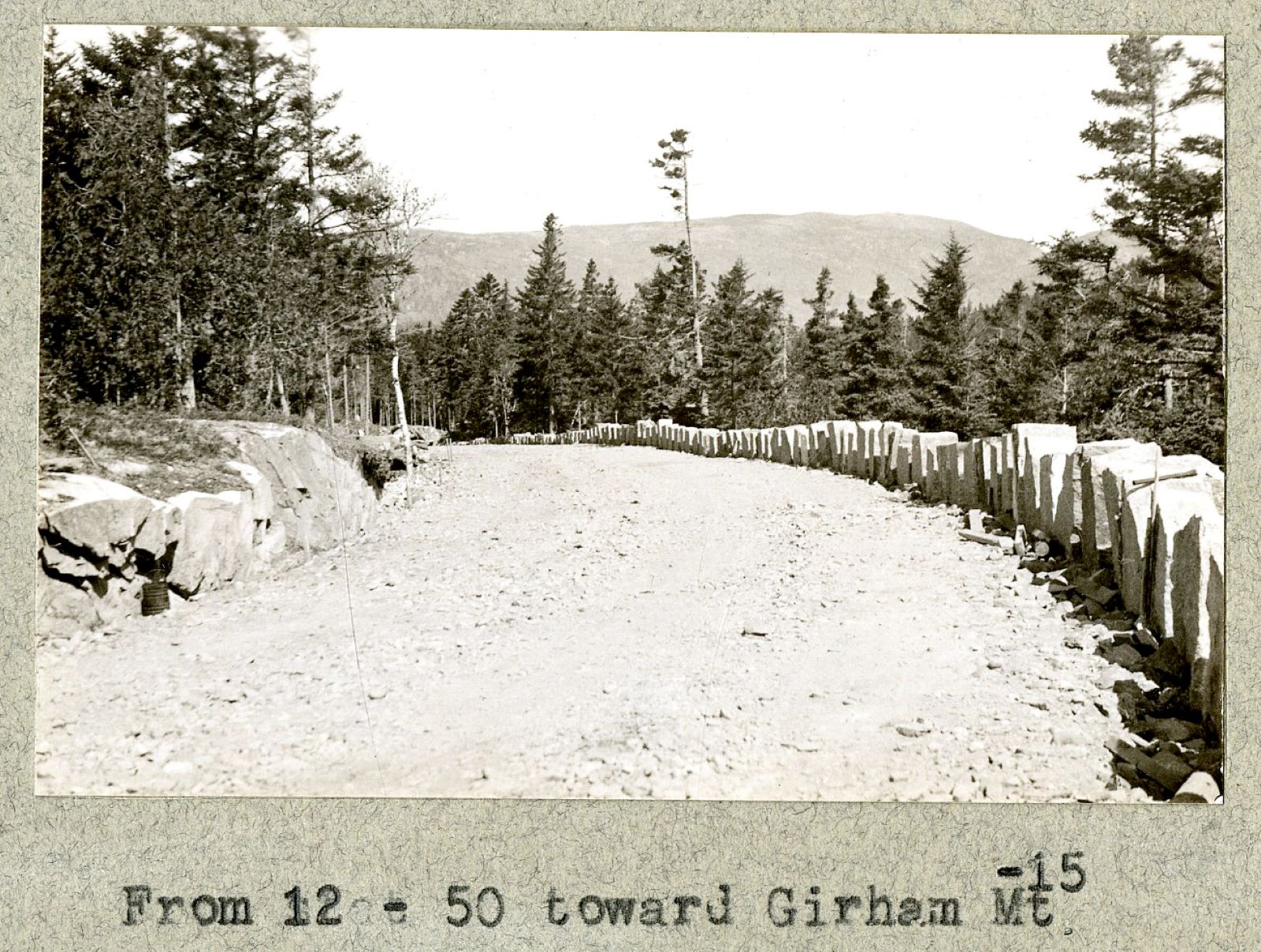
Acadia National Park: Carriage Roads, Cadillac Mountain & 2026 Guide
Discover carriage roads, Cadillac Mountain, and rugged Maine coast. Complete 2026 guide to Acadia National Park — trails, fees, lodging, permits, and what rangers recommend.
Hiking Guide
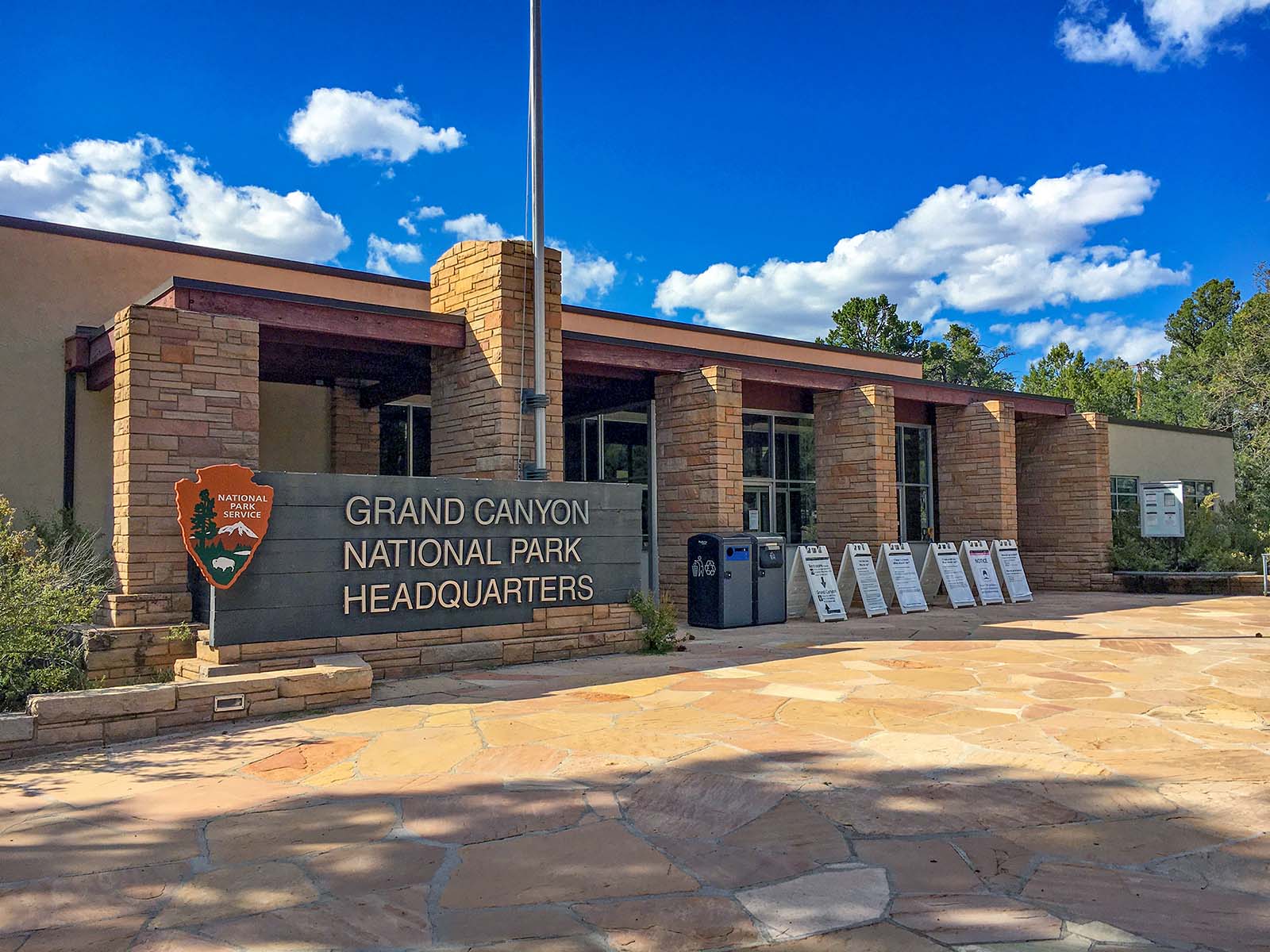
Grand Canyon Hiking Trails: Day Hikes, Water Sources & Rim to Rim
Compare Grand Canyon hiking trails: Bright Angel, South Kaibab, Hermit, Grandview, and rim to rim, with distances, elevation, water stops, and trailhead access for each.
Best Of
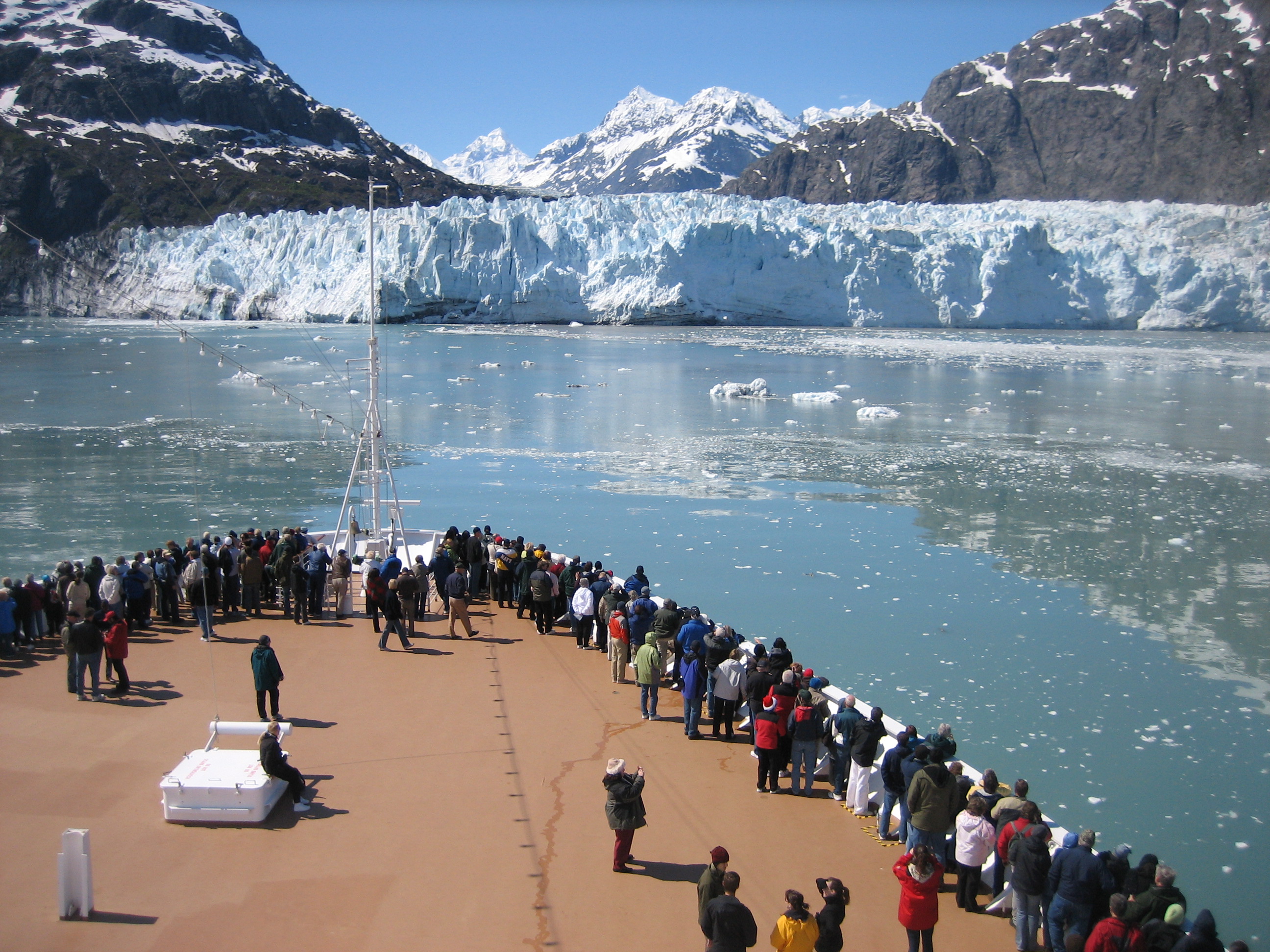
Best of Glacier Bay National Park
The best of Glacier Bay is reached by boat: ranger-led day tours up the bay to the tidewater glaciers. What's worth it, how to book, and when to go (2026).
Campsite Guide
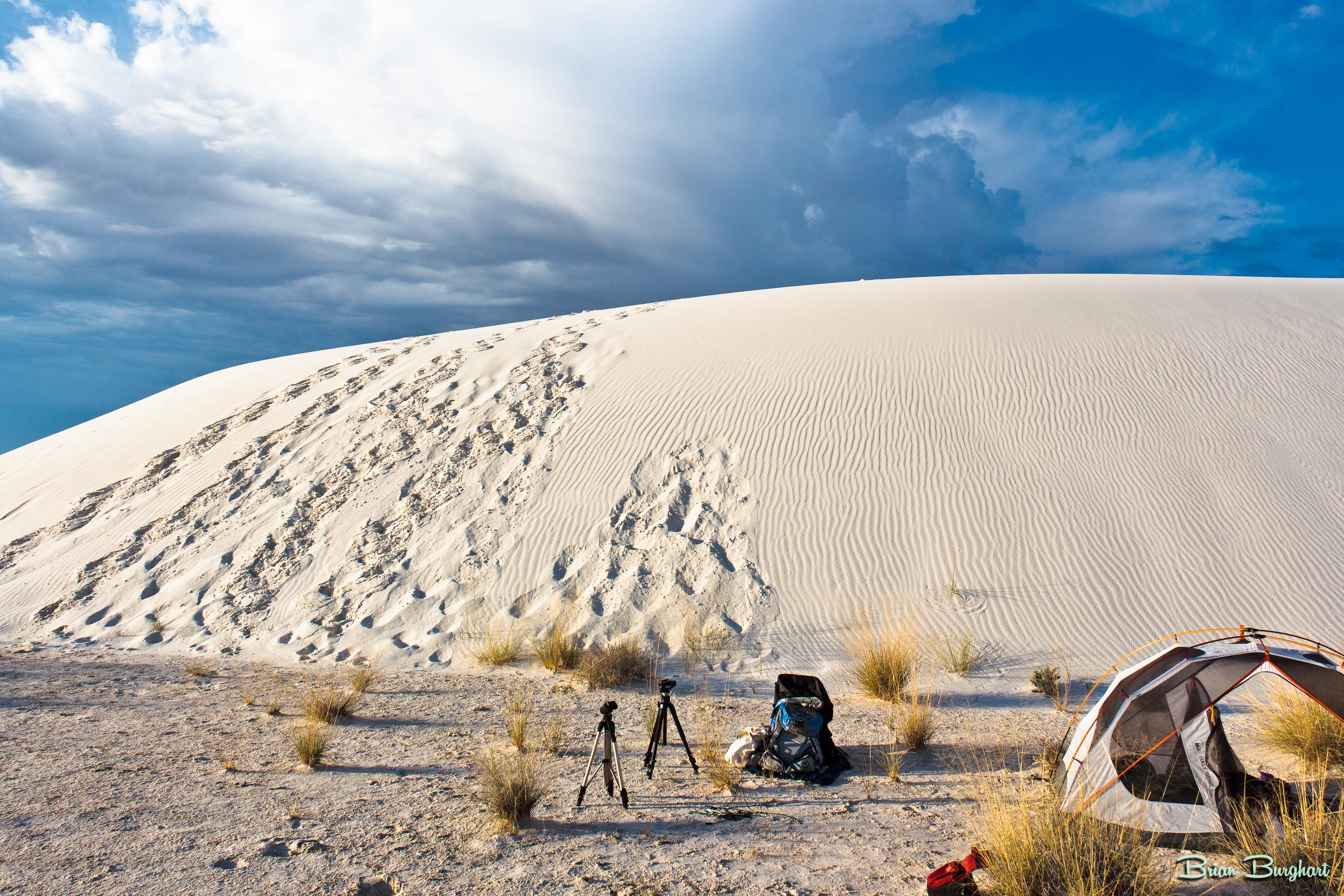
White Sands Backcountry Camping: Closed for 2026 — What to Know
As of 2026, backcountry camping at White Sands National Park is closed for site rehabilitation. What that means, and where to camp nearby instead.
Weather Guide
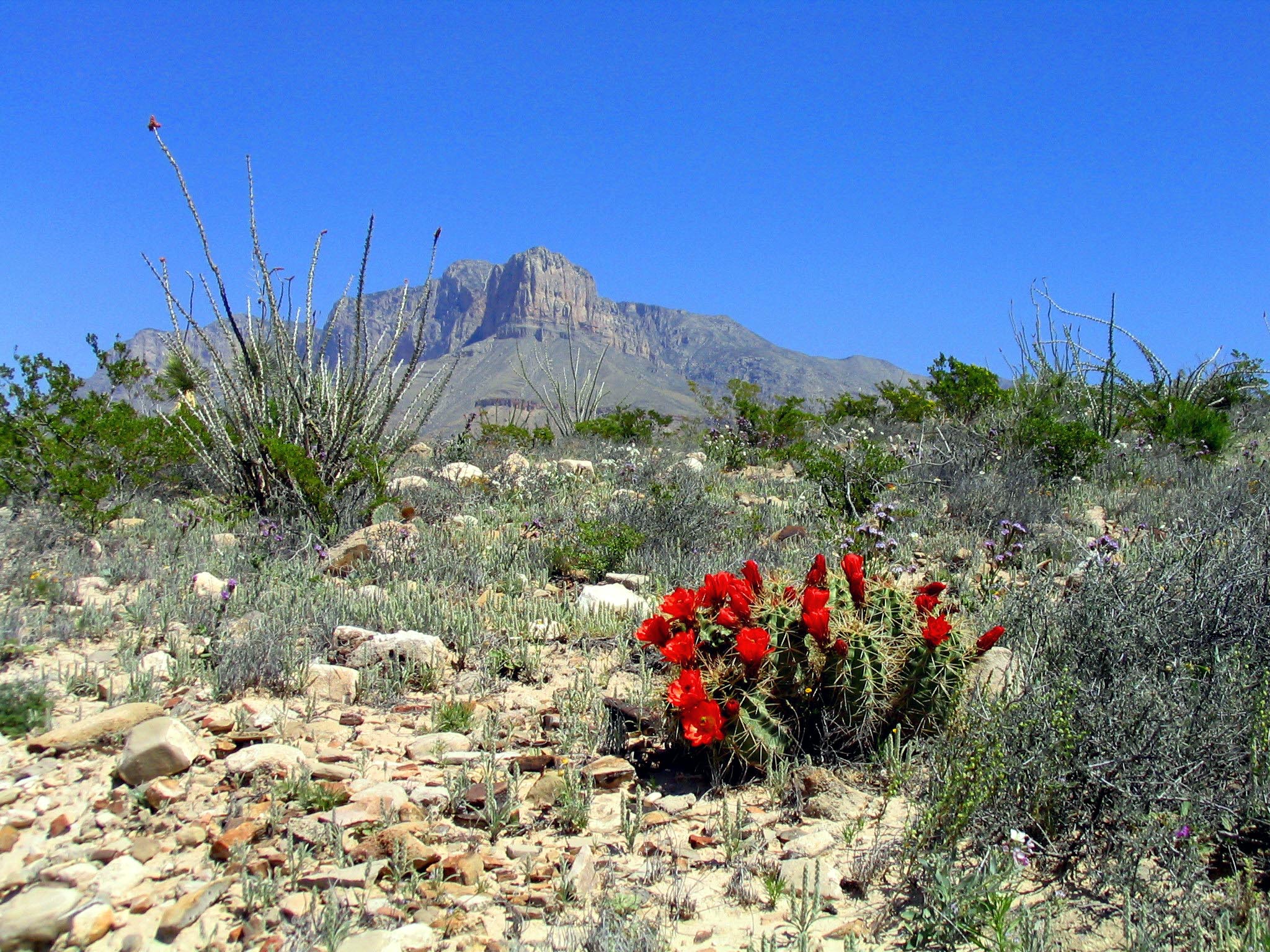
Guadalupe Mountains National Park Weather: Weather
Guadalupe Mountains National Park: weather guide guide updated 2026. Practical visitor information, reservations, and seasonal tips worth bookmarking before
Best Of
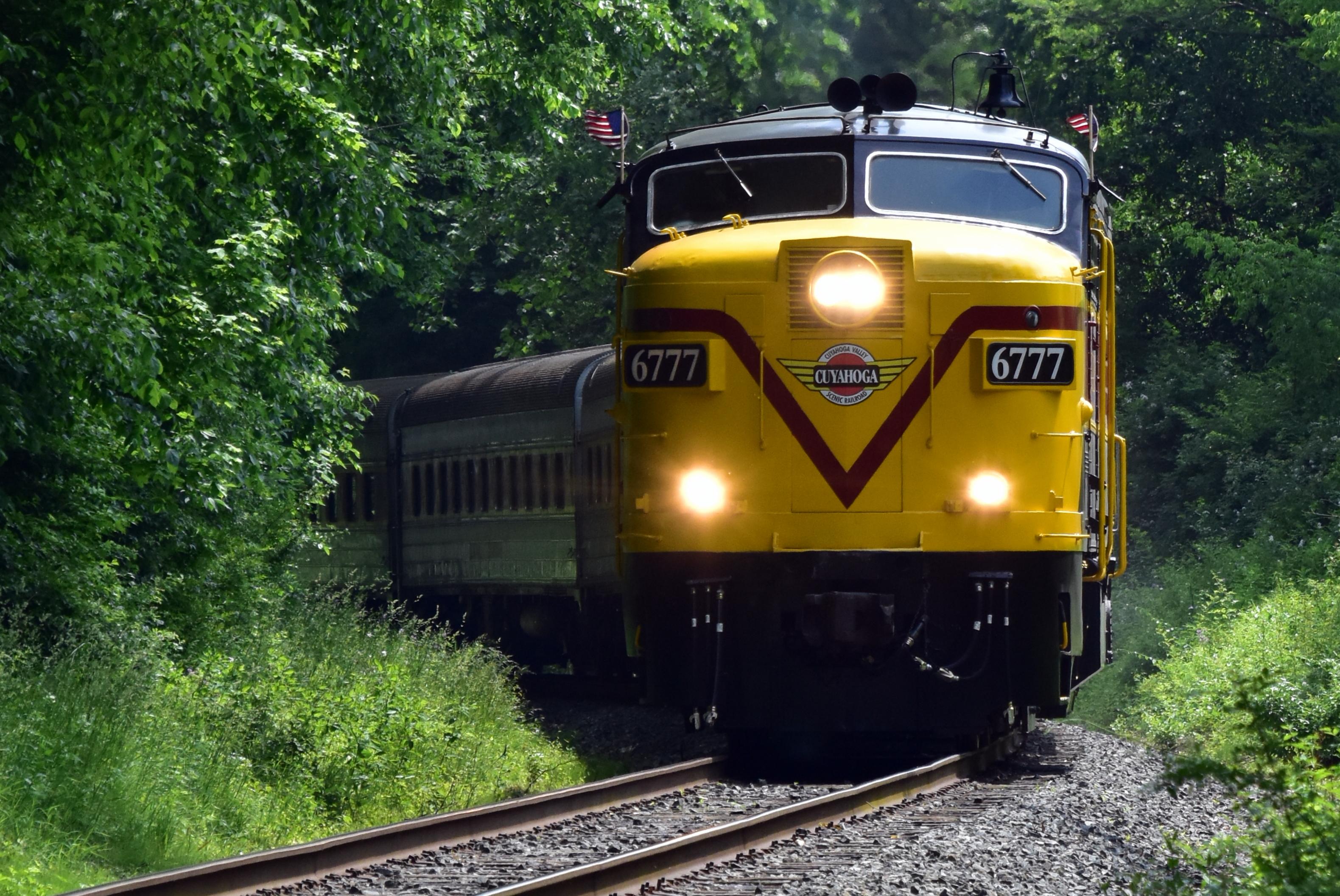
Best of Cuyahoga Valley National Park: Best Things to Do
Seeing a Cleveland Orchestra concert with the woods as your backdrop is a uniquely Cuyahoga Valley experience.
Sign in to join the conversation.
Sources & Attribution
Location data courtesy of the National Park Service (U.S. Department of the Interior). NPS data is public domain. Official NPS page.
Images: NPS; NPS; NPS; NPS; NPS.
Map data © OpenStreetMap contributors.
Park operations alerts: NPS.gov · Weather and weather hazards: National Weather Service · Live conditions.
Information may change. Always verify fees, hours, and conditions directly with the official source before visiting.
Did this guide help? Share it with a friend.