Most visitors to Olympic National Park assume camping on the Washington coast means fighting fog and cold drizzle even in July. They are partially right - the Olympic Coast gets rain year-round. But at Kalaloch Campground, 36 miles south of Forks off Highway 101, you get something most coastal campgrounds don't: 170 sites, 24 of which sit high enough on the bluff to see the Pacific from your tent door. The trick is knowing which loop to book and when.
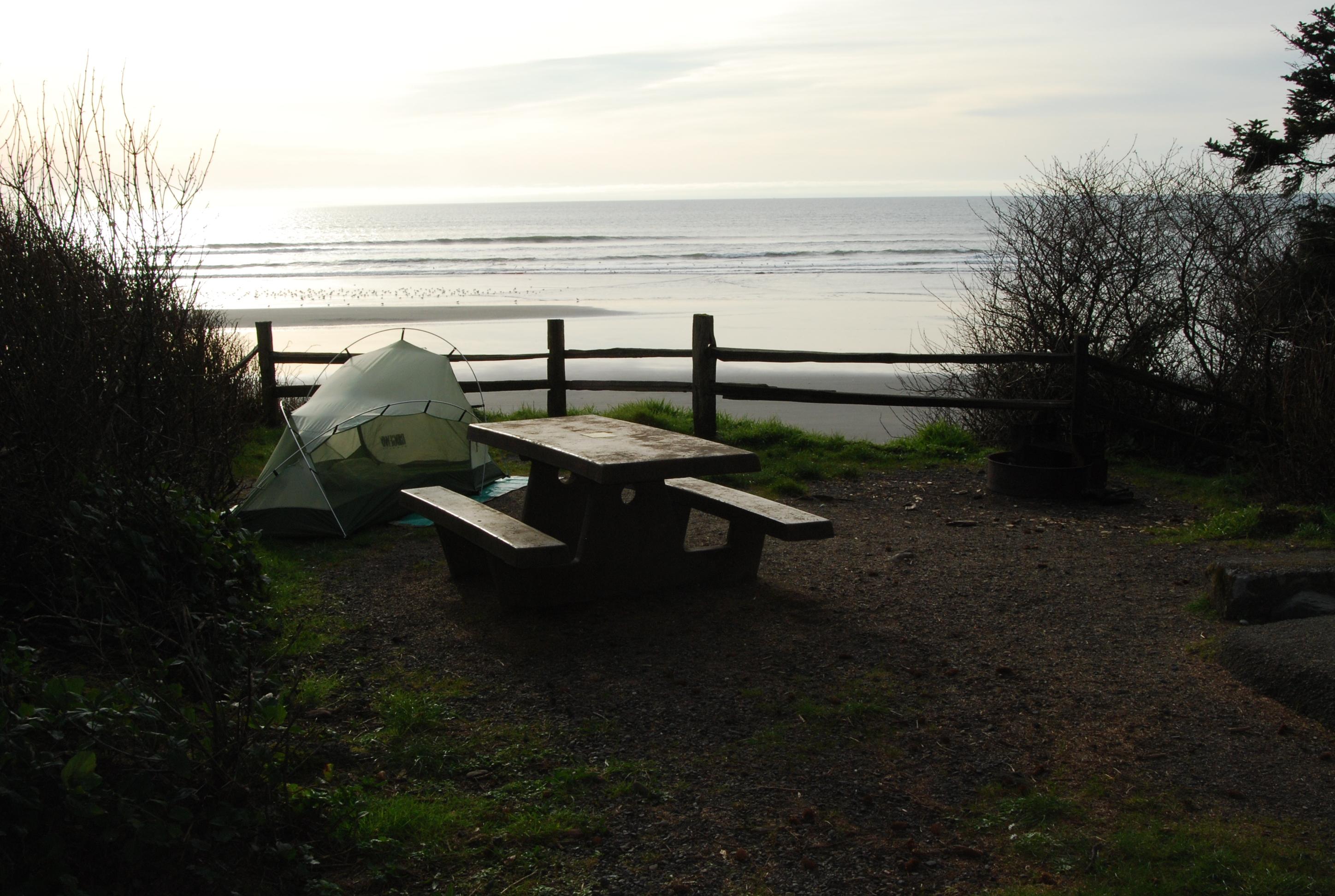
NPS via NPS.gov (Public Domain)
Kalaloch Campground: 24 Bluff Sites With Ocean Views (2026 Guide)
6 min read
Campsite Guide
Early morning is your best bet for having the beach to yourself. By 10 AM, the day-use crowd from Highway 101 begins arriving.
Your plans
For more, see complete visitor guide, all campgrounds, hiking trails, lodging and accommodations, Deer Park Campground at Deer Park Campground Olympic National Park (2026 Guide), Heart O' the Hills Campground at Heart O' the Hills Campground, Mora Campground at Mora Campground Olympic National Park (2026, North Fork Campground at North Fork Campground Olympic National Park (2026 Guide), and Ozette Campground at Ozette Campground Olympic National Park.
Kalaloch Campround at Olympic National Park fills fast during peak season. Online reservations open on recreation.gov for summer dates, and they go within minutes. This article covers exactly how to secure a spot, what to expect once you're there, and what the park website doesn't tell you about staying on this stretch of coast.
Location and Getting There
Where Kalaloch Sits on the Peninsula
Kalaloch Campground occupies a bluff overlooking the Pacific Ocean in Jefferson County, Washington. The entrance is right on Highway 101, making it one of the most accessible campgrounds in the park - no gravel roads, no switchbacks, no elevation gain. You drive in off the highway and you're there.
Forks lies 36 miles north. Aberdeen sits about 45 miles south. If you're coming from the Hood Canal side of the park, expect a solid two-hour drive across the peninsula. Cell service drops out at multiple points along Highway 101 between Port Angeles and Kalaloch, so download your directions before leaving.
What Most Visitors Underestimate
The parking situation here is tight. Each site accommodates one vehicle. Overflow parking exists near the campground entrance, but it fills early. If you're arriving with a second car or towing a trailer, call the park ahead or check the alerts page on nps.gov/olym before committing.

What Makes Kalaloch Different from Other Olympic Campgrounds
Oceanside Sites Versus Forest Sites
The campground splits into two distinct experiences. The oceanfront loops - sites closest to the bluff edge - get wind, salt spray, and direct sunset views over the Pacific. The forest loops sit back among Sitka spruce and offer more shelter but no water view.
Rangers will tell you the oceanfront sites book first, and they mean it. If your goal is falling asleep to surf noise, book months ahead. If you care more about sleeping warm and dry, pick a forest site. The difference in overnight temperature can be 10 degrees between the two sections.
The Tree of Life Situation
The so-called Tree of Life - a spruce clinging to the eroding bluff with exposed roots - sits right on the beach access trail from the campground. It's a beloved photo subject. It is also unstable. The park service does not recommend hanging hammocks from it, standing directly under it, or treating it as a climbing structure. The bluff erodes more each winter. Get your photo from a safe distance.
Site Specifics Worth Knowing
As of 2026, Kalaloch has 170 total sites. The fee is $24 per night. No hookups. No dump station at this campground (the nearest is at Fairholme Campground near Lake Crescent). Vault toilets and flush toilets are both available depending on the loop. Water spigots are scattered through the campground but shut off during winter freeze - bring extra water if visiting December through February.

Reservations and Seasonality
Peak Season Versus Off-Season
Online reservations are accepted for peak season, which typically runs mid-May through late September. Exact dates vary year to year - check recreation.gov for the current season opening and closing dates. During this window, every site requires a reservation. Walk-ups are not permitted.
From October through mid-May, all sites switch to first-come, first-served. The campground remains open year round. Experienced visitors know the off-season is the better experience for two reasons: fewer people and better storm-watching. Winter storms on the Olympic Coast produce surf that hits 20-plus feet. From the bluff at Kalaloch, you can watch waves break a quarter-mile out and roll in. Pack rain gear that actually works.
How to Book Without Frustration
The common mistake - and almost everyone makes it - is waiting until the morning of the release date to check recreation.gov. Sites for Kalaloch typically become available six months in advance on a rolling window. For a July weekend booking, mark your calendar for January. Have your account set up before the release hour. The oceanfront loops go in under 10 minutes.
Cancellations do happen. If you didn't get a site, check recreation.gov daily in the two weeks before your trip. People drop reservations, and the system releases them immediately.

What to Do During Your Stay
The Beach Access Trail
The Beach Access Trail from Kalaloch Campground leads directly onto one of the widest, most accessible beaches in the park. It's a short walk - under five minutes from the campground loop. The sand is packed hard enough at low tide to walk for miles south toward Beach 4 or north toward the Tree of Life.
Early morning is your best bet for having the beach to yourself. By 10 AM, the day-use crowd from Highway 101 begins arriving. By 4 PM, the parking lot at the beach access can be full.
Tidepooling on the Olympic Coast
The research data confirms tidepooling as a top activity at Olympic National Park, best done in summer. Beach 4, just south of Kalaloch, has reliable tidepools at low tide. Park at the Beach 4 trailhead and parking area off Highway 101, then take the short steep trail down.
Bring a tide chart. Download one before you arrive - cell service drops out at the beach. Look for green anemones, purple sea stars, and sculpin hiding under rocks. Do not remove anything. The park service enforces this, and other visitors will call you out.
Other Nearby Activities Within Driving Distance
Kalaloch works well as a base camp for the southern half of Olympic National Park:
- See Madison Falls - A 60-foot waterfall near the Elwha River, roughly 40 minutes north. Accessible via a short paved trail. Good for a quick stop on the way to or from Port Angeles.
- Watch for Salmon at Salmon Cascades - Late summer and early fall, coho and chinook salmon leap up the Sol Duc River. A viewing platform sits above the cascades. Best August through October.
- Walk the Moments in Time Trail - At Barnes Point on Lake Crescent, about an hour north of Kalaloch. An easy 0.8-mile loop through second-growth forest. Good for stretching legs after a long drive.
- Hoh Rain Forest - About 30 minutes northeast of Kalaloch via Upper Hoh Road. The Hoh Campground has 78 sites if Kalaloch is full, but the real draw is the Hall of Mosses Trail. Go early to beat the crowds.
Winter Play in the Mountains
If you're staying at Kalaloch in winter, the coast is wet but mild. Drive up to Hurricane Ridge for snowshoeing and cross-country skiing. The elevation gain is worth it - clear days at Hurricane Ridge give you views across the Strait of Juan de Fuca to Canada. Check road conditions before heading up. Hurricane Ridge Road closes during heavy snowfall.

Practical Takeaways
- Book six months out for summer. Set a calendar reminder. Oceanfront sites go in under 10 minutes on recreation.gov.
- Off-season is underrated. October through May means first-come, first-served and the best storm-watching of the year. Bring rain gear that actually keeps you dry.
- The $24 per night fee applies per site, not per person. One vehicle per site. Overflow parking is limited.
- Cell service drops out at the campground entrance. Download maps, tide charts, and directions before you leave Forks or Aberdeen.
- The Tree of Life is fragile. Photograph it from a distance. Do not stand under the exposed roots.
- Beach 4 has better tidepools than the main Kalaloch beach. Go at low tide. Bring a printed tide chart.
- Kalaloch stays open year round. Water spigots shut off in winter. Bring your own water if visiting December through February.
- Check nps.gov/olym for current alerts. The research data shows active closures at Staircase and Graves Creek Road as of the data collection date. Conditions change.
Final Thoughts
Kalaloch Campground does not offer the solitude of the backcountry or the convenience of a full-hookup RV park. What it offers is rare: a place to sleep within earshot of the Pacific, with no reservation lottery, no backcountry permit, and no multi-mile hike required. The campground is the starting point, not the destination. The real draw is what you walk to from your tent - a beach that runs for miles, tidepools full of life, and winter storms that remind you how big the ocean actually is. Book the site. Bring the rain gear. Go at least once in the off-season.
For more information, see our complete Olympic National Park Guide.
Sources
- Official source: NPS — Olympic National Park nps.gov/olym/index.htm
- Official source: National Park Service nps.gov/olym/planyourvisit/kalaloch-area-brochure.htm
Photo Gallery
More to Explore
Park Guide
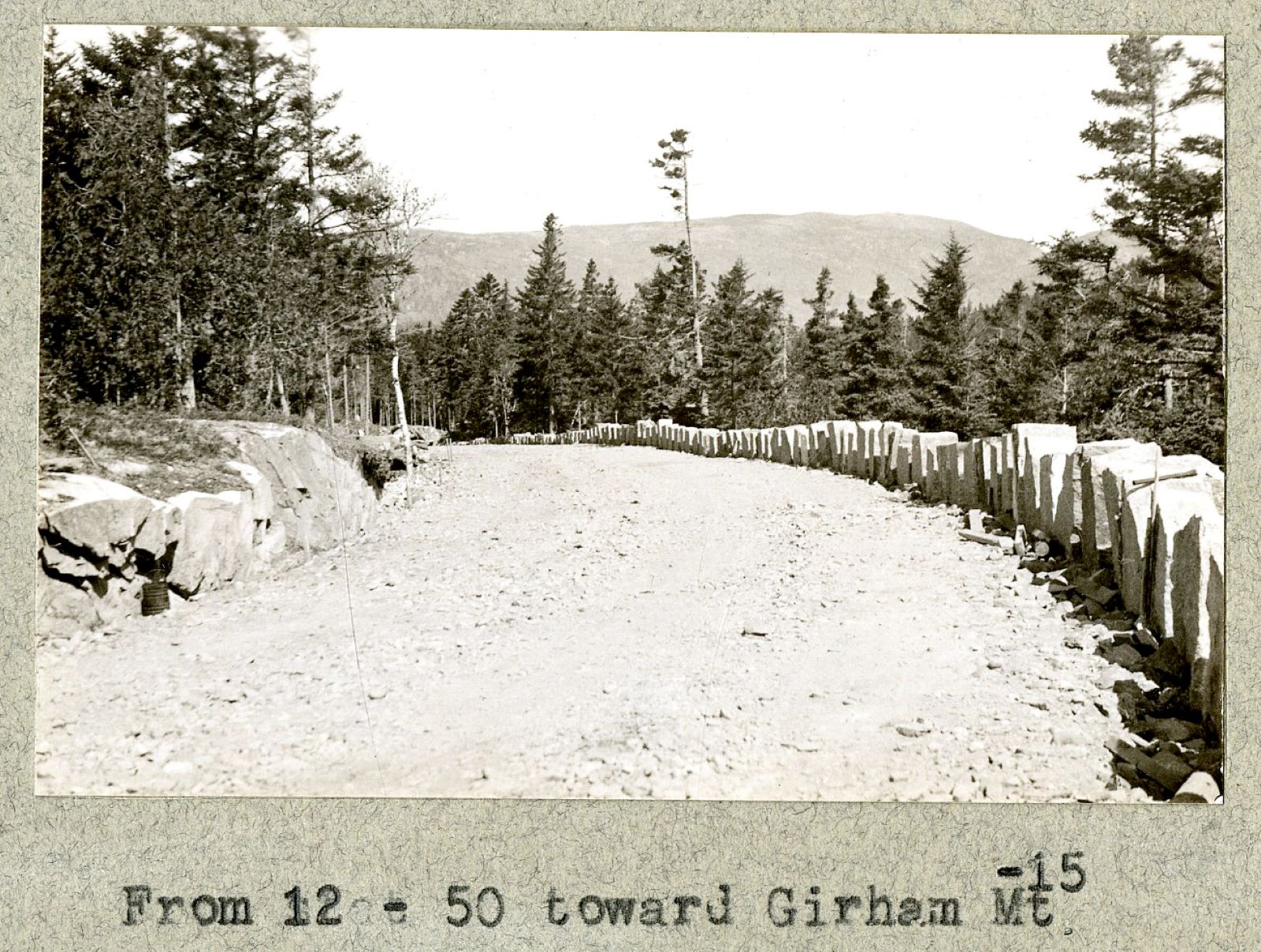
Acadia National Park: Carriage Roads, Cadillac Mountain & 2026 Guide
Discover carriage roads, Cadillac Mountain, and rugged Maine coast. Complete 2026 guide to Acadia National Park — trails, fees, lodging, permits, and what rangers recommend.
Hiking Guide
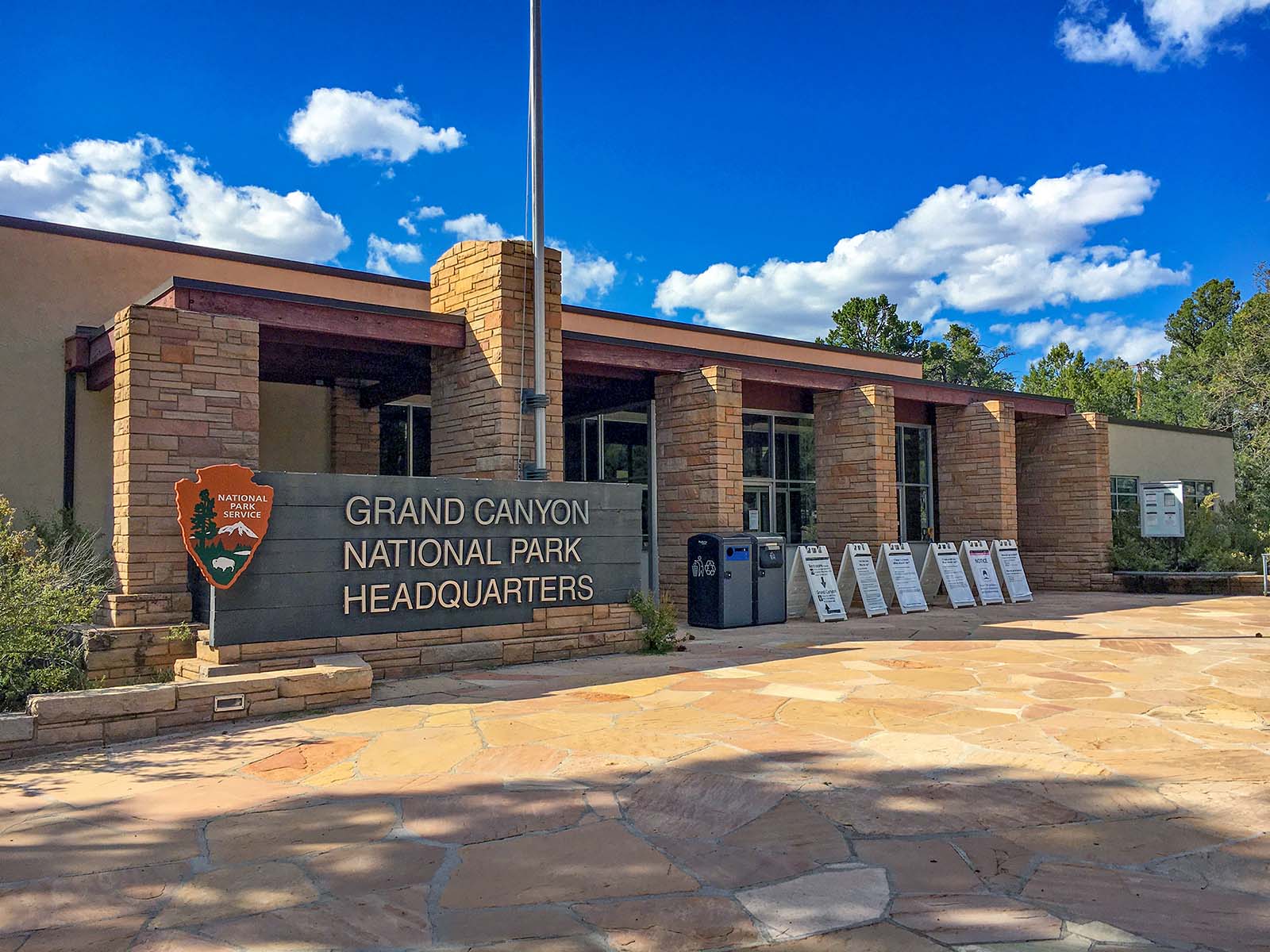
Grand Canyon Hiking Trails: Day Hikes, Water Sources & Rim to Rim
Compare Grand Canyon hiking trails: Bright Angel, South Kaibab, Hermit, Grandview, and rim to rim, with distances, elevation, water stops, and trailhead access for each.
Best Of
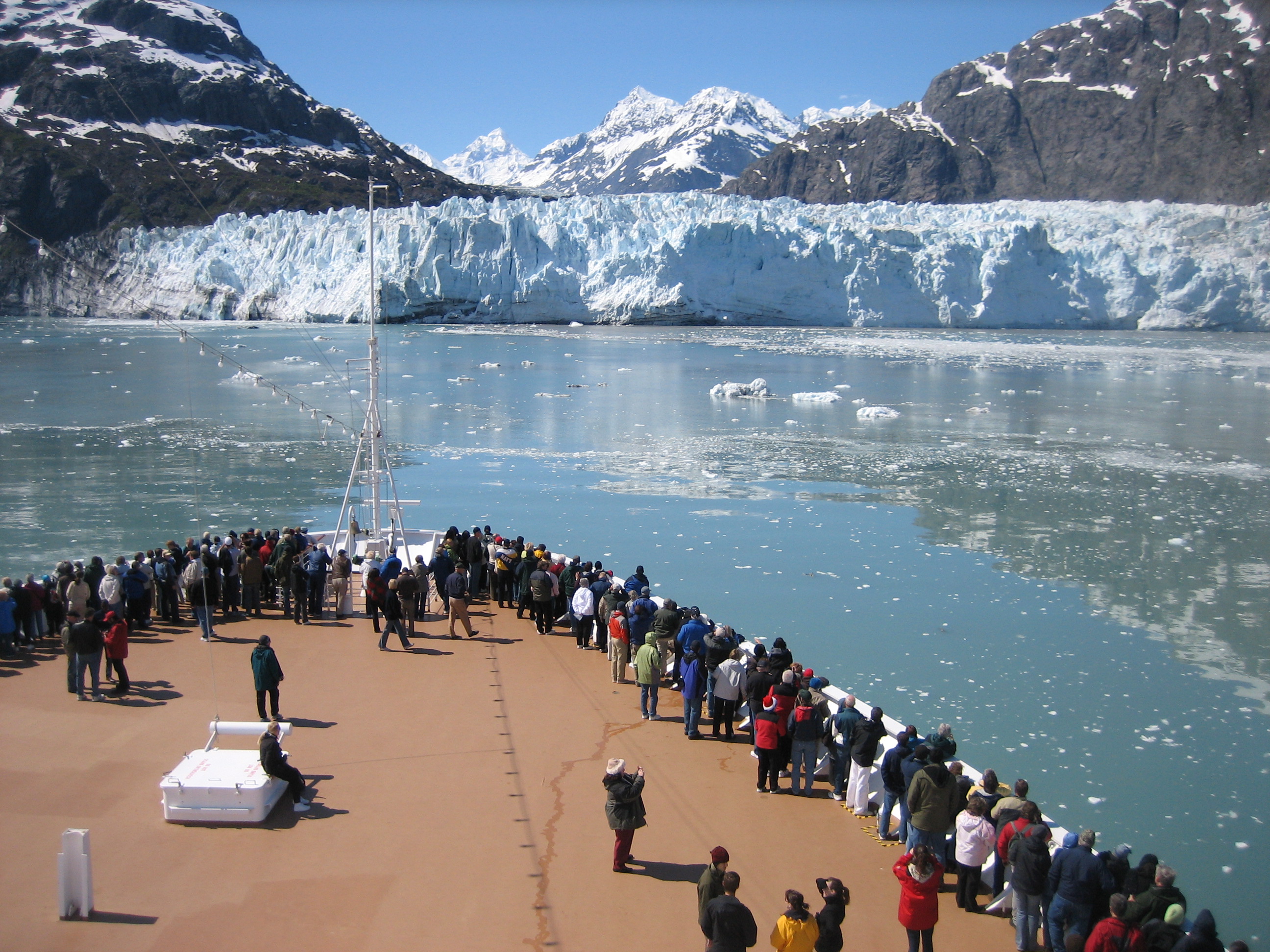
Best of Glacier Bay National Park
The best of Glacier Bay is reached by boat: ranger-led day tours up the bay to the tidewater glaciers. What's worth it, how to book, and when to go (2026).
Campsite Guide
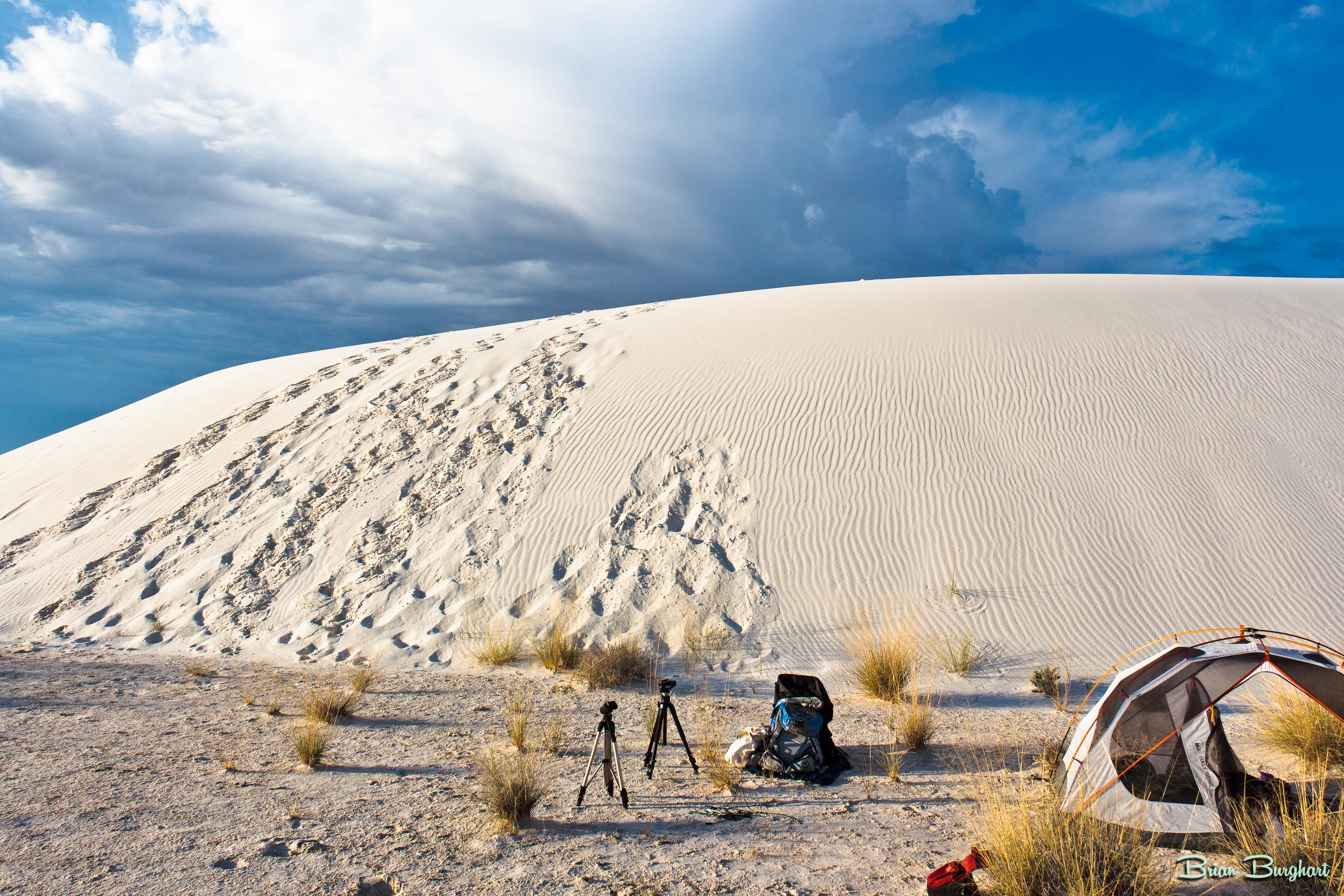
White Sands Backcountry Camping: Closed for 2026 — What to Know
As of 2026, backcountry camping at White Sands National Park is closed for site rehabilitation. What that means, and where to camp nearby instead.
Weather Guide
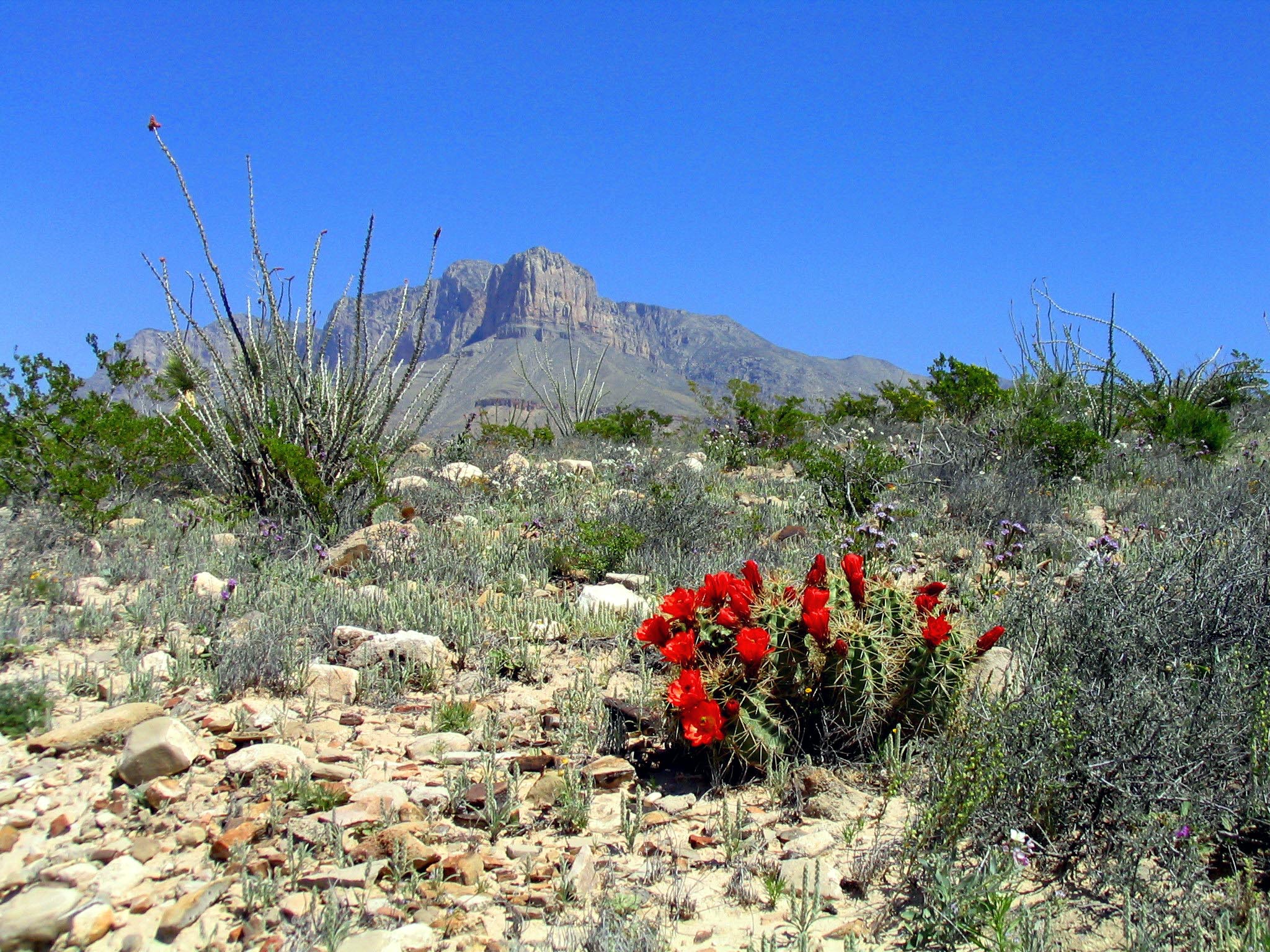
Guadalupe Mountains National Park Weather: Weather
Guadalupe Mountains National Park: weather guide guide updated 2026. Practical visitor information, reservations, and seasonal tips worth bookmarking before
Best Of
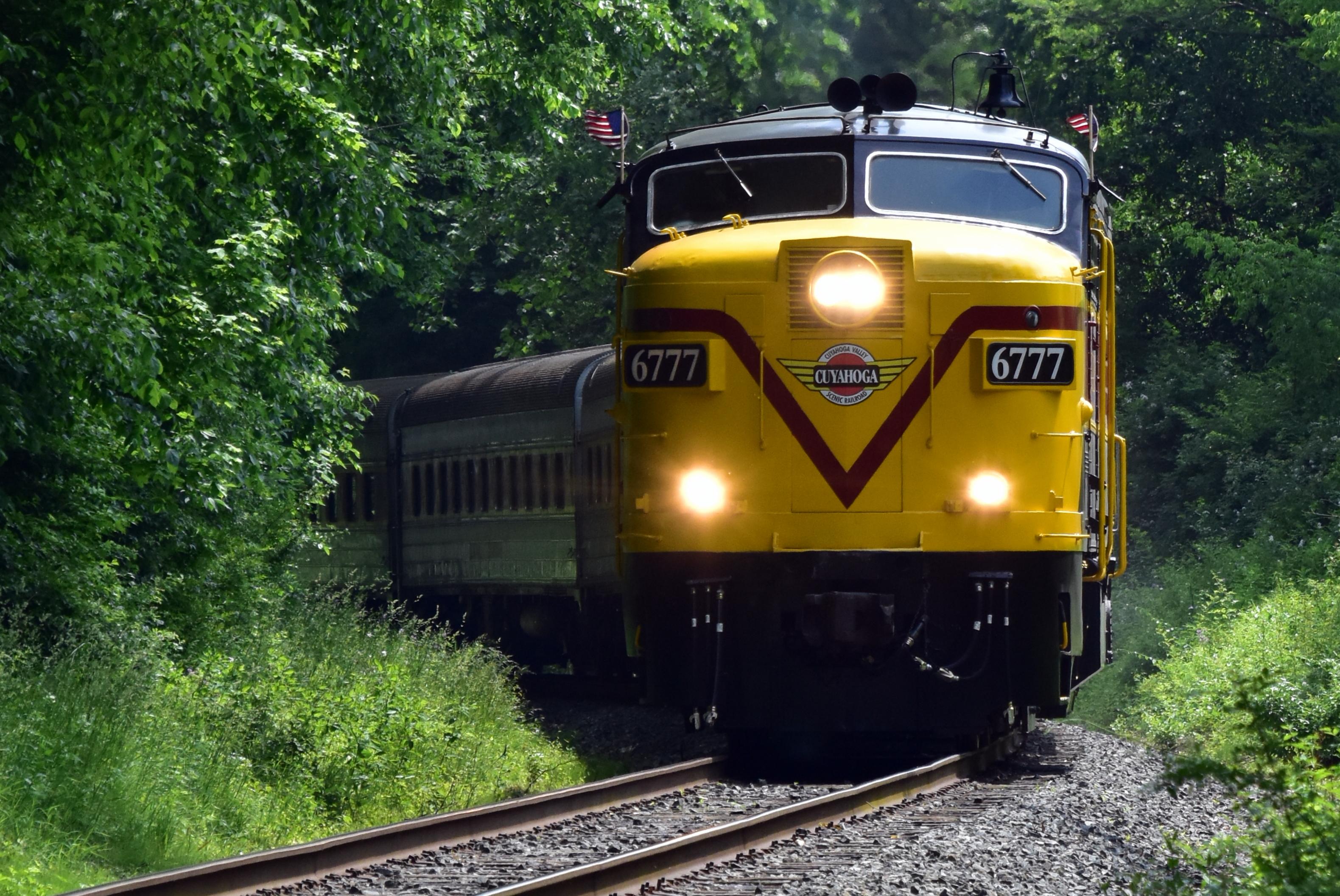
Best of Cuyahoga Valley National Park: Best Things to Do
Seeing a Cleveland Orchestra concert with the woods as your backdrop is a uniquely Cuyahoga Valley experience.
Sign in to join the conversation.
Sources & Attribution
Location data courtesy of the National Park Service (U.S. Department of the Interior). NPS data is public domain. Official NPS page.
Images: NPS; NPS; NPS; NPS; NPS.
Map data © OpenStreetMap contributors.
Park operations alerts: NPS.gov · Weather and weather hazards: National Weather Service · Live conditions.
Information may change. Always verify fees, hours, and conditions directly with the official source before visiting.
Did this guide help? Share it with a friend.