For more, see hiking trails, camping options, lodging and accommodations, best time to visit, and tours and guided experiences.
NPS via NPS.gov (Public Domain)
Kenai Fjords National Park: Tidewater Glaciers & Marine Wildlife — 2026 Guide
10 min read
Park Guide
Discover kenai fjords national park how to get there with our comprehensive guide. Expert tips, practical information, and insider knowledge.
Your plans
This article contains affiliate links — we may earn a small commission at no extra cost to you.
At a glance
Hours
The park is open year-round. The primary months to visit are June, July, and August. There are red
Best Time
June-September (summer), September-October (fall colors)
Address
411 Washington Street, Seward, AK, 99664
Website
59.8180, -150.1065
Google MapsKenai Fjords National Park: Tidewater Glaciers & Marine Wildlife - 2026 Guide
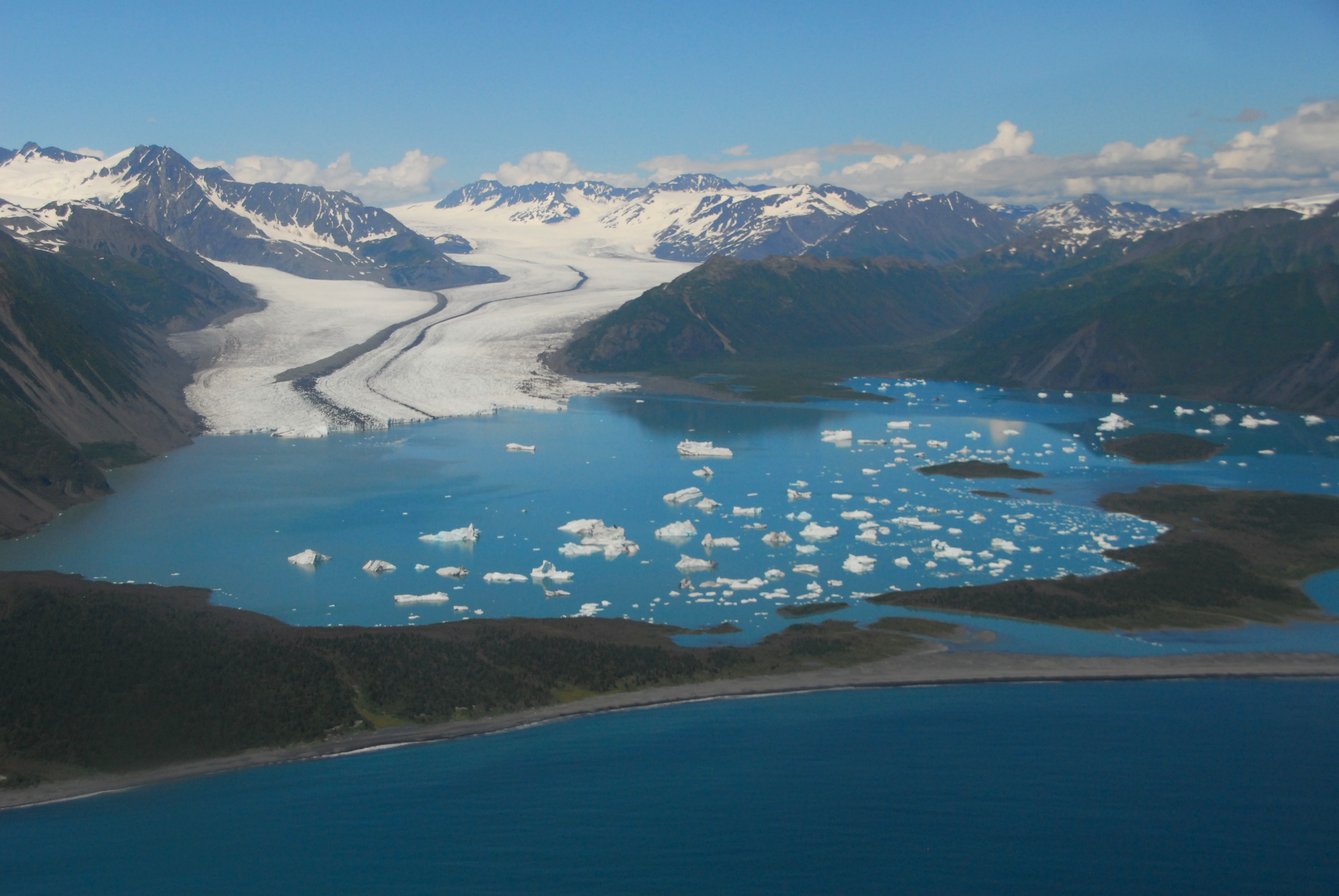
The boat engine cuts to idle. Ice cracks. A harbor seal watches from a chunk of floating ice the size of a pickup truck. You're staring at a wall of blue-white ice two hundred feet high, and somewhere deep inside, a glacier groans. This is Kenai Fjords National Park, where the Harding Icefield—a 700-square-mile remnant of the last ice age—meets the Gulf of Alaska. It feels less like a national park and more like a planet in transition.
Fifty-one percent of this park is covered in ice year-round. The other half is temperate rainforest, rocky coastline, and the deep, narrow fjords that give the park its name. To get here, you drive to Seward, Alaska, then get on a boat or a trail. But the full answer—the one that gets you past the parking lot and into the actual experience—requires understanding how this park works. Kenai Fjords is not a drive-through park. It is not Yellowstone. It demands that you engage with it on its own terms.
The Lay of the Land
Kenai Fjords is split into two distinct zones, and your experience depends entirely on which one you choose.
The Exit Glacier Area is the only part of the park accessible by road. A paved road leads to the Exit Glacier Nature Center, the Glacier View Loop trail, and the trailhead for the Harding Icefield Trail. This is where you go if you want to walk to the toe of a glacier, see crevasses up close, or attempt the strenuous hike to the icefield itself. The road is 8.4 miles long and ends at a parking lot. Cell service drops out at about the halfway point.
The Coastal Fjords make up the vast majority of the park - roughly 600,000 acres of coastline, islands, tidewater glaciers, and marine habitat. You cannot drive here. You access it by boat (tour boat, private kayak, or water taxi) or, for the truly committed, by foot via the unmaintained coastline routes. This is where you see the calving glaciers, the sea otters floating on their backs, the humpback whales feeding in the channels, and the colonies of seabirds clinging to sheer rock faces.
The park headquarters and visitor center are in Seward, at 411 Washington Street. From the visitor center to the Exit Glacier turnoff is about 12 miles. From the turnoff to the glacier parking lot is 8.4 miles. Plan 45 minutes from downtown Seward to the trailhead, including the drive and parking time.

Planning Your Visit
Entrance Fees: Entrance fee information not provided in source data; source data does not mention fees. The park does not have a fee station at the Exit Glacier entrance. However, commercial tour operators charge for their services, and camping fees apply at the Exit Glacier Campground.
Hours: The park is open year-round. But "open" and "accessible" are two different things here. The primary operating season is June, July, and August. May and September offer reduced services. The Exit Glacier Road is not plowed in winter and closes to vehicles once snow covers it - typically by late October or early November. The coastal backcountry is largely inaccessible from late fall through early spring due to rough seas.
Best Time to Visit: June through August is the sweet spot. Daytime temperatures range from the mid-40s to low 70s°F. Expect overcast skies and rain - this is a maritime climate, and the rainforest exists for a reason. September offers fall colors and fewer crowds but shorter days and more rain. Winter visits are possible only if you're prepared for snow, ice, and temperatures down to -20°F, and you can only access the Exit Glacier area by ski or snowshoe.
Permits: No permits are required for day hiking on maintained trails. Backcountry camping in the coastal fjords requires a free backcountry permit, available at the visitor center. The park website has current conditions and any additional restrictions.
America the Beautiful Pass: While the park has no entrance fee, the annual pass is still worth considering if you're visiting other federal lands on the same trip. It covers entrance fees at parks that charge them.
Getting There & Getting Around
How to Get There
Kenai Fjords is 126 miles south of Anchorage. The drive takes roughly 2.5 hours without stops, though you should factor in time for the scenery.
From Anchorage, take the Seward Highway (AK-1) south. At approximately mile 35, the highway splits. AK-1 continues southwest toward Homer and Kenai. You want AK-9, which continues south to Seward. The turn is clearly marked.
The Seward Highway is a National Scenic Byway, and for good reason. It hugs the Turnagain Arm, passes through the Chugach National Forest, and offers views of mountains, waterfalls, and - if you're lucky - beluga whales in the inlet. It's a beautiful drive, but it's also a real road. Watch for moose, especially around dawn and dusk. Watch for construction in summer. And watch the weather - fog can roll in fast along the coast.
If you're flying in, the closest major airport is Ted Stevens Anchorage International Airport (ANC). From there, you can rent a car or take a shuttle service to Seward. The Alaska Railroad also runs a summer-only train from Anchorage to Seward, which is a spectacular ride in its own right.
Getting Around the Park
Exit Glacier Area: Drive the 8.4-mile road to the parking lot. The lot fills early - by 9 AM in peak season, you'll be circling. Parking along the road is not permitted. If the lot is full, you wait or come back later. The Glacier View Loop trail is paved and wheelchair-accessible. The Harding Icefield Trail is not.
Coastal Fjords: Your options are boat tour, kayak, or water taxi. Most visitors take a tour boat out of Seward's small boat harbor. These range from half-day trips to full-day excursions. Some go to the most active glaciers; others focus on wildlife. If you want to kayak, several outfitters in Seward offer guided trips or gear rentals. Water taxis can drop you at specific locations for day hikes or overnight camping, but you need to be self-sufficient and prepared for wilderness conditions.
Cell Service: Cell service drops out at roughly the halfway point on the Exit Glacier Road. There is no service in the coastal fjords. Download maps and information before you leave Seward.

What to Do
Boat Tours
This is the defining experience of the park. A boat tour takes you into the fjords where tidewater glaciers calve into the ocean - massive blocks of ice shearing off and crashing into the water with a sound like thunder. You'll see harbor seals, sea otters, puffins, and if you're lucky, humpback whales and orcas. The park's tours and guided experiences page has a list of authorized operators. Book early - summer tours sell out weeks in advance.
Hiking
The Exit Glacier area has a handful of maintained trails. The short Glacier View Loop is an easy 0.8-mile paved walk to a viewpoint. The Harding Icefield Trail is an 8.2-mile round trip with 3,000 feet of elevation gain. It is strenuous. Rangers will tell you to allow 6-8 hours and carry at least 2 liters of water per person. The reward is standing at the edge of the Harding Icefield - a flat white expanse stretching to the horizon. For a full breakdown, see the park's hiking trails guide. For dedicated coverage, read our hiking in Kenai Fjords National Park article.
Kayaking
Paddling among icebergs in a quiet fjord is a different experience from a boat tour - slower, quieter, more intimate. Guided tours are available from Seward, or you can rent gear and launch from designated spots. The water is cold (mid-40s°F in summer), and conditions change fast. If you're going solo, file a trip plan with the visitor center.
Wildlife Viewing
The park's marine environment supports an extraordinary density of life. Sea otters, harbor seals, Steller sea lions, humpback whales, orcas, Dall's porpoises, and multiple species of seabirds including puffins, cormorants, and kittiwakes. The best viewing is from the water. For more detail on what to look for and where, see our wildlife viewing page (coming soon).
Winter Activities
If you visit between November and April, the Exit Glacier area is accessible only by ski or snowshoe. The road is closed to vehicles. Cross-country skiing and snowshoeing are popular. Aurora borealis viewing is possible on clear nights. This is not a trip for beginners - winter backcountry in Alaska demands serious preparation.
Where to Stay
Inside the Park: The Exit Glacier Campground is the only developed campground. It has 12 sites, no hookups, vault toilets, and no potable water. First-come, first-served. It fills daily in summer. The park's camping options page has current conditions.
Backcountry Camping: Permitted in the coastal fjords with a free permit. No facilities. No trails. You need to be comfortable navigating by map and compass, handling tidal waters, and being completely self-sufficient. This is real wilderness.
Seward: The town of Seward has the full range of lodging and accommodations - hotels, motels, bed and breakfasts, hostels, and RV parks. Book early for summer. Seward also has restaurants, grocery stores, gear shops, and the Alaska SeaLife Center. It's a working fishing town that has adapted to tourism, and it does both well.
For a deeper dive, see our guides on where to stay in Kenai Fjords National Park and hotels near Kenai Fjords National Park.

Seasonal Guide
June through August: Peak season. Everything is open. Days are long (18+ hours of daylight). Temperatures range from the mid-40s to low 70s. Rain is common and expected. Boat tours run daily. The Harding Icefield Trail is snow-free by late June. Crowds are heavy at the Exit Glacier area. The parking lot fills by 9 AM. This is the best time for first-time visitors.
May and September: Shoulder season. Fewer visitors. Boat tours run with reduced schedules. Weather is cooler and wetter. The Harding Icefield Trail may still have snow in May. September offers fall colors on the tundra and lower elevations. Some services in Seward close after Labor Day.
October through April: Winter. The Exit Glacier Road closes to vehicles once snow accumulates. Access is by ski, snowshoe, or fat bike. No boat tours run. Seward remains accessible year-round, but many businesses close for the season. Aurora viewing is possible on clear nights. Temperatures range from the low 30s to -20°F. This is for experienced winter travelers only.
Practical Takeaways
- The park has no entrance fee, but boat tours cost $100-250 per person. Factor that into your budget. It's the main expense.
- The Exit Glacier parking lot fills by 9 AM in summer. If you're not there early, you're waiting. Bring a book.
- The Harding Icefield Trail is harder than most people expect. It's 8.2 miles round trip with 3,000 feet of gain. Allow 8 hours. Pack extra water for this stretch - there is no reliable source on the trail.
- Download the park map and any information you need before you leave Seward. Cell service drops out at the Exit Glacier road. There is no service in the fjords.
- Rain gear is not optional. It will rain. A good rain jacket and rain pants make the difference between a great day and a miserable one.
- The boat tours are worth the money. The difference between seeing a glacier from a trail and seeing it calve into the ocean from 200 yards away is the difference between a photograph and an experience.
- Book everything early. Tours, lodging, rental cars. Seward's population triples in summer. Everything fills.
- Bring binoculars. The wildlife is often at a distance - a sea otter floating a hundred yards out, a puffin on a cliff face, a whale spout on the horizon. You'll miss half of it without magnification.
- The park's best time to visit guide has month-by-month temperature and precipitation data. Check it before you book.
- Read the NPS alerts before you go. As of 2026, the canyon from the toe of Exit Glacier to the outwash plain is susceptible to sudden outburst flood events. Stick to designated trails. And the Pedersen Lagoon area near Aialik Bay experienced a tsunami triggered by a landslide in 2024. Exercise caution if you're in that area.

Final Thoughts
Kenai Fjords is not a park you can see from a car window. It asks you to get on a boat, put on hiking boots, or paddle a kayak into cold water. It rewards the effort with experiences that are genuinely rare - standing at the edge of an icefield that has covered this landscape for thousands of years, watching a glacier shed a piece of itself into the sea, hearing the crack and boom of ice in the quiet of a fjord.
This is a park for people who understand that the best views require effort. For people who don't mind rain. For people who want to see a landscape that is actively, visibly changing. The glaciers are shrinking. The ice is retreating. If you want to see it - really see it - go soon. And when you go, go prepared. The park will meet you where you are, but it won't carry you.
For more information, see our complete National Park Guide.
Related: kenai fjords national park map guide
Related: kenai fjords national park where to stay guide
Recommended Gear
What experienced visitors bring to Kenai Fjords National Park: Tidewater Glaciers & Marine Wildlife — 2026 Guide
Links may earn us a commission at no extra cost to you. We only recommend gear we believe in.
Hiking Essentials
Hydration Pack (3L)
Hands-free water for long trail days
Trekking Poles (Pair)
Save your knees on steep descents
Hiking Boots (Ankle Support)
Sturdy footwear for rocky, uneven trails
Sun & Heat Protection
Wide-Brim Sun Hat
Full coverage UPF 50+ protection at altitude
Insulated Water Bottle (32oz)
Keeps water cold in desert heat all day
Winter Gear
Microspikes / Traction Devices
Essential for icy rim trails in winter months
Packable Down Jacket
Lightweight warmth that stuffs into a pocket
Sources
- Official source: National Park Service nps.gov/kefj/planyourvisit/tours.htm
- Official source: National Park Service nps.gov/kefj/planyourvisit/hiking.htm
- Official source: National Park Service nps.gov/kefj/planyourvisit/wildlife.htm
- Official source: National Park Service nps.gov/kefj/planyourvisit/camping.htm
- Official source: National Park Service nps.gov/kefj/planyourvisit/lodging.htm
- Official source: National Park Service nps.gov/kefj/planyourvisit/weather.htm
- Official source: NPS — Kenai Fjords National Park nps.gov/kefj/index.htm
Explore More National Parks

Lake Clark National Park: Wild Alaska by Floatplane - 2026 Visitor Guide
Discover Lake Clark National Park national park guide with our comprehensive guide. Expert tips, pra...

Katmai National Park: Brooks Falls Bear Viewing (2026)
Discover brown bears catching salmon at Brooks Falls in wild Alaska. Complete 2026 guide to Katmai N...

Denali National Park: North America's Highest Peak - 2026 Visitor Guide
Denali National Park centers on a single park road into Alaska Range tundra and wildlife habitat, wh...

Wrangell-St. Elias National Park: 13.2 Million Acres (2026)
2 million acres, it's the largest unit in the national park system—a statistic that only makes sense...
Photo Gallery
More to Explore
Park Guide
Acadia National Park: Carriage Roads, Cadillac Mountain & 2026 Guide
Discover carriage roads, Cadillac Mountain, and rugged Maine coast. Complete 2026 guide to Acadia National Park — trails, fees, lodging, permits, and what rangers recommend.
Hiking Guide
Grand Canyon Hiking Trails: Day Hikes, Water Sources & Rim to Rim
Compare Grand Canyon hiking trails: Bright Angel, South Kaibab, Hermit, Grandview, and rim to rim, with distances, elevation, water stops, and trailhead access for each.
Best Of
Best of Glacier Bay National Park
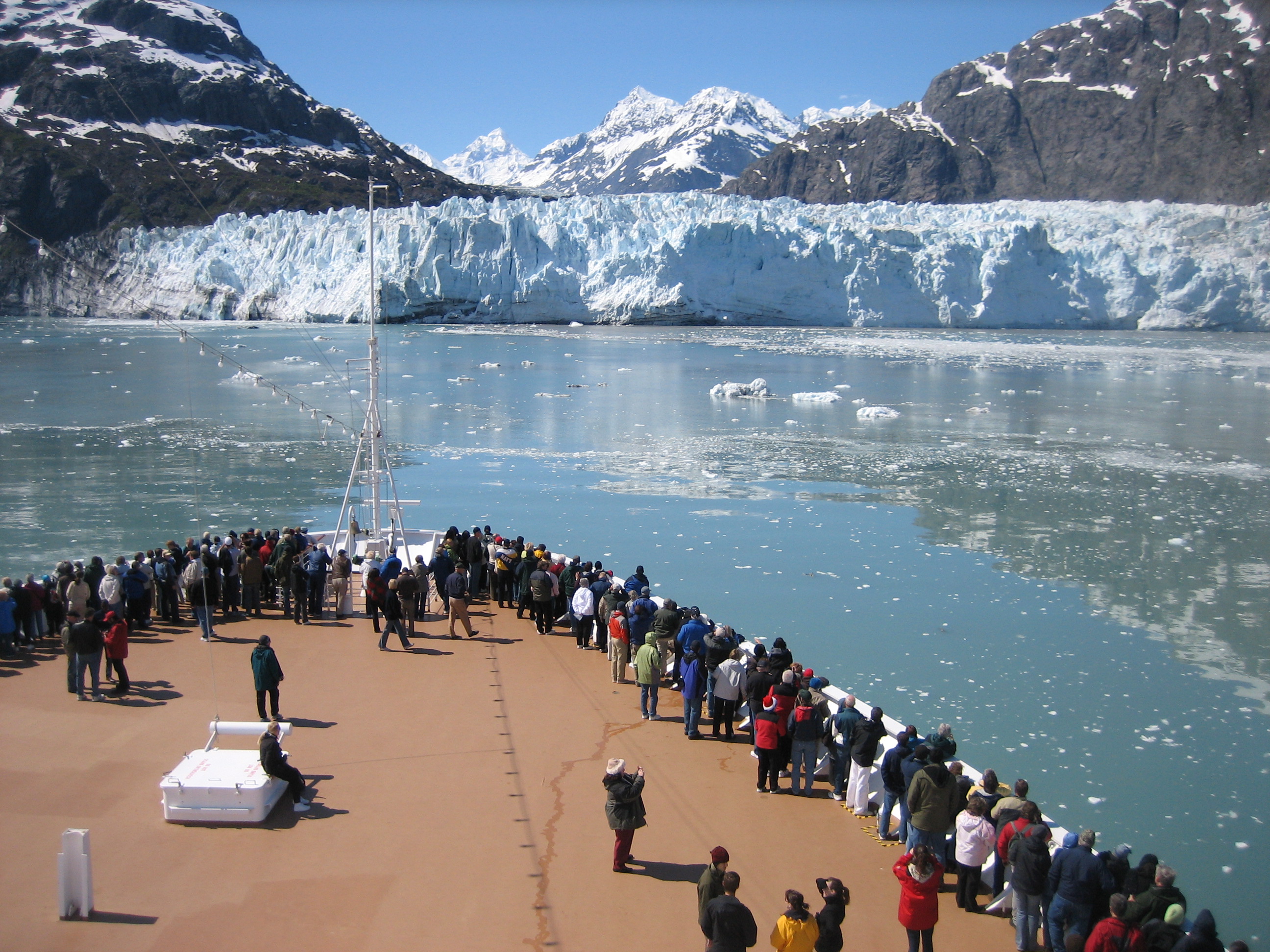
The best of Glacier Bay is reached by boat: ranger-led day tours up the bay to the tidewater glaciers. What's worth it, how to book, and when to go (2026).
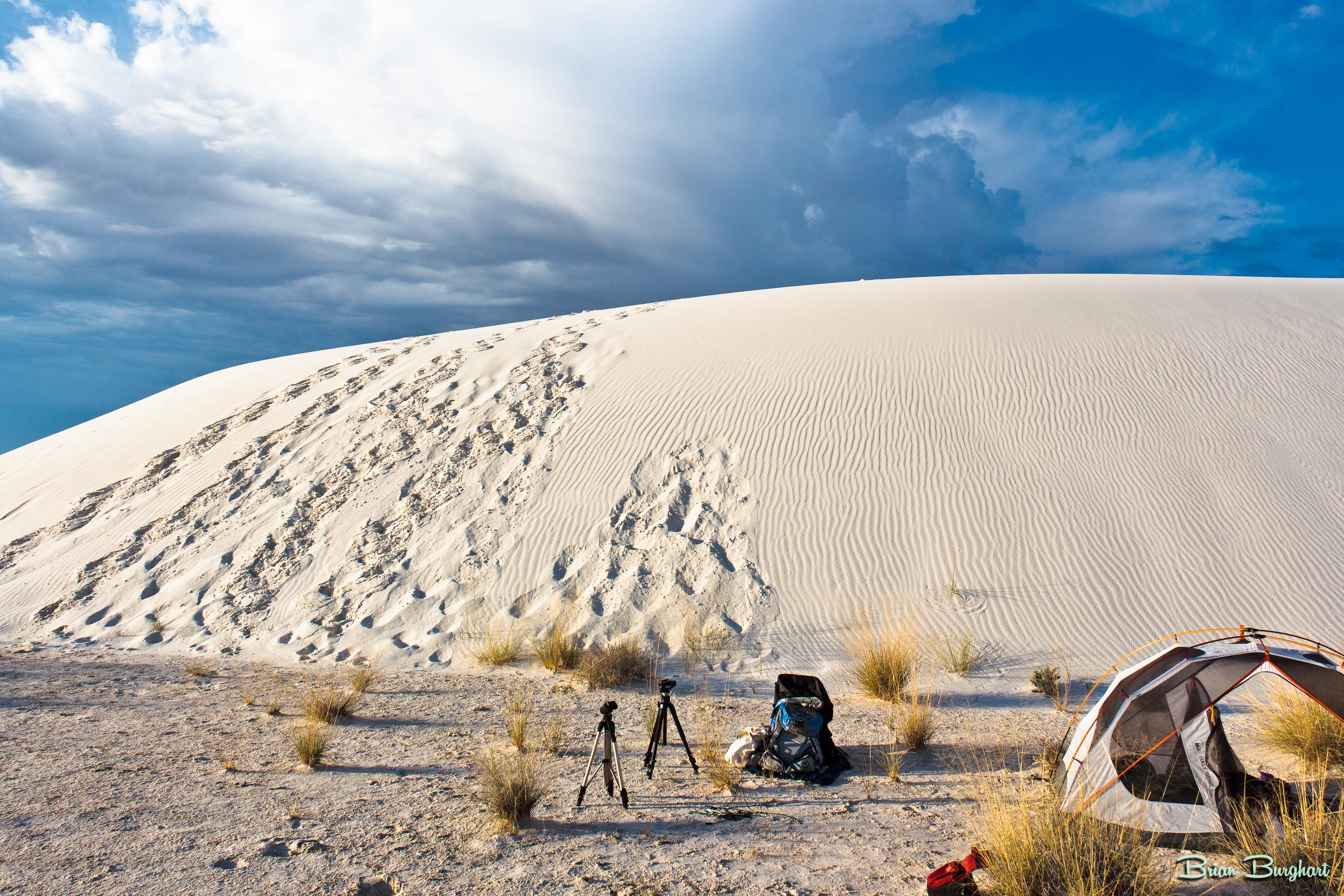
Campsite Guide
White Sands Backcountry Camping: Closed for 2026 — What to Know
As of 2026, backcountry camping at White Sands National Park is closed for site rehabilitation. What that means, and where to camp nearby instead.
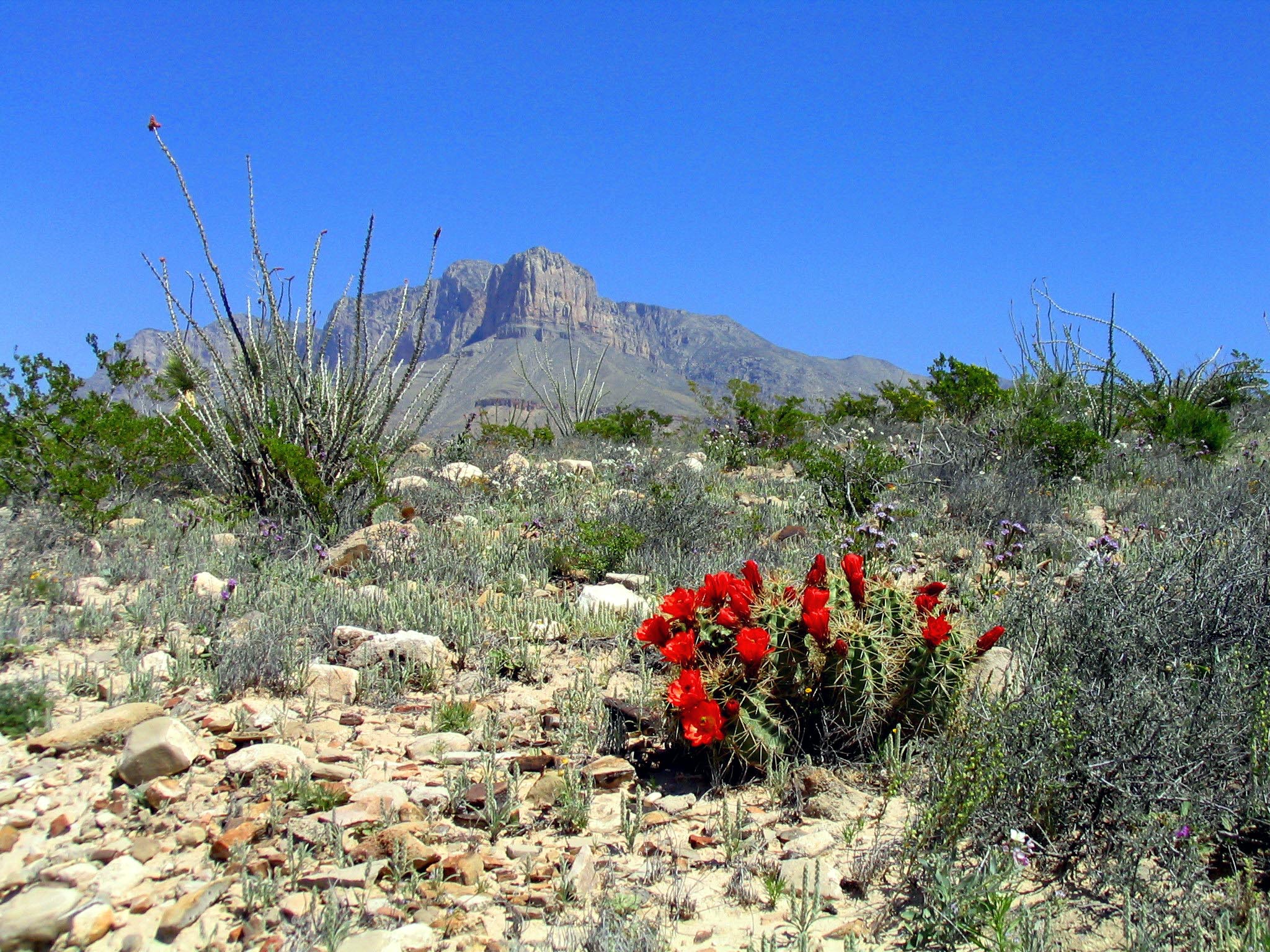
Weather Guide
Guadalupe Mountains National Park Weather: Weather
Guadalupe Mountains National Park: weather guide guide updated 2026. Practical visitor information, reservations, and seasonal tips worth bookmarking before
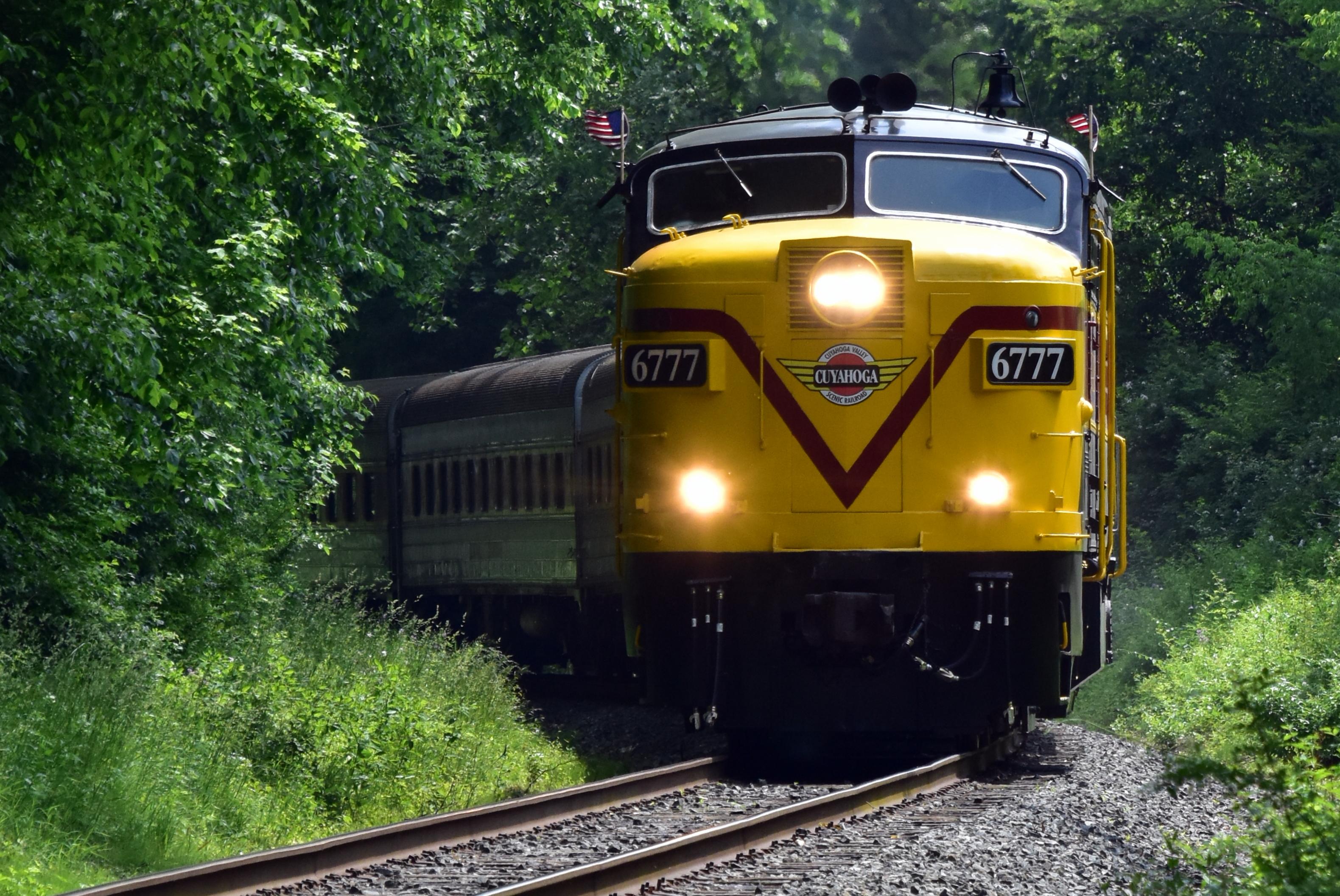
Best Of
Best of Cuyahoga Valley National Park: Best Things to Do
Seeing a Cleveland Orchestra concert with the woods as your backdrop is a uniquely Cuyahoga Valley experience.
Sign in to join the conversation.
Sources & Attribution
Location data courtesy of the National Park Service (U.S. Department of the Interior). NPS data is public domain. Official NPS page.
Images: NPS; NPS; NPS; NPS; NPS.
Map data © OpenStreetMap contributors.
Park operations alerts: NPS.gov · Weather and weather hazards: National Weather Service · Live conditions.
Information may change. Always verify fees, hours, and conditions directly with the official source before visiting.
Did this guide help? Share it with a friend.