For more, see hiking trails.
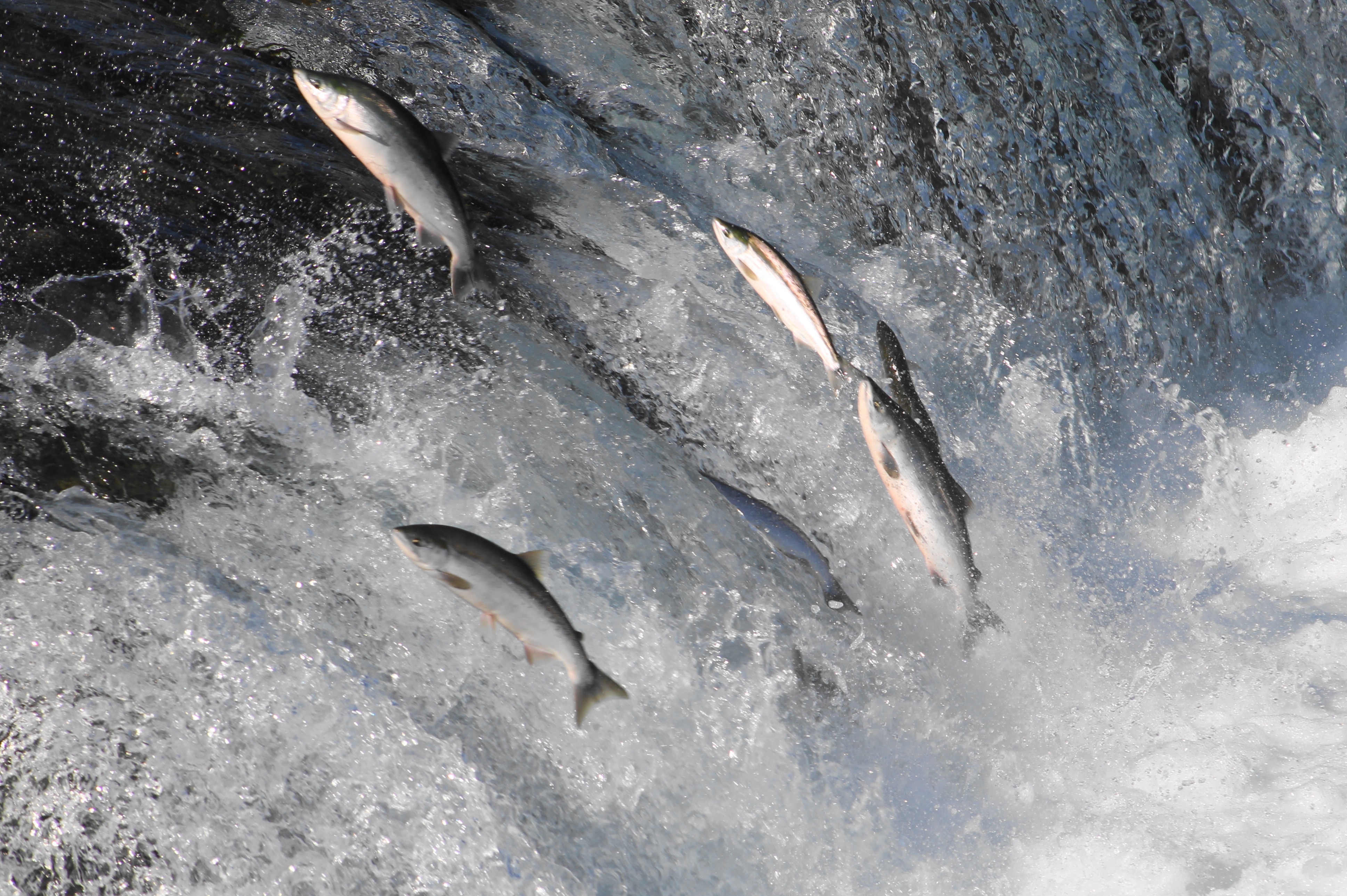
NPS via NPS.gov (Public Domain)
Katmai National Park: Brooks Falls Bear Viewing (2026)
9 min read
Park Guide
The road ends at park headquarters in King Salmon, 290 air miles southwest of Anchorage. From there, you board a small plane or boat.
Your plans
This article contains affiliate links — we may earn a small commission at no extra cost to you.
At a glance
Hours
Katmai is open 24 hours per day, seven days per week.
Best Time
June-September (summer), September-October (fall colors)
Address
1000 Silver Street, King Salmon, AK, 99613
Website
58.6224, -155.0127
Google MapsIntroduction
Katmai National Park isn't a place you drive to. The road ends at park headquarters in King Salmon, 290 air miles southwest of Anchorage. From there, you board a small plane or boat. This four-million-acre peninsula of brown bears, active volcanoes, and salmon-choked rivers operates on its own terms. Most visitors underestimate the logistics, cost, and the sheer, damp weight of the weather. This guide moves past postcard imagery to the practical realities of visiting one of Alaska's most iconic wilderness parks in 2026, from securing a spot at Brooks Camp to understanding what you're committing to.

Getting There & The Lay of the Land
Katmai is located on the northern Alaska Peninsula, northwest of Kodiak Island. Access is almost exclusively by air or water, a fact that shapes every aspect of your trip—budget, packing, and mindset.
Your journey typically starts with a commercial flight from Anchorage to King Salmon. From King Salmon, you have two main pathways into the park's heart. The most common is a 20-30 minute flight on a small, wheeled or float-equipped aircraft to Brooks Camp, the park's main developed area. These flights are operated by private air taxis and are your gateway to the famous bear viewing. The second option is by boat, either a guided charter or a private vessel if you have the means and experience to navigate the open waters of Naknek Lake and Shelikof Strait.
The park's infrastructure is minimal and clustered. Brooks Camp, situated at the mouth of the Brooks River on Naknek Lake, is the hub. Everything else - the Valley of Ten Thousand Smokes, the remote coastal bays like Amalik Bay Archeological District, the vast lake systems - requires additional, often significant, effort to reach. Plan your trip around one or two base areas. Trying to "see it all" in a typical visit is a recipe for exhaustion and empty pockets.
Cell service is effectively nonexistent outside of King Salmon. Satellite communicators are a wise investment for backcountry travel. The weather, as the park service bluntly puts it, is a "battleground" between the North Pacific and the Bering Sea. Wet, cool conditions are the norm from spring through fall. Pack for sideways rain and temperatures that can range from the 40s to the 60s (Fahrenheit) in a single summer day. Your waterproof gear is not a suggestion; it's your first line of defense.

The Brooks Camp Experience: Bears, Platforms & Protocols
Brooks Camp is why most people come. It's a small, walkable collection of historic buildings, a campground, a lodge, and elevated platforms along the Brooks River, all designed around the presence of about 2,200 brown bears. The entire area functions under a strict set of bear safety rules that you will be briefed on immediately upon arrival at the Brooks Camp Visitor Center. Listen closely.
The Bear Viewing Platforms
There are three primary viewing platforms, each with a specific purpose and crowd dynamic. Access to the most famous one, the Brooks Falls Platform, is managed via a mandatory 1-hour waiting list system during peak season (late June through July). Rangers at the visitor center run the list. You put your name down, they call it when a spot opens, and you have 15 minutes to get there. The platform itself is a sturdy wooden structure that puts you eye-level with bears fishing at the falls. It's a controlled chaos of salmon leaping, bears swatting, and photographers jostling for a clear shot through the fencing.
Downstream, the Riffles Platform and the North and South Platforms at the river mouth offer different perspectives. The Riffles Platform is where younger bears often practice their fishing skills. The North and South Platforms are excellent for watching bears patrol the shoreline or swim across the river. These platforms rarely have wait times. The Treehouse is a covered staging area connecting the Falls and Riffles platforms, useful when rain moves in.
The rhythm of your day will be dictated by bear movement and platform access. Early morning and evening are often the most active times for wildlife viewing. Rangers emphasize staying on the trails and bridges - the elevated walkways aren't just for your convenience, they're a critical barrier.
Brooks Camp Logistics
Brooks Lodge is the only lodge in the area, operated by a concessioner. It books up over a year in advance for the peak summer season. Meals are available for guests and can sometimes be purchased by campers with reservations.
The Brooks Camp Campground, with its 60 sites, is the only developed campground in the park. At $18 per night as of 2026, it's a bargain by Katmai standards, but it's also the most competitive reservation in the National Park System outside of the Grand Canyon's Phantom Ranch. Sites are assigned, and the campground has hardened shelters for cooking and storing gear, a critical feature since no food or scented items are allowed in tents. You must book this the instant reservations open, typically months in advance.
Even if you're not staying overnight, you can visit Brooks Camp on a day trip from King Salmon. Several air taxi companies offer "flightseeing" or drop-off services. You'll have limited time on the ground, so prioritize the visitor center orientation and getting on the platform waitlist immediately. For a deeper your overnight choices, our guide to lodging and accommodations covers the stark realities of Brooks Lodge versus the campground.

Beyond the Bears: Volcanoes, History & Backcountry
While the bears are the headline act, Katmai's other stories are written in volcanic ash and ancient beach ridges. A complete Katmai national park guide requires looking beyond Brooks River.
The Valley of Ten Thousand Smokes
This is the reason the park was created in 1918. The 1912 eruption of Novarupta was the largest of the 20th century, dumping hundreds of feet of ash and pumice across a 40-square-mile valley, which initially steamed with thousands of fumaroles. The steam is gone now, but the landscape remains a stark, beautiful desert of ash.
Accessing the Valley requires a trip to the Robert F. Griggs Visitor Center, which is not at Brooks Camp. You must take a bus on a rough, 23-mile road from Brooks Camp (a 3-hour round-trip journey) or arrange a flightseeing tour. The park service offers a 7-hour guided tour to the valley that includes the bus ride and a hike. From the visitor center overlook, the scale finally makes sense - a vast, silent plain of gray and red, cut by braided rivers, with the volcanic peaks of the Aleutian Range framing it. The posted hike from here is the Ukak Falls Trail. It's a stark, exposed walk. Bring sun protection and all your water; there is none to be found.
Human History Underfoot
Katmai protects 9,000 years of human history, much of it tied to the salmon runs. The Brooks River Archeological District is a National Historic Landmark. The short Cultural Site Trail (a 1/4 mile one-way) from the Brooks Camp Visitor Center leads to a reconstructed prehistoric house and interpretive displays. The trail stops point out depressions in the ground - old house pits - and explain how this land was a "grocery store, pharmacy and hardware store" for its inhabitants. It's a quiet, necessary counterpoint to the bear frenzy.
For the truly adventurous, places like the Amalik Bay Archeological District on the coast offer a glimpse into a landscape virtually unchanged for centuries, but reaching them requires a multi-day kayak or boat expedition and a high tolerance for the moody Pacific weather.
Getting on the Water
Boating is how you touch the park's soul. Katmai contains hundreds of miles of rivers and massive lakes like Naknek and Grosvenor. This is the domain of experienced, self-sufficient paddlers and anglers. The park service warns that these waterways are remote, weather changes fast, and help is far away. If you have the skills, it offers solitude and access to areas where bear viewing happens without another human in sight. For most visitors, guided fishing or paddling trips booked out of King Salmon or Homer are the safer, more realistic entry point.

Planning Your Visit: A Realistic Timeline & Budget
A Katmai trip is a significant investment of time and money. Let's be specific.
A realistic minimum for a Brooks Camp-focused trip is three days: one for travel to/from Anchorage and King Salmon, and two full days at Brooks Camp. This gives you a buffer for flight delays due to weather and multiple chances to experience the platforms. If you want to add the Valley of Ten Thousand Smokes tour, add another full day.
The budget is the real hurdle. As of 2026, calculate:
- Round-trip flight Anchorage to King Salmon: $500-$800.
- Round-trip air taxi King Salmon to Brooks Camp: $250-$400 per person.
- Lodging: Brooks Lodge starts at over $1000 per night (including meals). Brooks Camp Campground is $18/night but priceless in terms of competition.
- Guided tours (Valley tour, fishing charters): $200-$500 per person.
- Food in King Salmon/Brooks Camp: Extremely expensive. Plan accordingly.
The park is open 24/7 year-round, but practically speaking, the visitor season runs from June through September. July is peak for bear activity at the falls. September offers fall colors, fewer people, and bears bulking up on spawning salmon along the riverbanks. For a detailed breakdown of seasonal pros and cons, see our guide on the best time to visit.
Practical Takeaways
- Book the campground first. Reservations for Brooks Camp Campground open months in advance and vanish within minutes. Build the rest of your trip around this reservation. If you miss it, look into lodging and accommodations options immediately, knowing they will be costly.
- Pack for a maritime climate. Waterproof jacket, pants, and boots are non-negotiable. Pack layers of synthetic or wool insulation. Cotton jeans are a liability.
- Embrace the airport routine. You will spend time in small airports in Anchorage, King Salmon, and possibly Homer. Pack patience and a good book. Weight limits for air taxis are strict - pack light.
- Attend the mandatory orientation. Every visitor to Brooks Camp must watch the safety video and get briefed by a ranger at the Brooks Camp Visitor Center. This isn't bureaucracy; it's essential for your safety and the bears' welfare.
- Have a bear plan before you go. Know how to store all food and scented items (toothpaste, deodorant) in the provided storage lockers. Never eat or carry snacks outside of designated areas.
- Manage your platform expectations. The Brooks Falls Platform has a waitlist for a reason. Have a backup plan to visit the North, South, or Riffles platforms, which are often just as rewarding with fewer crowds.
- Look beyond the bears. Budget time for the Cultural Site Trail and consider the guided tour to the Valley of Ten Thousand Smokes. It completes the story of Katmai.
- Verify everything. As of 2026, air taxi schedules, tour prices, and campground fees are as listed here. Check the official park website and with operators for the most current information before booking.
Final Thoughts
Katmai resists casual visitation. It demands planning, investment, and a willingness to submit to its rhythms of weather and wildlife. The reward is a direct, unfiltered encounter with a process as old as the continent itself: salmon returning, bears feasting, volcanoes sleeping fitfully under the ash. You'll leave with the grit of the trail in your boots, the smell of damp spruce and river mud in your memory, and a recalibrated sense of scale. The most common comment rangers hear at the end of a stay isn't about cuteness or beauty. It's a simple, humbled acknowledgment: "I had no idea." That's the point of going.
Recommended Gear
What experienced visitors bring to Katmai National Park: Brooks Falls Bear Viewing (2026)
Links may earn us a commission at no extra cost to you. We only recommend gear we believe in.
Hiking Essentials
Hydration Pack (3L)
Hands-free water for long trail days
Trekking Poles (Pair)
Save your knees on steep descents
Hiking Boots (Ankle Support)
Sturdy footwear for rocky, uneven trails
Sun & Heat Protection
Wide-Brim Sun Hat
Full coverage UPF 50+ protection at altitude
Insulated Water Bottle (32oz)
Keeps water cold in desert heat all day
Winter Gear
Microspikes / Traction Devices
Essential for icy rim trails in winter months
Packable Down Jacket
Lightweight warmth that stuffs into a pocket
Sources
- Official source: NPS — Katmai National Park nps.gov/katm/index.htm
Explore More National Parks

Lake Clark National Park: Wild Alaska by Floatplane - 2026 Visitor Guide
Discover Lake Clark National Park national park guide with our comprehensive guide. Expert tips, pra...

Kenai Fjords National Park: Tidewater Glaciers & Marine Wildlife — 2026 Guide
Discover kenai fjords national park how to get there with our comprehensive guide. Expert tips, prac...

Denali National Park: North America's Highest Peak - 2026 Visitor Guide
Denali National Park centers on a single park road into Alaska Range tundra and wildlife habitat, wh...

Wrangell-St. Elias National Park: 13.2 Million Acres (2026)
2 million acres, it's the largest unit in the national park system—a statistic that only makes sense...
Photo Gallery
More to Explore
Park Guide
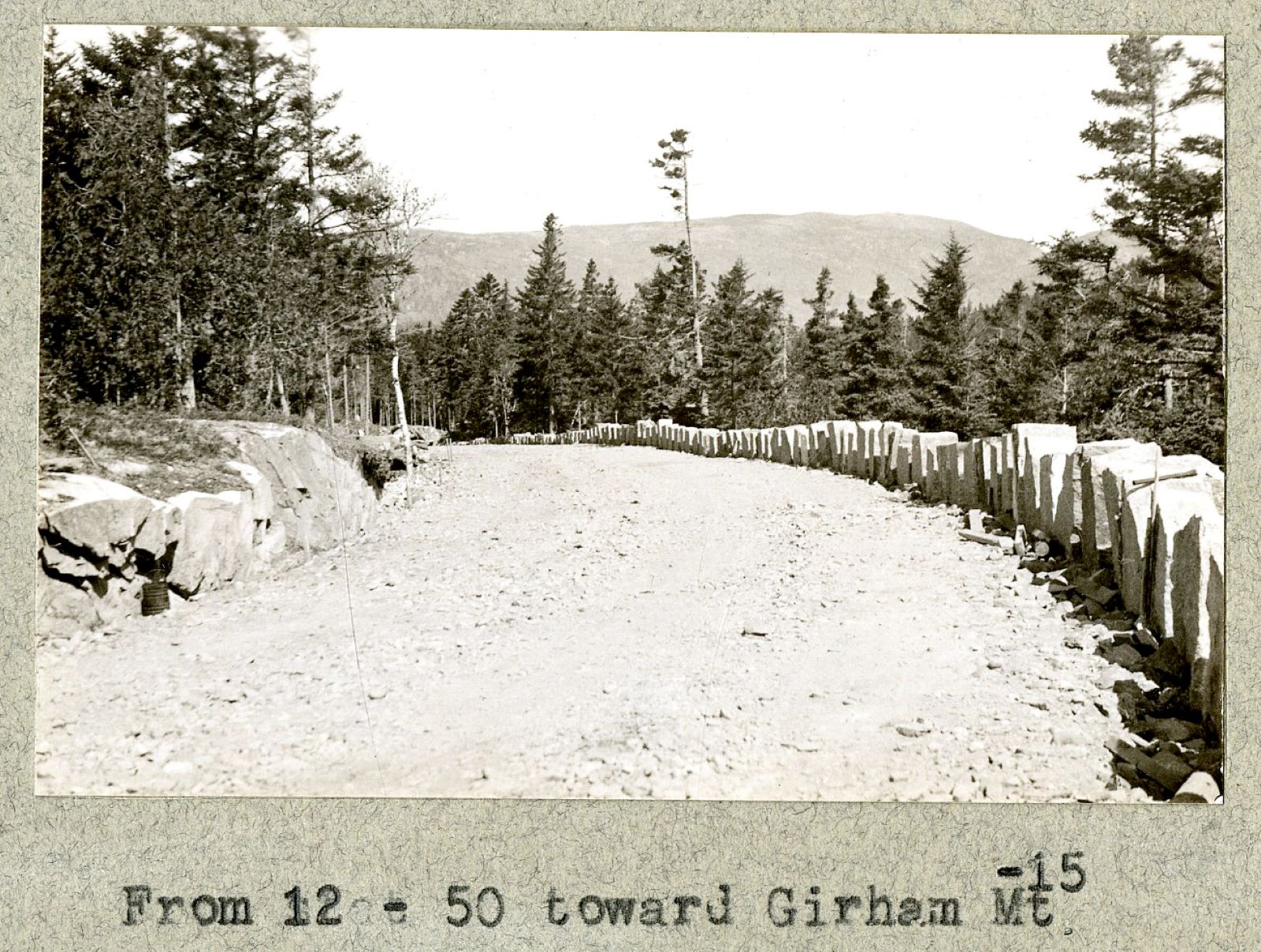
Acadia National Park: Carriage Roads, Cadillac Mountain & 2026 Guide
Discover carriage roads, Cadillac Mountain, and rugged Maine coast. Complete 2026 guide to Acadia National Park — trails, fees, lodging, permits, and what rangers recommend.
Hiking Guide
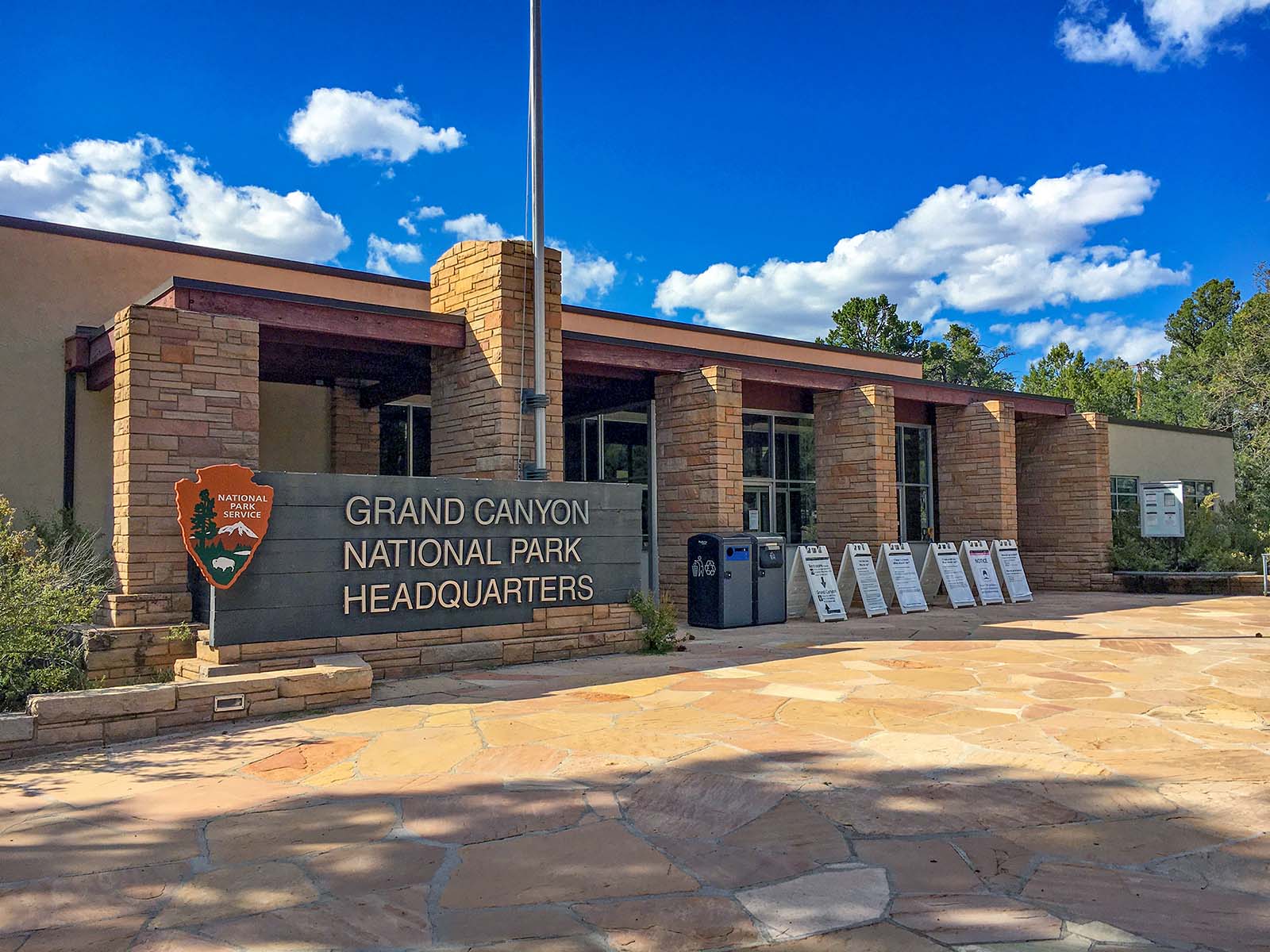
Grand Canyon Hiking Trails: Day Hikes, Water Sources & Rim to Rim
Compare Grand Canyon hiking trails: Bright Angel, South Kaibab, Hermit, Grandview, and rim to rim, with distances, elevation, water stops, and trailhead access for each.
Best Of
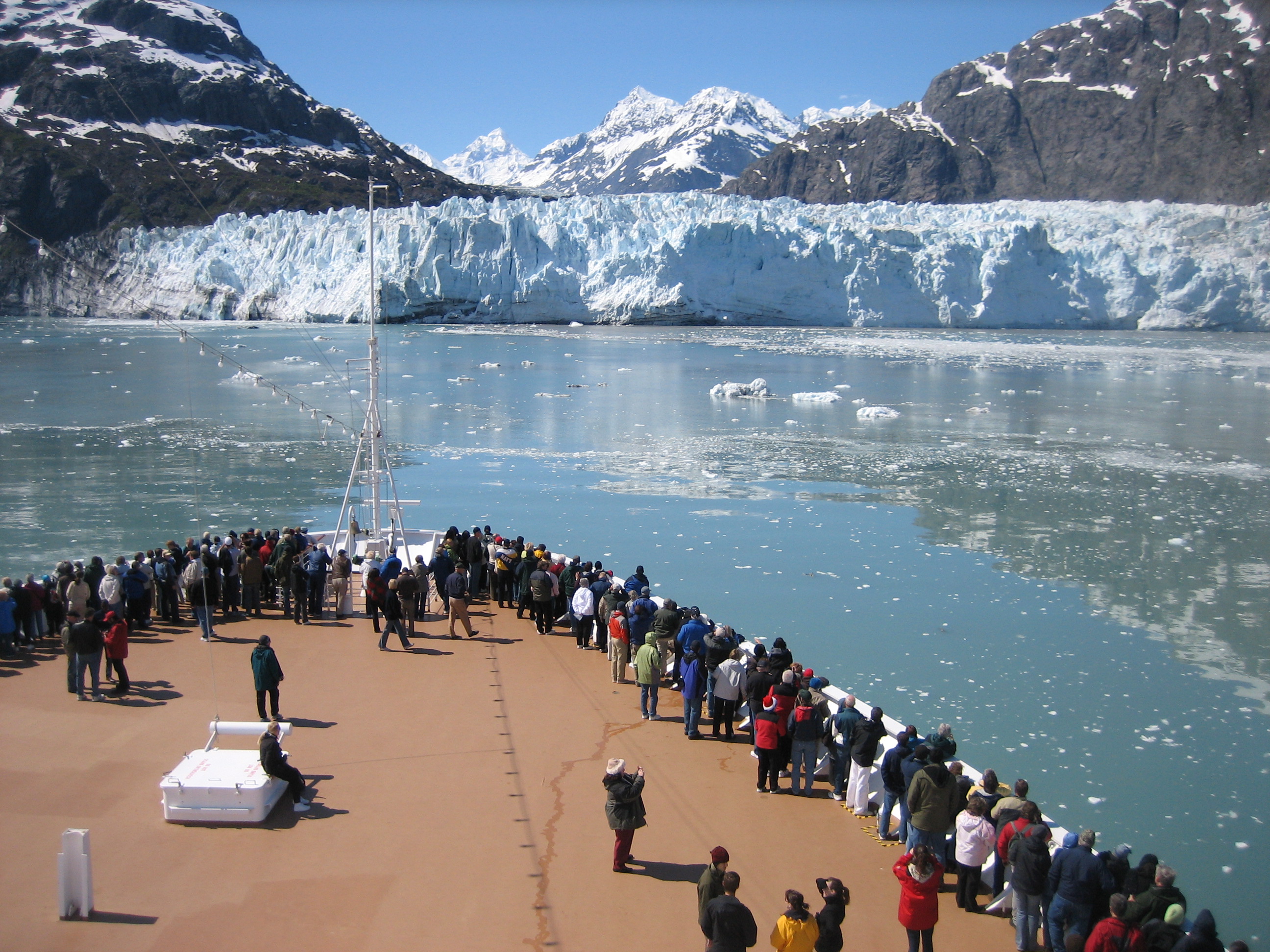
Best of Glacier Bay National Park
The best of Glacier Bay is reached by boat: ranger-led day tours up the bay to the tidewater glaciers. What's worth it, how to book, and when to go (2026).
Campsite Guide
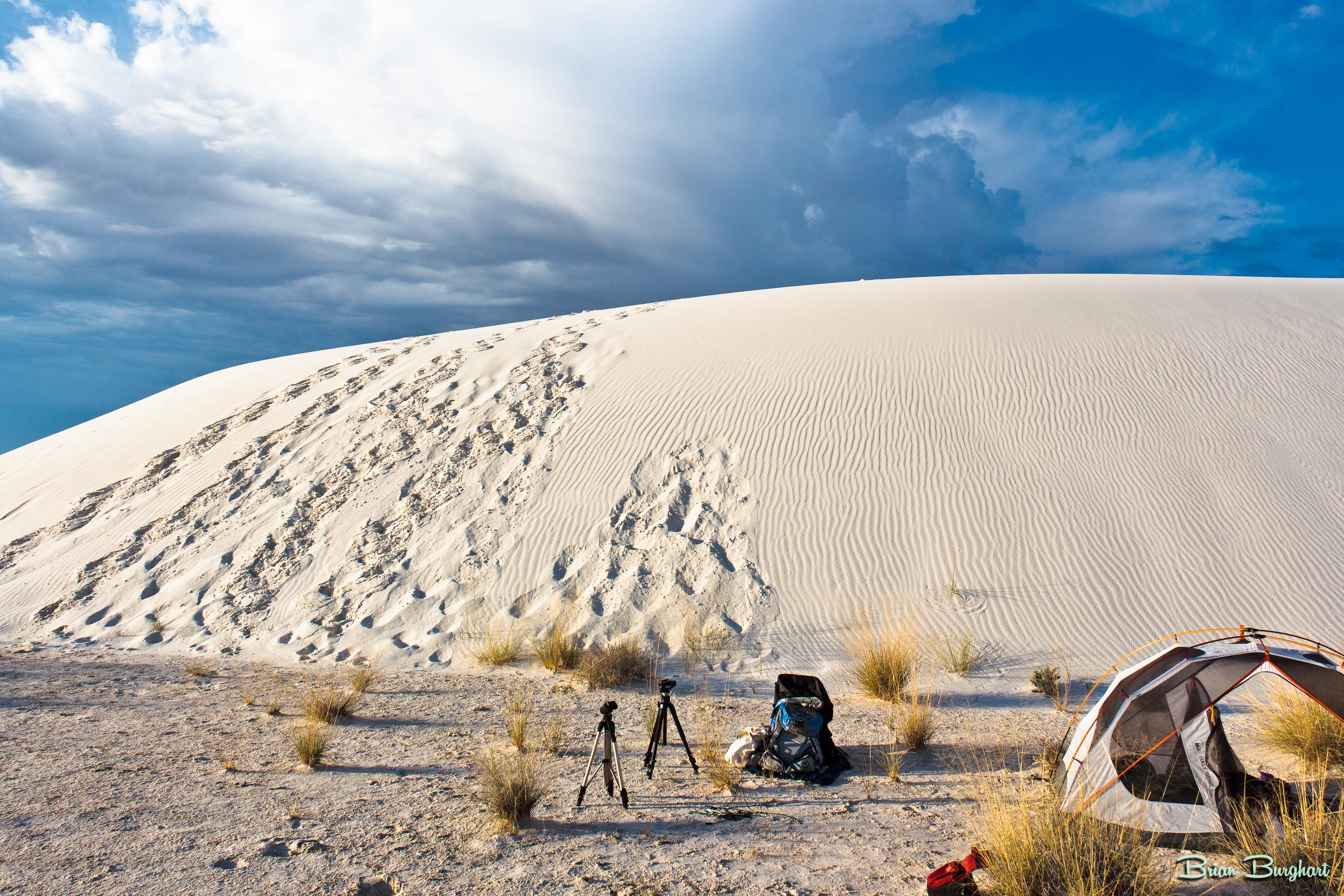
White Sands Backcountry Camping: Closed for 2026 — What to Know
As of 2026, backcountry camping at White Sands National Park is closed for site rehabilitation. What that means, and where to camp nearby instead.
Weather Guide
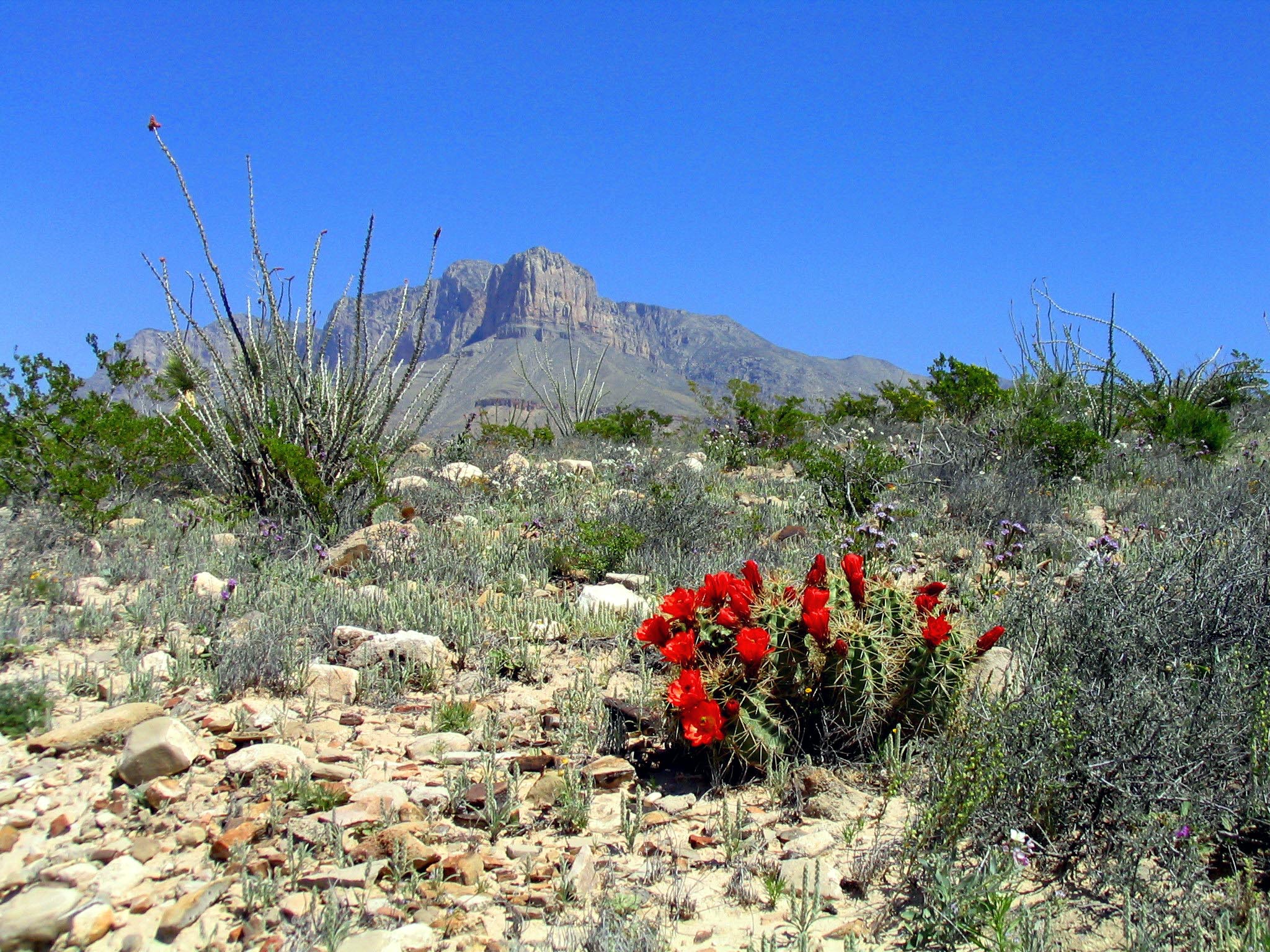
Guadalupe Mountains National Park Weather: Weather
Guadalupe Mountains National Park: weather guide guide updated 2026. Practical visitor information, reservations, and seasonal tips worth bookmarking before
Best Of
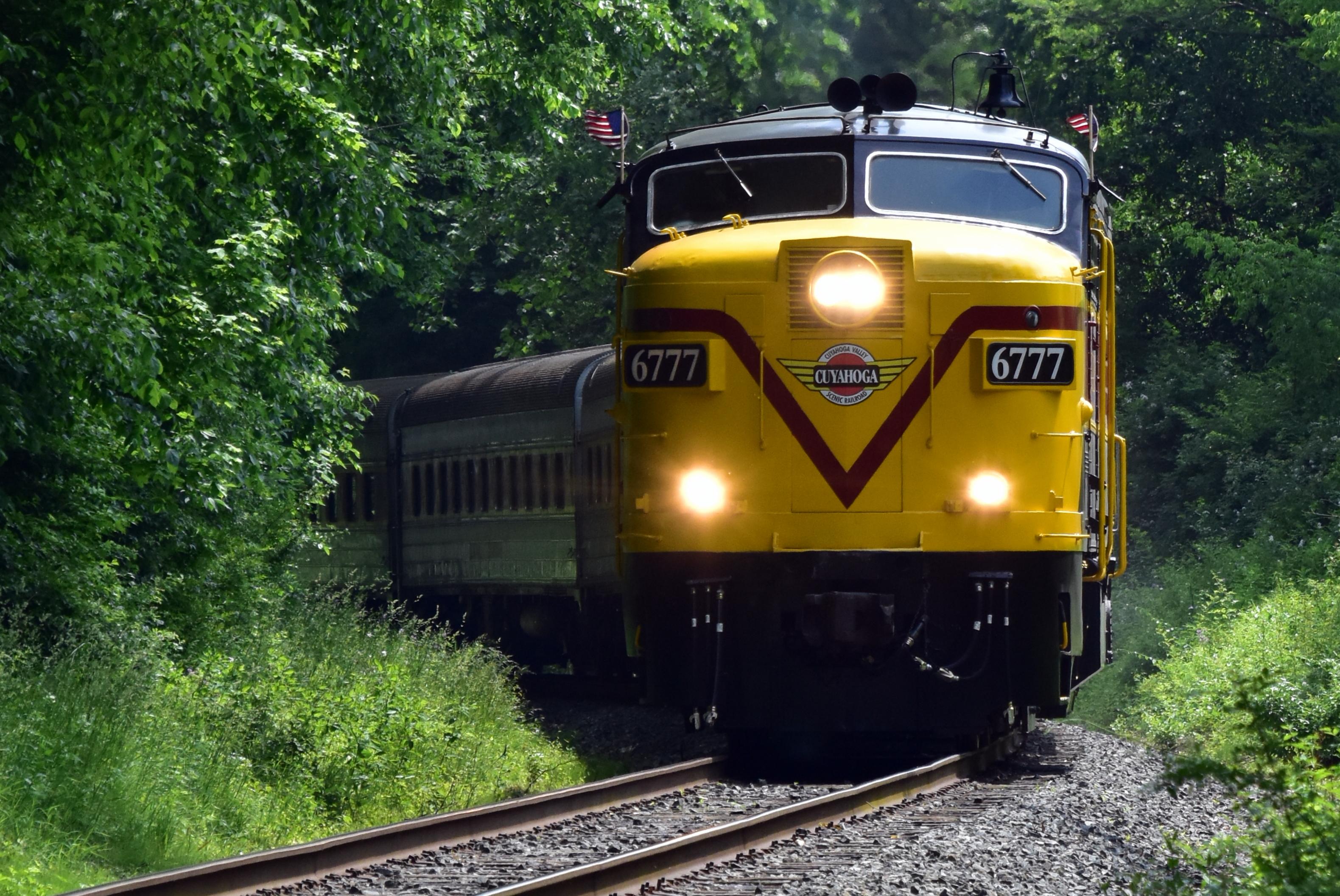
Best of Cuyahoga Valley National Park: Best Things to Do
Seeing a Cleveland Orchestra concert with the woods as your backdrop is a uniquely Cuyahoga Valley experience.
Sign in to join the conversation.
Sources & Attribution
Location data courtesy of the National Park Service (U.S. Department of the Interior). NPS data is public domain. Official NPS page.
Images: NPS; NPS; NPS; NPS; NPS.
Map data © OpenStreetMap contributors.
Park operations alerts: NPS.gov · Weather and weather hazards: National Weather Service · Live conditions.
Information may change. Always verify fees, hours, and conditions directly with the official source before visiting.
Did this guide help? Share it with a friend.