Wind defines your arrival. It rolls off the Bering Sea or North Pacific with an authority that needs no permission, pressing against the floatplane door and churning Naknek Lake's surface. This tells you everything about Katmai's weather: it's not scenery, it's the primary condition. You're entering a maritime climate squeezed between two of Earth's stormiest water bodies. Treat any forecast of 'sunny and 65°F' as a hopeful suggestion, not a promise. Pack for four seasons—you'll likely use gear from all of them before the day is out. Understanding this reality is where trip planning begins and ends.
NPS via NPS.gov (Public Domain)
Katmai National Park Weather
8 min read
Weather Guide
Katmai's weather is the main event, shaped by two stormy seas. Plan for all four seasons in one day with our 2026 packing and trip strategy.
The Weather Reality
Katmai doesn't have weather; it has weather systems in conflict. The park sits on the northern Alaska Peninsula, directly in the path of storms rolling off the North Pacific and the Bering Sea. This collision zone means conditions can shift from flat calm to gale-force winds in under an hour. The most common mistake first-time visitors make is packing for the temperature on their phone's weather app. The real factors are wind chill, precipitation, and the sheer persistence of damp, cool air.
The official data states it plainly: wet and cool conditions predominate from spring through fall. "Wet" here means steady drizzle, horizontal rain, and the kind of mist that soaks through supposedly waterproof layers. "Cool" means daytime highs that often struggle to reach 60°F, even in July. Winters are the drier season, but "dry" is relative, and cold is absolute, with temperatures plunging well below zero. There is no road here. Your access depends entirely on small aircraft and boats, and those pilots make go/no-go decisions based on visibility and wind, not your vacation schedule. Rangers will tell you that flexibility is the most important item in your pack.

Month by Month
Traditional seasons don't apply here. Plan around three practical factors: accessibility, bear activity, and daylight.
May & Early June (Spring)
Temperatures range from overnight lows in the 30s to daytime highs in the 50s. Snow still lingers in the high country and shaded valleys.
This is the wet season. Expect frequent rain and lingering snowmelt. Trails, especially in the Valley of Ten Thousand Smokes, can be muddy quagmires.
Most services and lodges are just opening. The park is accessible, but scheduled flights and tours may be limited.
Crowds are virtually nonexistent. You'll have the trails and viewpoints to yourself.
Wildlife is waking up. Brown bears are emerging from dens and beginning to forage along the coast and rivers. This is a quieter, more dispersed viewing period.
It's worth considering for solitude and lower costs. It's challenging for the mud, cold, and limited services. Waterproof boots aren't a recommendation; they're a requirement.
Late June, July, & August (Summer)
This is the peak visitation window. Highs can reach 60-65°F on a good day, but lows still dip into the 40s. The water in the lakes never gets warm.
Rainfall is frequent, but you might also get stretches of partly cloudy, pleasant days. Afternoon showers are common.
Everything is open: the Brooks Lodge, the Valley of Ten Thousand Smokes tours, the ranger stations. This is when the park feels most "operational."
Crowd levels are high, particularly at Brooks Camp and the famous bear viewing platforms. Plan for company.
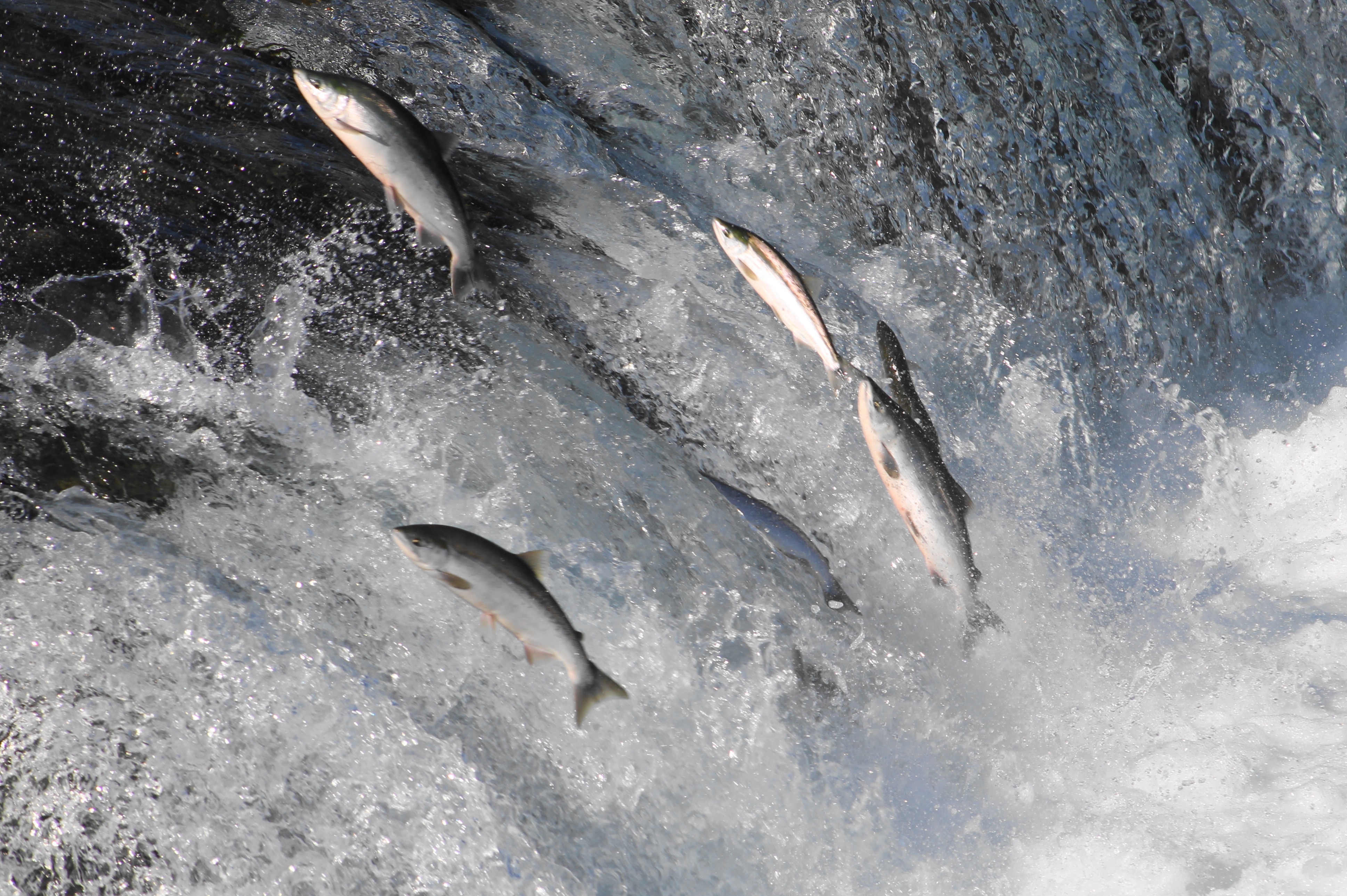
This is the world-famous bear viewing season. July is the peak of the salmon run at Brooks Falls, with the highest concentration of brown bears. Wildlife activity is at its most predictable and spectacular.
Trails are mostly snow-free but can be muddy. Mosquitoes and other insects are at their peak from late June through July.
It's worth it for guaranteed bear viewing and full access. It's challenging for the crowds, bugs, and the need to book every flight and bed a year in advance.
September & October (Fall)
Temperatures drop steadily. September might see 50s, but by late October, highs are in the 30s and 40s with freezing nights.
Precipitation shifts from rain to a mix of rain and snow, especially in October. Storms become more potent.
Services begin to wind down in September. Brooks Lodge typically closes in mid-September. Access becomes weather-dependent.
Crowds thin dramatically after Labor Day. You'll find solitude by mid-September.
Bear activity remains high as bears enter hyperphagia, desperately fattening up before winter. The autumn light is spectacular, and fall colors paint the tundra in reds and golds.
Trails are clear but can be slick with frost in the mornings.
It's the best compromise for good bear viewing with fewer people. It's challenging for the colder temps and the increasing risk of a storm delaying your departure.
November through April (Winter)
Daytime highs might not break 20°F. Lows can be -20°F or colder. Wind chill is severe.
Drier, but snow is constant. Blizzards can white-out the landscape for days. Total darkness dominates December and January.
The park is open, but almost all visitor services are closed. Access is for the experienced, self-sufficient winter adventurer only.
You might not see another soul for weeks.
Wildlife is hibernating or has migrated. Tracks in the snow tell the stories - fox, wolf, the occasional hardy moose.
Trails are buried under feet of snow. Travel is by ski, snowshoe, or snowmachine in the preserve areas.
It's worth it only for extreme solitude, aurora viewing, and wilderness challenge. It's defined by its challenges: extreme cold, logistical nightmares, and zero margin for error.

Best Times for Specific Activities
Your priority dictates your calendar.
For peak brown bear viewing at Brooks Falls, aim for July. That's when the largest number of bears congregate for the sockeye salmon run. Early September is a close second, as bears are more active throughout the day during hyperphagia.
For hiking the backcountry and the Valley of Ten Thousand Smokes, target August. The trails have dried out somewhat, the mosquitoes have abated, and you have maximum daylight. Most visitors underestimate how rugged and exposed the Valley is - the wind there has nothing to slow it down.
For fall colors and photography, early to mid-September is your window. The tundra and dwarf birch ignite in color, contrasting with dark mountains and the chance of early snow dusting the peaks.
For fishing, the salmon runs dictate timing: sockeye peak in July, silvers (coho) run in August and September.
For solitude with a chance of bears, late May or late September are your best bets. You trade guaranteed spectacle for a more personal, quiet experience in the wilderness.
For stargazing and aurora viewing, you must brave the winter. February and March offer increasing daylight for travel but still long, dark nights for spectacular northern lights displays, unimpeded by any light pollution.

What to Pack by Season
Generic packing lists fail here. Katmai demands specificity.
Summer (June-August): Your kit is about moisture management and layers. A waterproof, breathable rain jacket and pants are non-negotiable - not a poncho. Pack mid-weight synthetic or wool base layers, a warm fleece or insulated jacket for cool evenings, and quick-dry hiking pants. Waterproof hiking boots with good ankle support are essential for muddy trails. Include a warm hat and gloves; you'll use them. For the bugs: a head net and a reliable repellent with DEET or picaridin. Pack twice as many socks as you think you'll need.
Shoulder Seasons (May, September, October): All of the above, but dial up the insulation. Add a heavier insulated jacket, warmer gloves, and thermal base layers. Hand and foot warmers are worth their weight. Traction devices like microspikes can be crucial for frosty October mornings.
Winter (November-April): This is expedition-level packing. You need a full, high-quality cold-weather system: expedition-weight base layers, insulated pants, a serious parka, insulated waterproof boots rated for extreme cold, and a full face mask. Your gear, shelter, and communication equipment must be winter-rated and reliable. This is not for casual preparation.
Year-Round Essentials: A high-quality, waterproof dry bag for your gear on floatplane transfers. Sunglasses and sunscreen - the glare off water and snow is intense. A large-brimmed hat for rain and sun. A power bank for your devices; electricity is scarce. Always, always have a backup plan (and extra food) for weather delays.

What the Forecast Doesn't Tell You
- The Wind Has a Schedule. The mornings on the lakes are often calm. The wind typically picks up by late morning, building through the afternoon. Pilots prefer early flights for this reason. If you have a choice, book your incoming flight for the morning.
- "Waterproof" is a Temporary State. The rain here is often a fine, driving mist that finds its way through seams and fabric. "Water-resistant" is useless. You need technically waterproof gear, and even that will need a periodic re-treatment of DWR coating.
- Hypothermia is a Summer Risk. A 55°F day with steady rain and a 20-knot wind creates a dangerous chill. Cotton kills, as the saying goes. Wearing damp jeans on a hike is the fastest way to a bad situation.
- Cell Service is a Fantasy. There is no reliable cell service in the park. Your weather updates end when you leave King Salmon. A satellite messenger or personal locator beacon is a wise investment for backcountry travel.
- The Microclimates are Extreme. The coast at Geographic Harbor is colder, foggier, and windier than the interior at Brooks Camp. The Valley of Ten Thousand Smokes is a rain shadow - it can be sunny and dry there while it's pouring at the lodge.
- Visibility is the Real Limiter. It might not be storming, but a low cloud ceiling (a "low overcast") can ground all aircraft. Schedule buffer days before and after your trip. Experienced visitors know to book the first flight out after a storm breaks.
- The Bears Don't Care About the Weather. They're out in the rain, the wind, and the fog. Your viewing experience is limited by your willingness to stand on a platform in a downpour with your binoculars. The park's gift shop sells good rain gear for a reason.
Practical Takeaways
- Your Prime Window is July through early September. This is when weather is least prohibitive, all services are running, and wildlife viewing is predictable. Book flights and lodging a year in advance.
- Pack for Wet and Cold, Even in July. Your packing list should assume you will be rained on and chilled. Quality rain gear and synthetic/wool layers are your foundation.
- Schedule Travel Buffer Days. Weather delays are not exceptional; they are expected. Never book a tight connection out of Anchorage the day you plan to return from the park.
- Prioritize Morning Activities. Wind and weather deteriorate through the day. Schedule flights, boat transfers, and key hikes for the morning hours when possible.
- Your Footwear Will Get Wet. Bring waterproof boots and multiple pairs of wool/synthetic socks. Camp shoes or sandals for around camp are a luxury you'll appreciate.
- Check the Marine Forecast. For a better sense of Katmai National Park weather, look at the marine forecast for the Shelikof Strait and the Alaska Peninsula. It's often more accurate for coastal conditions than a generic land forecast.
- Embrace the Reality. You're visiting one of the most weather-dominated landscapes on the continent. The moody skies, shifting light, and raw power are part of the experience. The right gear and the right mindset turn a challenging forecast into an authentic Alaskan adventure.
For more details on navigating the park itself, from landing strips to bear etiquette, see our complete visitor guide. And when you're ready to plan your route, our guide to the park's hiking trails breaks down what to expect underfoot.
Related: katmai national park guide
Sources
- Official source: NPS — Katmai National Park nps.gov/katm/index.htm
Photo Gallery
More to Explore
Park Guide
Acadia National Park: Carriage Roads, Cadillac Mountain & 2026 Guide
Discover carriage roads, Cadillac Mountain, and rugged Maine coast. Complete 2026 guide to Acadia National Park — trails, fees, lodging, permits, and what rangers recommend.
Hiking Guide
Grand Canyon Hiking Trails: Day Hikes, Water Sources & Rim to Rim
Compare Grand Canyon hiking trails: Bright Angel, South Kaibab, Hermit, Grandview, and rim to rim, with distances, elevation, water stops, and trailhead access for each.
Best Of
Best of Glacier Bay National Park
The best of Glacier Bay is reached by boat: ranger-led day tours up the bay to the tidewater glaciers. What's worth it, how to book, and when to go (2026).
Campsite Guide
White Sands Backcountry Camping: Closed for 2026 — What to Know
As of 2026, backcountry camping at White Sands National Park is closed for site rehabilitation. What that means, and where to camp nearby instead.
Weather Guide
Guadalupe Mountains National Park Weather: Weather
Guadalupe Mountains National Park: weather guide guide updated 2026. Practical visitor information, reservations, and seasonal tips worth bookmarking before
Best Of
Best of Cuyahoga Valley National Park: Best Things to Do
Seeing a Cleveland Orchestra concert with the woods as your backdrop is a uniquely Cuyahoga Valley experience.
Sign in to join the conversation.
Sources & Attribution
Location data courtesy of the National Park Service (U.S. Department of the Interior). NPS data is public domain. Official NPS page.
Images: NPS; NPS; NPS; NPS; NPS.
Map data © OpenStreetMap contributors.
Park operations alerts: NPS.gov · Weather and weather hazards: National Weather Service · Live conditions.
Information may change. Always verify fees, hours, and conditions directly with the official source before visiting.
Did this guide help? Share it with a friend.