Start before the floatplanes arrive. That's the single most important piece of advice for hiking Katmai National Park. The first flight from King Salmon to Brooks Camp touches down around 8 AM, and the trails there transform from quiet paths to busy corridors. If you want to hike with a sense of solitude and maximize your chances of undisturbed wildlife encounters, you need to be on the trail by 7 AM. This isn't a park where you drive to a trailhead. You fly or boat in, and that logistical reality defines every step you take. The hiking here is about self-reliance, constant bear awareness, and terrain that ranges from coastal rainforest to volcanic moonscape. Most first-time visitors underestimate the sheer physical commitment required just to get to the trailhead, let alone hike it.
Hiking Katmai National Park
8 min read
Complete 2026 hiking guide for Katmai National Park. Trails, difficulty ratings, seasonal conditions, and practical tips for every skill level.
This article contains affiliate links — we may earn a small commission at no extra cost to you.
What Hiking Here Actually Means
Hiking Katmai National Park means abandoning every assumption you have about trail networks and park infrastructure. There are no park roads to trailheads. You access trails either from the Brooks Camp developed area, reached by scheduled floatplane, or from remote coastal or lake shores reached by boat or charter plane. The trails themselves are often rugged, minimally maintained, and exist primarily as routes between points of interest rather than as recreational loops. You are a visitor in an active bear habitat of the highest density; hiking here is as much about situational awareness as it is about forward progress.
The terrain demands waterproof boots, rain gear on your person at all times, and a comfort level with route-finding. Cell service is nonexistent. Rangers will tell you that the most common mistake is packing for a "hike" as you would in the Lower 48. Here, you pack for a remote backcountry day trip, regardless of the trail's official length. That means bear spray within immediate reach, not buried in your pack, and enough food and water to handle a sudden weather delay that might postpone your return flight or boat pickup. The trails are the access points to the park's raw character - the volcanic desolation, the salmon-rich rivers, and the omnipresent sense of wilderness.
Dumpling Overlook: The Camp Classic
Distance: 4.0 miles roundtrip
Elevation Gain: 800 feet
Trailhead & Parking: The trail begins directly behind the Brooks Camp Visitor Center. There is no parking lot; you arrive by floatplane or boat and walk from the dock or campground. The trailhead is obvious and well-signed. This is the only truly accessible trail for most day visitors to Brooks Camp.
The Trail: The path starts as a wide, gravelly track through dense spruce forest. The first half-mile is gentle. Then it starts to climb in earnest via a series of switchbacks. The surface becomes a mix of exposed tree roots, mud, and volcanic pumice gravel that slips underfoot. The trail narrows here, with brush close on either side. There are no views until you break out at the overlook itself. It's a steady, lung-burning climb the entire way.
The Moment: Reaching the rocky summit and seeing the entire Brooks complex laid out below - Naknek Lake stretching to the horizon, the thin line of the river, and the tiny dots of the lodge and campgrounds - drives home your isolation. On clear days, you can see the volcanic peaks of the Aleutian Range.
What Most Underestimate: The humidity and bugs in the forested section. Even on a cool day, you'll work up a sweat, and mosquitoes can be relentless in the still air under the trees. Many also don't realize there is zero water available on the trail.
Best Time: Early morning, before 7:30 AM. You'll have the overlook to yourself and avoid the heat of the day on the climb. The trail is passable from late June through September, but prepare for mud after any rain.

Valley of Ten Thousand Smokes Tour: The Volcanic Trek
Distance: Varies; the guided tour involves a 30-mile roundtrip drive and a 2-3 mile roundtrip hike.
Elevation Gain: Moderate on the hike portion (approx. 300 feet)
Trailhead & Parking: This isn't a trail you hike independently. Access is via a paid, ranger-guided tour that includes a bus ride from Brooks Camp to the Valley Overlook. The "trail" is the descent from the overlook into the Valley itself.
The Trail: After the bus ride, the guided hike descends a steep, loose pumice slope into the Valley floor. The terrain is otherworldly - ash, pumice, and rock with no vegetation. Hiking is through river washouts and across barren plains. It's not technically difficult, but the surface is unstable and tiring to walk on.
The Moment: Standing in the absolute silence of the Valley floor, surrounded by 700-foot deep ash deposits and the colored bands of the Lethe River canyon. The scale of the 1912 eruption becomes a tangible, physical reality.
What Most Underestimate: The abrasiveness of the pumice. It gets into everything - boots, socks, camera gear. Gaiters are highly recommended. The weather in the Valley can also be drastically different (windier, hotter, or colder) than at Brooks Camp.
Best Time: The tours run from June through September. A clear day is transformative, but even under clouds, the landscape is powerfully stark.
Backcountry Routes: The Real Katmai
This is where hiking Katmai National Park separates the prepared from the casual. There are no signed trails. Routes follow coastlines, river valleys, and game trails. Common access points for coastal trekking are places like Swikshak Lagoon or Hallo Bay, reached by charter plane or boat. Inland routes often start from lakes like Grosvenor or Coville, accessed by floatplane.
The Reality: This is expedition-style hiking. You must be proficient in bear safety (likely carrying bear spray and knowing how to use it), river crossing, and navigating with a map and compass or GPS. You will bushwhack through alder thickets, cross braided glacial rivers, and walk miles of cobble beach. Tides dictate travel on coastal routes. There are no facilities, no trail markers, and no people.
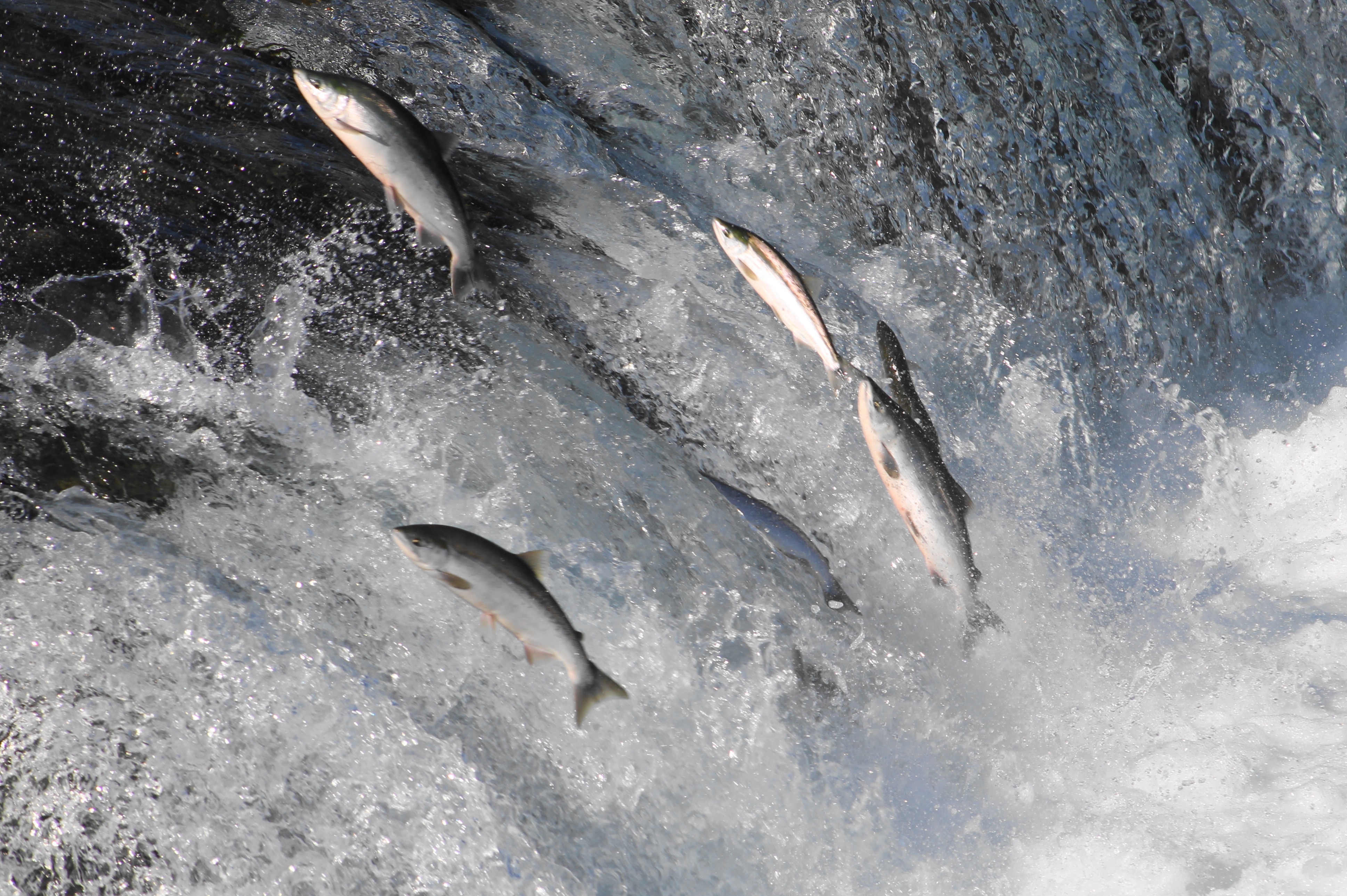
The Moment: Watching a brown bear fish for salmon in a remote stream, with no other humans for miles in any direction. It's the ultimate reward for the logistical effort.
What Most Underestimate: The alder. Alder thickets are the single most physically and mentally exhausting obstacle in the Katmai backcountry. Progress can be measured in yards per hour. Coastal travel is often faster, but is governed by tide tables.
Best Time & Permits: July through early September offers the most stable weather (relatively speaking). A free backcountry permit is required and must be obtained in person at the King Salmon Visitor Center or the Brooks Camp Visitor Center. You must watch a mandatory bear safety video.

Seasonal Trail Conditions
Your hiking experience is entirely dictated by the month. There is no "shoulder season" hiking for the average visitor.
Late May - June: Trails at lower elevations (Brooks Camp) are snow-free but are pure mud. Mosquitoes emerge and become a significant nuisance. This is a quiet time before the peak bear viewing season. The Valley of Ten Thousand Smokes tour may not start until mid-June, depending on snowmelt on the road.
July - August: Peak season. Trails are dry-ish, but afternoon rains are frequent. Bugs (mosquitoes and flies) are at their worst. All trails and tours are operational. This is when bear activity is highest at Brooks Falls, which means more foot traffic on the Dumpling trail as people seek quieter alternatives.
September - Early October: The best time for hiking, if you can manage it. Mosquitoes vanish after the first hard frost. Trails are firm. Crowds thin dramatically after Labor Day. Weather becomes more volatile, with a higher chance of storms and colder temperatures. The park's facilities begin to wind down; the last scheduled bus tour to the Valley is usually in mid-September.
October - May: The park is accessible only to winter recreationists and researchers. Deep snow covers all trails.
Trailhead Logistics
For the Brooks Camp area, logistics are simple because your options are severely limited. You arrive by the 30-minute floatplane from King Salmon or by boat. The trailhead for Dumpling Overlook is a five-minute walk from the dock. There is no cell service at Brooks Camp. Satellite phones are used by the lodge and park service.
For any other trail or route, you are dealing with air taxis or boat charters out of Homer, Kodiak, or King Salmon. This requires advanced booking and significant expense. Key details:
- Water: There is potable water at the Brooks Camp Visitor Center and campground. There are no water sources on any trail. You must carry all you will need for the day.
- Bear Safety: All visitors to Brooks Camp must attend a mandatory 20-minute "Bear School" orientation upon arrival. It is not optional. Bear-proof food lockers are provided at the campground and day-use area. While hiking, you must carry bear spray and know how to deploy it.
- Ranger Stations: For current trail conditions, the Brooks Camp Visitor Center is your only source. For backcountry permits and planning, you must start at the King Salmon Visitor Center (1000 Silver Street).

What to Carry
Forget the generic list. For Katmai, your pack must address three things: bears, weather, and remoteness.
Footwear: Waterproof hiking boots with aggressive tread. The trails are muddy, rooty, and slick. Trail runners will fail.
Rain Gear: A waterproof and breathable jacket and pants are non-negotiable. They live in your daypack, always. The weather changes in minutes.
Bear Spray: Carry it in a holster on your hip or the front strap of your pack, not inside the pack. Every person in your group should have one.
Water Capacity: A minimum of 2 liters per person for the Dumpling Overlook hike. For a full day or any backcountry route, 3+ liters. Consider a filtration system only for multi-day backcountry trips where you can filter from rivers.
Other Katmai-Specifics: Bug head net and repellent (June-August). Gaiters (especially for the Valley of Ten Thousand Smokes). A satellite messenger (e.g., Garmin inReach) for any travel outside Brooks Camp. Binoculars - much of the "hiking" here is about observing the landscape and wildlife from a safe distance.
Practical Takeaways
- Book your floatplane and lodging (or campsite) first, then plan your hikes. Access dictates everything.
- Attend Bear School the moment you arrive at Brooks Camp. It's the law and the single most important thing you'll do.
- Pack for cold, wet weather even if the forecast is sunny. The Bering Sea and North Pacific create their own forecasts.
- Carry all your water. There are no streams on trail you can safely drink from without treatment, and the only treated water is at camp.
- Hike early. You'll miss the crowds from the first wave of planes and see more wildlife.
- For the Dumpling Overlook, the climb is relentless but short. Pace yourself on the switchbacks.
- If you do nothing else, take the ranger-guided tour to the Valley of Ten Thousand Smokes. It's the only way to access that landscape, and the context the rangers provide is invaluable.
- Serious backcountry hiking here requires real expedition planning, charter costs, and comfort with extreme self-reliance. It is not for beginners.
- Your boots will get wet and muddy. Embrace it. Bring extra socks.
- Check the official NPS website for the latest on bear activity closures, which can temporarily shut down trails around Brooks Camp without notice.
For broader planning context, including how to book flights and a full breakdown of seasons, our complete visitor guide covers the essentials. Once you've secured your access, you can focus on the details of camping options and choosing the best time to visit for your priorities.
Recommended Gear
What experienced visitors bring to Hiking Katmai National Park
Links may earn us a commission at no extra cost to you. We only recommend gear we believe in.
Hiking Essentials
Hydration Pack (3L)
Hands-free water for long trail days
Trekking Poles (Pair)
Save your knees on steep descents
Hiking Boots (Ankle Support)
Sturdy footwear for rocky, uneven trails
Sun & Heat Protection
Wide-Brim Sun Hat
Full coverage UPF 50+ protection at altitude
Insulated Water Bottle (32oz)
Keeps water cold in desert heat all day
Electrolyte Mix Packets
Replace what water alone cannot during intense heat
Winter Gear
Microspikes / Traction Devices
Essential for icy rim trails in winter months
Packable Down Jacket
Lightweight warmth that stuffs into a pocket
Sources
- Official source: NPS — Katmai National Park nps.gov/katm/index.htm
Photo Gallery
More to Explore
Acadia National Park: Carriage Roads, Cadillac Mountain & 2026 Guide
Discover carriage roads, Cadillac Mountain, and rugged Maine coast. Complete 2026 guide to Acadia National Park — trails, fees, lodging, permits, and what rangers recommend.
Grand Canyon Hiking Trails: Day Hikes, Water Sources & Rim to Rim
Compare Grand Canyon hiking trails: Bright Angel, South Kaibab, Hermit, Grandview, and rim to rim, with distances, elevation, water stops, and trailhead access for each.
Best of Glacier Bay National Park
The best of Glacier Bay is reached by boat: ranger-led day tours up the bay to the tidewater glaciers. What's worth it, how to book, and when to go (2026).
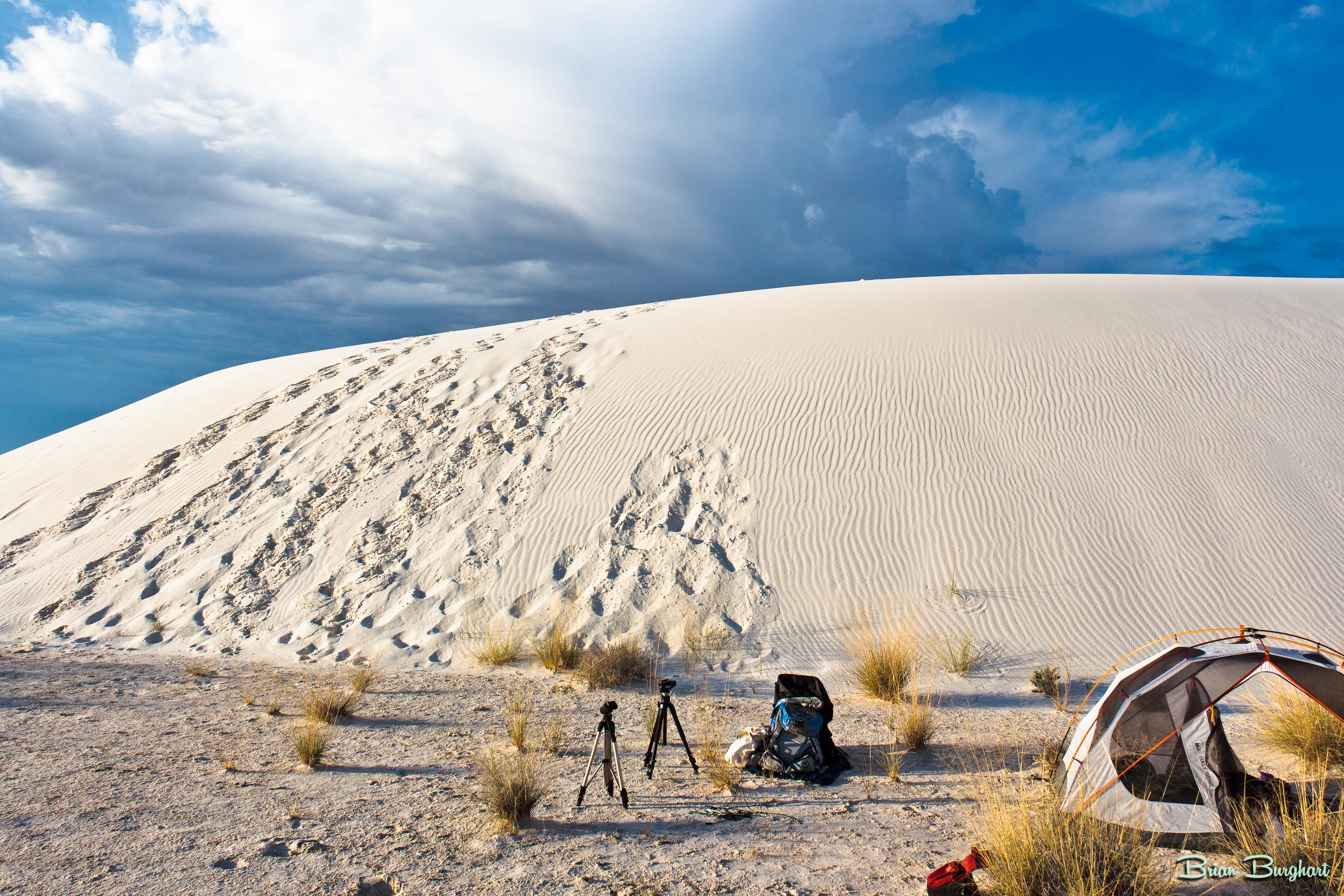
White Sands Backcountry Camping: Closed for 2026 — What to Know
As of 2026, backcountry camping at White Sands National Park is closed for site rehabilitation. What that means, and where to camp nearby instead.
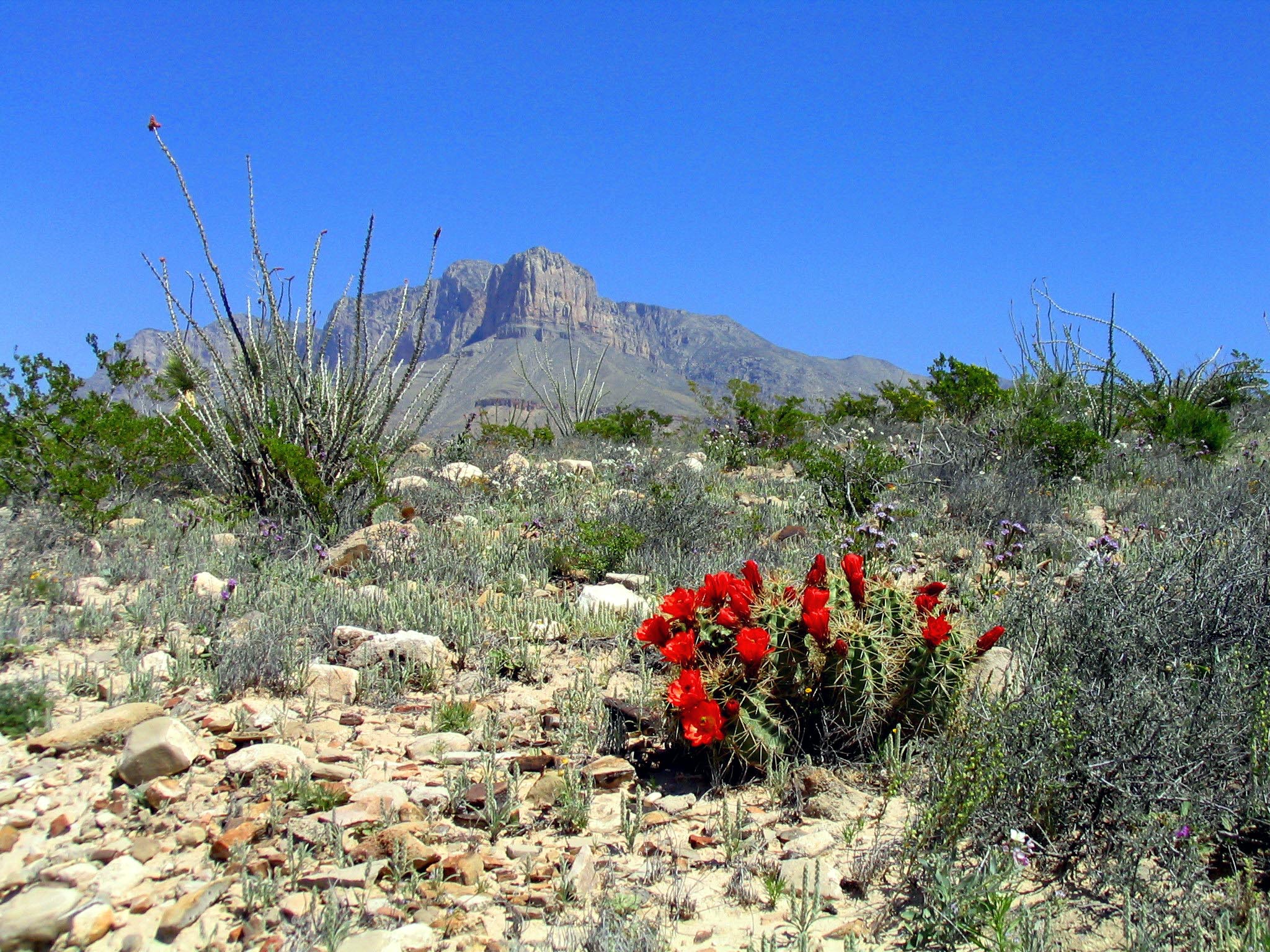
Guadalupe Mountains National Park Weather: Weather
Guadalupe Mountains National Park: weather guide guide updated 2026. Practical visitor information, reservations, and seasonal tips worth bookmarking before
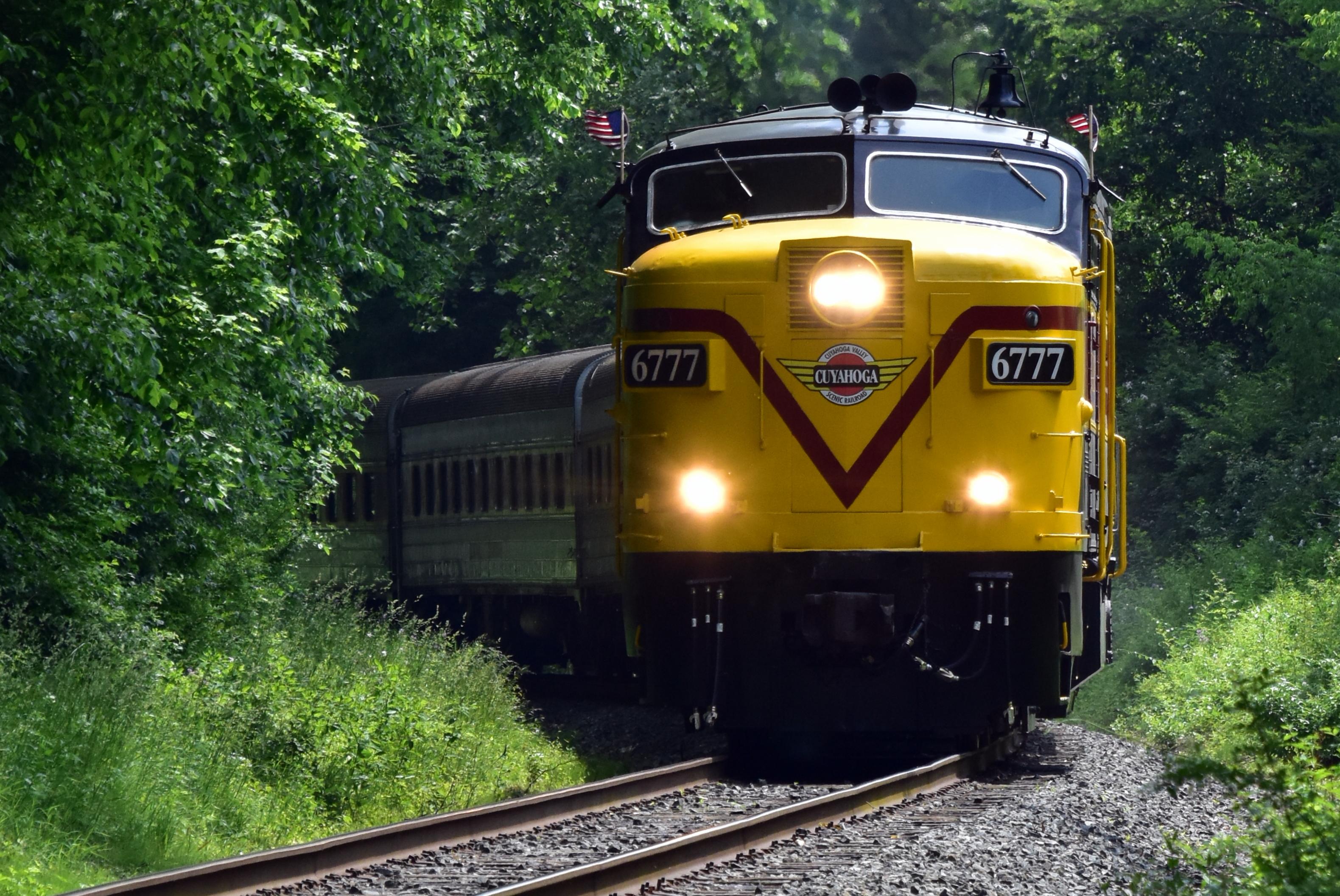
Best of Cuyahoga Valley National Park: Best Things to Do
Seeing a Cleveland Orchestra concert with the woods as your backdrop is a uniquely Cuyahoga Valley experience.
Sign in to join the conversation.
Sources & Attribution
Location data courtesy of the National Park Service (U.S. Department of the Interior). NPS data is public domain. Official NPS page.
Images: NPS; NPS; NPS; NPS; NPS.
Map data © OpenStreetMap contributors.
Park operations alerts: NPS.gov · Weather and weather hazards: National Weather Service · Live conditions.
Information may change. Always verify fees, hours, and conditions directly with the official source before visiting.
Did this guide help? Share it with a friend.