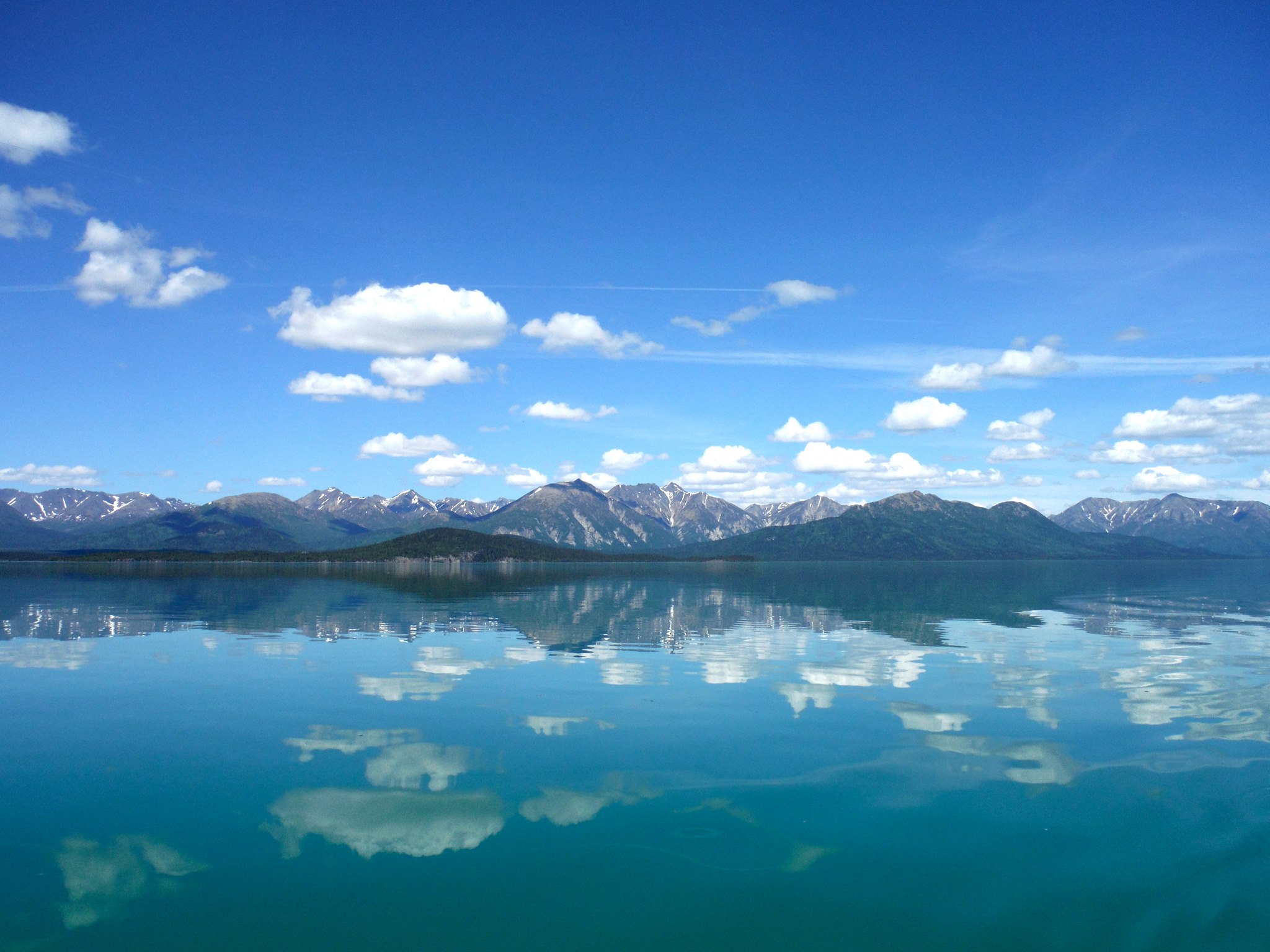
Established in 1980, Lake Clark National Park and Preserve was part of a broader effort to protect Alaska's wilderness. The park takes its name from the central lake, named for a prospector, though the Dena'ina people have inhabited this region for millennia. You won't find entrance stations or scenic drives here—access is by air only, with your first glimpse often from a small plane, surveying turquoise lakes, active volcanoes, and rivers where brown bears fish. This guide offers practical, field-tested advice for navigating a landscape that operates on its own terms, covering logistics, on-ground expectations, and planning for a demanding environment.
NPS via NPS.gov (Public Domain)
Lake Clark National Park: Wild Alaska by Floatplane - 2026 Visitor Guide
8 min read
Park Guide
Discover Lake Clark National Park, Alaska's remote wilderness reachable only by floatplane. See brown bears, salmon rivers, and volcanoes.
Your plans
This article contains affiliate links — we may earn a small commission at no extra cost to you.
At a glance
Hours
The park and preserve are open 24 hours per day, seven days per week year round. However, visitor se
Best Time
June-September (summer), September-October (fall colors)
Address
1 Park Place, Port Alsworth, AK, 99653
Website
60.5741, -153.5554
Google MapsAs of 2026, note that the park is experiencing a phone service outage. All inquiries should go to LACL_Information@nPS.gov until further notice. It's a fitting introduction to a place where self-reliance isn't just a virtue - it's a requirement.
Getting There: Your Flight is the First Adventure
The single most important fact in any Lake Clark National Park national park guide is this: there are no roads. The park's address in Port Alsworth is for administrative purposes only. You will not be driving to 1 Park Place.
Your access point is a one to two-hour flight from Anchorage, Kenai, or Homer. These are not commercial jetliners. You'll be on a small, fixed-wing aircraft, often with 4 to 10 seats. The type of plane - and more importantly, its landing gear - is dictated by the season. From roughly late April through October, planes land on the water using floats. Once the lakes freeze solid, typically from November through April, they switch to skis. That transition period in spring and fall, when the ice is too thin for skis but not fully melted for floats, effectively closes the park to wheeled planes. Rangers will tell you to confirm landing conditions with your flight service directly; they know the ice.
You can charter a plane to drop you at a specific lake, river gravel bar, or beach for a backcountry trip, or you can book a flight to the main community of Port Alsworth, which functions as a hub. Most visitors do the latter. The flight itself is part of the experience. You'll see the abrupt change from the coastal rainforest near Cook Inlet to the sharp, glaciated peaks of the Alaska Range, and finally over the lake-dotted interior. Keep an eye out for bear trails along the riverbanks - from the air, they look like thin, winding paths through the brush.
The park service allows fixed-wing aircraft to land on all suitable surfaces unless an area is specifically closed. This freedom is what makes the park accessible, but it also means you are responsible for your pilot's credentials and safety decisions. Book with established, reputable operators.

Understanding the Land: Two Climates, Countless Landscapes
Lake Clark comprises multiple ecosystems, primarily split between the coast and interior. This division shapes all aspects of your visit, from gear selection to daily plans.
The coastal zone, along Cook Inlet, is wet. Think rainforest wet. It's milder in temperature but you can expect low clouds, fog, and rain even in summer. The interior, where Port Alsworth and Lake Clark itself sit, gets half to one-fourth the precipitation. Summers here can be genuinely hot - temperatures in the 70s and even 80s Fahrenheit are possible. Winters are correspondingly colder. Frost or snow can happen any month, but the reliable snow season runs from September into early June.
This climate divide creates the park's dramatic scenery. The Chigmit Mountains, where the Alaska Range meets the Aleutians, hold active volcanoes like Redoubt and Iliamna. Glaciers spill from these peaks, feeding rivers that carve through tundra and boreal forest before emptying into Lake Clark, a body of water over 40 miles long. From there, the Newhalen River drains west into the coastal plain.
What does this mean for you? If you're flying in for a day of bear viewing at the coast, pack a serious rain jacket, waterproof pants, and rubber boots. If you're camping in the interior in July, bring sunscreen, a wide-brimmed hat, and bug repellent with a high DEET concentration. The mosquitoes and white socks (a type of biting fly) are no joke. Always, regardless of season, pack layers. The weather shifts faster than a flight schedule.

Planning Your Visit: Logistics in a Roadless Park
Forget the standard national park itinerary. Operating here requires a different mindset. The park is open 24/7 year-round, but "visitor services are limited Labor Day through Memorial Day." In practice, this means from September to late May, you're on your own. The small visitor center in Port Alsworth may have reduced hours or be closed, and most lodges and guide services shut down.
When to Go
The primary visitor season is June through September. July and August offer the warmest weather and the most reliable access for flightseeing and wildlife viewing, especially for bears fattening up on salmon. September brings fewer bugs, fall colors, and the chance to see the northern lights, but days are shorter and weather turns faster. For a complete breakdown, our guide on the best time to visit details monthly conditions.
Where to Stay
Your options are limited and should be booked well in advance. Port Alsworth has a handful of lodges and guest cabins. These are not luxury resorts; they are comfortable, functional bases that often include meals and can help arrange activities. For the independent traveler, camping options range from the front-country Tanalian Falls campground near Port Alsworth to true backcountry wilderness camping anywhere you can get a plane to drop you. There are no designated backcountry sites - you choose your spot following Leave No Trace principles. If you're not prepared to filter water, manage bear-safe food storage, and handle sudden weather, stick to the front-country or a lodge. Our lodging and accommodations page breaks down the pros and cons of each choice.
What to Do
Your activities are constrained by your budget and your flight. A common and spectacular day trip is a flight from Port Alsworth to the coast for bear viewing. You'll land on a beach, meet a guide, and spend hours watching brown bears dig clams or chase salmon. It's expensive. It's also unforgettable.
In the interior, hiking trails near Port Alsworth, like the path to Tanalian Falls and Kontrashibuna Lake, offer a taste of the landscape without requiring a charter flight. For anglers, the rivers and lakes offer world-class fishing for salmon, trout, and grayling. You can paddle canoes or kayaks on Lake Clark, but its size and sudden winds demand experience and caution.
Many visitors opt for tours and guided experiences to navigate the logistics. A good guide provides not just safety and knowledge, but also the equipment and permits you'd otherwise have to coordinate yourself.

The Realities of a Wilderness Park
Most visitors underestimate two things: the cost and the need for self-sufficiency.
A flight from Anchorage to Port Alsworth can cost several hundred dollars per person, round-trip. A bear viewing charter will double or triple that. Lodging and meals add significantly more. This is not a budget destination. You are paying for access to one of the least-visited national parks in the country.
Self-sufficiency means carrying - and knowing how to use - a satellite communication device like an inReach or a PLB. Cell service is nonexistent outside of Port Alsworth. It means having a detailed trip plan filed with someone reliable who will call for help if you don't check in. It means packing enough food and fuel for extra days in case weather grounds all flights. A common saying among pilots and rangers is "weather delays are not refunds."
The park service doesn't rescue you from poor planning. Search and Rescue operations here are complex, dangerous, and incredibly expensive. Rangers emphasize that your safety is your responsibility. This isn't meant to scare you off; it's the fundamental contract of visiting a place like Lake Clark. The reward for accepting that contract is profound solitude and a connection to wild Alaska that few ever experience.

Practical Takeaways
- Book Flights First. Secure your air charter before anything else. Ask the operator about their policies for weather delays and what they include (e.g., weight limits for gear).
- Pack for Both Wet and Cold. Even on a sunny interior summer day, carry a waterproof layer, insulating layer, and hat/gloves. For coastal trips, waterproof boots are mandatory.
- Communicate via Satellite. Rent or buy a satellite messenger. Tell your emergency contact exactly when and how you'll check in. The park's phone line is currently down; email LACL_Information@nps.gov for pre-trip questions.
- Manage Your Food. All food, trash, and scented items require bear-resistant containers (provided by many lodges and guides). In the backcountry, never keep food in your tent.
- Budget for Flexibility. Build at least one extra day into your itinerary on either end for weather-related flight delays. Don't book a tight connecting flight out of Anchorage the day you're supposed to fly back from the park.
- Start with a Guide. If this is your first time in remote Alaska, a guided day trip or lodge stay is the wisest introduction. It lets you learn the rhythms of the place with a safety net.
Final Thoughts
Lake Clark National Park doesn't cater to you. It exists, and you are granted a temporary audience. The volcanoes steam whether you see them or not. The salmon run according to ancient clocks. This lack of concession is what purifies the experience. You won't find crowds, gift shop queues, or narrated bus tours. You will find silence so deep it has weight, and landscapes that change not with the hour, but with the slant of light on a mountain ridge.
Your trip will live in the details: the smell of damp tundra and spruce, the sound of gravel under the floats as your plane beaches, the particular ache in your shoulders from carrying a pack loaded for uncertainty. It asks more of you than most parks. It gives more in return. The final step in planning is to accept that you are not in control here. The weather, the wildlife, the land itself holds that card. Your job is to be prepared, be respectful, and be present for whatever unfolds.
Recommended Gear
What experienced visitors bring to Lake Clark National Park: Wild Alaska by Floatplane - 2026 Visitor Guide
Links may earn us a commission at no extra cost to you. We only recommend gear we believe in.
Hiking Essentials
Hydration Pack (3L)
Hands-free water for long trail days
Trekking Poles (Pair)
Save your knees on steep descents
Hiking Boots (Ankle Support)
Sturdy footwear for rocky, uneven trails
Sun & Heat Protection
Wide-Brim Sun Hat
Full coverage UPF 50+ protection at altitude
Insulated Water Bottle (32oz)
Keeps water cold in desert heat all day
Winter Gear
Microspikes / Traction Devices
Essential for icy rim trails in winter months
Packable Down Jacket
Lightweight warmth that stuffs into a pocket
Sources
- Official source: NPS — Lake Clark National Park nps.gov/lacl/index.htm
Explore More National Parks

Kenai Fjords National Park: Tidewater Glaciers & Marine Wildlife — 2026 Guide
Discover kenai fjords national park how to get there with our comprehensive guide. Expert tips, prac...

Katmai National Park: Brooks Falls Bear Viewing (2026)
Discover brown bears catching salmon at Brooks Falls in wild Alaska. Complete 2026 guide to Katmai N...

Denali National Park: North America's Highest Peak - 2026 Visitor Guide
Denali National Park centers on a single park road into Alaska Range tundra and wildlife habitat, wh...

Wrangell-St. Elias National Park: 13.2 Million Acres (2026)
2 million acres, it's the largest unit in the national park system—a statistic that only makes sense...
Photo Gallery
More to Explore
Park Guide
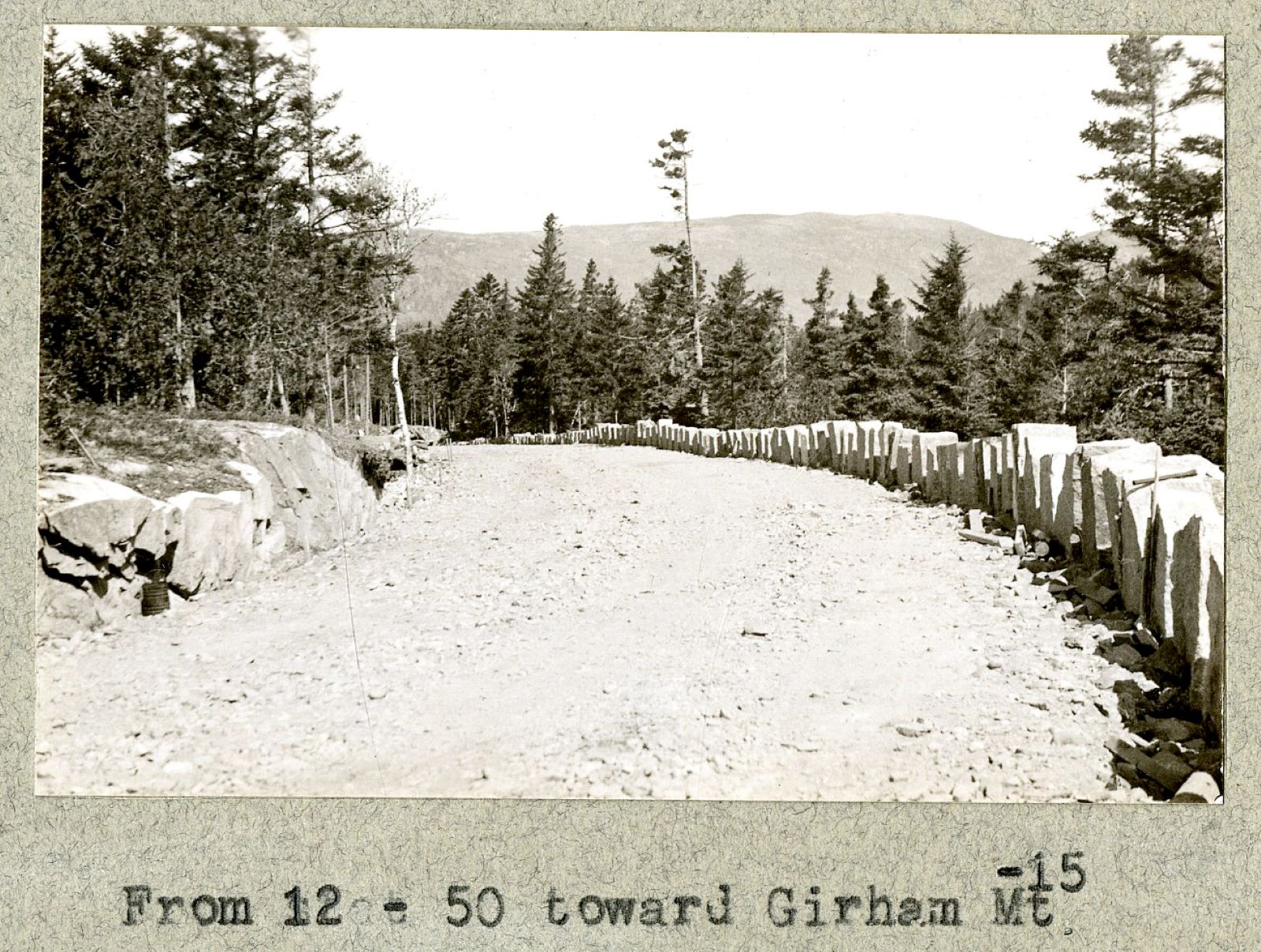
Acadia National Park: Carriage Roads, Cadillac Mountain & 2026 Guide
Discover carriage roads, Cadillac Mountain, and rugged Maine coast. Complete 2026 guide to Acadia National Park — trails, fees, lodging, permits, and what rangers recommend.
Hiking Guide
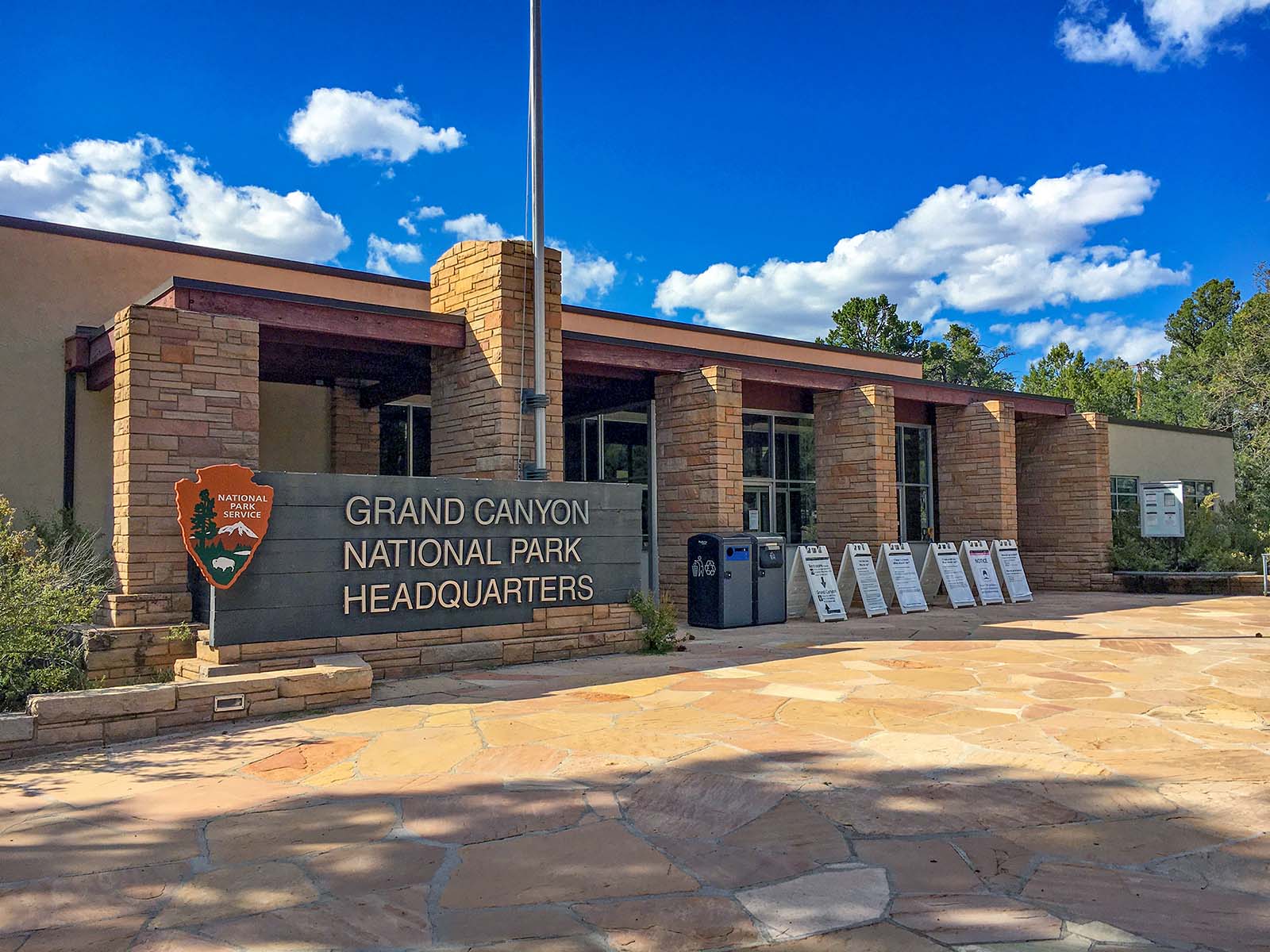
Grand Canyon Hiking Trails: Day Hikes, Water Sources & Rim to Rim
Compare Grand Canyon hiking trails: Bright Angel, South Kaibab, Hermit, Grandview, and rim to rim, with distances, elevation, water stops, and trailhead access for each.
Best Of
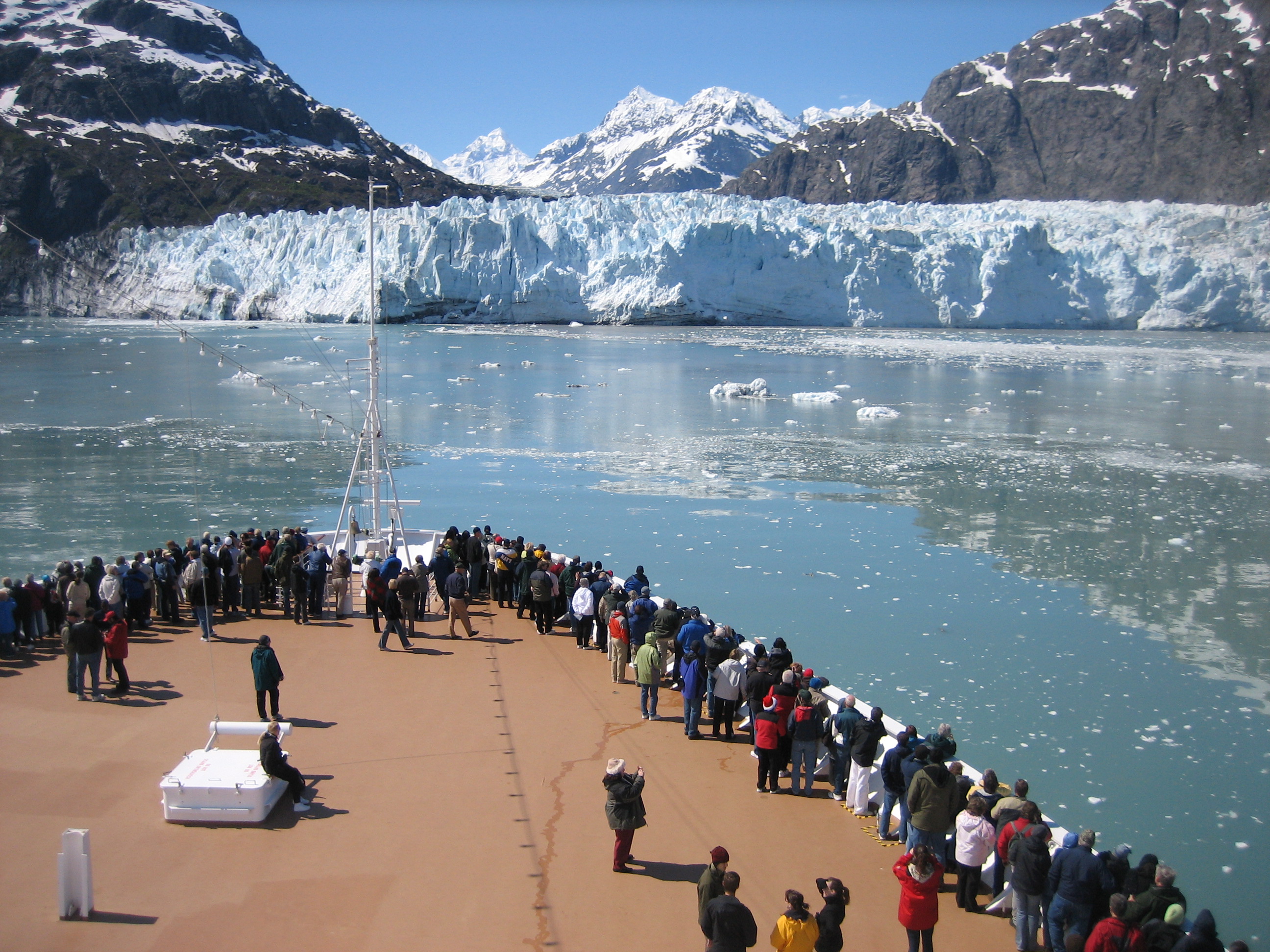
Best of Glacier Bay National Park
The best of Glacier Bay is reached by boat: ranger-led day tours up the bay to the tidewater glaciers. What's worth it, how to book, and when to go (2026).
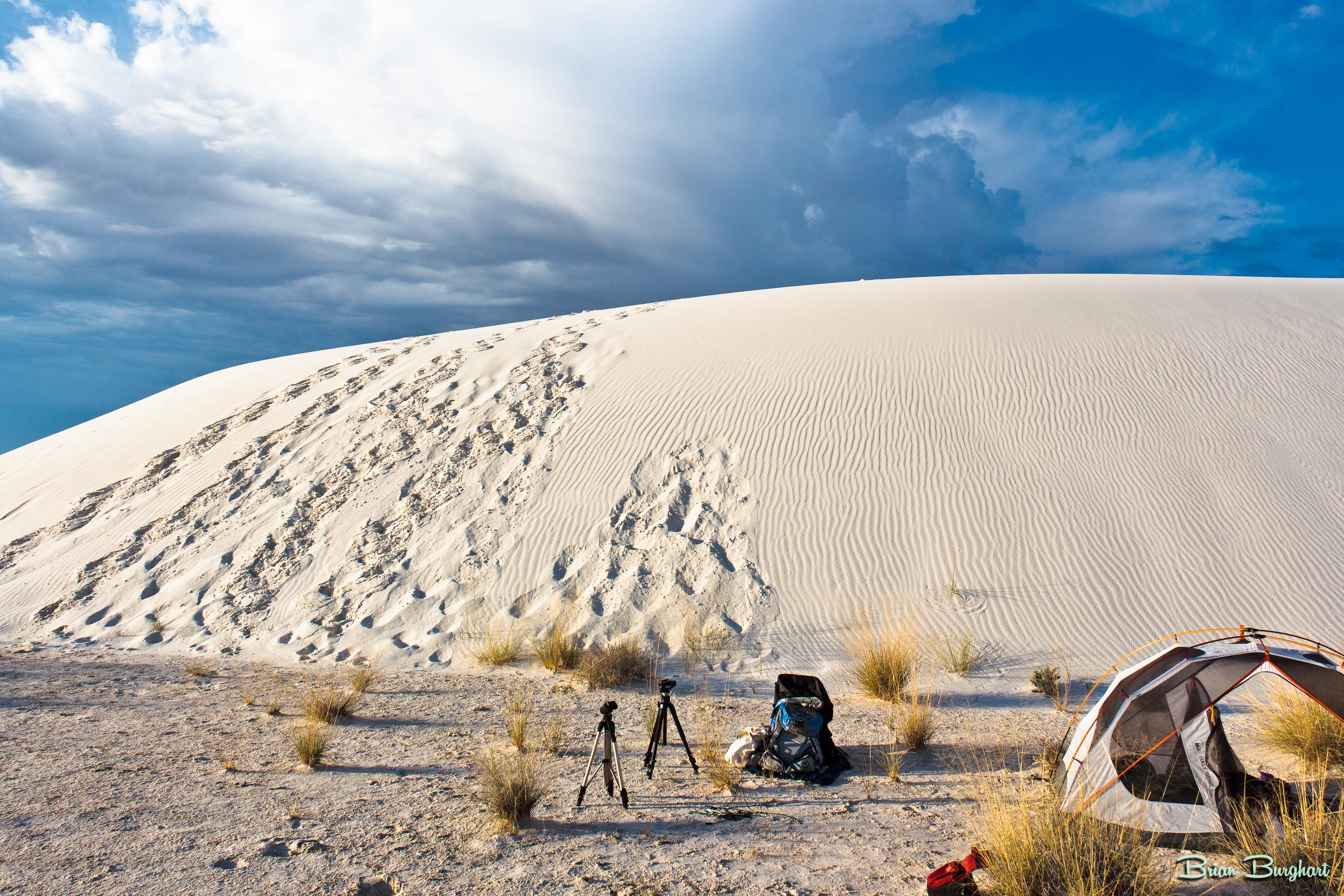
Campsite Guide
White Sands Backcountry Camping: Closed for 2026 — What to Know
As of 2026, backcountry camping at White Sands National Park is closed for site rehabilitation. What that means, and where to camp nearby instead.
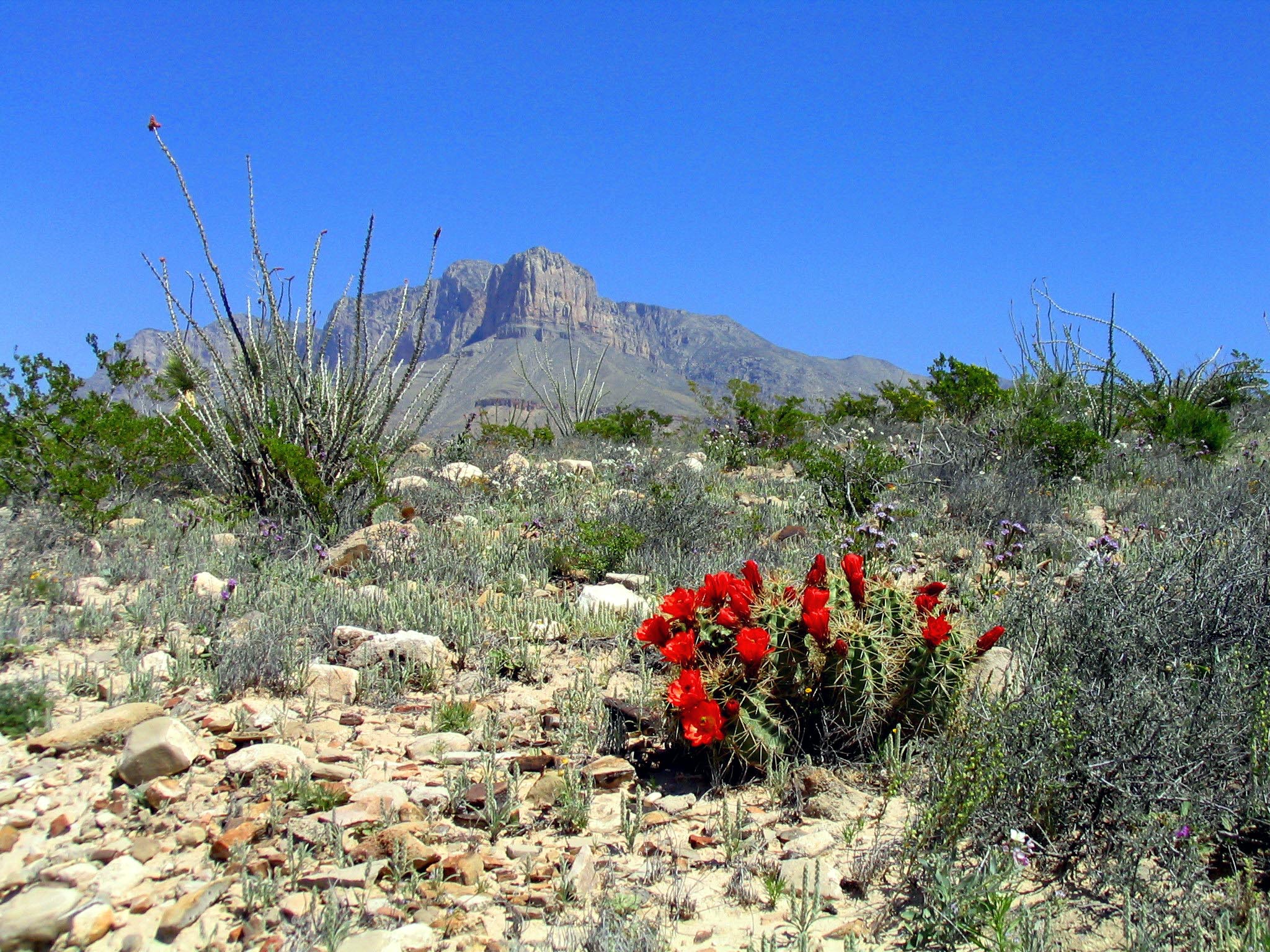
Weather Guide
Guadalupe Mountains National Park Weather: Weather
Guadalupe Mountains National Park: weather guide guide updated 2026. Practical visitor information, reservations, and seasonal tips worth bookmarking before
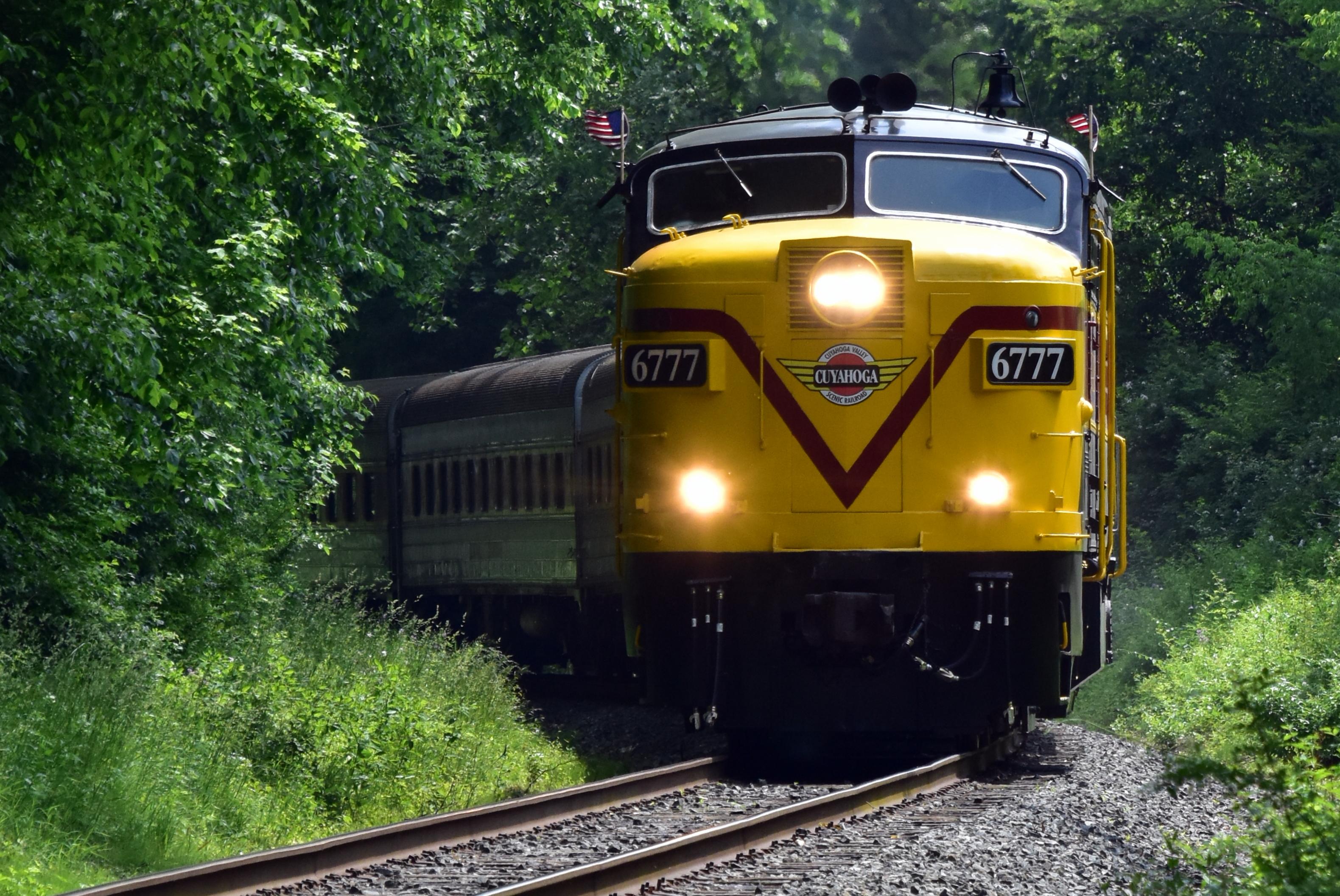
Best Of
Best of Cuyahoga Valley National Park: Best Things to Do
Seeing a Cleveland Orchestra concert with the woods as your backdrop is a uniquely Cuyahoga Valley experience.
Sign in to join the conversation.
Sources & Attribution
Location data courtesy of the National Park Service (U.S. Department of the Interior). NPS data is public domain. Official NPS page.
Images: NPS; NPS; NPS; NPS; NPS.
Map data © OpenStreetMap contributors.
Park operations alerts: NPS.gov · Weather and weather hazards: National Weather Service · Live conditions.
Information may change. Always verify fees, hours, and conditions directly with the official source before visiting.
Did this guide help? Share it with a friend.