Lake Clark National Park Weather: Weather (2026 Guide)
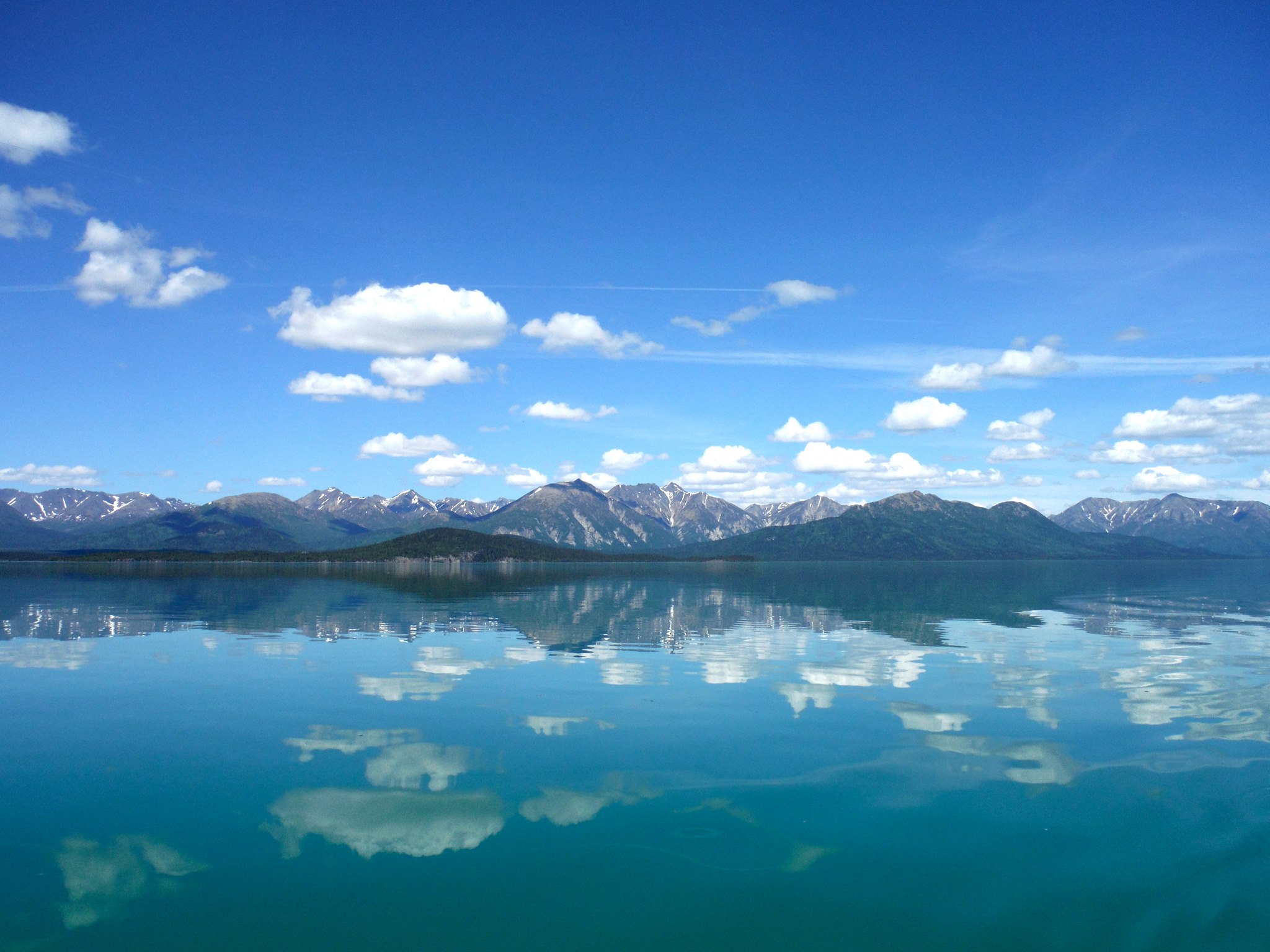
NPS via NPS.gov (Public Domain)
Lake Clark National Park Weather
8 min read
Weather Guide
Lake Clark has two distinct climates split by the Chigmit Mountains. Our 2026 guide explains why you need two separate forecasts to plan your trip.
What is the single most important thing to know about Lake Clark National Park weather? It's not just one climate. It's two, and they can be wildly different on the same day. The coast and the interior operate under separate meteorological rules, and your experience hinges entirely on which side of the mountains you're on. Most first-time visitors are caught off guard by how quickly a sunny morning in Port Alsworth can turn into a socked-in, rainy afternoon on the coast, or how the interior can bake under a sun that never seems to set while fog shrouds the shoreline. This isn't a park where you check one forecast. You check two.
For more, see hiking trails.
The Weather Reality
The park is split by the Chigmit Mountains, and they act as a massive weather wall. The coastal side, facing Cook Inlet and the Pacific, catches moisture-laden systems rolling in. The result is a maritime climate: wetter, cloudier, and with more moderate temperature swings. The interior, on the leeward side of those peaks, sits in a rain shadow. It gets half to one-fourth the precipitation, but pays for that dryness with greater temperature extremes. Summers are hotter, winters are colder.
This split defines everything. Rangers will tell you that a flight from the interior to the coast isn't just a scenic hop - it's often a journey into a different season. The official forecast for "Lake Clark" is essentially meaningless; you need to look at specific forecasts for the coast (like Silver Salmon Creek, Chinitna Bay) and the interior (Port Alsworth, Turquoise Lake). Frost and snow can occur any month of the year parkwide, a fact that surprises visitors in July. The lakes themselves become a seasonal calendar: they typically begin freezing in November and melting in April, a transition that dictates whether your bush plane needs floats or skis to land.

Month by Month
Lake Clark's visitor season is short, shaped by what's accessible and what conditions you can handle. The park never closes, but from Labor Day through Memorial Day, services are minimal. This monthly guide covers what you'll actually encounter.
May & Early June
May and early June bring the shoulder season—a time of mud and change. Interior highs may hit 50-60°F, with coastal areas staying in the 40s. Lows often drop below freezing. Snow holds on north-facing slopes and above 2,000 feet. Expect frequent precipitation, usually a cold rain that can shift to wet snow overnight.
Trails, especially in the interior's lowlands, are often soggy or outright muddy. Mosquitoes hatch in staggering numbers as standing water warms. This is the prime time for bear viewing as coastal brown bears emerge and graze on new sedges, but you'll pay for the spectacle with challenging conditions. Lakes may still have ice, complicating floatplane access. Crowds are virtually nonexistent. Worth it for dedicated wildlife photographers and those seeking solitude. Challenging for everyone else.
Late June, July, & August
Late June through August marks the heart of the season. Interior highs can reach the 70s, occasionally hitting 80°F in dry spells. Coastal highs are milder, around 55-65°F. Nights stay cool, often in the 40s. The interior gets its driest weather, though afternoon thunderstorms may form over the mountains. The coast stays damp, with regular drizzle and overcast skies.
All trails are generally snow-free up to moderate elevations. The infamous mosquito hordes peak in July before tapering slightly in August. This is the window for reliable high-country hiking, fishing for salmon, and extended backcountry trips. Wildlife is active everywhere - bears fishing, moose in wetlands, birds nesting. Crowds are at their peak, which in Lake Clark terms means you might see other people at the Port Alsworth airstrip. Visitor services are fully operational. The long Alaskan daylight (18+ hours) is a boon for activity but can disrupt sleep.
September & October
Fall arrives swiftly and spectacularly. September days in the interior can still be pleasant (50s-60s), but frost becomes a regular morning visitor. October temperatures drop sharply, with highs in the 30s-40s and the first substantial snows dusting the high country. The coastal side becomes increasingly stormy.
This is the prime time for fall colors, with tundra and willow bushes erupting in reds and golds, typically peaking in early to mid-September. Mosquitoes vanish with the first hard frost. Bears enter hyperphagia, aggressively foraging, which makes for dramatic viewing but requires heightened caution. Crowds thin dramatically after Labor Day. By October, most visitor services have scaled back. The challenge is the rapidly deteriorating weather; a planned week of hiking can be truncated by an early winter storm. The aurora borealis becomes a possibility on clear autumn nights.
November Through April
Winter. Interior temperatures can plunge well below 0°F, with coastal temps somewhat moderated but still bitterly cold. Snow accumulates, measured in feet, not inches. Daylight shrinks to just a few hours in December.
The park is accessible almost exclusively by ski-plane or snowmachine. This is the domain of cross-country skiing, snowshoeing, and northern lights viewing. There are no crowds. There are also virtually no services. The challenge is extreme: this is expedition-level travel requiring serious cold-weather gear, survival skills, and local knowledge. Lakes are frozen solid, and the landscape is silent and immense.

Best Times for Specific Activities
Your ideal month depends entirely on what you've come to do.
For Hiking the High Country
A narrow window. Late July through early September offers the best odds for dry trails and passable alpine routes. Before this, you'll contend with snowfields and runoff; after, early snowstorms are a real threat. The Tanalian Trails system near Port Alsworth is most reliable during this period.
For Wildlife Viewing
It's species-specific. Coastal brown bears are viewable from May through September, with different behaviors each month: grazing on sedges in May/June, fishing for salmon in July/August, and foraging for berries and carcasses in September. Salmon runs peak in July and August, driving incredible bear and eagle activity. Moose are often seen in wetland areas throughout the summer. Birding is best during spring and fall migrations (May and September).
For Fall Colors & Photography
A brief, brilliant show. The first two weeks of September usually catch the tundra and alpine vegetation at its peak fiery color. The low-angle light and potential for early snow dusting the peaks create dramatic conditions. The coast offers moody, storm-swept scenes.
For Stargazing & Aurora Borealis
You need darkness, which is in short supply. For the Milky Way, late August brings longer nights. For the aurora, the season runs from late August through April, with peak visibility on clear, cold nights from September to March. Remember, summer's midnight sun makes aurora viewing impossible from May to July.
For Winter Sports
February and March are typically the best months for ski-plane accessed adventures. Days are lengthening, temperatures may moderate slightly from the deep winter lows, and the snowpack is usually stable.

What to Pack by Season
Forget generic lists. Pack for Lake Clark's dual personality and rapid changes.
Summer (June-August):
* Layering System: A moisture-wicking base layer, insulating mid-layer (fleece or puffy), and a waterproof/windproof shell are non-negotiable. You'll use all three in a single day.
* Footwear: Waterproof hiking boots with good ankle support. Trail runners won't cut it for the wet tundra and muddy sections.
* Bug Defense: A head net and permethrin-treated clothing are worth their weight in gold in July. DEET-based repellent is essential.
* Sun Protection: Sunglasses and strong sunscreen. The sun is low but intense, and reflection off water and snow can cause burns quickly.
* Sleep Aid: An eye mask. The 24-hour daylight is real.
Shoulder Seasons (May, September, October):
* Everything from summer, plus:
* Warmer Insulation: A heavier puffy jacket, warm hat, and gloves. Temperatures can swing from mild to near-freezing rapidly.
* Traction: Microspikes can be invaluable for early morning frost or late-season snow on trails.
* Drier Bags: More frequent rain means extra attention to keeping gear dry inside your pack.
Winter (November-April):
* Expedition-grade gear: This is not for casual day-trippers. You need a full cold-weather system: insulated waterproof boots, heavy down parka, synthetic base layers, windproof pants, face protection, and extreme-cold sleeping bags if camping.
* Communication: A satellite messenger/PLB. Cell service is nonexistent in the backcountry.

What the Forecast Doesn't Tell You
- The "Maritime Effect" Delay: A sunny forecast for the coast often means the clouds will burn off by noon - if you're lucky. Morning fog and drizzle are the default setting, even on days predicted to be clear.
- Interior Heat Amplification: On rare clear, calm days in July, the interior valleys can become surprisingly hot. The sun feels stronger at this latitude, and there's little shade on the tundra. Hydration is critical.
- Wind Chill on the Water: Even on a 60°F day, traveling by boat or kayak across Lake Clark or Cook Inlet creates a significant wind chill. That shell jacket you packed will be on the entire time.
- Microclimate Roulette: Flying over the mountains in a small plane often means experiencing three weather patterns in 30 minutes. Pilots are experts at this, but it means your destination's conditions can be a surprise until you break through the clouds.
- The Frost-Any-Month Rule: You can get frost on your tent in August. It happens most years. That summer sleeping bag should have a comfort rating near freezing, not 50°F.
- River Crossings are Weather-Dependent: That gentle stream on the trail map can become a dangerous, swift channel after 24 hours of rain on the coast. Trail conditions here are fluid in the literal sense.
- Weather Dictates Your Exit: Flightseeing and charter flights are weather-dependent. It's common to be "weathered in" for an extra day. Pack extra food and a flexible itinerary.
Practical Takeaways
- You need two forecasts. Always check conditions separately for the coastal zone (e.g., Cook Inlet) and the interior (e.g., Port Alsworth) when planning your Lake Clark National Park weather strategy.
- The best weather window is late July to early September. This period offers the highest probability of dry, stable conditions for hiking and the most reliable access.
- Pack for four seasons, even in summer. Your pack must include insulation, rain gear, and sun protection. Moisture management is the key to comfort.
- September is a high-reward, high-risk gamble. You'll get colors, no bugs, and few people, but be prepared for winter to arrive early. Have a backup plan for stormy days.
- Winter is a commitment. Visiting between November and April is a serious wilderness undertaking requiring specialized gear, skills, and local logistical support. It is not an extension of the summer experience.
- Your flight is part of the weather equation. Airmen's decisions are final and based on real-time observations you don't have. Build buffer days into your travel plans, especially outside of peak summer.
- Verify current conditions directly. As of 2026, the park was experiencing a phone service disruption. For the latest on trail conditions, river crossings, and bear activity, contact the park via email at LACL_Information@nps.gov before your trip or check in at the visitor center in Port Alsworth upon arrival.
Understanding Lake Clark National Park weather isn't about avoiding bad weather - that's often impossible. It's about preparing for its full spectrum so you can safely experience everything from a sun-drenched hike to a bear watching in the coastal mist. That's the real Alaskan wilderness.
For more information, see our complete National Park & Preserve Guide.
Related: lake clark national park guide
Related: lake clark national park lodges guide
Sources
- Official source: NPS — Lake Clark National Park nps.gov/lacl/index.htm
Photo Gallery
More to Explore
Park Guide
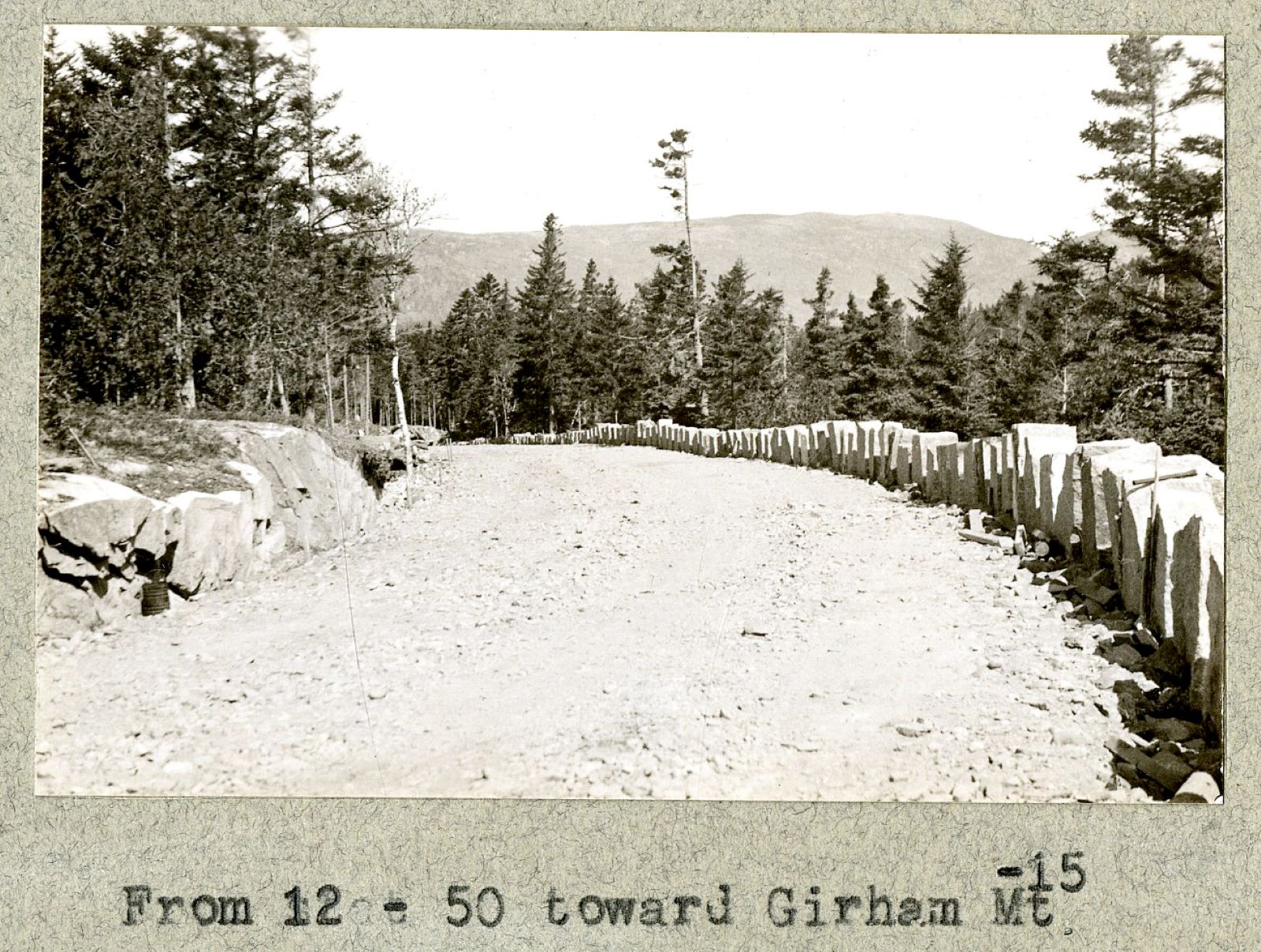
Acadia National Park: Carriage Roads, Cadillac Mountain & 2026 Guide
Discover carriage roads, Cadillac Mountain, and rugged Maine coast. Complete 2026 guide to Acadia National Park — trails, fees, lodging, permits, and what rangers recommend.
Hiking Guide
Grand Canyon Hiking Trails: Day Hikes, Water Sources & Rim to Rim
Compare Grand Canyon hiking trails: Bright Angel, South Kaibab, Hermit, Grandview, and rim to rim, with distances, elevation, water stops, and trailhead access for each.
Best Of
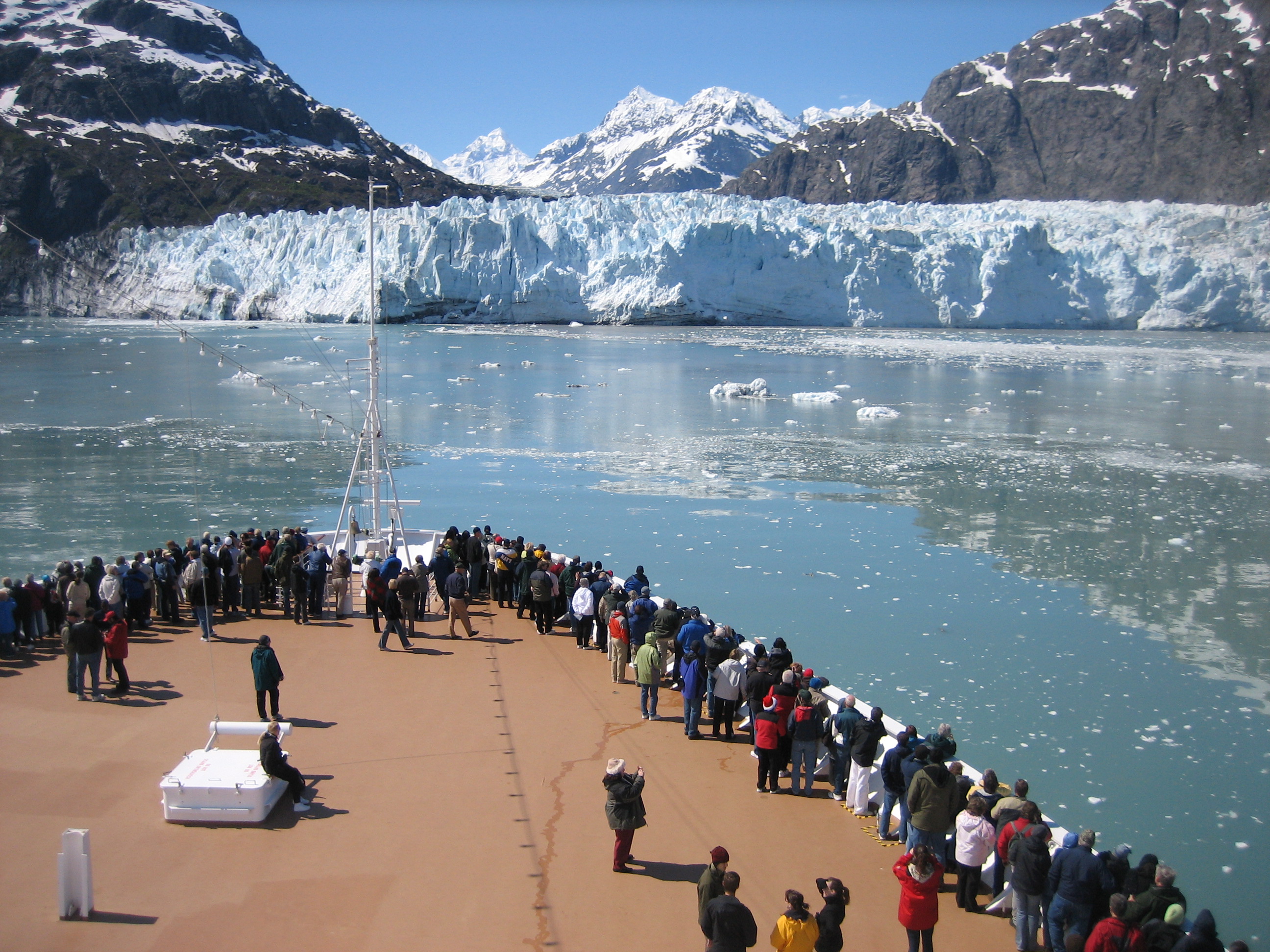
Best of Glacier Bay National Park
The best of Glacier Bay is reached by boat: ranger-led day tours up the bay to the tidewater glaciers. What's worth it, how to book, and when to go (2026).
Campsite Guide
White Sands Backcountry Camping: Closed for 2026 — What to Know
As of 2026, backcountry camping at White Sands National Park is closed for site rehabilitation. What that means, and where to camp nearby instead.
Weather Guide
Guadalupe Mountains National Park Weather: Weather
Guadalupe Mountains National Park: weather guide guide updated 2026. Practical visitor information, reservations, and seasonal tips worth bookmarking before
Best Of
Best of Cuyahoga Valley National Park: Best Things to Do
Seeing a Cleveland Orchestra concert with the woods as your backdrop is a uniquely Cuyahoga Valley experience.
Sign in to join the conversation.
Sources & Attribution
Location data courtesy of the National Park Service (U.S. Department of the Interior). NPS data is public domain. Official NPS page.
Images: NPS; NPS; NPS; NPS; NPS.
Map data © OpenStreetMap contributors.
Park operations alerts: NPS.gov · Weather and weather hazards: National Weather Service · Live conditions.
Information may change. Always verify fees, hours, and conditions directly with the official source before visiting.
Did this guide help? Share it with a friend.