Getting on the water is the best way to see Kenai Fjords National Park. The park's tidewater glaciers, fjord-carved coastline, and marine mammals don't reveal themselves from land in any meaningful way. A boat tour out of Seward accesses the parts of this park that make it fundamentally different from anything else in the national park system. Nearly 40 glaciers flow from the Harding Icefield here, and most of them terminate in saltwater. You cannot walk to them. You have to float past them.
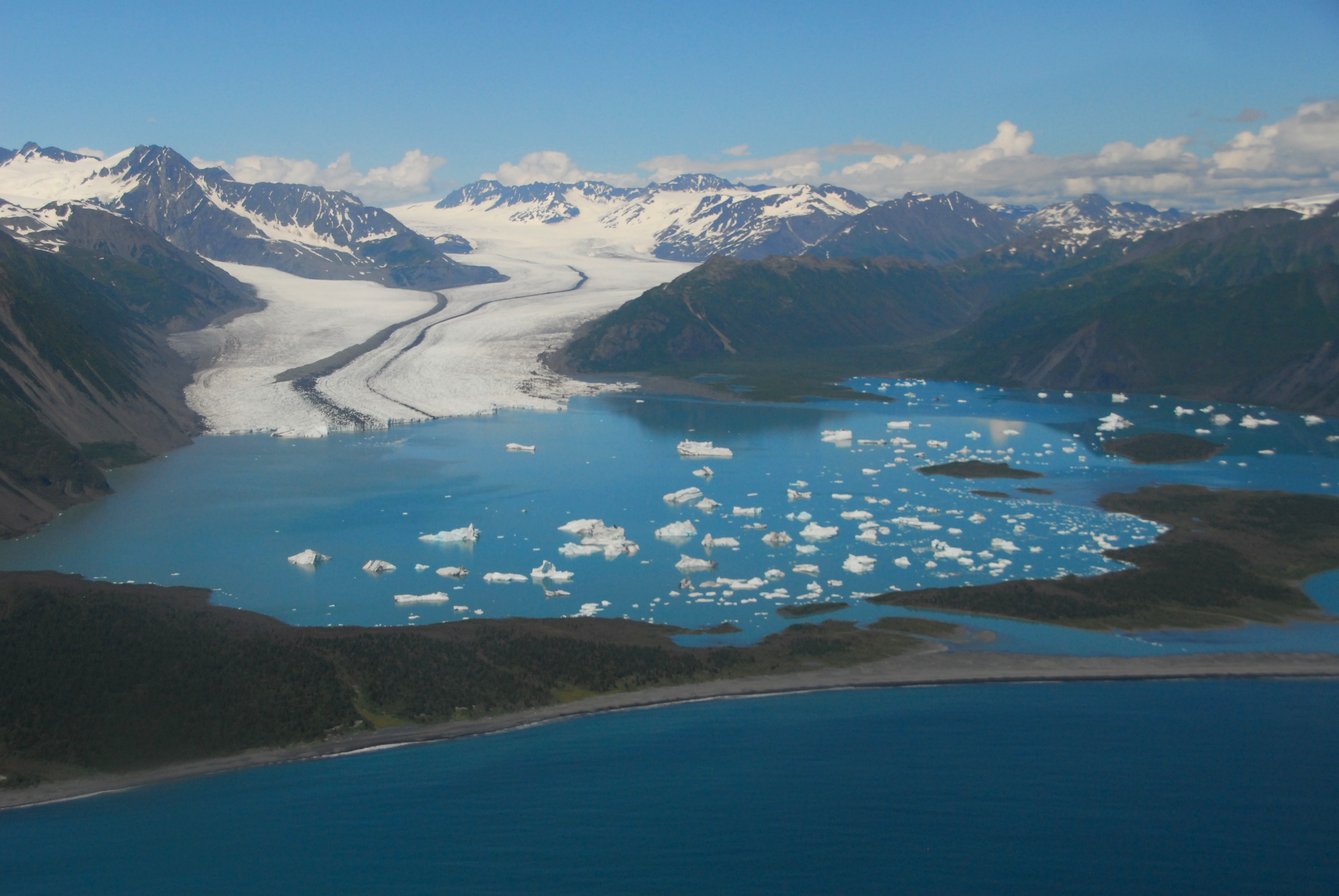
NPS via NPS.gov (Public Domain)
Best of Kenai Fjords National Park: Best Way to See
10 min read
Best Of
A boat tour from Seward is the best way to see Kenai Fjords National Park, offering close views of tidewater glaciers and marine wildlife that are inaccessible by land.
This article contains affiliate links — we may earn a small commission at no extra cost to you.
This guide assumes you have limited time and want the highest return on effort. For a broader orientation, refer to the complete visitor guide for general logistics, fees, and hours.
If You Only Have One Day
Arrive in Seward by 7:30 AM. This matters because most boat tours depart between 8:00 and 9:00 AM from the small boat harbor, and if you miss the window you lose half the day.
Book a 6-hour boat tour into the park's outer coast - not the short Resurrection Bay cruise. The longer tour gets you past the bay into Aialik Bay or Northwestern Fjord, where tidewater glaciers calve into the water and you have realistic chances of seeing humpback whales, sea otters, Steller sea lions, and puffins. The tours run June through August as the primary season, with reduced schedules in May and September.
Pack layers despite whatever the sky looks like. Summer daytime temperatures range from the mid 40s°F to low 70s°F, but the wind off glacial ice drops the effective temperature by 10-15 degrees. Overcast and cool rainy days are frequent. A rain shell is not optional gear here.
The one mistake that derails most one-day visits: trying to do the Harding Icefield Trail AND a boat tour on the same day. The trail is 8.2 miles round trip with serious elevation gain. A 6-hour boat tour followed by a 6-8 hour hike is not a realistic plan. Pick one. If you have a single day, pick the boat. You see more of what makes this park unique.
After the tour returns (typically 3:00-4:00 PM), drive the 10 minutes to the Exit Glacier area. Walk the paved path to the glacier overlook. It takes 30 minutes and gives you a sense of the ice up close. Then head back to Seward for dinner. That's your day.

The Top Experiences, Ranked
#1 - Boat Tour: The Only Real Way to See the Park
Why it makes this list: Kenai Fjords is 85 percent water and ice. A boat tour is not an option - it is the primary access method. The park's monuments are tidewater glaciers, and you reach them by sea. This is the single experience that defines a visit here.
What it requires: 3 to 9 hours, depending on the tour. The 6-hour tours hit the sweet spot. You need to book ahead in summer. Tours depart from Seward's small boat harbor daily June through August.
The single best tip: Take the morning departure. The water is calmer, and wildlife activity peaks earlier in the day. Afternoon tours deal with building winds and more boat traffic.
What most visitors do wrong: They book the cheapest or shortest tour and stay inside the cabin. The viewing is better from the outer decks. Dress for exposed weather and stay outside. The boat has indoor seating for when you need to warm up, but the payoff happens on deck.
Boat tours remain the best way to see kenai fjords national park for any first-time visitor, and repeat visitors will tell you the same thing.
#2 - Harding Icefield Trail: The Signature Hike
Why it makes this list: This is the only trail in the park that gets you above tree line onto the actual icefield. From the top, you see the vast expanse of ice that feeds 40 glaciers. It changes your understanding of what this park actually is.
What it requires: 6 to 8 hours. 8.2 miles round trip. Significant elevation gain. This is a full-day commitment on a strenuous trail. Best done June through September.
The single best tip: Stop at Marmot Meadows (1.4 miles) and Top of the Cliffs (2.4 miles) on the way up. Both provide scenic vistas that make good turn-around points if you're running out of time or energy. The rangers at the visitor center emphasize this approach.
What most visitors underestimate: The weather can change dramatically between the trailhead and the icefield. You may start in 55°F and light rain and hit freezing wind at the top. Pack more layers than you think you need.
The full hiking trails guide covers this route in detail, including what to expect at each elevation band.
#3 - Kayaking in the Fjords
Why it makes this list: A boat tour shows you the park from the water. A kayak puts you on the water. The difference matters when you're paddling past icebergs the size of cars, hearing the glacier pop and crack from sea level.
What it requires: Half-day to full-day. Best spring through fall. You need either your own sea kayak and open-water experience, or a guided trip from Seward. This is not a calm lake paddle - these are cold, deep fjords with currents and wind.
The single best tip: Go with a guide unless you have significant sea kayaking experience and know how to read tidewater glacier conditions. The guides know where the ice is stable and where the hazards are.
What most visitors do wrong: Underdressing for the cold water environment. Water temperature in the fjords stays near freezing year-round. A spray skirt and dry suit are standard gear for guided trips.
#4 - Flightseeing: The Aerial Perspective
Why it makes this list: From the air, you see the Harding Icefield in its full extent - a massive sheet of ice stretching to the horizon, with individual glaciers spilling down valleys like frozen rivers. You cannot get this view any other way.
What it requires: 1 to 2 hours. Significant cost (typically $250-400 per person as of 2026). Flights operate out of Seward and depart on weather-permitting schedules.
The single best tip: Schedule your flight in the morning before afternoon clouds build in. The icefield creates its own weather, and afternoon flights cancel more frequently.
What most visitors do wrong: Thinking a flight replaces a boat tour. It doesn't. The flight gives you the big picture. The boat gives you the experience of being in the fjords. They complement each other but are not substitutes.
#5 - Exit Glacier Area: Quick Access to Ice
Why it makes this list: This is the only part of the park you can drive to and touch. The road from Seward reaches the Exit Glacier trailhead in about 10 minutes. For someone with limited time or mobility, this is how you see a glacier up close.
What it requires: 30 minutes to 2 hours. The paved path to the glacier overlook is short and accessible. The walking routes along the outwash plain add time but require little elevation gain.
The single best tip: Read the wayside signs along the path. They show the glacier's retreat over decades - the 1926 sign, the 2005 overlook, the 2010 marker. The glacier has pulled back significantly, and the signs give you a timeline you can actually see.
Note on safety: The canyon from the toe of Exit Glacier to the outwash plain is susceptible to sudden outburst flood events. Stick to designated trails. The park service has marked these areas clearly.
#6 - Public Use Cabin Stay
Why it makes this list: The park has three public use cabins that let you stay overnight in the backcountry. Waking up in a glacier-carved fjord with no other boats in sight is a different experience from day-tripping.
What it requires: 1 to 3 days. Reservations needed. You access the cabins by boat, kayak, or in winter by ski or snowmobile. This is not walk-up lodging.
The single best tip: Book well in advance. The cabins are few and demand is high. They are available year-round, but winter access requires serious backcountry skills.
What most visitors miss: The cabins are a reasonable option for families with older kids if you have someone experienced leading the trip. They don't require expedition-level gear, just proper planning.
#7 - Winter Visit: Solitude and Snow
Why it makes this list: Most visitors see Kenai Fjords in summer. Winter transforms the park. The road to Exit Glacier closes to cars once snow covers it, becoming a corridor for cross-country skis and fat bikes. The crowds vanish.
What it requires: Winter gear. Self-sufficiency. The visitor center has reduced hours or may be closed. Temperatures range from the low 30s°F down to -20°F. Check current conditions before heading out.
The single best tip: Ski or bike the Exit Glacier road. It's closed to vehicles but maintained for non-motorized winter use. You can reach the glacier without competing with summer traffic.
What most visitors do wrong: Underestimating the cold and the short daylight window. December through February gives you maybe 6 hours of usable light. Plan your timing carefully.

What Most People Miss
The glacier history signs along Exit Glacier. There are seven installed signs and waysides marking the glacier's position at different dates - 1917, 1926, 2005, 2010. The "Living Laboratories" wayside and the "Overflowing Ice" sign add context that most people walk right past. These are not dramatic, but they tell the climate change story better than any exhibit inside the visitor center.
The Junior Ranger programs. These are not just for kids. The Fjord Junior Ranger walk (90 minutes along the Seward waterfront) and the Glacier Junior Ranger program (using Art for Parks or Discovery backpacks) offer structured ways to engage with the park's geology and ecology. Adults who go through the program consistently report learning more than they expected.
Fishing in the Seward area. The waters around Kenai Fjords offer both freshwater and saltwater fishing. Within the park's backcountry you can fish for species that don't appear on the typical visitor's radar. You need an Alaska fishing license. The park doesn't sell them - get one in Seward before you head out.
The ranger-led walks. These are easy to overlook when you're planning your own itinerary. Rangers lead guided walks along the Seward waterfront and at Exit Glacier during summer. The ranger knowledge adds depth that self-guided visits lack.

What's Overrated (and Better Alternatives)
The Exit Glacier toe walk on its own. The paved path to the glacier overlook is fine, but it takes 20 minutes and then you're done. The glacier views from the toe are limited compared to what you see from a boat or the Harding Icefield Trail. If you have an hour at Exit Glacier, skip the toe and instead walk the trails that show the glacier's retreat timeline - the signs at the outwash plain and the 1917 Pavilion. You learn more from those than from staring at the ice wall.
The 3-hour Resurrection Bay tour. Many visitors book this as a quick option. It stays inside the bay and does not reach the tidewater glaciers. You see scenery but not the park's defining feature. The 6-hour tour that reaches Aialik Bay or Northwestern Fjord costs more but delivers substantially more. If you only have time for a short tour, consider whether it's worth doing at all - or redirect that time to the Harding Icefield Trail instead.
Peak-season July visits. Crowds peak in July. Boat tours sell out. The Exit Glacier parking lot fills by 9 AM. The trail is busy. If you can visit in June or August, you get better availability and slightly lighter crowds. September offers fall colors and reduced services but fewer people. Check the best time to visit guide for a month-by-month breakdown.

Practical Takeaways
- Book your boat tour in advance. Summer tours sell out, especially the longer routes that reach the tidewater glaciers. Do not assume you can walk up and get a ticket.
- Do not try to do both the boat tour and the Harding Icefield Trail in one day. The math doesn't work. Choose one based on your priorities. First-timers should default to the boat.
- Pack for rain and cold regardless of forecast. Summer temperatures range from the mid 40s to low 70s. Rain is frequent. The wind off glacial ice is colder than the air temperature suggests.
- The road to Exit Glacier closes to cars in winter. Once snow covers the pavement, the gate closes. You can ski or fat bike in, but you cannot drive.
- Cell service drops out once you leave Seward. Download maps and tour information ahead of time. A kenai fjords national park map downloaded to your phone before you arrive is worth the effort.
- The parking situation at Exit Glacier fills early. By mid-morning in July, you may be parking along the road. Arrive before 9 AM or plan for afternoon when morning visitors have cleared out.
- For lodging, staying in Seward is the practical choice. There are no hotels inside the park. Seward has options ranging from campgrounds to hotels. The Kenai Fjords camping page covers the Exit Glacier Campground (12 walk-in tent sites, first-come-first-served) and alternatives in the Seward area. Most visitors staying in Seward find that hotels near the small boat harbor offer the best access for early morning tour departures.
Recommended Gear
What experienced visitors bring to Best of Kenai Fjords National Park: Best Way to See
Links may earn us a commission at no extra cost to you. We only recommend gear we believe in.
Hiking Essentials
Hydration Pack (3L)
Hands-free water for long trail days
Trekking Poles (Pair)
Save your knees on steep descents
Hiking Boots (Ankle Support)
Sturdy footwear for rocky, uneven trails
Sun & Heat Protection
Wide-Brim Sun Hat
Full coverage UPF 50+ protection at altitude
Insulated Water Bottle (32oz)
Keeps water cold in desert heat all day
Winter Gear
Microspikes / Traction Devices
Essential for icy rim trails in winter months
Packable Down Jacket
Lightweight warmth that stuffs into a pocket
Sources
- Official source: NPS — Kenai Fjords National Park nps.gov/kefj/index.htm
Photo Gallery
More to Explore
Park Guide
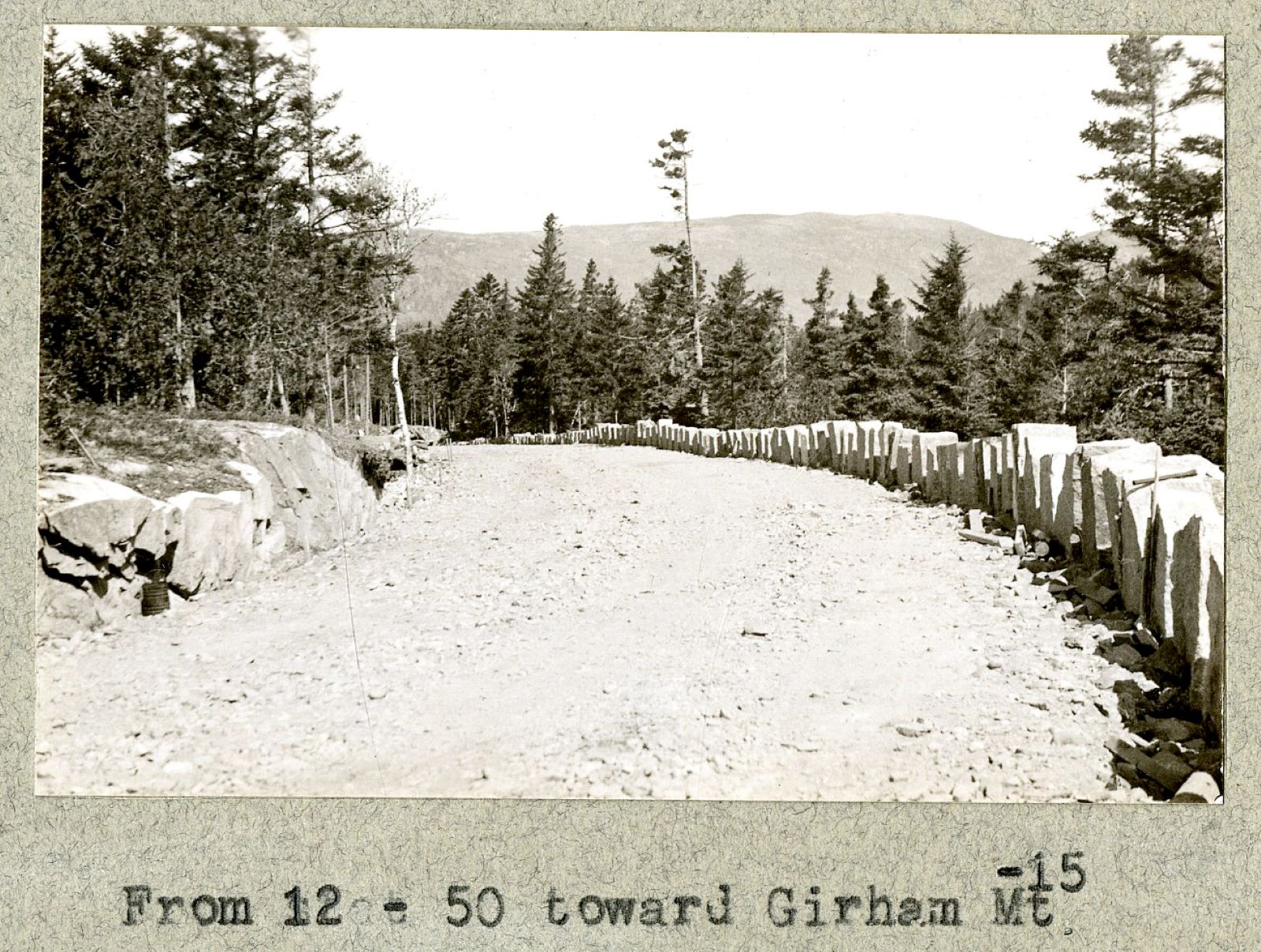
Acadia National Park: Carriage Roads, Cadillac Mountain & 2026 Guide
Discover carriage roads, Cadillac Mountain, and rugged Maine coast. Complete 2026 guide to Acadia National Park — trails, fees, lodging, permits, and what rangers recommend.
Hiking Guide
Grand Canyon Hiking Trails: Day Hikes, Water Sources & Rim to Rim
Compare Grand Canyon hiking trails: Bright Angel, South Kaibab, Hermit, Grandview, and rim to rim, with distances, elevation, water stops, and trailhead access for each.
Best Of
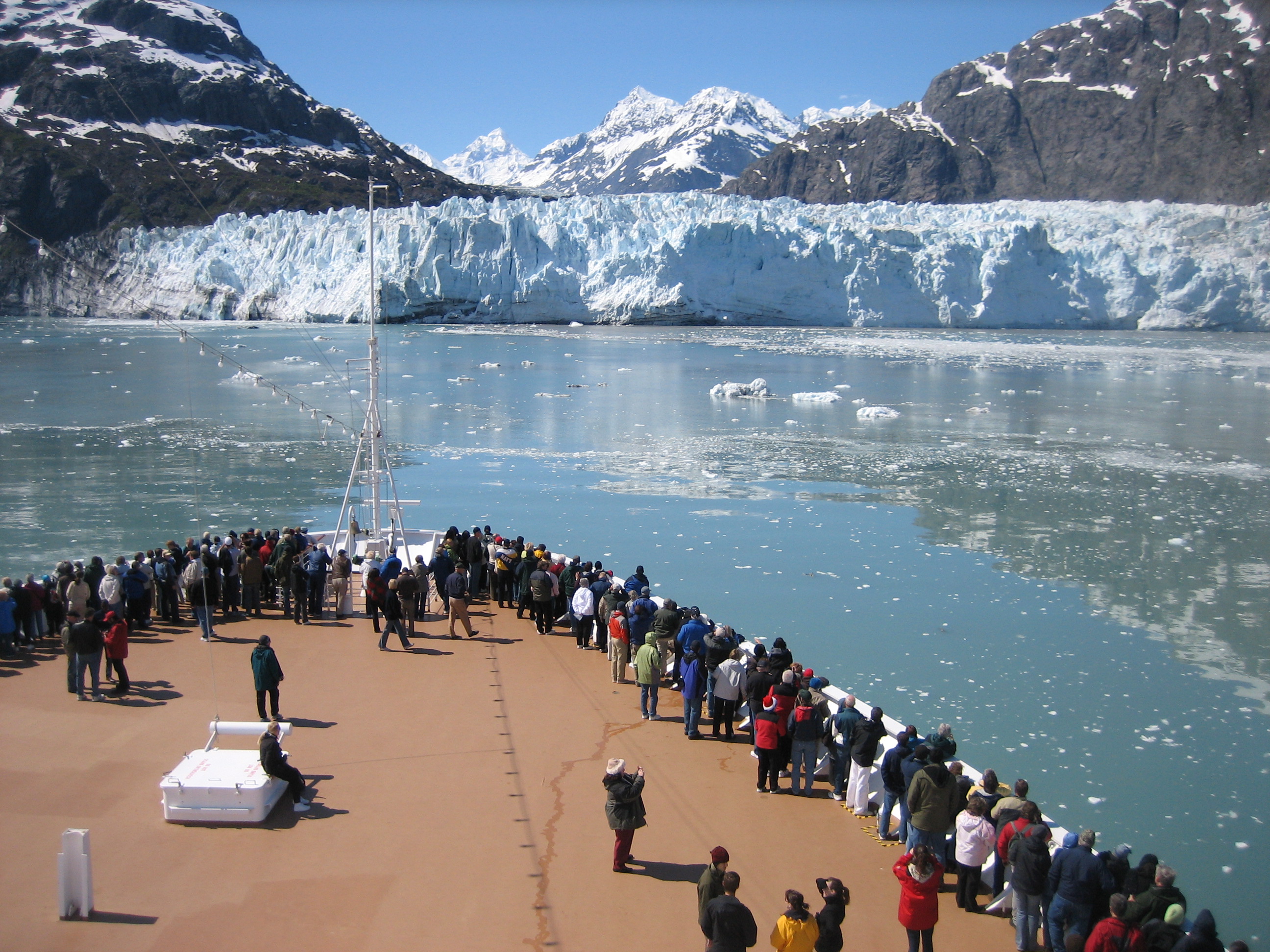
Best of Glacier Bay National Park
The best of Glacier Bay is reached by boat: ranger-led day tours up the bay to the tidewater glaciers. What's worth it, how to book, and when to go (2026).
Campsite Guide
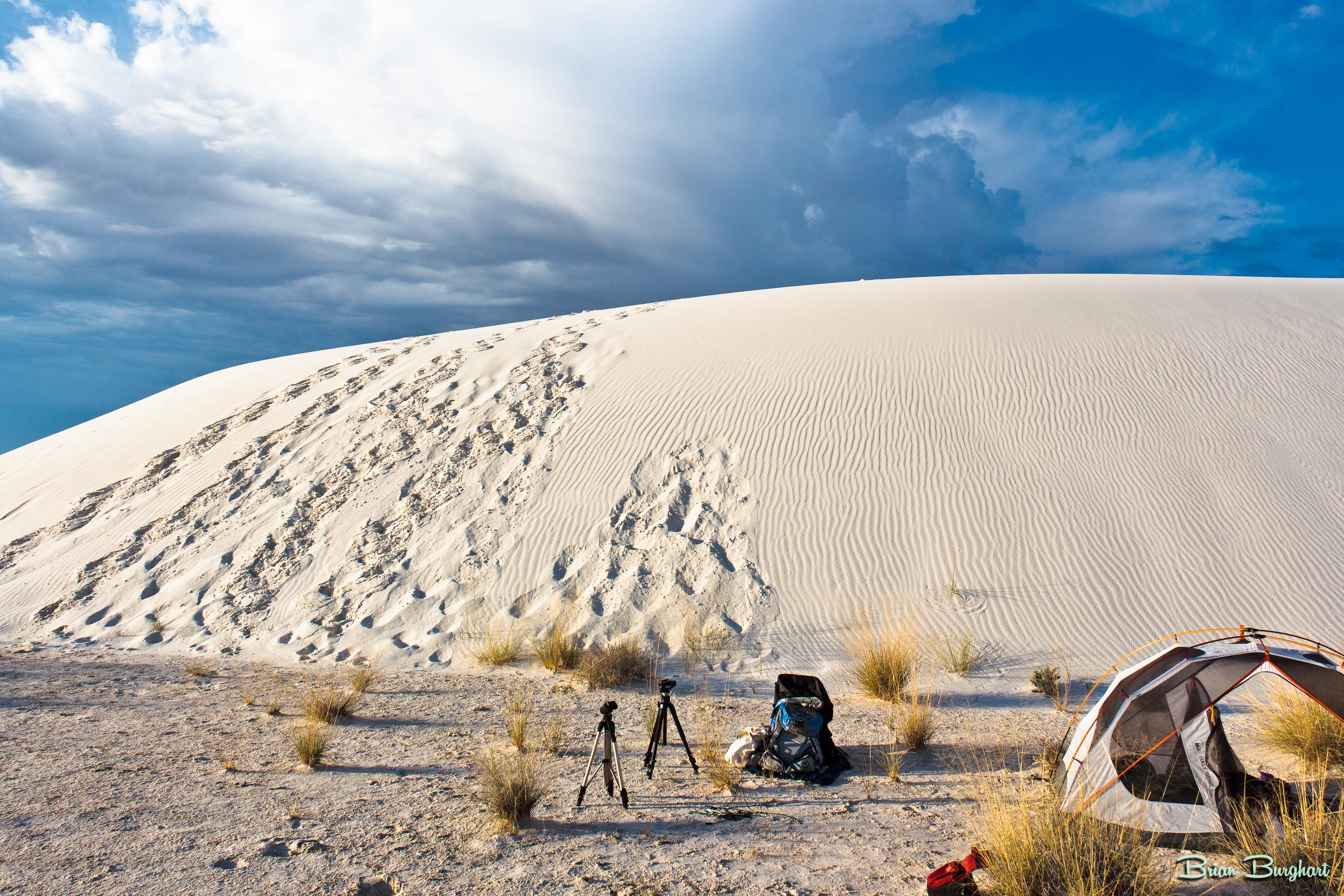
White Sands Backcountry Camping: Closed for 2026 — What to Know
As of 2026, backcountry camping at White Sands National Park is closed for site rehabilitation. What that means, and where to camp nearby instead.
Weather Guide
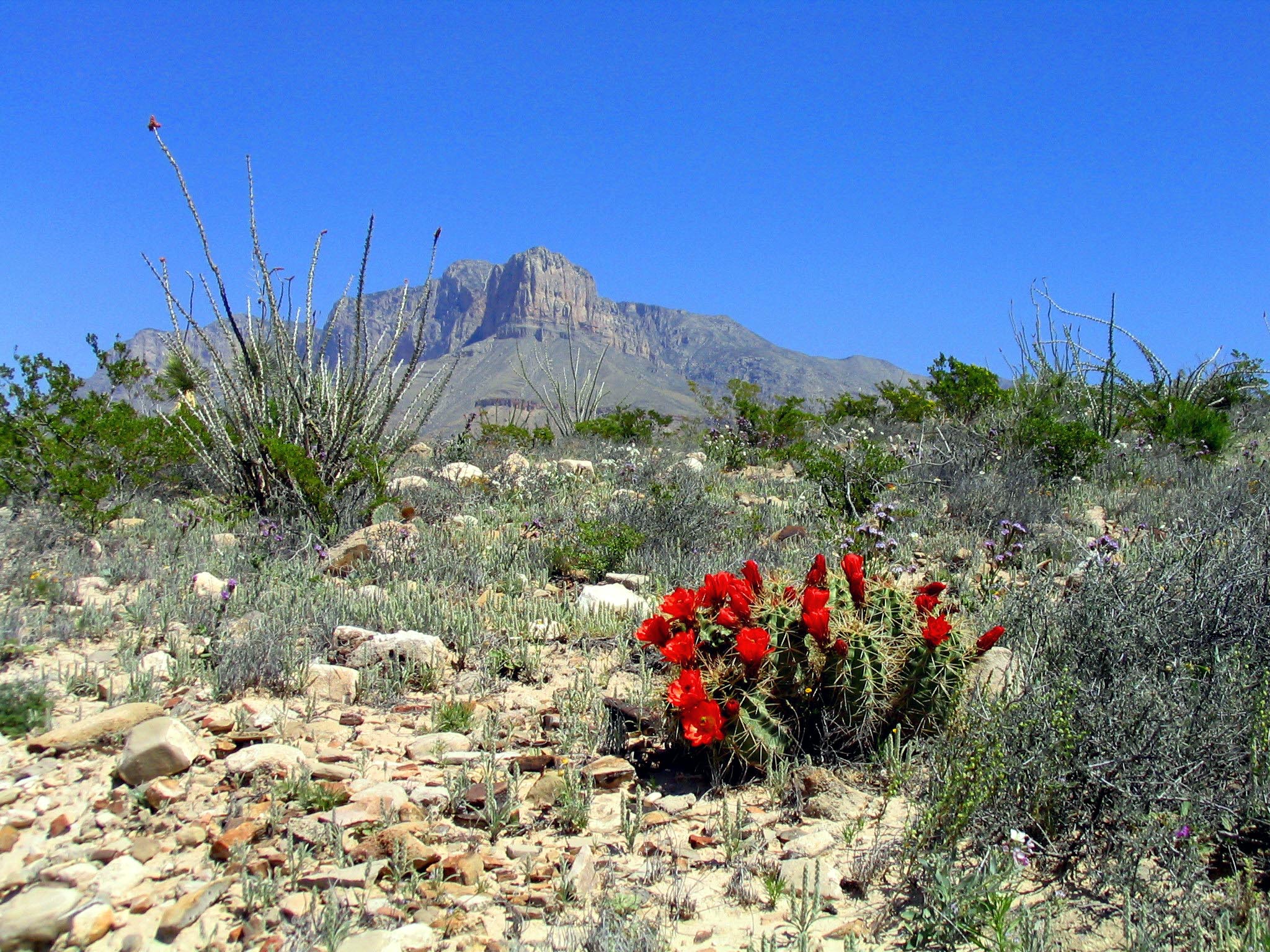
Guadalupe Mountains National Park Weather: Weather
Guadalupe Mountains National Park: weather guide guide updated 2026. Practical visitor information, reservations, and seasonal tips worth bookmarking before
Best Of
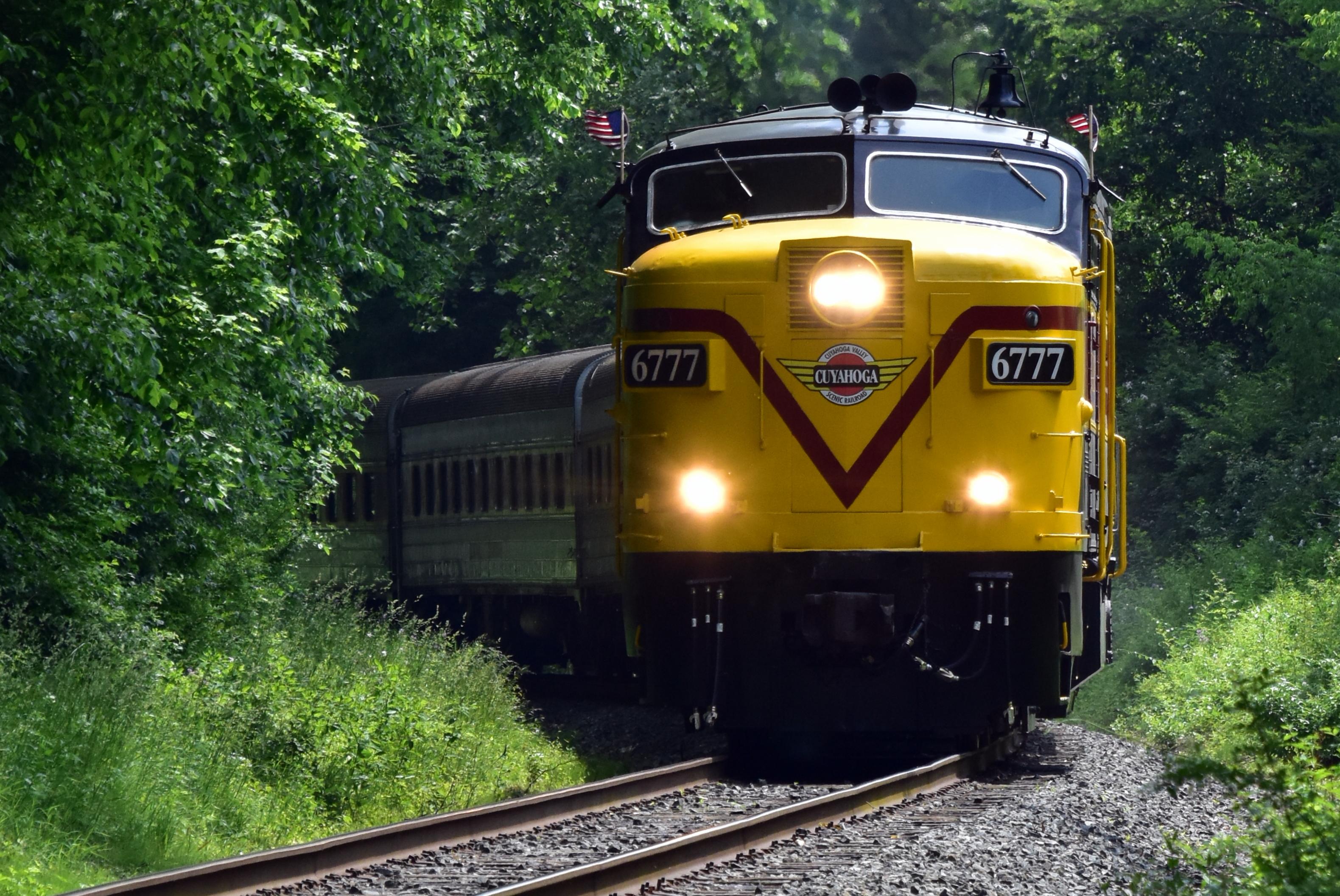
Best of Cuyahoga Valley National Park: Best Things to Do
Seeing a Cleveland Orchestra concert with the woods as your backdrop is a uniquely Cuyahoga Valley experience.
Sign in to join the conversation.
Sources & Attribution
Location data courtesy of the National Park Service (U.S. Department of the Interior). NPS data is public domain. Official NPS page.
Images: NPS; NPS; NPS; NPS; NPS.
Map data © OpenStreetMap contributors.
Park operations alerts: NPS.gov · Weather and weather hazards: National Weather Service · Live conditions.
Information may change. Always verify fees, hours, and conditions directly with the official source before visiting.
Did this guide help? Share it with a friend.