Kenai Fjords National Park Weather: Best Month To Visit (2026 Guide)
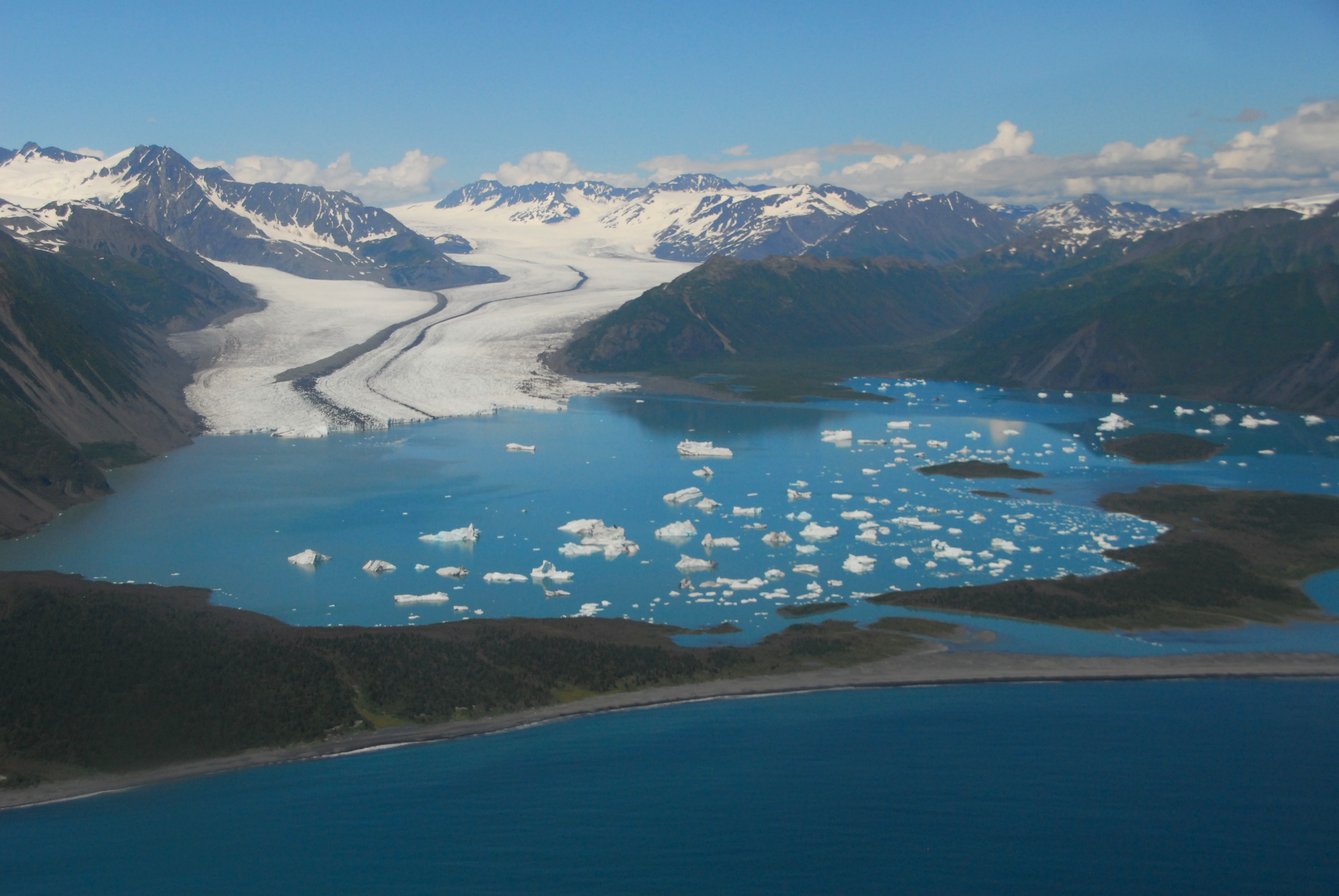
NPS via NPS.gov (Public Domain)
Best Month to Visit Kenai Fjords National Park
7 min read
Weather Guide
Discover best month to visit kenai fjords national park with our comprehensive guide. Expert tips, practical information, and insider knowledge.
After twenty seasons here, I can tell you summer is a relative term. The best month to visit is when you've accepted you'll get wet and cold, calendar be damned. This maritime climate trades seasons for variations on damp. Your gear matters far more than your dates.
The Weather Reality
The official forecast for Seward is a polite suggestion. The park's weather is dictated by the collision of the Gulf of Alaska's moisture with the Kenai Mountains, creating a microclimate that can shift from sun to horizontal rain in twenty minutes. The "relatively temperate" description means it rarely gets extremely hot or extremely cold by interior Alaska standards, but it achieves a profound, bone-chilling dampness that defines every activity. The icefield generates its own localized weather systems, and the fjords act as wind tunnels. Rangers will tell you the average summer visitor is underprepared for the reality of 50°F with a steady rain and a 15-knot wind - a combination that leads to hypothermia faster than most people realize.

Month by Month
Planning here means thinking about access, not picture-perfect conditions. The park remains open year-round, but "open" carries very different meanings across the seasons.
May & Early June
Temperatures range from the high 30s°F to the mid-50s°F. Precipitation is frequent, often as a cold rain or wet snow at higher elevations.
This is the shoulder season. The road to Exit Glacier is usually clear by late May, but services are reduced. Crowds are thin - you might have the trail to yourself. Wildlife is active; bears are emerging, and migratory birds are returning. Trail conditions are muddy and potentially snow-covered above tree line. The advantage is solitude and lower tour prices from Seward. The challenge is that the weather is highly unpredictable, and many boat tour operators are just starting their seasons, with limited schedules.
Late June, July, & August
This is the primary visitor season. Daytime highs can reach the low 70s°F on rare, clear days, but typically hover in the 50s°F. Lows are in the mid-40s°F. Overcast and rainy days are the norm, not the exception.
Everything is accessible and operating: the Exit Glacier area, the hiking trails, and the full slate of boat tours from Seward. Crowds are at their peak, especially in July. Wildlife viewing is excellent; humpback whales, orcas, sea otters, and puffins are all present. Trails are mostly snow-free, but the famous Harding Icefield Trail may have steep snowfields well into July. This period offers the most reliable access and longest daylight hours. The challenge is the crowds, the need for advance bookings for tours and camping options, and the persistent damp.
September & October
Temperatures fall quickly, from the 50s°F in early September to near freezing by late October. Early snows are common.
Services wind down rapidly after Labor Day. The road to Exit Glacier remains open until it becomes snow-covered (usually by late October). Crowds vanish. This is the time for fall colors in the cottonwood and alder thickets. Trail conditions become wet and slippery with falling leaves, then snow. The advantage is profound quiet and dramatic, stormy scenery. The challenge is the shortening days, the increasing likelihood of early winter storms, and the closure of most commercial tour operations by mid-September.
November through April
Winter temperatures range from the low 30s°F down to -20°F, with heavy snow accumulation.
The park is largely inaccessible. The road to Exit Glacier is not plowed and closes to vehicles. The coastal backcountry is treacherous due to rough seas. What's open? The park headquarters in Seward and the possibility for experienced, self-sufficient winter recreation like cross-country skiing, snowshoeing, and dog sledding on the unplowed road. Crowds are zero. Wildlife is scarce or hibernating. This season is for extreme solitude and winter challenge, not casual visitation.

Best Times for Specific Activities
Your priority dictates your timing.
For Hiking the High Country
The Harding Icefield Trail is typically hikeable without technical gear from late July through mid-September. Earlier, you'll face steep, hard snowfields that require traction devices and experience. Later, early snowstorms can close the route.
For Wildlife Viewing from a Boat
Marine mammal and bird activity peaks from June through August. For whale watching, late July and August are often considered prime as whales are actively feeding. Sea otters and harbor seals are present year-round but more easily seen in the calmer summer seas. Puffins are on the cliffs from May through early August; they depart for open ocean by late summer.
For Kayaking the Fjords
The window for guided and safe independent kayaking is narrow: July and August. This is when seas are (relatively) calm, days are long, and the risk of sudden, severe storms is slightly lower. Water temperatures remain in the 40s°F year-round; a wet suit or dry suit is non-negotiable.
For Stargazing & Aurora Borealis
With minimal light pollution, the night sky is brilliant here when it's clear. The catch is the frequent cloud cover. Your best chance for northern lights is during the darker months from September to April, but you need a break in the clouds. Winter offers the longest darkness but the most severe access challenges.

What to Pack by Season
Forget generic lists. Pack for the damp cold.
Summer (June-August)
A waterproof, hooded rain jacket is your most important item. Not water-resistant - waterproof. Pack waterproof pants too; you'll wear them more than you think. Layer with synthetic or wool insulation (fleece, puffy jacket). Cotton becomes a dangerous liability. Sturdy, waterproof hiking boots with good traction are essential for muddy, rocky trails. Bring gloves and a warm hat even in July. The sun is intense when it appears; include sunglasses, sunscreen, and a brimmed hat.
Shoulder Seasons (May, September, October)
All of the above, plus heavier insulating layers. A four-season tent and a sleeping bag rated for below-freezing temperatures are necessary for any camping options. Traction devices like microspikes for your boots become likely necessities, especially for the Harding Icefield Trail.
Winter (November-April)
This is expedition-level packing for experienced winter travelers. Full cold-weather mountaineering gear, avalanche safety equipment if traveling in steep terrain, and complete self-sufficiency are required. Do not attempt without significant local knowledge and experience.

What the Forecast Doesn't Tell You
- The Wind Chill on the Water: A 50°F day on a boat moving at 20 knots feels like 35°F. That three-hour tour is a three-hour exposure if you're not wearing a heavy coat, hat, and gloves on deck.
- Glacial Outburst Floods: As highlighted in park alerts, the area near Exit Glacier is susceptible to sudden floods from ice-dammed lakes. These aren't in the weather forecast. Stick to designated trails and heed all warning signs.
- Landslide Tsunami Risk: The 2024 event at Pedersen Lagoon is a stark reminder that this is a dynamic, geologically active landscape. Be aware of your surroundings in coastal areas, especially after heavy rains.
- The "Dry" Rain: A light, misty drizzle can soak you through just as effectively as a downpour over the course of a few hours. Waterproof outer layers are a constant requirement, not just for rainy days.
- Rapid Whiteout Conditions: On the Harding Icefield Trail, fog can roll in from the icefield in minutes, obliterating the trail and any sense of direction. A map, compass, GPS, and the ability to use them are critical.
- Saltwater Spray: On boat tours, even on sunny days, the deck will be wet with salt spray. Protect your camera and electronics in dry bags.
- Variable Trail Microclimates: The temperature difference between the forested start of a trail and the exposed, windy ridge or glacier overlook can be 20°F. Pack layers you can add at every stop.
Practical Takeaways
- There is no guaranteed "good weather" window. The best month to visit Kenai Fjords National Park is when you are prepared for the worst of it.
- For maximum access and activity options with (slightly) better odds, aim for late July or August. Book tours and lodging in Seward months in advance.
- Your footwear will get wet. Bring multiple pairs of wool or synthetic socks and consider waterproof boots as your primary shoe.
- Cell service is unreliable beyond Seward and the Exit Glacier parking lot. Download maps, trail info, and your complete visitor guide before you arrive.
- Always pack more warm layers than you think you'll need. A dry set of clothes, including socks and insulation, should stay in your vehicle as an emergency reset.
- Check the park's official website for current alerts, like the glacial outburst flood and landslide tsunami warnings, right before your trip. Conditions change fast.
- If you want solitude and are comfortable with uncertainty, the weeks after Labor Day in September offer a raw, powerful experience of the park as summer shuts down.
As of 2026, the road, trails, and services operate on this seasonal rhythm. Verify current conditions directly with the park before finalizing any plans. The fjords don't care about your itinerary, but with the right preparation, you can have a trip defined by awe instead of discomfort.
For more information, see our complete National Park Guide.
Related: kenai fjords national park map guide
Related: kenai fjords national park where to stay guide
Sources
- Official source: NPS — Kenai Fjords National Park nps.gov/kefj/index.htm
Photo Gallery
More to Explore
Park Guide
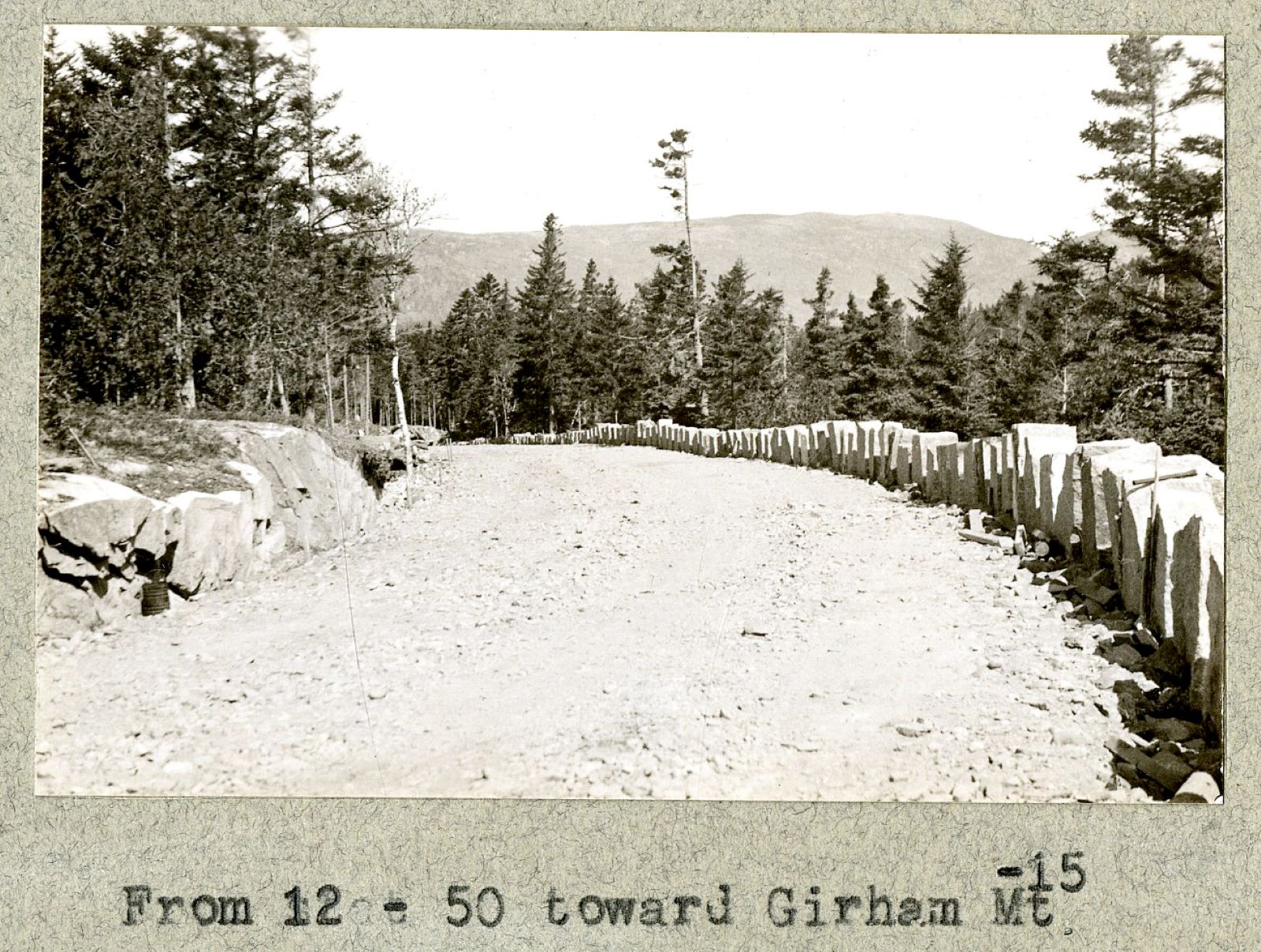
Acadia National Park: Carriage Roads, Cadillac Mountain & 2026 Guide
Discover carriage roads, Cadillac Mountain, and rugged Maine coast. Complete 2026 guide to Acadia National Park — trails, fees, lodging, permits, and what rangers recommend.
Hiking Guide
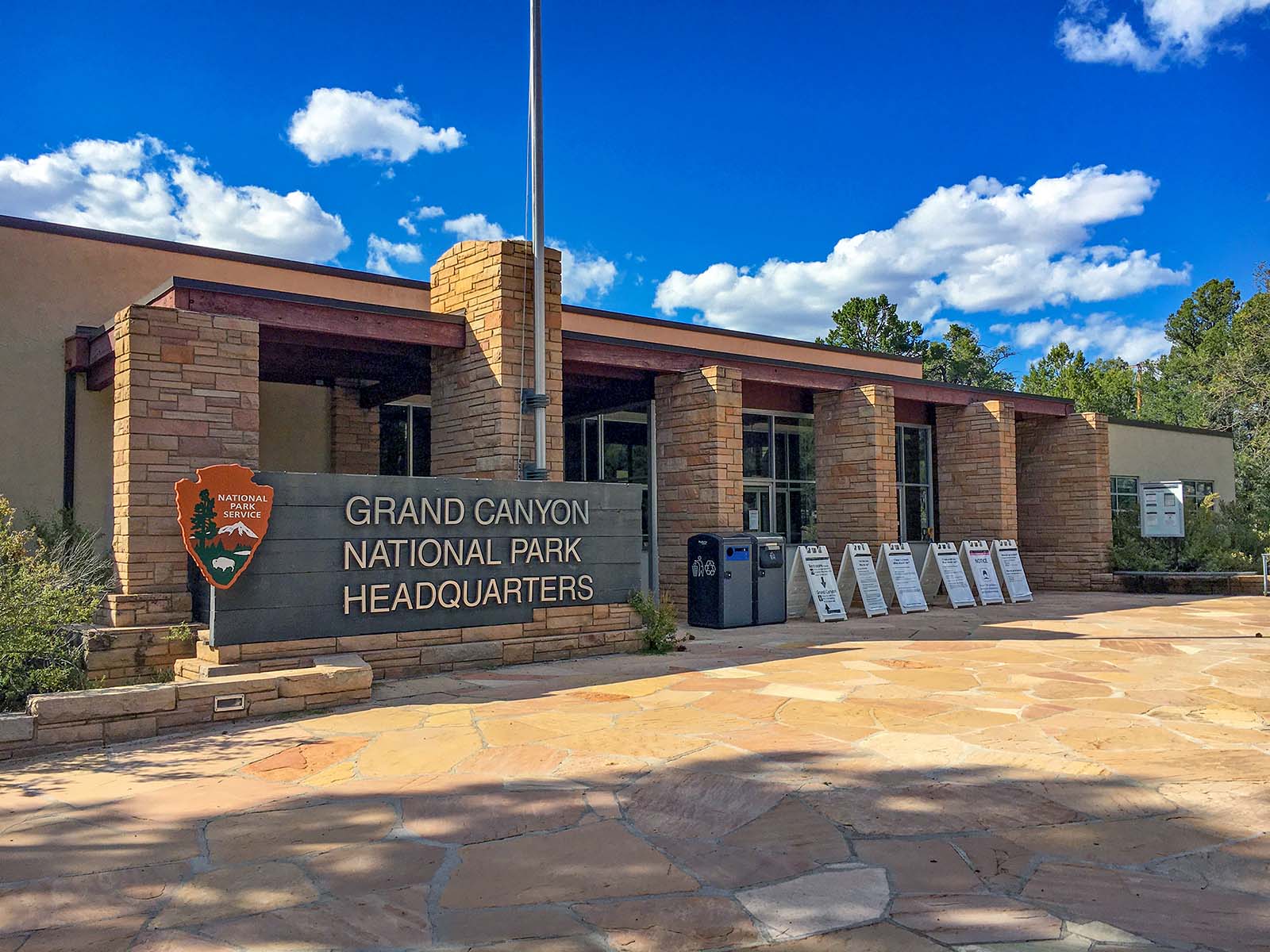
Grand Canyon Hiking Trails: Day Hikes, Water Sources & Rim to Rim
Compare Grand Canyon hiking trails: Bright Angel, South Kaibab, Hermit, Grandview, and rim to rim, with distances, elevation, water stops, and trailhead access for each.
Best Of
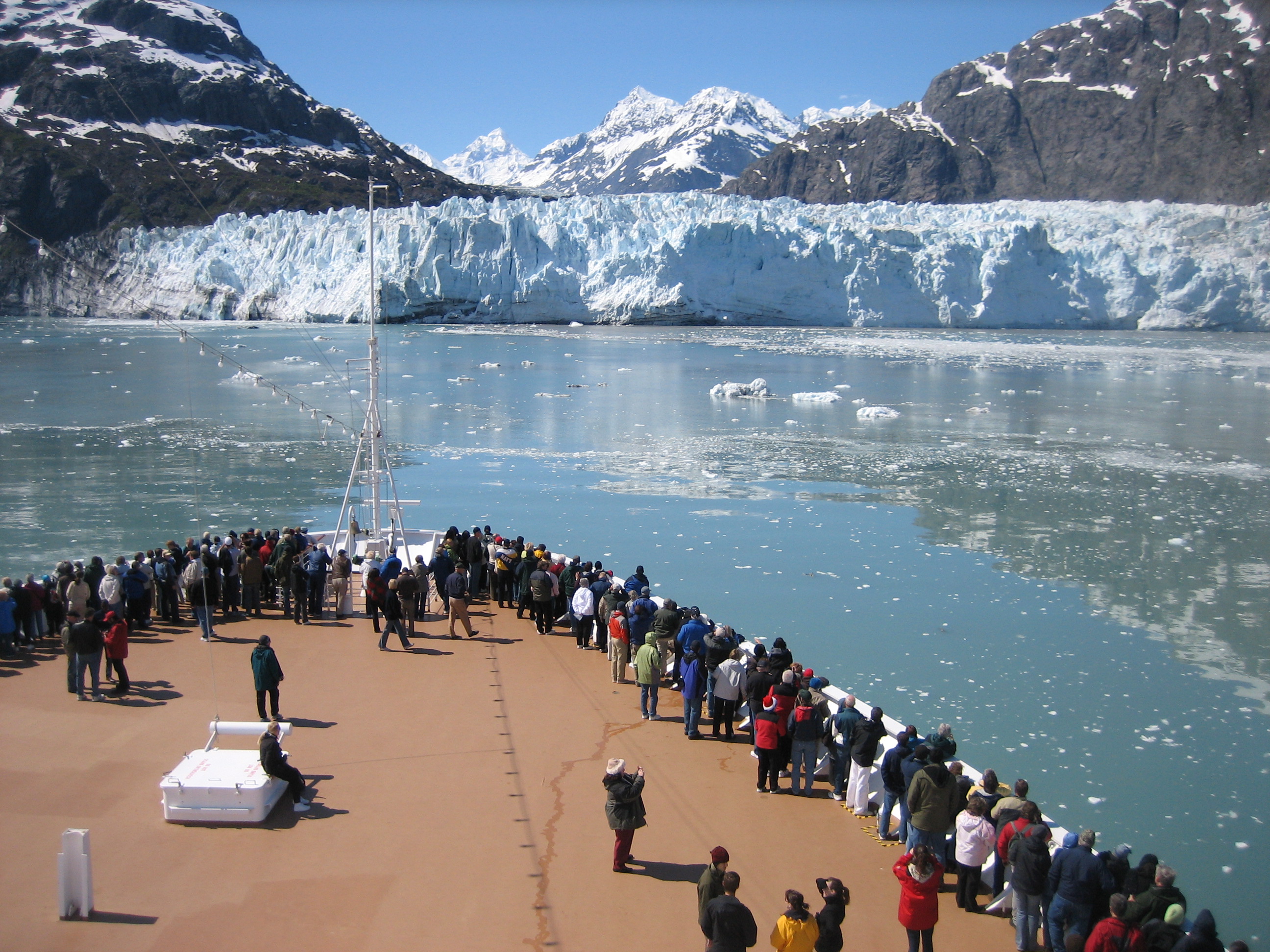
Best of Glacier Bay National Park
The best of Glacier Bay is reached by boat: ranger-led day tours up the bay to the tidewater glaciers. What's worth it, how to book, and when to go (2026).
Campsite Guide
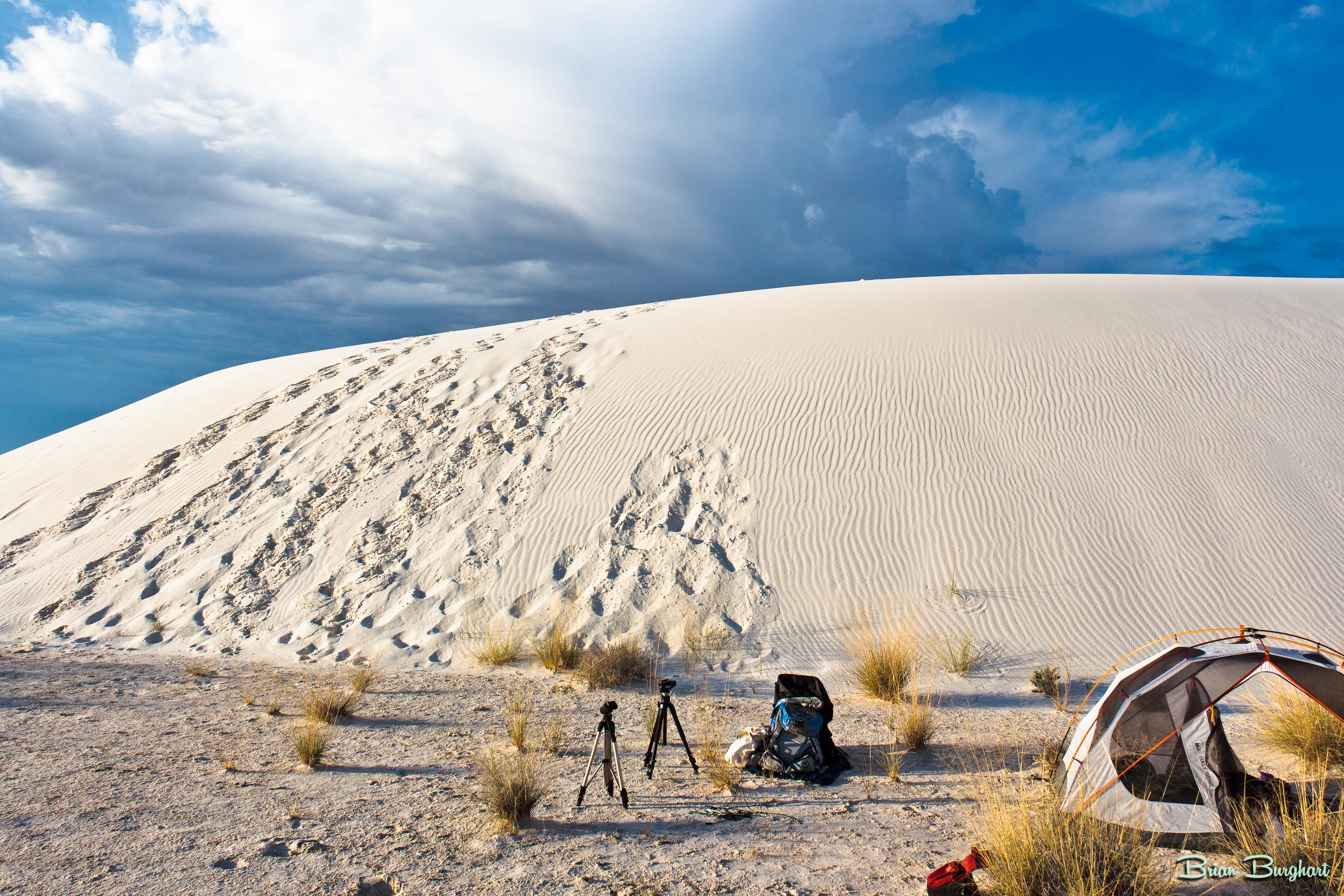
White Sands Backcountry Camping: Closed for 2026 — What to Know
As of 2026, backcountry camping at White Sands National Park is closed for site rehabilitation. What that means, and where to camp nearby instead.
Weather Guide
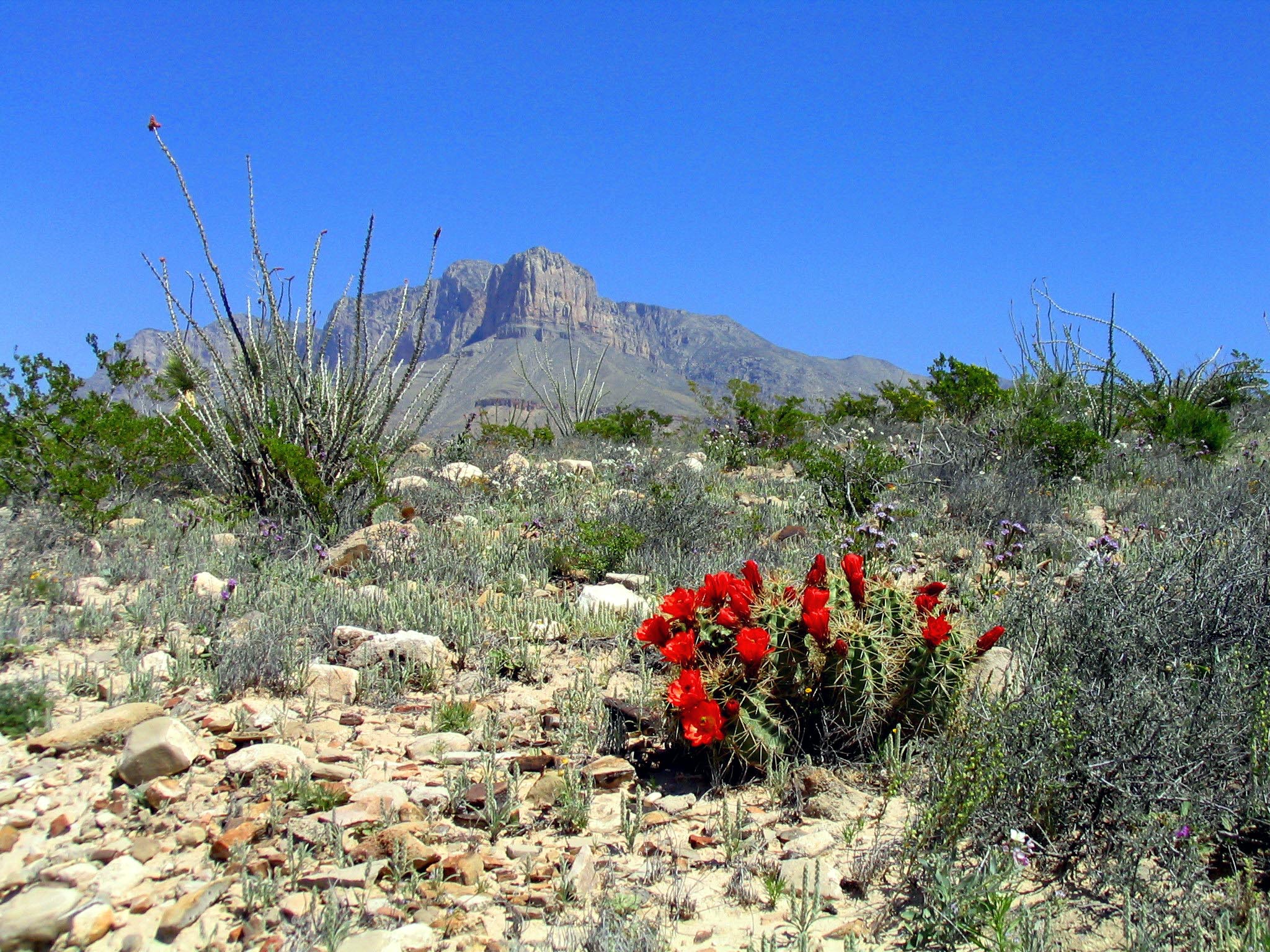
Guadalupe Mountains National Park Weather: Weather
Guadalupe Mountains National Park: weather guide guide updated 2026. Practical visitor information, reservations, and seasonal tips worth bookmarking before
Best Of
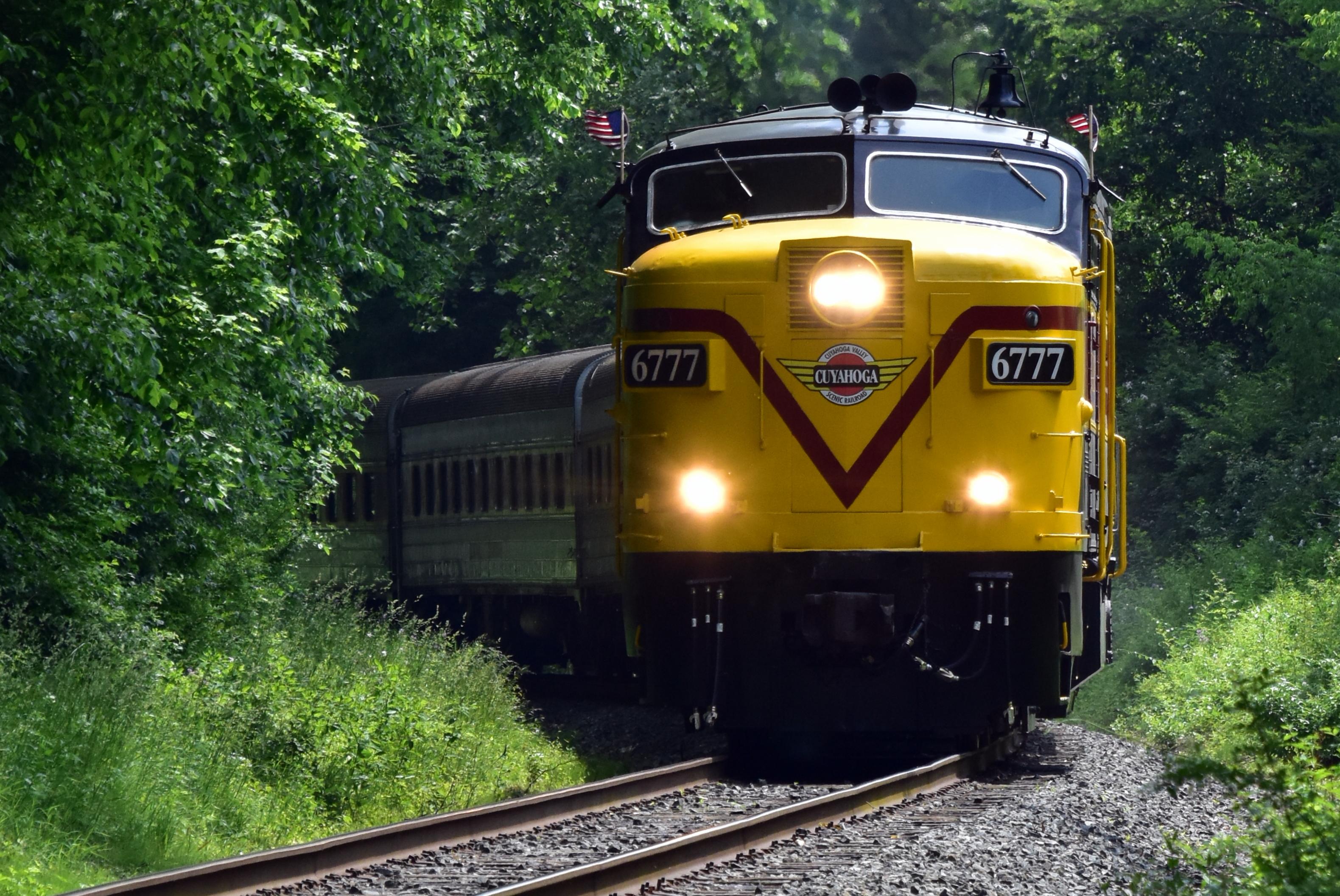
Best of Cuyahoga Valley National Park: Best Things to Do
Seeing a Cleveland Orchestra concert with the woods as your backdrop is a uniquely Cuyahoga Valley experience.
Sign in to join the conversation.
Sources & Attribution
Location data courtesy of the National Park Service (U.S. Department of the Interior). NPS data is public domain. Official NPS page.
Images: NPS; NPS; NPS; NPS; NPS.
Map data © OpenStreetMap contributors.
Park operations alerts: NPS.gov · Weather and weather hazards: National Weather Service · Live conditions.
Information may change. Always verify fees, hours, and conditions directly with the official source before visiting.
Did this guide help? Share it with a friend.