Kenai Fjords National Park has exactly one road, one developed area (Exit Glacier), and zero hotels within its boundaries. If you're coming to see the Harding Icefield and the tidewater glaciers, you will sleep in Seward. That's the simple truth of the matter, and anyone searching for "kenai fjords national park where to stay" needs to understand that upfront. Seward is the only practical base, and it sits six miles from the Exit Glacier entrance. The rest of the park - Aialik Bay, Northwestern Fjord, the outer coast - is accessible only by boat or floatplane, meaning any overnight stay on the water requires a kayak, a charter, or a tour operator. There are no lodges, no inns, no cabins inside the park boundaries. Camping exists, but that's a separate discussion best left to the camping options.
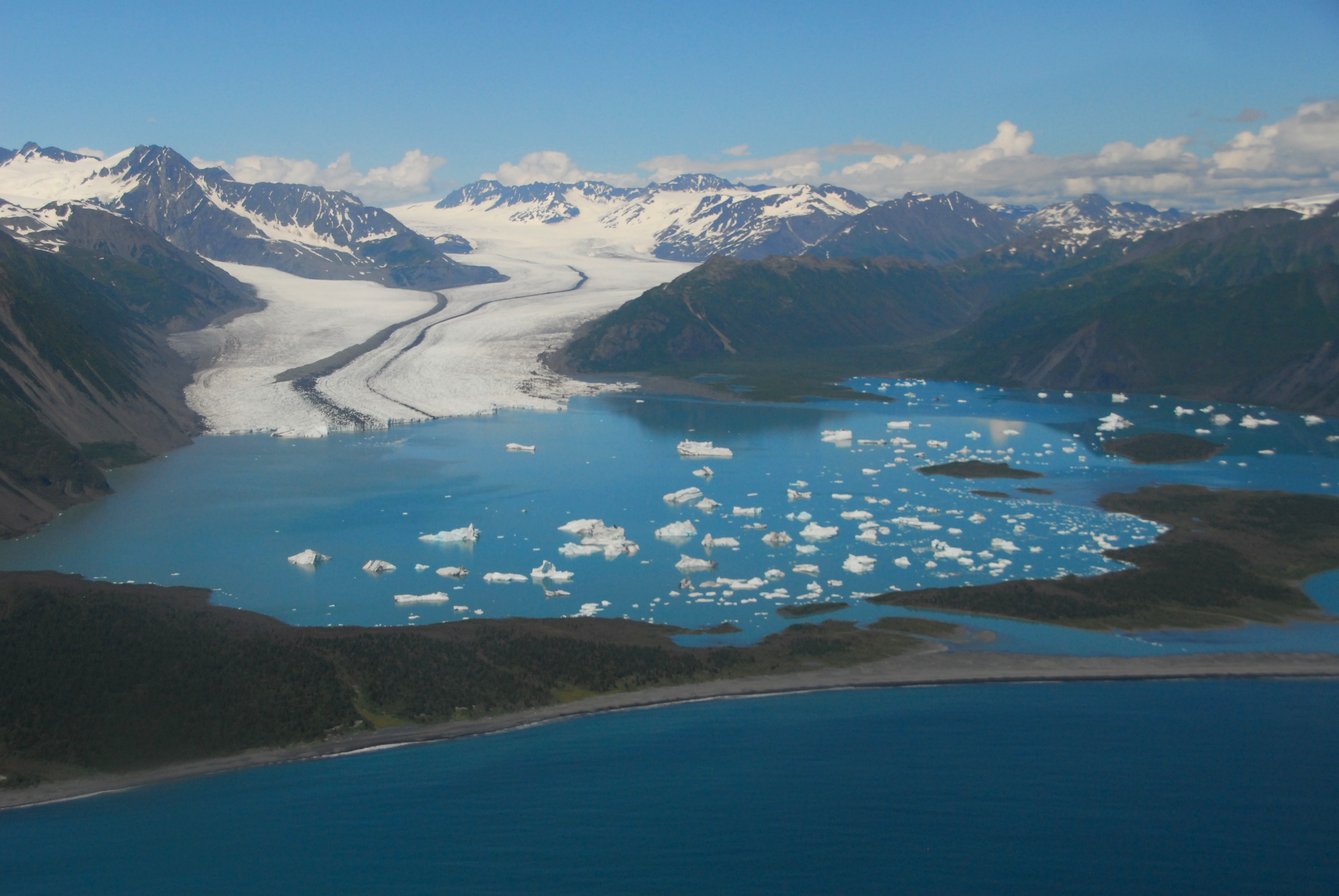
Kenai Fjords National Park Lodging: Where to Stay (2026 Guide)
7 min read
Kenai Fjords National Park has zero hotels inside its boundaries, so Seward is the only practical base. Stay there and take a day cruise to see the fjords.
This article contains affiliate links — we may earn a small commission at no extra cost to you.
The park's relative lack of in-park lodging is both a limitation and a feature. You won't find overpriced "glamping" suites here. You also won't find the convenience of walking from your room to a trailhead. What you get is a genuine gateway town that has grown up alongside the park - Seward is a working fishing port with a long history, not a resort village. The town has a reasonable range of places to stay, from budget motels to comfortable lodges, and the drive from Seward to the Exit Glacier parking lot takes about 15 minutes. Most visitors compensate by staying in Seward and taking a day cruise into the fjords, which is the most efficient way to see the park's coastal areas anyway. For a deeper look at the park itself, see the complete visitor guide.
Inside the Park: Worth It?
The honest answer: there is no inside-park lodging beyond primitive backcountry camping. The only paved road leads to Exit Glacier, and the only buildings there are the nature center, a pavilion, and vault toilets. No lodge, no cabins, no beds. If you want to sleep inside the park, you'll need a tent and a backcountry permit, or you'll need to book a multi-day kayak trip that camps on the beaches of Aialik Bay. That's a different experience entirely - worth it for the right person, but not a typical lodging solution.
What you gain by staying in Seward instead: hot showers, restaurants, fuel, cell service, and a bed. What you sacrifice: about 30 minutes of driving round-trip to Exit Glacier, and the feeling of being completely immersed in the park. Most visitors find Seward an acceptable trade-off. The town sits right on Resurrection Bay, and many hotels have views of the water and the mountains. The harbor is where the tour boats depart, so staying in town puts you steps from the dock - a real advantage if you're heading out on a 7 AM cruise.
Gateway Town Options: Seward
Seward has roughly 30 lodging options, ranging from hostels to upscale boutique inns. The town is compact - you can walk from one end of the main drag to the other in 20 minutes - so property location matters less than you might think. The main distinction is between properties along the waterfront (better views, more expensive, more noise from the harbor) and those on the hillside or a block inland (quieter, cheaper, no water view).
As of 2026, summer rates in Seward have climbed steadily. Expect to pay a premium for June through August, with the last two weeks of July and the first week of August being the peak. May and September offer significant discounts and still have most services open. Winter lodging is much cheaper, but the park's road to Exit Glacier is unplowed and the coastal areas are essentially inaccessible.
#### Budget Options (under $150/night)
- Seward Hostel: The only true hostel in town. Dorm beds run around $45-60 per night. Private rooms exist but sell out months ahead. Shared kitchen, common areas, and a location a short walk from the waterfront. Not for light sleepers - thin walls and early-morning boat traffic are part of the deal.
- Budget motels on the Seward Highway corridor: A handful of older motels along the highway just north of town. Think wood-paneled rooms, retro bathrooms, and rates under $130 in summer. No frills, but clean. The downside: you'll need a car to get anywhere in town. The upside: you can often find same-night availability when the rest of Seward is sold out.
- RV parks with cabins: Several RV parks in Seward offer small "dry cabins" (no plumbing, shared bathhouse) for under $100. Stoney Creek RV Park and the city-owned Waterfront Park both have these. They're basic - bunk beds, a picnic table, four walls - but they're cheap and close to the water.
#### Mid-Range ($150-$300/night)
- Hotel Seward: A historic property built in 1909, right on the waterfront. Rooms are small but characterful. Ask for a room on the bay side - the view of the harbor and mountains makes up for the cramped bathroom. Rates start around $180 in summer. The attached restaurant is reliable for breakfast.
- Harbor 360 Hotel: One of the newer properties in town, located at the Small Boat Harbor. Clean, modern rooms, many with kitchenettes. You can watch fishing boats come and go from the parking lot. Rates hover around $220-$280 for a standard room. The hotel runs a shuttle to the train station, which is handy if you're arriving via the Alaska Railroad.
- B&B options: Seward has a dozen or so bed-and-breakfast houses. "Bear Lake Lodging" and "Seward Windsong Lodge" (the latter is part of the Pursuit collection) sit on the road to Exit Glacier, about 4-5 miles from the park entrance. These are a good compromise between town and park. The Windsong has lodge-style rooms starting around $200 in summer, with a restaurant on site. The trade-off: you're not in walking distance of anything.
#### Premium (over $300/night)
- Seward Resort (formerly the Holiday Inn Express): on the waterfront, recently renovated. Rooms start around $320 in peak summer. The indoor pool and hot tub are a hit after a day on the water. Some rooms have balconies overlooking the bay.
- Kenai Fjords Wilderness Lodge: This is the closest thing to inside-park lodging, but it's not in the park. It's on a private island in Resurrection Bay, accessible only by water taxi from Seward. Rates exceed $500 per night, and that includes meals and water taxi. The lodge is only open June through August. It's expensive, remote, and quiet - if you have the budget, it's a unique experience.
- Luxury vacation rentals: High-end homes and condos on the hillside above Seward rent for $400-$800 a night. Look for properties on Marathon Road or near the Alaska SeaLife Center. Full kitchens, large decks, and views that justify the price. Book these 12-18 months ahead for prime dates.
Booking Strategy
Summer in Seward is tight. The town has limited inventory, and the cruise ships that dock here (smaller vessels, usually under 300 passengers) can fill a hotel overnight. Here's the realistic booking window:
- Luxury and mid-range waterfront properties: Book by January for July and August. Harbor 360 and the Seward Resort often sell out by March.
- Budget motels and hostels: Booking 2-3 months ahead is safe. You can sometimes find last-minute cancellations, but don't count on it.
- Kenai Fjords Wilderness Lodge: 12-18 months out. Seriously.
- Shoulder season (May/September): No problem booking 2-4 weeks ahead. Rates drop 30-50%. Weather is cooler and wetter, but the crowds thin dramatically.
Cancellation policies vary. Most hotels require 48-72 hours notice. The Wilderness Lodge has a stricter 14-day policy. Read the fine print - Seward's tourism season is short and refunds are harder to come by after June.
If you arrive without a reservation in July, your best bet is to call the Seward Chamber of Commerce (907-224-8051) for a list of available rooms, or check the RV park cabins. Do not assume you'll find a room by driving around. Most visitors underestimate the demand here.
Practical Takeaways
- There is no lodging inside Kenai Fjords National Park. Seward is your only realistic option for a bed, hot water, and a restaurant.
- Book by March for July/August stays. The most desirable properties - waterfront, kitchenette, decent reviews - sell out first.
- The road from Seward to Exit Glacier takes 15 minutes. Being in town is not a disadvantage unless you have an early boat tour, in which case staying near the harbor helps.
- If you want to sleep in the park, you need a tent or a kayak. Backcountry permits are free but limited. Multi-day kayak tours typically include camping gear. Check the tours and guided experiences page for operators.
- "Kenai fjords national park reviews" consistently mention that Seward's lodging is functional, not luxurious. Manage expectations accordingly.
- Shoulder season (May and September) is the sweet spot. Lower rates, available rooms, and still enough daylight and wildlife to make the trip worthwhile.
- If you've ever wondered "what is kenai fjords national park known for" - it's the ice and the water, not the accommodations. Plan your lodging around your activities, not the other way around.
The parking situation in Seward is manageable but tight near the Small Boat Harbor during cruise days. Cell service drops out at the Exit Glacier parking lot and remains unreliable on the trails. Bring cash for some of the smaller B&Bs that don't take cards. And pack rain gear - summer temperatures range from the mid-40s to low 70s, and overcast, cool, rainy days are the norm, not the exception.
Kenai Fjords is not a park you visit for the hotel experience. It's a park you visit for the glaciers, the whales, the silence of a kayak in a fjord. The lodging in Seward is a practical base camp, nothing more, nothing less. Plan ahead, know what you're getting, and you'll be fine.
For more information, see our complete National Park Guide.
Related: kenai fjords national park map guide
Related: how to get to kenai fjords national park guide
Recommended Gear
What experienced visitors bring to Kenai Fjords National Park Lodging: Where to Stay (2026 Guide)
Links may earn us a commission at no extra cost to you. We only recommend gear we believe in.
Hiking Essentials
Hydration Pack (3L)
Hands-free water for long trail days
Trekking Poles (Pair)
Save your knees on steep descents
Hiking Boots (Ankle Support)
Sturdy footwear for rocky, uneven trails
Sun & Heat Protection
Wide-Brim Sun Hat
Full coverage UPF 50+ protection at altitude
Insulated Water Bottle (32oz)
Keeps water cold in desert heat all day
Winter Gear
Microspikes / Traction Devices
Essential for icy rim trails in winter months
Packable Down Jacket
Lightweight warmth that stuffs into a pocket
Sources
- Official source: NPS — Kenai Fjords National Park nps.gov/kefj/index.htm
Photo Gallery
More to Explore
Acadia National Park: Carriage Roads, Cadillac Mountain & 2026 Guide
Discover carriage roads, Cadillac Mountain, and rugged Maine coast. Complete 2026 guide to Acadia National Park — trails, fees, lodging, permits, and what rangers recommend.
Grand Canyon Hiking Trails: Day Hikes, Water Sources & Rim to Rim
Compare Grand Canyon hiking trails: Bright Angel, South Kaibab, Hermit, Grandview, and rim to rim, with distances, elevation, water stops, and trailhead access for each.
Best of Glacier Bay National Park
The best of Glacier Bay is reached by boat: ranger-led day tours up the bay to the tidewater glaciers. What's worth it, how to book, and when to go (2026).
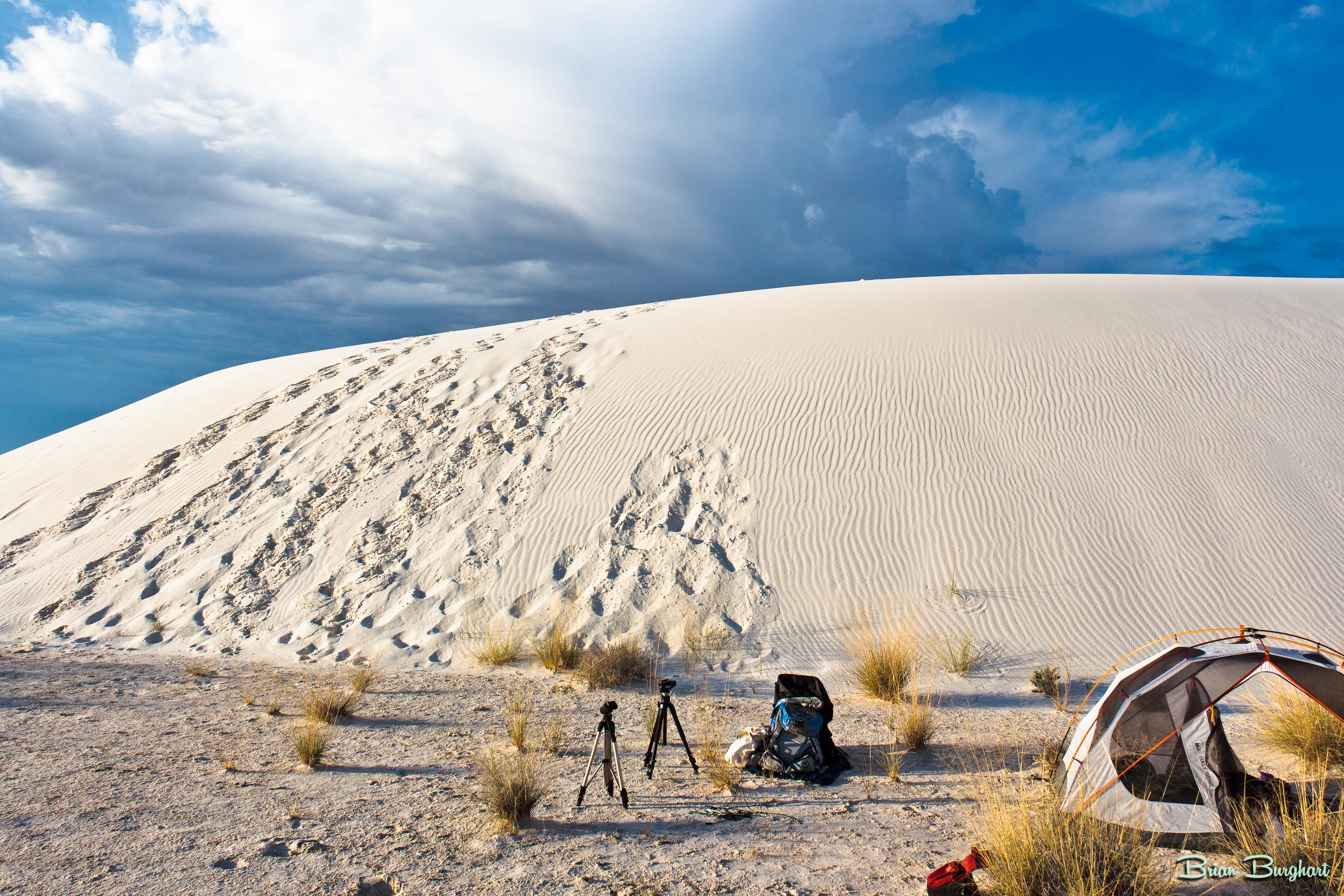
White Sands Backcountry Camping: Closed for 2026 — What to Know
As of 2026, backcountry camping at White Sands National Park is closed for site rehabilitation. What that means, and where to camp nearby instead.
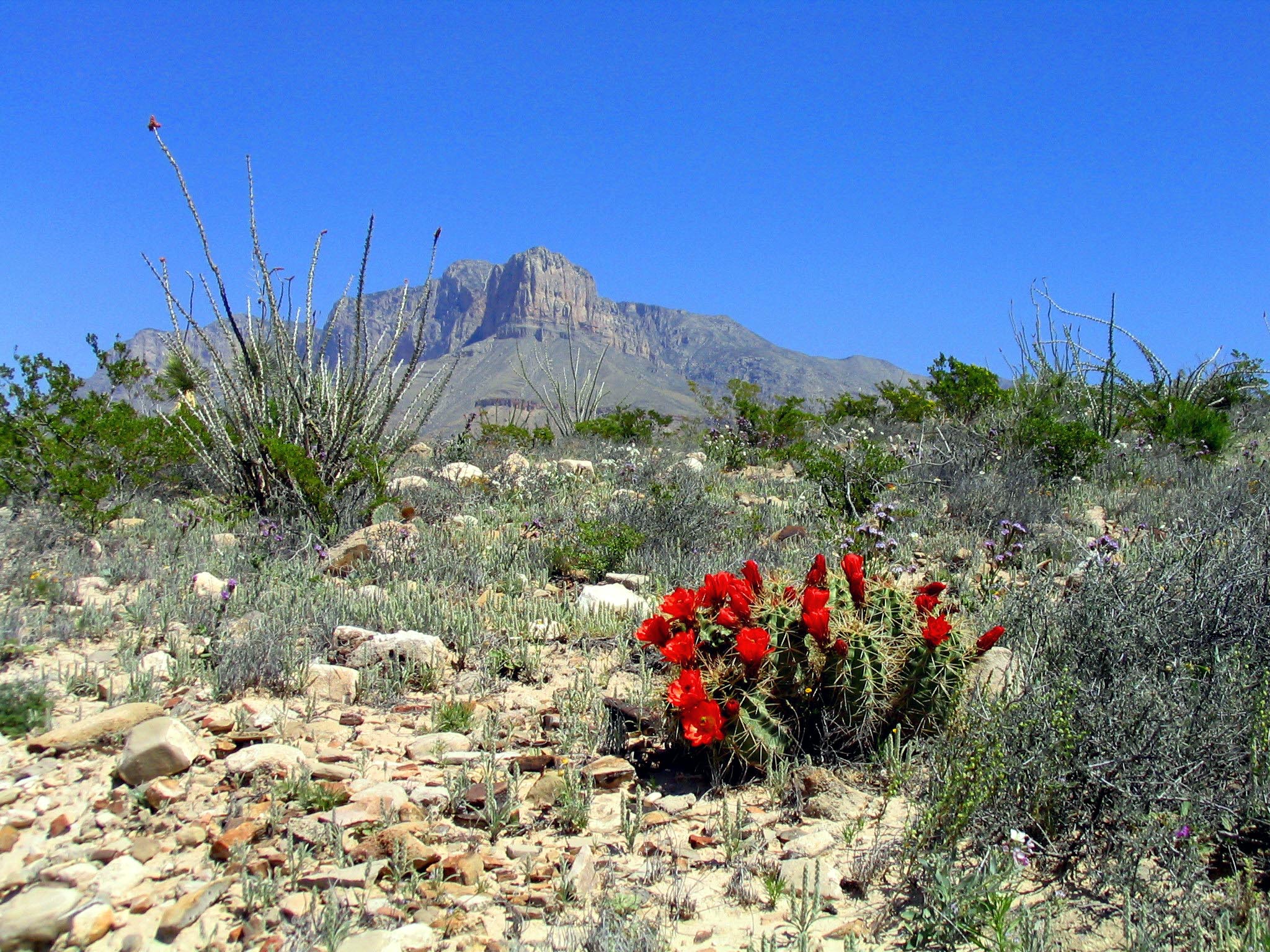
Guadalupe Mountains National Park Weather: Weather
Guadalupe Mountains National Park: weather guide guide updated 2026. Practical visitor information, reservations, and seasonal tips worth bookmarking before
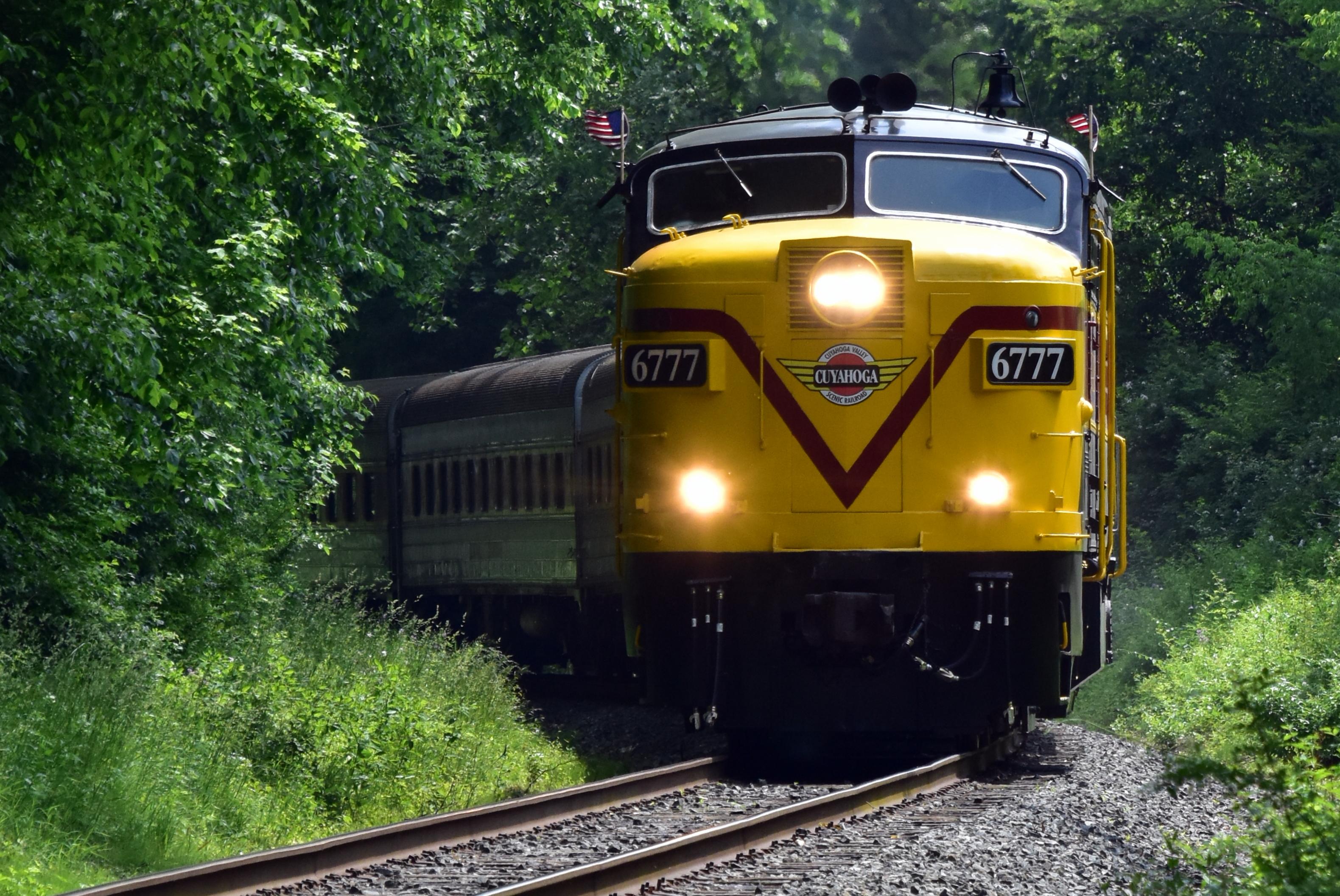
Best of Cuyahoga Valley National Park: Best Things to Do
Seeing a Cleveland Orchestra concert with the woods as your backdrop is a uniquely Cuyahoga Valley experience.
Sign in to join the conversation.
Sources & Attribution
Location data courtesy of the National Park Service (U.S. Department of the Interior). NPS data is public domain. Official NPS page.
Images: NPS; NPS; NPS; NPS; NPS.
Map data © OpenStreetMap contributors.
Park operations alerts: NPS.gov · Weather and weather hazards: National Weather Service · Live conditions.
Information may change. Always verify fees, hours, and conditions directly with the official source before visiting.
Did this guide help? Share it with a friend.