Eight miles north of the Kawuneeche Visitor Center on the park's west side, you'll find the Holzwarth Historic Site - Twin Cabins. Don't expect a museum or reconstructed fort. These log structures preserve the Never Summer Ranch, where the Holzwarth family operated a homestead-turned-trout-fishing lodge from the 1910s through the 1970s. You'll walk through their same doors across creaky wooden floors. The air carries scents of old logs and dry grass, with only wind through pines and the distant Colorado River breaking the silence. This quiet place offers history built on hard work and hospitality, not just scenic views.
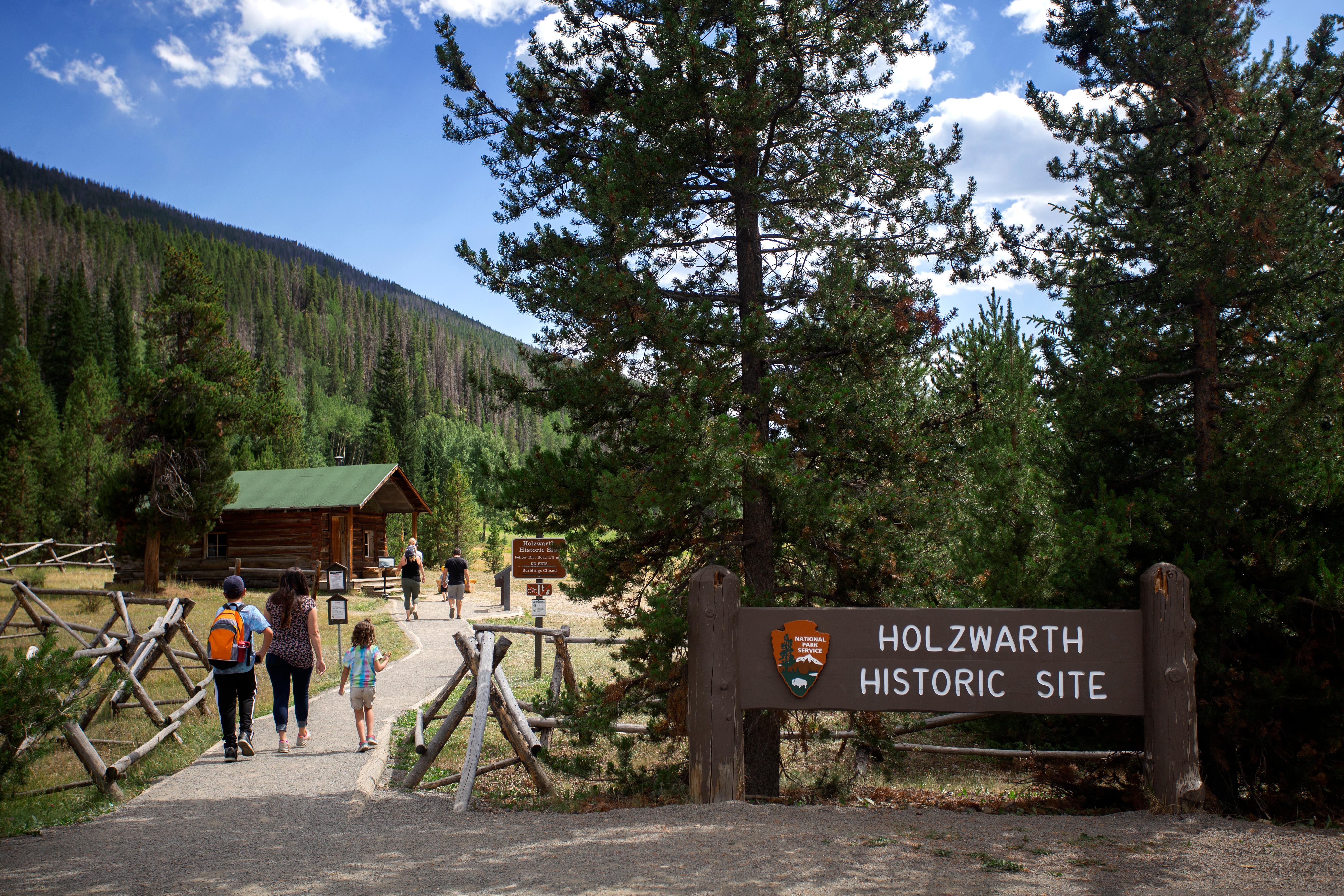
NPS via NPS.gov (Public Domain)
Holzwarth Historic Site - Twin Cabins
9 min read
Places & Points of Interest
Eight miles north of the Kawuneeche Visitor Center on the park's west side, you'll find the Holzwarth Historic Site - Twin Cabins.
Your plans
Quick Information
* Entrance Fee: Access requires a valid Rocky Mountain National Park entrance pass. As of 2026, a 1-day vehicle pass is $35, a 7-day pass is $50, and an annual park pass is $80. The America the Beautiful Annual Pass ($80) covers the entrance fee.
* Hours: The site grounds are typically accessible year-round during daylight hours. The historic cabins themselves are open for interior viewing on a seasonal basis, generally from late May through September. Rangers or volunteers are often on-site during these open hours to answer questions.
* Best Time to Visit: Late June through early September for interior cabin access. July and August offer the most reliable weather and full program schedules, but also the largest crowds. September can be excellent with fewer visitors and changing aspens.
* Location: West side of Rocky Mountain National Park, Colorado. Nearest town is Grand Lake. GPS coordinates: 40.372504, -105.861352.
* Accessibility: The short, flat trail from the parking area to the main cabin cluster is a packed gravel and dirt path that is generally manageable for strollers and wheelchairs with assistance, though it can be soft or muddy after rain. The historic cabin interiors have steps and narrow doorways and are not ADA accessible.
* Cell Service: Spotty to nonexistent. Do not rely on your phone for navigation or communication once you leave the Grand Lake area.
* Restrooms: Vault toilets are available at the parking area. There are no modern restrooms or running water at the historic site itself.
* Parking: A dedicated, unpaved parking lot serves the site. It fills by mid-morning on summer weekends and holidays. If full, do not park along the roadside; rangers will ticket. Your best bet is to arrive before 10 AM or after 2 PM.
Getting There
From the town of Grand Lake, head north on US Highway 34 (which becomes Trail Ridge Road inside the park) for approximately 8 miles. You'll pass the Kawuneeche Visitor Center on your right. Continue north for another 8 miles. The turnoff for the Holzwarth Historic Site - Twin Cabins will be on your left (west) side, clearly signed. The parking lot is a short drive down this access road.
If you're coming from the east side of the park (Estes Park), you have a longer but spectacular drive. You'll take Trail Ridge Road across the Continental Divide - a journey of about 48 miles that takes a minimum of two hours without stops, but you will stop. The road is only open seasonally, typically from late May to mid-October, depending on snow. Check road status before attempting this route. The site is about 5 miles south of the Colorado River Trailhead on the west side.

What to Expect
This isn't a polished attraction but a genuine step back in time. A dozen rustic log structures stand scattered across a meadow along the Colorado River. At 8,900 feet elevation, the thinner air warrants taking it easy when walking from your vehicle. You'll find flat, open grassland terrain flanked by lodgepole pine forests. In summer, the meadow is often dotted with wildflowers like blue lupine and yellow arnica.
The surprise for many first-time visitors is the modesty of the place. This wasn't a wealthy estate; it was a working homestead and a family business. You'll see the original 1917 cabin, built by John Holzwarth Sr., which is little more than a single room. Later buildings, like the main lodge and the guest cabins, show the evolution into a paying guest operation. Rangers or volunteers in period clothing often demonstrate chores or tell stories on summer afternoons. The atmosphere is quiet and reflective. Listen for the sounds that would have filled the air a century ago: the river, the wind, the chatter of ground squirrels, and the occasional croak of a raven.
Top Attractions & Points of Interest
The 1917 Homestead Cabin
This is where it all started. John Holzwarth Sr., a German immigrant and former Denver saloonkeeper, built this one-room cabin as the family's first permanent home. Step inside and you understand the scale of frontier life. It's dark, simple, and functional. Rangers will point out how the cabin was constructed and what daily life entailed for a family with young children in this single space.
The "Trout Lodge" Main Cabin
Built in 1920 to accommodate paying guests, this larger cabin served as the lodge's dining and social hall. This is where the family's transition from subsistence homesteading to a tourism business is most evident. Inside, you'll see the original dining tables, a piano, and period furnishings. It feels ready for guests to return.
The Twin Cabins
These two identical guest cabins, built in the 1920s, give the site its common name. They represent the standard accommodation for visitors who came to fish the Colorado River. Peek inside to see the simple, cozy rooms guests would have stayed in. The design is efficient - built to house anglers comfortably, but without frills.
The Ice House and Root Cellar
Practicality ruled here. The ice house, insulated with sawdust, stored ice cut from the river in winter to preserve food through summer. The root cellar kept vegetables from freezing. These structures are a silent lesson in pre-refrigeration survival at high altitude. They're often overlooked but speak volumes about the work required to live here year-round.
The Colorado River Frontage
A short walk past the cabins leads you to the banks of the headwaters of the Colorado River. This is the same view the Holzwarth family and their guests enjoyed. It's a wide, shallow, and clear stretch here, perfect for wading fly-fishing. Stand here and you can easily imagine the appeal for anglers in the 1920s. Keep an eye out for moose in the willows along the far bank, especially at dawn or dusk.

Activities
Historic Interpretation
This is the core activity. When the cabins are open, take your time. Read the signs, but more importantly, talk to the rangers or volunteers. Ask why they chose this spot, what the winters were like, or how the family managed during the Great Depression. The stories are what animate the logs and nails.
Photography
The site offers classic Rocky Mountain photography with a historical twist. Early morning or late afternoon light casts long shadows across the meadow and warms the log walls. Frame a cabin with the Never Summer Mountains in the background. Focus on details: the iron hinges on a door, a weathered rocking chair on a porch, tools hanging on a wall.
Wildlife Viewing
The meadow and river corridor are active wildlife zones. Elk are common in the cooler hours. Moose frequently browse the willow thickets along the river - view them from a safe distance, always. You'll hear and see Clark's nutcrackers in the pines, and ground squirrels are ubiquitous. This is a prime area for wildlife viewing on the park's west side.
Fishing
The Colorado River along the property is fishable water. A valid Colorado fishing license is required, and all park fishing regulations apply. This is primarily fly-fishing territory for native cutthroat trout. It's more about the historic connection than claiming a trophy - you're casting in the same pools the lodge guests did a hundred years ago.
Seasonal Guide
* Late May - June: The site reopens for the season. Days can be cool and rainy, with snow still possible, especially early in the month. Crowds are lighter. The meadow greens up and wildflowers begin. Mosquitoes can be fierce in June.
* July - August: Peak season. All cabins are open, and interpretive programs run regularly. Weather is most stable, with warm days and cool nights. Afternoon thunderstorms are a daily possibility. Parking is a challenge - arrive early. This is the best time for full access and guided experiences.
* September: A favorite among seasoned visitors. The aspen groves in the Kawuneeche Valley turn gold. Crowds diminish significantly after Labor Day. Weather is crisp and pleasant, though nights dip below freezing. Cabin access may be reduced or end by late September.
* October - May: The site is accessible, but the cabins are closed and locked. The road is plowed to the parking lot unless heavy snow dictates otherwise. This is a time for a quiet walk through snow-dusted meadows, with tracks of elk, moose, and coyote tracing the paths. You'll likely have the place to yourself. Check the best time to visit guide for detailed monthly climate data.

Practical Information
Your park entrance pass is your ticket. No additional fee or reservation is required specifically for the Holzwarth site, though from 2026, Rocky Mountain National Park requires a timed entry permit to enter most areas of the park during peak hours in the summer season. Always check the official park website for the current year's reservation system details.
There are no services - no water, food, or gifts - at the site. The nearest amenities are in Grand Lake, which has restaurants, grocery stores, and gas stations. For lodging and accommodations, you can stay in Grand Lake or explore camping options within the park. The Kawuneeche Visitor Center, 8 miles south, has a bookstore, restrooms, and park information.
Safety & Preparation
* Altitude: At 8,900 feet, altitude sickness is a real concern. Hydrate relentlessly, go slow, and listen to your body. Headache, nausea, and dizziness are warning signs.
* Weather: Mountain weather changes fast. A sunny morning can become a cold, lightning-filled thunderstorm by afternoon. Always have a rain layer and a warm jacket, even in summer.
* Wildlife: This is active moose and elk country. Give all wildlife a wide berth - use the "rule of thumb." Make a thumbs-up, extend your arm, and if you can cover the entire animal with your thumb, you're likely at a safe distance. Never get between a mother and her young.
* Hydration: There is no drinking water. Bring all you will need for your visit. Dehydration accelerates altitude sickness.
* Roads: Trail Ridge Road is a high-alpine drive with steep drop-offs and no guardrails in sections. Drive cautiously, and don't stop except in designated pull-offs.

Insider Tips
- The Morning Advantage: Come before 10 AM. You'll get parking, softer light for photos, and a better chance to have a one-on-one conversation with a ranger before tour groups arrive.
- Combine Your Visit: The site is a perfect stop on the way to or from the Colorado River Trailhead, just 5 miles north. It breaks up a drive or adds a historical layer to a day of hiking trails.
- Ask About the Sheep Wagon: Behind the main lodge is a sheepherder's wagon. Ask a ranger about its story - it involves a later owner and a surprising chapter in the property's history that the standard signs don't cover.
- Check for Special Programs: Beyond daily interpretation, the park sometimes offers evening lantern tours or living history weekends at the site. These are worth planning for and are listed on the park's official calendar.
- Look for the Details: Don't just walk from building to building. Notice the different notching styles on the log corners. See the old gasoline-powered washing machine. Spot the animal tracks in the mud between cabins. The history is in the small things.
- Afternoon Alternative: If the lot is full, don't wait. Drive north to the Colorado River Trailhead, take a short walk, and try the Holzwarth site on your return trip in the late afternoon. The light will be better, and the crowds will have thinned.
- Winter Visit Secret: In winter, the site is a serene, snow-covered landscape. Snowshoes or traction devices for your boots are essential. The silence is profound, and you can often see the entire history of the day's animal visitors written in the snow around the cabins.
Links may earn us a commission at no extra cost to you. We only recommend gear we believe in.
For more information, see our complete Holzwarth Historic Site - Twin Cabins: holzwarth historic site - twin cabins Guide.
Sources
- Official source: NPS — Rocky Mountain National Park nps.gov/romo/index.htm
Photo Gallery
More to Explore
Park Guide
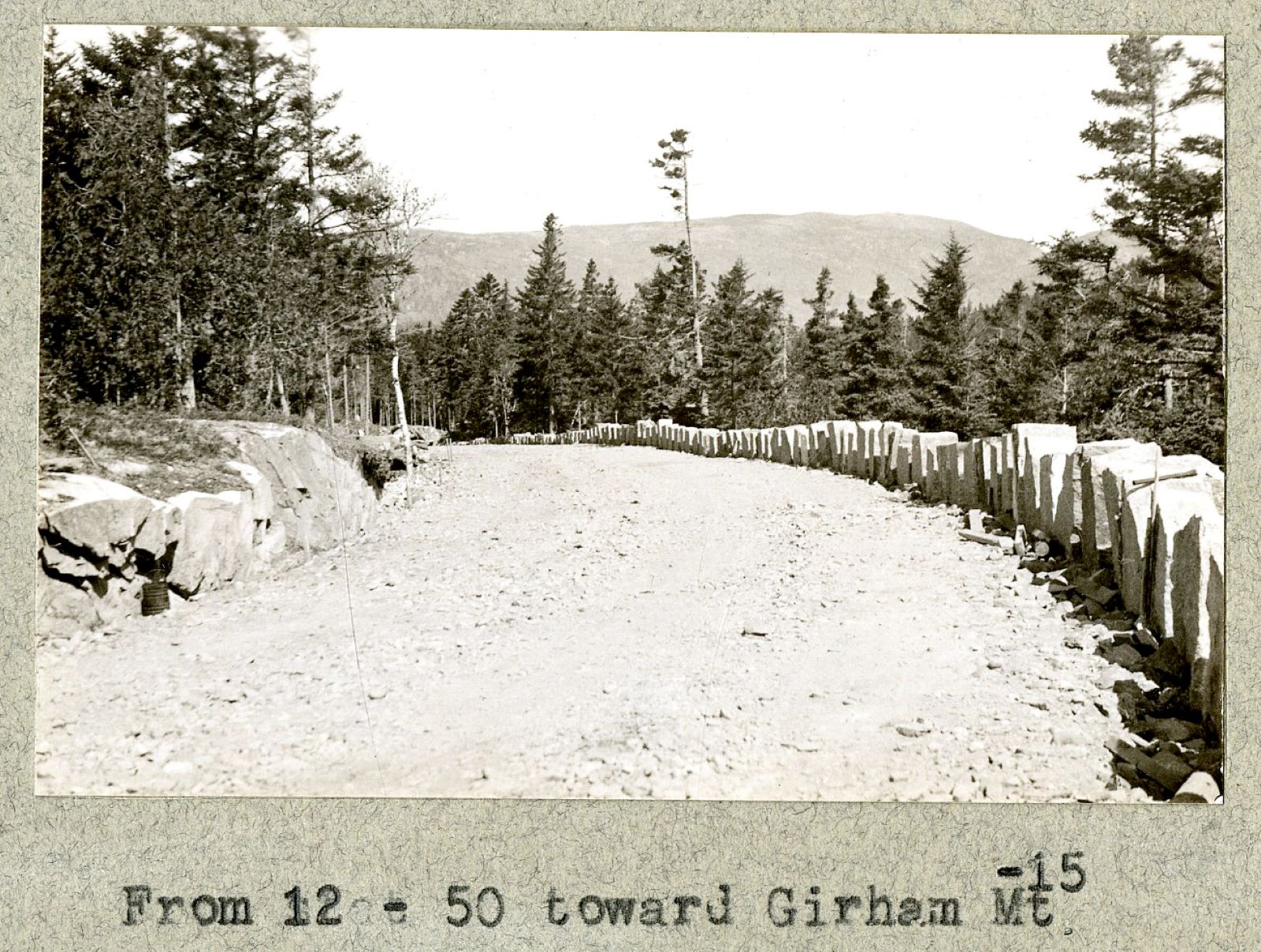
Acadia National Park: Carriage Roads, Cadillac Mountain & 2026 Guide
Discover carriage roads, Cadillac Mountain, and rugged Maine coast. Complete 2026 guide to Acadia National Park — trails, fees, lodging, permits, and what rangers recommend.
Hiking Guide
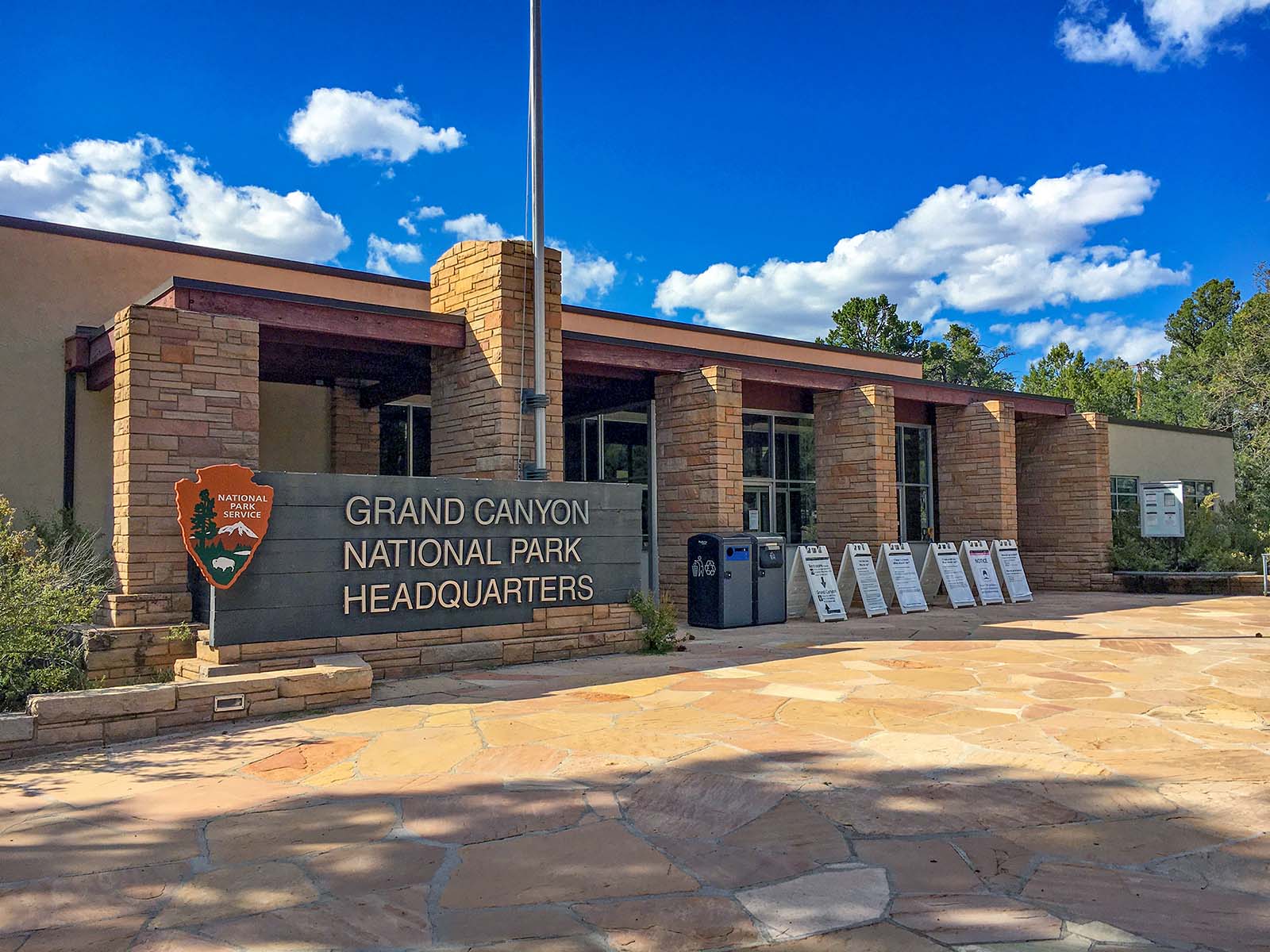
Grand Canyon Hiking Trails: Day Hikes, Water Sources & Rim to Rim
Compare Grand Canyon hiking trails: Bright Angel, South Kaibab, Hermit, Grandview, and rim to rim, with distances, elevation, water stops, and trailhead access for each.
Best Of
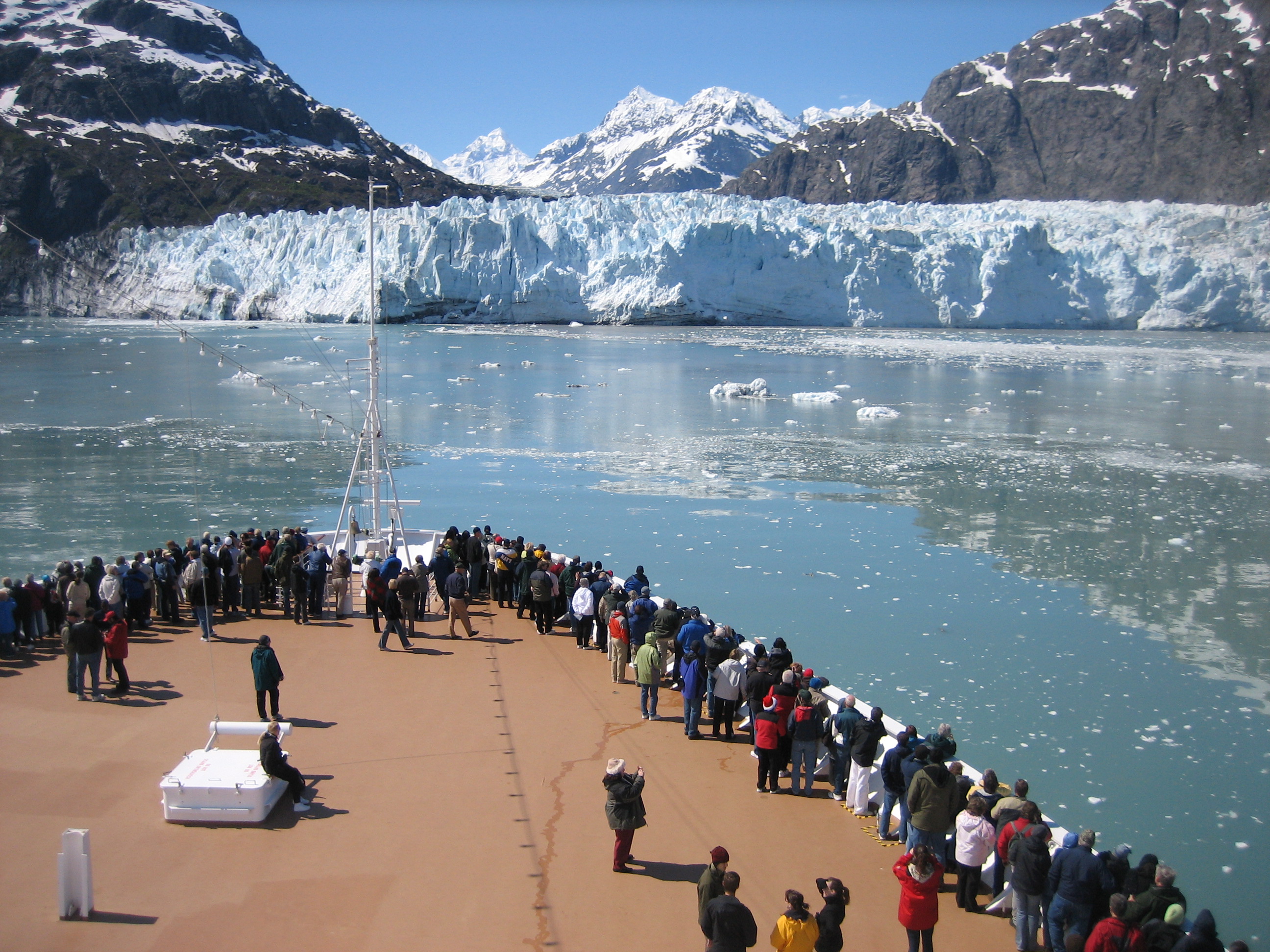
Best of Glacier Bay National Park
The best of Glacier Bay is reached by boat: ranger-led day tours up the bay to the tidewater glaciers. What's worth it, how to book, and when to go (2026).
Campsite Guide
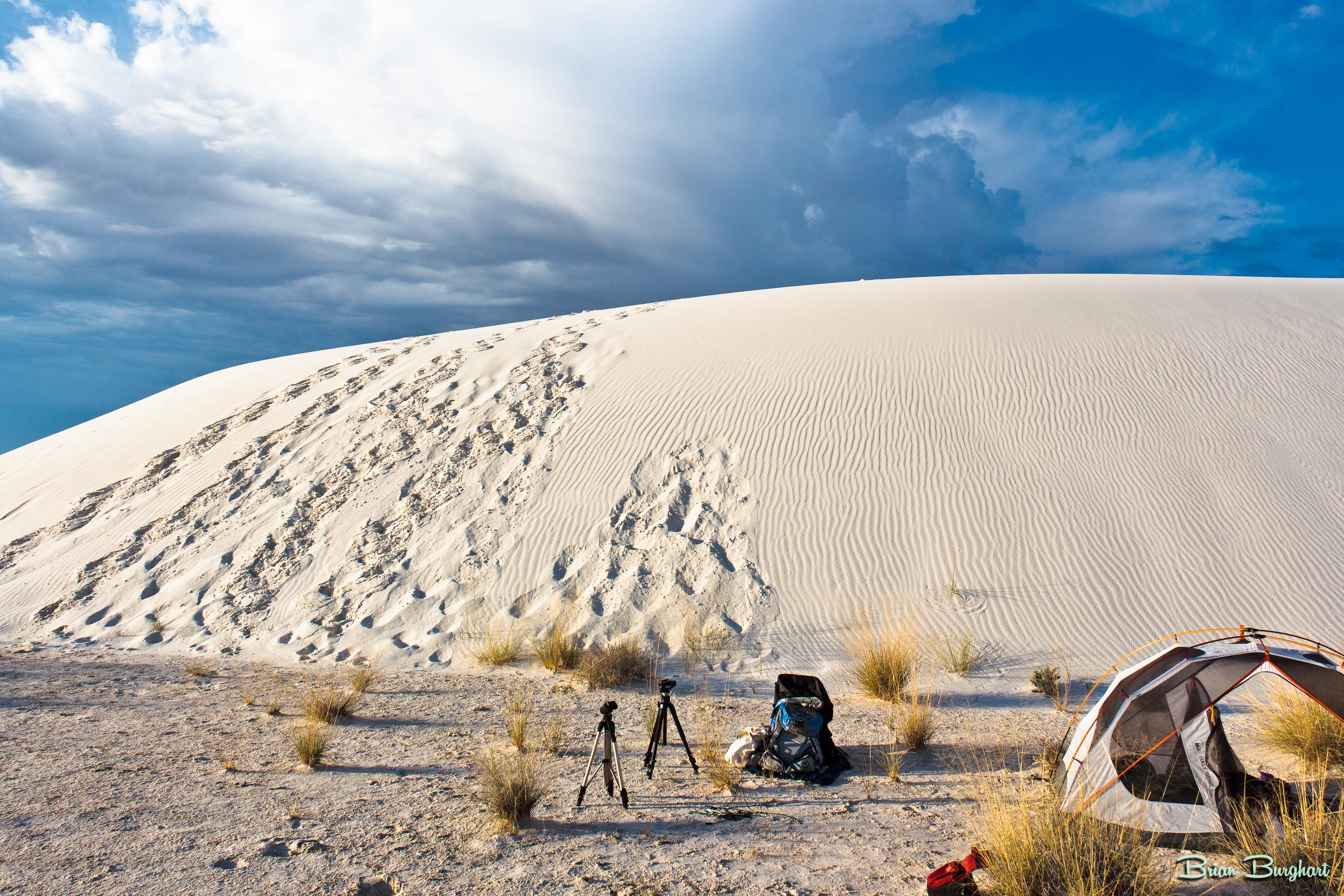
White Sands Backcountry Camping: Closed for 2026 — What to Know
As of 2026, backcountry camping at White Sands National Park is closed for site rehabilitation. What that means, and where to camp nearby instead.
Weather Guide
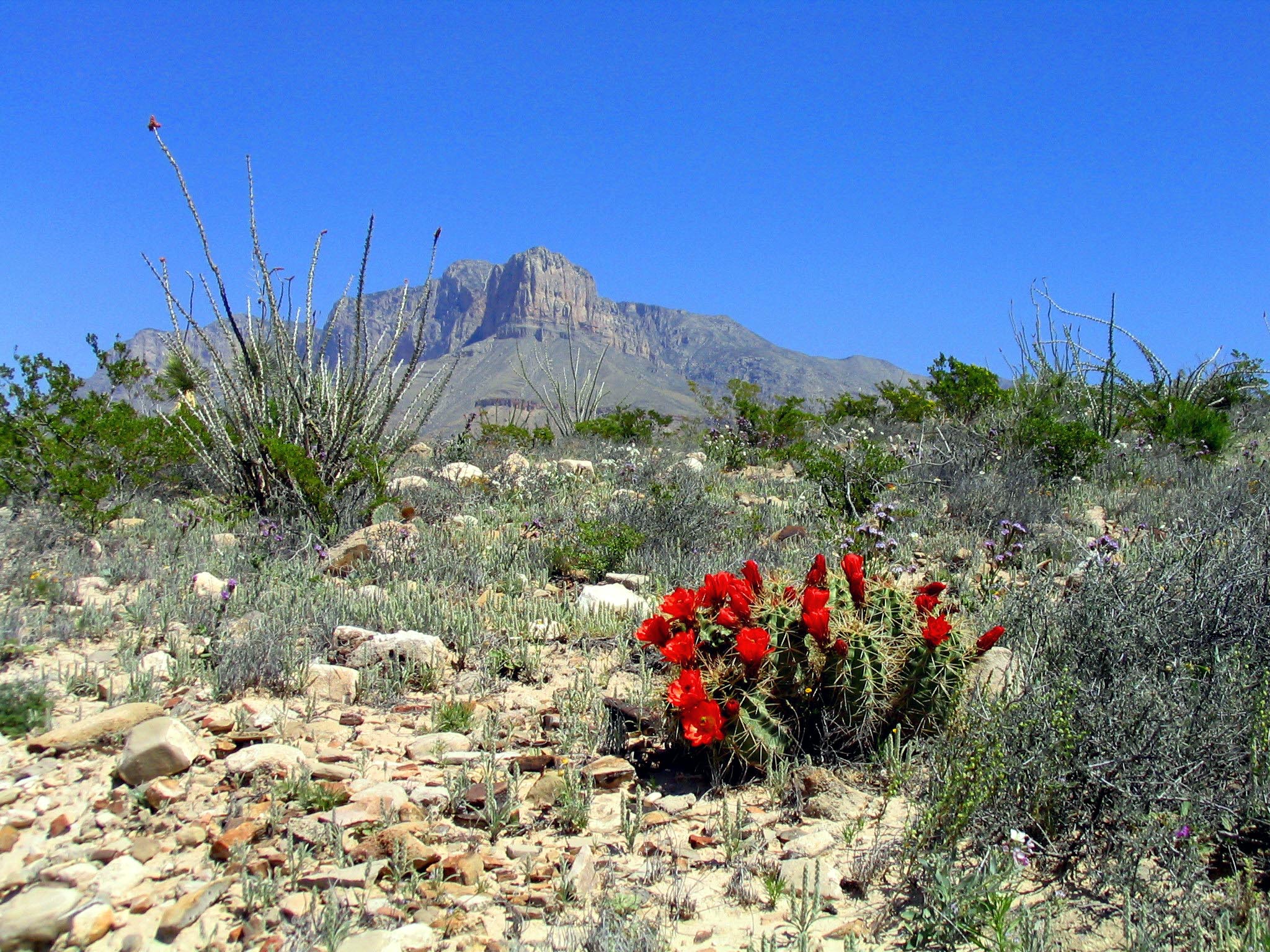
Guadalupe Mountains National Park Weather: Weather
Guadalupe Mountains National Park: weather guide guide updated 2026. Practical visitor information, reservations, and seasonal tips worth bookmarking before
Best Of
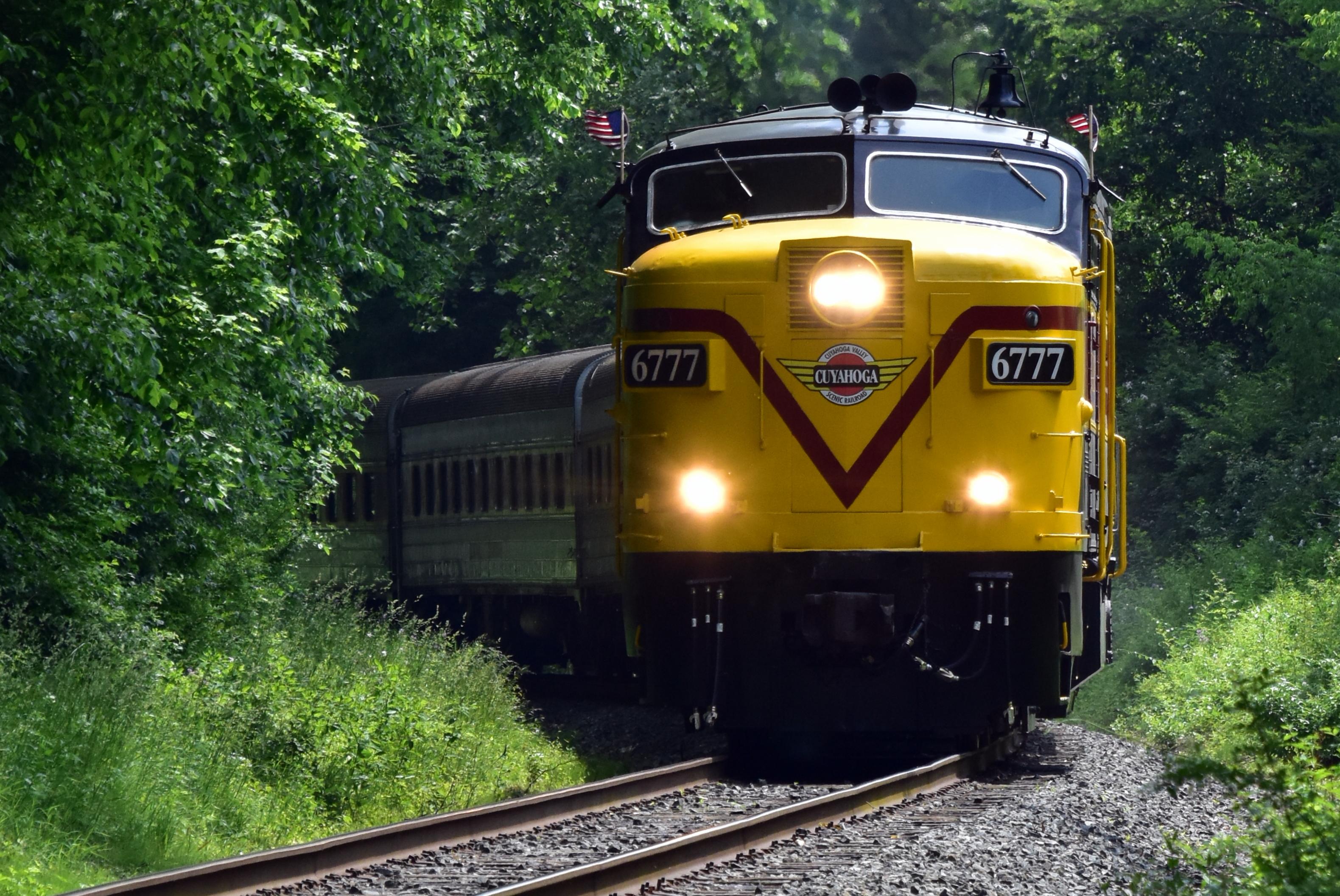
Best of Cuyahoga Valley National Park: Best Things to Do
Seeing a Cleveland Orchestra concert with the woods as your backdrop is a uniquely Cuyahoga Valley experience.
Sign in to join the conversation.
Sources & Attribution
Location data courtesy of the National Park Service (U.S. Department of the Interior). NPS data is public domain.
Images: NPS; NPS; NPS; NPS; NPS.
Map data © OpenStreetMap contributors.
Park operations alerts: NPS.gov · Weather and weather hazards: National Weather Service · Live conditions.
Information may change. Always verify fees, hours, and conditions directly with the official source before visiting.
Did this guide help? Share it with a friend.