As of 2026, backcountry camping at White Sands National Park is closed while the park rehabilitates its camping sites. There is no established reopening date at this time. That's the first thing you need to know, because most of the outdated advice floating around online still describes the old system of ten first-come, first-served tent sites along a six-mile loop trail.
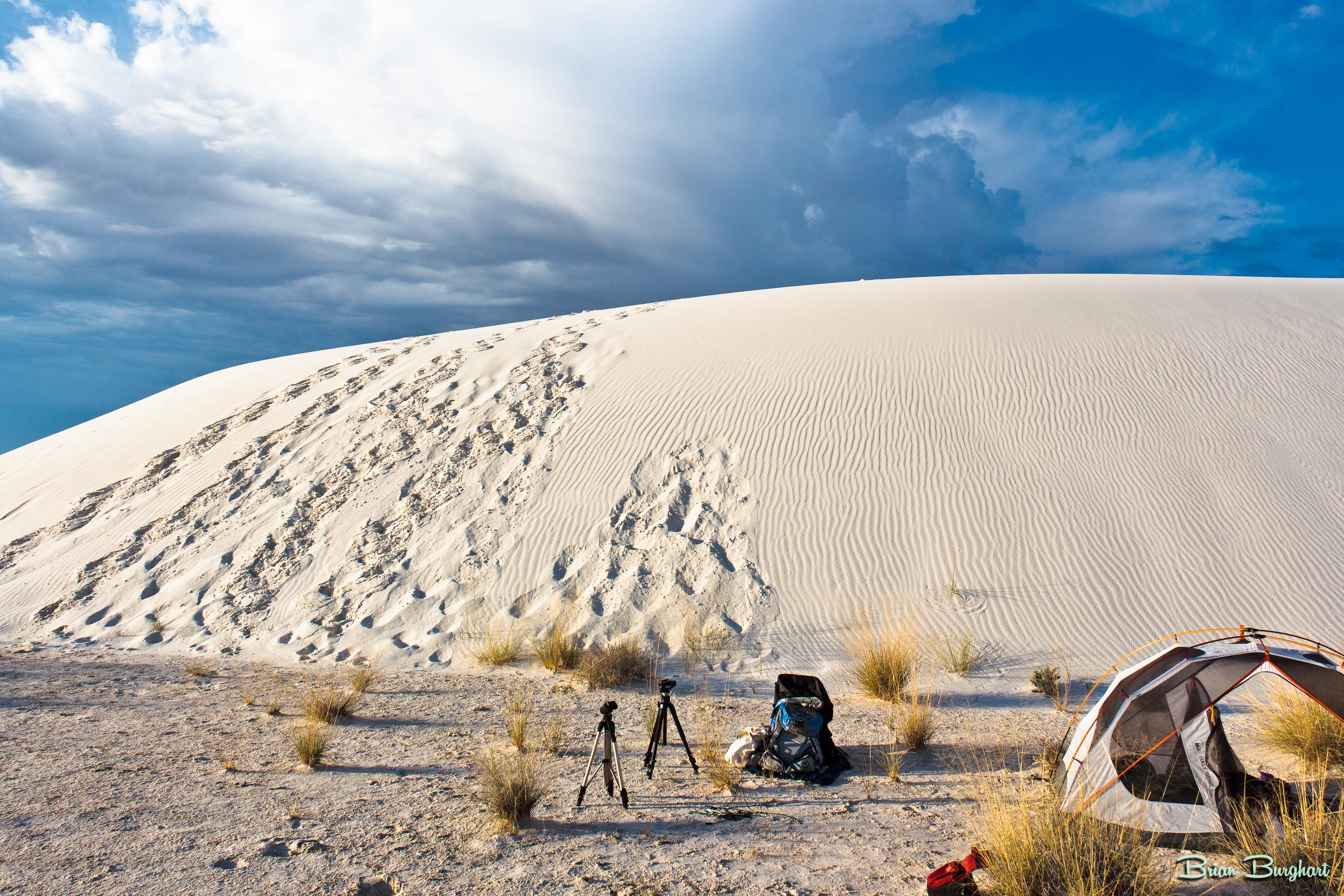
NPS via NPS.gov (Public Domain)
White Sands Backcountry Camping: Closed for 2026 — What to Know
13 min read
Campsite Guide
As of 2026, backcountry camping at White Sands National Park is closed for site rehabilitation. What that means, and where to camp nearby instead.
Your plans
You may also want complete visitor guide or White Sands National Park Weather: Weather (2026 Guide).
Here's what that closure means, what the experience was like when it was operating, and how to plan around the current situation.
The Current Situation: Closed for Rehabilitation
The park service announced the closure as part of an ongoing rehabilitation effort. The backcountry camping sites themselves aren't being expanded - the work is about restoring the areas that sustained damage from years of use. The gypsum sand that makes White Sands famous is fragile, and campsites in dune environments take a beating.
Rangers at the visitor center will tell you the same thing: don't plan a trip around backcountry camping right now. The closure is indefinite, and nobody at the park is willing to guess at a reopening date.
What you can still do is day-hike the Backcountry Camping Loop Trail. The trail itself remains open - it's the camping that's off-limits. The overnight permit system, the backcountry registration process, all of it is paused until the rehabilitation work wraps up.
What About the Rest of the Park?
The park itself remains open, with one significant caveat. A safety corridor is in effect along Dunes Drive between mile marker 3 and 5.5. You can drive through that stretch, but you cannot stop or exit your vehicle. That means the Interdune Boardwalk, which sits inside that corridor, is closed. Check at the visitor center for alternative options during your visit.
There's also the missile range consideration. White Sands sits inside a military testing range, and from time to time, testing requires closing the park or Highway 70 entirely. Check the park's website or call ahead before making the drive.
What Backcountry Camping Used to Involve
The old system was straightforward but required real preparation. Ten tent-only sites, each with a designated camping area, spread along the Backcountry Camping Loop Trail. The trailhead sits about six miles north on Dunes Drive from the visitor center.
Fees were reasonable: $3.00 per adult (16 and older) and $1.50 per child (15 and younger), paid in addition to the monument entrance fee. No reservations - everything was first-come, first-served. You registered at the visitor center, got your permit, and headed out.
The sites were primitive. No water, no toilets, no fire rings. Pack everything in, pack everything out. The park service emphasized Leave No Trace principles because the gypsum dune environment recovers slowly from disturbance.
What Most Visitors Underestimated
The distance. The Backcountry Camping Loop Trail is roughly six miles depending on your route, and it's not flat. You're hiking through dune fields, which means constant up-and-down over soft sand. Anyone who has done this trail in August understands why the park service told people to carry a gallon of water per person per day.
The elevation gain is worth it, but it's also relentless. You'll think you've crested the highest dune, and then you'll see another one. The trail narrows here and there as it threads between dune crests, and route-finding becomes genuinely challenging in places. The park provided GPS coordinates for each site, and they recommended downloading them before you left cell range.
Cell service drops out at various points along Dunes Drive and the trail. Don't rely on your phone for navigation.

How the Experience Worked
You'd start at the visitor center, which is the only place to get a permit. The parking situation here is manageable for cars, but tight for RVs and trailers. There's limited space in the lot directly in front of the visitor center, and RVs are asked not to park in the lot behind the building. There is no parking for tractor trailers at all.
From the visitor center, you'd drive six miles north on Dunes Drive to the trailhead. Late afternoon is when most people started, because the best part of backcountry camping at White Sands was the evening and early morning. The day crowds thin out, the light turns warm and long, and the dunes go quiet.
Sunset at the campsites meant watching the gypsum sand shift from white to gold to pink. The quiet was the thing people remembered. No generators, no neighboring campers' conversations, no highway noise. Just wind moving sand and the occasional bird.
Early morning was the other payoff. The sand would be cool, sometimes cold, and the light would come in low across the dunes. Footprints from the previous evening's wanderings would be gone, erased by wind overnight.
The Challenges Nobody Mentions
The wind. White Sands gets serious wind, especially in spring. Sand moves constantly, and it gets into everything - your tent, your food, your eyes, your gear. Experienced visitors brought tents designed for sandy conditions, with bathtub floors and good ventilation, and they still found sand in their sleeping bags.
Night temperatures dropped more than people expected. The gypsum sand doesn't hold heat the way soil does. A warm March afternoon could turn into a freezing night, and the park service warned people to check the forecast before heading out.
There were no fires allowed. No camp stoves in some conditions, depending on wind and fire danger. Cold meals were the norm for many campers.
Planning Around the Closure
If you were set on white sands backcountry camping specifically, you're going to need a backup plan for 2026. The good news is that the broader park remains accessible, and the day-use experience covers a lot of the same ground.
The Dunes Drive scenic route gives you access to the major dune fields. The parking situation here is manageable for cars, but tight for RVs and trailers. There's limited space in the lot directly in front of the visitor center, and RVs are asked not to park in the lot behind the building. There is no parking for tractor trailers at all.
From the visitor center, you'd drive six miles north on Dunes Drive to the trailhead. Late afternoon is when most people started, because the best part of backcountry camping at White Sands was the evening and early morning. The day crowds thin out, the light turns warm and long, and the dunes go quiet.
Sunset at the campsites meant watching the gypsum sand shift from white to gold to pink. The quiet was the thing people remembered. No generators, no neighboring campers' conversations, no highway noise. Just wind moving sand and the occasional bird.
Early morning was the other payoff. The sand would be cool, sometimes cold, and the light would come in low across the dunes. Footprints from the previous evening's wanderings would be gone, erased by wind overnight.
The Challenges Nobody Mentions
The wind. White Sands gets serious wind, especially in spring. Sand moves constantly, and it gets into everything - your tent, your food, your eyes, your gear. Experienced visitors brought tents designed for sandy conditions, with bathtub floors and good ventilation, and they still found sand in their sleeping bags.
Night temperatures dropped more than people expected. The gypsum sand doesn't hold heat the way soil does. A warm March afternoon could turn into a freezing night, and the park service warned people to check the forecast before heading out.
There were no fires allowed. No camp stoves in some conditions, depending on wind and fire danger. Cold meals were the norm for many campers.

Planning Around the Closure
If you were set on white sands backcountry camping specifically, you're going to need a backup plan for 2026. The good news is that the broader park remains accessible, and the day-use experience covers a lot of the same ground.
The Dunes Drive scenic route gives you access to the major dune fields. The parking situation here is manageable for cars, but tight for RVs and trailers. There's limited space in the lot directly in front of the visitor center, and RVs are asked not to park in the lot behind the building. There is no parking for tractor trailers at all.
From the visitor center, you'd drive six miles north on Dunes Drive to the trailhead. Late afternoon is when most people started, because the best part of backcountry camping at White Sands was the evening and early morning. The day crowds thin out, the light turns warm and long, and the dunes go quiet.
Sunset at the campsites meant watching the gypsum sand shift from white to gold to pink. The quiet was the thing people remembered. No generators, no neighboring campers' conversations, no highway noise. Just wind moving sand and the occasional bird.
Early morning was the other payoff. The sand would be cool, sometimes cold, and the light would come in low across the dunes. Footprints from the previous evening's wanderings would be gone, erased by wind overnight.
The Challenges Nobody Mentions
The wind. White Sands gets serious wind, especially in spring. Sand moves constantly, and it gets into everything - your tent, your food, your eyes, your gear. Experienced visitors brought tents designed for sandy conditions, with bathtub floors and good ventilation, and they still found sand in their sleeping bags.
Night temperatures dropped more than people expected. The gypsum sand doesn't hold heat the way soil does. A warm March afternoon could turn into a freezing night, and the park service warned people to check the forecast before heading out.
There were no fires allowed. No camp stoves in some conditions, depending on wind and fire danger. Cold meals were the norm for many campers.
Planning Around the Closure
If you were set on white sands backcountry camping specifically, you're going to need a backup plan for 2026. The good news is that the broader park remains accessible, and the day-use experience covers a lot of the same ground.
The Dunes Drive scenic route gives you access to the major dune fields. The parking situation here is manageable for cars, but tight for RVs and trailers. There's limited space in the lot directly in front of the visitor center, and RVs are asked not to park in the lot behind the building. There is no parking for tractor trailers at all.
From the visitor center, you'd drive six miles north on Dunes Drive to the trailhead. Late afternoon is when most people started, because the best part of backcountry camping at White Sands was the evening and early morning. The day crowds thin out, the light turns warm and long, and the dunes go quiet.
Sunset at the campsites meant watching the gypsum sand shift from white to gold to pink. The quiet was the thing people remembered. No generators, no neighboring campers' conversations, no highway noise. Just wind moving sand and the occasional bird.
Early morning was the other payoff. The sand would be cool, sometimes cold, and the light would come in low across the dunes. Footprints from the previous evening's wanderings would be gone, erased by wind overnight.
The Challenges Nobody Mentions
The wind. White Sands gets serious wind, especially in spring. Sand moves constantly, and it gets into everything - your tent, your food, your eyes, your gear. Experienced visitors brought tents designed for sandy conditions, with bathtub floors and good ventilation, and they still found sand in their sleeping bags.
Night temperatures dropped more than people expected. The gypsum sand doesn't hold heat the way soil does. A warm March afternoon could turn into a freezing night, and the park service warned people to check the forecast before heading out.
There were no fires allowed. No camp stoves in some conditions, depending on wind and fire danger. Cold meals were the norm for many campers.

Planning Around the Closure
If you were set on white sands backcountry camping specifically, you're going to need a backup plan for 2026. The good news is that the broader park remains accessible, and the day-use experience covers a lot of the same ground.
The Dunes Drive scenic route gives you access to the major dune fields. The parking situation here is manageable for cars, but tight for RVs and trailers. There's limited space in the lot directly in front of the visitor center, and RVs are asked not to park in the lot behind the building. There is no parking for tractor trailers at all.
From the visitor center, you'd drive six miles north on Dunes Drive to the trailhead. Late afternoon is when most people started, because the best part of backcountry camping at White Sands was the evening and early morning. The day crowds thin out, the light turns warm and long, and the dunes go quiet.
Sunset at the campsites meant watching the gypsum sand shift from white to gold to pink. The quiet was the thing people remembered. No generators, no neighboring campers' conversations, no highway noise. Just wind moving sand and the occasional bird.
Early morning was the other payoff. The sand would be cool, sometimes cold, and the light would come in low across the dunes. Footprints from the previous evening's wanderings would be gone, erased by wind overnight.
The Challenges Nobody Mentions
The wind. White Sands gets serious wind, especially in spring. Sand moves constantly, and it gets into everything - your tent, your food, your eyes, your gear. Experienced visitors brought tents designed for sandy conditions, with bathtub floors and good ventilation, and they still found sand in their sleeping bags.
Night temperatures dropped more than people expected. The gypsum sand doesn't hold heat the way soil does. A warm March afternoon could turn into a freezing night, and the park service warned people to check the forecast before heading out.
There were no fires allowed. No camp stoves in some conditions, depending on wind and fire danger. Cold meals were the norm for many campers.
Planning Around the Closure
If you were set on white sands backcountry camping specifically, you're going to need a backup plan for 2026. The good news is that the broader park remains accessible, and the day-use experience covers a lot of the same ground.
The Dunes Drive scenic route gives you access to the major dune fields. The parking situation here is manageable for cars, but tight for RVs and trailers. There's limited space in the lot directly in front of the visitor center, and RVs are asked not to park in the lot behind the building. There is no parking for tractor trailers at all.
From the visitor center, you'd drive six miles north on Dunes Drive to the trailhead. Late afternoon is when most people started, because the best part of backcountry camping at White Sands was the evening and early morning. The day crowds thin out, the light turns warm and long, and the dunes go quiet.
Sunset at the campsites meant watching the gypsum sand shift from white to gold to pink. The quiet was the thing people remembered. No generators, no neighboring campers' conversations, no highway noise. Just wind moving sand and the occasional bird.
Early morning was the other payoff. The sand would be cool, sometimes cold, and the light would come in low across the dunes. Footprints from the previous evening's wanderings would be gone, erased by wind overnight.
The Challenges Nobody Mentions
The wind. White Sands gets serious wind, especially in spring. Sand moves constantly, and it gets into everything - your tent, your food, your eyes, your gear. Experienced visitors brought tents designed for sandy conditions, with bathtub floors and good ventilation, and they still found sand in their sleeping bags.
Night temperatures dropped more than people expected. The gypsum sand doesn't hold heat the way soil does. A warm March afternoon could turn into a freezing night, and the park service warned people to check the forecast before heading out.
There were no fires allowed. No camp stoves in some conditions, depending on wind and fire danger. Cold meals were the norm for many campers.

Planning Around the Closure
If you were set on white sands backcountry camping specifically, you're going to need a backup plan for 2026. The good news is that the broader park remains accessible, and the day-use experience covers a lot of the same ground.
The Dunes Drive scenic route gives you access to the major dune fields. The parking situation here is manageable for cars, but tight for RVs and trailers. There's limited space in the lot directly in front of the visitor center, and RVs are asked not to park in the lot behind the building. There is no parking for tractor trailers at all.
From the visitor center, you'd drive six miles north on Dunes Drive to the trailhead. Late afternoon is when most people started, because the best part of backcountry camping at White Sands was the evening and early morning. The day crowds thin out, the light turns warm and long, and the dunes go quiet.
Sunset at the campsites meant watching the gypsum sand shift from white to gold to pink. The quiet was the thing people remembered. No generators, no neighboring campers' conversations, no highway noise. Just wind moving sand and the occasional bird.
Early morning was the other payoff. The sand would be cool, sometimes cold, and the light would come in low across the dunes. Footprints from the previous evening's wanderings would be gone, erased by wind overnight.
The Challenges Nobody Mentions
The wind. White Sands gets serious wind, especially in spring. Sand moves constantly, and it gets into everything - your tent, your food, your eyes, your gear. Experienced visitors brought tents designed for sandy conditions, with bathtub floors and good ventilation, and they still found sand in their sleeping bags.
Night temperatures dropped more than people expected. The gypsum sand doesn't hold heat the way soil does. A warm March afternoon could turn into a freezing night, and the park service warned people to check the forecast before heading out.
There were no fires allowed. No camp stoves in some conditions, depending on wind and fire danger. Cold meals were the norm for many campers.
Planning Around the Closure
If you were set on white sands backcountry camping specifically, you're going to need a backup plan for 2026. The good news is that the broader park remains accessible, and the day-use experience covers a lot of the same ground.
The Dunes Drive scenic route gives you access to the major dune fields. The parking situation here is manageable for cars, but tight for RVs and trailers. There's limited space in the lot directly in front of the visitor center, and RVs are asked not to park in the lot behind the building. There is no parking for tractor trailers at all.
From the visitor center, you'd drive six miles north on Dunes Drive to the trailhead. Late afternoon is when most people started, because the best part of backcountry camping at White Sands was the evening and early morning. The day crowds thin out, the light turns warm and long, and the dunes go quiet.
Sunset at the campsites meant watching the gypsum sand shift from white to gold to pink. The quiet was the
For more information, see our complete White Sands National Park Guide.
Sources
- Official source: NPS — White Sands National Park nps.gov/whsa/index.htm
- Official source: National Park Service nps.gov/whsa/planyourvisit/backpackingpr.htm
Photo Gallery
More to Explore
Park Guide
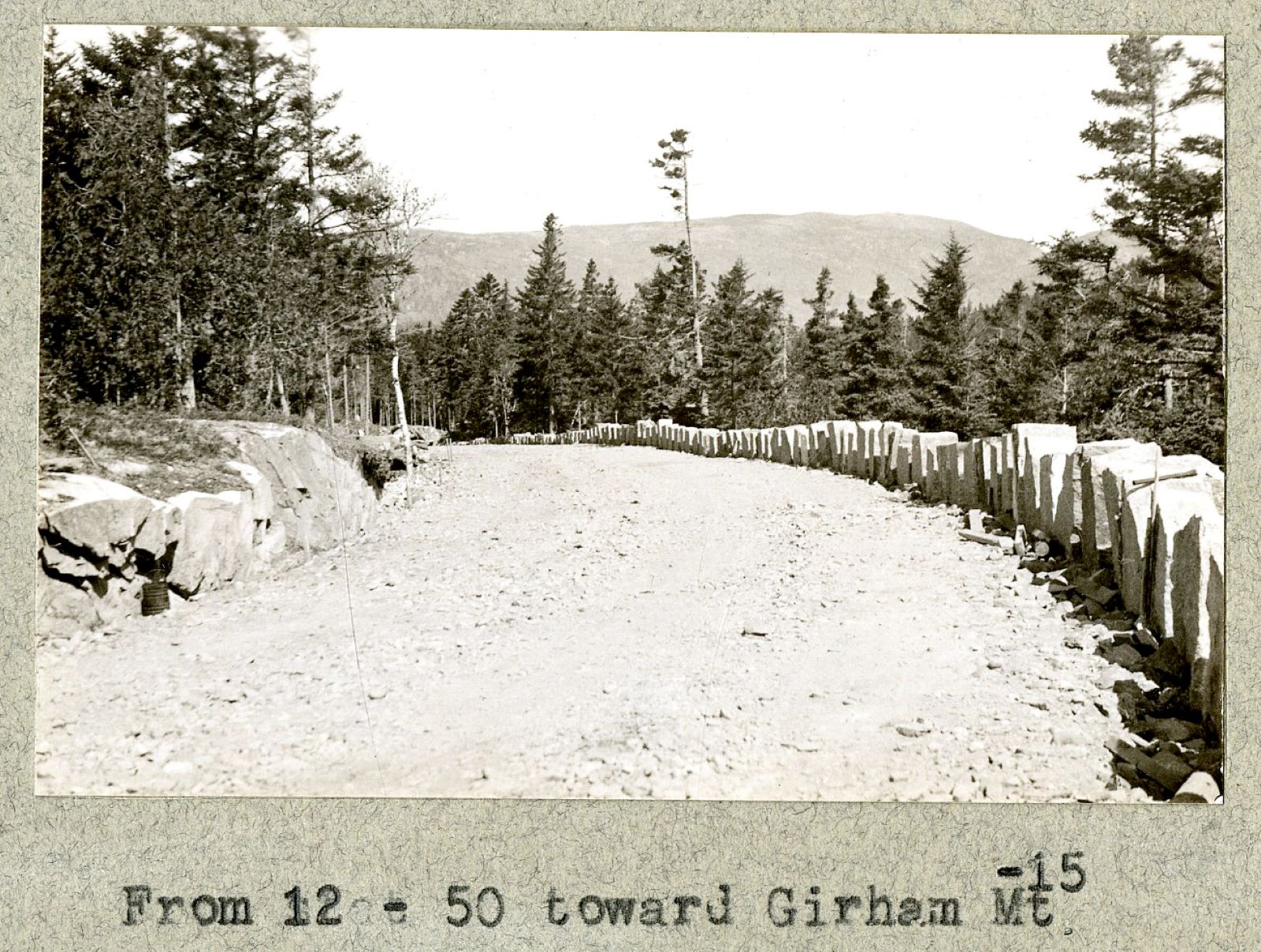
Acadia National Park: Carriage Roads, Cadillac Mountain & 2026 Guide
Discover carriage roads, Cadillac Mountain, and rugged Maine coast. Complete 2026 guide to Acadia National Park — trails, fees, lodging, permits, and what rangers recommend.
Hiking Guide
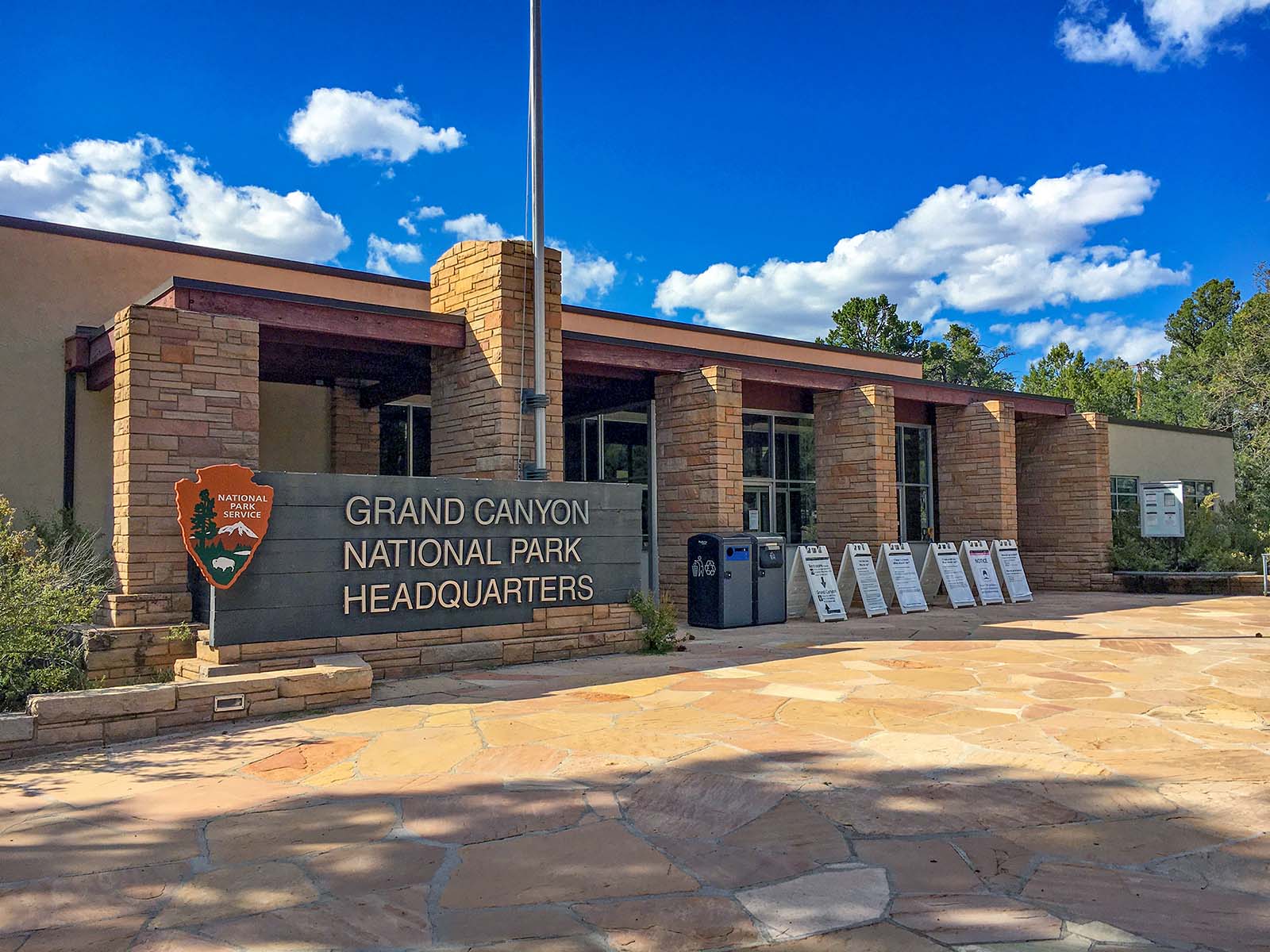
Grand Canyon Hiking Trails: Day Hikes, Water Sources & Rim to Rim
Compare Grand Canyon hiking trails: Bright Angel, South Kaibab, Hermit, Grandview, and rim to rim, with distances, elevation, water stops, and trailhead access for each.
Best Of
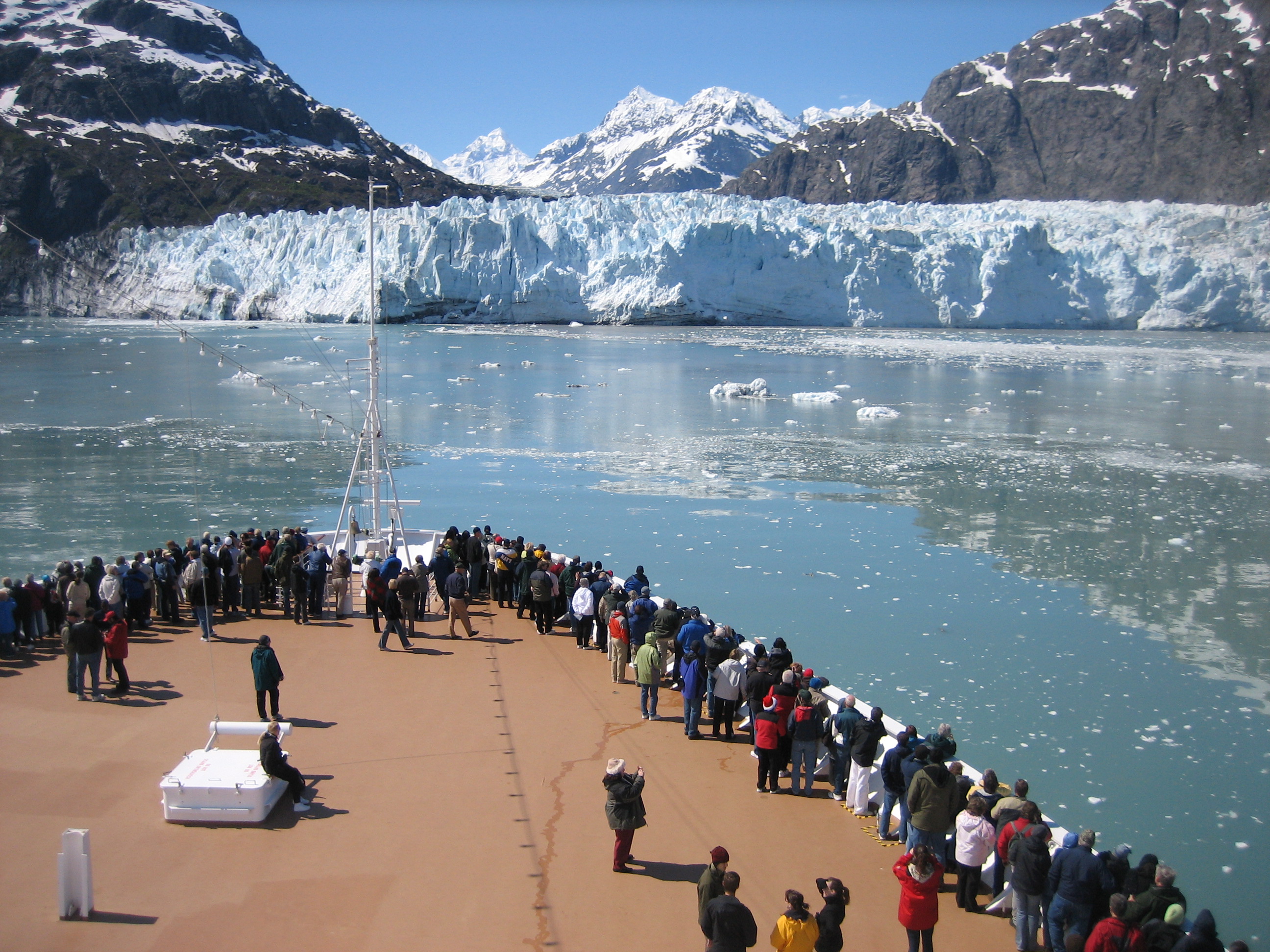
Best of Glacier Bay National Park
The best of Glacier Bay is reached by boat: ranger-led day tours up the bay to the tidewater glaciers. What's worth it, how to book, and when to go (2026).
Weather Guide
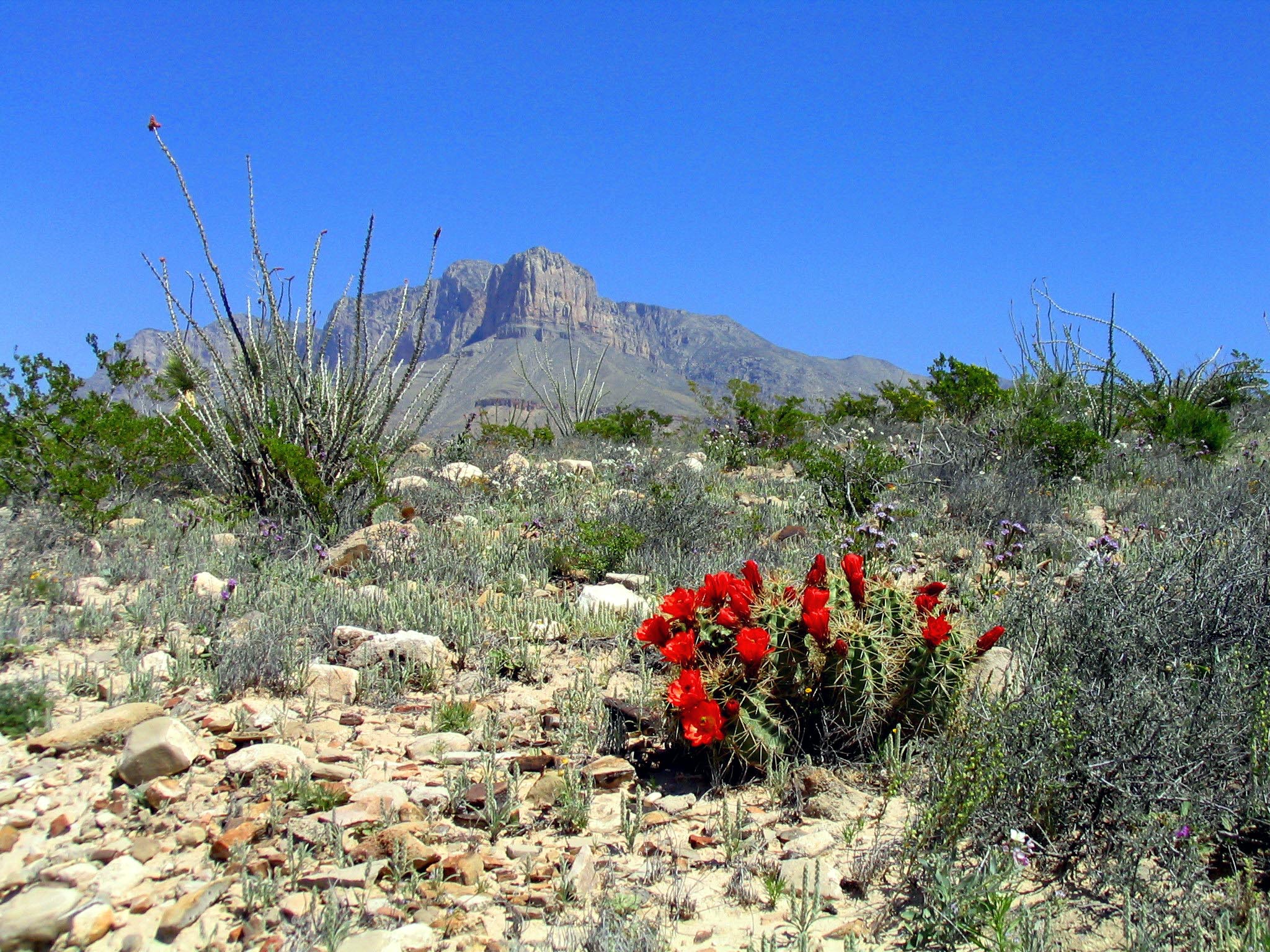
Guadalupe Mountains National Park Weather: Weather
Guadalupe Mountains National Park: weather guide guide updated 2026. Practical visitor information, reservations, and seasonal tips worth bookmarking before
Best Of
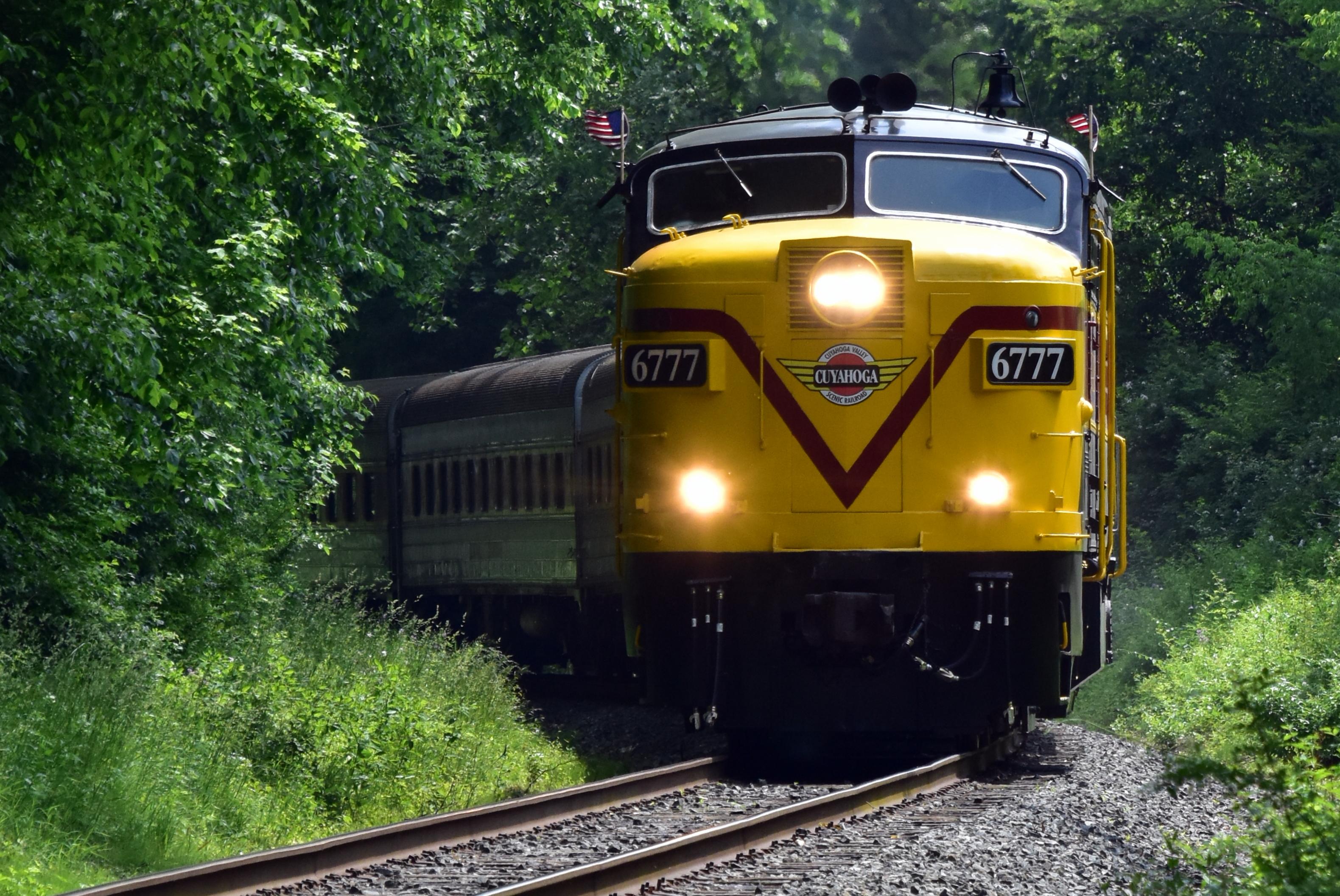
Best of Cuyahoga Valley National Park: Best Things to Do
Seeing a Cleveland Orchestra concert with the woods as your backdrop is a uniquely Cuyahoga Valley experience.
Weather Guide
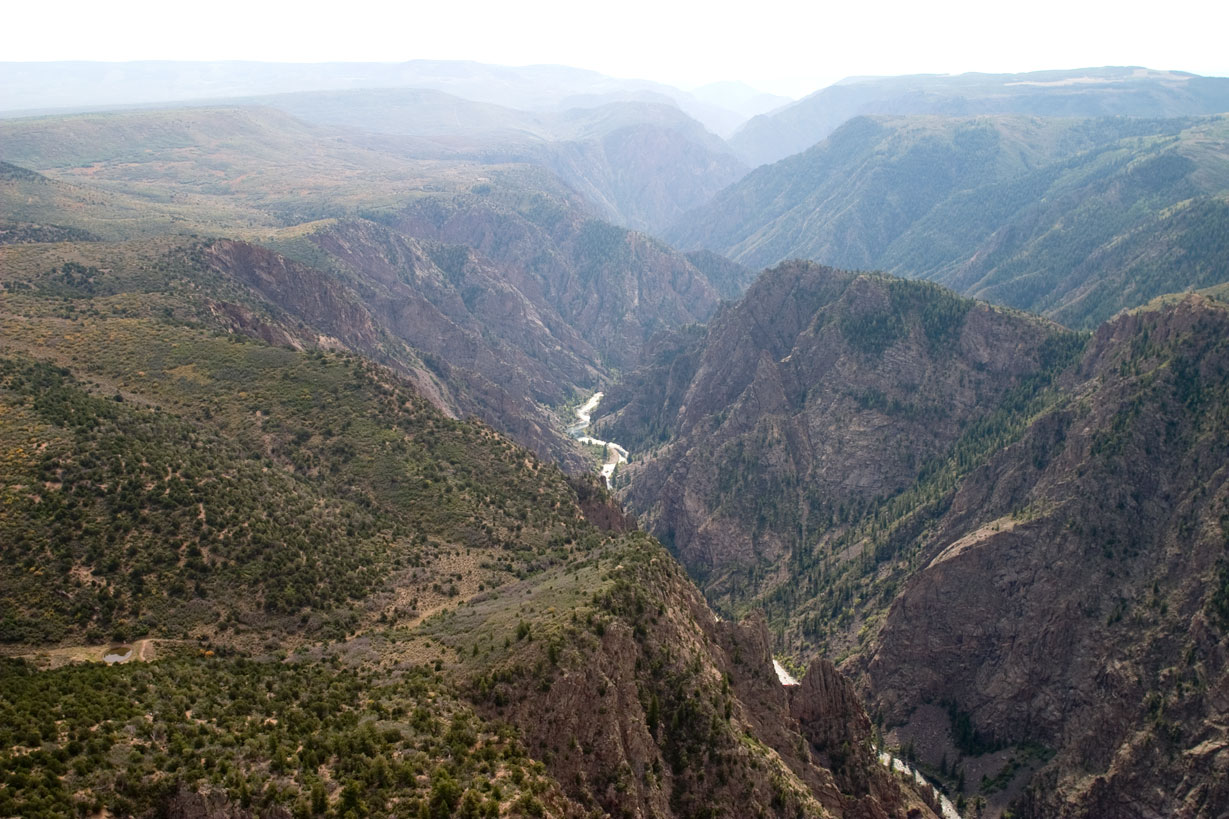
Black Canyon of the Gunnison National Park Weather: Weather
First-time visitors are often caught off guard by the temperature gradient between rim and river. Updated for 2026 with 5 Black Canyon of the Gunnison National
Sign in to join the conversation.
Sources & Attribution
Location data courtesy of the National Park Service (U.S. Department of the Interior). NPS data is public domain. Official NPS page.
Images: NPS; NPS; NPS; NPS; NPS.
Map data © OpenStreetMap contributors.
Park operations alerts: NPS.gov · Weather and weather hazards: National Weather Service · Live conditions.
Information may change. Always verify fees, hours, and conditions directly with the official source before visiting.
Did this guide help? Share it with a friend.