Visitors to White Sands National Park often receive the same initial advice from rangers: bring a sled. This isn't a winter destination, but a 275-square-mile expanse of brilliant white gypsum sand where plastic saucers and waxed boards serve as the primary recreation. Situated in the Tularosa Basin of southern New Mexico, the park protects the planet's largest gypsum dunefield. A visit here hinges on two factors: sunlight and the schedule of the neighboring missile range. This guide addresses navigating the dunes, covering practical details like entrance fees alongside the solitude of longer trails. It also explains the military partnership that can close the park without warning, and why monitoring wind forecasts matters as much as checking for rain.
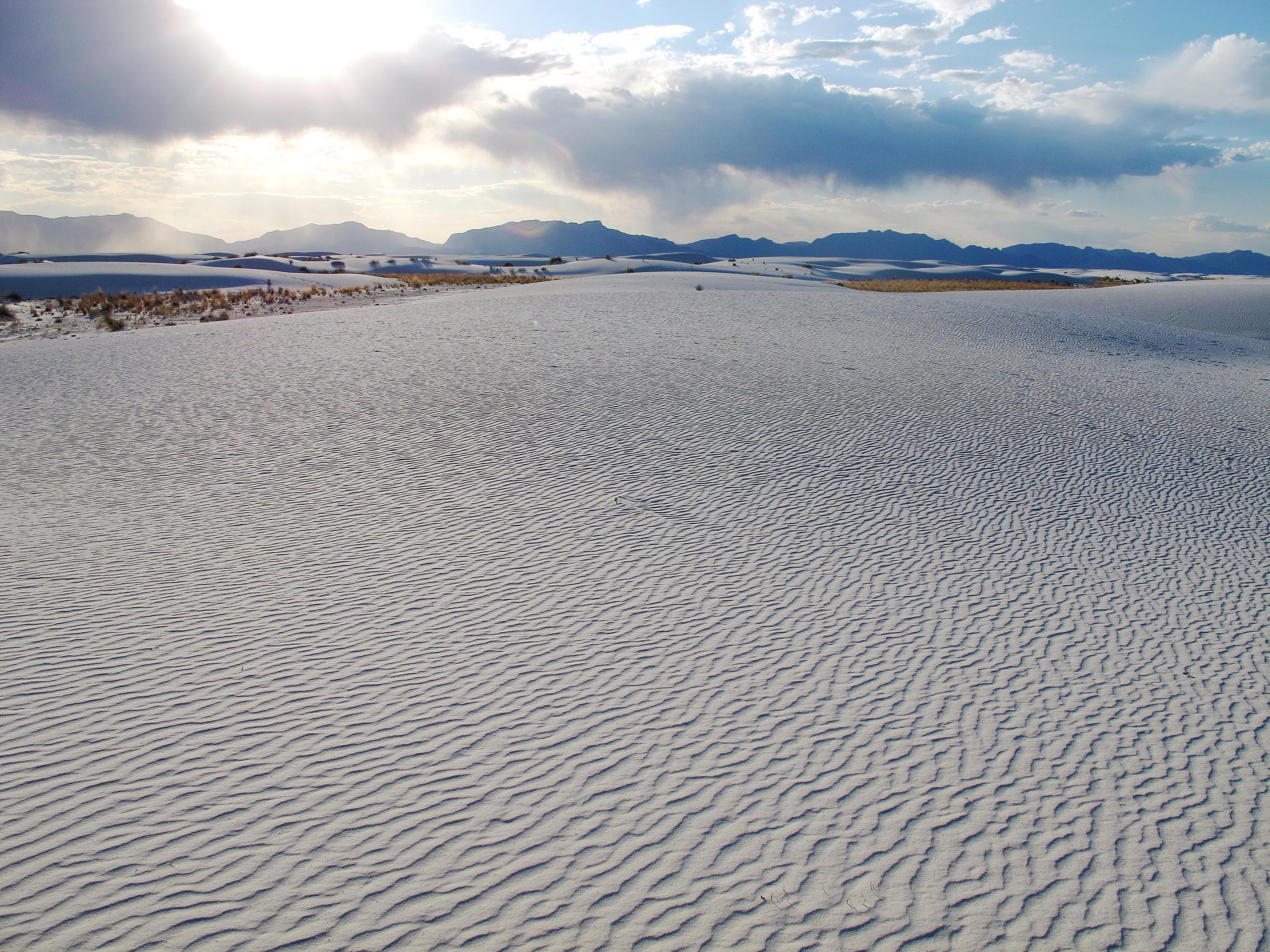
White Sands National Park: The World's Largest Gypsum Dune Field - 2026 Guide
7 min read
Sled the world's largest gypsum dunefield at White Sands National Park. Learn about the $25 entrance fee, 8-mile Dunes Drive, and possible missile range closures (2026).
This article contains affiliate links — we may earn a small commission at no extra cost to you.
At a glance
Entrance Fee
Hours
Best Time
Address
Website
32.7791, -106.3333
Google MapsNavigating the Park: Fees, Hours, and the Military Next Door
The park gates open at 7:00 AM year-round. They close 30 minutes after local sunset, which is eight minutes earlier than Alamogordo's predicted sunset. In summer, that means you could have until nearly 9 PM; in winter, you'll be heading out by 5:30 PM. The entrance fee, as of 2026, is $25 per private vehicle, valid for seven days of re-entry. If you're on a motorcycle, it's $20. Walking or biking in costs $15 per person. Yes, that's per person, not per vehicle.
A crucial point for every visitor: White Sands National Park lies entirely within the White Sands Missile Range. Military testing isn't an abstract idea here—it's the direct cause of sudden closures affecting the park or Highway 70. Rangers advise checking the park's website or calling ahead on your planned visit date. No predictable schedule is released to the public. You could arrive for a full day only to see the park close by midday. This is an immutable condition of visiting this landscape.
Drive in on the 8-mile Dunes Drive, a paved road that leads from the visitor center into the heart of the gypsum field. Currently, a safety corridor is in effect between mile markers 3 and 5.5. You must drive through this section without stopping or exiting your vehicle. This closure also affects the Interdune Boardwalk, which remains closed until further notice. The park service doesn't elaborate on the reason, but the proximity to the missile range provides context. Cell service drops out at the visitor center parking lot. Assume you'll have none for the duration of your time on the dunes.

What to Do on the Dunes: Beyond Sledding
Most visitors come for one thing: sledding. The two primary spots are the Roadrunner Picnic Area and the Alkali Flat Trailhead. The dunes at Roadrunner rise about 40 feet directly from the parking lot, making it the most accessible option for families with young kids or anyone wanting to minimize walking in soft sand. The dunes at the Alkali Flat trailhead are taller and feel more remote, but require a longer walk from your car. You cannot buy sleds inside the park. The gift shop at the visitor center sells specially-designed plastic sleds and wax. Rangers will tell you that cheap saucers from a big-box store often crack on the first run. The gypsum sand is abrasive and cool to the touch, even on hot days - it doesn't absorb heat like silica sand.
Beyond sledding, the park reveals deeper experiences. The hiking trails offer routes away from the concentrations of visitors near parking areas.
Short Loops for Context
The Dune Life Nature Trail is a one-mile loop that's far more interesting than its distance suggests. It's structured around 14 interpretive signs narrated by "Katie the Kit Fox," covering everything from carnivorous grasshopper mice to how kangaroo rats never need to drink water. It's the best primer on the ecosystem you'll get. The Playa Trail is a flat, quarter-mile walk (15-30 minutes) to a dry lakebed. The signs here explain the "just add water" phenomenon - how a barren spot transforms into a hidden, temporary wetland during monsoon rains, complete with amphibian tracks.
The Big Hike
The Alkali Flat Trail is where you find solitude. It's a strenuous 5-mile round trip over constantly shifting dunes with no shade and no defined path, just red diamond markers on posts. You'll be walking in soft sand the entire way. The "flat" in the name is ironic; it refers to the dry lakebed of Lake Otero at the trail's end, not the route. The elevation gain is worth it for the sensation of being completely surrounded by rolling white hills, with the San Andres Mountains forming a blue-grey wall to the west. Most visitors underestimate the water needed for this hike. Pack at least one gallon per person, and do not start after 10 AM in the warmer months.
For a complete breakdown of distances and difficulty, our guide to the hiking trails has the details.

Understanding the Landscape: Gypsum, Not Sand
What you're walking on isn't typical desert sand. Gypsum is a soft mineral that's water-soluble. Usually, rain would dissolve it and carry it to the sea. Here, in the landlocked Tularosa Basin with no river outlet, the gypsum from surrounding mountains dissolves, washes into Lake Lucero, evaporates, and forms selenite crystals. Wind breaks those crystals down into fine, white sand. Then the southwest wind pushes it northeast, forming the dunefield. The process is constant.
This has two practical effects for your visit. First, the sand doesn't get hot. On a 95°F summer day, the surface temperature of the gypsum might be 20 degrees cooler than typical brown sand. It's cool underfoot, even at noon. Second, it's bright. Unbelievably bright. Sunglasses are a functional necessity, not a fashion accessory. Rangers recommend sunscreen on all exposed skin, including under your chin, due to the reflective light from below. A wide-brimmed hat is better than a baseball cap.
The dunes are alive. They move. Vegetation like the soaptree yucca adapts by growing its stem upward, sometimes 30 feet, to stay above the encroaching sand. You'll see these "plant pedestals" throughout the park. Look closely at the dune surfaces for tracks - not just human footprints, but the delicate stitches of lizard trails, the hops of kangaroo rats, and the side-winding patterns of snakes. For a deeper look at the creatures that survive here, our wildlife viewing guide covers what to look for and where.

Planning Your Visit: Seasons, Services, and Nearby Towns
Weather dictates your experience. Summers (June through August) are hot, with highs regularly in the 90s°F. It's also monsoon season, meaning late afternoon thunderstorms can roll in quickly, bringing lightning and flash flood potential. Spring is the windy season; gusts can turn a hike into a sandblasting experience and make sledding less enjoyable. Fall (September through October) is widely considered the best time to visit, with mild days and cool evenings. Winters are mild during the day but temperatures drop sharply at night.
There are no concessions beyond the gift shop at the visitor center. You must bring all your own food and water. The park has three picnic areas - Yucca, Roadrunner, and Primrose - with shaded tables. Vault toilets (no running water) are available at the visitor center and at the Balloon Area restroom further into the dunes. There is no gas station in the park.
Your base for exploring will likely be Alamogordo, 15 miles east, or Las Cruces, 52 miles west. Alamogordo has more lodging and accommodations options closer to the park gate. Las Cruces offers a larger selection of restaurants and services. There is no lodging within the park boundaries. The only camping options were backcountry sites, but as of 2026, backcountry camping is closed indefinitely for site rehabilitation. There is no established opening date.
If you're interested in a structured experience, the park offers ranger-led programs like sunset strolls and full moon hikes. Schedules vary seasonally. For a curated list of available tours and guided experiences, check our dedicated guide.

Practical Takeaways
- Verify Park Status: Before you drive, check the White Sands National Park official website or call (575) 479-6124. Military testing can close the park or highway with no advance warning.
- Bring Your Own Sled: Purchase a sturdy plastic sled and wax before you arrive. The visitor center sells them, but your selection is limited. Cheap saucers often fail.
- Pack Like a Desert Explorer: Bring all food and water. Plan for one gallon of water per person per day. Wear closed-toe shoes, high-SPF sunscreen, and polarized sunglasses. The gypsum is cool but the sun is intense.
- Time Your Entry: Arrive right at 7:00 AM opening to experience the dunes in the soft morning light and to secure a parking spot at the most popular trailheads. Late afternoon is for sunset views, but the main road can get congested with people leaving.
- Respect the Closures: Do not stop or get out of your vehicle in the safety corridor between mile markers 3 and 5.5 on Dunes Drive. The Interdune Boardwalk is closed as a result.
- Navigate with Care: On the Alkali Flat or Backcountry Camping trails, follow the red trail markers closely. It's easy to become disoriented in the uniform landscape. Tell someone your plans.
Final Thoughts
White Sands defies expectation. It's a park of stark minimalism where the primary activity is play, yet it demands a level of preparation akin to a backcountry expedition. The silence out on the Alkali Flat Trail, broken only by the wind hissing over dune crests, is as memorable as the laughter echoing from the sledding hills. You leave with fine white dust in every seam of your clothing and the understanding that this brilliant white landscape exists only through a precise, fragile balance of geology and climate. Check for missile tests, pack twice the water you think you need, and watch where you step - the tracks you see might be from a creature that never takes a drink.
Recommended Gear
What experienced visitors bring to White Sands National Park: The World's Largest Gypsum Dune Field - 2026 Guide
Links may earn us a commission at no extra cost to you. We only recommend gear we believe in.
Hiking Essentials
Hydration Pack (3L)
Hands-free water for long trail days
Trekking Poles (Pair)
Save your knees on steep descents
Hiking Boots (Ankle Support)
Sturdy footwear for rocky, uneven trails
Sun & Heat Protection
Wide-Brim Sun Hat
Full coverage UPF 50+ protection at altitude
Insulated Water Bottle (32oz)
Keeps water cold in desert heat all day
Winter Gear
Microspikes / Traction Devices
Essential for icy rim trails in winter months
Packable Down Jacket
Lightweight warmth that stuffs into a pocket
Sources
- Official source: NPS — White Sands National Park nps.gov/whsa/index.htm
Explore More National Parks

Guadalupe Mountains National Park: Ancient Ocean Reef & Texas High Country - 2026 Guide
Discover an ancient Permian ocean reef now rising as Texas high country. Complete 2026 guide to Guad...

Where to Fly Into for Carlsbad Caverns
Discover nightly bat flights and vast underground cave chambers. Complete 2026 guide to Carlsbad Cav...

Petrified Forest National Park: 225 Million Years of Ancient Forest — 2026 Guide
Skip I-40's 70 mph blur for 225-million-year-old fossils. How to enter Petrified Forest National Par...

Saguaro National Park: The Sonoran Desert's Iconic Giant Cactus — 2026 Guide
Saguaro National Park splits into two distinct districts. 2026 tips for visiting—Rincon Mountain vs....
Photo Gallery
More to Explore
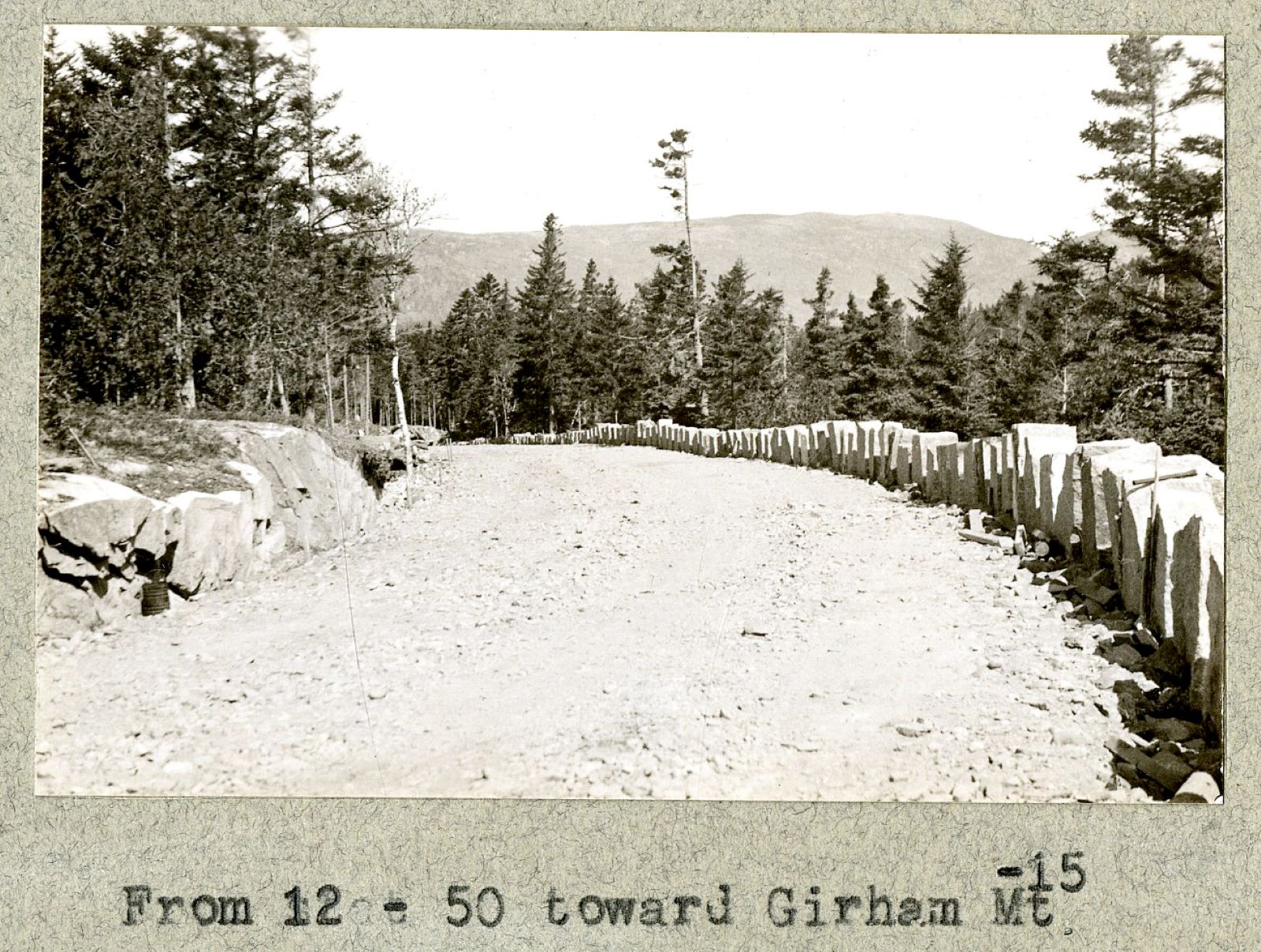
Acadia National Park: Carriage Roads, Cadillac Mountain & 2026 Guide
Discover carriage roads, Cadillac Mountain, and rugged Maine coast. Complete 2026 guide to Acadia National Park — trails, fees, lodging, permits, and what rangers recommend.
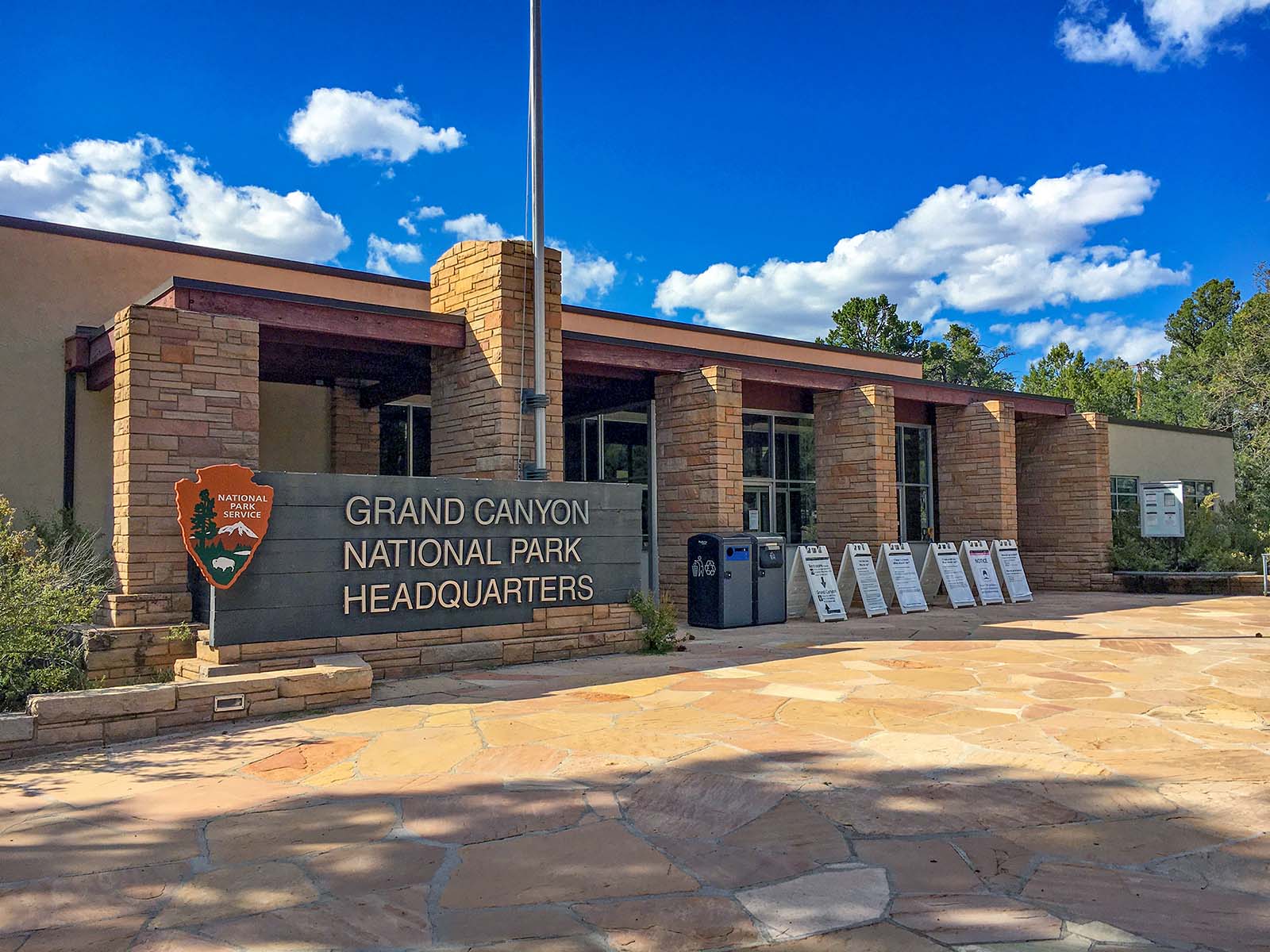
Grand Canyon Hiking Trails: Day Hikes, Water Sources & Rim to Rim
Compare Grand Canyon hiking trails: Bright Angel, South Kaibab, Hermit, Grandview, and rim to rim, with distances, elevation, water stops, and trailhead access for each.
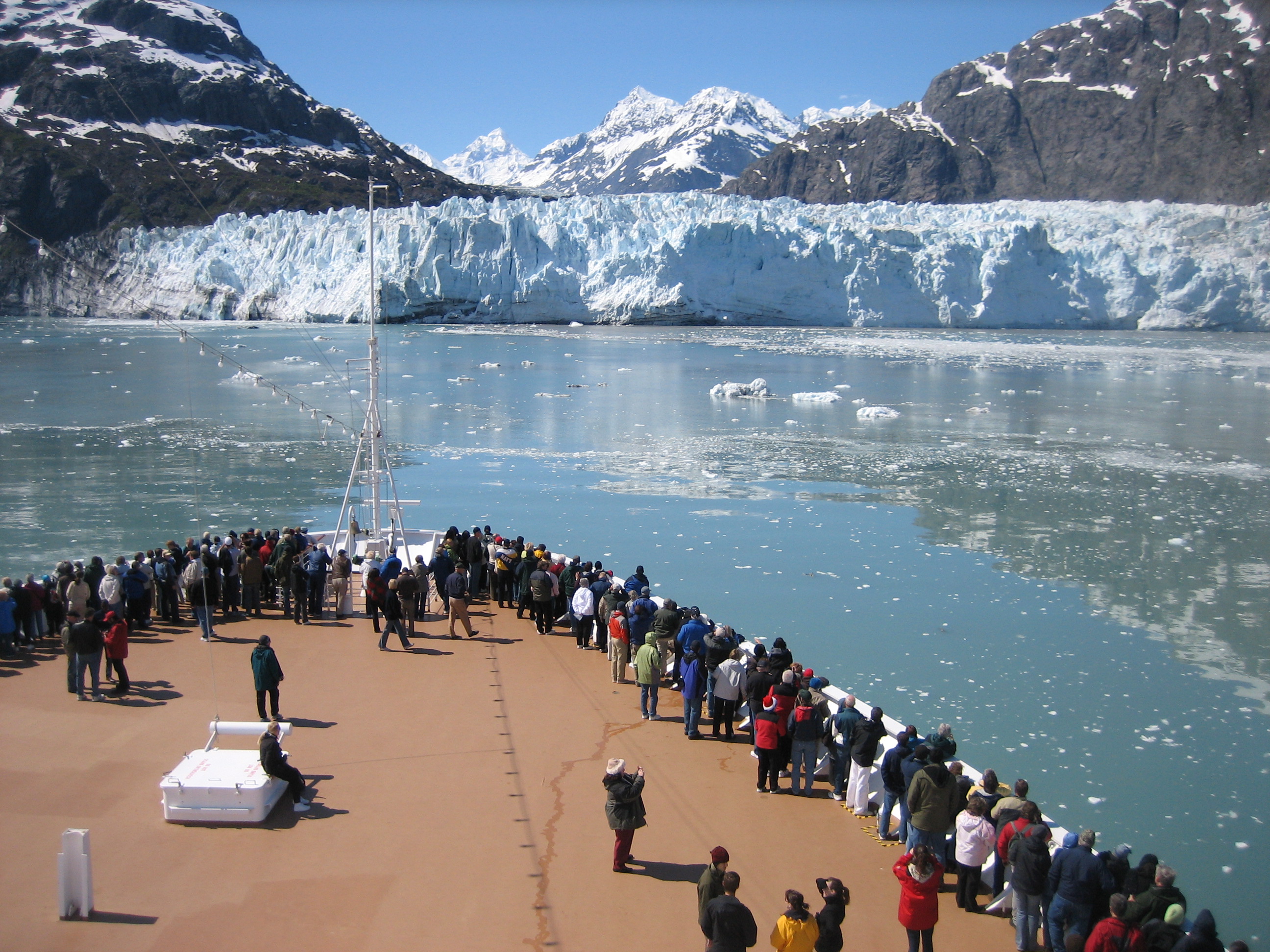
Best of Glacier Bay National Park
The best of Glacier Bay is reached by boat: ranger-led day tours up the bay to the tidewater glaciers. What's worth it, how to book, and when to go (2026).
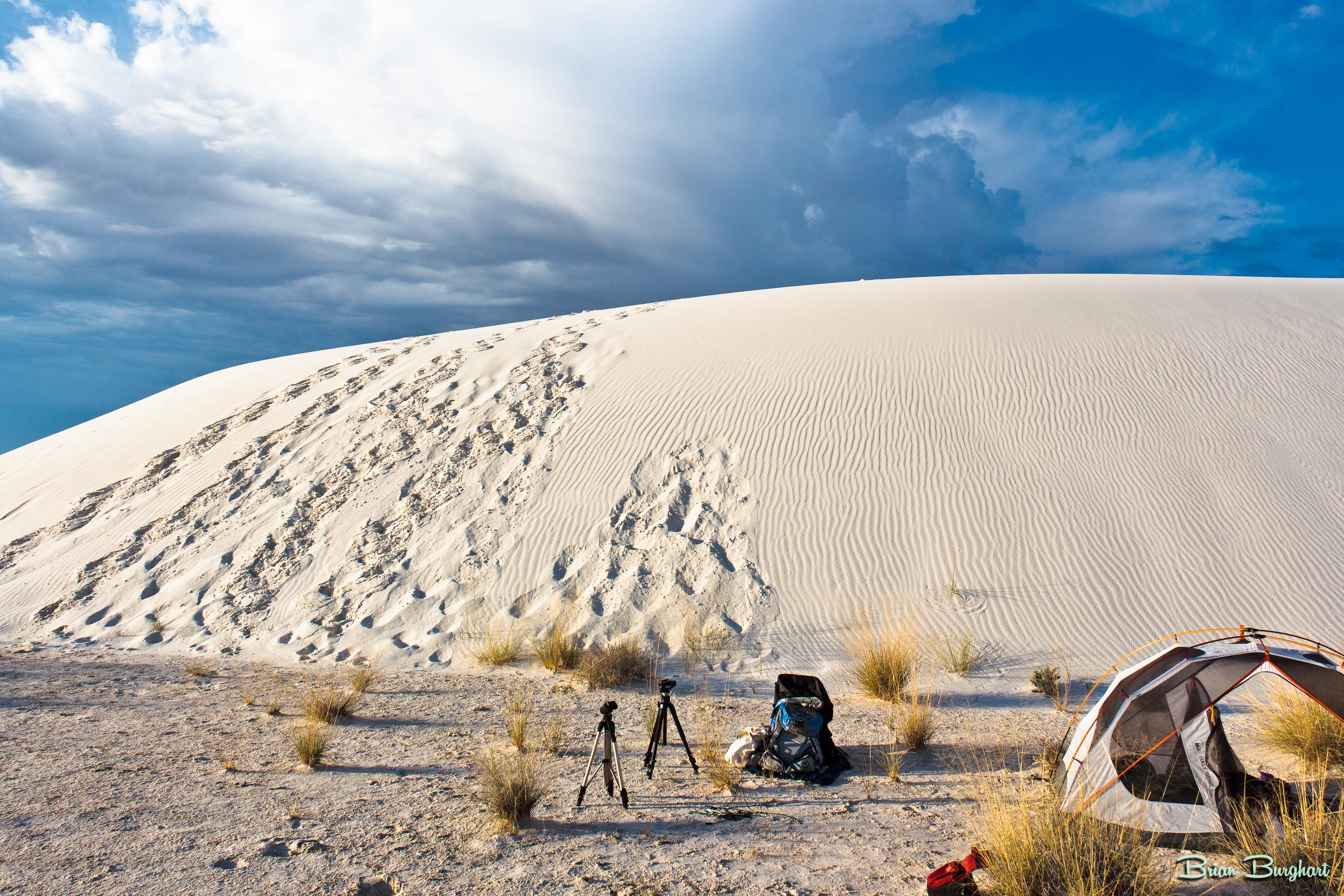
White Sands Backcountry Camping: Closed for 2026 — What to Know
As of 2026, backcountry camping at White Sands National Park is closed for site rehabilitation. What that means, and where to camp nearby instead.
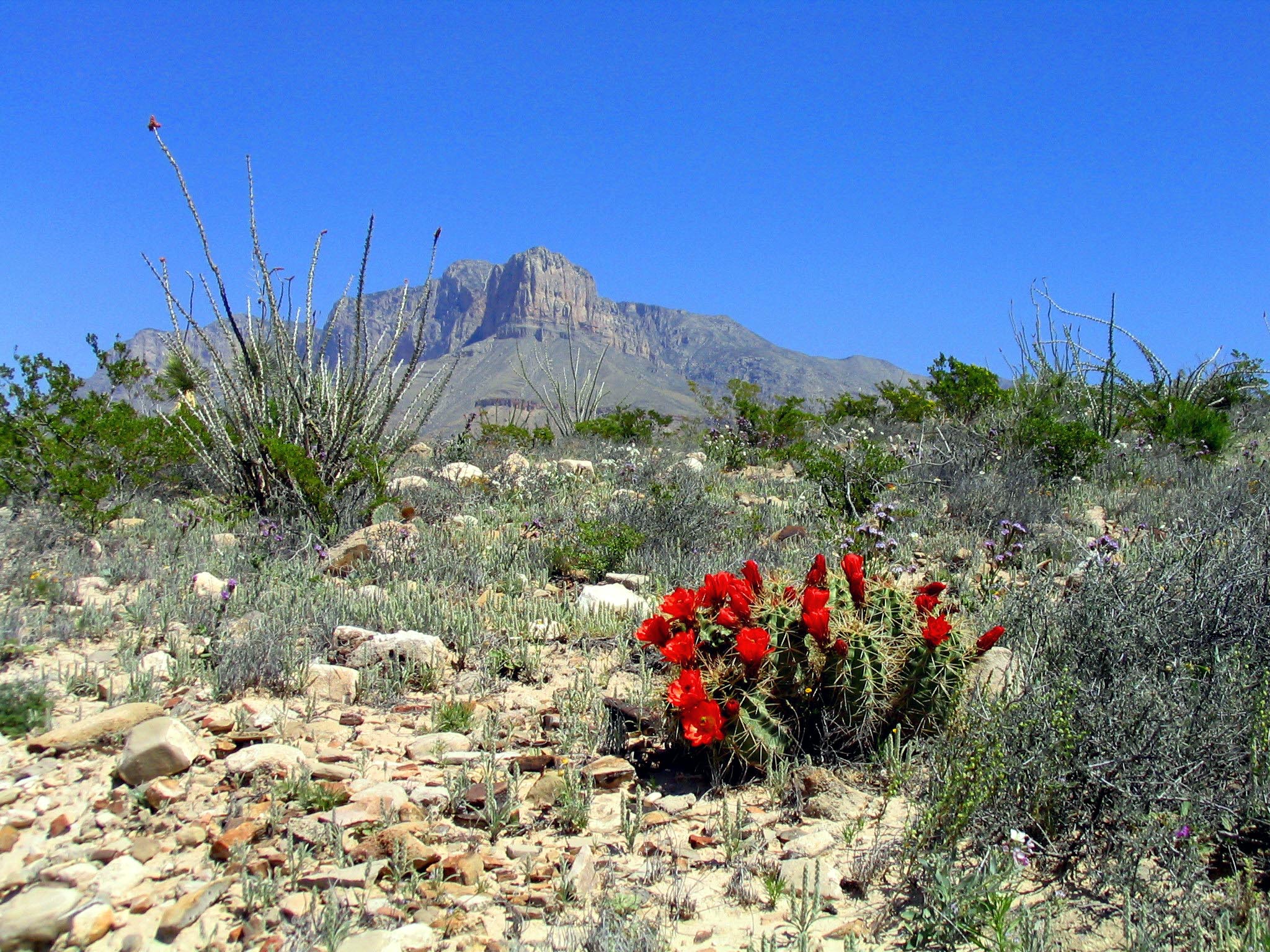
Guadalupe Mountains National Park Weather: Weather
Guadalupe Mountains National Park: weather guide guide updated 2026. Practical visitor information, reservations, and seasonal tips worth bookmarking before
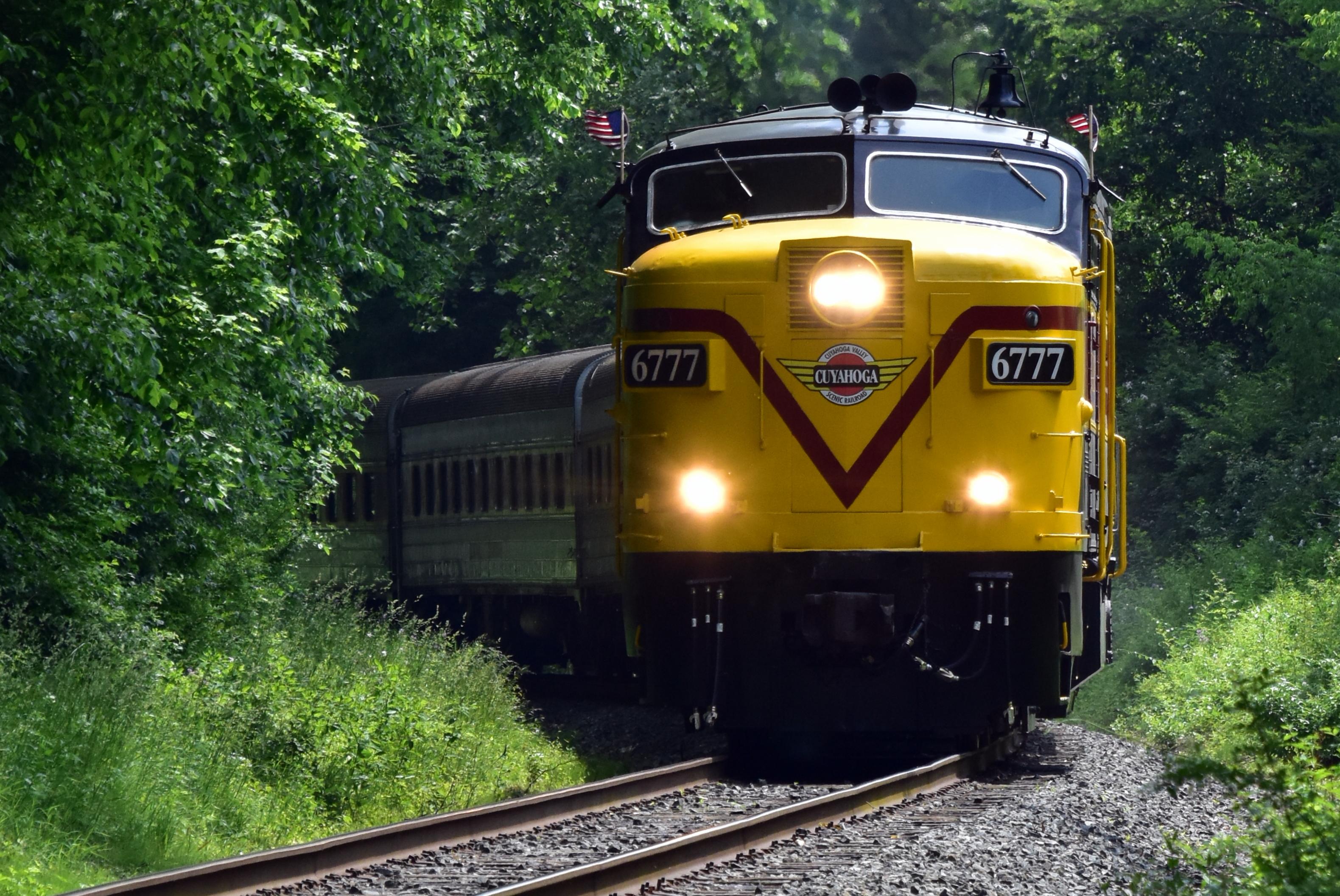
Best of Cuyahoga Valley National Park: Best Things to Do
Seeing a Cleveland Orchestra concert with the woods as your backdrop is a uniquely Cuyahoga Valley experience.
Sign in to join the conversation.
Sources & Attribution
Location data courtesy of the National Park Service (U.S. Department of the Interior). NPS data is public domain. Official NPS page.
Images: NPS; NPS; NPS; NPS; NPS.
Map data © OpenStreetMap contributors.
Park operations alerts: NPS.gov · Weather and weather hazards: National Weather Service · Live conditions.
Information may change. Always verify fees, hours, and conditions directly with the official source before visiting.
Did this guide help? Share it with a friend.