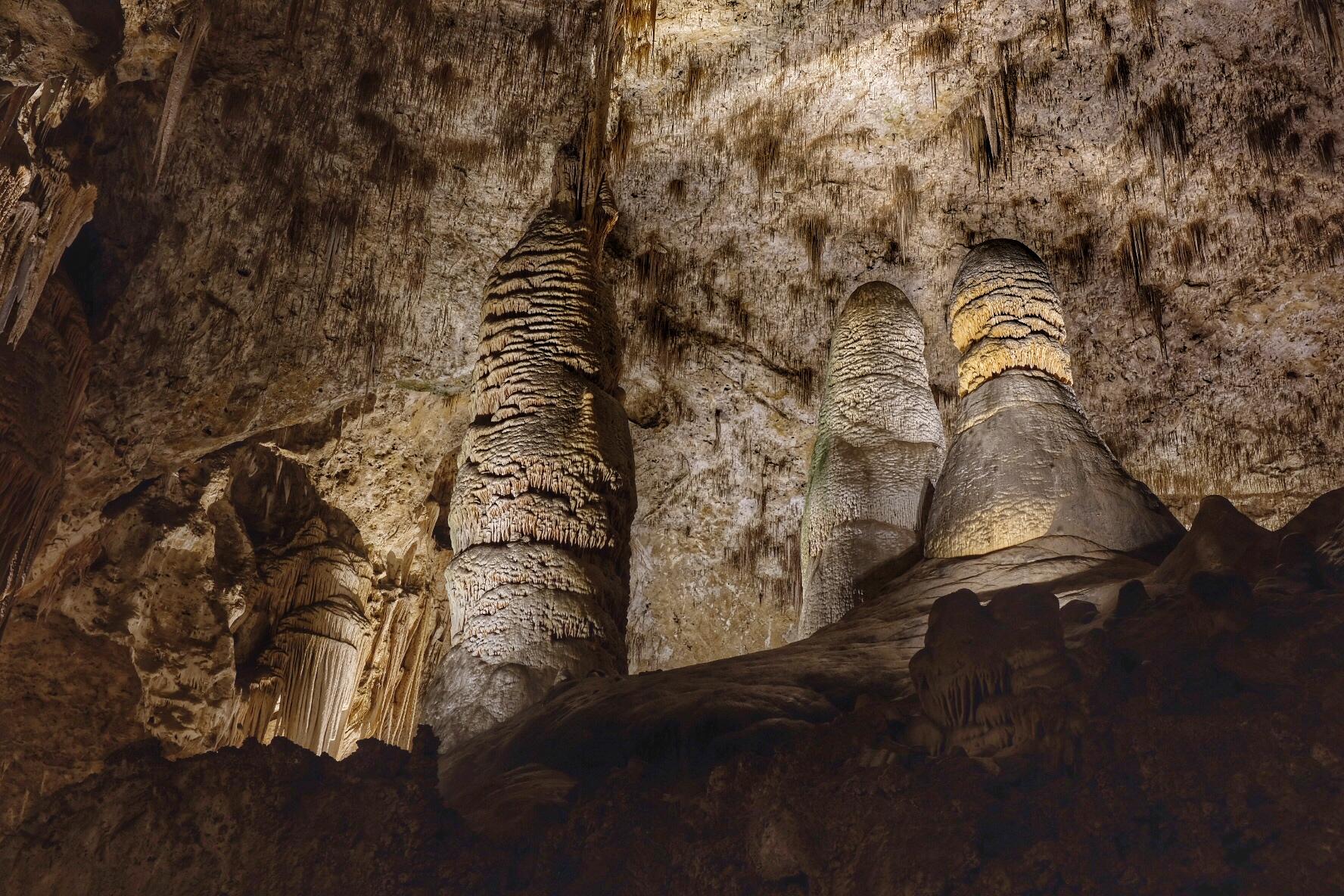
The quiet here is distinctive—a dry, deep silence broken only by the scuff of boots on pavement and the distant croak of a raven. You're standing at the edge of the Chihuahuan Desert, gazing into the Natural Entrance, a 750-foot drop into a world of perpetual 56-degree air. These cathedral-like chambers were formed over eons as sulfuric acid dissolved the limestone bedrock. Carlsbad Caverns National Park's main attraction lies entirely underground, and determining the best airport access is your first practical consideration for a visit that diverges sharply from typical park experiences.
NPS via NPS.gov (Public Domain)
Where to Fly Into for Carlsbad Caverns
12 min read
Park Guide
The park has one entrance road: New Mexico Highway 7, which turns north from US Highway 62/180 at the tiny outpost of White's City.
Your plans
This article contains affiliate links — we may earn a small commission at no extra cost to you.
At a glance
Hours
The park grounds are open 24 hours a day. The visitor center operates from 9:00 AM to 2:30 PM daily. The cavern access hours are typically 8:30 AM to 2:15 PM, but this can vary. The park is closed on Thanksgiving, Christmas, and New Year's Day.
Best Time
Spring (March-May) and Fall (September-October) offer the most temperate above-ground weather for hiking. Summer (June-August) is brutally hot but is the primary season for the famous Bat Flight Program.
Address
727 Carlsbad Caverns Highway, Carlsbad, NM, 88220
Website
32.1409, -104.5530
Google MapsThe surface landscape encompasses a rugged portion of the Guadalupe Mountains and Chihuahuan Desert ecosystem—characterized by flowering cactus, rocky canyons, and roughly 278 clear-sky days annually. Below lies a network of over 119 caves, with Carlsbad Cavern as the centerpiece. Its scale is arresting: the Big Room chamber spans an area equivalent to fourteen football fields. Visitors should note the specific logistics: a timed-entry reservation is required for cavern access, and the nearest major airport involves a 2.5-hour drive. This guide provides the essential details for a 2026 visit, covering airport selection and appropriate conduct underground.
Quick Information
* Entrance Fee: As of 2026, there are two required costs. First, a $1 per-person timed-entry reservation to access Carlsbad Cavern (purchased in advance). Second, a $15 per-person entrance fee paid at the visitor center upon arrival. Ranger-guided tours cost extra.
* Hours: The park grounds are open 24 hours a day. The visitor center operates from 9:00 AM to 2:30 PM daily. The cavern access hours are typically 8:30 AM to 2:15 PM, but this can vary. The park is closed on Thanksgiving, Christmas, and New Year's Day.
* Best Time to Visit: Spring (March-May) and Fall (September-October) offer the most temperate above-ground weather for hiking. Summer (June-August) is brutally hot but is the primary season for the famous Bat Flight Program.
* Location: Southeast New Mexico. The physical address for the visitor center is 727 Carlsbad Caverns Highway, Carlsbad, NM, 88220.
* Accessibility: The park offers accessible parking, picnicking, dining, and visitor center services. The Big Room Trail underground is wheelchair accessible via elevator, and the upper section of the Chihuahuan Desert Nature Trail is also accessible.
* Cell Service: Spotty to non-existent throughout the park and along the entrance road. Assume you will have no signal from the time you turn off US Hwy 62/180. Download maps and reservation confirmations beforehand.
* Restrooms: Available at the visitor center and the cavern entrance underground (near the elevator). Vault toilets are located at the Rattlesnake Springs Picnic Area.
* Parking: The main lot at the visitor center is large but fills by mid-morning, especially in summer and on weekends. Overflow parking is available. No parking fees beyond the entrance fee.
Getting There
Carlsbad Caverns is remote. There is no public transportation to the park, and your own vehicle is non-negotiable. The park has one entrance road: New Mexico Highway 7, which turns north from US Highway 62/180 at the tiny outpost of White's City.
The most critical decision for your trip is choosing your airport. When planning where to fly into for Carlsbad Caverns, you have two realistic options, each with trade-offs.
From El Paso International Airport (ELP): This is the most common choice. It's a major airport with more flight options and typically lower fares. The drive is 145 miles (about 2.5 hours) northeast on US-62/180. The route is straightforward: interstate to desert highway, passing through the city of Carlsbad itself. You'll fill up on gas and supplies in Carlsbad before the final 27-mile stretch to the park.
From Cavern City Air Terminal (CNM) in Carlsbad: This is the closest airport, just 35 miles from the park. The catch: it's serviced by a single airline with limited daily flights from Dallas/Fort Worth (DFW). It's convenient if you can make the connection work, but flexibility is low and fares can be high.
From either direction, you'll turn at White's City onto NM-7. The seven-mile entrance road to the visitor center winds through scenic desert foothills - take your time, the parking lot will still be there. The park's official GPS coordinates will lead you to the visitor center, but cell service drops out at the park gate, so have your route pre-loaded.

What to Expect
Expect two distinct environments. Above ground, it's classic Chihuahuan Desert: sparse, tawny grasslands dotted with creosote, ocotillo, and prickly pear. The air is dry, the sun is intense, and the wind often has a persistent presence, especially in spring. Summer temperatures regularly sit in the 90s to low 100s (°F). The landscape feels expansive and quiet, with the Guadalupe Mountains forming a blue-hued wall to the west.
Then you go underground. The shift is immediate. Descending the Natural Entrance or riding the elevator, the temperature stabilizes at a constant 56°F (13°C) with high humidity. The smell is clean, mineral-rich dampness. The soundscape changes from wind to the steady drip of water filtering through limestone, a sound that built the formations you're walking past. The lighting is intentionally low, highlighting contours and creating shadows that give the cavern its depth.
First-time visitors consistently underestimate three things: the constant cool temperature underground (a light jacket is essential), the sheer scale of the rooms (photos don't convey it), and the importance of the timed-entry reservation system. Rangers will tell you that showing up without one means you will not enter the cavern that day. The other common surprise is the Bat Flight Amphitheater - a simple set of stone benches facing the Natural Entrance, which becomes a theater for one of nature's great dramas on summer evenings.
Top Attractions & Points of Interest
The Big Room Trail
This is the heart of the public cavern. At 1.25 miles long, it's a relatively easy loop on a paved path that winds through the largest single cave chamber by volume in North America. You'll pass formations with names like the Bottomless Pit, Giant Dome, and Rock of Ages. The ceiling soars overhead, and the careful lighting makes the scale feel almost incomprehensible. Most visitors spend 1.5 to 2 hours here. Do it first thing in the morning to avoid the thickest crowds.
The Natural Entrance Trail
This is the historic way in. A steep, switchbacking 1.25-mile paved trail descends 750 feet into the cavern's mouth. You'll walk past the Bat Cave (daytime roost for the summer colony) and through areas like Devil's Spring and Iceberg Rock. It's more strenuous than the Big Room, but it provides context - you experience the cavern as early explorers did. Many people hike down this trail and take the elevator back up. Closed-toe shoes with good traction are not a suggestion here; they're a requirement.
Bat Flight Program
From late May through October, the park's population of 200,000-plus Brazilian free-tailed bats emerges from the Natural Entrance at dusk to hunt insects. It's a free ranger-led program. You'll sit at the amphitheater as a ranger gives a talk, then watch as a living, swirling river of bats pours out of the cave, sometimes for 20-30 minutes straight. The best viewing is on warm, calm evenings. No photography or video is allowed once the emergence begins, as it disturbs the bats.
King's Palace Tour
This 90-minute ranger-guided tour (additional fee) takes you into the deepest publicly accessible part of the cavern, 830 feet below the surface. It visits four highly decorated chambers dripping with delicate formations like draperies and flowstone. Note: This tour operates on a day-to-day basis based on staffing. Tickets are walk-up only at the visitor center on the day of the tour, so inquire first thing if you're interested.
Rattlesnake Springs
A genuine desert oasis and a separate unit of the park. A perennial spring feeds a lush grove of cottonwood trees, creating a riparian habitat buzzing with birds. It's a stark, beautiful contrast to the surrounding desert. The picnic area here is the best spot in the park for a lunch above ground. It's also a prime location for wildlife viewing.
Slaughter Canyon Cave
For a more rugged, undeveloped caving experience, this guided tour (additional fee, reservations required) is your answer. You'll drive to a separate canyon, then hike a steep, rugged half-mile trail to the cave entrance. Inside, you'll see spectacular formations like the Christmas Tree and the Monarch. You must bring your own flashlight or headlamp. This tour is physically demanding and not for those uneasy about tight spaces or darkness.
Walnut Canyon Overlook
A quick, paved 180-yard walk from the parking area on the damaged Walnut Canyon Desert Drive. It provides a sweeping view into the deep, rugged cut of Walnut Canyon - a good snapshot of the park's above-ground geology. It takes five minutes and is worth the stop.
Sitting Bull Falls Recreation Area
Located in the adjacent Lincoln National Forest, about an hour's drive from the caverns, this is a true. A series of spring-fed waterfalls drops 150 feet into a large pool. It's a spectacular and refreshing contrast to the desert, perfect for a post-caverns side trip. Check forest service websites for current access and fees.

Activities
Guided Tours of Carlsbad Caverns
Beyond the self-guided Big Room and Natural Entrance trails, the park offers several ranger-led tours that provide deeper access. The King's Palace Tour (90 mins) is the classic guided option in the main cavern. The Lower Cave Tour (3 hours) involves ladders and more adventure. The Slaughter Canyon Cave Tour (about 2 hours total with hike) offers a pristine, wild cave experience. Reservations for these are highly recommended and can be made at recreation.gov. Remember, these are in addition to your timed-entry reservation and entrance fee.
Hiking in Carlsbad Caverns National Park
The above-ground hiking trails offer solitude and desert vistas. The Old Guano Trail (2 hours, 3.7 miles one-way) follows a historic mining road down the escarpment. The Chihuahuan Desert Nature Trail (30 mins, 0.7-mile loop) is an easy introduction to desert flora. For a challenge, the Yucca Canyon Trail (9 hours, 7.7 miles) climbs steeply to ridge-top views. Always carry significantly more water than you think you'll need - a gallon per person per day is the standard desert advice.
Stargazing & Night Sky Programs
With minimal light pollution, the park has exceptional night skies. The park occasionally offers ranger-led Night Sky Programs, including star walks and meteor shower viewings (typically in summer and fall, but check for current status). Even without a program, simply staying in the parking lot after dark rewards you with a brilliant Milky Way display.
Junior Ranger Program
A well-designed program for kids. Pick up a booklet at the visitor center. Activities involve both the cavern and the desert ecosystem, making the visit more engaging for young explorers. They can be sworn in by a ranger upon completion.
Seasonal Guide
* Winter (December-February): Cold, with occasional snow and ice. Daytime highs in the 50s°F, nights below freezing. Crowds are smallest, and the cavern is a consistent, comfortable temperature. The Bat Flight Program is not running. Some trails may be icy. This is a good time for solitude.
* Spring (March-May): The best time to visit for balanced conditions. Above-ground temperatures are mild (60s-80s°F), but windy days are frequent. Wildflowers can bloom after rains. Crowds begin to build, especially around spring breaks. The Bat Flight Program usually starts in late May.
* Summer (June-August): Peak season. Above ground is hot (90s-100s°F), making the cavern a popular refuge. This is the only time to see the Bat Flight Program. Crowds are largest, and the parking lot fills early. Afternoon thunderstorms are possible in late summer. All facilities and tours are operational.
* Fall (September-October): Another excellent window. Heat begins to subside, though early September can still be warm. The Bat Flight continues through October. Crowds diminish after Labor Day. Fall rains can sometimes cause flash flooding, leading to trail or road closures like the ongoing Walnut Canyon Desert Drive closure.

Practical Information
Fees & Passes: As of 2026, budget $16 minimum per person: the $1 advance timed-entry reservation + the $15 entrance fee paid on-site. The America the Beautiful Annual Pass ($80) waives the $15 per-person entrance fee for the passholder and up to three adults. It does not waive the $1 timed-entry fee or the cost of guided tours.
Permits & Reservations: This is crucial. A timed-entry ticket is required to enter Carlsbad Cavern. You must purchase this online at recreation.gov or by calling 877-444-6777. This only reserves your entry window. You then buy the actual entrance pass at the visitor center. For guided tours of Carlsbad Caverns, book well in advance on the same website.
Camping & Lodging: The park itself has no developed campgrounds. The nearest camping options are at the privately-owned White's City RV Park just outside the gate or at Brantley Lake State Park about 40 minutes away. For lodging and accommodations, the city of Carlsbad, NM (30 minutes away) has a full range of hotels and motels. White's City has one historic but basic motel.
Dining: The park has a cafeteria located underground near the Big Room (unique, but prices are what you'd expect). The visitor center has a smaller snack bar. Your best bet for better selection and value is to bring a picnic or plan to eat in Carlsbad.
Gas & Supplies: Fill your tank and buy any snacks, water, or sunscreen in Carlsbad before heading to the park. Options are extremely limited near the park entrance.
Safety & Preparation
* Underground Safety: The cavern trails are paved but can be wet and slippery. The park alert is explicit: wear closed-toe shoes with good traction. Flip-flops are a bad idea. Use handrails where provided. Stay on the trail to protect fragile formations.
* White-Nose Syndrome: This fatal bat disease is spreading. To protect the colony, do not wear any clothing, shoes, or gear (like camera bags) into Carlsbad Caverns that have been in any other cave or mine. Rangers may ask.
* Desert Safety: Heat, sun, and dehydration are the primary above-ground hazards. Carry a gallon of water per person per day. Wear a hat, sunglasses, and sunscreen. Tell someone your hiking plans.
* Weather: Sudden summer thunderstorms can cause flash flooding in canyons. Get to high ground if you see rain or hear thunder. Winter can bring ice to trails and roads.
* Wildlife: Observe from a distance. This includes snakes, scorpions, and the obvious rattlesnakes. Never approach or feed any animal.
* Emergency: Cell service is unreliable. In an emergency, contact a ranger at the visitor center or use a park phone. The park's non-emergency number is (575) 785-2232.

Insider Tips
- The Reservation Quirk: The $1 timed-entry reservation on recreation.gov is often confused for the entrance ticket. It is not. It's a reservation to buy the ticket. You must still stand in line at the visitor center to pay the $15 fee and get your actual pass. Factor this into your arrival time.
- Beat the Crowds & Heat: Enter the cavern at the first available morning time slot. You'll have a more peaceful experience underground and can do your above-ground hiking in the cooler morning hours before the desert heat peaks.
- Elevator Strategy: The elevators from the visitor center down to the Big Room are small and can have long lines in the middle of the day. If you're able, consider hiking down the Natural Entrance Trail to start your tour - you'll walk right in.
- Post-Bat Flight Exit: After the Bat Flight Program ends, hundreds of people all head to their cars at once, creating a slow-moving line of headlights down the seven-mile park road. Don't rush. Sit in the amphitheater for an extra 10-15 minutes and let the traffic thin out.
- The Free Oasis: Rattlesnake Springs is rarely crowded and feels worlds away from the visitor center hustle. It's the perfect spot to decompress, have a quiet picnic, and listen to birdsong. The sound of wind in the cottonwoods is something the park website doesn't mention.
- Check for Walk-Up Tours: While advance booking for tours is wise, rangers sometimes release last-minute spots for the King's Palace Tour from cancellations. Ask at the visitor center desk when you arrive if you're feeling flexible.
- Where to Stay Compromise: Staying in White's City puts you 7 minutes from the park gate, but dining options are one restaurant. Staying in Carlsbad gives you all amenities but adds a 30-minute commute each way. Choose based on whether you value convenience or variety more.
Links may earn us a commission at no extra cost to you. We only recommend gear we believe in. For this trip, a reliable headlamp (even for the main cavern, it helps you see details in dimly lit areas), a lightweight packable jacket for the 56°F cave, and a large, insulated water bottle are the non-negotiable pieces of gear.
For more information, see our complete National Park Guide.
Related: guided tours of carlsbad caverns guide
Related: carlsbad caverns guided tours guide
Recommended Gear
What experienced visitors bring to Where to Fly Into for Carlsbad Caverns
Links may earn us a commission at no extra cost to you. We only recommend gear we believe in.
Hiking Essentials
Hydration Pack (3L)
Hands-free water for long trail days
Trekking Poles (Pair)
Save your knees on steep descents
Hiking Boots (Ankle Support)
Sturdy footwear for rocky, uneven trails
Sun & Heat Protection
Wide-Brim Sun Hat
Full coverage UPF 50+ protection at altitude
Insulated Water Bottle (32oz)
Keeps water cold in desert heat all day
Electrolyte Mix Packets
Replace what water alone cannot during intense heat
Winter Gear
Microspikes / Traction Devices
Essential for icy rim trails in winter months
Packable Down Jacket
Lightweight warmth that stuffs into a pocket
Sources
- Official source: NPS — Carlsbad Caverns National Park nps.gov/cave/index.htm
Explore More National Parks

Guadalupe Mountains National Park: Ancient Ocean Reef & Texas High Country - 2026 Guide
Discover an ancient Permian ocean reef now rising as Texas high country. Complete 2026 guide to Guad...

White Sands National Park: The World's Largest Gypsum Dune Field - 2026 Guide
Discover the world's largest gypsum dune field — pure white and vast. Complete 2026 guide to White S...

Big Bend National Park: River, Desert & Mountain at the Border - 2026 Guide
Discover river canyons, Chihuahuan desert, and mountain sky islands. Complete 2026 guide to Big Bend...

Petrified Forest National Park: 225 Million Years of Ancient Forest — 2026 Guide
Skip I-40's 70 mph blur for 225-million-year-old fossils. How to enter Petrified Forest National Par...
Photo Gallery
More to Explore
Park Guide
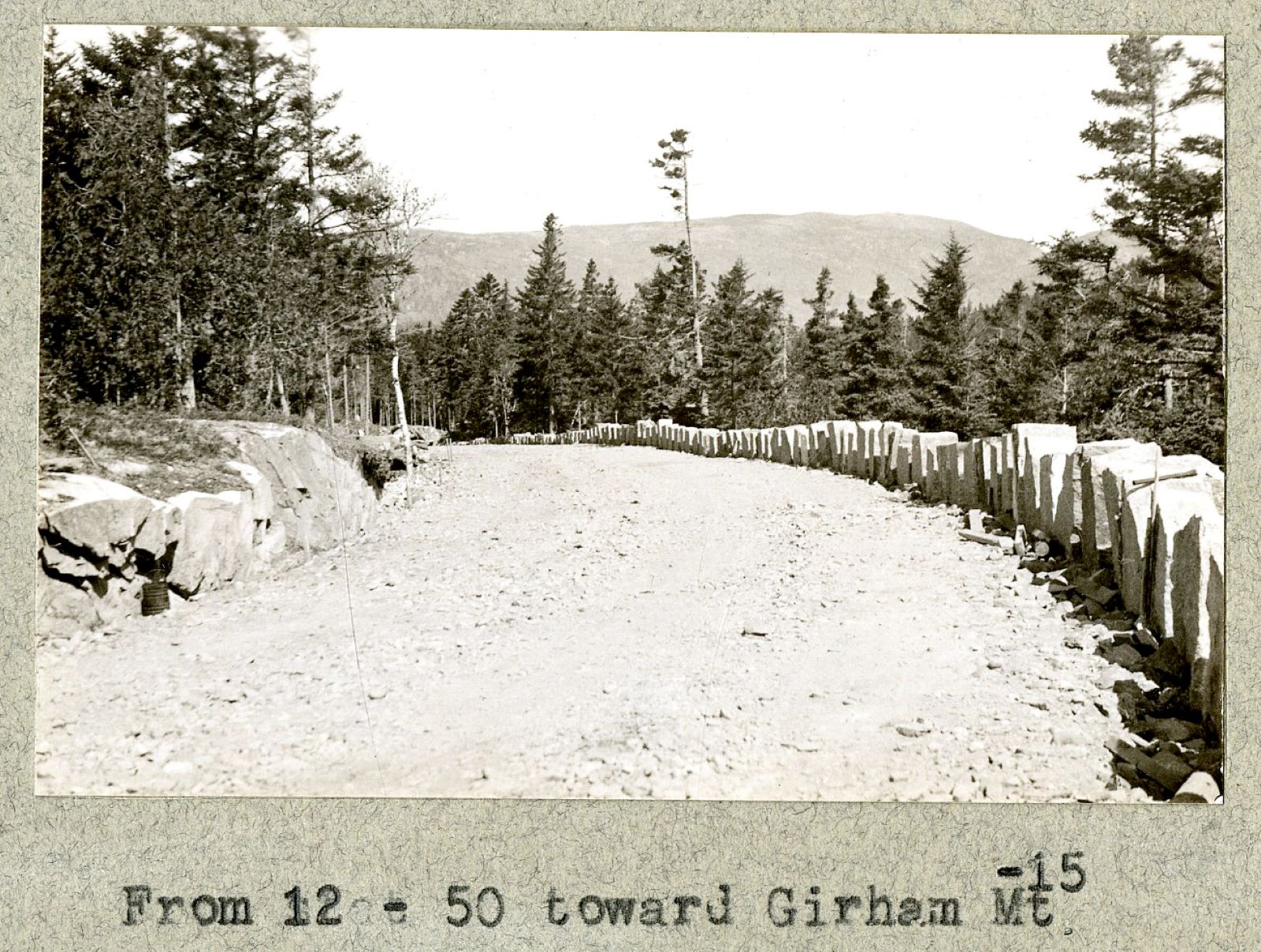
Acadia National Park: Carriage Roads, Cadillac Mountain & 2026 Guide
Discover carriage roads, Cadillac Mountain, and rugged Maine coast. Complete 2026 guide to Acadia National Park — trails, fees, lodging, permits, and what rangers recommend.
Hiking Guide
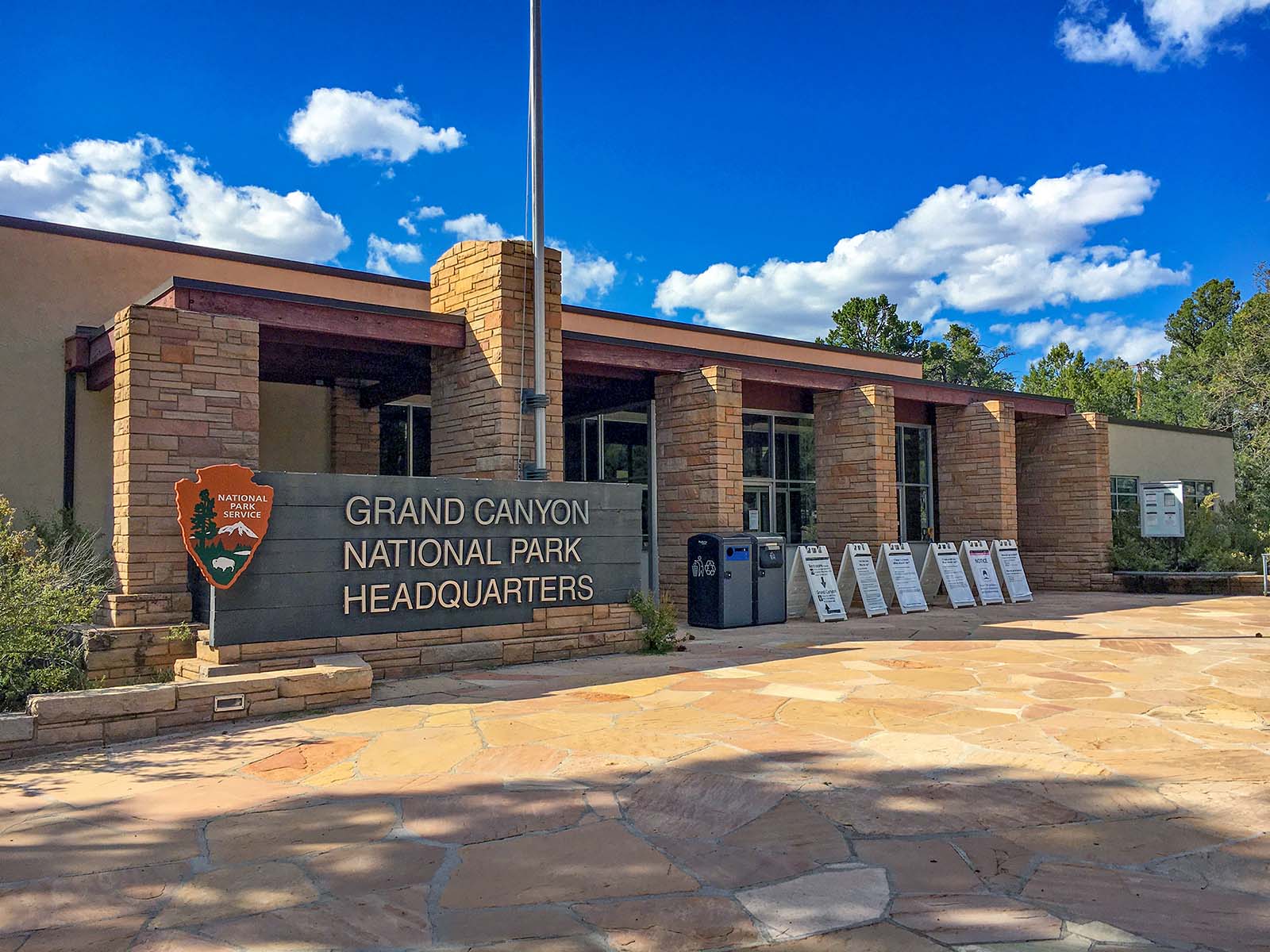
Grand Canyon Hiking Trails: Day Hikes, Water Sources & Rim to Rim
Compare Grand Canyon hiking trails: Bright Angel, South Kaibab, Hermit, Grandview, and rim to rim, with distances, elevation, water stops, and trailhead access for each.
Best Of
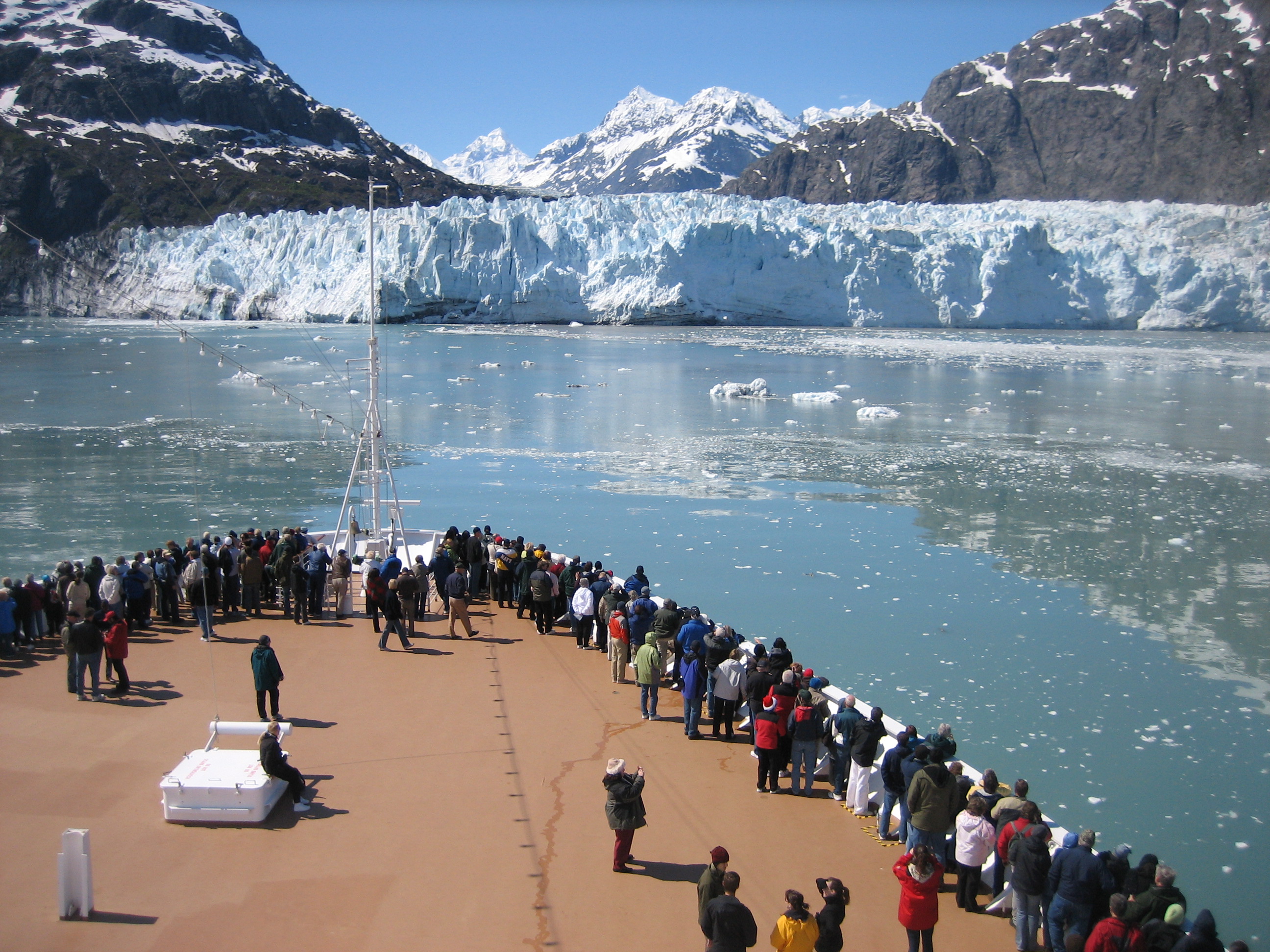
Best of Glacier Bay National Park
The best of Glacier Bay is reached by boat: ranger-led day tours up the bay to the tidewater glaciers. What's worth it, how to book, and when to go (2026).
Campsite Guide
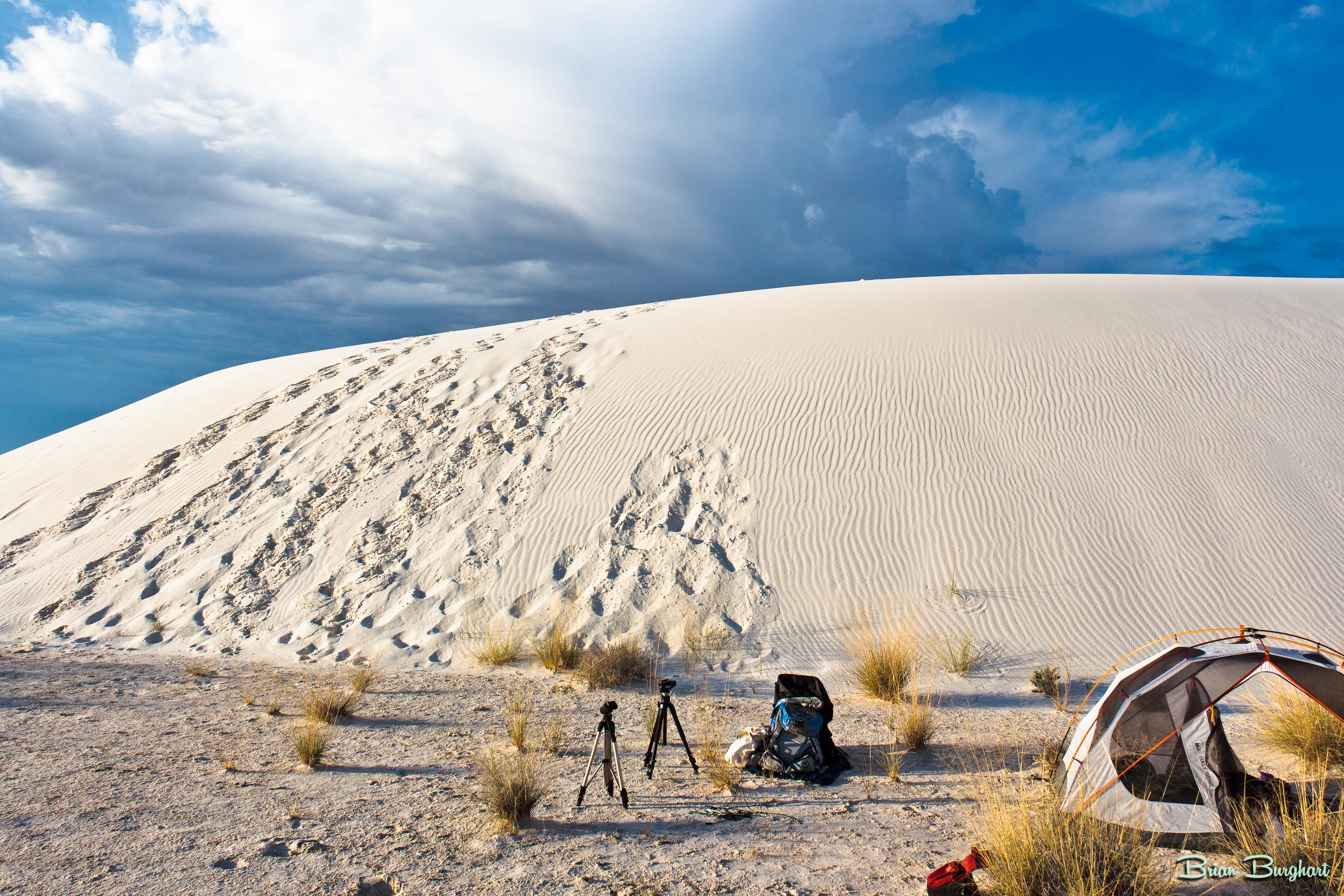
White Sands Backcountry Camping: Closed for 2026 — What to Know
As of 2026, backcountry camping at White Sands National Park is closed for site rehabilitation. What that means, and where to camp nearby instead.
Weather Guide
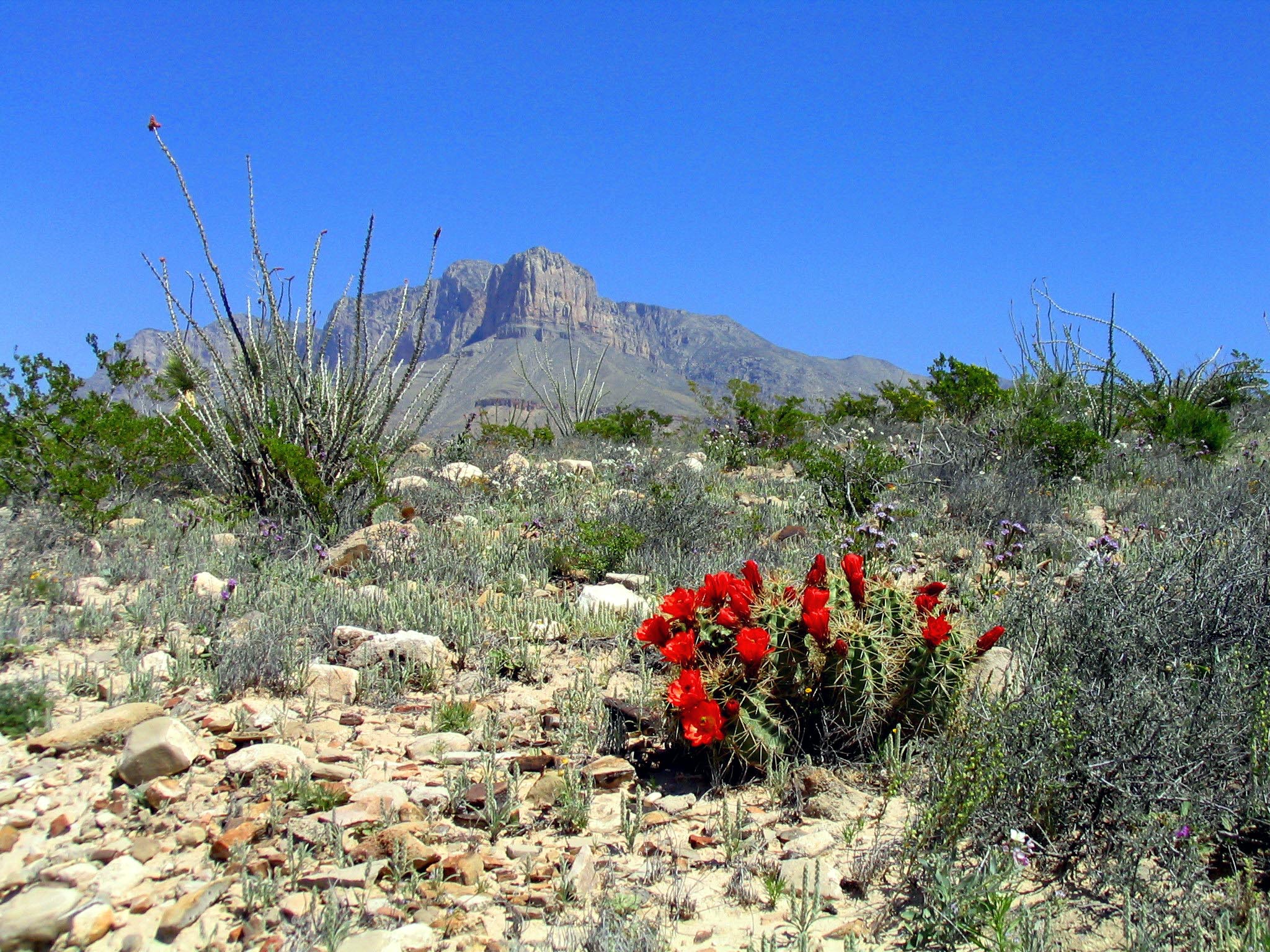
Guadalupe Mountains National Park Weather: Weather
Guadalupe Mountains National Park: weather guide guide updated 2026. Practical visitor information, reservations, and seasonal tips worth bookmarking before
Best Of
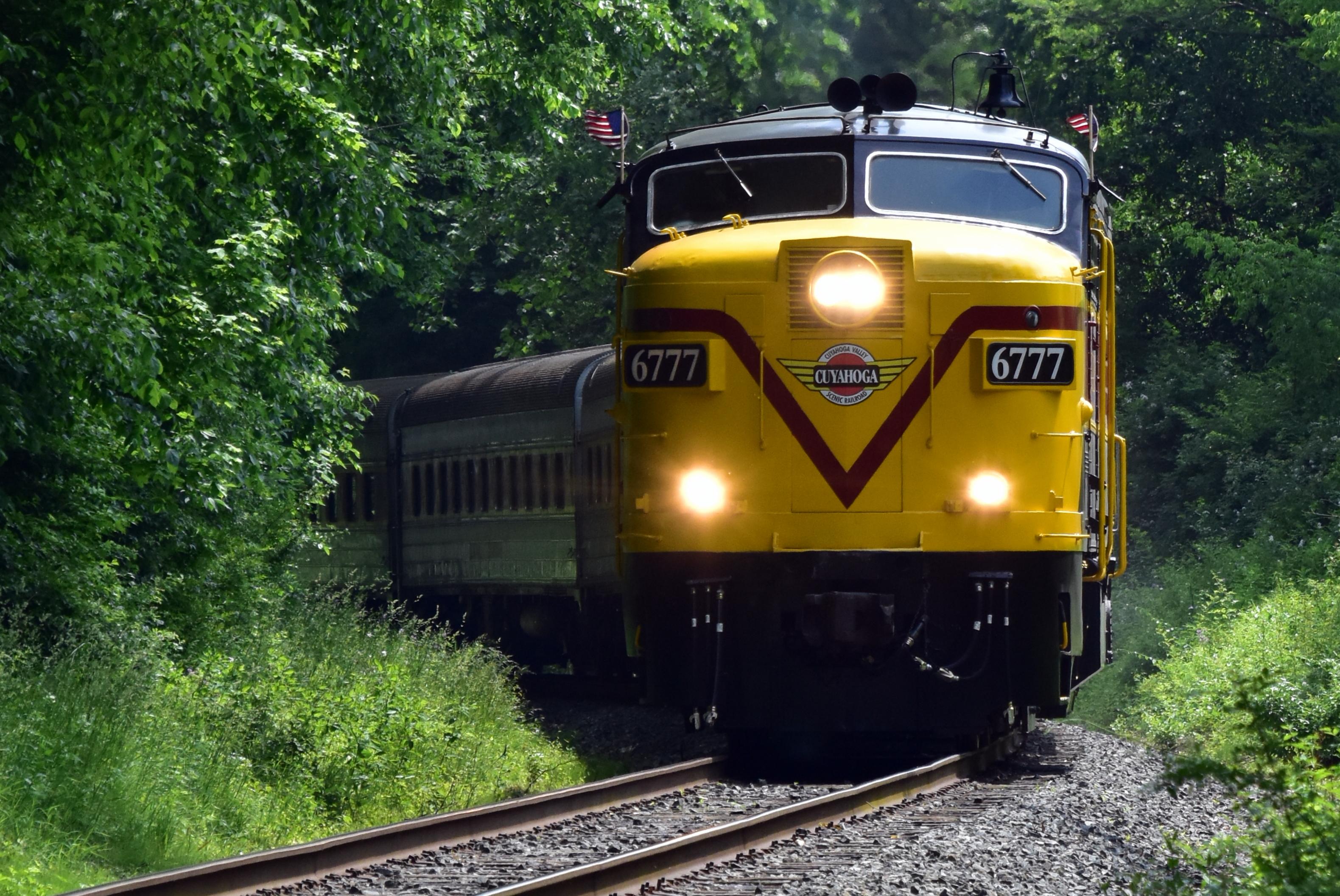
Best of Cuyahoga Valley National Park: Best Things to Do
Seeing a Cleveland Orchestra concert with the woods as your backdrop is a uniquely Cuyahoga Valley experience.
Sign in to join the conversation.
Sources & Attribution
Location data courtesy of the National Park Service (U.S. Department of the Interior). NPS data is public domain. Official NPS page.
Images: NPS; NPS; NPS; NPS; NPS.
Map data © OpenStreetMap contributors.
Park operations alerts: NPS.gov · Weather and weather hazards: National Weather Service · Live conditions.
Information may change. Always verify fees, hours, and conditions directly with the official source before visiting.
Did this guide help? Share it with a friend.