For more, see hiking trails, Petrified Forest camping, lodging and accommodations, and best time to visit.
NPS via NPS.gov (Public Domain)
Petrified Forest National Park: 225 Million Years of Ancient Forest — 2026 Guide
11 min read
Park Guide
Enter I-40 Exit 311 or Hwy 180 and drive 28 miles through 225-million-year-old wood, Painted Desert, and a Route 66 stretch. $25 per vehicle.
Your plans
This article contains affiliate links — we may earn a small commission at no extra cost to you.
At a glance
Entrance Fee
Private vehicle $25 · Per person $15 · Motorcycle $20Full fee schedule
Hours
Park Road hours of operation may change due to weather or safety issues. Closed Thanksgiving and Chr
Best Time
June-September (summer), September-October (fall colors)
Address
Exit 311, Petrified Forest, AZ, 86028
Website
34.9839, -109.7878
Google MapsIntroduction
I've lost count of how many times I've watched headlights streak past the park exits on I-40. That stretch between New Mexico and Flagstaff is straight, flat, and monotonous—the kind of road where you make up time without thinking. What those drivers miss is the largest concentration of Late Triassic petrified wood on the planet, a surviving section of historic Route 66, and badlands that shift color with the sun angle.
The park sits in a corner of Arizona where time does strange things. The fossils here are 225 million years old. The Painted Desert Inn was built in the 1920s. And Arizona doesn't observe daylight saving time, so your phone may or may not agree with the park clock depending on the season. Understanding how to enter Petrified Forest National Park is straightforward, but the route you choose determines what you see first and how much driving you do.
The most common mistake I see visitors make is budgeting two hours. You need at least four to do it right. The park runs 28 miles north to south between I-40 and Highway 180, and the main road is a one-way through route—you cannot legally turn around and go back. Plan your entry accordingly.
The Lay of the Land
North vs. South
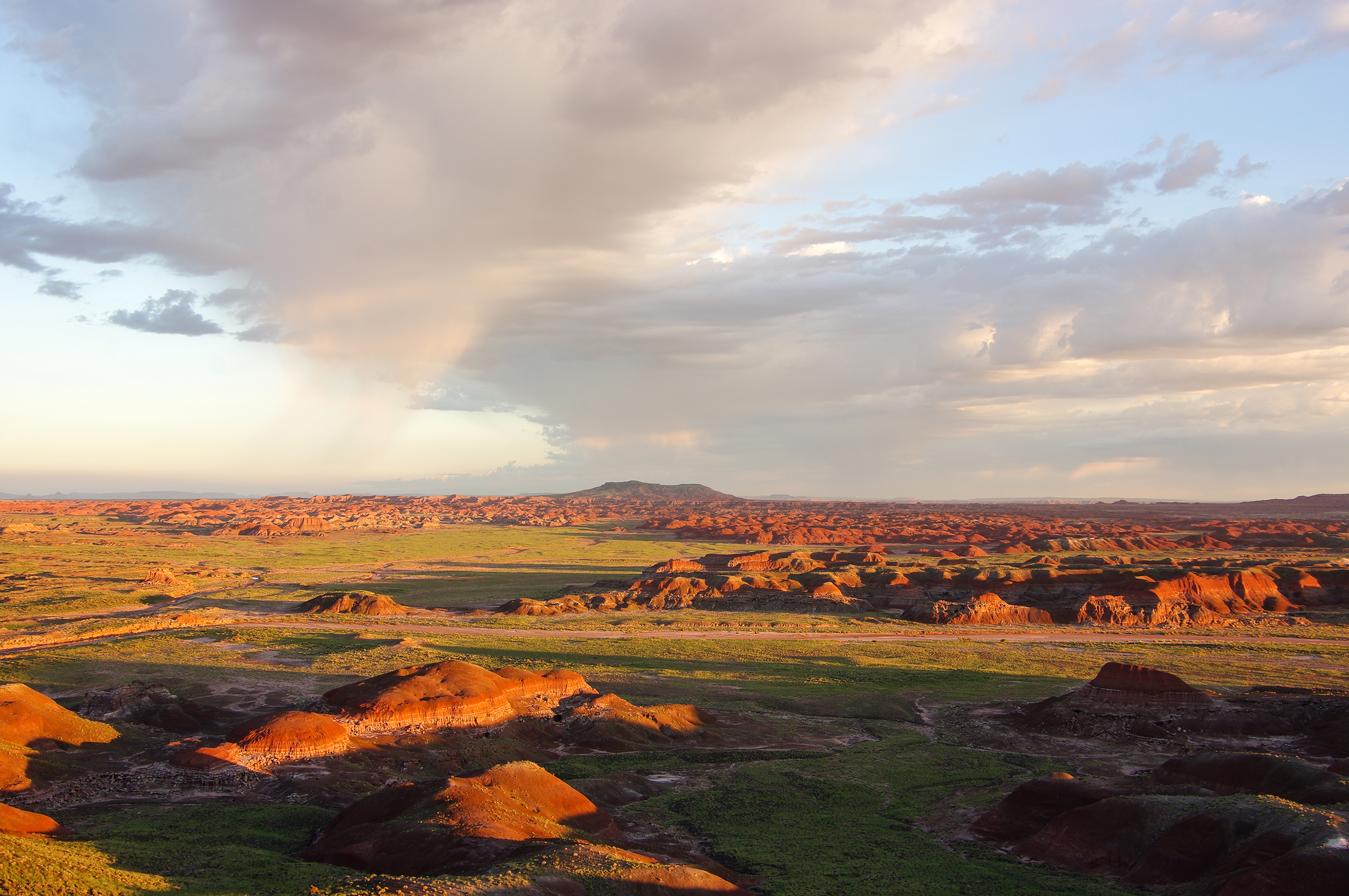
The park divides cleanly into two distinct zones connected by a single 28-mile road. The northern section, accessed from I-40 Exit 311, is Painted Desert country. This is where you find the sweeping overlooks, the Painted Desert Inn, and the Tawa and Painted Desert Rim trails. The colors here lean toward reds, oranges, and purples - the badland layers that give the Painted Desert its name.
The southern section, accessed from Highway 180, is Rainbow Forest country. This is where the petrified wood concentrations are thickest. Giant Logs, Long Logs, and Crystal Forest trails all sit in the southern half of the park. The Rainbow Forest Museum at the south entrance houses the park's primary paleontology exhibits.
Between them sits the Blue Mesa area, accessible via a spur road roughly at the park's midpoint. This is the banded badlands zone - blue, purple, gray, and peach layers that some visitors find more striking than the Painted Desert itself. The Blue Mesa Trail drops steeply off the mesa top for a mile-long loop through these formations.
The Through-Route Reality
The park road is designed as a through-drive, not a destination-and-return. You enter at one end, drive the main road plus any spur roads you choose, and exit at the opposite end. If you enter at the north entrance (I-40 Exit 311), you drive 28 miles south to the park's south entrance on Highway 180, then another 19 miles back to I-40 via Holbrook. If you enter at the south entrance (Highway 180), you drive 28 miles north through the park to I-40 Exit 311.
This matters for your vehicle. If you arrive on fumes, you can buy gas at the Painted Desert Oasis near the north entrance - the station is open as of 2026. There is no gas inside the park south of that point.

Planning Your Visit
Entrance Fees
As of 2026, the standard entrance fee for a private vehicle is $25.00, valid for seven days. Motorcycles pay $20.00. If you arrive on foot or by bicycle, the per-person fee is $15.00. Youth 15 and under enter free.
The America the Beautiful annual pass covers entry here, as do senior and access passes. If you plan to visit multiple national parks in a year, the annual pass pays for itself after about three park entries.
Hours and Closures
The park road opens daily from 8:00 AM to 5:00 PM, Mountain Standard Time. Remember - Arizona does not change clocks for daylight saving. From March through November, the park is on the same time as Pacific Daylight Time. From November through March, it matches Mountain Time. If you're coming from Phoenix, you're already on the same clock. If you're coming from Denver or Albuquerque, check your watch.
The park closes on Thanksgiving and Christmas. That's it. Otherwise, the gates open every day at 8 AM.
When to Visit
The best time to visit depends on what you want. Spring (March through May) and fall (September through November) offer the most comfortable temperatures - daytime highs in the 60s and 70s. Summer brings temperatures above 100°F and afternoon thunderstorms that can close roads quickly. Winter brings cold - below freezing at night, sometimes snow - but also uncrowded trails and dramatic light on the badlands.
June through September is the busiest window. September and October deliver fall color in the grasslands and rim woodlands. For solitude, visit on a weekday in November or February.
Getting There & Getting Around
By Car
The park sits about 110 miles east of Flagstaff and about 180 miles west of Albuquerque. Both interstates deliver you to either the north or south entrance depending on which direction you're traveling.
If you're westbound on I-40: Take Exit 311. This puts you directly at the north entrance station. From here, you drive south through the park to Highway 180, then 19 miles east to Holbrook, then back to I-40.
If you're eastbound on I-40: Take Exit 285 into Holbrook. From Holbrook, drive 19 miles south on Highway 180 to the park's south entrance. Enter here, drive 28 miles north through the park, and exit at I-40 Exit 311.
The nearest major airport is Flagstaff Pulliam (FLG), about 110 miles west. Phoenix Sky Harbor (PHX) is about 200 miles south. Albuquerque International Sunport (ABQ) is about 185 miles east.
Cell Service
Cell service drops out at multiple points along the park road. The northern section near the Painted Desert Visitor Center has intermittent service. The southern section near Rainbow Forest Museum has better coverage. The middle section - Blue Mesa, the stretch between the two main zones - is largely dead zone. Download the park's audio tour before you arrive. The paper map you get at the entrance station will be your primary navigation tool.
Parking
The parking situation here is not the nightmare you find at Zion or Yosemite. The park sees a fraction of the visitors those parks get. That said, the Blue Mesa Trail parking lot and the Crystal Forest lot can fill on summer weekends and holiday afternoons. The Rainbow Forest Museum lot is large and rarely full.
Early morning is your best bet for empty lots and good light on the badlands. By 10 AM on a summer Saturday, you'll share the main overlooks with other visitors, but you won't be shoulder-to-shoulder.

What to Do
Hiking
The park offers a range of short, accessible trails rather than long backcountry slogs. Most trails are under 2 miles. The exceptions are the Agate House Trail (2 miles round trip) and the backcountry routes available with a permit.
The standout trails include Crystal Forest Trail (0.75-mile loop through dense petrified wood deposits), Blue Mesa Trail (1-mile loop into the banded badlands), and Long Logs Trail (1.6-mile loop past some of the largest logs in the park). The Painted Desert Rim Trail is a 1-mile unpaved path along the rim that rewards early risers with quiet and wildlife sightings.
For a full breakdown of distances, difficulty, and trail conditions, see our dedicated guide to hiking trails in Petrified Forest National Park.
Museum and Lab
The Rainbow Forest Museum at the south end houses exhibits on Late Triassic paleontology, including a working paleontology lab where you can watch technicians prepare fossils. The lab is open Wednesday through Saturday, 9 AM to 3 PM. Rangers will tell you this is the best place to understand what you're actually looking at when you see the petrified logs.
The Painted Desert Inn, located 2 miles past the north entrance station, is a National Historic Landmark that also functions as a visitor center while the main Painted Desert Visitor Center undergoes construction. The inn's architecture - a blend of Pueblo Revival and Route 66 roadside - is worth the stop even if you don't need the information desk.
Wildlife Viewing
This is not a megafauna park. You won't see bison or bears. What you will see are pronghorn antelope (fastest land mammal in North America), elk, coyotes, and a remarkable variety of birds. The park sits along a migratory flyway, and birders can log over 200 species over the course of a year. Ravens are everywhere, and their calls echoing off the badlands are part of the park's soundscape.
Our wildlife viewing guide covers the best locations and seasons for spotting specific species.
Scenic Driving
The main park road is a scenic drive in its own right, but the spur roads are worth the extra time. The Blue Mesa Loop Road is a 5-mile round trip that drops you into the banded badlands. The pullouts along the main road - Nizhoni Point, Lacey Point, Pintado Point, Whipple Point - each offer a different angle on the Painted Desert.
Other Activities
The park offers geocaching (multiple caches including Earthcaches), bicycling on paved roads, horseback riding in the backcountry, and the Junior Ranger program for kids. You can also collect cancellation stamps at both visitor centers - a decades-old tradition that still draws a steady line at the information desk.
For guided options, see our page on tours and guided experiences.
Where to Stay
Inside the Park
There is no lodge or hotel inside Petrified Forest National Park. No cabins, no inn rooms, no glamping setups. The Painted Desert Inn is a museum and visitor center, not a functioning hotel.
Camping is available but primitive. Backcountry camping requires a free permit from the visitor center. There are no developed campgrounds with hookups or flush toilets. If you want a full-service camping experience, you need to look outside the park.
Gateway Towns
Holbrook (19 miles south of the south entrance) is the nearest town with hotels, restaurants, and gas stations. Expect chain motels - Super 8, Best Western, Days Inn - plus a few independent options. Holbrook is not a destination town. It exists to serve I-40 travelers. The rooms are functional, the restaurants are adequate, and you'll be 20 minutes from the park entrance.
For more options, see our guide to lodging and accommodations near Petrified Forest National Park.
Camping Outside the Park
The surrounding area offers dispersed camping on Bureau of Land Management (BLM) land, plus a few private campgrounds near Holbrook. The park's camping options page has details on permitted backcountry sites and regulations.
Most visitors stay in Holbrook or drive through the park in a single day from Flagstaff. If you're doing the latter, leave Flagstaff by 7 AM to arrive at the park by 9 AM with the full day ahead of you.

Seasonal Guide
Spring (March-May)
Daytime temperatures range from 50°F to 75°F. Wildflowers appear in April and May - lupine and Indian paintbrush along the trail edges. Winds can be strong, especially in March and April. Crowds are moderate. This is the best window for hiking without heat stress.
Summer (June-August)
Temperatures regularly exceed 100°F. Afternoon thunderstorms build in July and August, dropping sudden heavy rain that can turn washes into temporary rivers. Lightning is a real danger on exposed overlooks. The park road may close temporarily during storms. Start your hiking by 8 AM and finish by noon. Carry more water than you think you need.
Fall (September-November)
This is the sweet spot. Temperatures drop back to the 60s and 70s. The light shifts lower and warmer, making the badlands glow. Crowds thin after Labor Day. The rim woodland turns gold and orange. September and October are the months rangers recommend for first-time visitors.
Winter (December-February)
Cold. Daytime highs in the 40s, nighttime lows well below freezing. Snow is possible but not heavy - usually an inch or two that melts within a day. The park is quiet. You may have entire overlooks to yourself. The roads stay open unless snow accumulates, which is rare. Bring layers, a warm hat, and gloves.
Practical Takeaways
- Enter at the north entrance (I-40 Exit 311) if you want the classic Painted Desert overlooks first. Enter at the south entrance (Highway 180) if you want the petrified wood first. There is no wrong answer, but the choice determines your experience.
- The park road is a one-way through route. You cannot legally turn around. Once you commit to the 28-mile drive, you're committed. Plan your stops before you enter.
- Fill your gas tank before you arrive. The only gas station inside the park is at the Painted Desert Oasis near the north entrance. There is no gas at the south end.
- Download the park audio tour before you arrive. Cell service drops out at multiple points along the road, and the audio tour is your best source of interpretation while you drive.
- The Blue Mesa Trail is the single best hike in the park, but it has a steep descent and a corresponding climb back up. Your calves will have strong opinions about the return. Bring water.
- Do not take petrified wood. It is illegal. The park estimates that visitors steal about 12 tons of petrified wood per year. Rangers patrol, and fines start at several hundred dollars. The gift shop sells legal pieces sourced from private land.
- The Painted Desert Visitor Center is closed for construction as of 2026. Visitor services have moved to the Painted Desert Inn, 2 miles past the north entrance station. Follow the signs.
- Arizona doesn't observe daylight saving time. From March to November, the park is on Pacific Daylight Time. From November to March, it's on Mountain Standard Time. If your phone auto-updates, it may be wrong. Check the park's posted hours.
- The Rainbow Forest Museum has a working paleontology lab where you can watch fossil preparation in real time. It's open Wednesday through Saturday, 9 AM to 3 PM. Most visitors skip it. Don't.
- Bring binoculars. The pronghorn antelope stay well back from the road, and the birding along the Painted Desert Rim Trail in spring is worth the weight in your pack.

Final Thoughts
Petrified Forest National Park is not a dramatic park. There are no towering cliffs, no thundering waterfalls, no deep canyons. It asks you to slow down and look at things closely - at the crystalline structure in a broken log, at the subtle color bands in a badlands slope, at the petroglyphs scratched into sandstone 600 years ago by people who lived here when these were living trees.
This is a park for people who appreciate the strange and the subtle. If you need adrenaline, go to Moab. If you want to stand in a place where 225 million years is visible in a single glance, this is your park.
The road is 28 miles long. You can drive it in 45 minutes if you don't stop. You can spend eight hours here and still feel like you rushed. The park doesn't care either way. It's been here for a quarter of a billion years. It can wait.
For more information, see our complete National Park Guide.
Related: petrified forest trailhead guide
Recommended Gear
What experienced visitors bring to Petrified Forest National Park: 225 Million Years of Ancient Forest — 2026 Guide
Links may earn us a commission at no extra cost to you. We only recommend gear we believe in.
Hiking Essentials
Hydration Pack (3L)
Hands-free water for long trail days
Trekking Poles (Pair)
Save your knees on steep descents
Hiking Boots (Ankle Support)
Sturdy footwear for rocky, uneven trails
Sun & Heat Protection
Wide-Brim Sun Hat
Full coverage UPF 50+ protection at altitude
Insulated Water Bottle (32oz)
Keeps water cold in desert heat all day
Winter Gear
Microspikes / Traction Devices
Essential for icy rim trails in winter months
Packable Down Jacket
Lightweight warmth that stuffs into a pocket
Sources
- Official source: National Park Service nps.gov/pefo/planyourvisit/weather.htm
- Official source: National Park Service nps.gov/pefo/planyourvisit/hiking.htm
- Official source: National Park Service nps.gov/pefo/planyourvisit/wildlife.htm
- Official source: National Park Service nps.gov/pefo/planyourvisit/guidedtours.htm
- Official source: National Park Service nps.gov/pefo/planyourvisit/lodging.htm
- Official source: National Park Service nps.gov/pefo/planyourvisit/camping.htm
- Official source: NPS — Petrified Forest National Park nps.gov/pefo/index.htm
Explore More National Parks

Grand Canyon National Park: One of Earth's Greatest Wonders - 2026 Visitor Guide
Grand Canyon National Park: One of Earth's Greatest Wonders - 2026 Visitor Guide Overview Grand Cany...

Mesa Verde National Park: Ancient Cliff Dwellings & Ancestral Puebloan Sites - 2026 Guide
Discover ancient Ancestral Puebloan cliff dwellings and mesa ruins. Complete 2026 guide to Mesa Verd...

Saguaro National Park: The Sonoran Desert's Iconic Giant Cactus — 2026 Guide
Saguaro National Park splits into two distinct districts. 2026 tips for visiting—Rincon Mountain vs....

Canyonlands National Park: Utah's Wildest Canyon Country - 2026 Guide
Canyonlands has zero restaurants inside the park. 2026 guide to where to eat near each of its three...
Photo Gallery
More to Explore
Park Guide
Acadia National Park: Carriage Roads, Cadillac Mountain & 2026 Guide
Discover carriage roads, Cadillac Mountain, and rugged Maine coast. Complete 2026 guide to Acadia National Park — trails, fees, lodging, permits, and what rangers recommend.
Hiking Guide
Grand Canyon Hiking Trails: Day Hikes, Water Sources & Rim to Rim
Compare Grand Canyon hiking trails: Bright Angel, South Kaibab, Hermit, Grandview, and rim to rim, with distances, elevation, water stops, and trailhead access for each.
Best Of
Best of Glacier Bay National Park
The best of Glacier Bay is reached by boat: ranger-led day tours up the bay to the tidewater glaciers. What's worth it, how to book, and when to go (2026).
Campsite Guide
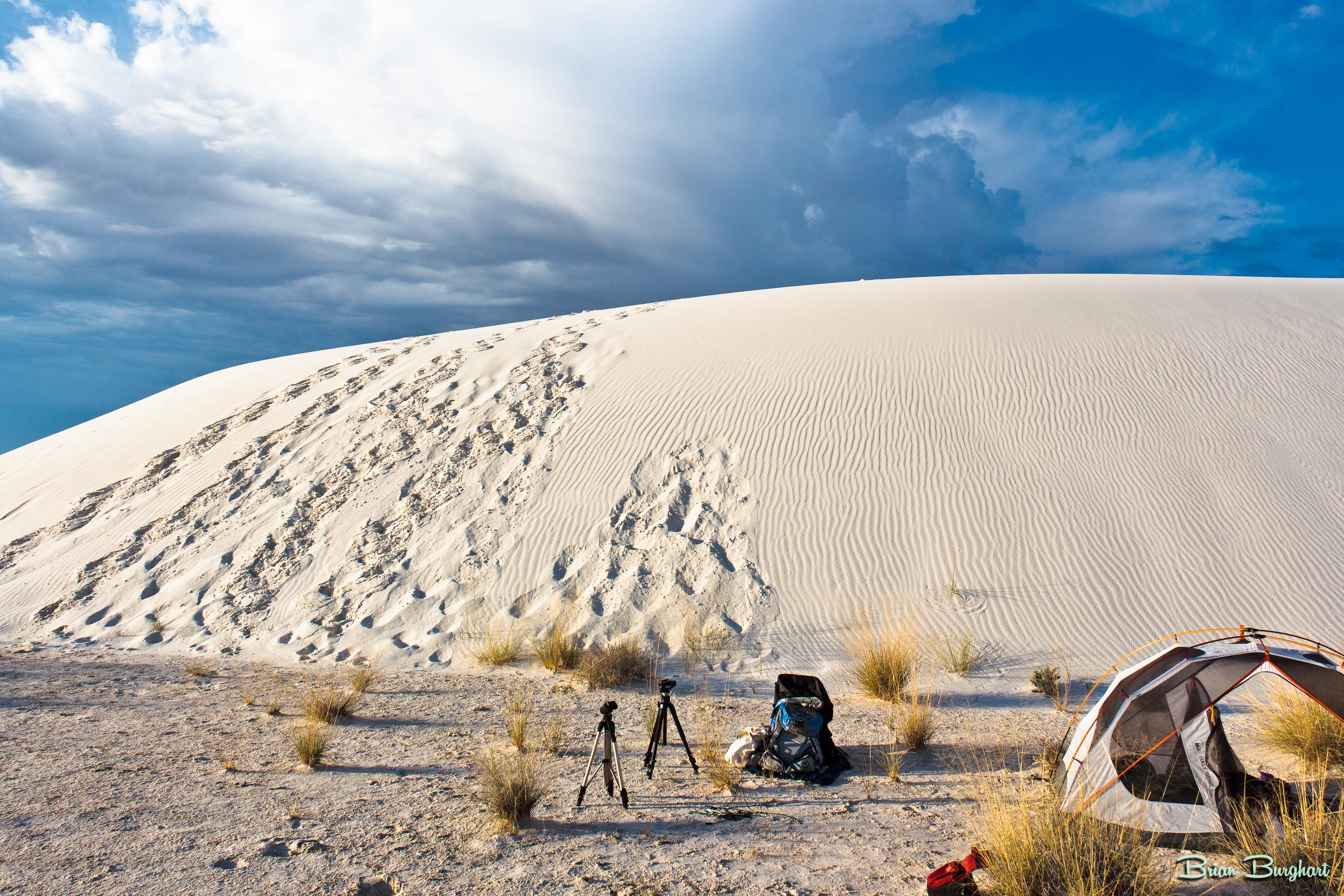
White Sands Backcountry Camping: Closed for 2026 — What to Know
As of 2026, backcountry camping at White Sands National Park is closed for site rehabilitation. What that means, and where to camp nearby instead.
Weather Guide
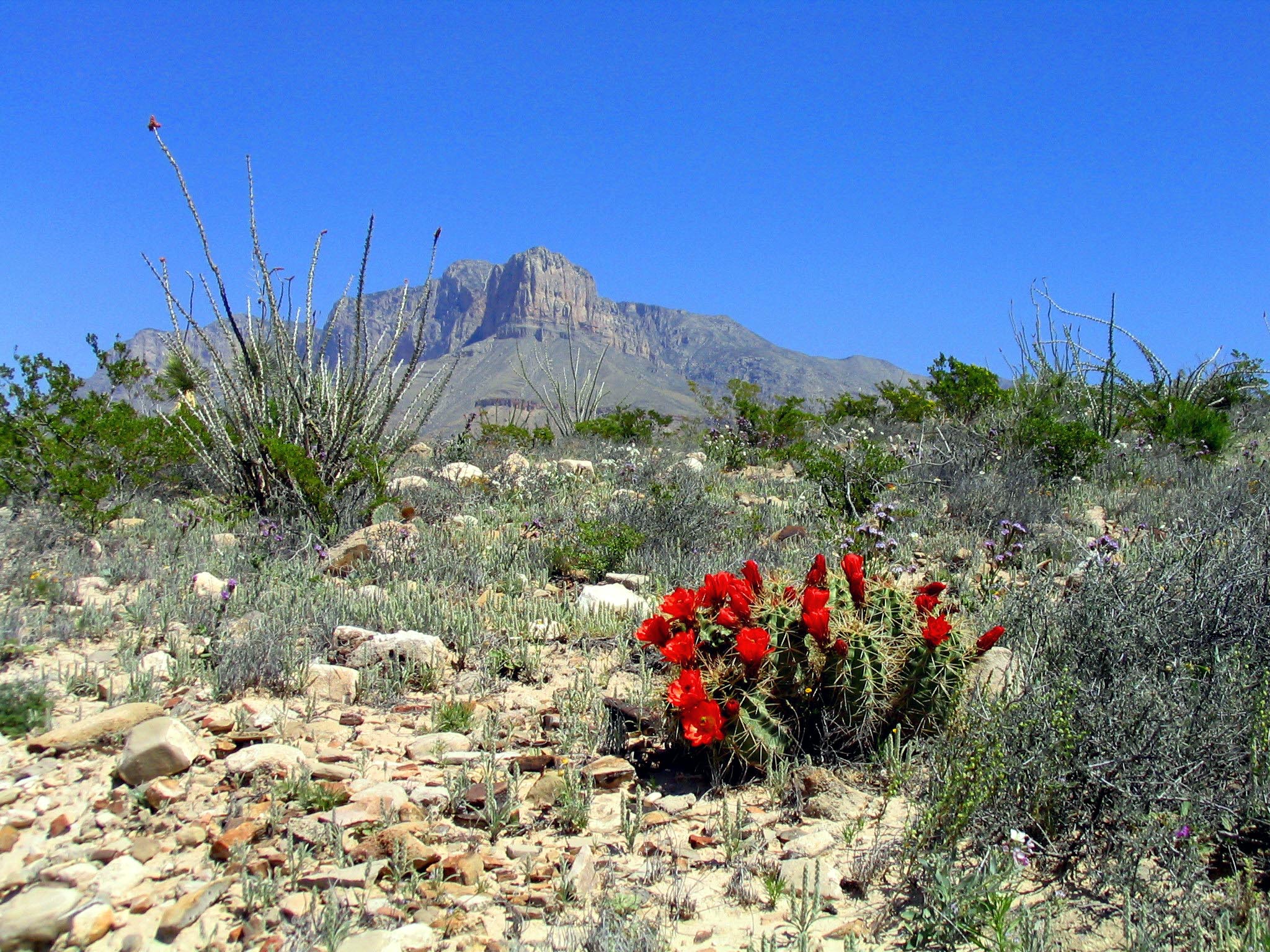
Guadalupe Mountains National Park Weather: Weather
Guadalupe Mountains National Park: weather guide guide updated 2026. Practical visitor information, reservations, and seasonal tips worth bookmarking before
Best Of
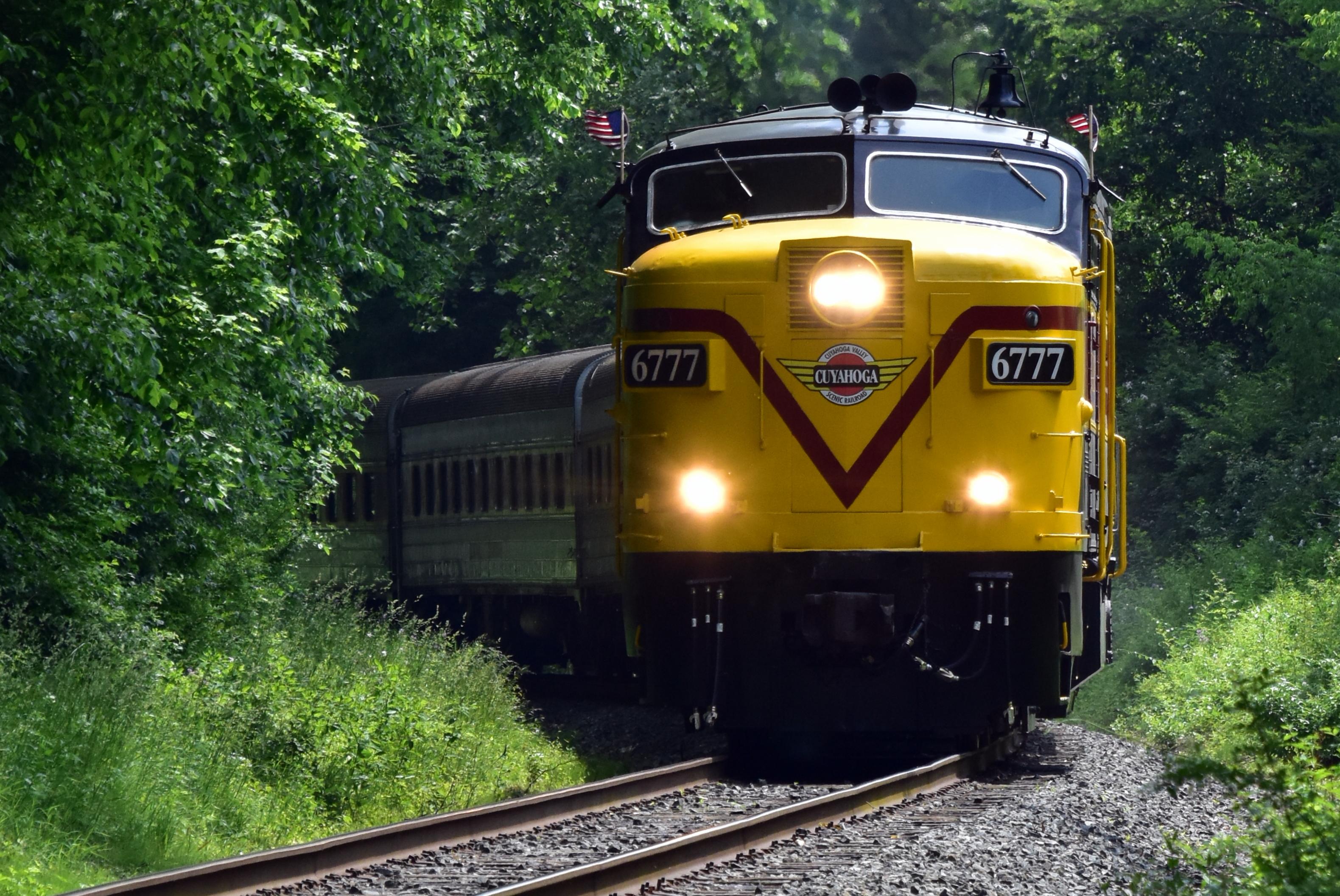
Best of Cuyahoga Valley National Park: Best Things to Do
Seeing a Cleveland Orchestra concert with the woods as your backdrop is a uniquely Cuyahoga Valley experience.
Sign in to join the conversation.
Sources & Attribution
Location data courtesy of the National Park Service (U.S. Department of the Interior). NPS data is public domain. Official NPS page.
Images: NPS; NPS; NPS; NPS; NPS.
Map data © OpenStreetMap contributors.
Park operations alerts: NPS.gov · Weather and weather hazards: National Weather Service · Live conditions.
Information may change. Always verify fees, hours, and conditions directly with the official source before visiting.
Did this guide help? Share it with a friend.