What is the best time of day to photograph petrified wood so it glows like stained glass? The answer is specific: early morning or late afternoon, when low-angle sunlight skims across the exposed logs and brings out the full range of reds, oranges, purples, and occasionally blues. You can get the best petrified forest national park photos right at opening or in the last hour before the gates close - and with a little planning, you can cover the park's highlights in a single day.
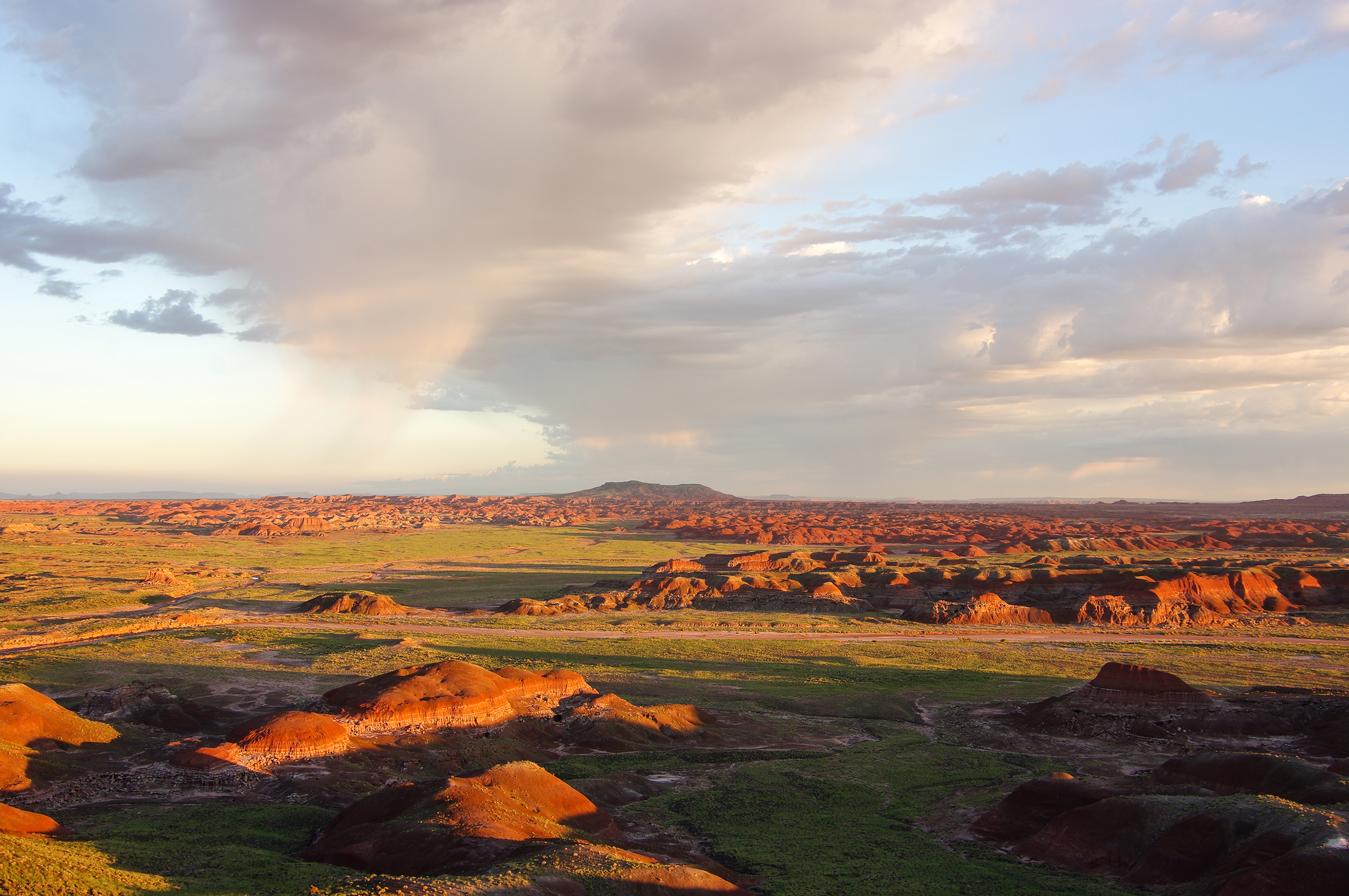
NPS via NPS.gov (Public Domain)
Best of Petrified Forest National Park: Best Photos (2026)
10 min read
Best Of
Photograph petrified wood glowing in early morning or late afternoon light. Cover the 28-mile park road in one day with tips on timing, trails, and avoiding crowds.
This article contains affiliate links — we may earn a small commission at no extra cost to you.
The park road runs 28 miles north-south between I-40 and Highway 180. Arizona doesn't observe daylight savings, so the 8 AM to 5 PM schedule is consistent year-round except Thanksgiving and Christmas. That gives you about nine hours to work with. Here's how to maximize those hours for photography.
If You Only Have One Day
Start at the north entrance off I-40 Exit 311. The parking lot at the Painted Desert Inn (the current visitor center while construction continues at the main building) fills by 9 AM in peak season. Grab a map, but don't linger more than ten minutes.
The single mistake that derails most one-day visits: spending too long at the first few overlooks. Tiponi Point, Tawa Point, and Kachina Point are all worth a quick stop, but the light is better at the southern half of the park. Drive south immediately and hit the trail before 9:30 AM.
Stop at the Painted Desert Oasis to refuel - the gas station and restaurant are open, restrooms available. Then continue south. The best photo opportunities cluster around the Crystal Forest Trail and Long Logs Trail near the south end. Plan to reach the Blue Mesa area by noon to catch the banded mudstone ridges in overhead light, then head down the Blue Mesa Trail (a one-mile loop with decent elevation loss and gain). Return to the main road, then hit the Giant Logs Trail just before you exit the south gate.
If you can time your drive to arrive at the Rainbow Forest Museum overlook thirty minutes before 5 PM, you'll catch the logs in warm sidelight and have the place nearly to yourself. Park rangers will tell you that's when the serious photographers show up.

The Top Experiences, Ranked
#1 - Crystal Forest Trail: The Spectacular Photo Loop
- Why it makes this list: The densest concentration of rainbow-colored petrified logs in the park, spread across a short, level 0.75-mile loop.
- What it requires: Zero physical effort. Paved, wheelchair-accessible path. Ten minutes to walk, but plan 45 minutes if you're photographing.
- The single best tip: Shoot in the morning (before 10 AM) or late afternoon (after 3 PM). Midday sun washes out the color. Use a polarizing filter to cut glare off the quartz crystals in the logs.
- What most visitors do wrong: They stop at the first big log and never make it to the back side of the loop where the best specimens sit. Walk the entire loop before you decide where to shoot.
- Link: For more trail details, see the hiking trails page.
#2 - Blue Mesa Scenic Overlook and Trail
- Why it makes this list: The banded purple, blue, and red badlands look alien and turn incandescent in overcast light. The one-mile loop drops you into the formation itself.
- What it requires: Moderate fitness - the trail descends 80 feet via switchbacks, then you climb back out. Allow 45 minutes for the loop plus photo stops.
- The single best tip: Cloudy days are actually better than bright sun for Blue Mesa. The soft light brings out the subtle color layers. If the sky is clear, shoot early or late.
- What most visitors do wrong: They shoot from the overlook only and miss the trail. The overlook is good. The trail is where the best petrified forest national park photos happen.
#3 - Giant Logs Trail
- Why it makes this list: "Old Faithful" log lies here - one of the largest petrified logs in the world at 9.5 feet in diameter. Plus a 0.4-mile paved loop through a grove of enormous logs.
- What it requires: Minimal effort. Located right behind the Rainbow Forest Museum at the south end.
- The single best tip: Use a wide-angle lens to emphasize the scale of the logs against a person or a pack. The contrast between the 225-million-year-old wood and a modern hiker makes the photo.
- What most visitors do wrong: They skip it because it's at the south exit and they're rushing to leave. Don't. It's the best concentration of massive logs in the park.
#4 - Painted Desert Inn Overlook
- Why it makes this list: Panoramic view of the Painted Desert with the historic adobe inn in the foreground. The building is a National Historic Landmark.
- What it requires: Zero hiking - walk from the parking lot to the overlook behind the inn.
- The single best tip: Sunrise. The colors of the Painted Desert change minute by minute during the first 30 minutes after dawn. The inn itself faces east, so the building catches warm light.
- What most visitors do wrong: They only look at the inn's interior exhibits (which are good) and miss the outdoor observation deck. Step outside.
#5 - Newspaper Rock
- Why it makes this list: Hundreds of prehistoric petroglyphs carved into a sandstone boulder. Not about petrified wood, but a genuinely rare cultural resource.
- What it requires: A short paved walk from parking. Read the interpretive signs to understand what you're seeing.
- The single best tip: Use a telephoto lens to isolate individual carvings. Direct sunlight at midday creates harsh shadows that hide the carvings. Early morning or late afternoon side-light is better.
- What most visitors do wrong: They photograph the whole rock face instead of picking out specific images. Get in close.
#6 - Tawa Point and Tiponi Point Overlooks
- Why it makes this list: Classic Painted Desert overviews near the north entrance. Great for first-timers to orient themselves.
- What it requires: Pull-offs with short walks. Five minutes each.
- The single best tip: Shoot from Tawa Point looking south. The layers of the Painted Desert recede into the distance in a way that works well with a mid-range telephoto.
- What most visitors do wrong: They stop only at the first overlook (Tiponi). Tawa Point, a few hundred yards south, offers a more dramatic view.
#7 - Night Sky Photography (When Park Hours Allow)
- Why it makes this list: The park is a designated International Dark Sky Park. Petrified logs under the Milky Way make for surreal images.
- What it requires: You must be inside the park before gate hours. Check with the visitor center about after-hours photography permits or ranger-led night photography programs (offered seasonally).
- The single best tip: Use a star tracker to capture the logs in sharp focus with a 30-second exposure. The logs don't move, but the stars will trail if you go longer than about 15 seconds without a tracker.
- What most visitors do wrong: They assume the gates are open after 5 PM. They are not. Plan ahead.
#8 - Lacey Point Overlook
- Why it makes this list: Less crowded than Kachina Point, with a similar sweeping view of the Painted Desert. You can see evidence of the Triassic-era river system in the badlands below.
- What it requires: Short walk from parking. Usually empty.
- The single best tip: Use a long exposure to compress the layered badlands into a single ribbon of color. Even a 1-second exposure with a slow aperture smooths out the texture.
- What most visitors do wrong: They drive past it on the way to the more famous overlooks. It's worth a ten-minute stop.
#9 - Backcountry Hiking for Isolation Photos
- Why it makes this list: Most visitors stick to the paved overlooks. The backcountry offers petrified wood and Painted Desert scenery with zero crowds.
- What it requires: Free backcountry permit from the visitor center. Must know your route and carry water. Cell service drops out at the north end of the park and along many sections.
- The single best tip: Hike a mile off-trail into the Painted Desert. The petrified logs you find there are often un-weathered, with bark and growth rings still visible.
- What most visitors do wrong: They don't register for a permit and assume they can wander. Rangers will tell you it's strictly enforced - they do regular patrols. Get the permit.
- Link: See the complete visitor guide for permit procedures.
#10 - Painted Desert Oasis (Pre-Construction Photo Op)
- Why it makes this list: The gift shop and gas station are vintage Route 66 style. Makes a good foreground subject with the petrified wood backdrop.
- What it requires: Pull off the road.
- The single best tip: Photograph the building with a petrified log in the foreground to connect the modern-day park experience with the ancient landscape.
- What most visitors do wrong: They skip it because it looks like a commercial stop. The architecture is worth a frame.

What Most People Miss
The Agate Bridge. This 110-foot-long petrified log spans a natural gully. It was once a walkable bridge until safety concerns forced its closure. You can still photograph it from the viewing platform. The log's cross-section at the broken end shows the cellular wood structure replaced by agate - a detail few visitors notice.
The Painted Desert Inn murals. Inside the inn, Hopi artist Fred Kabotie painted murals in the 1940s depicting Puebloan life. They're often overlooked by visitors rushing to the overlook. The murals appear in the background of many park photos, but few people take the time to photograph them as primary subjects. The soft interior light through the windows works well with a fast prime lens.
The petrified wood at the south end after the last shuttle bus leaves. Most tour groups arrive between 10 AM and 2 PM. After 3 PM, the south end empties dramatically. If you can stay until 4:30 PM, you'll have the Giant Logs Trail and Rainbow Forest virtually to yourself. That's when the best petrified forest national park photos happen - no people, perfect light.
The hiking trails off the main road. The official park road is a 28-mile scenic drive. Most visitors never leave the car. But the Blue Mesa Trail, the Crystal Forest Trail, and the Long Logs Trail (0.6 miles, flat, excellent for detail shots of bark patterns) all offer closer access. For a longer option, the Onyx Bridge Trail (2 miles round trip) leads to a 130-foot-long petrified log that's not visible from the road.
The campground. There are no campgrounds inside the park - the closest is a few miles south. But backcountry camping is allowed with a permit. If you want a truly dark night sky for astrophotography, this is the only way to stay inside park boundaries after dark. Plan for temperatures from above 100°F to below freezing, and carry all your water.

What's Overrated (and Better Alternatives)
The Agate House. A reconstructed Puebloan dwelling made of petrified wood. It's interesting historically, but the building is small and often crowded. The 2-mile round-trip hike to reach it is flat and dull. Better alternative: Spend that time at Long Logs Trail instead, which has more petrified wood in better condition and is 0.6 miles flat.
The Painted Desert Desert overlooks at midday. Every overlook offers a view, but clear sky harsh light turns the Painted Desert into a single tan blob. Better alternative: Wait until after 3 PM or go early morning. If you can only visit midday, head to Blue Mesa where the badlands' color bands stay visible even in overhead light.
Waiting in line for the Painted Desert Inn's restaurant. The inn does not have a restaurant - only the Painted Desert Oasis has food. Visitors often confuse the two. Better: Grab food at the Oasis (south of the north entrance) and eat at one of the picnic tables near the overlooks. Pack lunch for best results.

Practical Takeaways
- Park hours: 8 AM to 5 PM MST year-round. Arizona does not observe daylight savings. Arrive at 7:50 AM and you'll have the first hour to yourself. That's your window for the best petrified forest national park photos.
- Cell service drops out at the north end of the park and along much of the southern section. Download offline maps and directions before you enter. The park entrance stations have wifi - use it.
- Phone numbers if you need help: Painted Desert Inn visitor center 928-235-2467; Visitor Services office 928-235-2391. Park headquarters phones are down as of early 2026.
- Fees: Private vehicle $25, valid 7 days. Motorcycle $20. Per person $15 (bicycle/hiker). Youth 15 and under free. America the Beautiful passes accepted.
- What the park website doesn't mention: The Painted Desert Oasis gas station sells water and snacks, but the nearest full grocery store is in Holbrook, 19 miles east. Fill your gas tank and buy ice before you arrive.
- The best time to visit for photos is March-April or October-November. Temperature ranges comfortable, sun angles low. Summer months (June-September) see 100°F afternoons but dramatic monsoon thunderstorms that create moody skies - good for photography if you can handle the heat.
- Protect your gear. The park is semi-arid: fine red dust will get into your camera bag between stops. Bring a blower brush and a lens cloth. The dust is electrically charged and clings to everything.
Plan ahead, arrive early, and stick to the southern end for the most concentrated photo opportunities. The park covers 28 linear miles, but the best compositions cluster in a 5-mile radius around the Rainbow Forest Museum. Park rangers will tell you the same thing: you don't need to see every overlook to get the shot. Hit the trail loops, work the light, and you'll leave with images that beat any postcard.
For more detailed planning, check the complete visitor guide and the camping options page if you're staying overnight in Holbrook. For seasonal advice, the best time to visit page will be published soon with specific monthly temperature and crowd data.
For more information, see our complete National Park Guide.
Related: petrified forest trailhead guide
Recommended Gear
What experienced visitors bring to Best of Petrified Forest National Park: Best Photos (2026)
Links may earn us a commission at no extra cost to you. We only recommend gear we believe in.
Hiking Essentials
Hydration Pack (3L)
Hands-free water for long trail days
Trekking Poles (Pair)
Save your knees on steep descents
Hiking Boots (Ankle Support)
Sturdy footwear for rocky, uneven trails
Sun & Heat Protection
Wide-Brim Sun Hat
Full coverage UPF 50+ protection at altitude
Insulated Water Bottle (32oz)
Keeps water cold in desert heat all day
Winter Gear
Microspikes / Traction Devices
Essential for icy rim trails in winter months
Packable Down Jacket
Lightweight warmth that stuffs into a pocket
Sources
- Official source: NPS — Petrified Forest National Park nps.gov/pefo/index.htm
Photo Gallery
More to Explore
Park Guide
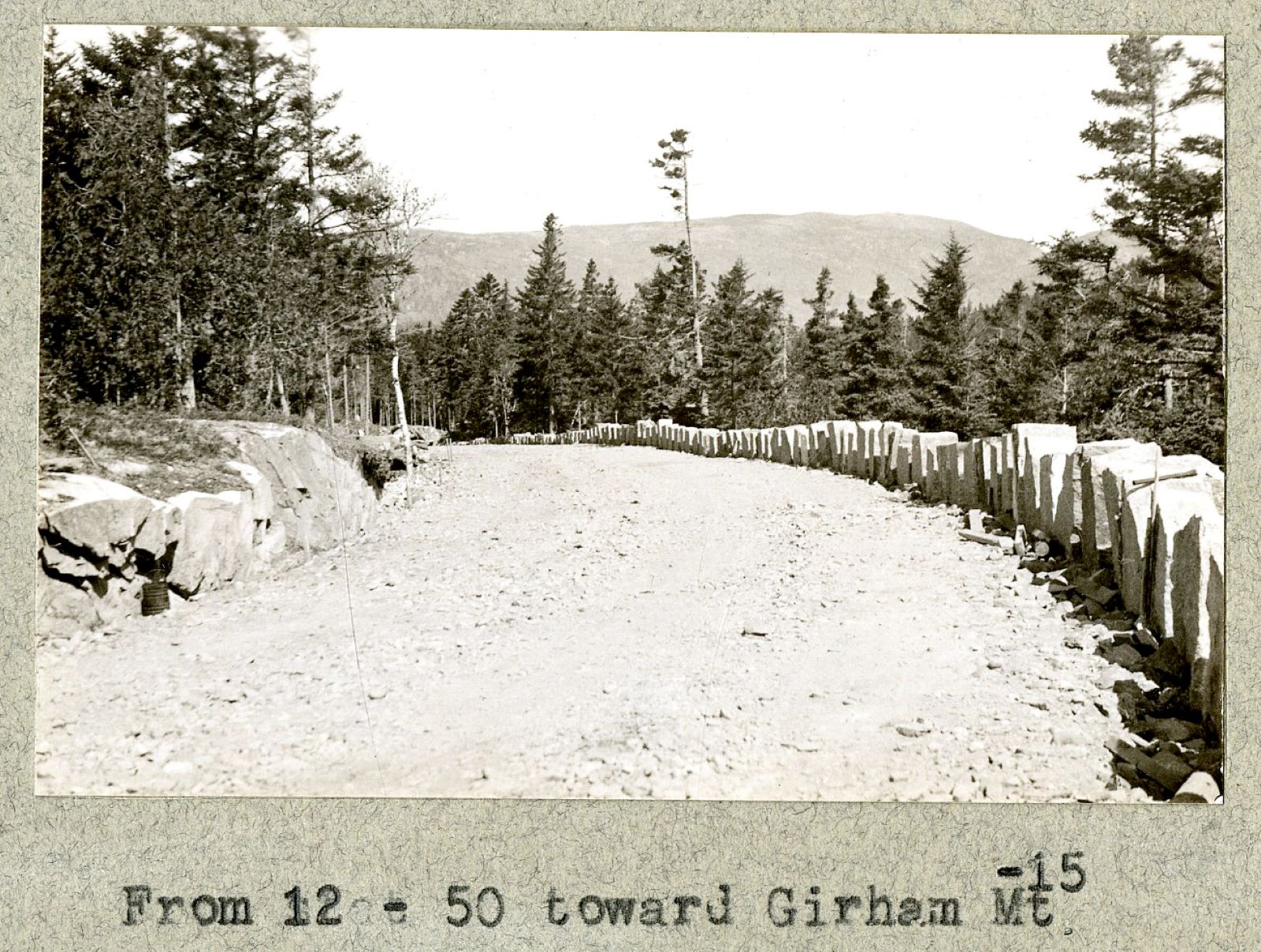
Acadia National Park: Carriage Roads, Cadillac Mountain & 2026 Guide
Discover carriage roads, Cadillac Mountain, and rugged Maine coast. Complete 2026 guide to Acadia National Park — trails, fees, lodging, permits, and what rangers recommend.
Hiking Guide
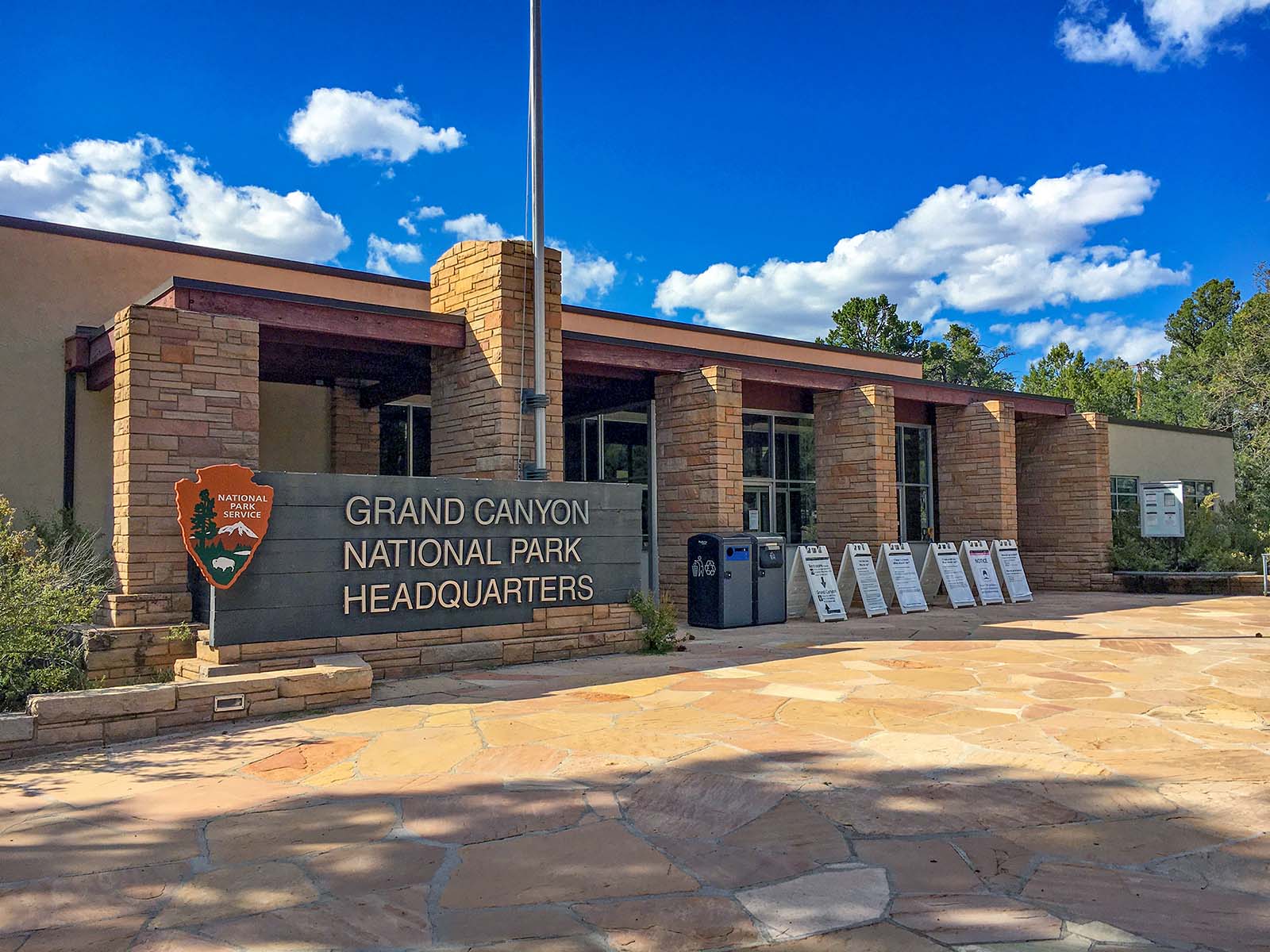
Grand Canyon Hiking Trails: Day Hikes, Water Sources & Rim to Rim
Compare Grand Canyon hiking trails: Bright Angel, South Kaibab, Hermit, Grandview, and rim to rim, with distances, elevation, water stops, and trailhead access for each.
Best Of
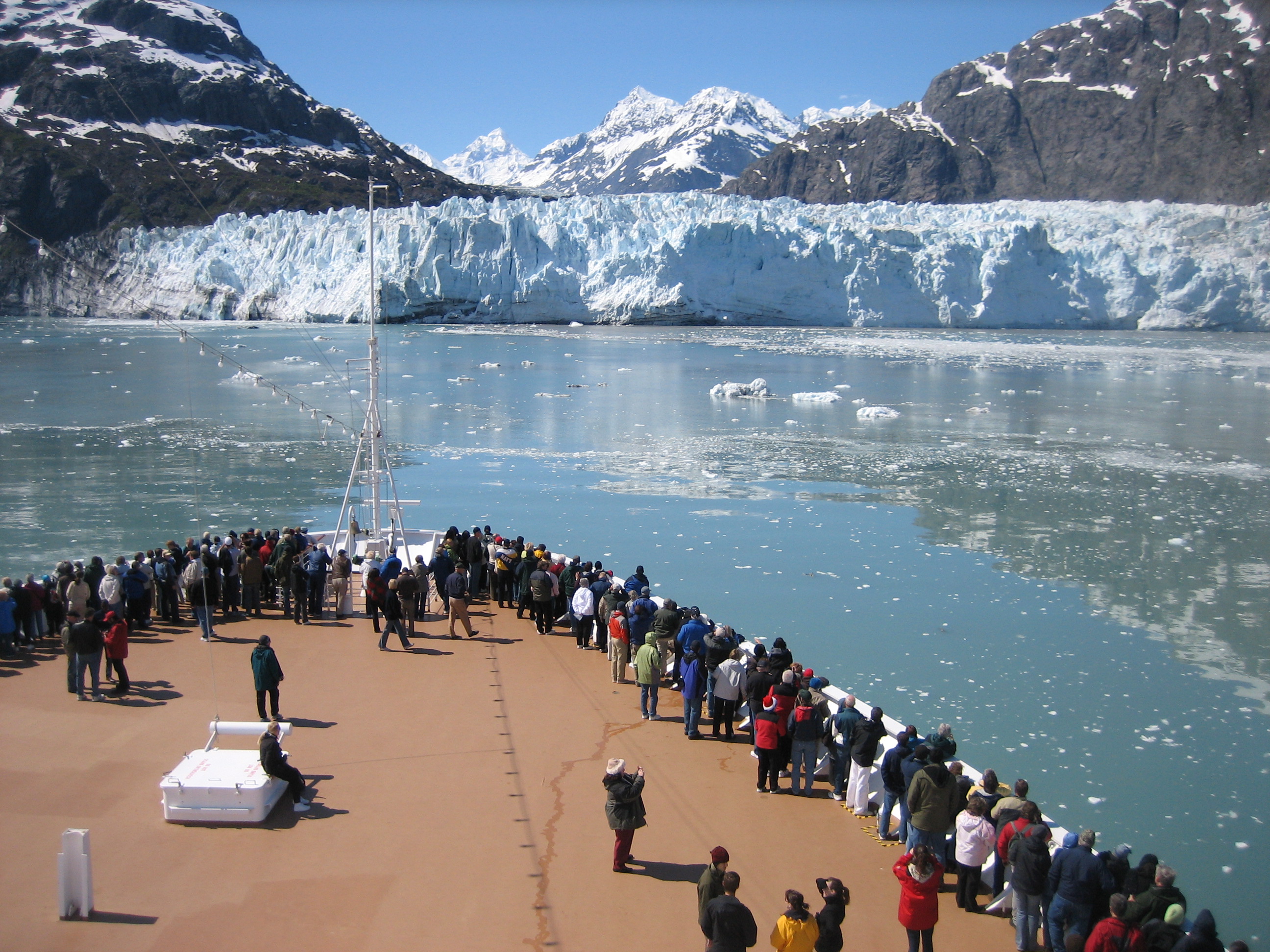
Best of Glacier Bay National Park
The best of Glacier Bay is reached by boat: ranger-led day tours up the bay to the tidewater glaciers. What's worth it, how to book, and when to go (2026).
Campsite Guide
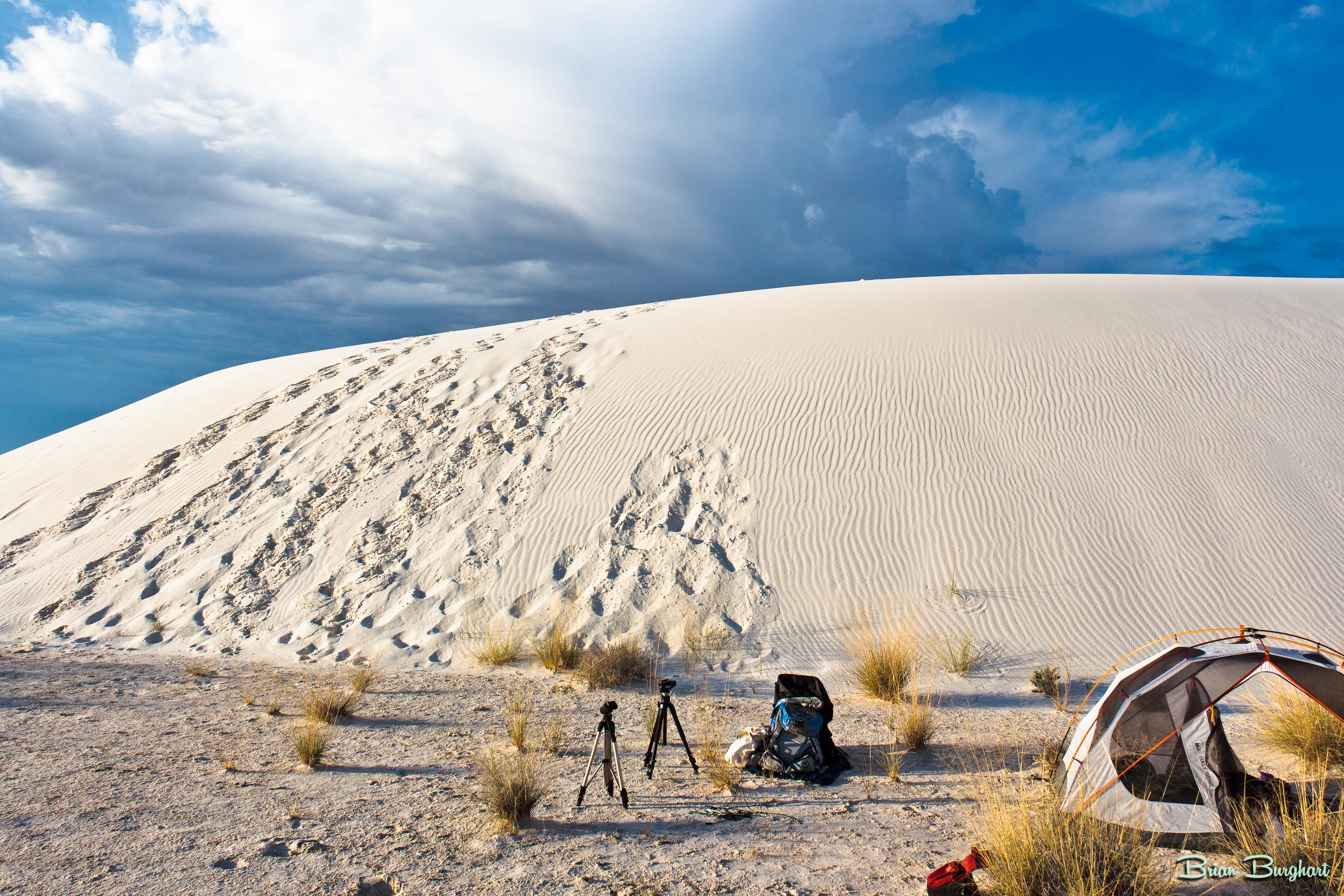
White Sands Backcountry Camping: Closed for 2026 — What to Know
As of 2026, backcountry camping at White Sands National Park is closed for site rehabilitation. What that means, and where to camp nearby instead.
Weather Guide
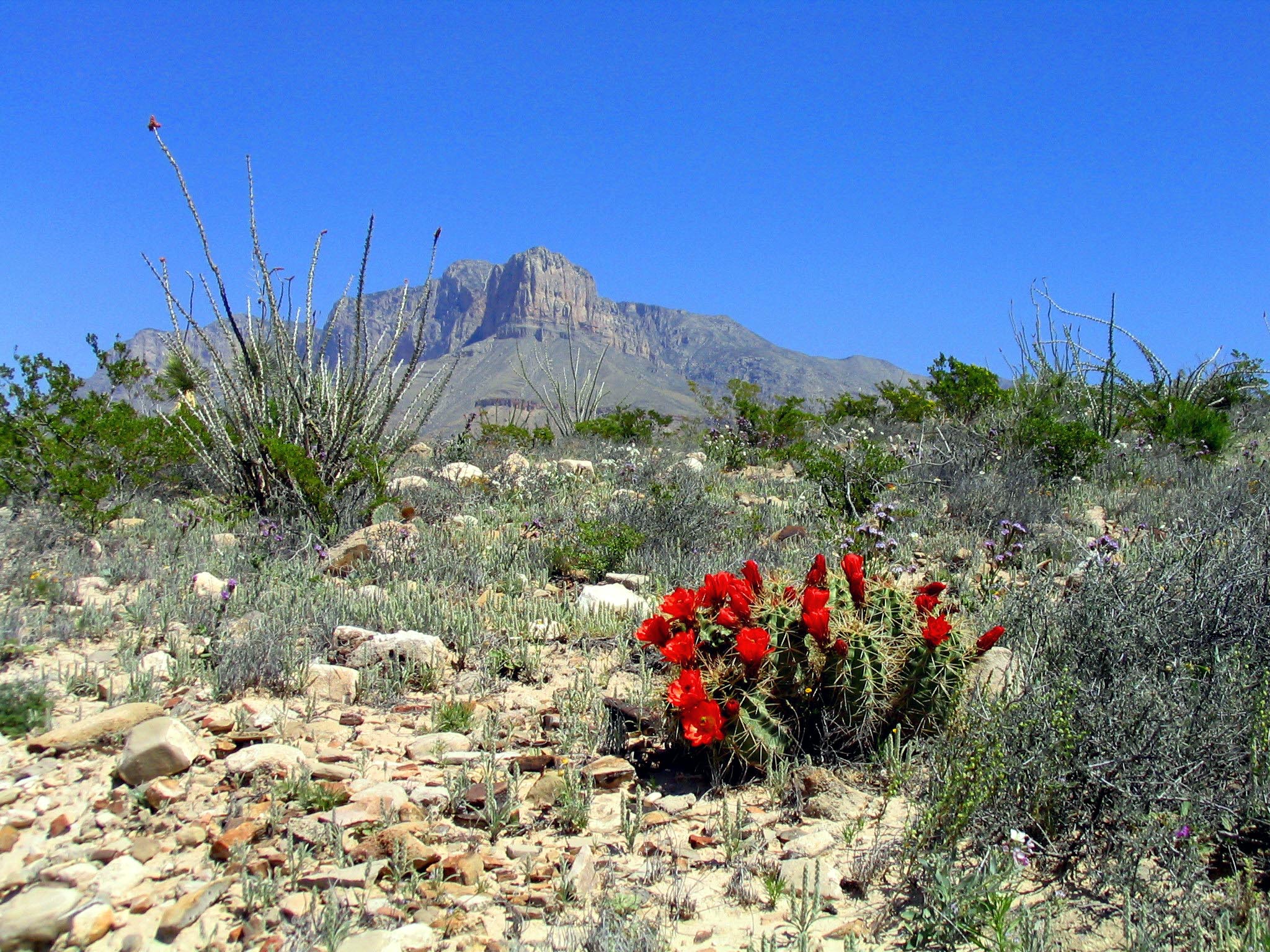
Guadalupe Mountains National Park Weather: Weather
Guadalupe Mountains National Park: weather guide guide updated 2026. Practical visitor information, reservations, and seasonal tips worth bookmarking before
Best Of
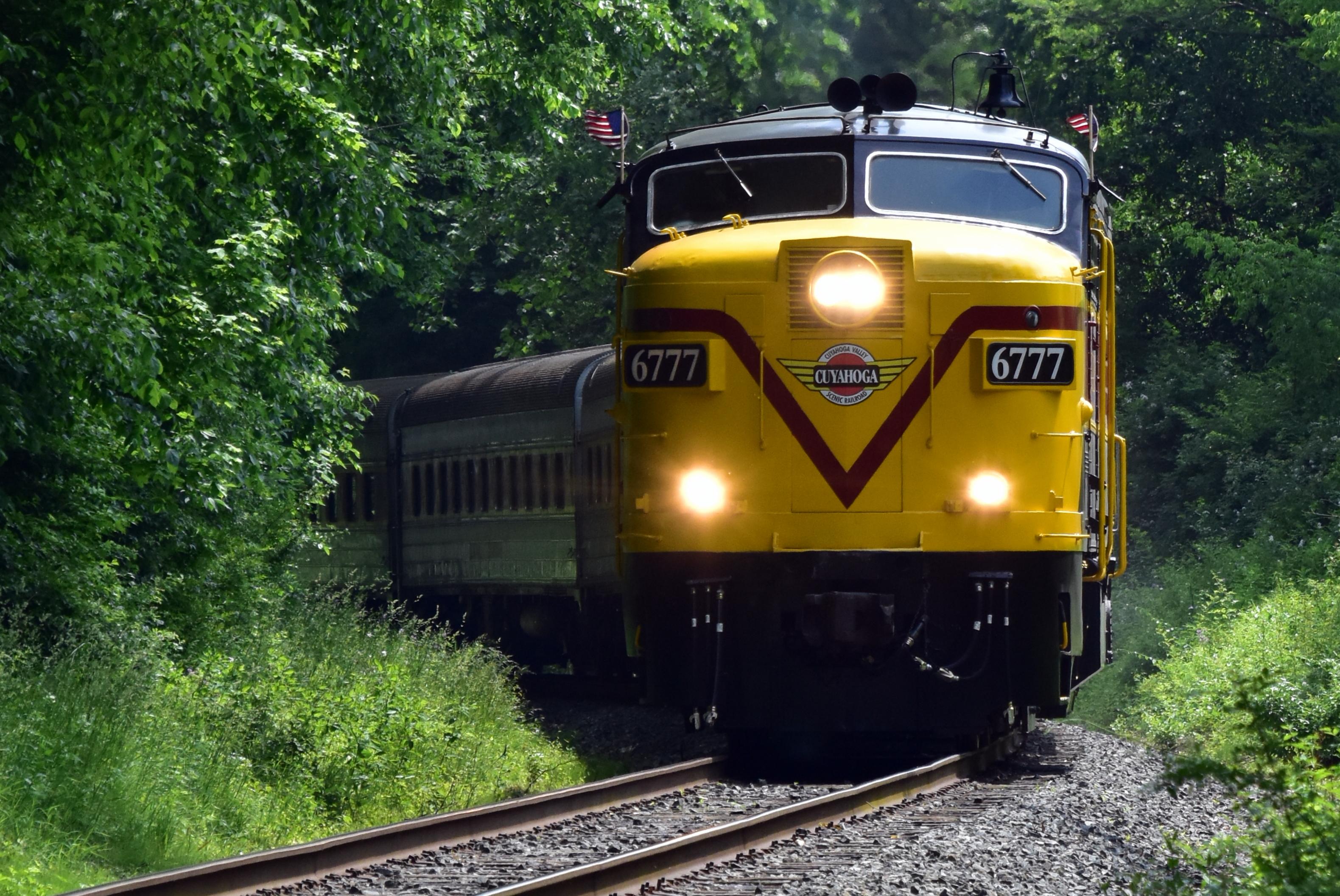
Best of Cuyahoga Valley National Park: Best Things to Do
Seeing a Cleveland Orchestra concert with the woods as your backdrop is a uniquely Cuyahoga Valley experience.
Sign in to join the conversation.
Sources & Attribution
Location data courtesy of the National Park Service (U.S. Department of the Interior). NPS data is public domain. Official NPS page.
Images: NPS; NPS; NPS; NPS; NPS.
Map data © OpenStreetMap contributors.
Park operations alerts: NPS.gov · Weather and weather hazards: National Weather Service · Live conditions.
Information may change. Always verify fees, hours, and conditions directly with the official source before visiting.
Did this guide help? Share it with a friend.