Petrified Forest National Park Weather: Best Time To Visit (2026 Guide)
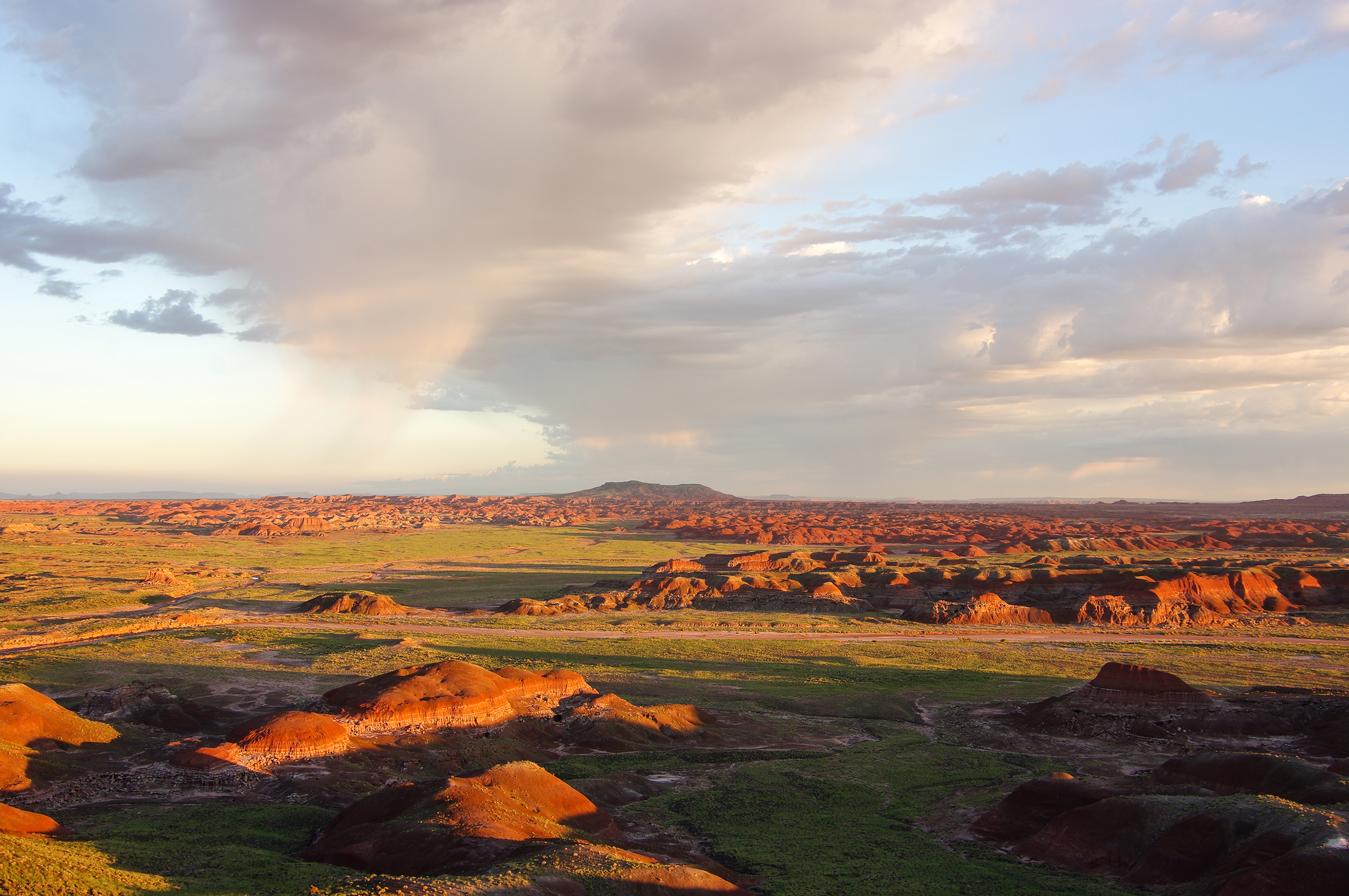
NPS via NPS.gov (Public Domain)
Petrified Forest Weather: Best Time to Visit & Desert Conditions (2026)
7 min read
Weather Guide
Petrified Forest National Park weather swings 30 degrees daily; plan for both jacket and t-shirt. Best months, monsoon risks, and year-round road hours (8 AM–5 PM MST).
The most important climatic truth about Petrified Forest is that it operates on a 30-degree daily swing. You will start your morning in a jacket and end your afternoon in a t-shirt, regardless of the month. This semi-arid grassland at 5,400 feet elevation doesn't do moderation. It trades in extremes, and your comfort depends entirely on planning for both ends of the thermometer on the same day. Finding the best time to visit Petrified Forest National Park means understanding this rhythm, not just picking a mild-sounding season.
For more, see hiking trails and Petrified Forest camping.
The Weather Reality
This park sits in a rain shadow, which means it gets less than 10 inches of moisture a year. That dryness, combined with the altitude, creates a climate of amplified contrasts. The thin air heats fast under the sun and loses heat just as quickly when the sun drops. Official forecasts for the region often miss the localized intensity of summer thunderstorms, which can materialize over the Painted Desert in minutes, turning dry washes into temporary rivers. The wind is a constant player, too - not a gentle breeze, but a persistent force that sculpts the landscape and will find every gap in your clothing. Rangers will tell you that hypothermia is a year-round risk here; a summer hiker caught in a sudden downpour with that wind can get dangerously cold before reaching the trailhead.

Month by Month
The park road is open from 8 AM to 5 PM Mountain Standard Time year-round. Remember, Arizona does not observe Daylight Saving Time. The park is closed on Thanksgiving and Christmas.
January & February
Temperatures range from highs in the 40s to lows well below freezing. Snow is infrequent but possible, usually just a dusting that melts by midday. Crowds are virtually nonexistent.
What's worth it: Crystal-clear air makes for exceptional long-distance views across the Painted Desert. The low sun angle casts deep, dramatic shadows across the badlands all day.
What's challenging: The wind chill is brutal. Exposed skin on the overlooks can go numb in minutes. The park road may open late or close early if ice forms. Most hiking beyond the short, paved trails is a cold, windy affair.
March & April
A gradual warm-up. Highs climb into the 60s and 70s, but nights still dip below freezing. This is the start of the windy season - sustained winds of 20-30 mph are standard. Crowds begin to build around spring break.
What's worth it: The grasslands show their first green. It's a solid window for comfortable day hiking before the heat arrives, provided you have a wind-resistant layer.
What's challenging: The wind. It will sandblast your car and make talking on the overlooks difficult. It's also wildfire season; check for fire restrictions before any backcountry travel.
May & June
The pre-monsoon bake. Highs soar into the 90s and can touch 100°F by late June. Lows are finally pleasant, in the 50s. Humidity is bone-dry. Crowds peak as schools let out.
What's worth it: Long days with park hours that feel too short. Early mornings are glorious for photography and hiking. This is the last call for comfortable backcountry camping before the monsoon.
What's challenging: The midday heat is intense and dangerous for hiking. There is zero shade on the trails. You must carry and drink a gallon of water per person, per day. No debate.
July & August
The monsoon. Highs remain in the 90s, but humidity jumps. The critical change is the daily pattern of building thunderstorms, typically from mid-afternoon onward. These bring dramatic lightning, brief heavy rain, and the risk of flash flooding. Crowds are high but often driven indoors (or back to their cars) by the storms.
What's worth it: The most dynamic skies of the year. The smell of rain on dry earth - creosote and sage - is unforgettable. The thunderstorms are a spectacle in themselves.
What's challenging: Lightning safety is paramount. If you hear thunder, you are in danger. Hiking in the backcountry during these months requires careful weather monitoring and a willingness to turn back. Roads can flood temporarily.
September & October
The prime window. The monsoon tapers off in September. Highs drop from the 80s into the 70s, with crisp nights in the 40s. Crowds diminish significantly after Labor Day.
What's worth it: Arguably the best time to visit Petrified Forest National Park. Stable weather, warm days, cool nights, and manageable visitor numbers. Ideal for all hiking trails and scenic driving.
What's challenging: Very little. This is what you came for.
November & December
A rapid cool-down. Highs in the 50s, lows in the 20s. Snow becomes a possibility again in December. Crowds are light except around the holidays.
What's worth it: Solitude. You can have major overlooks to yourself. The low winter light makes the colors in the Painted Desert seem to glow from within.
What's challenging: Short days. With the park closing at 5 PM, you lose the light by 4:30. It's cold, and that wind returns with a bite.

Best Times for Specific Activities
Hiking: Target April-May and September-October. These shoulder months offer the safe temperatures. Summer hiking is only viable at dawn - you should be done by 10 AM.
Wildlife Viewing: Spring (April-May) and fall (September-October) are most active. Pronghorn are frequently seen in the grassland areas. Birds of prey, including golden eagles and prairie falcons, are present year-round but more visible during migration periods. Remember, this is a grassland ecosystem; you're looking for movement across open spaces, not animals hiding in woods.
Wildflowers: A brief, unpredictable show. It depends entirely on winter and spring rain. If conditions are right, look for blooms in late April and May. You'll see globemallow, paintbrush, and asters dotting the grasslands.
Stargazing & Night Sky Photography: Excellent year-round due to the dark skies, but best from September through April. The air is drier and more stable. Winter offers the longest nights. The park's astronomy programs typically run in these cooler months.
Photography (Landscape): The golden hours are spectacular here, but season changes the quality. Winter (November-February) provides a low, raking sun all day for long shadows. Summer monsoon season (July-August) offers dramatic storm clouds and lighting. Clear fall days (October) give the most reliable, pleasant conditions for all-day shooting.

What to Pack by Season
The constant across all seasons: a wide-brimmed hat, sunglasses, and high-SPF sunscreen. The UV intensity at this elevation will burn you faster than you expect.
Spring (March-May): Layers are non-negotiable. A moisture-wicking base layer, a fleece or insulated jacket, and a windproof and waterproof shell. A neck gaiter or buff for the dust and wind. Sturdy hiking boots with good traction for potentially muddy trails after rain.
Summer (June-August): Lightweight, light-colored, long-sleeved shirts and pants for sun protection. A brimmed hat with a chin strap (the wind will take it). A rain jacket - not for warmth, but for a sudden monsoon downpour. At least one gallon of water per person, per day, in reusable containers. Electrolyte supplements.
Fall (September-November): Similar to spring layering. A warm jacket for mornings and evenings, peel down to a t-shirt by afternoon. Gloves and a beanie for early morning stargazing or sunrise photography.
Winter (December-February): Serious cold-weather gear. A heavy insulated jacket, thermal layers, warm gloves, a warm hat that covers your ears, and insulated, waterproof boots. Hand and foot warmers are not overkill for sunrise at an overlook. Your car's ice scraper, too.

What the Forecast Doesn't Tell You
- The wind has a schedule. It's often calm at dawn, picks up steadily through the late morning, and howls through the afternoon. Plan your most exposed activities for early hours.
- Summer rain rarely cools things off. A monsoon storm might drop the temperature 10 degrees for an hour, but the humidity it leaves behind makes the returning heat feel heavier.
- The dirt is different here. The bentonite clay in the badlands turns slick as grease with even a little moisture. A trail that was dry and firm an hour ago can become treacherous after a brief shower.
- Your car is part of your gear. In summer, it's your only reliable shade. In winter, it's your refuge from the wind. Never set out on a long walk without extra water and warm clothing left in the vehicle.
- Cell service drops out at the park boundaries. Do not rely on your phone for weather updates once you enter. Check the forecast in Holbrook or at the visitor center before you head out.
- The temperature difference between the north (Painted Desert) and south (Rainbow Forest) entrances is negligible. It's the exposure that changes - more wind on the northern rim, slightly more shelter in the southern valleys.
- "Mostly sunny" can still mean a lightning strike. Monsoon storms are highly localized. You can see blue sky overhead and a black cloud building a mile away that decides to head your direction.
Practical Takeaways
- The undisputed best time to visit Petrified Forest National Park for balanced weather and fewer people is late September through October.
- If you visit in summer, your hiking day starts at park opening (8 AM). Be back at your car or at a shelter by noon when heat and storms peak.
- Pack for two seasons on every trip, regardless of the forecast. A puffy jacket and a rain shell take up little space and prevent misery.
- Water is not a suggestion. It's a mandatory piece of safety equipment. The gift shop sells it for $4 a bottle. Bring your own.
- For detailed seasonal planning, consult the park's complete visitor guide and, if you're staying overnight, look into camping options outside the park boundaries.
- Always verify current road and weather conditions by calling the Painted Desert Inn visitor center at 928-235-2467 before your drive, especially in winter or during monsoon season.
- Plan your drive-through. The 28-mile park road takes at least 45 minutes without stops. With stops at overlooks and short walks, a realistic visit takes 3-4 hours. The park closes at 5 PM sharp, and they will usher you out.
For more information, see our complete National Park Guide.
Related: petrified forest trailhead guide
Sources
- Official source: NPS — Petrified Forest National Park nps.gov/pefo/index.htm
Photo Gallery
More to Explore
Park Guide
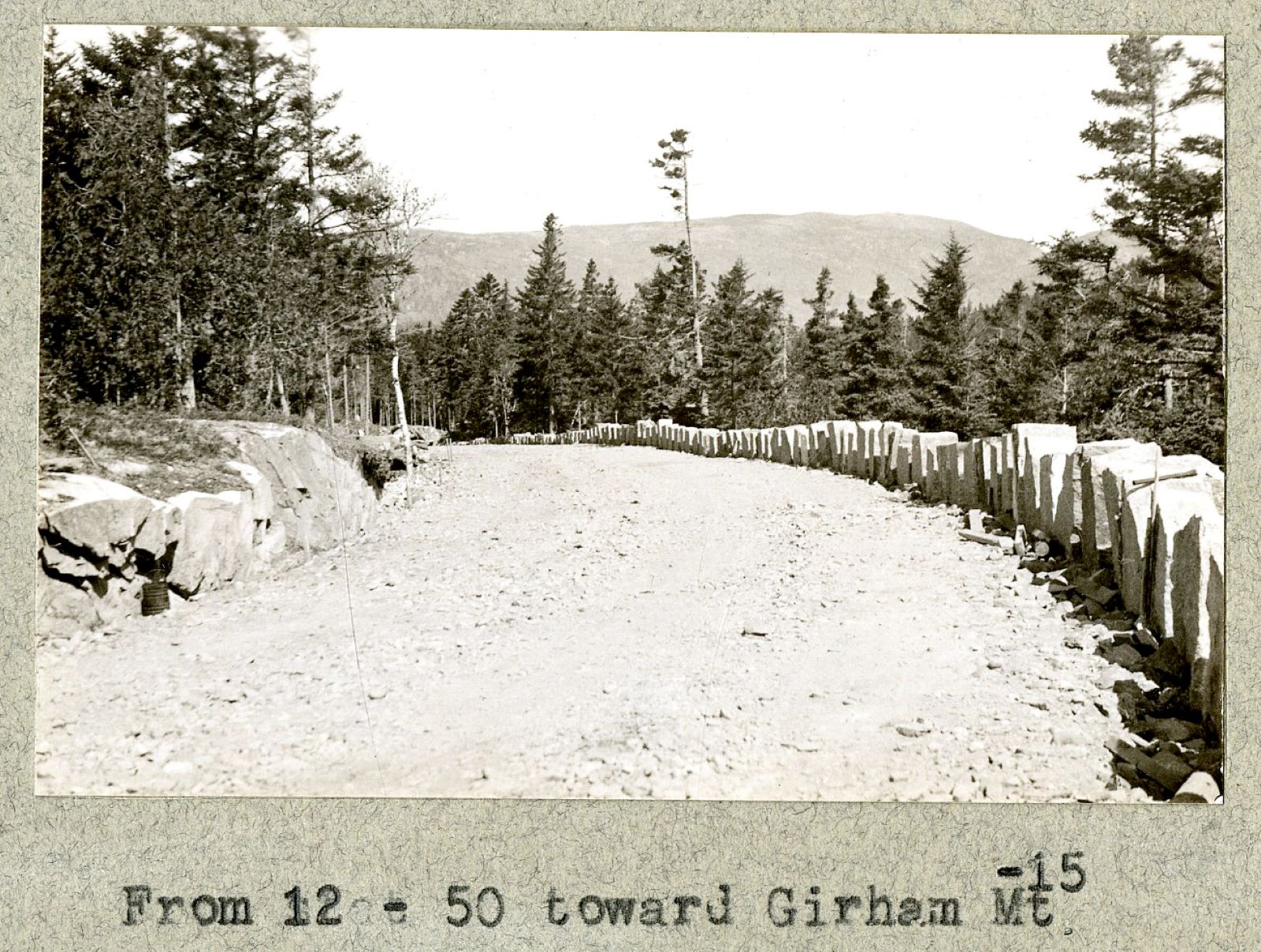
Acadia National Park: Carriage Roads, Cadillac Mountain & 2026 Guide
Discover carriage roads, Cadillac Mountain, and rugged Maine coast. Complete 2026 guide to Acadia National Park — trails, fees, lodging, permits, and what rangers recommend.
Hiking Guide
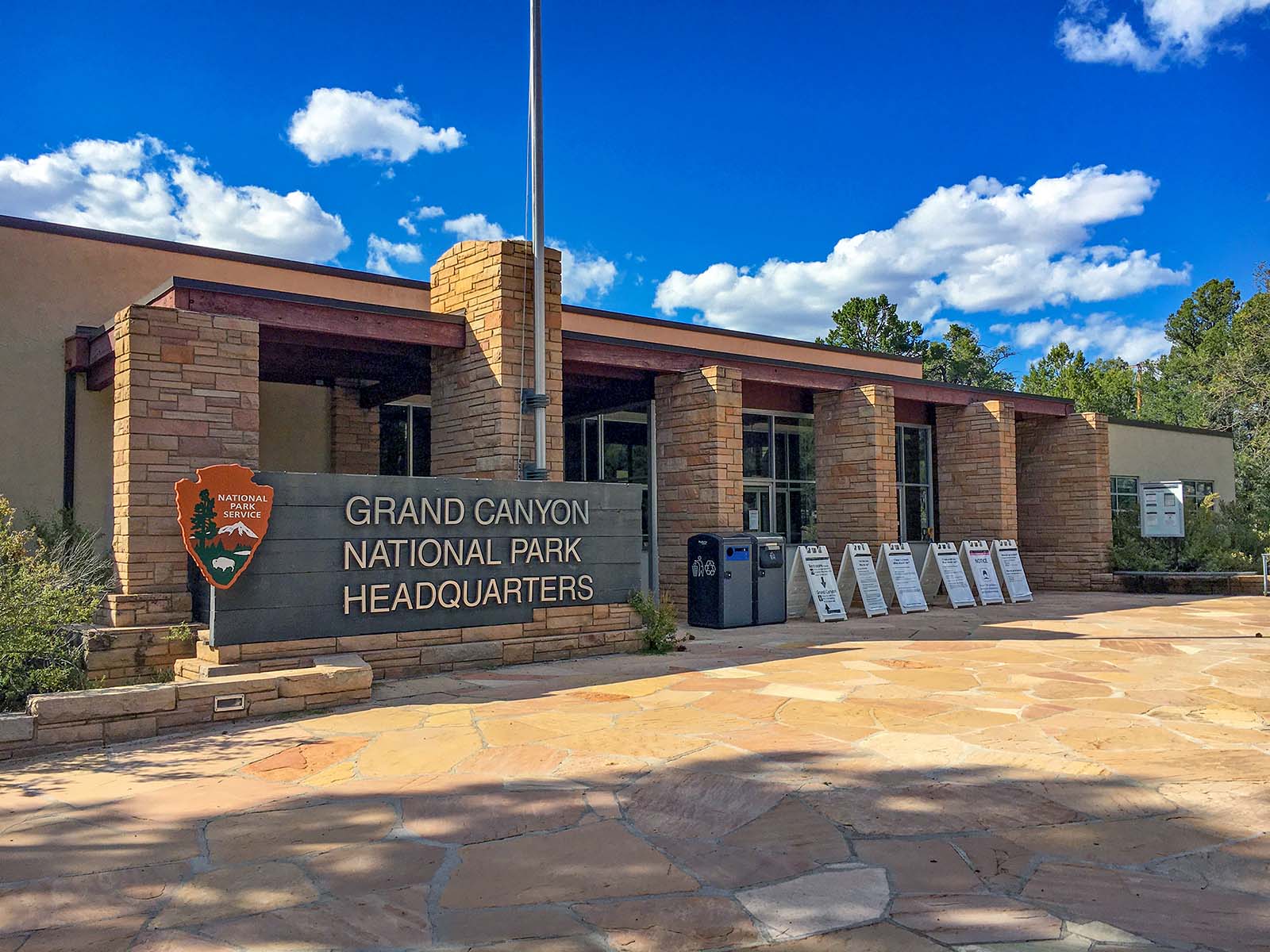
Grand Canyon Hiking Trails: Day Hikes, Water Sources & Rim to Rim
Compare Grand Canyon hiking trails: Bright Angel, South Kaibab, Hermit, Grandview, and rim to rim, with distances, elevation, water stops, and trailhead access for each.
Best Of
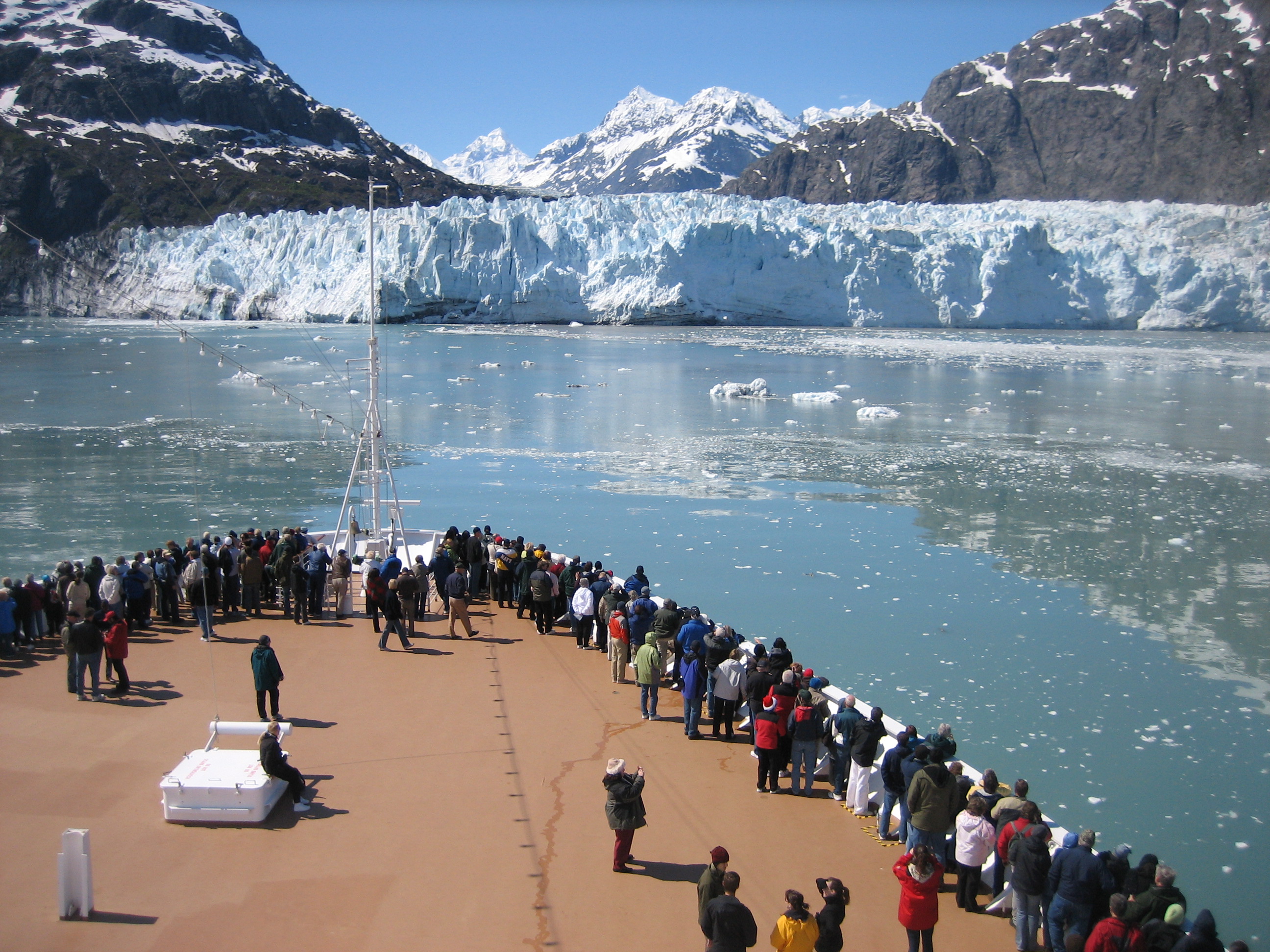
Best of Glacier Bay National Park
The best of Glacier Bay is reached by boat: ranger-led day tours up the bay to the tidewater glaciers. What's worth it, how to book, and when to go (2026).
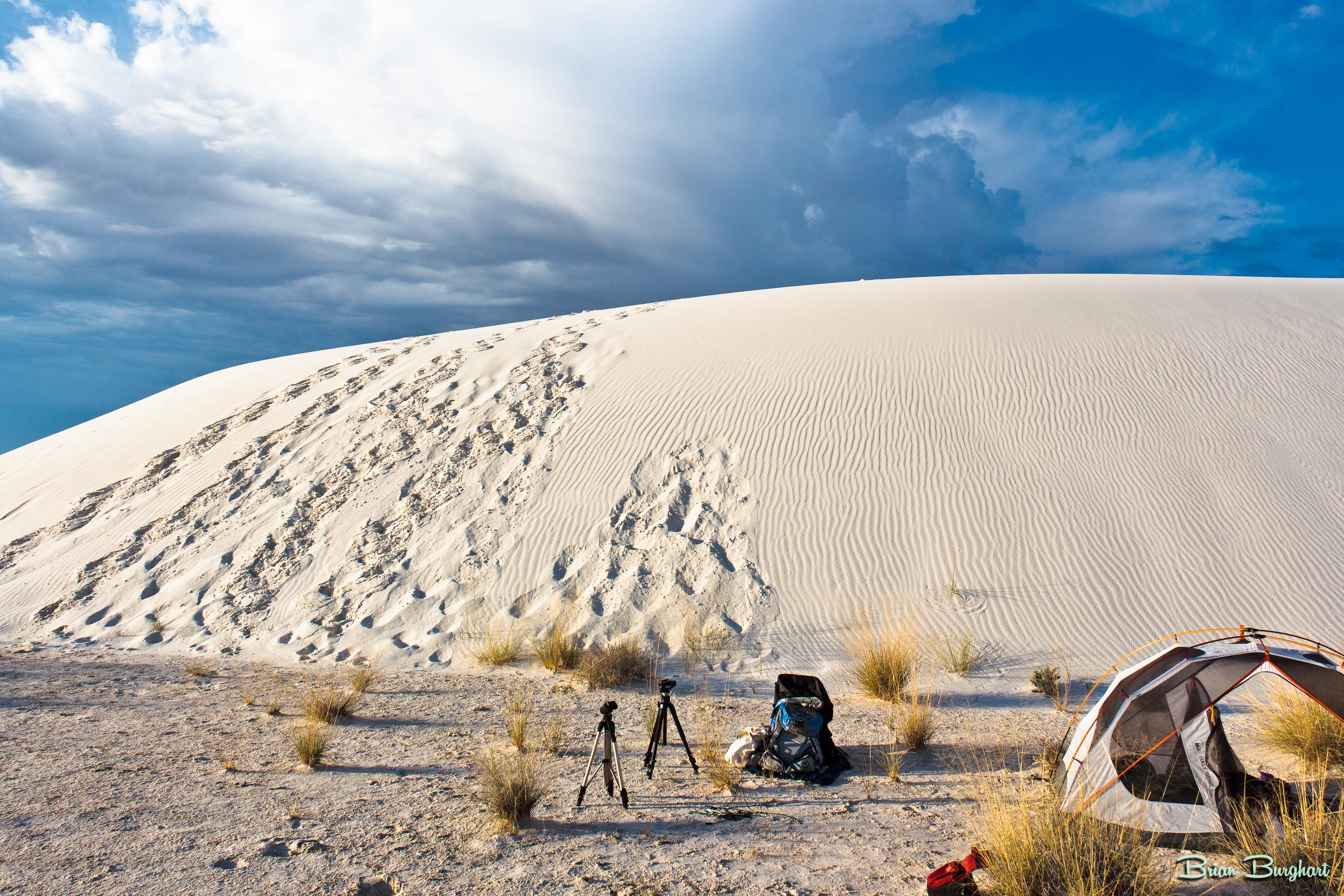
Campsite Guide
White Sands Backcountry Camping: Closed for 2026 — What to Know
As of 2026, backcountry camping at White Sands National Park is closed for site rehabilitation. What that means, and where to camp nearby instead.
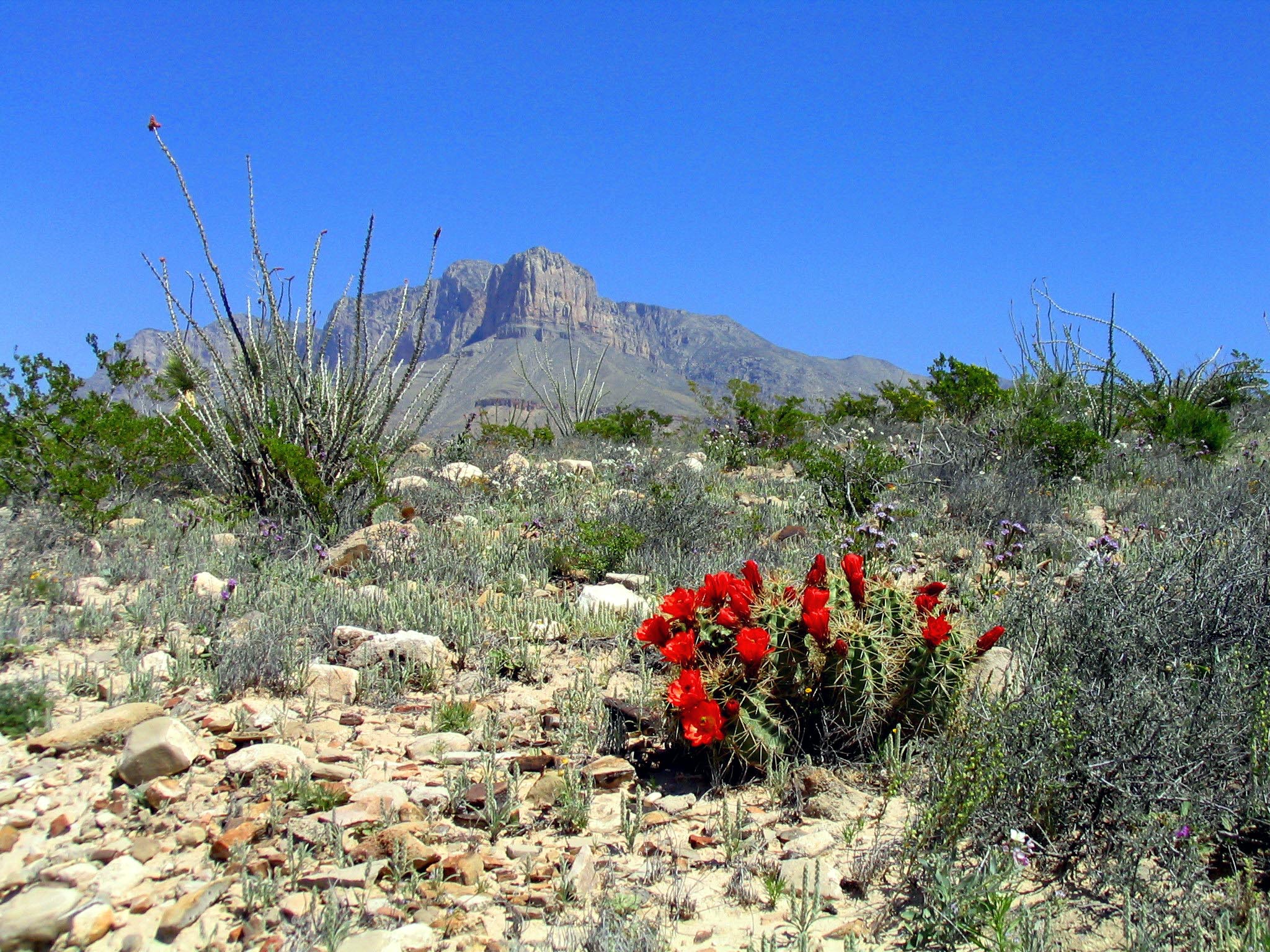
Weather Guide
Guadalupe Mountains National Park Weather: Weather
Guadalupe Mountains National Park: weather guide guide updated 2026. Practical visitor information, reservations, and seasonal tips worth bookmarking before
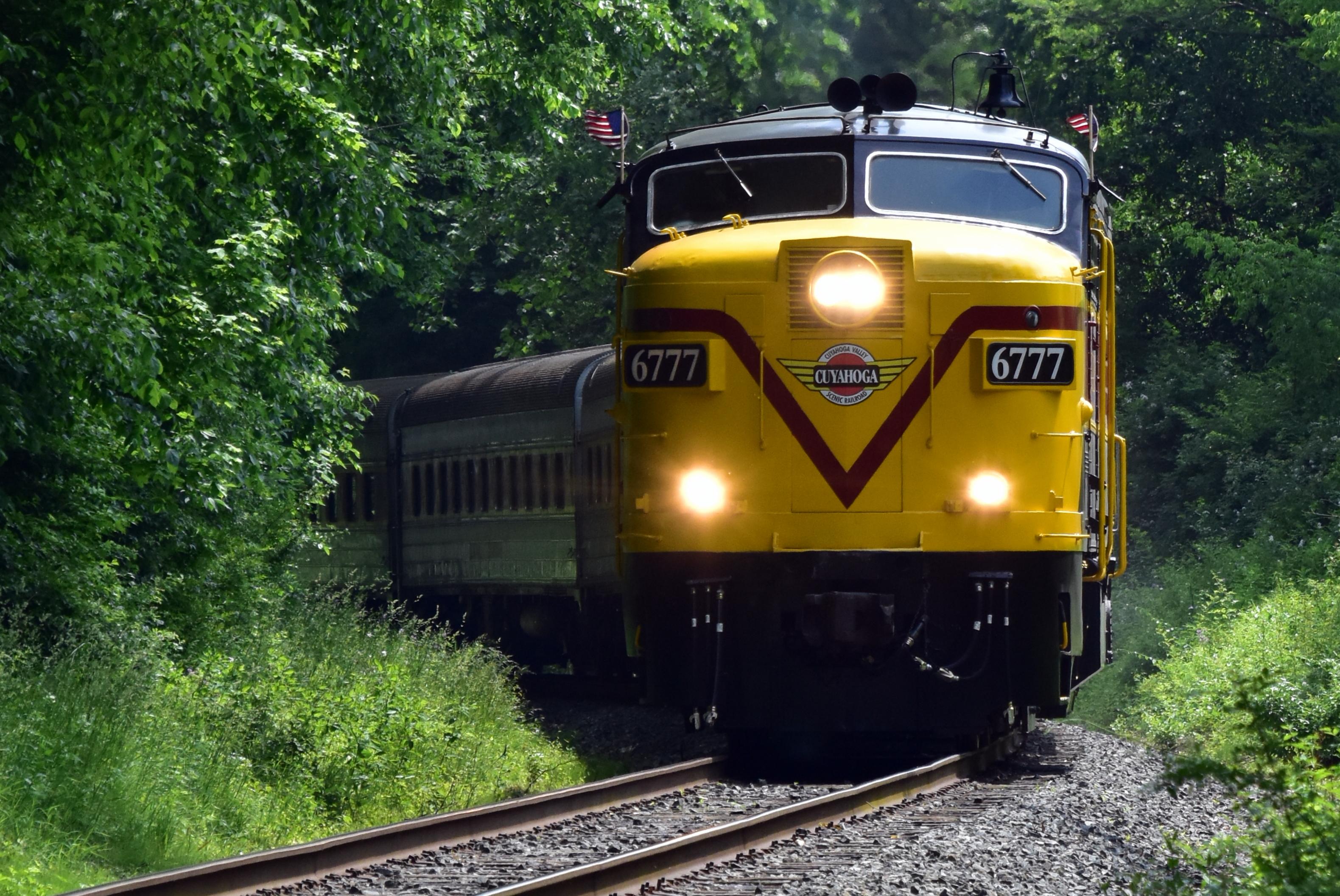
Best Of
Best of Cuyahoga Valley National Park: Best Things to Do
Seeing a Cleveland Orchestra concert with the woods as your backdrop is a uniquely Cuyahoga Valley experience.
Sign in to join the conversation.
Sources & Attribution
Location data courtesy of the National Park Service (U.S. Department of the Interior). NPS data is public domain. Official NPS page.
Images: NPS; NPS; NPS; NPS; NPS.
Map data © OpenStreetMap contributors.
Park operations alerts: NPS.gov · Weather and weather hazards: National Weather Service · Live conditions.
Information may change. Always verify fees, hours, and conditions directly with the official source before visiting.
Did this guide help? Share it with a friend.