Carlsbad Caverns National Park weather operates on two distinct planes. The surface is the Chihuahuan Desert, where the sun dictates a harsh schedule. The cavern, a constant 56°F (13°C) with near 100% humidity, exists in its own perpetual climate. Most first-time visitors are caught off guard by the intensity of this split reality. You'll plan for a desert hike, then descend into a damp, cool underworld that demands entirely different gear. The 278 annual sunny days the park are a surface-level truth. The real planning challenge is reconciling the scorching trailhead with the clammy, dimly lit cave passage you'll walk for hours. For a complete visitor guide that covers more than just climate, you can find one here.
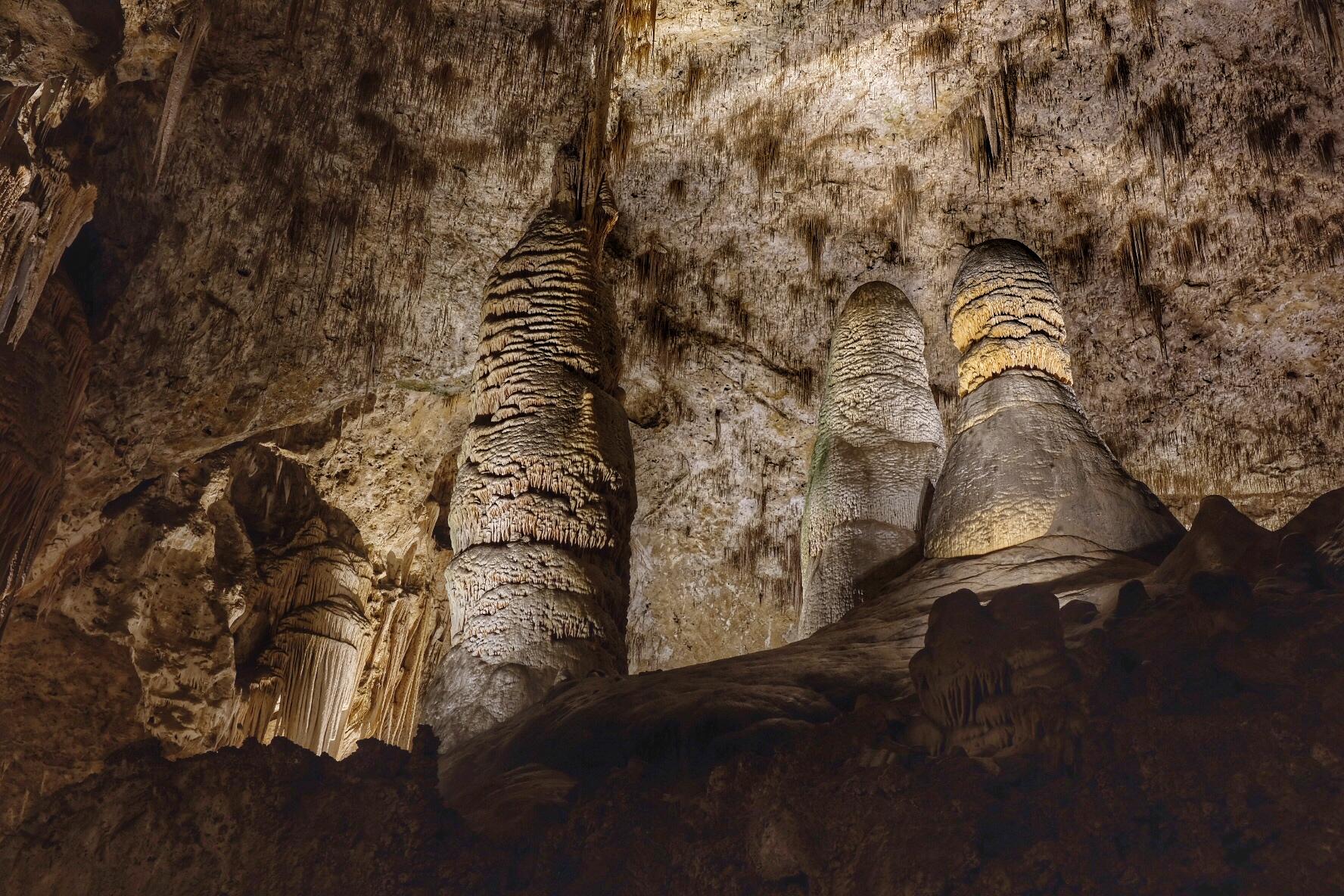
NPS via NPS.gov (Public Domain)
Carlsbad Caverns National Park Weather
8 min read
Weather Guide
Carlsbad Caverns National Park weather splits between desert heat and a constant 56°F cave, with monsoon storms from late July to early September.
For more, see camping options.
The Weather Reality
The single most important climatic truth here is the monsoon. It doesn't just mean rain. From late July through early September, the desert heat collides with moisture from the Gulf, triggering violent afternoon thunderstorms. These aren't gentle showers. They are sudden, torrential downpours that can drop an inch of rain in under an hour on sun-baked ground that absorbs almost none of it.
That's when Walnut Canyon Desert Drive and several surface trails close, as they have due to flood damage. The official forecast might say "40% chance of thunderstorms," but that translates to a near-certainty of flash flood risk in arroyos and canyons. Rangers at the visitor center will tell you the morning sky can be perfectly clear, a deep desert blue, and by 2 PM you'll be watching a wall of dark cloud build over the Guadalupe Mountains. The wind picks up first - a hot, gritty gust that signals it's time to get off the high ridges.
The other reality is the wind in spring. March through May brings persistent, strong winds that can sandblast exposed skin and make any hike above ground feel like a battle. It's not a breeze; it's a sustained force that whips across the parking lots and howls at the cavern's natural entrance. Most visitors underestimate how much energy fighting that wind can sap.

Month by Month
This breakdown focuses on what you'll actually experience on the surface and at the cavern entrance. The cave's interior climate, of course, remains the same year-round.
December - February
Temperatures range from highs around 60°F (16°C) to lows that can dip below freezing, into the 20s (-6°C). Occasional snow and ice are possible, though accumulation is usually light and melts quickly. This is the quietest time for crowds.
The challenge is ice. The steep switchbacks on the Natural Entrance trail can become treacherously slick with black ice in the shade. The park sometimes closes this route for safety. You'll likely rely on the elevator for descent and ascent. The upside is profound solitude and crystal-clear winter air for stargazing. Wildlife is less active, but you might see mule deer browsing at lower elevations.
March - May
This is the windy season. Daytime highs climb from the 70s into the 80s (21-29°C), but the wind is the main event. It's constant, drying, and can make 70 degrees feel chilly. Precipitation is low, but dust storms can reduce visibility.
Crowds begin to build, especially around spring break. This is a prime window for comfortable surface hiking before the extreme heat arrives, provided you have wind protection and goggles for blowing sand. Wildflowers, including cactus blooms, start their show in April and May.
June - Early July
The furnace switches on. Highs consistently hit 90-100°F (32-38°C). The heat is dry and intense, with relentless sun. This is the peak season for visitation, so expect full parking lots by mid-morning and competition for timed entry tickets.
Your surface activity window shrinks to early morning, before 10 AM. After that, the heat is prohibitive for all but the shortest walks. The cavern becomes a sought-after refuge for its cool temperatures. Hydration isn't a suggestion; it's a non-negotiable requirement. Carry at least one gallon of water per person in your vehicle.
Late July - September
This is the monsoon window. Temperatures remain hot - highs in the 90s (32-35°C) - but humidity spikes. The frequent rain in early fall the park mentions happens here. Afternoon thunderstorms are a daily possibility.
This is the most dynamic and potentially dangerous time for surface exploration. Flash flooding is a serious, sudden risk. Always check the sky and never enter a narrow canyon if storms are forecast. The upside? Dramatic cloud formations, spectacular lightning shows over the desert, and a landscape that briefly turns green. Crowds thin slightly after Labor Day.
October - November
Many consider this the sweet spot. Daytime highs are pleasant, ranging from the 70s to low 80s (21-27°C). Nights become crisp. The monsoon threat has passed, and the relentless wind of spring is gone.
Crowds are moderate, though October can be busy. Surface hiking conditions are excellent throughout the day. It's an ideal time for the park's hiking trails. Wildlife becomes more active as temperatures cool. This is also a superb season for night sky programs, with comfortable evening temperatures.

Best Times for Specific Activities
* Surface Hiking: October and November. April and May are good alternatives if you can tolerate the wind.
* Comfortable Cavern Visits: Any time of year. The cave is always 56°F. The difference is that in summer, the temperature drop from the surface is over 40 degrees, so a warm layer is essential. In winter, the cave will feel relatively warm.
* Bat Flight Program: The famous evening exodus of Brazilian free-tailed bats occurs from late May through October. Peak numbers are in July and August. Programs are canceled if it rains or temperatures drop below about 50°F (10°C) at sunset.
* Stargazing: Fall and winter. The air is driest and most stable from October through February, offering the clearest views of the Milky Way. The park's remote location provides dark skies year-round.
* Wildflower Viewing: A two-stage show. Desert wildflowers and cacti bloom April-May. After the monsoon rains, a second, greener flush of annuals can appear in September.
* Photography (Surface): The "golden hour" before sunset is spectacular year-round, but the monsoon season (late summer) provides dramatic storm clouds and lighting for landscape shots.

What to Pack by Season
Forget generic lists. Pack for the duality.
All Seasons, No Exceptions:
* Closed-toe shoes with aggressive traction for the cavern. The park's alerts are blunt for a reason: the cave trails are smooth, wet rock. Flip-flops are a direct path to a fall.
* A light, long-sleeved layer for the cave. A hiking shirt or fleece works. Humidity makes the 56°F air feel cooler.
* A backpack to carry that layer when you're on the surface.
Spring (Mar-May):
* Windbreaker or wind-resistant shell.
* Hat with a chin strap or a wide-brimmed hat that won't blow away.
* Sunglasses for sun and blowing debris.
* Lip balm and lotion - the wind desiccates skin.
Summer (Jun-Sep):
* Water. More than you think. A gallon per person per day in the car.
* Wide-brimmed sun hat, sunscreen (SPF 50+), and sun-protective clothing for the surface.
* A rain shell or poncho in your daypack from July onward. Monsoon storms erupt fast.
* Electrolyte tablets or powder to add to your water.
Fall/Winter (Oct-Feb):
* Insulating layers (fleece, puffy jacket) for surface mornings and evenings.
* Beanie or warm hat.
* Microspikes or traction devices for your shoes if hiking the Natural Entrance trail in winter, in case of ice.
* Warm gloves for early morning bat flight programs (in fall) or stargazing.

What the Forecast Doesn't Tell You
- The Cave Breathes: Stand at the Natural Entrance and you'll feel it - a steady, cool breeze flowing outward in summer, and a reverse flow in winter. This exchange affects the immediate microclimate at the entrance, often making it windier or cooler than the general parking lot area.
- Elevator Variance is Real: The elevator shaft connects the desert surface to the cave climate. On a 100°F day, the elevator lobby at the visitor center can be 15 degrees hotter than the outside due to this rising heat. It's your first taste of the extreme transition.
- Flash Floods Aren't Just in Canyons: The park road itself has low-water crossings that can become impassable during heavy monsoon rains. A storm miles upstream can send a wall of water down a dry wash you crossed minutes earlier.
- Winter Sun is Deceptive: Even in January, the high-desert sun at 3,600-4,000 feet elevation has bite. You can be shivering in the shade but get sunburned on your face and neck in direct sunlight. Sunscreen is a year-round item here.
- Dust Follows Rain: After a monsoon rain, the unpaved Walnut Canyon Drive (when open) and some trail sections can be a slick, sticky mud that clings to boots in heavy clumps. It dries into concrete-like dust within hours.
- Bat Flight is Weather-Dependent: The forecast might say "clear and 85°F," but if a front causes a sudden temperature drop at dusk, the bats may not emerge. Rangers make the call shortly before the program.
Practical Takeaways
- Book Your Timed Entry Ticket Early, Especially for Summer. As of 2026, this $1 reservation is required to enter Carlsbad Cavern and secures your descent time. It sells out days or weeks in advance during peak season.
- Treat the Surface and the Cave as Two Different Trips. Pack two sets of gear: desert survival (sun protection, water) for the top, and cool-weather comfort (layer, traction shoes) for the bottom.
- The Monsoon is a Schedule-Killer. Plan all surface activities for before noon from late July to September. Afternoons are for cave tours, the visitor center, or watching storms from a safe, high vantage point.
- Your Car is a Basecamp. Keep your extra water, sunscreen, and layers in the vehicle. You'll cycle through them as you move between the extreme environments.
- Check Alerts Before You Drive. Road and trail closures due to flood damage or ice are common. A quick look at the park's website can save you a long, frustrating detour.
- Wind Chill Works Both Ways. A 30 mph wind in March makes a 65°F day feel much colder. That same wind in July provides no cooling relief, only a blast-furnace effect.
- The Best Weather is Often the Worst Crowds. June offers long days and reliably open facilities, but also the most people. For a balance of good conditions and manageable visitation, target the weeks just after Labor Day or in late October.
Understanding Carlsbad Caverns National Park weather is about respecting the dichotomy. Plan for the desert's extremes, prepare for the cave's constants, and always watch the sky. The difference between a good visit and a great one often comes down to which jacket you packed - and whether you remembered to put it on before descending into the earth.
Related: carlsbad caverns national park guide
Sources
- Official source: NPS — Carlsbad Caverns National Park nps.gov/cave/index.htm
Photo Gallery
More to Explore
Park Guide
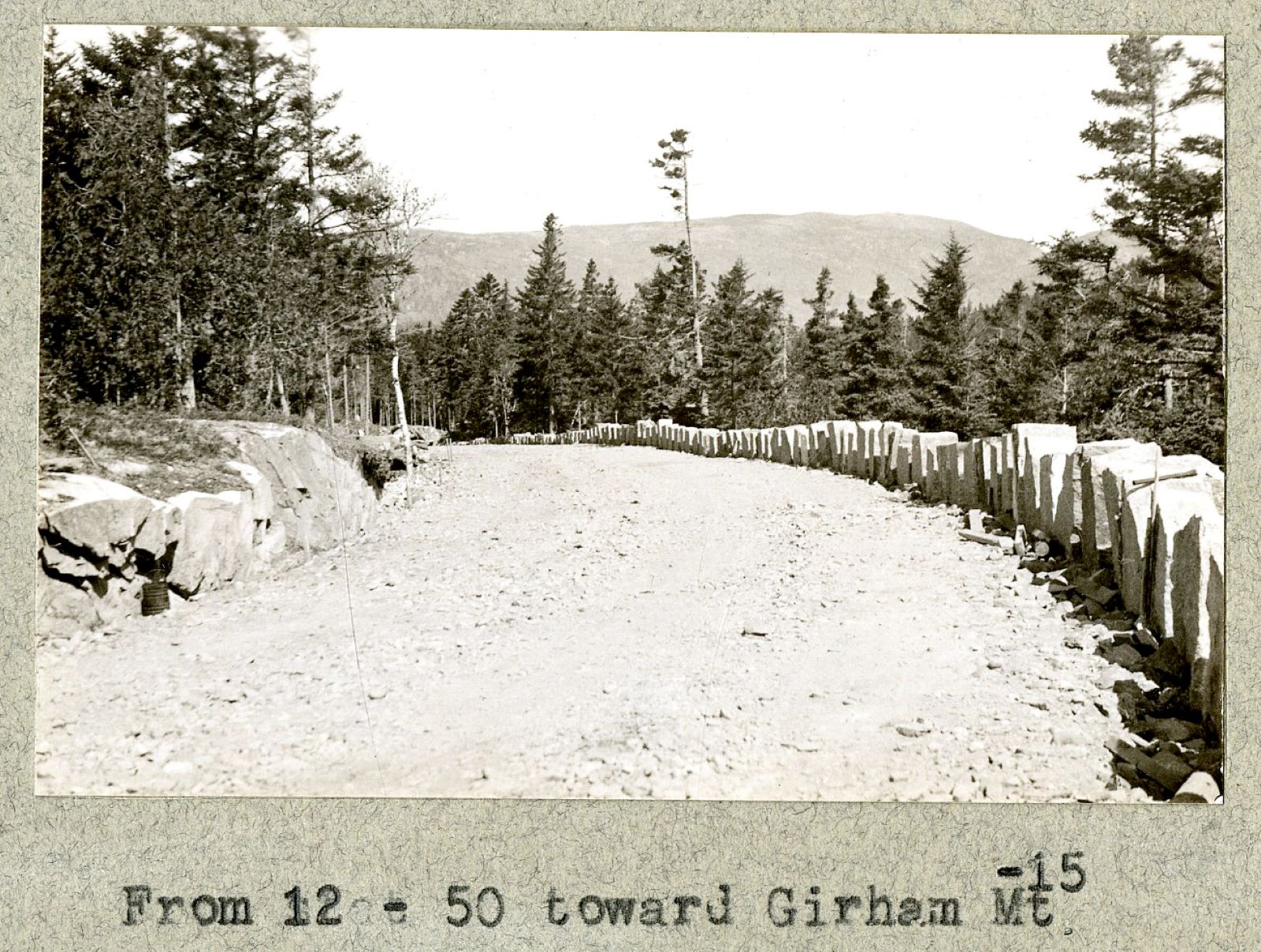
Acadia National Park: Carriage Roads, Cadillac Mountain & 2026 Guide
Discover carriage roads, Cadillac Mountain, and rugged Maine coast. Complete 2026 guide to Acadia National Park — trails, fees, lodging, permits, and what rangers recommend.
Hiking Guide
Grand Canyon Hiking Trails: Day Hikes, Water Sources & Rim to Rim
Compare Grand Canyon hiking trails: Bright Angel, South Kaibab, Hermit, Grandview, and rim to rim, with distances, elevation, water stops, and trailhead access for each.
Best Of
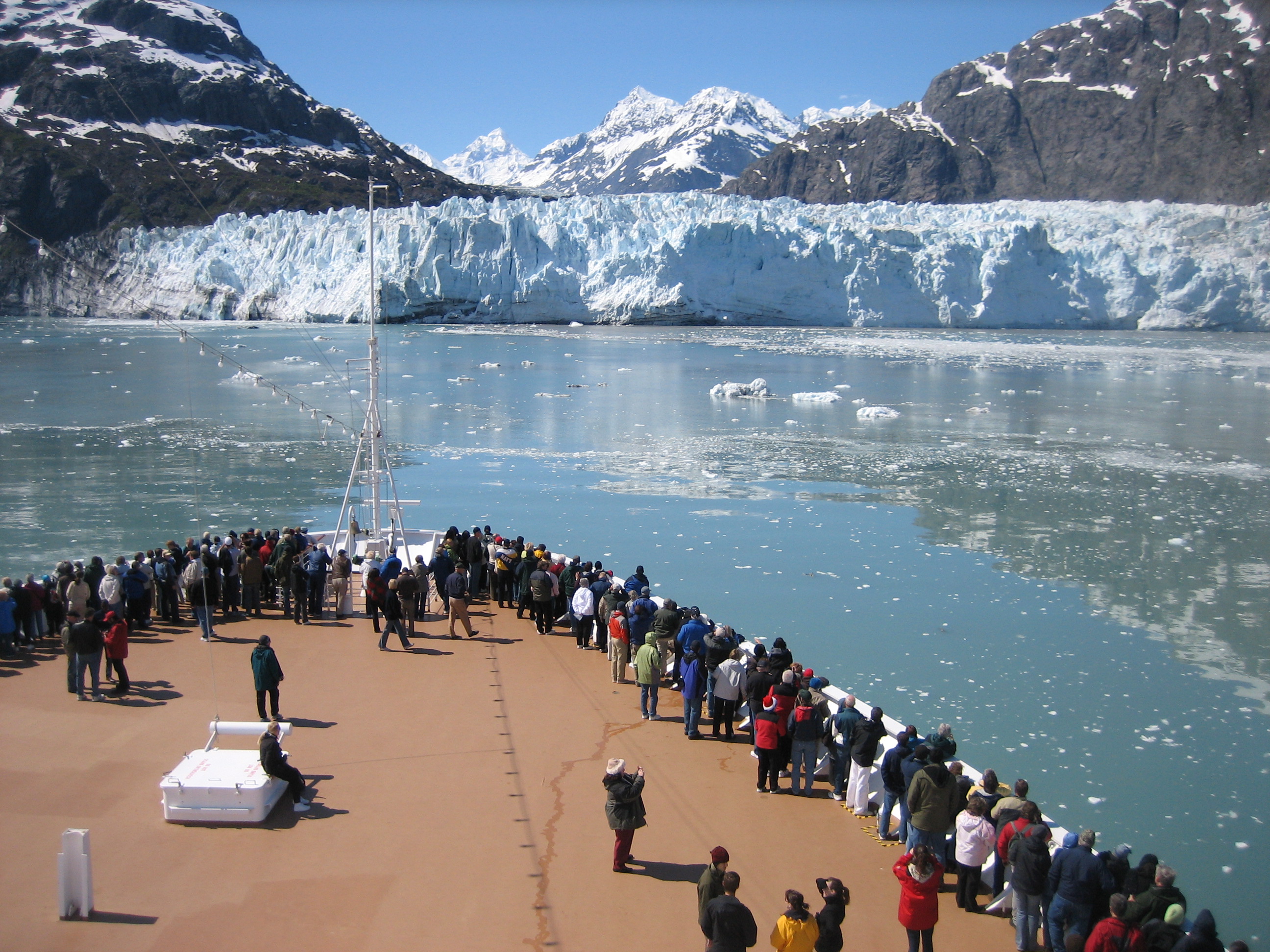
Best of Glacier Bay National Park
The best of Glacier Bay is reached by boat: ranger-led day tours up the bay to the tidewater glaciers. What's worth it, how to book, and when to go (2026).
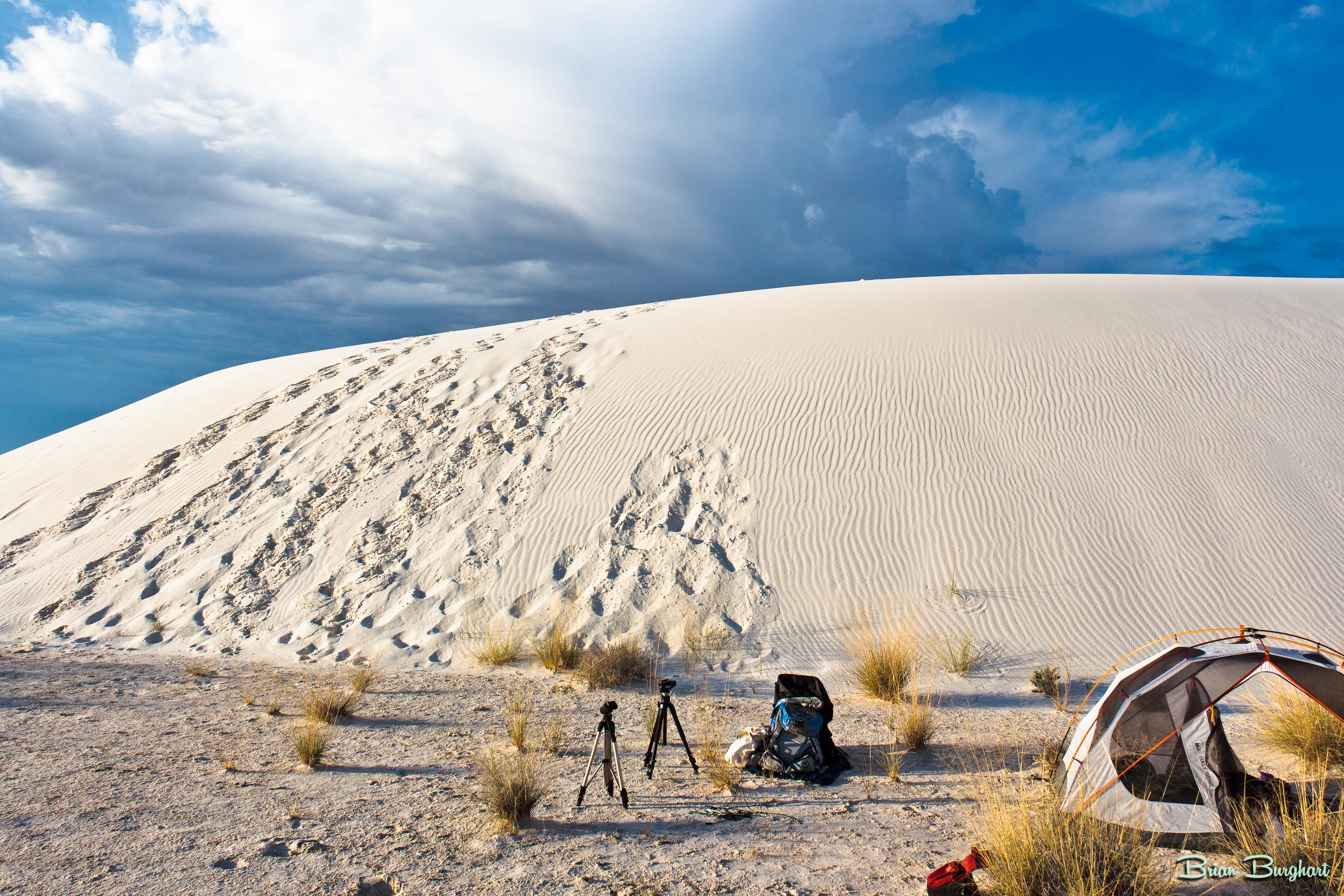
Campsite Guide
White Sands Backcountry Camping: Closed for 2026 — What to Know
As of 2026, backcountry camping at White Sands National Park is closed for site rehabilitation. What that means, and where to camp nearby instead.
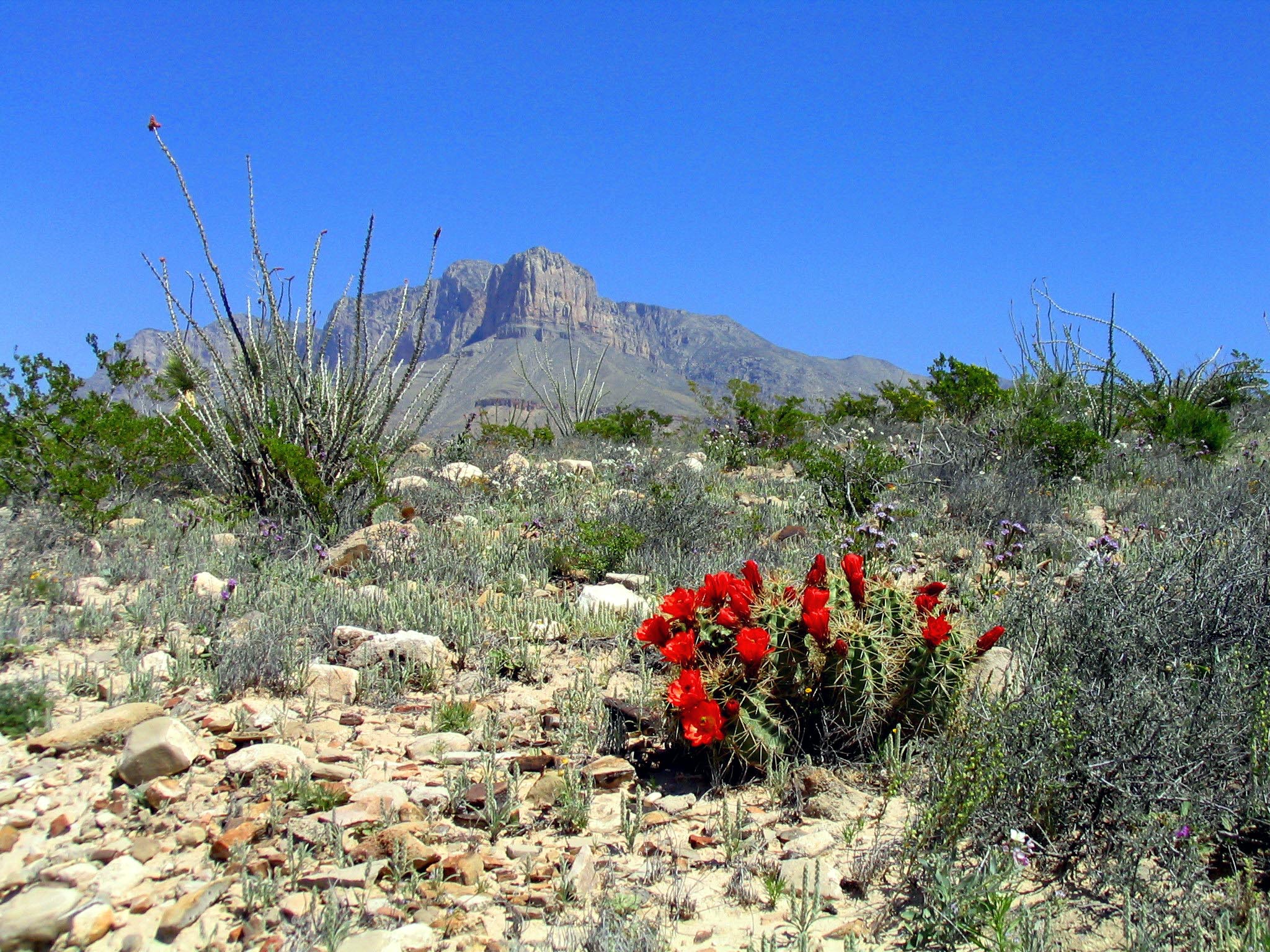
Weather Guide
Guadalupe Mountains National Park Weather: Weather
Guadalupe Mountains National Park: weather guide guide updated 2026. Practical visitor information, reservations, and seasonal tips worth bookmarking before
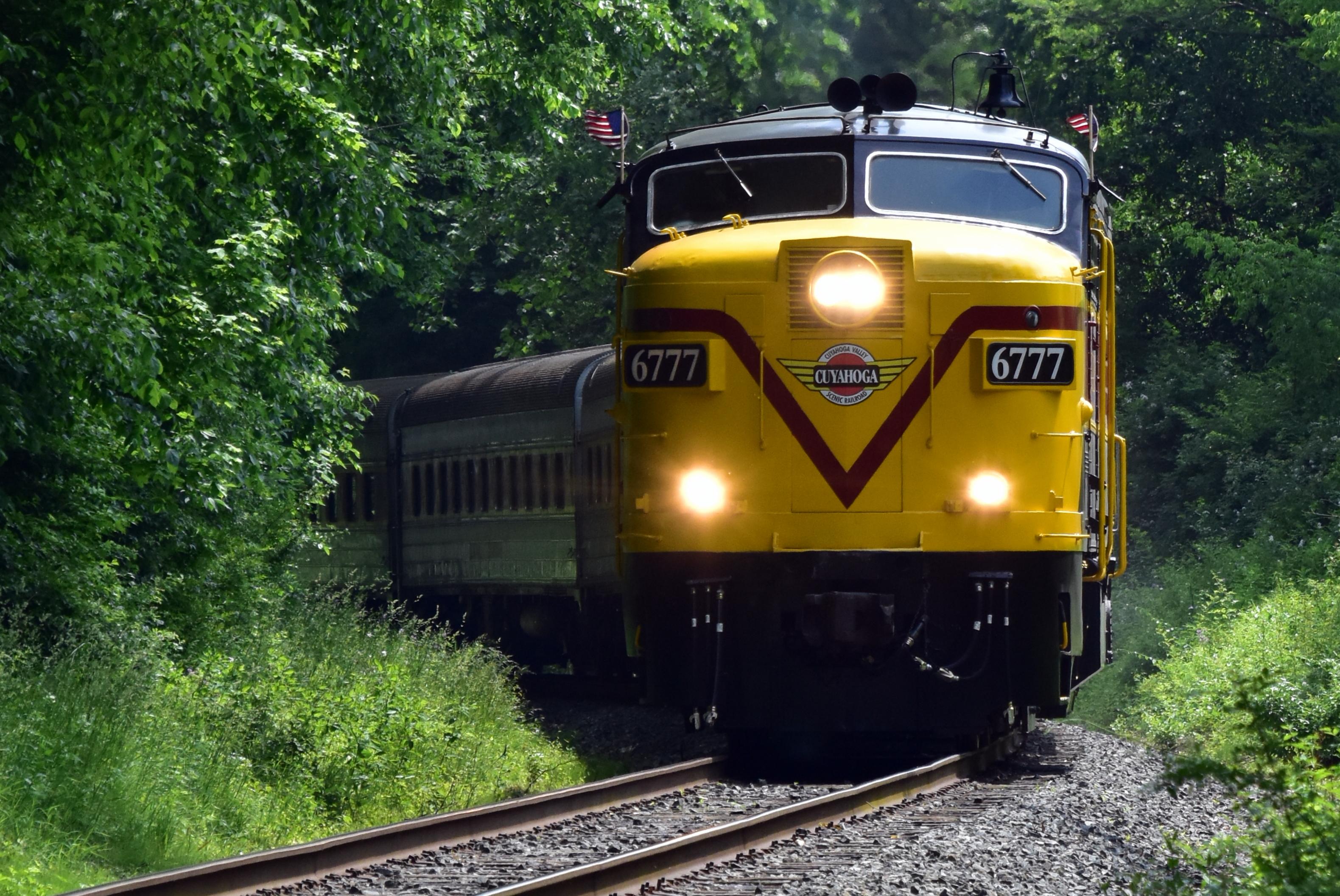
Best Of
Best of Cuyahoga Valley National Park: Best Things to Do
Seeing a Cleveland Orchestra concert with the woods as your backdrop is a uniquely Cuyahoga Valley experience.
Sign in to join the conversation.
Sources & Attribution
Location data courtesy of the National Park Service (U.S. Department of the Interior). NPS data is public domain. Official NPS page.
Images: NPS; NPS; NPS; NPS; NPS.
Map data © OpenStreetMap contributors.
Park operations alerts: NPS.gov · Weather and weather hazards: National Weather Service · Live conditions.
Information may change. Always verify fees, hours, and conditions directly with the official source before visiting.
Did this guide help? Share it with a friend.