White Sands National Park Weather (2026 Guide)
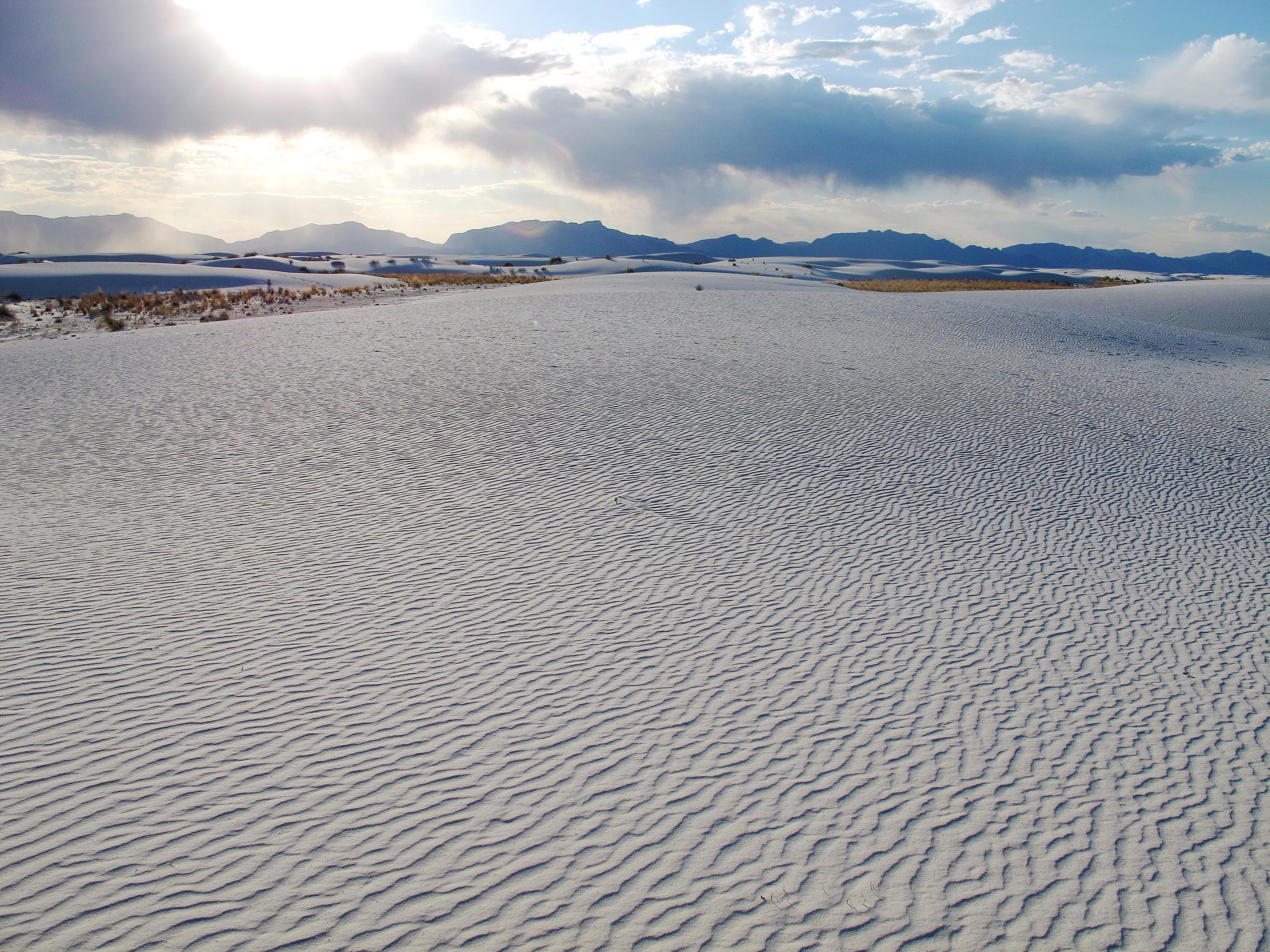
NPS via NPS.gov (Public Domain)
White Sands National Park Weather: Seasons & Crowds
8 min read
Weather Guide
White Sands' sun reflects off gypsum at double intensity. Our 2026 guide covers the radiant heat reality, wind, and essential packing strategies.
After twenty years in the field, I can tell you the defining climatic truth here: sunlight reflects off the white gypsum sand at nearly double the intensity of a typical desert floor. Your thermometer might read 95°F, but the radiant heat on your skin and UV exposure will feel closer to 115°F. Most newcomers underestimate this effect and drain their water bottles far too quickly. The other constant is the wind—not a gentle breeze, but a persistent force that reshapes these dunes daily and can turn a pleasant hike into a gritty, disorienting slog within minutes.
The Weather Reality
White Sands sits in the Tularosa Basin, a high desert valley flanked by mountains. This geography creates a weather pattern of extremes, amplified by the park's unique surface. Summers are genuinely hot, but the dry heat is deceptive - you won't sweat much, so dehydration sneaks up. Winters bring mild days but nights that can drop below freezing, a shock if you're only prepared for the daytime sun. Spring is the windy season; rangers at the visitor center emphasize that March through May is when gusts regularly exceed 30 mph, scouring the dunes and making sunglasses non-negotiable. Fall offers the most stable window, but even then, the temperature swing from midday to sunset is about 30 degrees.
The park's operating hours are designed around these conditions. For the 2026 season, summer gates open at 7:00 AM—treat this as a survival protocol, not a suggestion. Aim to be on the dunes by 8 AM and wrapped up by 11 AM. Note that closing time is 30 minutes after local sunset, which occurs 8 minutes earlier here than in Alamogordo. That difference matters when planning for evening photography or last-light hikes.

Month by Month
This breakdown uses typical patterns, but always check for military testing closures on the surrounding missile range, which can affect access without much warning.
January - February
Temperatures range from highs in the 50s to 60s down to lows in the 20s. Snow is rare but possible, and when it dusts the white sand, the effect is surreal. Precipitation is minimal. Crowds are at their absolute lowest - you might have a whole dune field to yourself. All paved areas and the visitor center are open, but check alerts for any temporary closures along Dunes Drive. The cold is biting, especially with the wind. The light is soft and the shadows long, perfect for photography. The challenge is the short day and the need for serious layers.
March - May
This is the windy season. Daytime highs climb steadily from the 60s into the 80s by May. Nights are cool. Precipitation is still low, but spring storms can blow through. Crowds begin to build, especially around spring break. This is when you'll see the most wildlife activity, as reptiles and insects become active. The challenge is entirely the wind. It carries fine gypsum grit that gets into everything - cameras, eyes, mouths. Hiking can feel like a slog. The payoff is dramatic skies and the dunes actively reshaping before you.
June - August
Summer temperatures are hot, with highs consistently in the 90s and often touching 100°F. Overnight lows might only drop into the 70s. This is the monsoon season, so brief, intense afternoon thunderstorms are a real possibility from July onward. Crowds peak, but they thin dramatically after 2 PM when the heat is brutal. The park is fully open (summer hours are in effect), but the backcountry camping area is closed as of 2026. The only sensible strategy is to be an early-morning visitor. By 10 AM, the sand is too hot for bare feet and the sun is punishing.
September - October
Fall is the park's most pleasant season. Highs range from the 80s down to the 70s, with nights becoming crisp, dipping into the 40s and 50s. The wind dies down. The monsoon threat passes. Crowds moderate after Labor Day. Everything is open, and the conditions are ideal for longer exploration. This is the best time for hiking the full Dunes Drive loop and spending a full day out. There's no significant "fall color" here, but the cottonwood trees in the interdune areas can turn a bright gold.
November - December
Daytime highs are comfortable, from the 50s to 60s. Nights are cold, regularly below freezing. Snow is again a possibility. Crowds are light except around the holidays. The low sun angle creates, long shadows all day. The park closes on Thanksgiving and Christmas Day. The challenge is the short daylight and the need for warm gear, especially if you plan to stay for sunset. The cold comes on fast once the sun dips behind the San Andres Mountains.

Best Times for Specific Activities
For Hiking and Exploration
The absolute best window is October through early November. The heat has broken, the wind is calm, and the days are still long enough for a substantial visit. Late February through March is a second choice if you can tolerate the wind for the benefit of smaller crowds and active dune scenery.
For Photography
Winter months (December-February) provide the best light, with a low sun all day creating deep blue shadows and texture on the dunes. Sunrise and sunset are manageable without extreme temperature hardship. Avoid midday in any season - the light is flat and harsh.
For Stargazing and Night Sky Viewing
Fall and Winter offer the clearest, darkest skies. The air is drier, and the park is open until sunset, which comes early. You can often catch a brilliant sunset and then watch the stars appear. The white sand provides a faint, ghostly ambient light. Check the moon phase - a new moon is ideal.
For Avoiding Crowds
Weekdays in January or February are the quietest times. Late November (after Thanksgiving) is also very quiet. Summer has crowds, but they are heavily concentrated between 9 AM and noon at the front dune areas; hike a mile in and you'll find solitude even in July.

What to Pack by Season
This isn't a generic list. It's what the conditions at White Sands demand.
All Seasons, Non-Negotiable:
* Water: At least one gallon per person, per day. Double what you'd pack for a normal hike. The reflection and dry air accelerate dehydration.
* Sunglasses: Wrap-around styles are best to keep blowing sand out. The glare is intense.
* Sturdy Footwear: Sandals are a bad idea. The sand gets extremely hot, and there are areas of crusty, sharp gypsum crust. Closed-toe shoes are essential.
* A Wide-Brimmed Hat: Not a baseball cap. You need shade for your neck and face.
Spring (Windy Season):
* A lightweight windbreaker or shell.
* A buff or bandana to cover your nose and mouth in blowing sand.
* Lens cleaning cloths for your camera and glasses.
* Secure hat with a chin strap.
Summer (Hot Season):
* Electrolyte packets or sports drink.
* A cooling towel.
* White or light-colored, loose-fitting clothing that covers your skin.
* Apply sunscreen before you arrive, and reapply twice as often as you think you need to.
Fall (Ideal Season):
* Layers. A t-shirt for midday, a fleece for late afternoon, and a light jacket for the evening.
* Your standard day-hike gear will suffice - this is the easiest season to pack for.
Winter (Cold Season):
* Insulating layers: thermal base layer, fleece, insulated jacket.
* Beanie, gloves, and warm socks.
* Traction devices for your shoes aren't needed for sand, but the parking lots and boardwalks can get icy if there's been moisture.

What the Forecast Doesn't Tell You
- The Sand Temperature: On a 90°F day, the surface temperature of the white gypsum sand can exceed 130°F. You cannot walk on it barefoot for more than a minute or two after about 10 AM.
- Flash Flood Risk in the Basin: While the dunes themselves don't flood, the Tularosa Basin can experience rapid runoff during monsoon storms. The park's entrance road, Dunes Drive, can have standing water. Never drive through flooded roadways.
- The Speed of Sunset: Because the park is in a basin surrounded by mountains, the sun disappears earlier than the official sunset time. The temperature drop is immediate and dramatic. Have your layers ready.
- Military Testing Closures: The forecast won't tell you that Highway 70 or the entire park may be closed for testing on the adjacent White Sands Missile Range. These closures can be last-minute and last for hours. Always check the park's website or call ahead on the day of your visit.
- Limited Shade: There is virtually no natural shade on the dunes. The only guaranteed shade is at the picnic areas near the entrance and at the visitor center. Plan your rest breaks accordingly.
- Wind Chill in Winter: A 10 mph wind on a 40°F day creates a wind chill below freezing. That cold is amplified if you're sitting still to watch a sunset.
- Hydration Timeline: You need to be hydrating the day before your visit. Starting your water intake when you arrive at the park is too late.
Practical Takeaways
- Time Your Visit: Aim for October or early November. If you come in summer, you must be at the gate at 7:00 AM. If you come in spring, accept the wind.
- Water is Your Priority: Pack more than you think possible. One gallon per person is the bare minimum for a summer morning visit.
- Protect Your Eyes and Skin: The sun's reflection is a physical force here. Wear serious sunglasses, a wide-brimmed hat, and UPF-rated clothing. Sunscreen every exposed inch.
- Check for Closures: Before you drive, verify the park is open. Military testing closures are a unique and real factor at White Sands National Park.
- Dress in Layers Year-Round: The 30-40 degree swing between day and night is standard. A packable jacket is always a good idea.
- Footwear Matters: Wear closed-toe shoes with good traction. The dunes are a workout, and the gypsum crust can be slippery.
- Have a Plan B: If the wind is howling or a summer afternoon storm is brewing, have another activity in mind. The New Mexico Museum of Space History in Alamogordo is a good wet-weather alternative.
Understanding the White Sands National Park weather is less about checking the temperature and more about preparing for the specific, amplified conditions of the world's largest gypsum dunefield. Plan for the extremes, and you'll be rewarded with one of the most singular landscapes in the National Park System. For more on navigating the park itself, see our complete visitor guide.
For more information, see our complete National Park Guide.
Related: white sands national park guide
Related: white sands national park lodges guide
Sources
- Official source: NPS — White Sands National Park nps.gov/whsa/index.htm
Photo Gallery
More to Explore
Park Guide
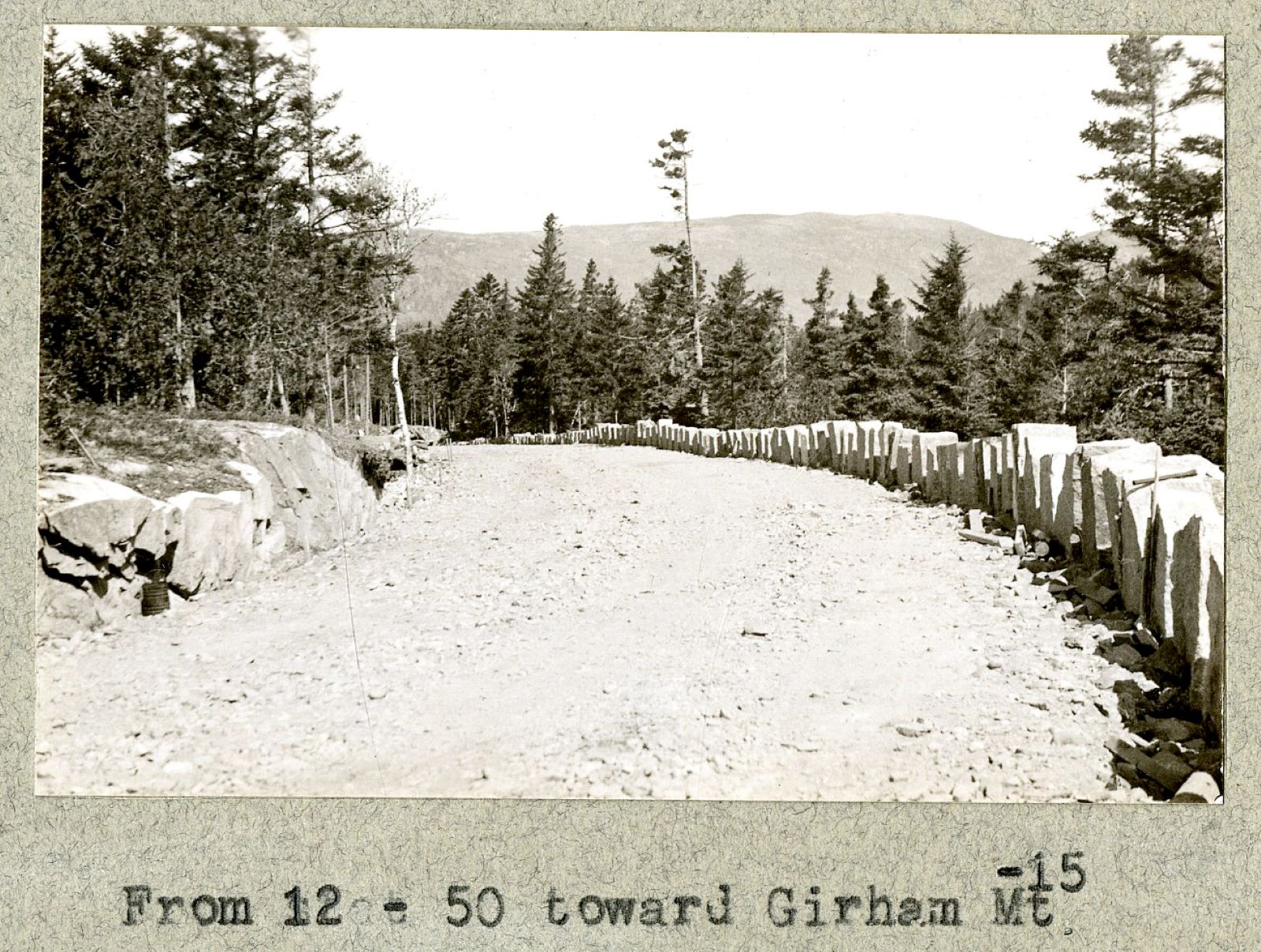
Acadia National Park: Carriage Roads, Cadillac Mountain & 2026 Guide
Discover carriage roads, Cadillac Mountain, and rugged Maine coast. Complete 2026 guide to Acadia National Park — trails, fees, lodging, permits, and what rangers recommend.
Hiking Guide
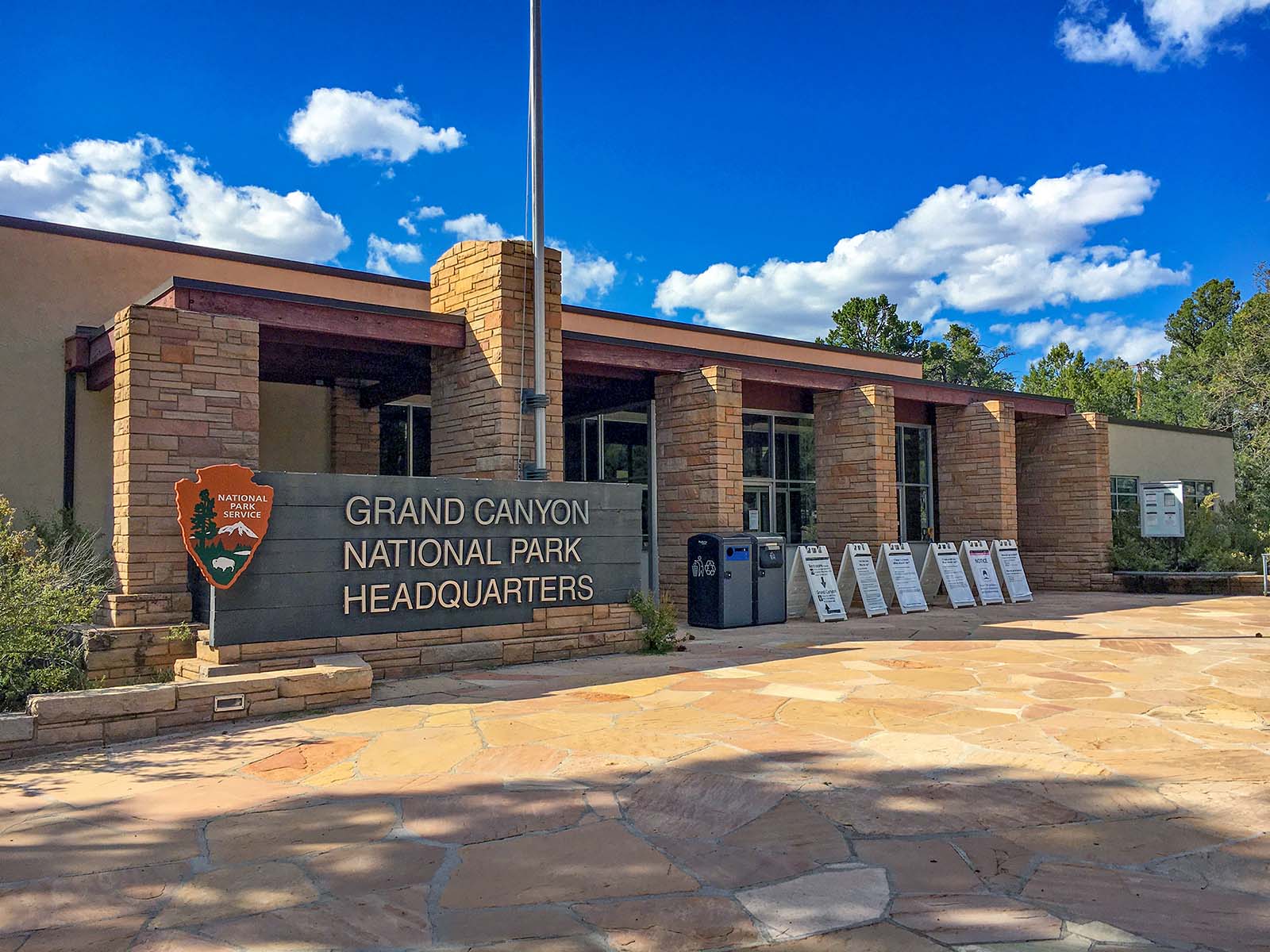
Grand Canyon Hiking Trails: Day Hikes, Water Sources & Rim to Rim
Compare Grand Canyon hiking trails: Bright Angel, South Kaibab, Hermit, Grandview, and rim to rim, with distances, elevation, water stops, and trailhead access for each.
Best Of
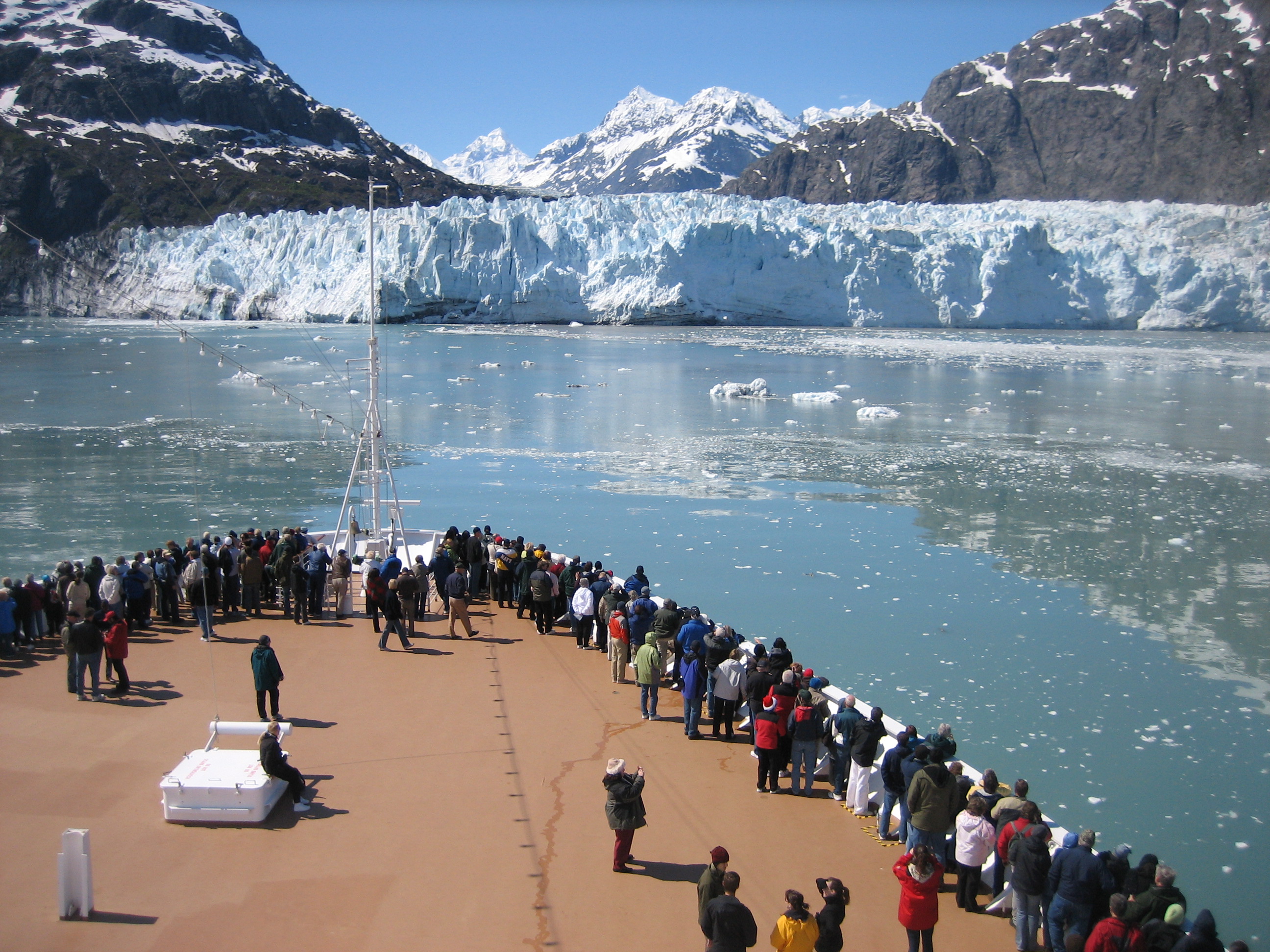
Best of Glacier Bay National Park
The best of Glacier Bay is reached by boat: ranger-led day tours up the bay to the tidewater glaciers. What's worth it, how to book, and when to go (2026).
Campsite Guide
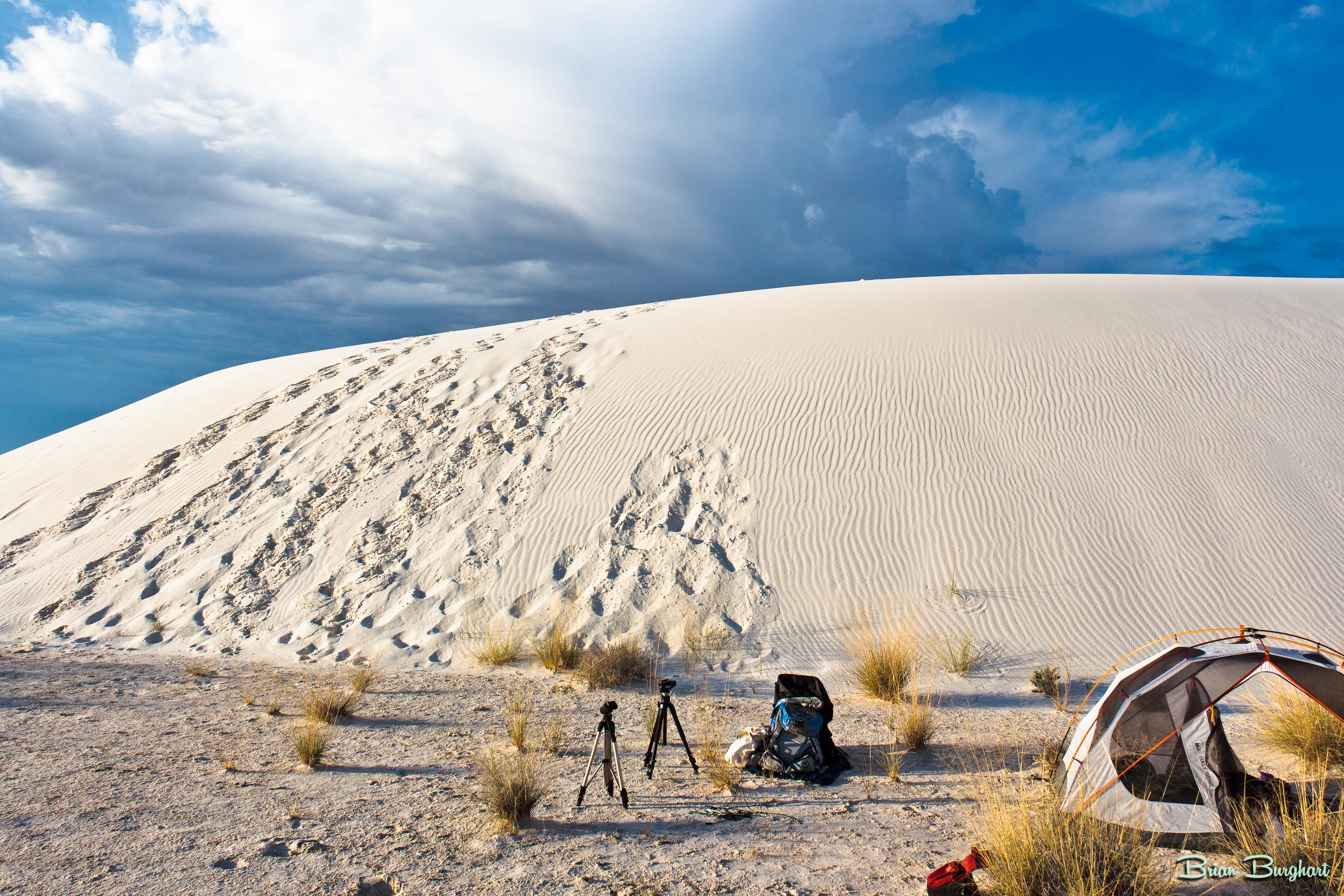
White Sands Backcountry Camping: Closed for 2026 — What to Know
As of 2026, backcountry camping at White Sands National Park is closed for site rehabilitation. What that means, and where to camp nearby instead.
Weather Guide
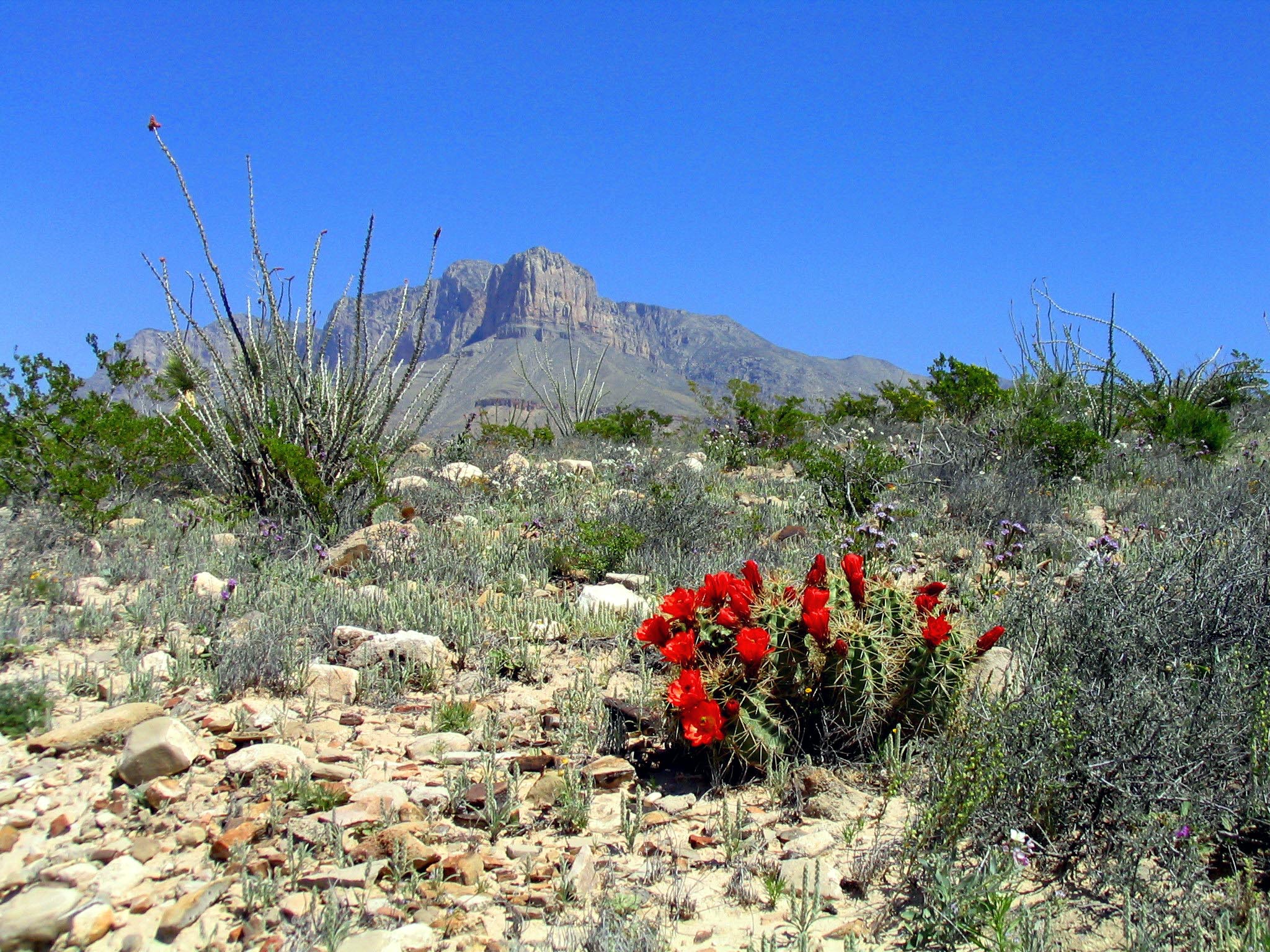
Guadalupe Mountains National Park Weather: Weather
Guadalupe Mountains National Park: weather guide guide updated 2026. Practical visitor information, reservations, and seasonal tips worth bookmarking before
Best Of
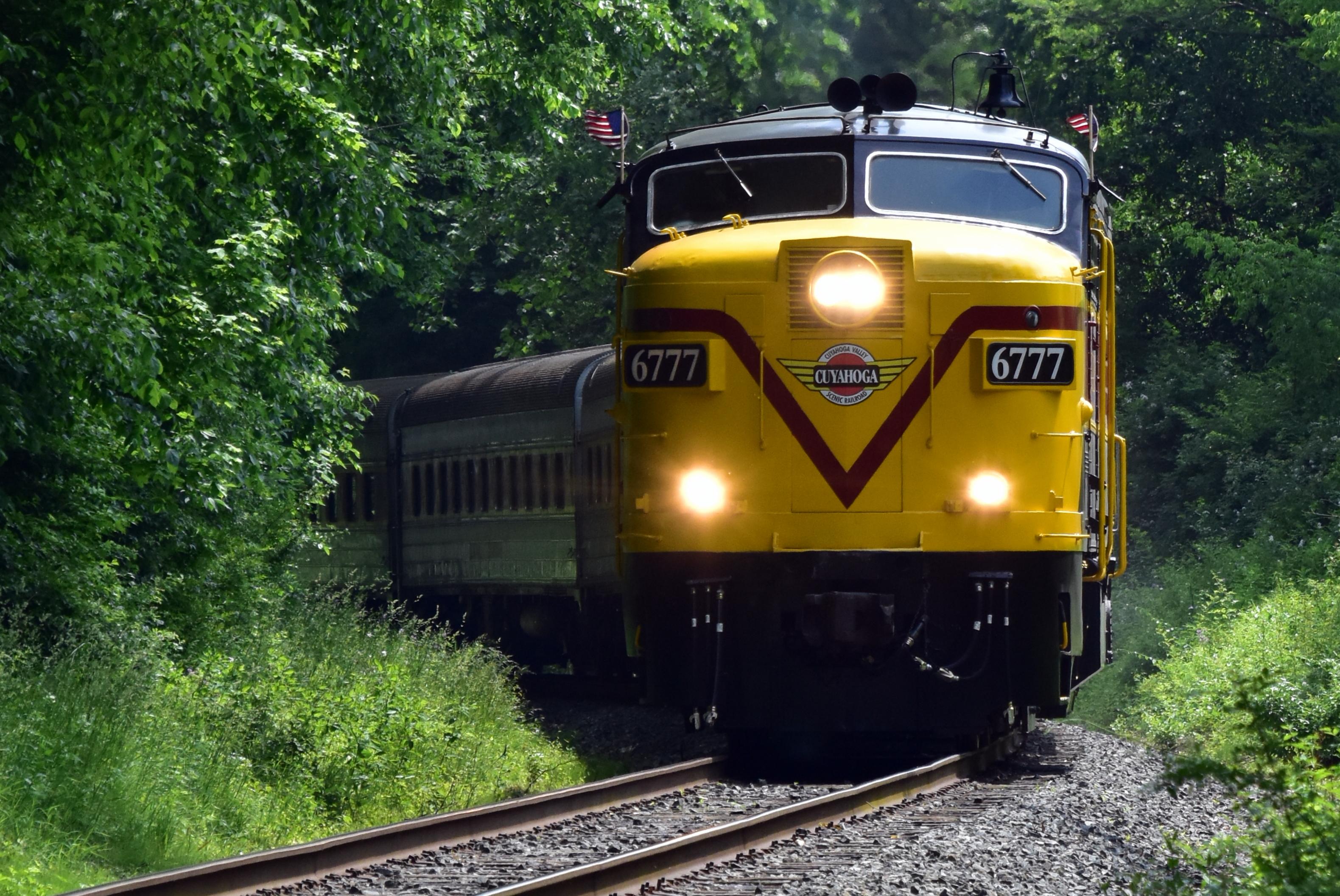
Best of Cuyahoga Valley National Park: Best Things to Do
Seeing a Cleveland Orchestra concert with the woods as your backdrop is a uniquely Cuyahoga Valley experience.
Sign in to join the conversation.
Sources & Attribution
Location data courtesy of the National Park Service (U.S. Department of the Interior). NPS data is public domain. Official NPS page.
Images: NPS; NPS; NPS; NPS; NPS.
Map data © OpenStreetMap contributors.
Park operations alerts: NPS.gov · Weather and weather hazards: National Weather Service · Live conditions.
Information may change. Always verify fees, hours, and conditions directly with the official source before visiting.
Did this guide help? Share it with a friend.