Reserve a site at Deep Creek Campground six months ahead for fall weekends; the 92-site campground on the North Carolina side of Great Smoky Mountains National Park fills fast when leaves turn. It sits beside a popular creek with waterfall hikes starting right from the campground.
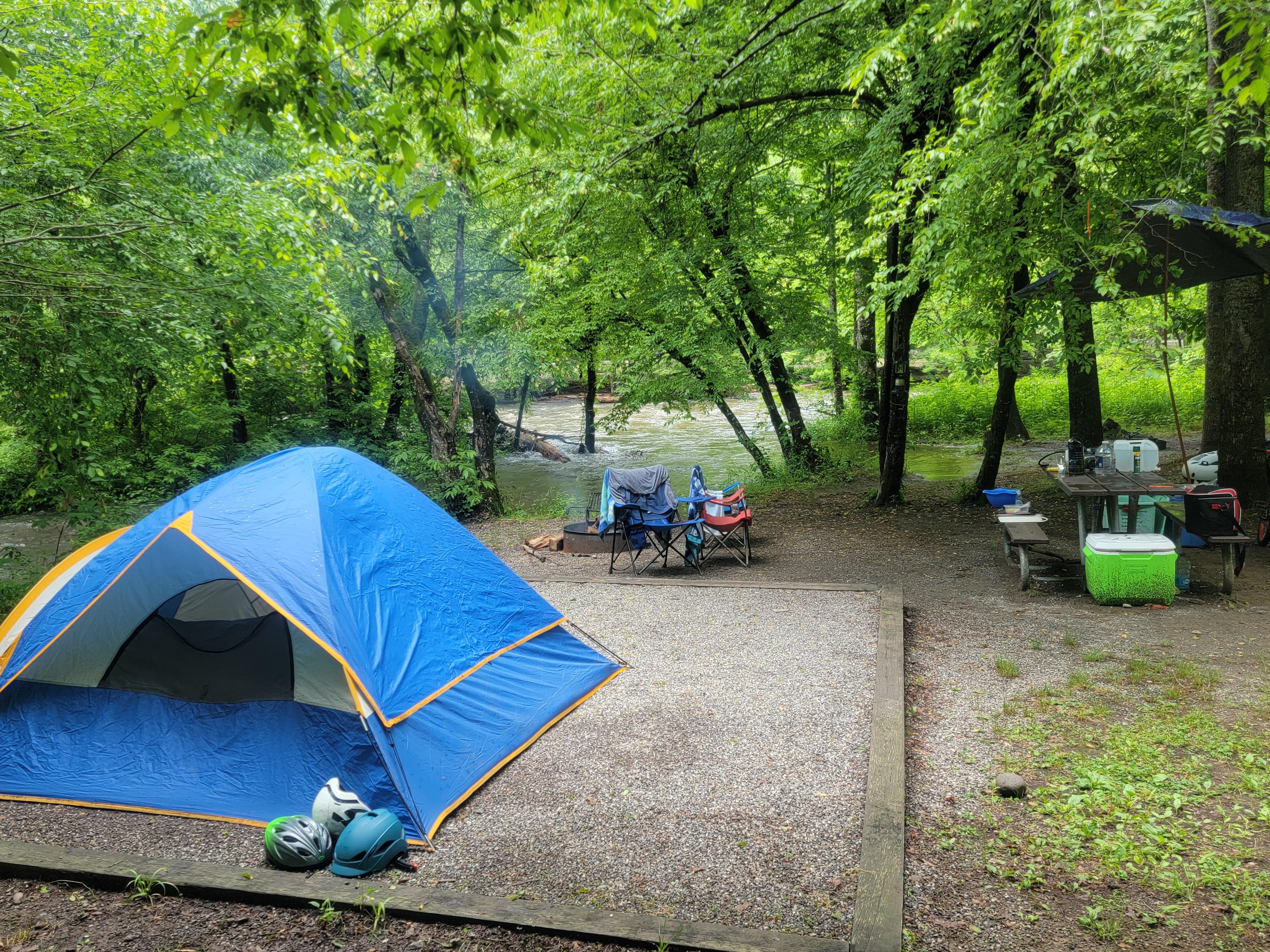
NPS via NPS.gov (Public Domain)
Campsites at Deep Creek Campground (2026 Guide)
7 min read
Campsite Guide
A 30-degree sleeping bag is adequate for most of the season, but if you are camping in March or early April, bring a 20-degree bag or add a liner.
Your plans
For more, see Great Smoky Mountains National Park Scenic Drives: Driving Trails (2026).
The Campground Itself
Deep Creek Campground sits at 1,800 feet (549 m) elevation, which means mild winters and hot, humid summers. The climate here is transitional - cooler than the lowlands but not as brisk as the higher-elevation campgrounds like Balsam Mountain. Spring brings a reliable display of wildflowers along the creek corridor, and fall color peaks here in mid-to-late October, right before the campground closes for the season.
Site Types and Setup
The campground has 92 sites total, with 60 designated as tent-only. That is a higher proportion of tent sites than most campgrounds in the park, and it makes a difference in the atmosphere. The tent loops are quieter, with fewer generators and RVs running. The remaining 32 sites accommodate RVs and trailers, but there are no hookups - no electric, no water, no sewer. This is primitive camping with a few key conveniences.
What you get: Flush toilets and drinking water spigots. That is it. No showers, no dump station, no camp store. Plan accordingly.
What you do not get: Hookups, Wi-Fi, or cell service. Cell service drops out at the park boundary and does not return until you are back toward Bryson City. Download maps and directions before you arrive.
Reservations and Fees
The camping fee is $30 per site, per night. Reservations are required and can be made through Recreation.gov. Walk-up sites are not guaranteed, and during peak seasons (April through October), the campground books solid most weekends.
The campground closes seasonally. As of 2026, Deep Creek Campground is closed from approximately late October through early May. Check the official website for exact opening and closing dates each year, as they can shift based on weather and maintenance schedules.
Getting There and Parking
The address is 1912 East Deep Creek Road, Bryson City, NC 28713. You will approach from the south, off US 441 through Cherokee and then west on Highway 19 toward Bryson City. From downtown Bryson City, follow Deep Creek Road about 3 miles to the campground entrance.
Important note on parking: All vehicles parking for longer than 15 minutes in Great Smoky Mountains National Park require a parking tag. As of 2026, tags cost $5 for a daily pass, $15 for a weekly pass, or $40 for an annual pass. You can buy them online in advance or at visitor centers. The rangers at the entrance will remind you, but it is easy to forget if you arrive after hours.
Each campsite includes one vehicle space. Overflow parking is limited. If you are bringing a second vehicle, expect to pay an additional fee and park in the designated overflow area near the entrance.

Hiking from the Campground
The biggest advantage of Deep Creek Campground over other Smokies campgrounds is the trail access. You can walk to multiple waterfalls without driving anywhere.
Deep Creek Trail to Indian Creek Falls and Tom Branch Falls
The most popular route is the Deep Creek Trail, a 1.6-mile (2.6 km) roundtrip hike that follows the creek upstream to two waterfalls. Tom Branch Falls appears first, a 60-foot cascade that drops into a wide pool. A short distance further, Indian Creek Falls spills over a rock ledge into a swimming hole that is popular in summer.
What the park website does not mention: The trail is relatively flat, but the creek crossings can be tricky after rain. Water levels rise quickly, and the stepping stones get slick. Early morning is your best bet for fewer people and better light on the falls.
Deep Creek Waterfalls Loop
For a longer outing, the Deep Creek Waterfalls Loop runs 2.4 miles (3.9 km) and connects several short trail segments to show you three waterfalls in one walk. The trail narrows here and there along the creek, with a few rooty sections that demand attention. Most visitors underestimate how much time they will spend just stopping to watch the water - plan for at least two hours on this loop.
Other Nearby Trails
From Deep Creek you can also access the longer Bradley Fork Trail and connections into the broader trail network on the North Carolina side of the park. The rangers at the visitor center will tell you that the Bradley Fork Trail is a good option if you want to escape the crowds around the waterfalls - it sees far less traffic and follows a scenic creek through cove hardwood forest.
The Deep Creek Picnic Area
Right next to the campground, the Deep Creek Picnic Area offers 58 shaded sites with tables, charcoal grills, and a pavilion. It is open year-round from sunrise to sunset, though restrooms are only available from mid-April to late-October. This is a solid backup option if the campground is full - you cannot sleep here overnight, but you can use it for a day visit to the same area.
The picnic area also serves as an alternate trailhead for the Deep Creek hikes, and the parking lot is larger than the campground lot. If you are staying elsewhere in the park but want to hike the waterfalls, park here rather than trying to squeeze into the campground.

What to Know Before You Arrive
Weather and Packing
Summer temperatures at Deep Creek regularly hit the upper 80s with high humidity. Afternoon thunderstorms are common from June through August. Pack rain gear even if the morning forecast looks clear - the storms build fast over the mountains.
Spring and fall are more comfortable, with daytime highs in the 60s and 70s. Nights can drop into the 40s, sometimes into the 30s in late October. A 30-degree sleeping bag is adequate for most of the season, but if you are camping in March or early April, bring a 20-degree bag or add a liner.
Water and Food Storage
Drinking water is available from spigots throughout the campground, but bring your own containers. The spigots are the standard NPS hydrant style - you will need a container with a wide mouth or a hose attachment to fill efficiently.
Food storage is required. Black bears are active in the Deep Creek area, and the park service is strict about keeping all food, coolers, and scented items stored properly. Each site has a bear-proof cable system or pole. Use it. Rangers patrol the campground and will issue citations for improperly stored food.
The Deep Creek Valley Overlook
A short drive from the campground, the Deep Creek Valley Overlook offers a view that is worth the detour. Early morning is your best bet for catching an inversion, where clouds sink into the valleys below while the overlook stays clear. From this overlook you can see the Deep Creek watershed spread out below, with the ridges of the Smokies rising to the north. It is a quiet spot - most visitors drive past it on the way to the higher-elevation overlooks.
Comparing Deep Creek to Other Smokies Campgrounds
If you are weighing options across the park, Deep Creek falls in the middle of the spectrum in terms of amenities and accessibility. It has flush toilets and running water, unlike the truly primitive campgrounds like Abrams Creek or Big Creek. But it lacks the showers and RV hookups you will find at Elkmont or Cades Cove.
The key difference is location. Deep Creek is the closest campground to Bryson City, which means you are 10 minutes from restaurants, grocery stores, and outfitters. That matters if you forgot something or want a hot meal. Compare that to Cataloochee Campground, which is a 45-minute drive down a winding gravel road, and the convenience becomes obvious.
For a full comparison of every campground in the park, see our guide to all campgrounds in Great Smoky Mountains National Park.

Practical Takeaways
- Book early. Sites at Deep Creek Campground fill quickly, especially for weekends from April through October and any date in October during leaf season.
- Bring a tent if you have one. With 60 tent-only sites, this campground favors tent campers over RVs. The atmosphere in the tent loops is noticeably quieter.
- Pack for no hookups. Bring extra batteries, a full propane tank, and enough water for cooking and drinking. Fill your water containers at the spigots as soon as you arrive.
- Buy your parking tag in advance. The $15 weekly tag saves you the hassle of finding a visitor center that is open when you arrive.
- Hit the trails early. The waterfall hikes from Deep Creek are popular. Start before 8 AM in summer to avoid the crowds and find parking close to the trailhead.
- Check the closure dates. Deep Creek Campground closes for the winter, typically from late October through early May. Confirm exact dates on Recreation.gov before you plan.
Final Thoughts
Deep Creek Campground earns its reputation through simplicity and immediate trail access. You trade showers and hookups for the ability to walk from your tent to two waterfalls in under a mile. That trade works for a lot of visitors, which is why the campground stays busy through its entire operating season.
The Smokies have flashier campgrounds - Cades Cove with its historic loop, Elkmont with its proximity to Gatlinburg. But Deep Creek does something those cannot: it puts you on the water within minutes of stepping out of your tent, in a corner of the park that sees fewer cars and more quiet. That alone makes it worth the early reservation.
For more information, see our complete Great Smoky Mountains National Park Guide.
Sources
- Official source: NPS — Great Smoky Mountains National Park nps.gov/grsm/index.htm
- Official source: National Park Service nps.gov/grsm/planyourvisit/deep-creek-campground.htm
Photo Gallery
More to Explore
Park Guide
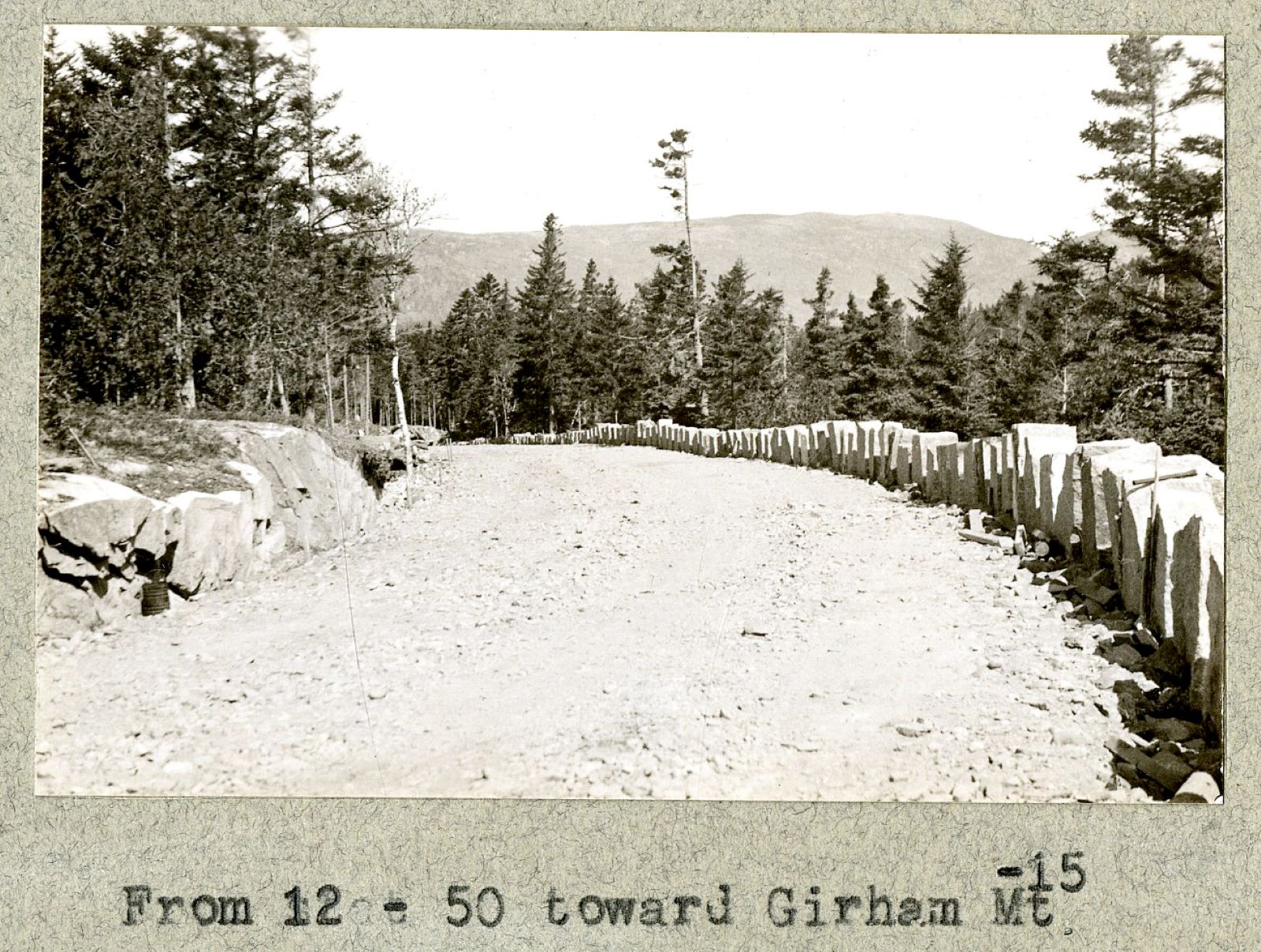
Acadia National Park: Carriage Roads, Cadillac Mountain & 2026 Guide
Discover carriage roads, Cadillac Mountain, and rugged Maine coast. Complete 2026 guide to Acadia National Park — trails, fees, lodging, permits, and what rangers recommend.
Hiking Guide
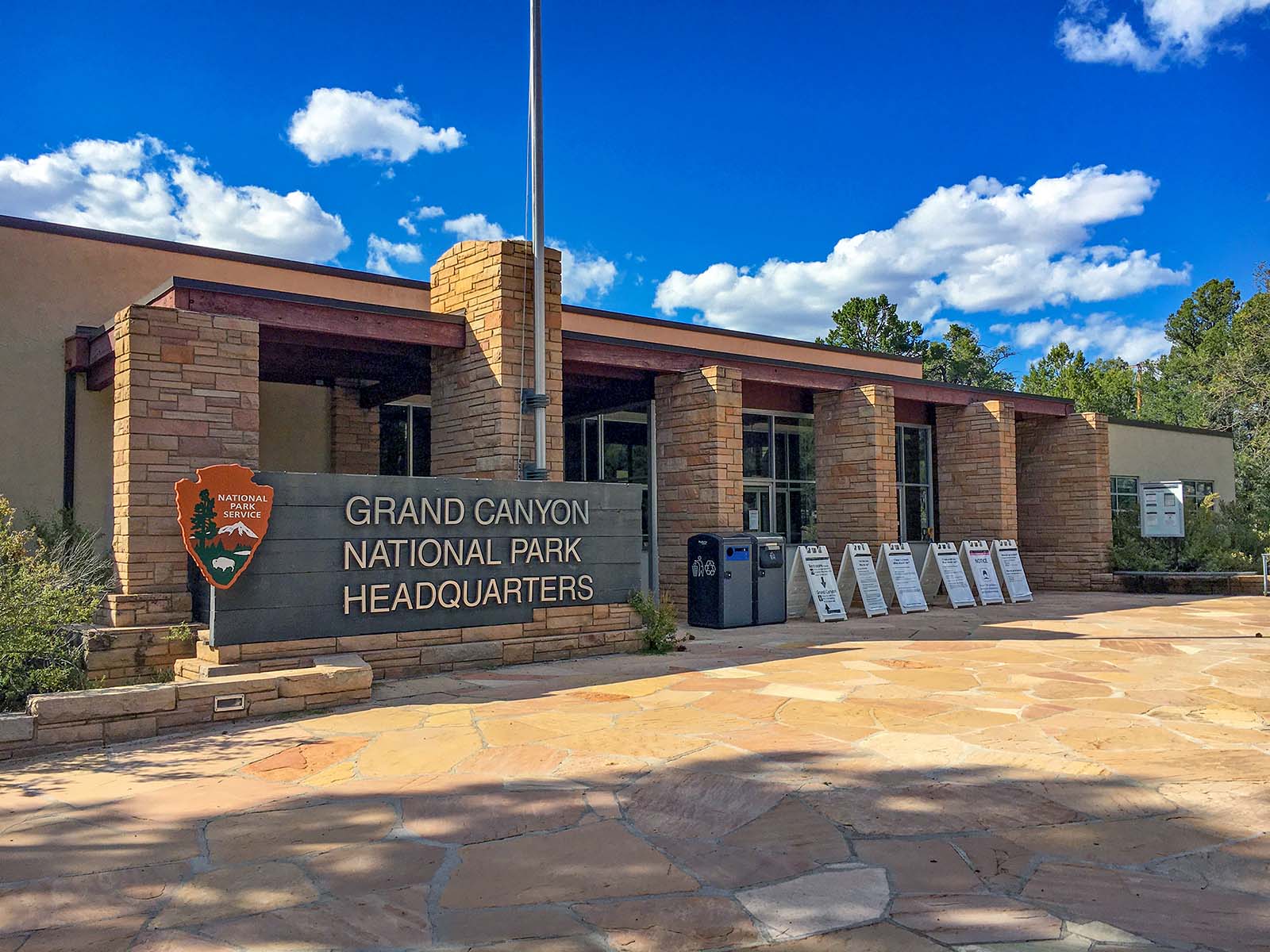
Grand Canyon Hiking Trails: Day Hikes, Water Sources & Rim to Rim
Compare Grand Canyon hiking trails: Bright Angel, South Kaibab, Hermit, Grandview, and rim to rim, with distances, elevation, water stops, and trailhead access for each.
Best Of
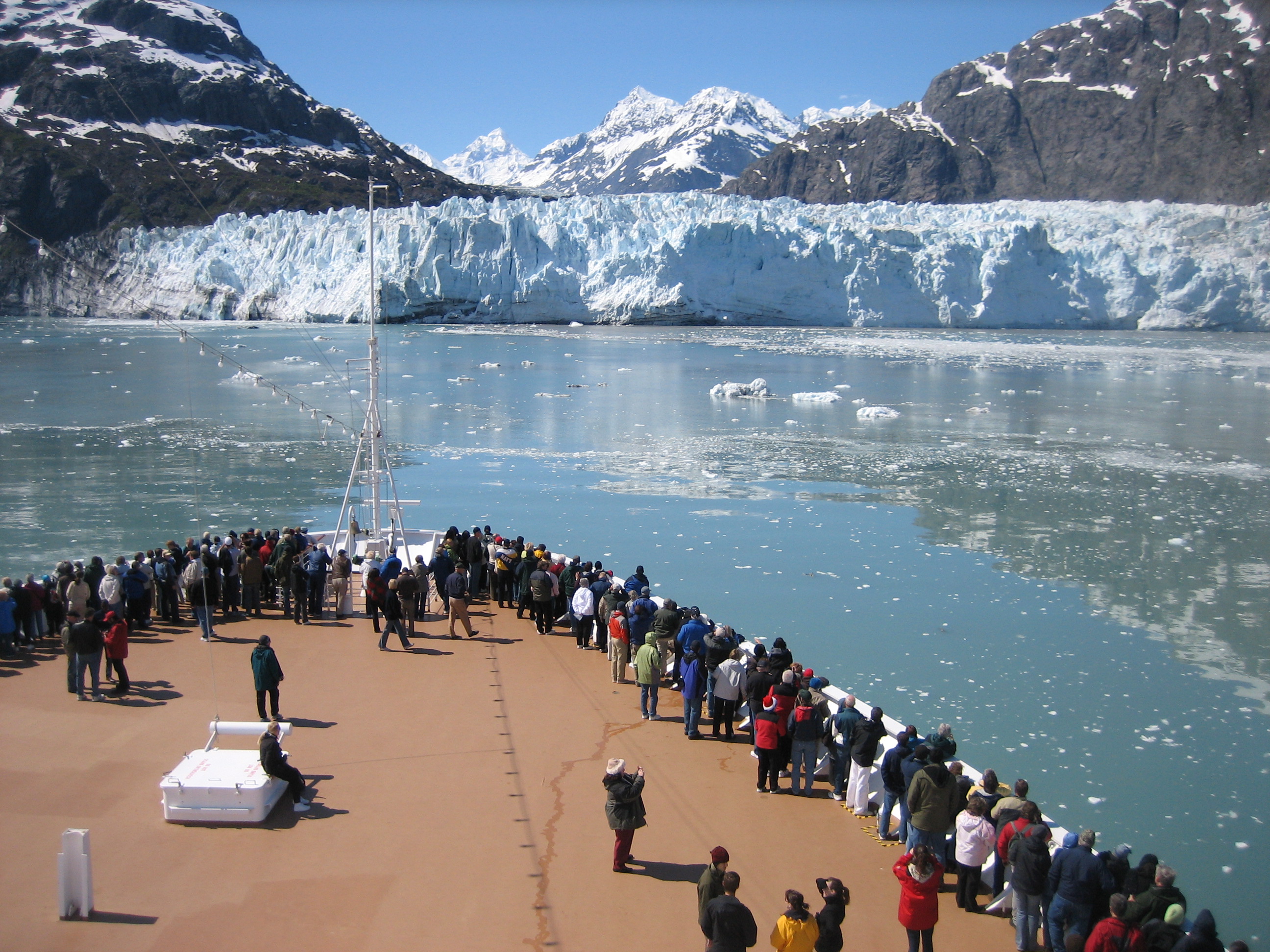
Best of Glacier Bay National Park
The best of Glacier Bay is reached by boat: ranger-led day tours up the bay to the tidewater glaciers. What's worth it, how to book, and when to go (2026).
Campsite Guide
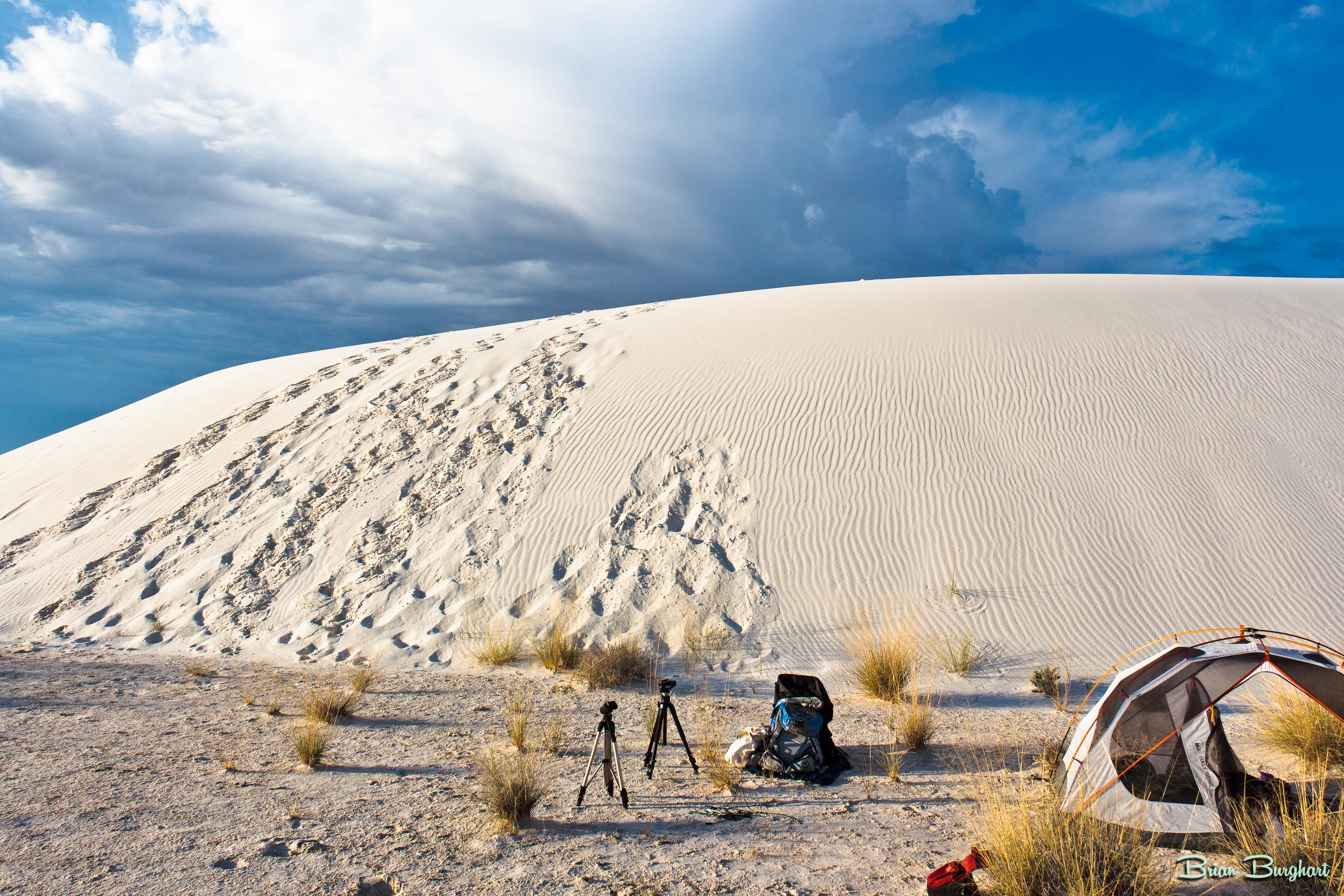
White Sands Backcountry Camping: Closed for 2026 — What to Know
As of 2026, backcountry camping at White Sands National Park is closed for site rehabilitation. What that means, and where to camp nearby instead.
Weather Guide
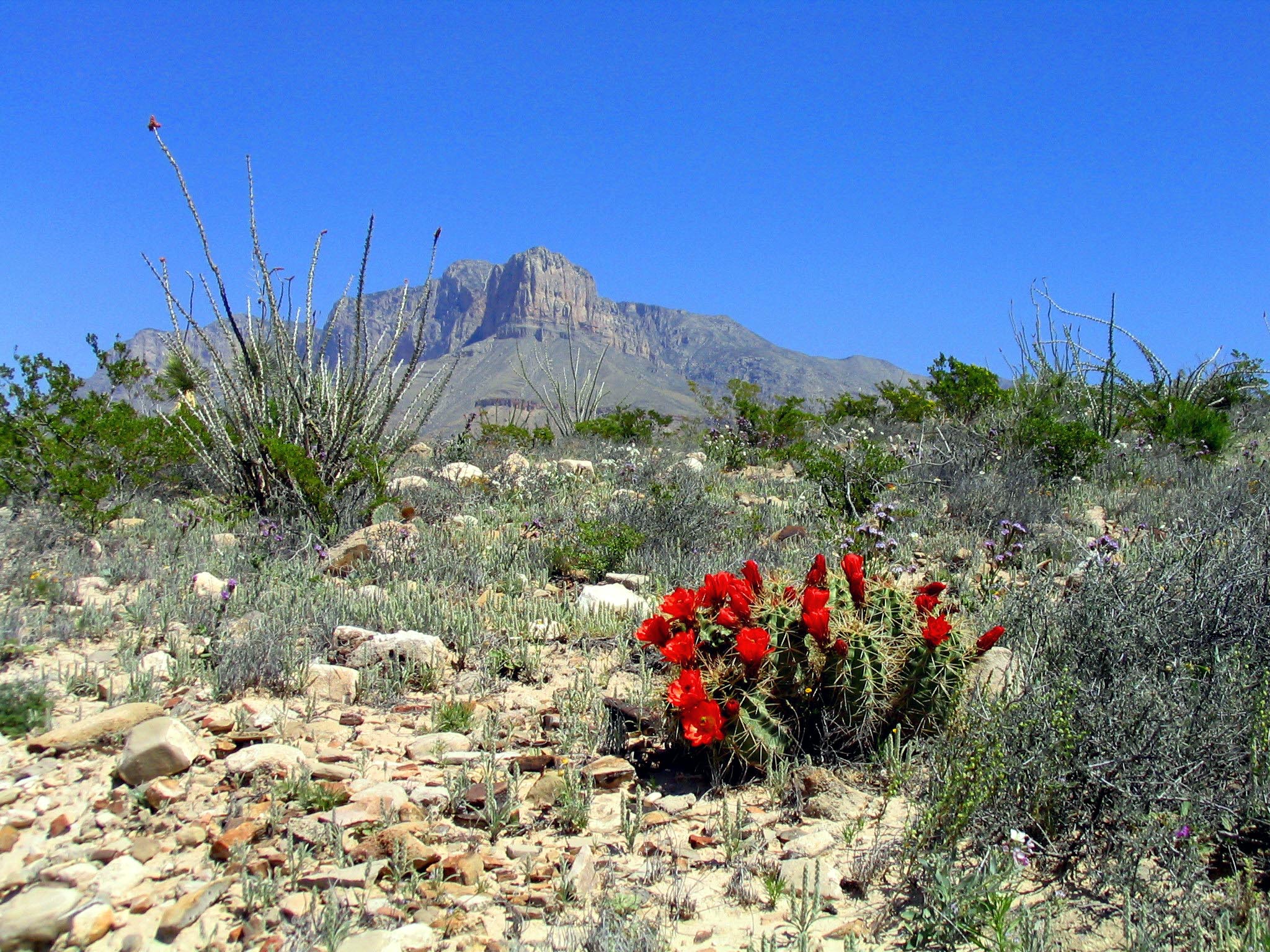
Guadalupe Mountains National Park Weather: Weather
Guadalupe Mountains National Park: weather guide guide updated 2026. Practical visitor information, reservations, and seasonal tips worth bookmarking before
Best Of
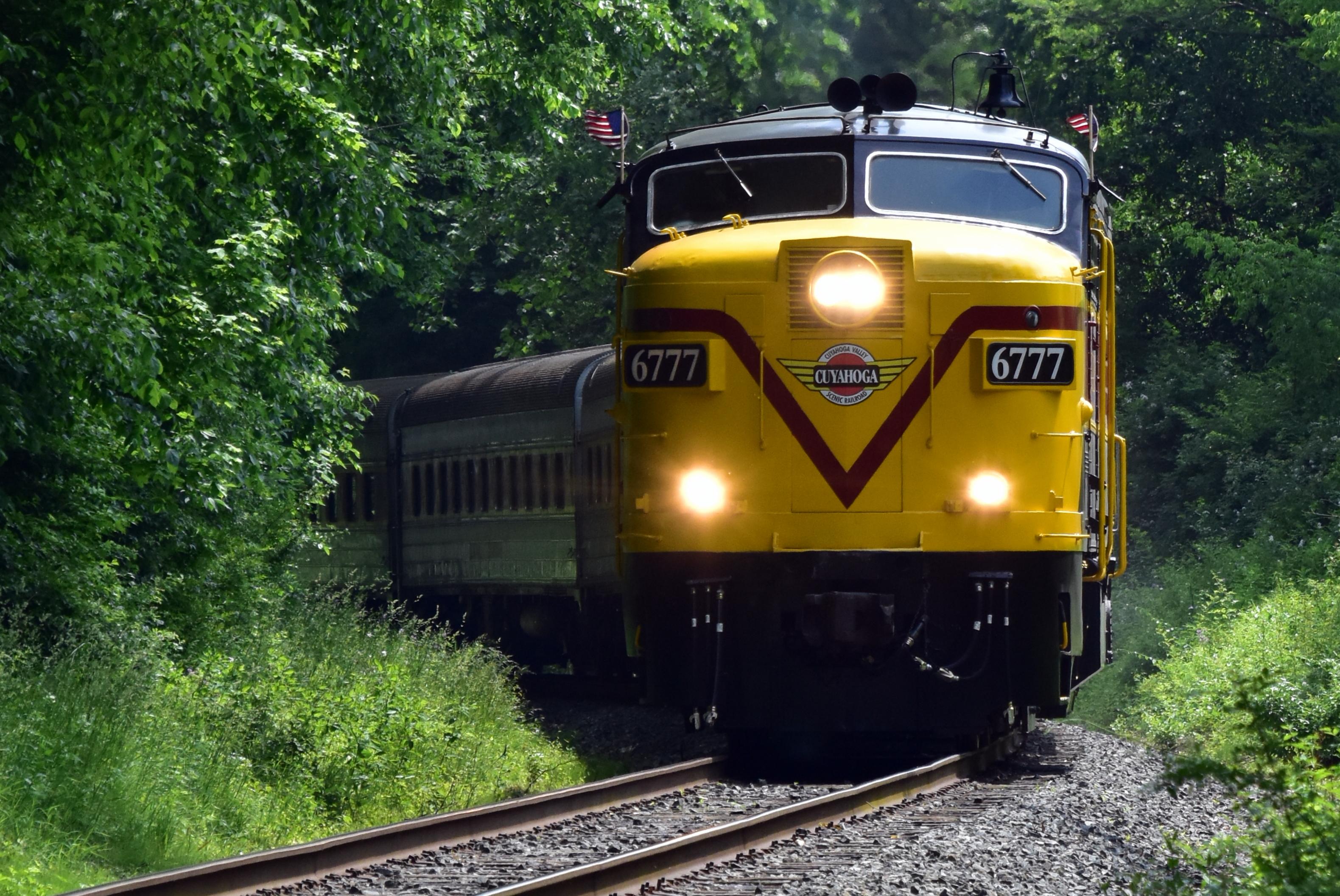
Best of Cuyahoga Valley National Park: Best Things to Do
Seeing a Cleveland Orchestra concert with the woods as your backdrop is a uniquely Cuyahoga Valley experience.
Sign in to join the conversation.
Sources & Attribution
Location data courtesy of the National Park Service (U.S. Department of the Interior). NPS data is public domain. Official NPS page.
Images: NPS; NPS; NPS; NPS; NPS.
Map data © OpenStreetMap contributors.
Park operations alerts: NPS.gov · Weather and weather hazards: National Weather Service · Live conditions.
Information may change. Always verify fees, hours, and conditions directly with the official source before visiting.
Did this guide help? Share it with a friend.