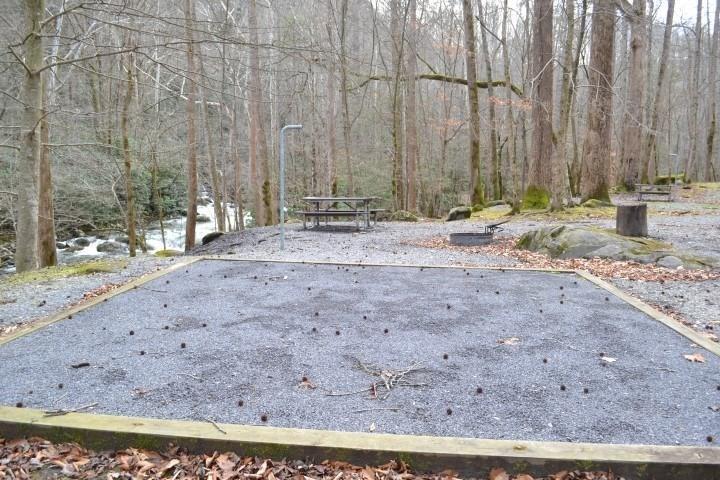
Big Creek Campground sits at 1,700 feet elevation beside its namesake creek in the remote northeastern corner of Great Smoky Mountains National Park. With only 12 tent-only sites, it is the smallest frontcountry campground in the park and one that rewards visitors who plan ahead. No RVs, no hookups, no showers - just a quiet creek, a forest canopy, and the kind of solitude that gets harder to find in the Smokies each year. This guide covers everything you need to know about booking, arriving, and camping at Big Creek Campground in 2026, along with the trails and nearby points of interest that make this spot worth the extra drive.
NPS via NPS.gov (Public Domain)
Campsites at Big Creek Campground (2026 Guide)
6 min read
Campsite Guide
Big Creek Campground sits at 1,700 feet elevation beside its namesake creek in the remote northeastern corner of Great Smoky Mountains National Park.
Your plans
For more, see complete visitor guide, all campgrounds, hiking trails, lodging and accommodations, Campsites at Abrams Creek Campground (2026 Guide) (2026 Guide), Campsites at Balsam Mountain Campground (2026 Guide), Campsites at Cataloochee Campground (2026 Guide) (2026 Guide), and Campsites at Deep Creek Campground (2026 Guide) (2026 guide).
For a broader overview of what to expect across the park, see the complete visitor guide.
The Campground Experience
What You Get (and What You Don't)
The appeal of Big Creek Campground is straightforward: it is quiet, it is small, and it lacks the amenities that draw crowds. The 12 sites are all tent-only - no pop-ups, no camper vans, nothing with a hard-sided roof. Each site comes with a tent pad, a fire ring, and a picnic table. That is it.
What the campground has:
- Flush toilets (a genuine luxury for a site this remote)
- Drinking water from spigots
- Bear-proof food storage cables at each site
What it does not have:
- Showers
- Electric hookups or water hookups
- Dump station
- Camp store
- Cell service - it drops out well before you reach the gate
The setting is the draw. Big Creek runs right alongside the campground, and the sound of moving water is the dominant background noise at any hour. The elevation keeps summer nights noticeably cooler than the lowlands - expect lows in the 60s even when daytime temps hit the 80s, which they regularly do from June through August.
Seasonal Operation
As of 2026, Big Creek Campground operates on a seasonal schedule. It opens for the season on May 15 and closes October 25. That window lines up with the best weather windows at this elevation - spring wildflowers are winding down by opening day, and fall color typically peaks in mid-to-late October, right before the gate closes for the winter.
All sites require reservations. You can book through Recreation.gov up to six months in advance. The $30.00 per night fee applies to all sites, same as most other frontcountry campgrounds in the park.

Getting to Big Creek Campground
The Road In
Big Creek Campground is located at 236 Big Creek Park Road, Newport, TN 37821. The entrance road leaves Interstate 40 at exit 451, just across the state line from North Carolina. From the interstate, it is about 3.5 miles on a two-lane paved road that follows Big Creek upstream.
The parking situation here is straightforward - there is a parking area near the campground entrance, and campers park at their individual sites. Day visitors coming to hike the Big Creek Trail or visit the picnic area use a separate lot just past the campground entrance station. That lot fills by mid-morning on summer weekends, so plan accordingly.
Required Parking Tag
All vehicles parking for more than 15 minutes inside Great Smoky Mountains National Park must display a parking tag. As of 2026, the options are:
- Daily: $5.00
- Weekly: $15.00
- Annual: $40.00
Purchase online before you arrive or at the self-service pay station near the campground entrance. Rangers check regularly, and the fine for not displaying a tag is steeper than the tag itself.

Hiking and Activities at Big Creek
The primary reason most visitors choose Big Creek Campground is access to the trail system in this corner of the park. The Big Creek Trail starts at the far end of the picnic area parking lot and follows the creek upstream through old-growth forest.
Big Creek Trail
This trail follows an old railroad grade used during the logging era. The grade is wide and well-graded for the first few miles, making it one of the more forgiving hikes in the park for carrying a moderate load. The trail parallels Big Creek the entire way, with multiple opportunities to stop at the water's edge. The full out-and-back to Walnut Bottom is about 10 miles round trip with roughly 1,800 feet of elevation gain. Most campers do a shorter version - hike in a few miles, eat lunch on a gravel bar in the creek, and hike back out.
Baxter Creek Trail
For experienced hikers with a full day to spare, the Baxter Creek Trail connects to the Appalachian Trail at the summit of Mount Cammerer. This is a strenuous climb - about 5.8 miles one way with over 3,500 feet of elevation gain. The payoff is the Mount Cammerer Fire Tower, a stone-and-wood lookout built by the CCC in the 1930s. From the tower you can see the Pigeon River Gorge to the north and the high peaks of the Smokies to the south.
Big Creek Picnic Area
Open seasonally from mid-April through late October, the picnic area sits right on the creek with tables, charcoal grills, and vault toilets. It is a solid option for a rest day between hikes or for families who want creek access without committing to a long trail.
For a full list of campgrounds across the park and how they compare, check the all campgrounds page.

What the Official Website Does Not Mention
A few things that first-time visitors to Big Creek Campground tend to learn the hard way.
The road is narrow. Big Creek Park Road is paved but winding, with no shoulders in several stretches. On summer weekends, cars parked along the road for the trailhead can create pinch points. Take it slow.
The creek is cold year-round. Even in August, Big Creek runs at temperatures that will make you reconsider that afternoon wade. Water shoes help. So does a dry bag for your change of clothes.
Bear activity is routine. This is one of the more active bear areas in the park. The food storage cables at each site work fine if you use them correctly. Every camper hears the same spiel at check-in, and for good reason - rangers deal with multiple food-conditioned bear incidents here every season.
The campground is dark. Really dark. There are no overhead lights anywhere in the campground. If you arrive after sunset, bring a headlamp and know your site number in advance.

Practical Takeaways
- Book early. All 12 sites fill on summer weekends, often within minutes of the six-month booking window opening. Midweek stays are easier to secure.
- Pack for no services. Bring your own water filter as a backup (the spigots are reliable but seasonal), all your food, a camp stove (firewood is available for purchase at some nearby stores but not on-site), and a first-aid kit.
- Arrive before dark. The gate is staffed during daytime hours only. If you arrive after the entrance station closes, you need a reservation confirmation number to access the campground.
- Leave the RV at home. The 12-foot maximum vehicle length for some sites is generous, but the road into the campground has tight corners that larger vehicles will struggle with.
- Bring earplugs. The creek is loud. Most campers love this. A few cannot sleep through it. Know yourself.
- Check for alerts before you go. As of 2026, several roads in the park are closed for repairs and maintenance. Park Headquarters Road near Sugarlands is closed for water system work. Heintooga Ridge Road and the one-way section of Balsam Mountain Road are also closed. None of these directly affect access to Big Creek, but itinerary changes sometimes happen.
Final Thoughts
Big Creek Campground is not the right choice for everyone. If you want hookups, a camp store, or a shower after a day on the trail, head to Cades Cove or Elkmont. But if the idea of 12 tent sites, a creek within earshot, and trails that see a fraction of the traffic found elsewhere in the park sounds like a good weekend, this is worth the reservation scramble. The season runs May 15 through October 25. Mark your calendar for six months before your preferred dates - those sites do not last long.
For more information, see our complete Great Smoky Mountains National Park Guide.
Sources
- Official source: NPS — Great Smoky Mountains National Park nps.gov/grsm/index.htm
- Official source: National Park Service nps.gov/grsm/planyourvisit/camping-at-big-creek.htm
Photo Gallery
More to Explore
Park Guide
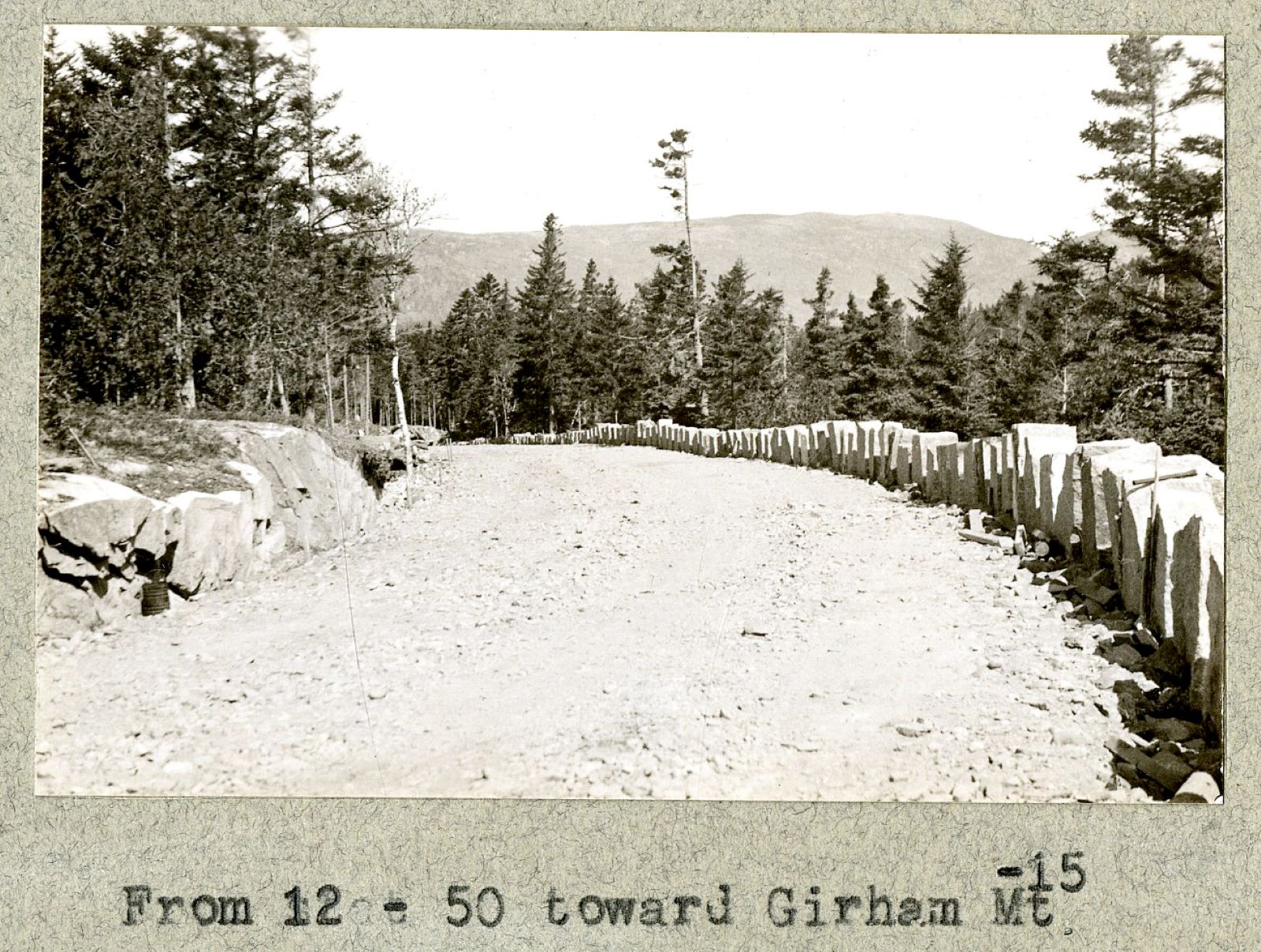
Acadia National Park: Carriage Roads, Cadillac Mountain & 2026 Guide
Discover carriage roads, Cadillac Mountain, and rugged Maine coast. Complete 2026 guide to Acadia National Park — trails, fees, lodging, permits, and what rangers recommend.
Hiking Guide
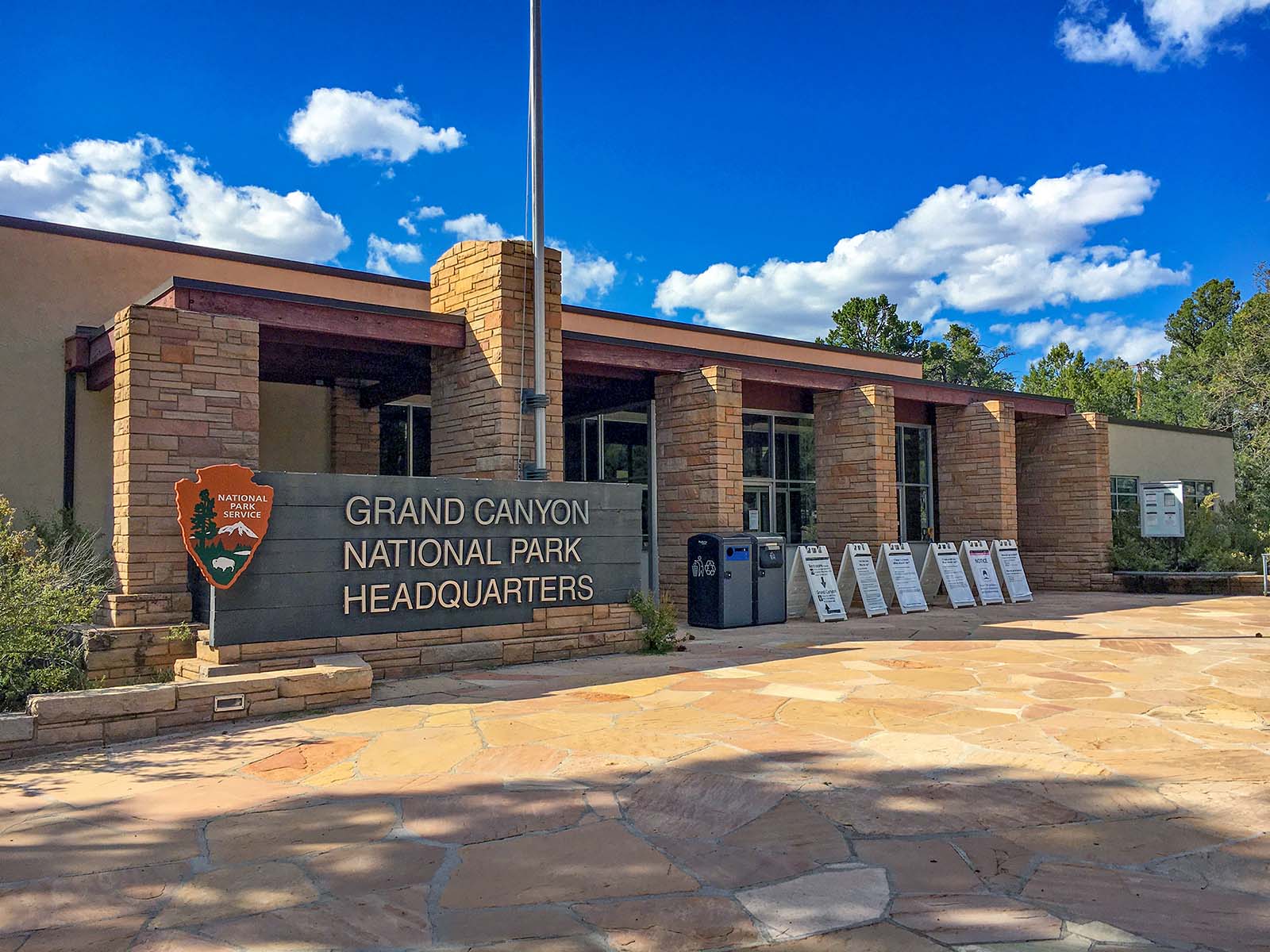
Grand Canyon Hiking Trails: Day Hikes, Water Sources & Rim to Rim
Compare Grand Canyon hiking trails: Bright Angel, South Kaibab, Hermit, Grandview, and rim to rim, with distances, elevation, water stops, and trailhead access for each.
Best Of
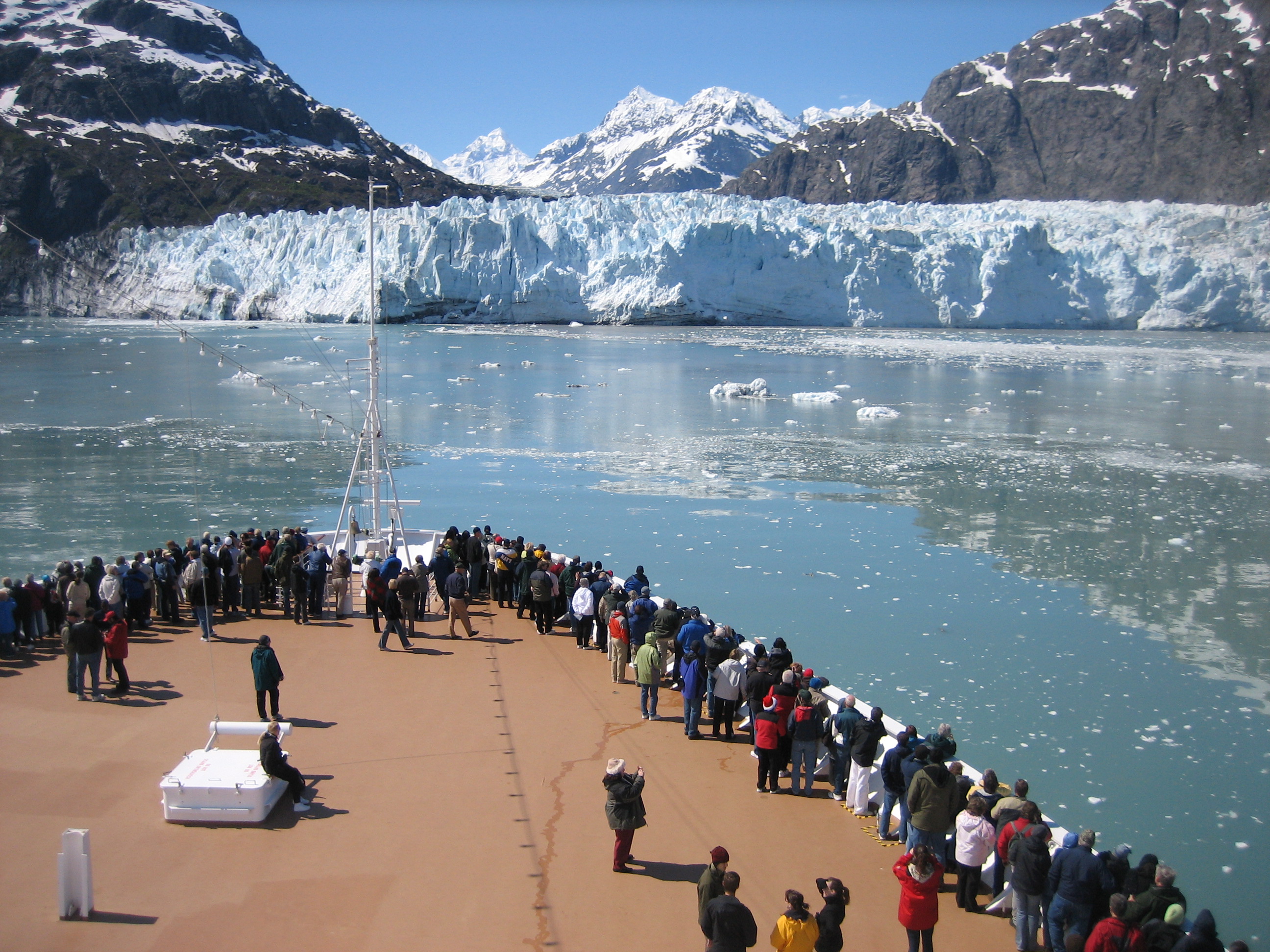
Best of Glacier Bay National Park
The best of Glacier Bay is reached by boat: ranger-led day tours up the bay to the tidewater glaciers. What's worth it, how to book, and when to go (2026).
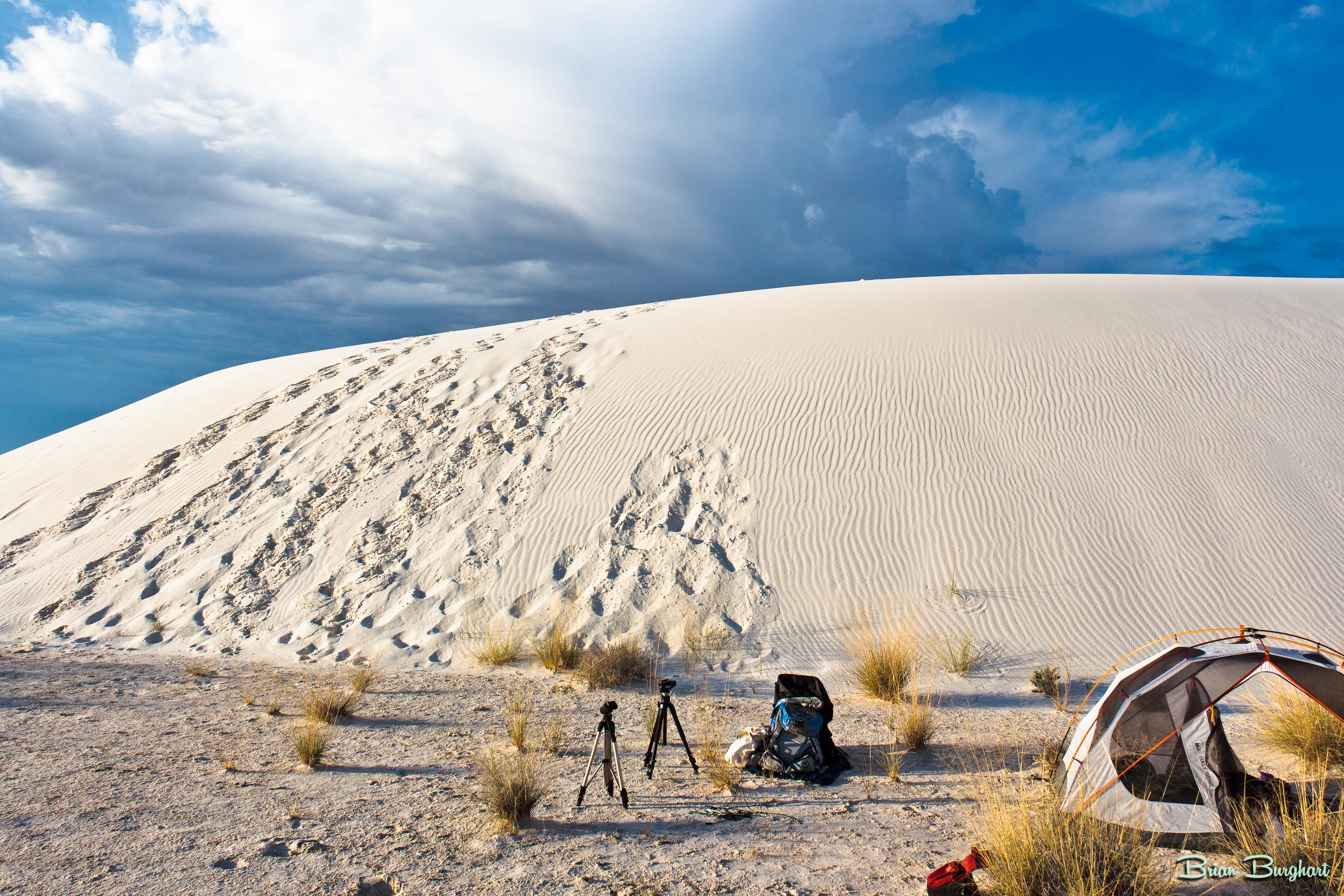
Campsite Guide
White Sands Backcountry Camping: Closed for 2026 — What to Know
As of 2026, backcountry camping at White Sands National Park is closed for site rehabilitation. What that means, and where to camp nearby instead.
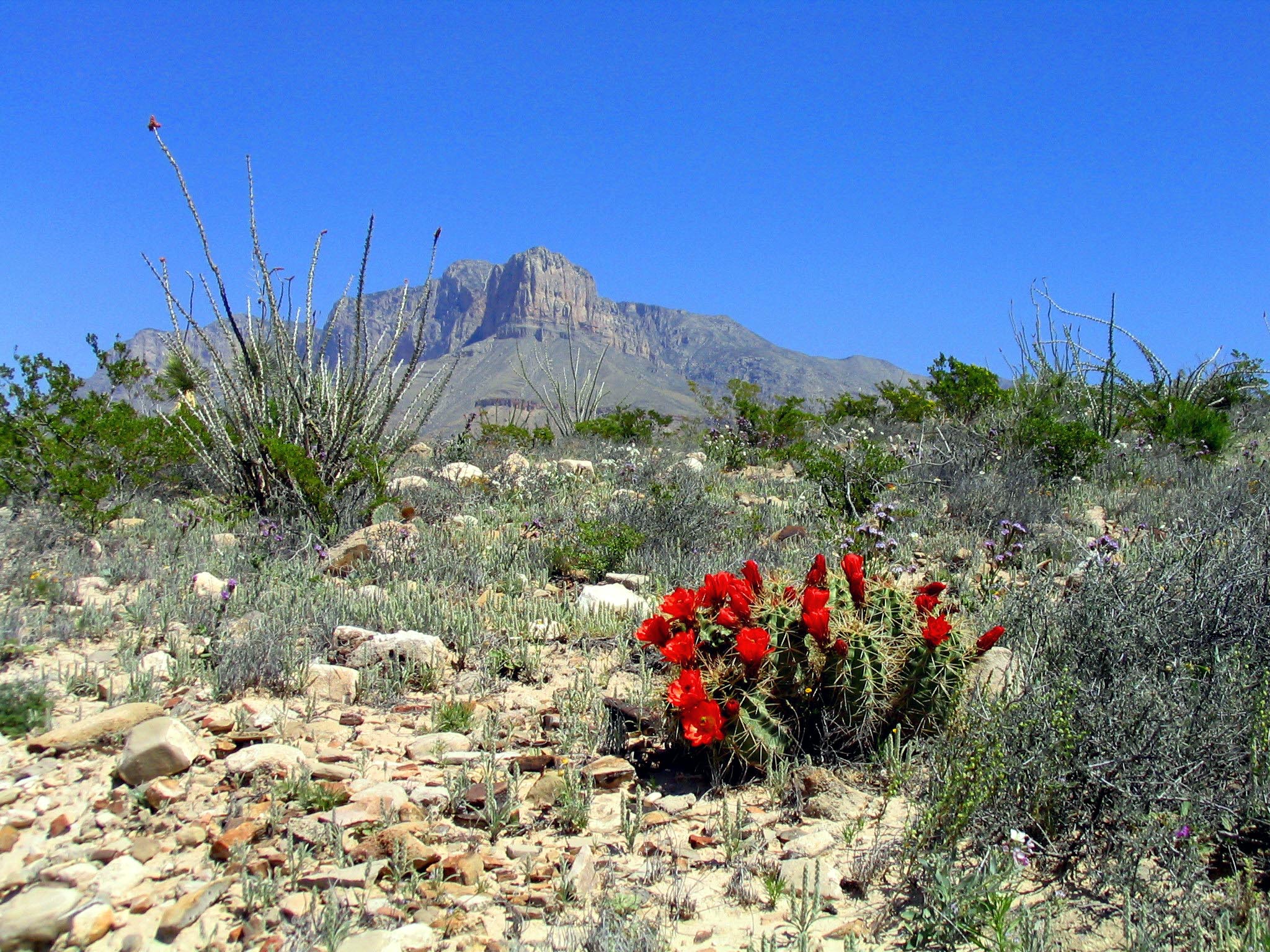
Weather Guide
Guadalupe Mountains National Park Weather: Weather
Guadalupe Mountains National Park: weather guide guide updated 2026. Practical visitor information, reservations, and seasonal tips worth bookmarking before
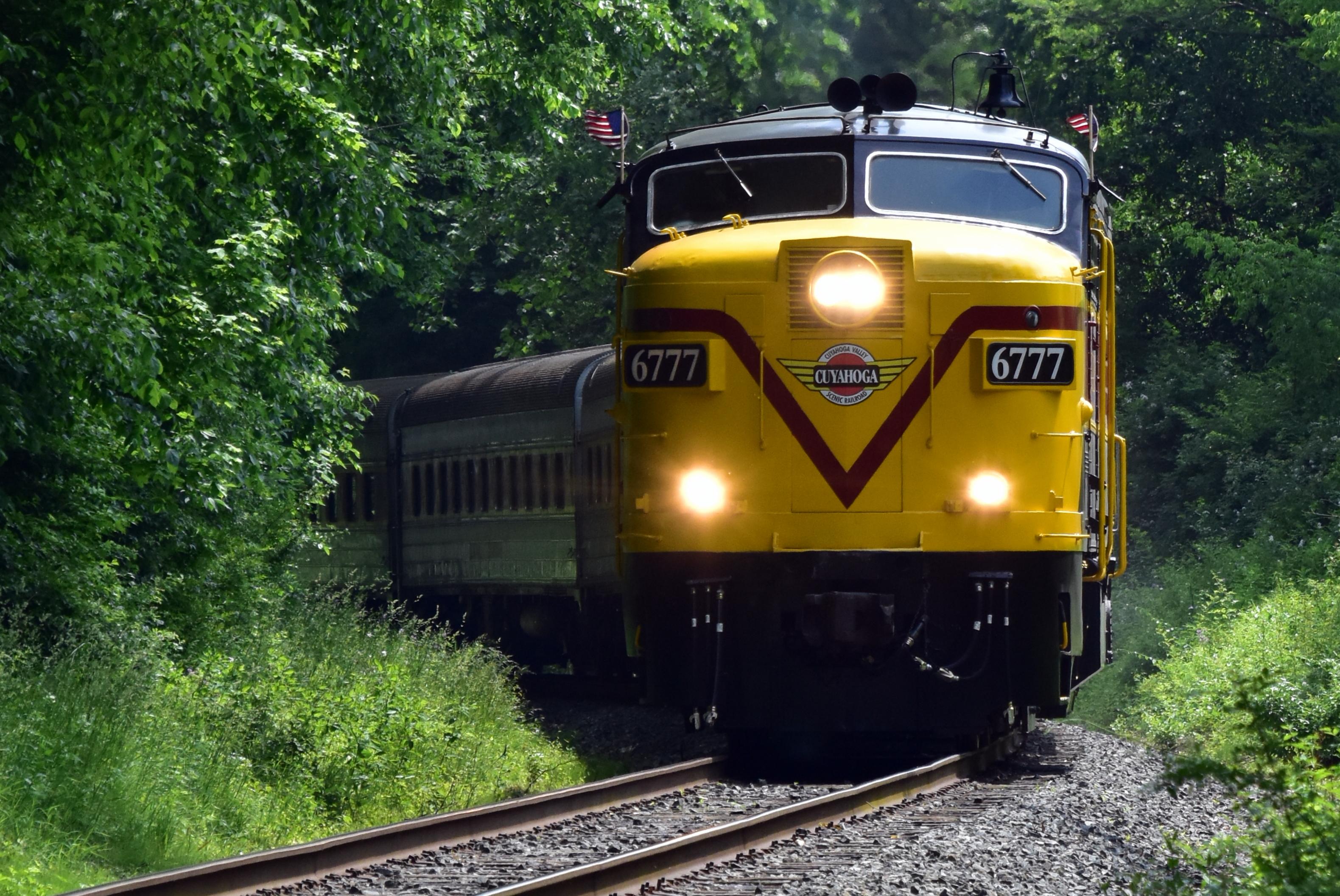
Best Of
Best of Cuyahoga Valley National Park: Best Things to Do
Seeing a Cleveland Orchestra concert with the woods as your backdrop is a uniquely Cuyahoga Valley experience.
Sign in to join the conversation.
Sources & Attribution
Location data courtesy of the National Park Service (U.S. Department of the Interior). NPS data is public domain. Official NPS page.
Images: NPS; NPS; NPS; NPS; NPS.
Map data © OpenStreetMap contributors.
Park operations alerts: NPS.gov · Weather and weather hazards: National Weather Service · Live conditions.
Information may change. Always verify fees, hours, and conditions directly with the official source before visiting.
Did this guide help? Share it with a friend.