Great Smoky Mountains National Park Lodging: Great Smoky Mountains Best Places To Stay (2026 Guide)
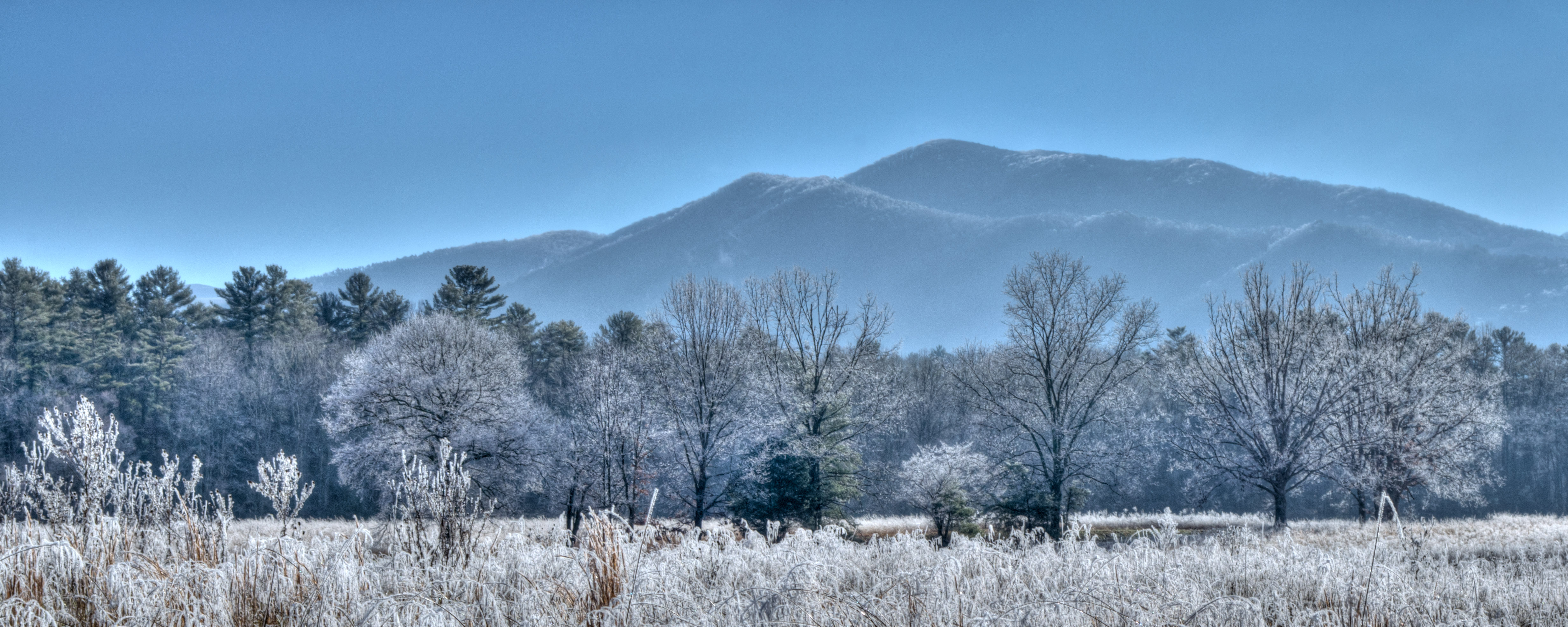
NPS via NPS.gov (Public Domain)
Great Smoky Mountains Lodging: Park Cabins, Gatlinburg
5 min read
Lodging Guide
The four historic cabins (three in Cades Cove, one in Elkmont) are spartan, historic structures managed by the park's Great Smoky Mountains camping system.
This article contains affiliate links — we may earn a small commission at no extra cost to you.
Book your inside-park lodging exactly six months out, at 8:00 AM Eastern Time, on the dot. That's the single most important piece of advice for securing a room in the Smokies. The park's limited in-park rooms vanish faster than morning fog in Cades Cove. For a complete visitor guide covering everything else, start with our complete visitor guide. This guide is about where to sleep.
Inside the Park: Worth It?
You trade modern luxury for location. Inside-park lodging means you wake up inside the quiet belt of the park, not in the traffic of Gatlinburg or Pigeon Forge. You can be on a trail at sunrise without a 45-minute drive from a hotel. You can sit on a porch in the evening and hear nothing but the creek and the cicadas. The trade-off is rooms that feel like a clean, well-maintained summer camp from the 1970s, not a resort. Booking is a competitive sport with a strict six-month advance window. If proximity and atmosphere are your top priorities, it's worth the effort and the premium. If you need a pool, room service, and soundproof walls, look outside.

LeConte Lodge: Complete Guide
This is the only lodging you cannot drive to. Access is by foot only, via one of five trails ranging from 5.5 to 8.9 miles. You're not just booking a room; you're booking a backcountry experience with a roof and dinner.
Room Types and Honest Description
You'll stay in one of seven small, rustic cabins or in a multi-room lodge. All are heated by propane and lit by kerosene lanterns (no electricity). Walls are thin wood. You'll hear your neighbors. The shared bathhouses are a short walk away. What makes it special is the isolation - 2,100 feet above Gatlinburg - and the community dinner served family-style in the dining hall. The disappointment for some is the lack of any modern convenience; there are no outlets to charge a phone.
Rates and Booking
As of 2026, rates are per person and include dinner and breakfast. Expect to pay well over $150 per person per night. The booking window opens for the entire season on October 1st the prior year, and dates for the following April through November are typically fully reserved within hours. Cancellations do happen, so a persistent check of the website can pay off.
What's Included
Two meals are included: a hearty dinner and breakfast. They'll pack you a lunch to go for an extra fee. Unlimited lemonade, tea, and coffee are available. Bring your own sleeping bag or rent linens. Pack everything you need in and out on your back.

Cades Cove Campground Cabins (Historic Structures)
These are not hotel rooms. The four historic cabins (three in Cades Cove, one in Elkmont) are spartan, historic structures managed by the park's Great Smoky Mountains camping system. They have wood-burning fireplaces, basic furniture, and no running water or electricity. You use the nearby campground bathhouse. It's essentially glamorous camping. They book up the moment reservations open six months in advance, usually for the fall foliage season.

Gateway Town Options
Most visitors opt for gateway towns. Your decision hinges on three practical considerations: budget, tolerance for traffic congestion, and the amenities you require.
Budget Options (under $150/night)
Budget accommodations cluster along the main corridors in Cherokee, North Carolina, and Townsend, Tennessee. Establishments like the Townsend Gateway Inn provide no-frills, clean lodging. The advantage is cost and sometimes greater flexibility for last-minute plans. Drawbacks include noise transmission through walls, dated furnishings, and a 20- to 40-minute commute to primary trailheads such as Alum Cave or Cades Cove. Townsend offers quicker access to the tranquil Cades Cove loop road. Cherokee positions you near the Oconaluftee Visitor Center and the less-congested southeastern park approaches.
Mid-Range ($150-$300/night)
This tier dominates Gatlinburg and Pigeon Forge. Think condo-style suites with kitchens, balcony hot tubs, and newer hotel brands. The pros are space for families, in-room amenities, and often better sound insulation. The major con is traffic. In peak season, the 5-mile drive from a Pigeon Forge hotel to the Gatlinburg park entrance can take 45 minutes. Your strategy is to leave for the park before 8 AM and return after 7 PM to avoid the worst of it. Many properties here offer pools and game rooms, which matter if you have kids.
Premium (over $300/night)
In Gatlinburg, this means riverfront cabins or boutique hotels like The Lodge at Buckberry Creek. In Cherokee, it's Harrah's Cherokee Casino Resort. The splurge buys you better views, more privacy, and higher-end finishes. A cabin with a deck over a stream can almost mimic the inside-park feel, but you're still dealing with gateway town traffic to reach the park core. The casino resort is its own universe with multiple restaurants and entertainment, but it feels disconnected from the park experience.

Booking Strategy
Your calendar is your most important tool. For LeConte Lodge, block out October 1st. For the historic cabins and campgrounds, be online at 10:00 AM Eastern six months to the day before your arrival. Recreation.gov is the platform; have an account set up and be ready to click the moment reservations open.
For gateway hotels, the dynamic is different. Peak seasons (October for foliage, July for summer) still require booking 3-4 months out for the best rates and selection. However, last-minute deals can appear, especially for mid-week stays or if you're willing to stay further from the park entrance. Cancellation policies are almost always more flexible outside the park - 24 to 72 hours is common, versus the strict 7-day or 30-day policies for in-park bookings.
Shoulder seasons (late April-May, November) change everything. You can often book a gateway hotel a few weeks out, and the traffic evaporates. Rangers will tell you these are some of the best times to visit, even if the weather is less predictable.
Practical Takeaways
- In-Park Means Planning: If you want LeConte Lodge or a historic cabin, you must book at the exact moment reservations open, months in advance.
- Location vs. Luxury: Decide your priority. Inside the park offers quiet and early trailhead access but no frills. Gateway towns offer amenities and easier booking but require a commute.
- Traffic is a Real Cost: Factor drive time into your choice. A cheap hotel in Pigeon Forge might cost you hours in traffic each day during peak season.
- Book Activities with Lodging: If you're interested in tours and guided experiences, schedule them for days you're staying closer to that side of the park to minimize driving.
- Check for Parking Tags: Remember, all vehicles parking in the park for more than 15 minutes need a parking tag. This is an extra daily cost to factor into any budget.
- Weather Affects Everything: That 10-20 degree temperature drop from base to summit means you might need warmer clothes at LeConte Lodge than at your Gatlinburg hotel. Pack layers regardless of your lodging choice.
- Your Base Defines Your Experience: Staying in Cherokee offers a different, often quieter, park experience focused on the Oconaluftee area and Blue Ridge Parkway access. Staying in Gatlinburg puts you closer to the busiest, most iconic trails like Alum Cave and Newfound Gap. Choose based on the park experience you want.
Recommended Gear
What experienced visitors bring to Great Smoky Mountains Lodging: Park Cabins, Gatlinburg
Links may earn us a commission at no extra cost to you. We only recommend gear we believe in.
Hiking Essentials
Hydration Pack (3L)
Hands-free water for long trail days
Trekking Poles (Pair)
Save your knees on steep descents
Hiking Boots (Ankle Support)
Sturdy footwear for rocky, uneven trails
Sun & Heat Protection
Wide-Brim Sun Hat
Full coverage UPF 50+ protection at altitude
Insulated Water Bottle (32oz)
Keeps water cold in desert heat all day
Winter Gear
Microspikes / Traction Devices
Essential for icy rim trails in winter months
Packable Down Jacket
Lightweight warmth that stuffs into a pocket
Sources
- Official source: NPS — Great Smoky Mountains National Park nps.gov/grsm/index.htm
Photo Gallery
More to Explore
Park Guide
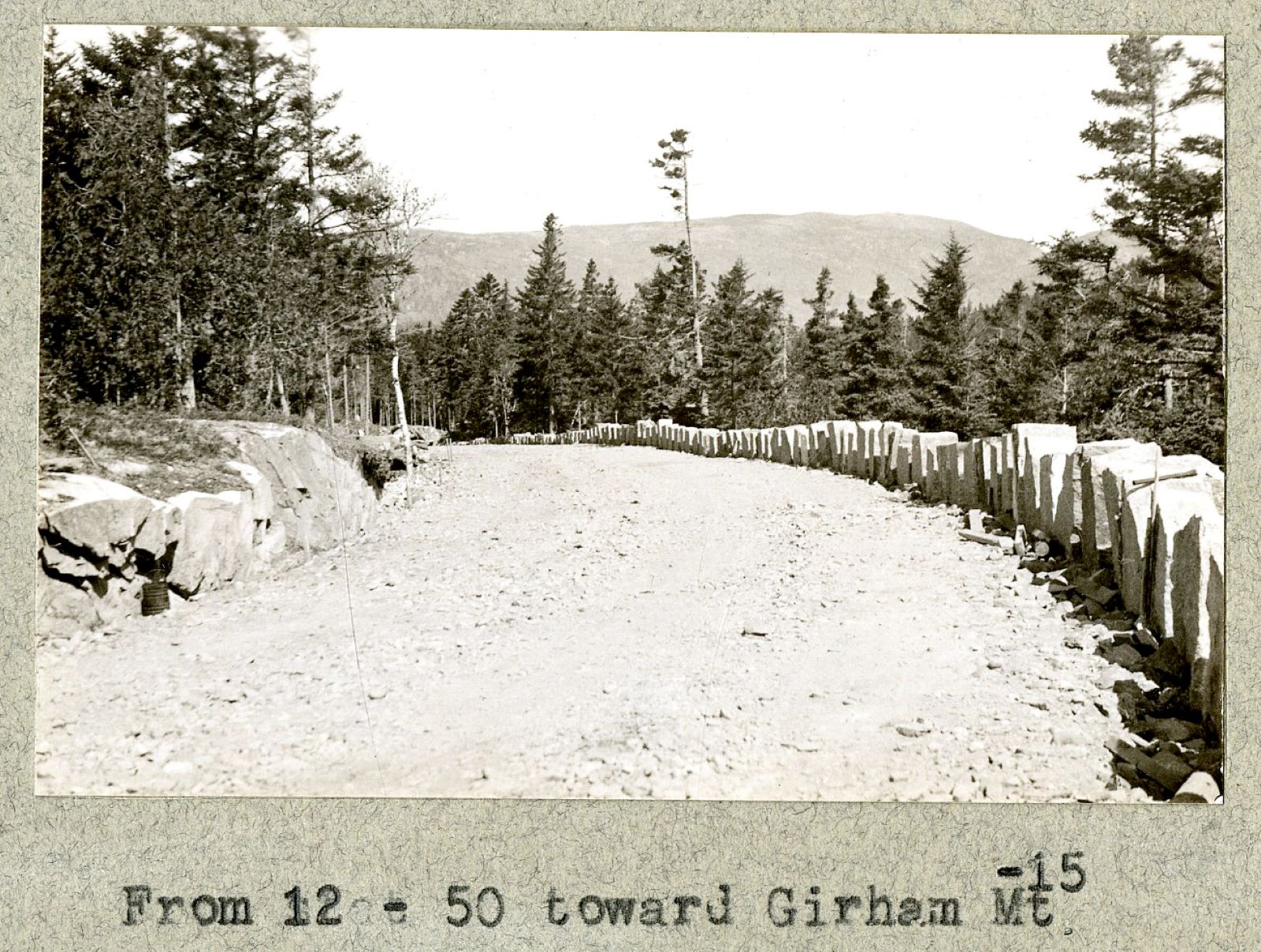
Acadia National Park: Carriage Roads, Cadillac Mountain & 2026 Guide
Discover carriage roads, Cadillac Mountain, and rugged Maine coast. Complete 2026 guide to Acadia National Park — trails, fees, lodging, permits, and what rangers recommend.
Hiking Guide
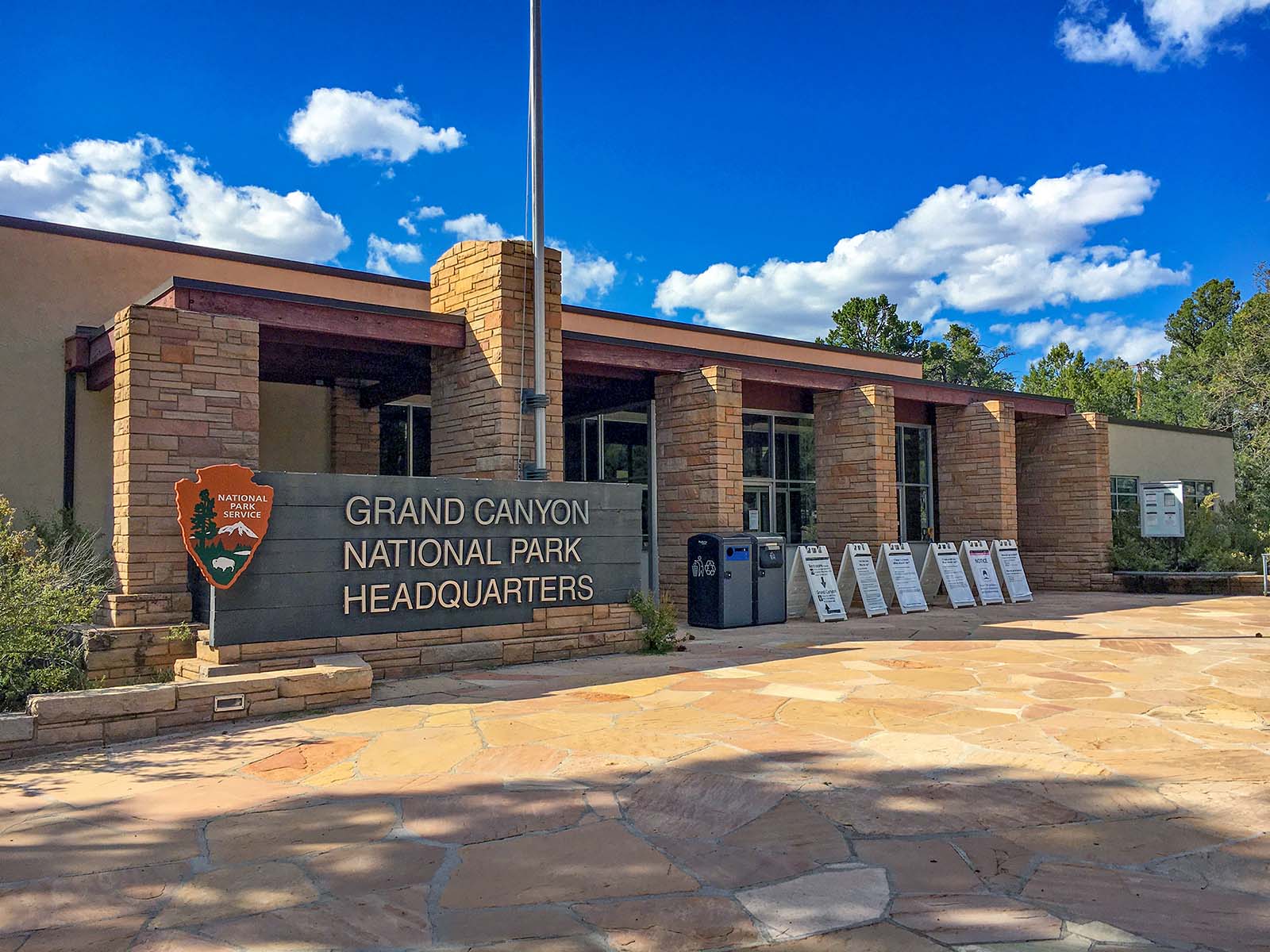
Grand Canyon Hiking Trails: Day Hikes, Water Sources & Rim to Rim
Compare Grand Canyon hiking trails: Bright Angel, South Kaibab, Hermit, Grandview, and rim to rim, with distances, elevation, water stops, and trailhead access for each.
Best Of
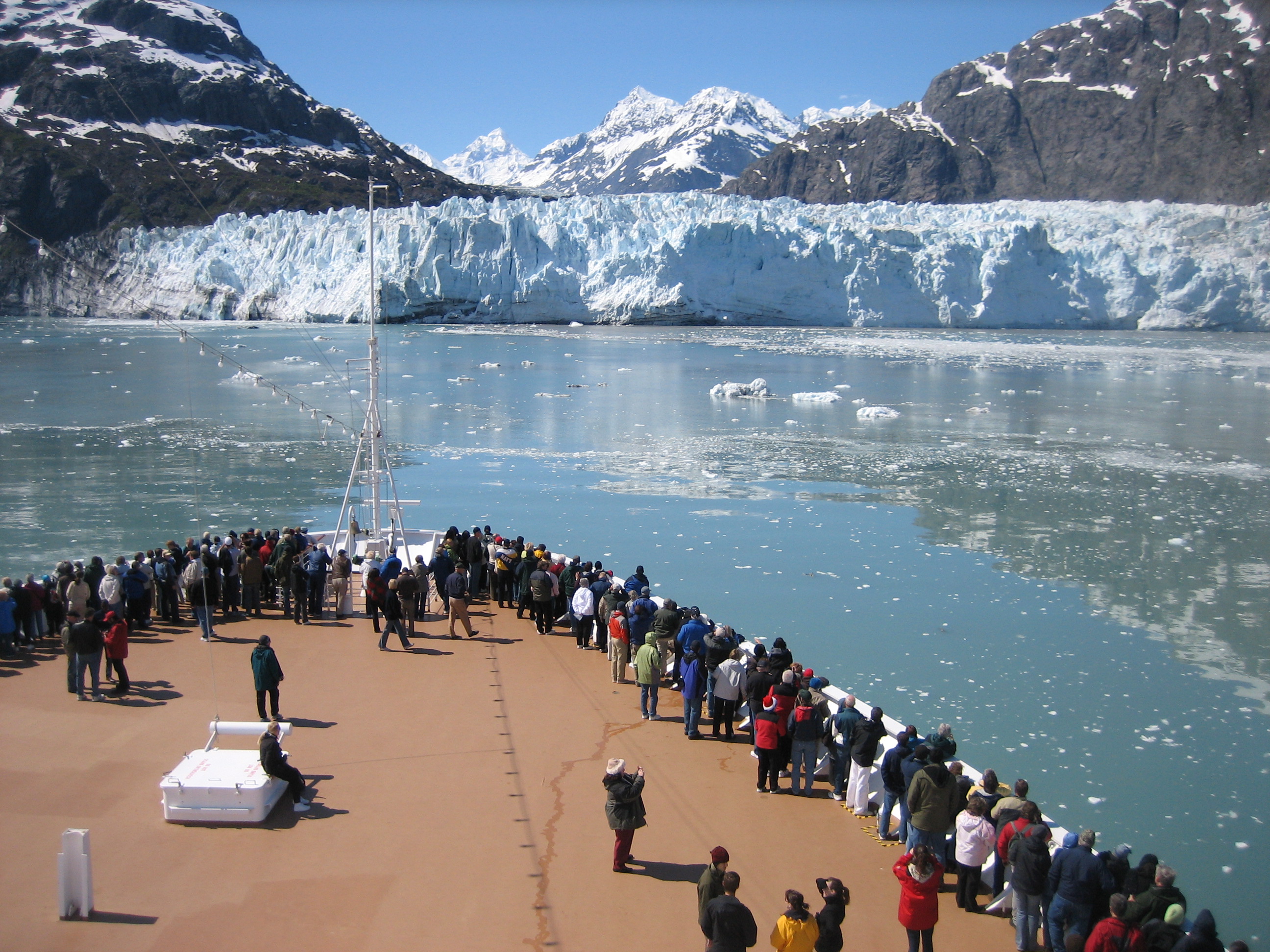
Best of Glacier Bay National Park
The best of Glacier Bay is reached by boat: ranger-led day tours up the bay to the tidewater glaciers. What's worth it, how to book, and when to go (2026).
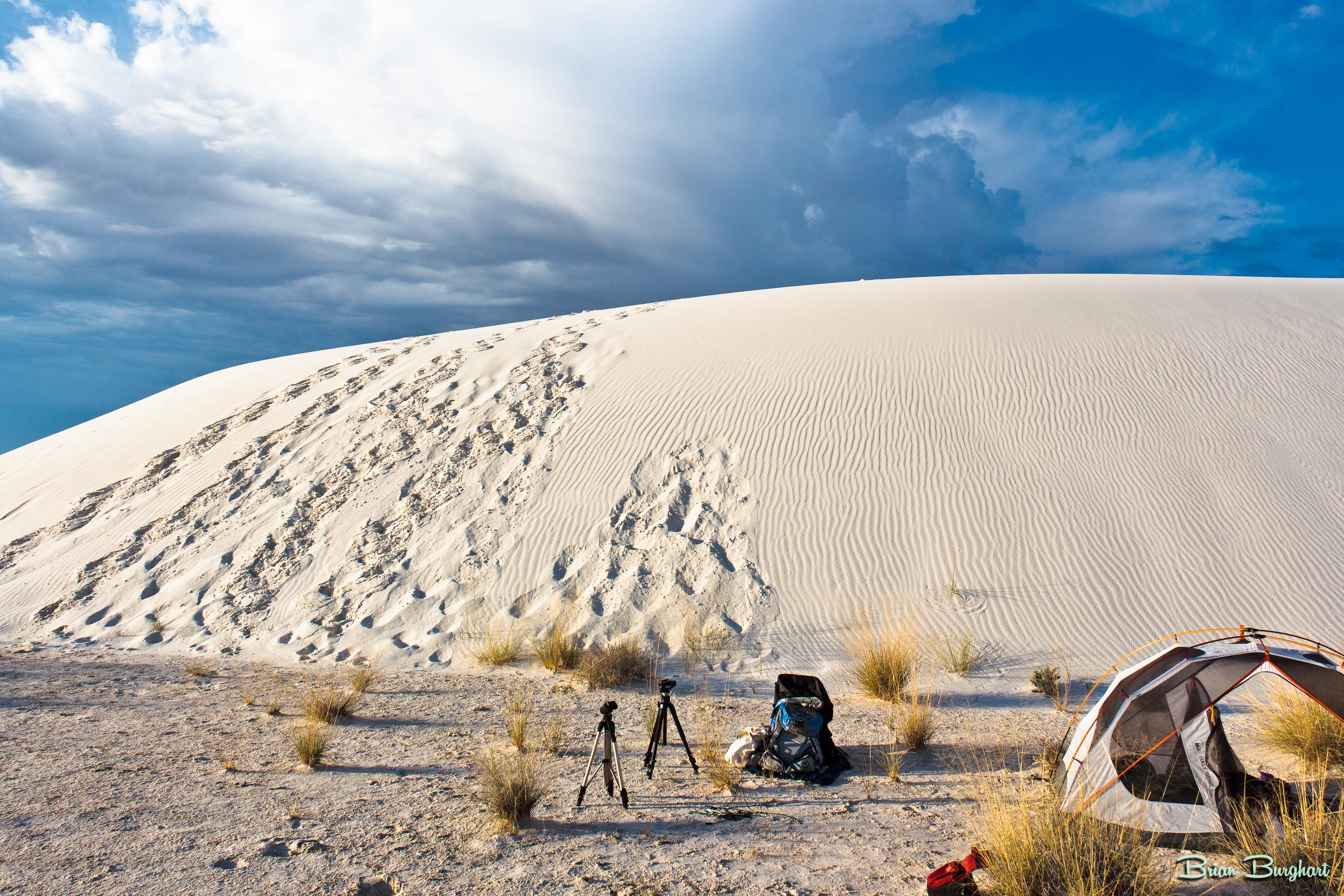
Campsite Guide
White Sands Backcountry Camping: Closed for 2026 — What to Know
As of 2026, backcountry camping at White Sands National Park is closed for site rehabilitation. What that means, and where to camp nearby instead.
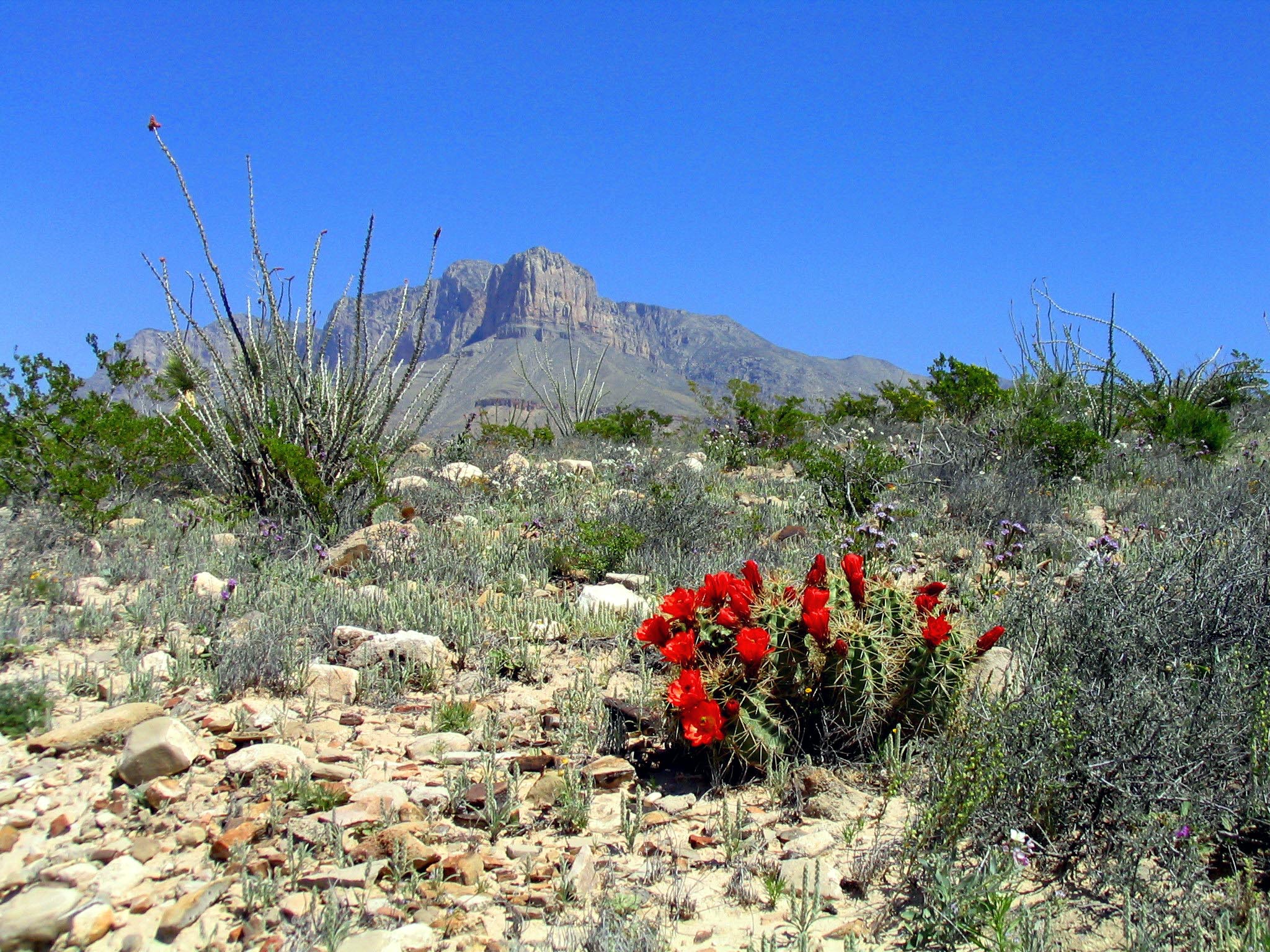
Weather Guide
Guadalupe Mountains National Park Weather: Weather
Guadalupe Mountains National Park: weather guide guide updated 2026. Practical visitor information, reservations, and seasonal tips worth bookmarking before
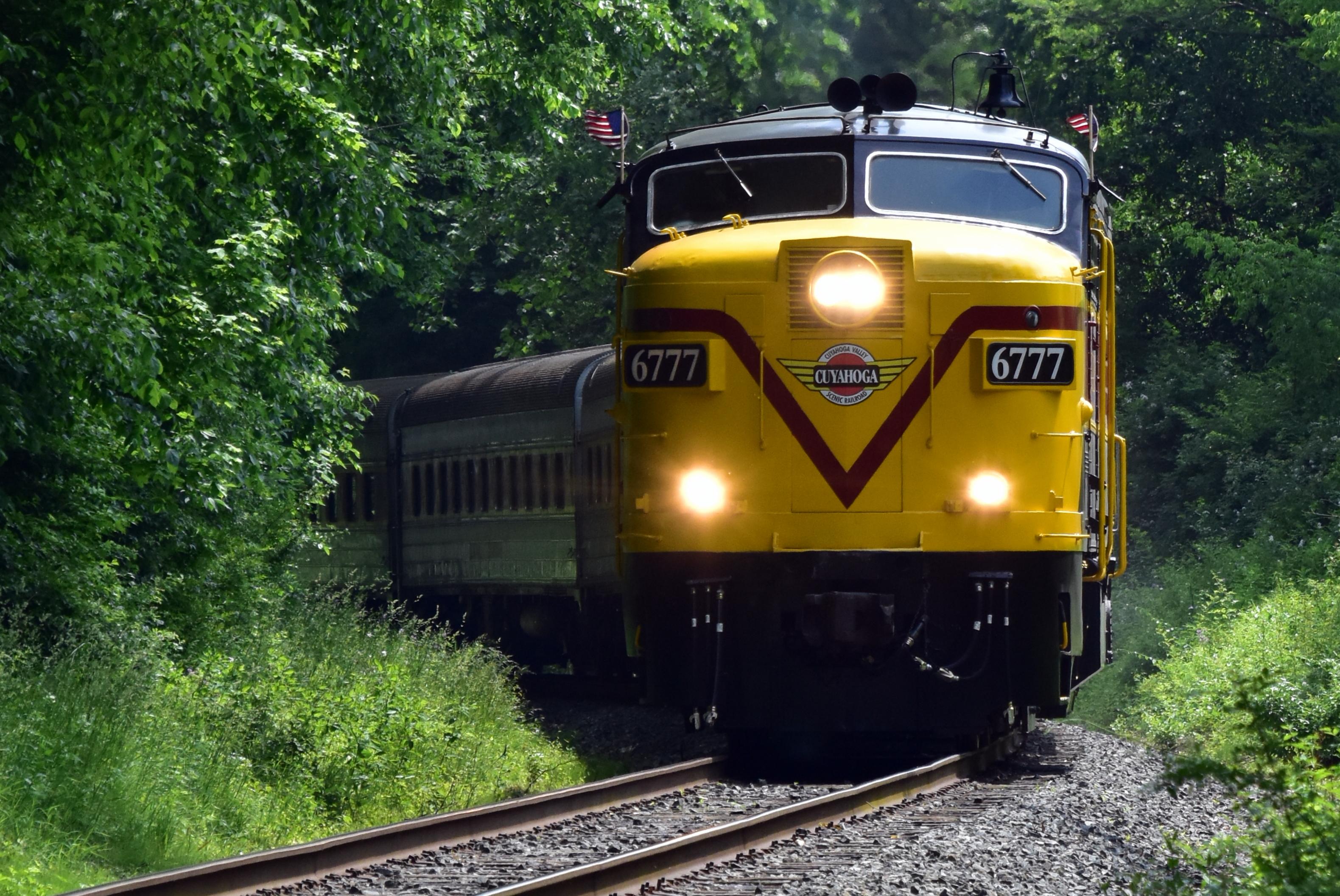
Best Of
Best of Cuyahoga Valley National Park: Best Things to Do
Seeing a Cleveland Orchestra concert with the woods as your backdrop is a uniquely Cuyahoga Valley experience.
Sign in to join the conversation.
Sources & Attribution
Location data courtesy of the National Park Service (U.S. Department of the Interior). NPS data is public domain. Official NPS page.
Images: NPS; NPS; NPS; NPS; NPS.
Map data © OpenStreetMap contributors.
Park operations alerts: NPS.gov · Weather and weather hazards: National Weather Service · Live conditions.
Information may change. Always verify fees, hours, and conditions directly with the official source before visiting.
Did this guide help? Share it with a friend.