The Cataloochee Campground sits at 2,610 feet in a valley that feels like it belongs to a different century. Twenty-seven sites, no hookups, no showers - just flush toilets and drinking water. That simplicity is the point. The gravel road in weeds out the impatient, and what waits at the end is one of the quieter corners of Great Smoky Mountains National Park.
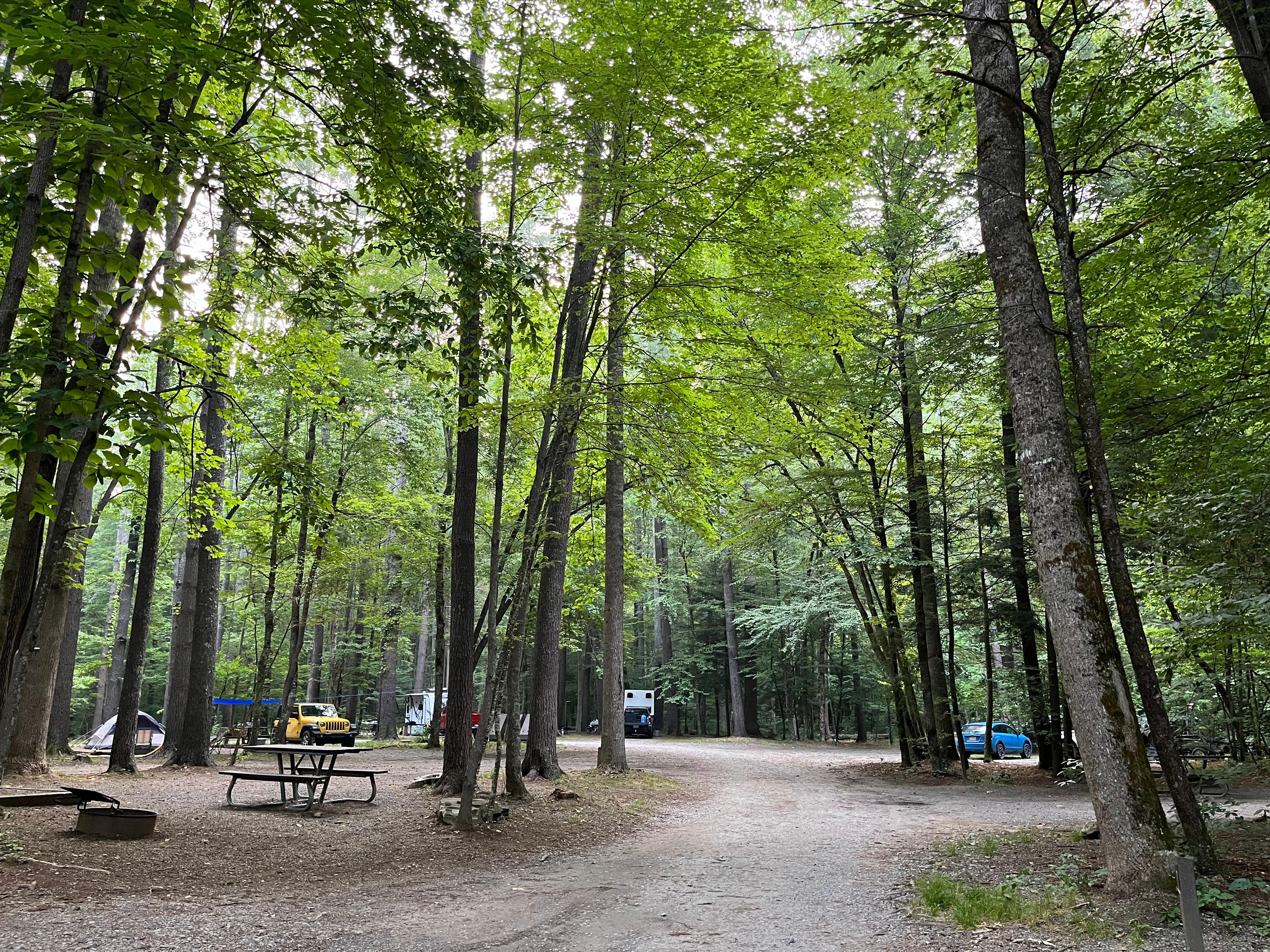
NPS via NPS.gov (Public Domain)
Campsites at Cataloochee Campground (2026 Guide)
5 min read
Campsite Guide
Cataloochee Campground: cataloochee campground: Campsites at Cataloochee Campground (2026 Guide) Introduction The Cataloochee Campground sits at 2,610...
Your plans
For more, see Great Smoky Mountains National Park Scenic Drives: Driving Trails (2026).
If you are researching where to stay in the eastern side of the park, the Cataloochee Campground deserves a serious look. It is not the most convenient option, and it is not for anyone who needs full hookups. But for campers who want privacy, historic surroundings, and consistent wildlife sightings, this is the pick.
Getting to Cataloochee Campground
The entrance road to Cataloochee Valley is a winding gravel road. The park service does not sugarcoat this: steep drop-offs, no guardrails, and the possibility of meeting horse trailers coming the other direction.
Plan for the drive to take longer than Google Maps suggests. The road has tight sections where passing is slow. Most visitors underestimate the time it takes to get from Waynesville to the campground. Count on 30-40 minutes from the paved road to the campground entrance, depending on conditions.
Cell service drops out well before you reach the gravel. Download your directions before leaving town. The physical address is 3576 Ranger Station Road, Waynesville, NC, 37876, but that gets you to the general area - follow the signs once you hit the gravel.

Campsites and Amenities
Site Details
The campground has 27 individual sites. Reservations are required - no first-come, first-served walk-ups. As of 2026, the fee is $30.00 per site, per night.
What you get:
- A tent pad or space for an RV (no hookups, no dump station on-site)
- A fire ring and picnic table
- Access to flush toilets and drinking water
What you do not get:
- Showers
- Electric or water hookups
- A camp store or camp host on-site every hour
The sites are spread through a wooded valley floor. Some sites back up against the stream. Others sit in more open areas near the restroom building. Check the reservation site photos carefully - site 8 through the mid-teens tend to have more shade and privacy.
Seasonal Operation
The Cataloochee Campground operates seasonally. For the 2026 season, the campground opens May 1 and closes October 25. Outside those dates, the road into Cataloochee Valley may still be accessible for day use, but the campground gates are locked and water systems are winterized.
Rangers will tell you that May and October are the sweet spots. May brings wildflowers and moderate temperatures. October offers fall color and cooler nights - but also higher demand for reservations. Book at least four weeks out for those months.

What Makes Cataloochee Different
The Cataloochee Campground sits inside the historic Cataloochee Valley, a former Appalachian settlement with preserved buildings scattered through the valley floor. Beech Grove School, the Caldwell Place, and the Palmer Chapel are all within a short drive or moderate walk from the campground.
Most visitors to Great Smoky Mountains National Park never make it here. The bulk of traffic goes to Cades Cove, the Sugarlands area, or along the Newfound Gap Road. Cataloochee sees a fraction of those numbers. On a Tuesday night in late May, you might share the valley with fewer than a dozen other campers.
This quiet is why people return. The valley is also prime elk habitat. The park reintroduced elk to this area in the early 2000s, and the herd has established itself well. Early morning and just before sunset are the best times to see them grazing in the fields near the historic buildings. Keep 50 yards between you and any elk - they are wild animals, not zoo exhibits.

Activities from the Campground
Hiking Options
The research data shows 45 verified activities in the broader park, but several trails are accessible from or near Cataloochee specifically. The Caldwell Fork Trail and the Little Cataloochee Trail both start from the valley. The trail narrows here in places, especially along Caldwell Fork where rhododendron thickets crowd the path.
Hike the Caldwell Fork Trail to Boogerman Loop for a 7-mile route through old-growth forest and past historic homesites. The elevation gain is worth it - moderate at about 1,200 feet total, spread gradually.
Historic Sites
Walk or drive to the Beech Grove School, a two-room schoolhouse built in 1901. The building is open seasonally when staff are available. The Caldwell Place includes a barn, springhouse, and two-story frame house completed in 1906.
Early morning is your best bet for photos of these buildings. The light comes over the ridges soft and golden, and the elk are often grazing nearby.
Scenic Drives
The gravel road in and out is itself a scenic drive, but for broader views, drive the Foothills Parkway sections when they are open. The Cosby to I-40 section is the nearest and offers 5.6 miles of ridgeline driving. The Walland to Wears Valley section climbs to nearly 2,500 feet with views across the park.

Practical Takeaways
- Make reservations early. This is not a walk-up campground. Reserve through Recreation.gov. May and October weekends fill six to eight weeks in advance.
- Bring everything you need. No camp store, no showers, no ice. The closest supplies are in Waynesville or Maggie Valley, both 30-40 minutes away on paved roads.
- Pack for self-contained camping. Tanks need to hold until you leave. Water is available at tap spigots near the restroom, but there is no dump station at the campground.
- Get a parking tag. All vehicles parking longer than 15 minutes in the park require a tag as of 2026: $5 daily, $15 weekly, or $40 annual. Buy online before you arrive or at visitor centers.
- Check road conditions before heading in. The gravel road can get slick after rain. Heavy storms sometimes cause washouts. Park alerts are posted on the official website - check them the morning of your trip.
- Arrive before dark. The gravel road has no lighting, and finding your site in the dark with elk wandering nearby is not a situation you want to navigate.
- Bring a paper map. Cell service drops out at the gravel road and does not return until you are back near I-40. The park newspaper map helps but a topo map of the Cataloochee area is better.
Final Thoughts
The Cataloochee Campground is not the easiest campground to reach in Great Smoky Mountains National Park, and it is not the most amenity-rich. What it offers is increasingly rare in this park: genuine quiet, space between neighbors, and a valley that looks much as it did a century ago.
Anyone who has camped here understands why people return. The gravel road keeps the casual crowds away. The elk keep coming back. And the 27 sites fill with people who already know the trade-off is worth it. For a complete visitor guide to planning your trip, check the main park information page. For comparisons with all campgrounds in the park, see the full camping guide.
Book your site, load the car, and give yourself time on that gravel road. You will want to go slow anyway - the elk are often standing right in it.
For more information, see our complete Great Smoky Mountains National Park Guide.
Sources
- Official source: NPS — Great Smoky Mountains National Park nps.gov/grsm/index.htm
- Official source: National Park Service nps.gov/grsm/planyourvisit/cataloochee-campground.htm
Photo Gallery
More to Explore
Park Guide
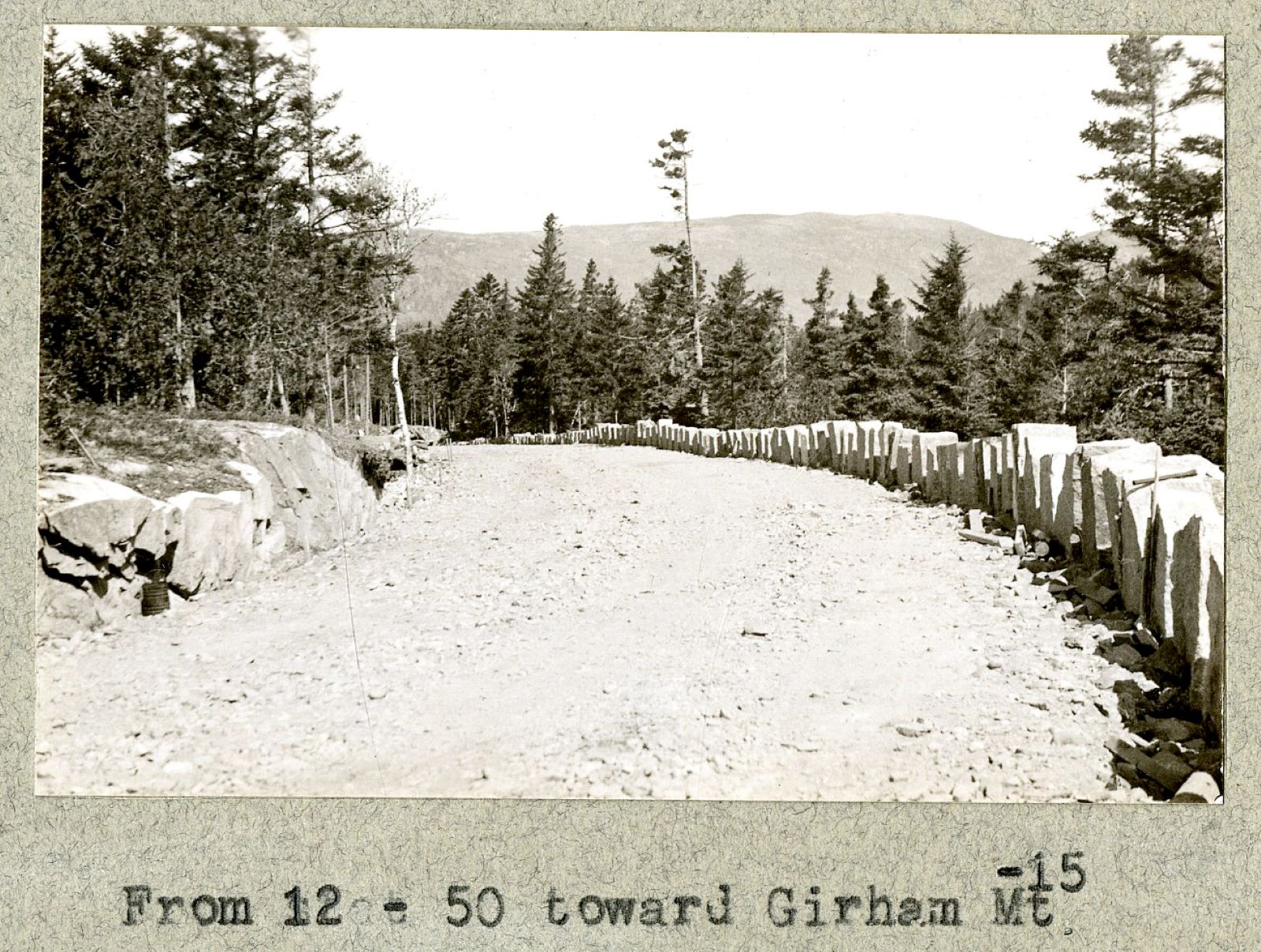
Acadia National Park: Carriage Roads, Cadillac Mountain & 2026 Guide
Discover carriage roads, Cadillac Mountain, and rugged Maine coast. Complete 2026 guide to Acadia National Park — trails, fees, lodging, permits, and what rangers recommend.
Hiking Guide
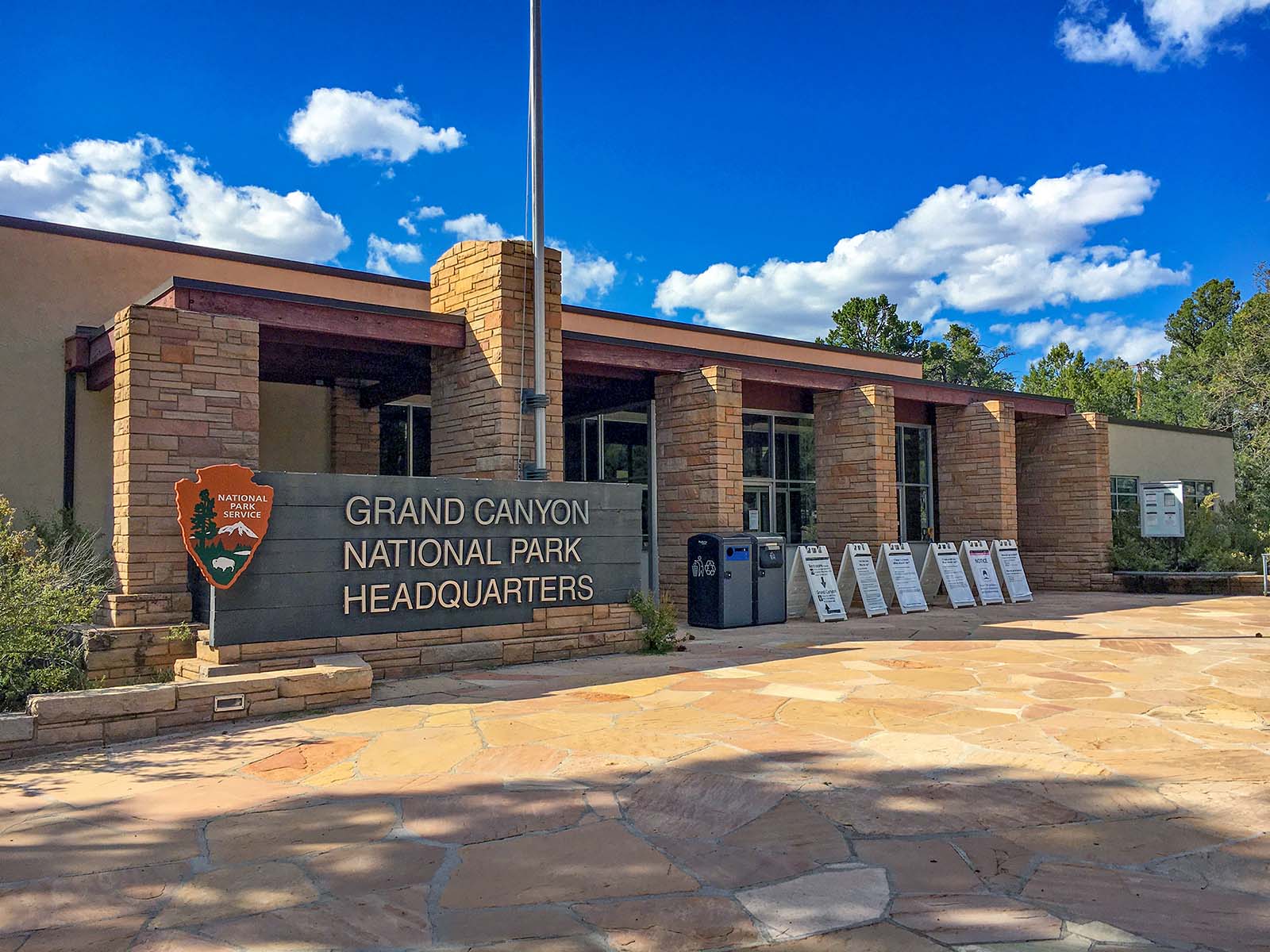
Grand Canyon Hiking Trails: Day Hikes, Water Sources & Rim to Rim
Compare Grand Canyon hiking trails: Bright Angel, South Kaibab, Hermit, Grandview, and rim to rim, with distances, elevation, water stops, and trailhead access for each.
Best Of
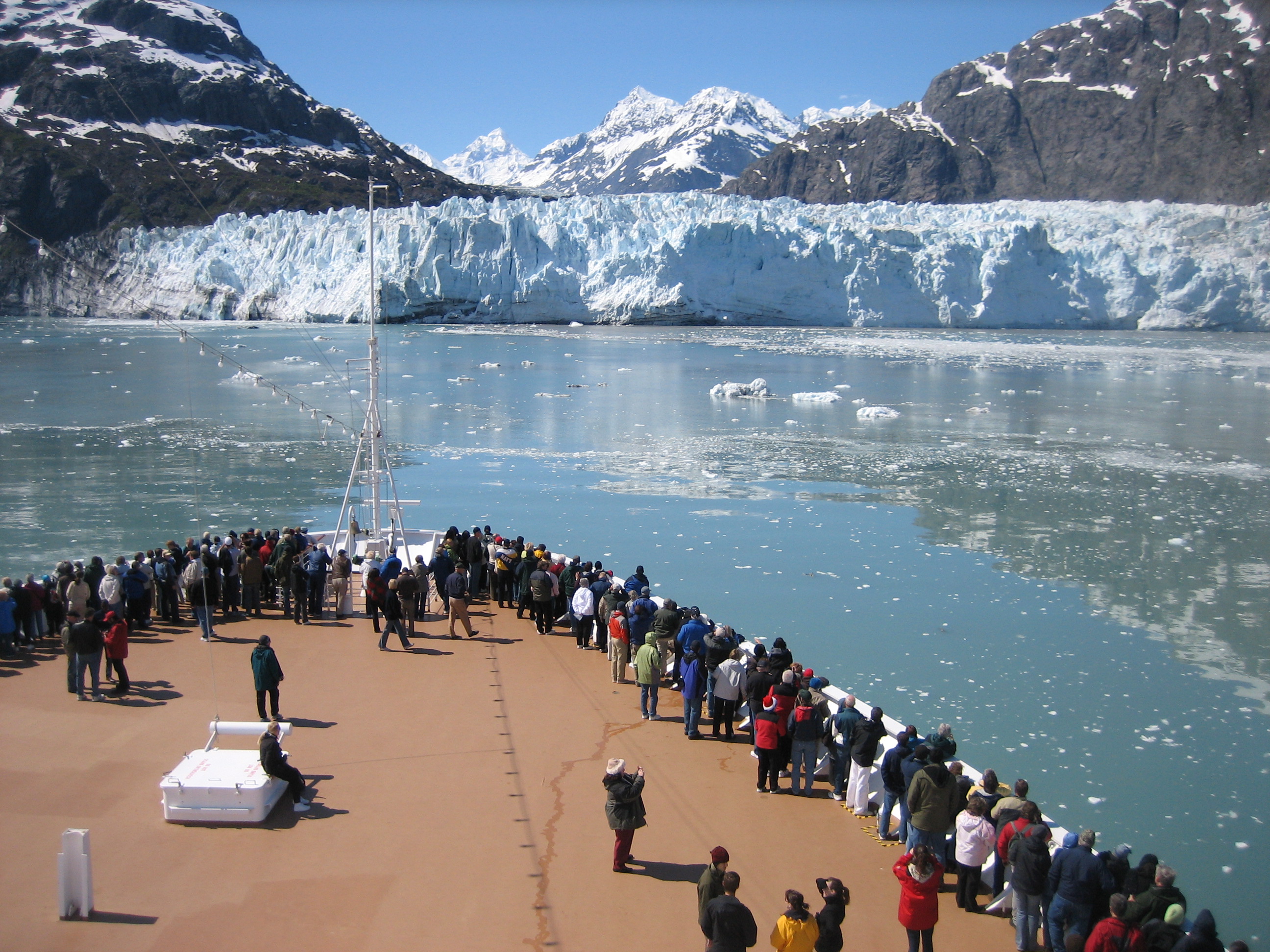
Best of Glacier Bay National Park
The best of Glacier Bay is reached by boat: ranger-led day tours up the bay to the tidewater glaciers. What's worth it, how to book, and when to go (2026).
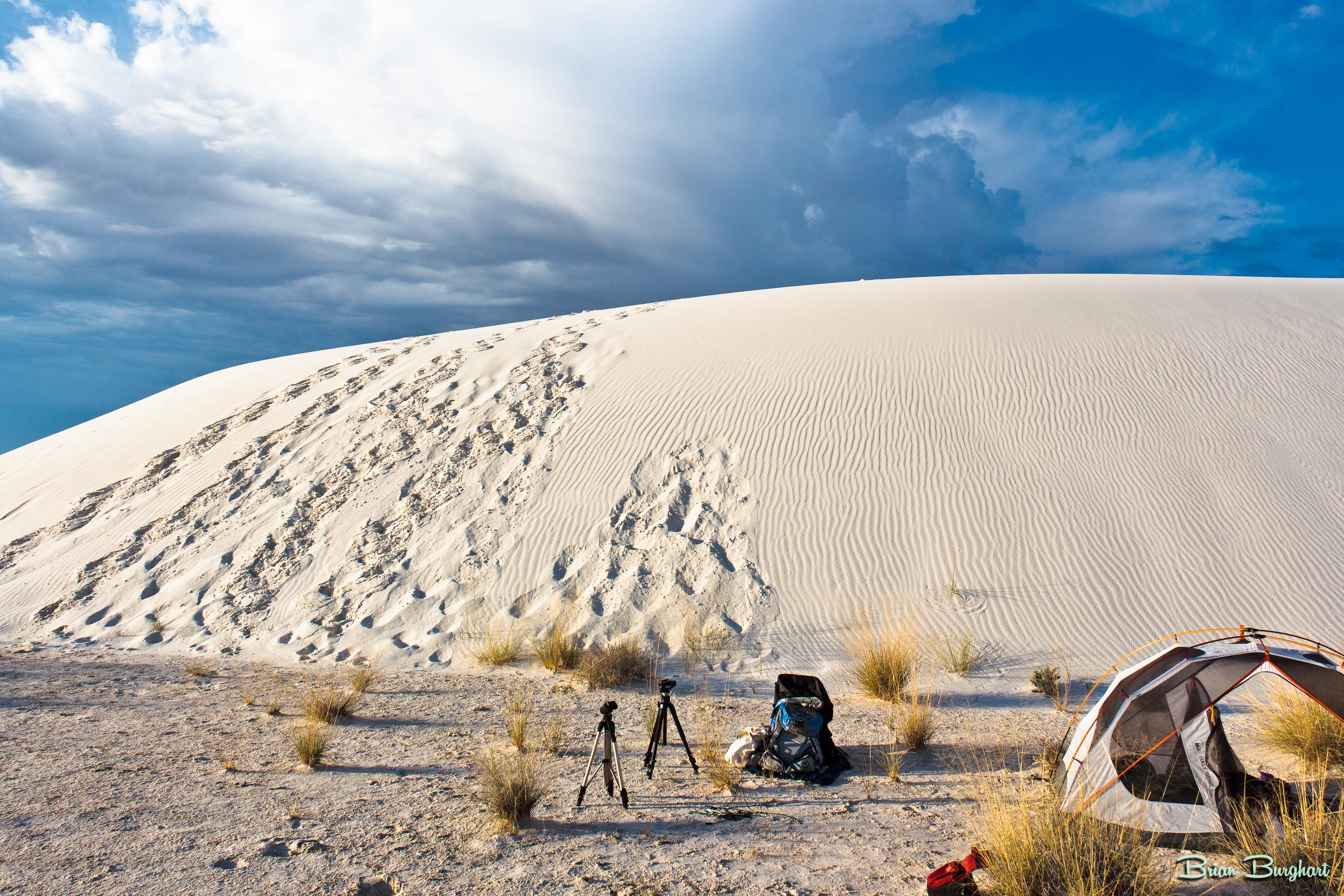
Campsite Guide
White Sands Backcountry Camping: Closed for 2026 — What to Know
As of 2026, backcountry camping at White Sands National Park is closed for site rehabilitation. What that means, and where to camp nearby instead.
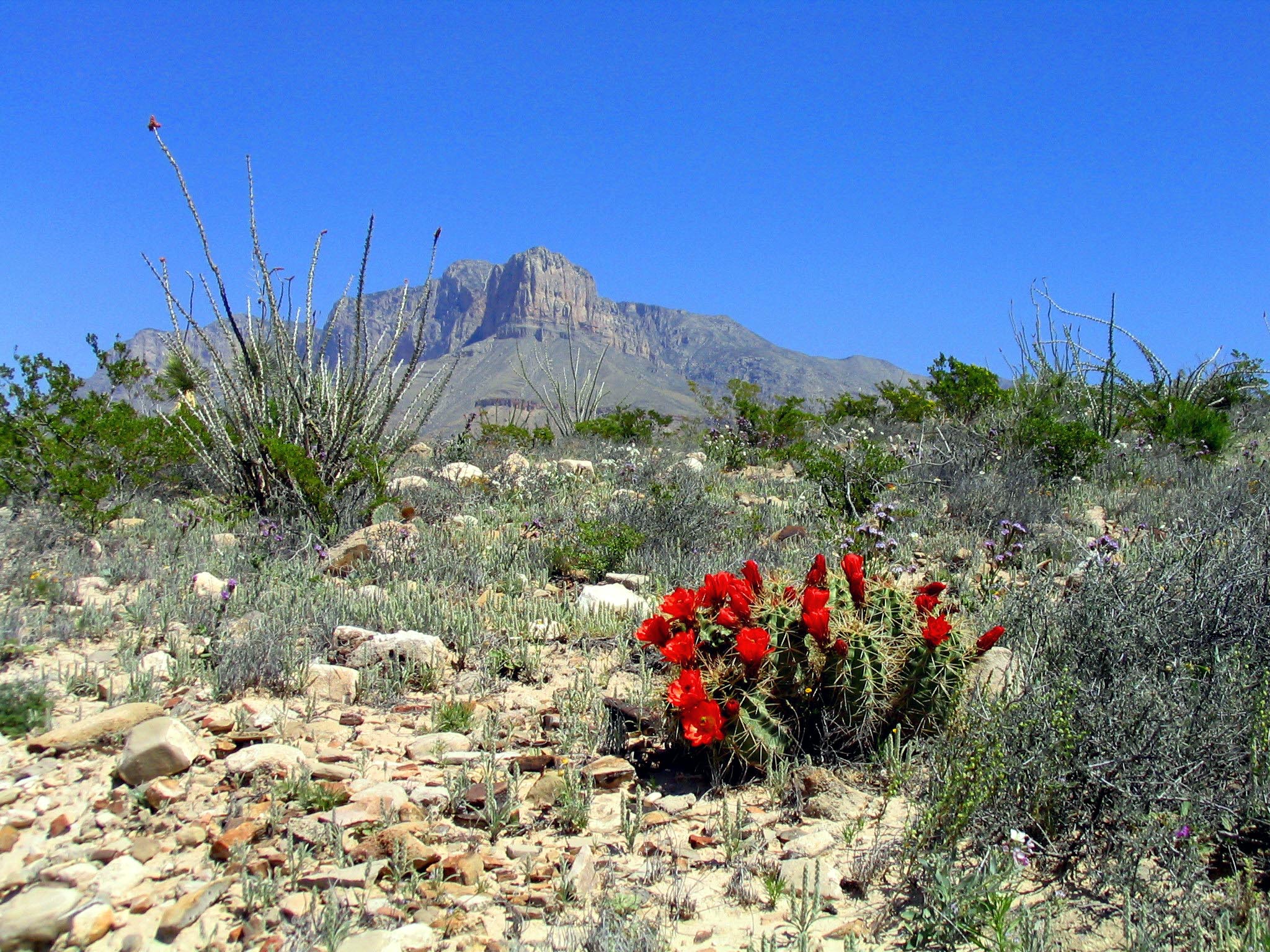
Weather Guide
Guadalupe Mountains National Park Weather: Weather
Guadalupe Mountains National Park: weather guide guide updated 2026. Practical visitor information, reservations, and seasonal tips worth bookmarking before
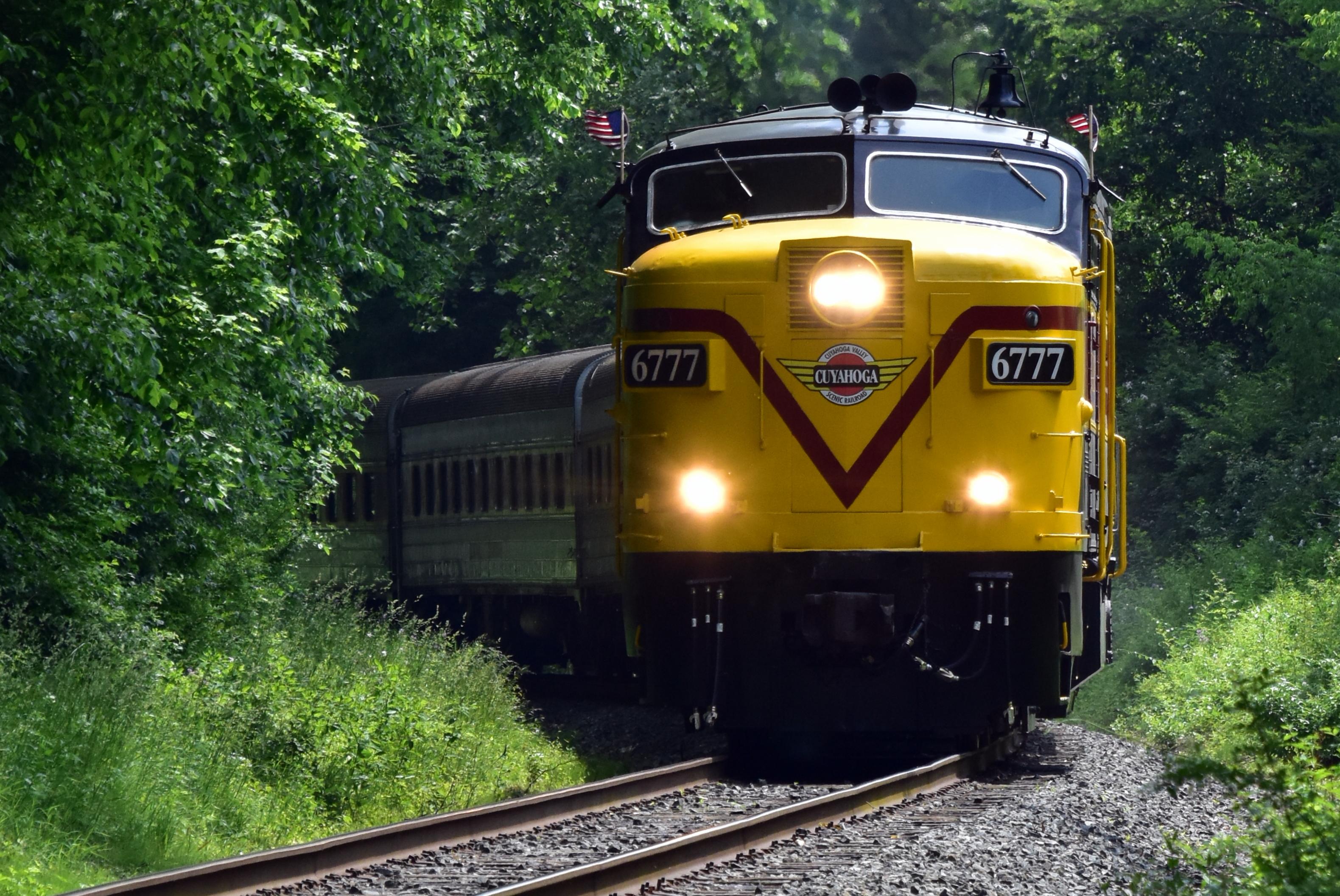
Best Of
Best of Cuyahoga Valley National Park: Best Things to Do
Seeing a Cleveland Orchestra concert with the woods as your backdrop is a uniquely Cuyahoga Valley experience.
Sign in to join the conversation.
Sources & Attribution
Location data courtesy of the National Park Service (U.S. Department of the Interior). NPS data is public domain. Official NPS page.
Images: NPS; NPS; NPS; NPS; NPS.
Map data © OpenStreetMap contributors.
Park operations alerts: NPS.gov · Weather and weather hazards: National Weather Service · Live conditions.
Information may change. Always verify fees, hours, and conditions directly with the official source before visiting.
Did this guide help? Share it with a friend.