Great Smoky Mountains National Park welcomes more visitors than any other national park in the country, and the great smoky mountains best time to visit determines whether you spend your day in gridlock or solitude. The single best decision you can make at this park is choosing when to show up - and then heading to Kuwohi (formerly Clingmans Dome) at sunrise. The 1-mile paved walk to the observation tower puts you at 6,643 feet with the Smokies laid out below, and the crowds that clog this parking lot by 10 AM won't arrive for hours. That timing principle applies to everything here. For the full picture of what this park offers, start with our complete visitor guide.
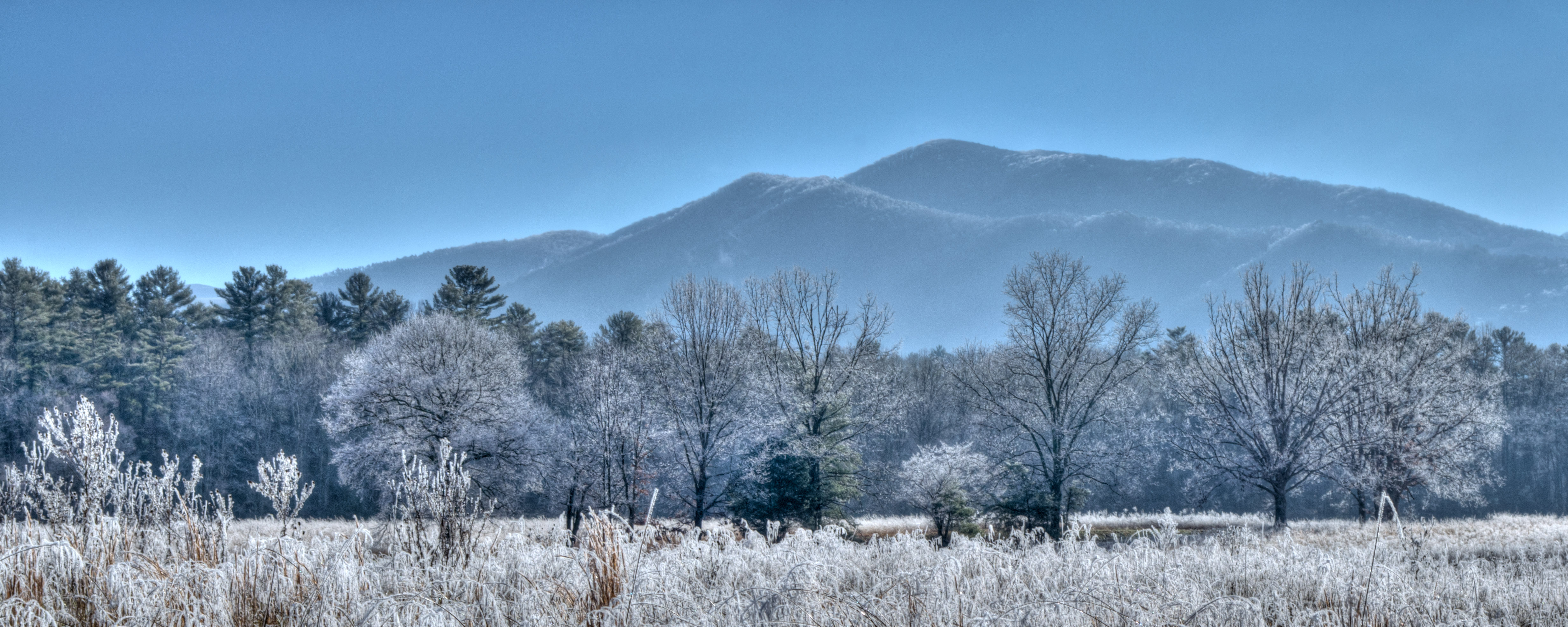
NPS via NPS.gov (Public Domain)
Best of Great Smoky Mountains National Park: Great Smoky
7 min read
Best Of
Discover the best time to visit Great Smoky Mountains National Park in 2026, including sunrise at Kuwohi and tips to beat the crowds.
This article contains affiliate links — we may earn a small commission at no extra cost to you.
If You Only Have One Day
Arrive at the Gatlinburg entrance by 6:30 AM. You'll beat the line and the parking issues. Head straight for the Kuwohi parking area - it fills by 8:30 AM in summer and by 9 AM even in October. Walk the paved path to the observation tower. The 360-degree view stretches across the park boundary between Tennessee and North Carolina, and in early morning the layers of blue ridges extend for miles.
By 8 AM, head down to Newfound Gap and pick up the Appalachian Trail heading east toward Charlies Bunion. This 8-mile roundtrip hike moves through spruce-fir forest and opens onto a rocky outcrop with a view into the North Carolina side that most visitors never see. Hardwood forest gives way to exposed rock about 3 miles in. The elevation gain is worth it.
Back at the car by 1 PM. Drive the Cades Cove Loop Road - the 11-mile one-way route through the valley. You'll pass the John Oliver Cabin (0.3-mile walk), the Cable Mill Historic Area, and likely see white-tailed deer in the fields. The loop takes 2-4 hours depending on traffic. Late afternoon light makes the valley walls glow.
End at the Oconaluftee River Trail near Cherokee. It's 3 miles roundtrip, flat, and elk frequently graze in the fields near the visitor center in the evening. Keep 50 yards from them. By dusk you've covered the park's three essential experiences: a summit view, a real hike, and a historic valley. Full day, no wasted time.

The Top Experiences, Ranked
These are ranked by return on effort for a first-time visitor. Time, fitness required, and crowding potential all factor in.
#1 - Kuwohi (Clingmans Dome) at Sunrise: The park's best reward-per-effort ratio
- Why it makes this list: Highest point in the park, paved trail, 360-degree views. No hike in the Smokies delivers this much for 1 mile roundtrip.
- What it requires: Low fitness. The paved path is steep - it gains 332 feet in half a mile - but anyone with reasonable mobility can manage it. 30-45 minutes total.
- The single best tip: Arrive 30 minutes before sunrise. The parking lot holds maybe 40 cars and fills before 8:30 AM June through October. Cell service drops out at the parking area, so download your maps the night before.
- What most visitors do wrong: They come at midday. The observation tower holds about 80 people. At 11 AM it's shoulder-to-shoulder, and the haze often obscures the long views. Early morning is your best bet for clear visibility and empty space.
- Ranger insight: The temperature at the parking lot is typically 15-20°F cooler than Gatlinburg. Bring a jacket even in July.
#2 - Cades Cove Loop Road: The classic Smokies experience, done right
- Why it makes this list: Historic structures, open fields with mountain backdrops, and the highest density of wildlife viewing in the park. The 11-mile loop packs more variety than any other single drive.
- What it requires: A vehicle. No fitness needed. Plan 2-4 hours depending on traffic.
- The single best tip: Go on a Wednesday morning when the road is closed to vehicle traffic until 10 AM for bicyclists and pedestrians. The quiet is remarkable. If you come by car, arrive before 8 AM or after 3 PM.
- What most visitors do wrong: They enter the loop at 10 AM and spend half the day in a slow-moving caravan behind RV traffic. The early bird rule applies heavily here.
#3 - Alum Cave Trail to Alum Cave Bluffs: Best hike for first-time visitors
- Why it makes this list: Diverse terrain in 4.6 miles roundtrip. You cross streams on foot logs, pass through Arch Rock (a natural tunnel carved by water), and end at a massive rocky overhang with views of the valley. This is the most popular trail in the park for good reason.
- What it requires: Moderate fitness. 1,125 feet of elevation gain. Sturdy shoes required - the trail has exposed rock slabs and roots throughout.
- The single best tip: This is one of the hiking trails where you need to keep moving. The parking lot at the trailhead has maybe 20 spaces. It fills by 7:30 AM in peak season. The alternate is to park at the Newfound Gap overflow lot and hike in from the Alum Cave Creek trail - adds 1.5 miles each way but guarantees parking.
- What most visitors do wrong: They turn around at the bluffs. There's more trail beyond - 2.5 miles to Mount Le Conte - but the bluffs themselves are the payoff and most people are satisfied with that.
#4 - Charlies Bunion: The Appalachian Trail's best payoff in the park
- Why it makes this list: 8 miles roundtrip on the AT through spruce-fir forest to a rocky outcropping with exposure on three sides. The view drops into the North Carolina watershed with no middle ground.
- What it requires: Strenuous. 1,600 feet of elevation gain. The trail surface is well-maintained but has exposed rock sections. No water sources on the upper half. Pack extra water for this stretch.
- The single best tip: Start at Newfound Gap and head north on the AT. The first mile climbs gradually through forest, then opens up. The trail narrows here - single-file past the ridge sections. The last half mile to the bunion involves some mild scrambling.
- What most visitors do wrong: They expect to see the entire bunion from the trail. The view opens suddenly - you round a bend and it appears. Also, midday thunderstorms roll in fast at this elevation. Start by 8 AM.
#5 - Rainbow Falls: Best waterfall hike in the park
- Why it makes this list: 5.6 miles roundtrip to an 80-foot waterfall that gets direct sunlight in the afternoon, creating the rainbow that gives it the name. The falls are at their heaviest flow March through May.
- What it requires: Moderate to strenuous. 1,500 feet of elevation gain on a steady grade. The surface is packed dirt and rock, mostly shaded by hemlock and rhododendron stands.
- The single best tip: Afternoon light creates the rainbow effect. But the trail is exposed in sections and gets hot. Go May through October when the sun angle works. The parking at the Rainbow Falls trailhead fills early - the lot holds about 30 cars.
- What most visitors do wrong: They don't go past the falls. If you continue on the Rainbow Falls Trail another 3.7 miles, you reach the top of Mount Le Conte. Most people don't realize the trail keeps going.
#6 - Oconaluftee River Trail (Evening): Best wildlife viewing without hiking
- Why it makes this list: 3 miles roundtrip on a flat, paved trail along the river. Elk graze in the fields near the visitor center in the evening. This is also one of the only dog- and bike-friendly trails in the park.
- What it requires: Minimal fitness. Paved and flat. 45 minutes to 1 hour.
- The single best tip: Come between 5 PM and dusk. Elk are most active in the cooler evening hours. The trail is less crowded than the Gatlinburg side of the park.
- What most visitors do wrong: They walk the trail mid-morning when the elk are bedded down in the woods. Evening is the time.
#7 - Foothills Parkway (Walland to Wears Valley): The scenic drive that beats the crowds
- Why it makes this list: 14.75 miles of ridgetop driving with pullouts that overlook the park's western edge. The road climbs to nearly 2,500 feet and gives you the layered-mountain views the Smokies are known for, without the traffic of Newfound Gap Road.
- What it requires: A vehicle and 30-45 minutes.
- The single best tip: The overlook at the highest point of this section faces east - come in the morning for the best light. The parking at the main overlook holds maybe 15 cars, but there are smaller pullouts before and after.
- What most visitors do wrong: They skip this entirely because it's not on the main map. Return visitors tend to skip the main overlook and head straight for the second pullout past the tower - better angle, fewer people.
#8 - Cataloochee Valley: The remote alternative to Cades Cove
- Why it makes this list: Same historic buildings and open fields as Cades Cove, with a fraction of the visitors. The gravel road access keeps the crowds away. Elk herds frequent the valley floor.
- What it requires: A vehicle with decent clearance. The road is gravel and washboarded in sections. No RVs or trailers recommended. 30 minutes from the nearest paved road.
- The single best tip: The Palmer House and Beech Grove School are worth a stop. The schoolhouse was built in 1901 and is one of the few remaining historic schools in the park.
- What most visitors do wrong: They expect paved access. The gravel road is 10 miles of slow driving. It's not a quick detour - it's a half-day commitment.

What Most People Miss
Three experiences that don't make the standard highlight reel but that experienced visitors consistently recommend.
Deep Creek Waterfalls Loop. Most visitors never get to the Deep Creek area of the park. The 2.4-mile loop hits three waterfalls - Tom Branch Falls, Indian Creek Falls, and Juney Whank Falls - in a single walk. The trail
For more information, see our complete National Park Guide.
Related: hiking in great smoky mountains national park guide
Related: hiking trails in great smoky mountains national park guide
Recommended Gear
What experienced visitors bring to Best of Great Smoky Mountains National Park: Great Smoky
Links may earn us a commission at no extra cost to you. We only recommend gear we believe in.
Hiking Essentials
Hydration Pack (3L)
Hands-free water for long trail days
Trekking Poles (Pair)
Save your knees on steep descents
Hiking Boots (Ankle Support)
Sturdy footwear for rocky, uneven trails
Sun & Heat Protection
Wide-Brim Sun Hat
Full coverage UPF 50+ protection at altitude
Insulated Water Bottle (32oz)
Keeps water cold in desert heat all day
Winter Gear
Microspikes / Traction Devices
Essential for icy rim trails in winter months
Packable Down Jacket
Lightweight warmth that stuffs into a pocket
Sources
- Official source: NPS — Great Smoky Mountains National Park nps.gov/grsm/index.htm
Photo Gallery
More to Explore
Park Guide
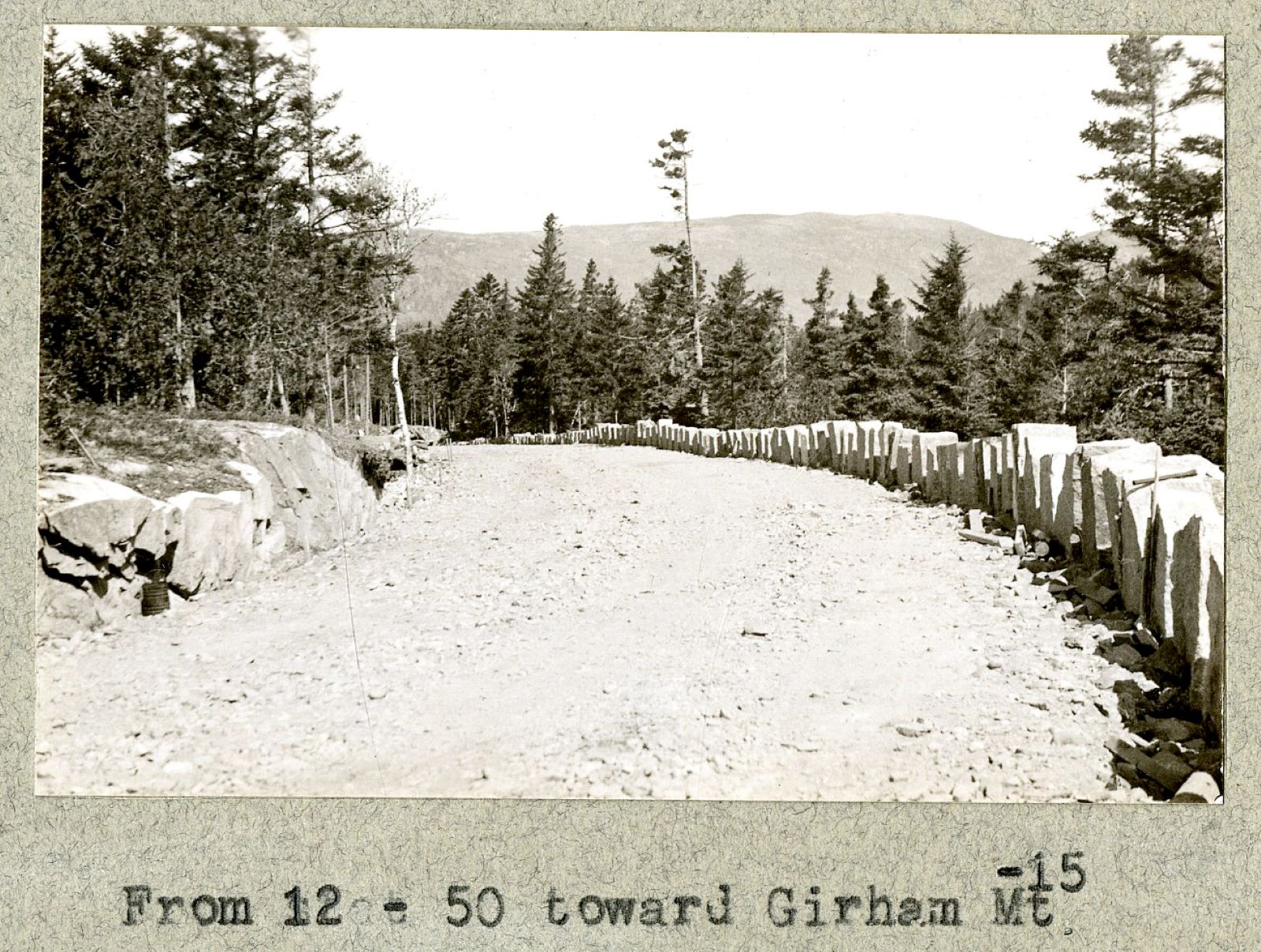
Acadia National Park: Carriage Roads, Cadillac Mountain & 2026 Guide
Discover carriage roads, Cadillac Mountain, and rugged Maine coast. Complete 2026 guide to Acadia National Park — trails, fees, lodging, permits, and what rangers recommend.
Hiking Guide
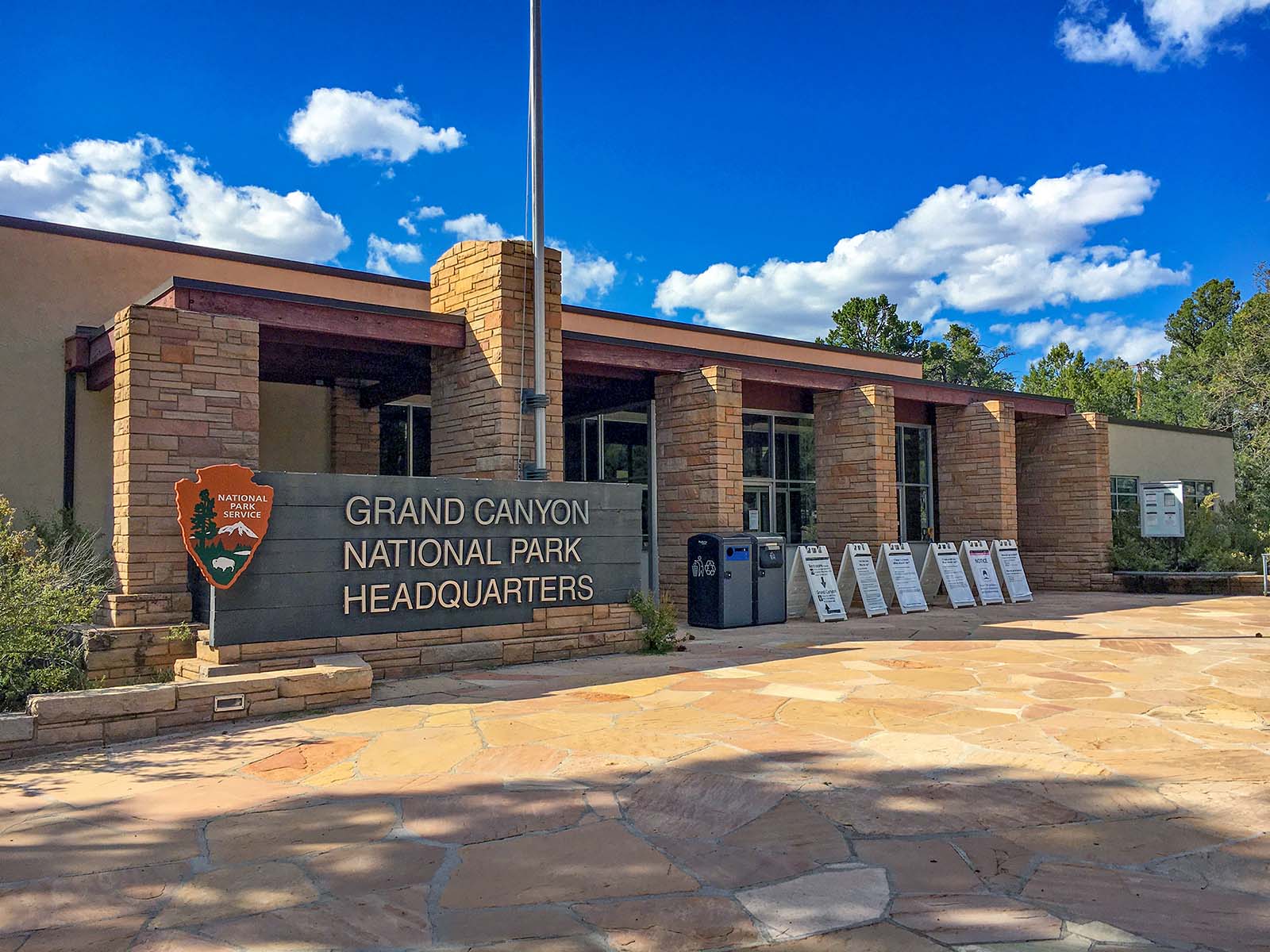
Grand Canyon Hiking Trails: Day Hikes, Water Sources & Rim to Rim
Compare Grand Canyon hiking trails: Bright Angel, South Kaibab, Hermit, Grandview, and rim to rim, with distances, elevation, water stops, and trailhead access for each.
Best Of
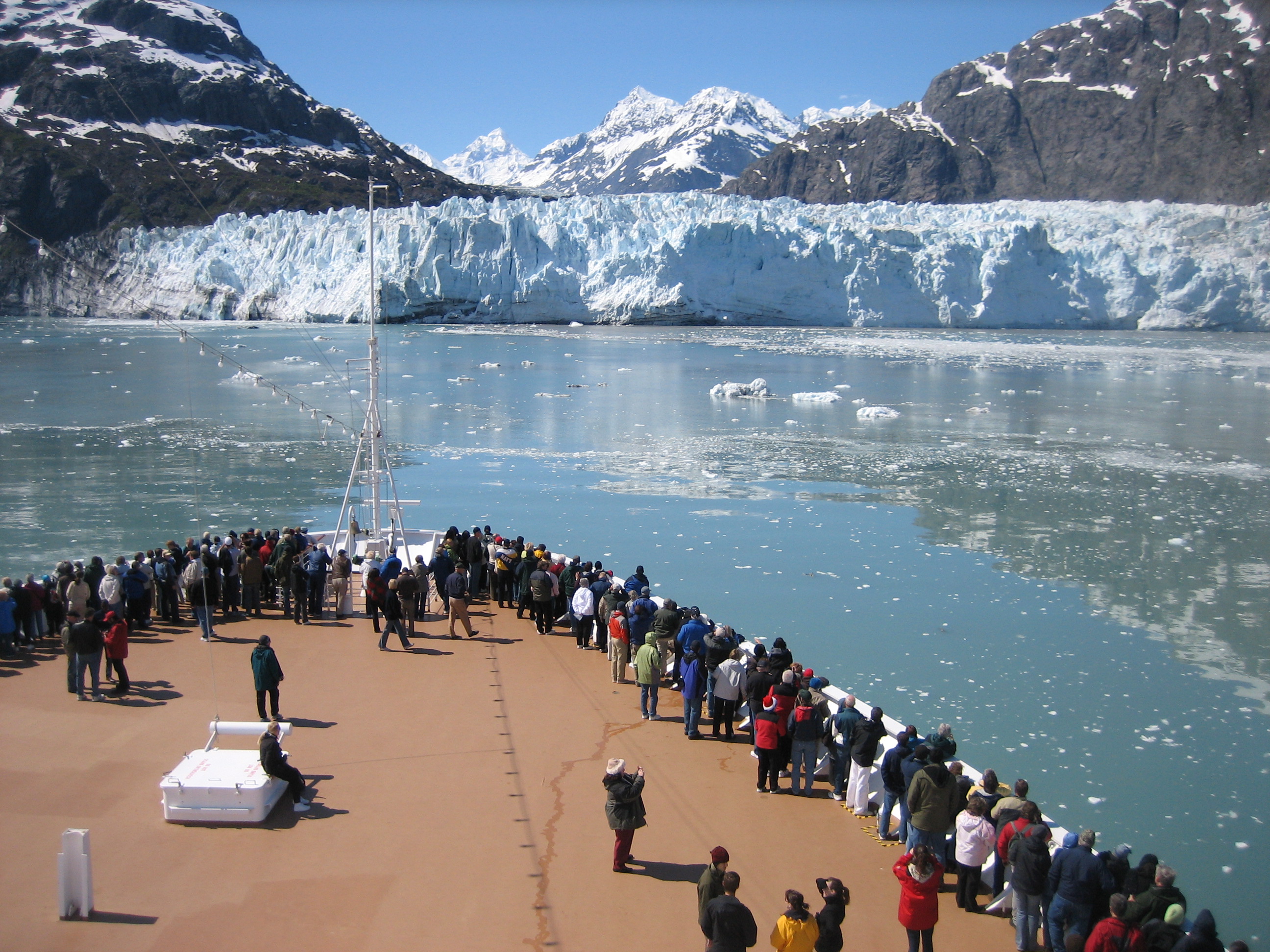
Best of Glacier Bay National Park
The best of Glacier Bay is reached by boat: ranger-led day tours up the bay to the tidewater glaciers. What's worth it, how to book, and when to go (2026).
Campsite Guide
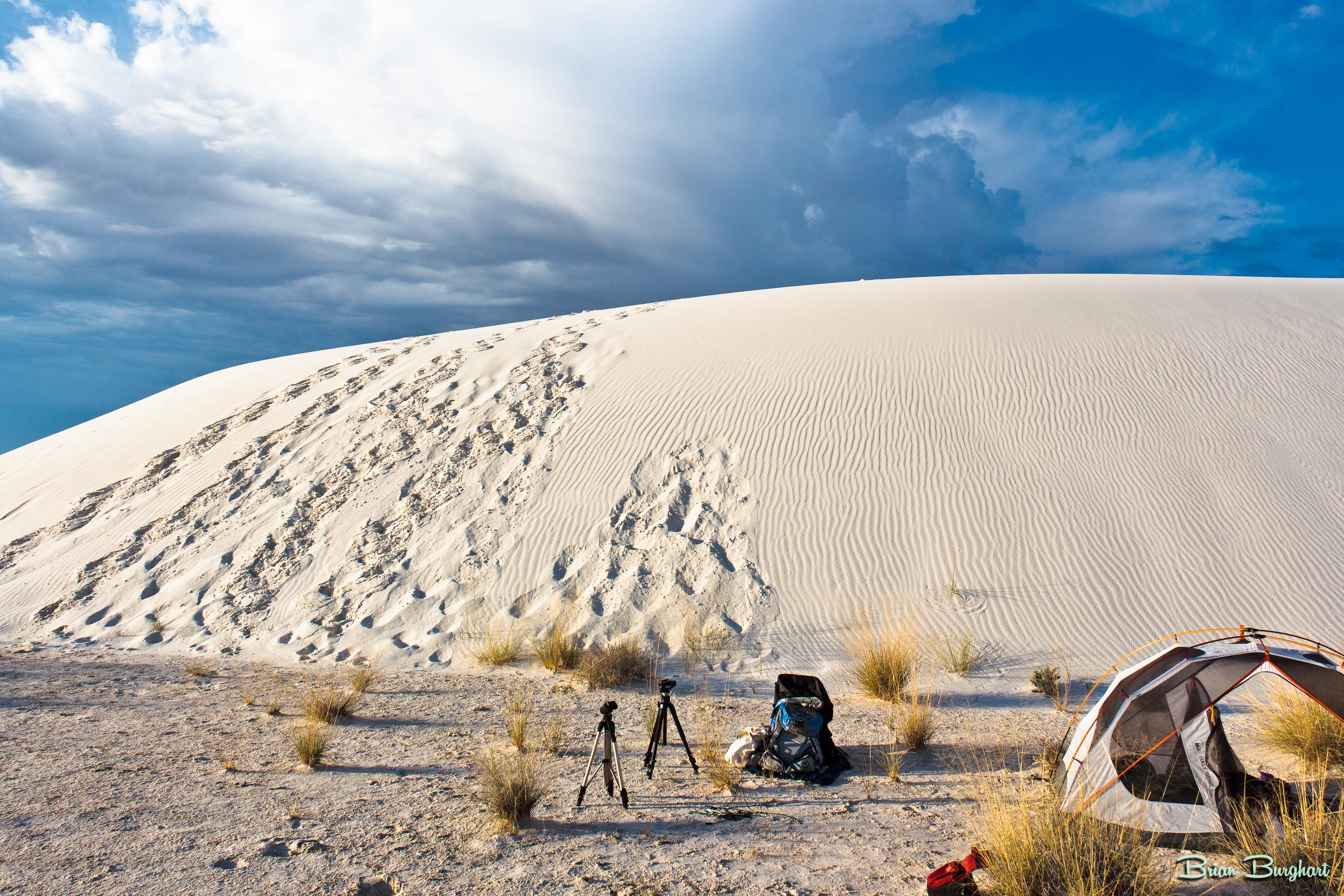
White Sands Backcountry Camping: Closed for 2026 — What to Know
As of 2026, backcountry camping at White Sands National Park is closed for site rehabilitation. What that means, and where to camp nearby instead.
Weather Guide
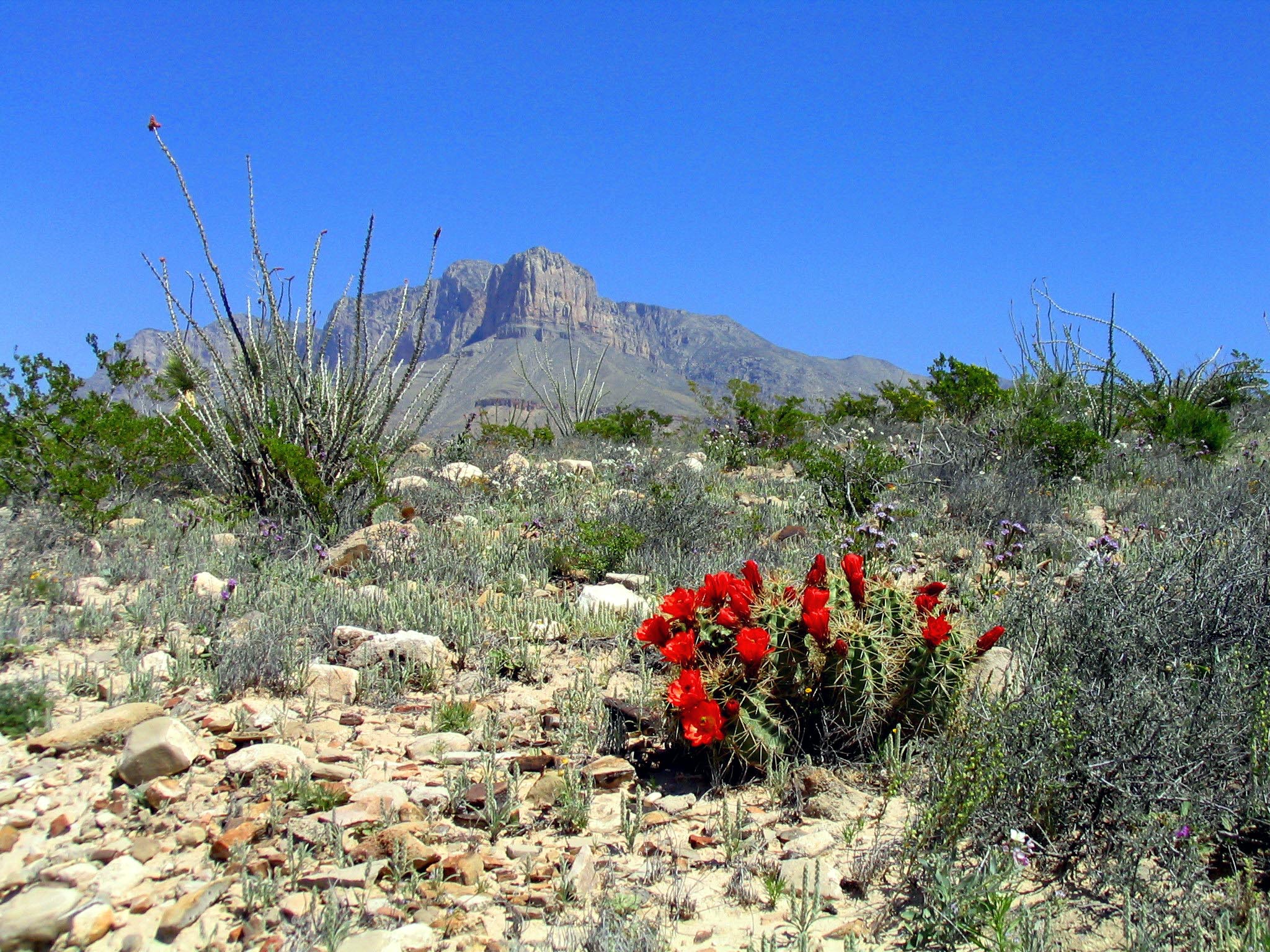
Guadalupe Mountains National Park Weather: Weather
Guadalupe Mountains National Park: weather guide guide updated 2026. Practical visitor information, reservations, and seasonal tips worth bookmarking before

Best Of
Best of Cuyahoga Valley National Park: Best Things to Do
Seeing a Cleveland Orchestra concert with the woods as your backdrop is a uniquely Cuyahoga Valley experience.
Sign in to join the conversation.
Sources & Attribution
Location data courtesy of the National Park Service (U.S. Department of the Interior). NPS data is public domain. Official NPS page.
Images: NPS; NPS; NPS; NPS; NPS.
Map data © OpenStreetMap contributors.
Park operations alerts: NPS.gov · Weather and weather hazards: National Weather Service · Live conditions.
Information may change. Always verify fees, hours, and conditions directly with the official source before visiting.
Did this guide help? Share it with a friend.