The single most important thing to understand about Great Smoky Mountains National Park weather is this: you will not experience the same conditions in a single day, let alone across seasons. The 5,768-foot elevation difference between the park's lowest and highest points creates weather systems that operate independently from what you see from the valley floor.
Advertisement
Most visitors arrive expecting Appalachian mountain weather - warm summers, crisp falls, snowy winters. What catches them off guard is the sheer variability. A clear morning in Gatlinburg at 875 feet can turn into a 40-degree afternoon with 30 mph winds at Clingmans Dome at 6,643 feet. The park's research data confirms temperature swings of 10 to 20 degrees Fahrenheit between base and summit, and that's on a good day.
The park's position straddling the Tennessee-North Carolina border puts it in a collision zone for weather systems. Moist air from the Gulf of Mexico pushes north, hits the mountains, and rises. Rising air cools. Cool air drops moisture. This orographic lift effect means the Smokies receive more rainfall than almost anywhere else in the eastern United States - up to 85 inches annually at higher elevations. Compare that to the surrounding valleys, which average around 55 inches.
For determining the great smoky mountains best season, you need to decide what you want more than you want good weather. No single season delivers everything. The tradeoffs are real, and understanding them is the difference between a trip that works and one that feels like a fight against the elements.
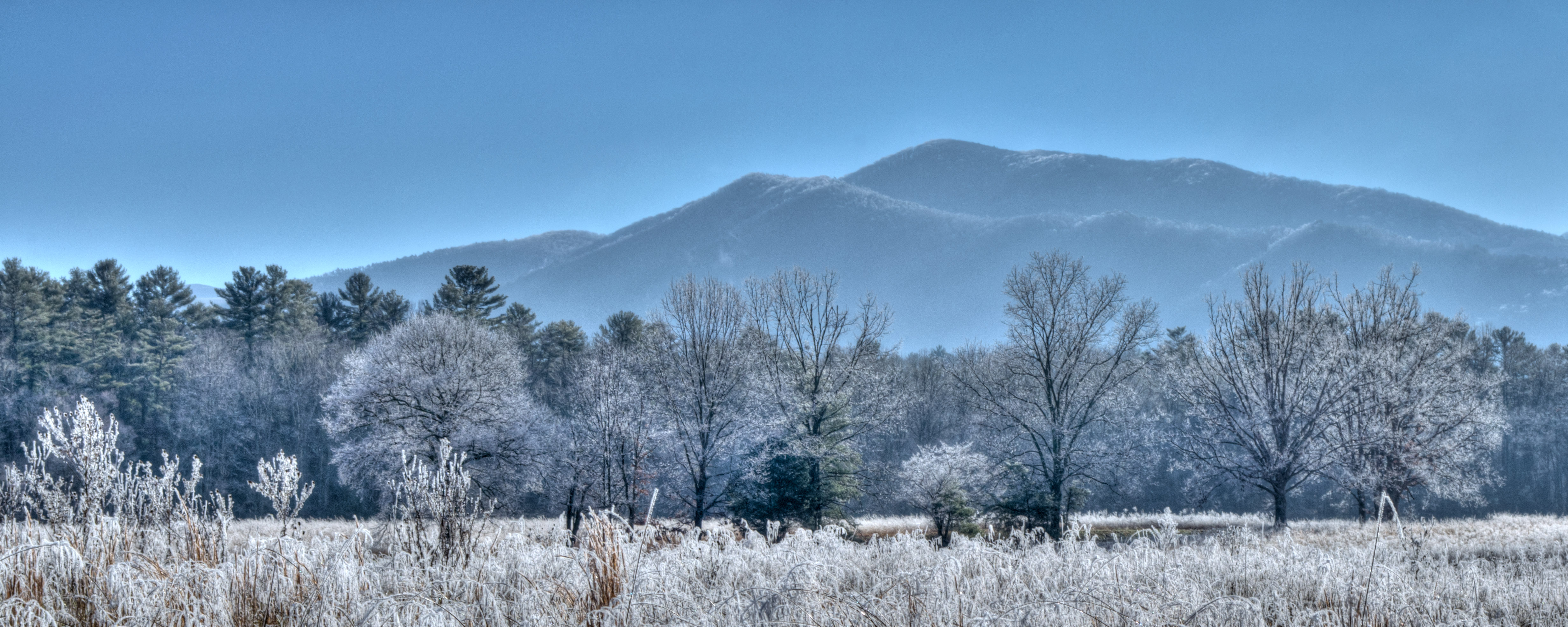
Photo: NPS via NPS.gov (Public Domain)
Month by Month
January and February
Temperatures at lower elevations range from roughly 25°F to 50°F. At higher elevations, expect 10°F to 35°F. Snowfall is inconsistent but possible. The park averages about 5 inches at low elevations and up to 70 inches on the highest peaks - though most winters underperform those numbers.
What's open: Primary roads including Newfound Gap Road (US-441), Little River Road, and Laurel Creek Road remain open 24 hours a day, weather permitting. Most secondary roads close seasonally by late November and remain closed through March. The Straight Fork and one-way section of Balsam Mountain Road are currently closed as of 2026.
Crowd level: Lowest of the year. You will share the park with remarkably few people, especially on weekdays.
Trail conditions: Ice is the real hazard, not snow depth. North-facing slopes above 4,000 feet hold ice patches that can linger for weeks. Traction devices are not optional for any high-elevation hiking during this period.
Worth considering if: solitude is your priority and you own microspikes.
March through May
Spring arrives slowly and wetly. March still carries winter conditions at higher elevations. April brings the first reliable warm days below 3,000 feet. By May, leaf-out is complete and the park is green.
Temperatures: 40°F to 70°F at low elevations through May. Higher elevations trail by 10-15 degrees. Snow can fall at Clingmans Dome into early May in some years.
The wildflower display is the main draw. The park's 1,500+ flowering plant species make this one of the best windows for anyone interested in the botanical side of the Smokies. Spring ephemerals like trillium, bloodroot, and showy orchis peak in April at lower elevations and push higher through May.
Crowd level: Moderate, building through May. April weekends draw significant numbers.
The challenge: Rain. April is typically the second-wettest month. Trails turn to mud. Stream crossings run high. Rangers will tell you that spring hikers underestimate how much water they'll encounter.
June through September
This is peak season for most visitors, and the data supports it as the great smoky mountains best season for accessing the full park.
Temperatures at lower elevations range from 60°F to 85°F. Higher elevations stay comfortable - 50°F to 75°F. The temperature gradient means you can escape valley heat by gaining elevation.
What's open: Everything that operates seasonally. All roads, all campgrounds, all visitor centers. The exception: the Elkmont/Sugarlands dump station is temporarily closed for maintenance as of 2026, so RV users should plan to use the Cosby or Cades Cove dump stations.
Crowd level: Peak. July and August see the highest visitation numbers in America's most visited national park. The parking situation here is genuinely difficult. All vehicles parking longer than 15 minutes require a parking tag - daily ($5), weekly ($15), or annual ($40). These tags are not optional.
The defining weather feature: afternoon thunderstorms. Build-up starts around 11 AM. By 2 PM, cumulus clouds stack up over the ridges. By 3 PM, lightning becomes a real concern on exposed trails and overlooks. Early morning is your best bet for clear views and dry trails.
October and November
The fall color window runs from late September through early November, with peak typically occurring during the first two weeks of October at mid-elevations. Higher elevations turn earlier - sometimes by late September. Lower elevations and valleys peak closer to late October.
Temperatures: 40°F to 70°F in October, dropping to 30°F to 55°F in November. First frost typically arrives by mid-October at higher elevations.
Crowd level: October weekends rival summer peak. Weekdays are manageable but no secret.
This is the second window that qualifies as the great smoky mountains best season for specific goals. If you want comfortable hiking weather without summer humidity, and you can tolerate crowds, October delivers.
December
Temperatures drop to 25°F to 50°F at low elevations. Higher elevations see consistent freezing. Snow becomes more likely after mid-December, though accumulation is unpredictable.
Crowd level: Very low aside from the week between Christmas and New Year's, when local tourism surges.
Secondary road closures take effect. The park remains open 24/7 on primary routes, but your options for where you can drive are significantly reduced.
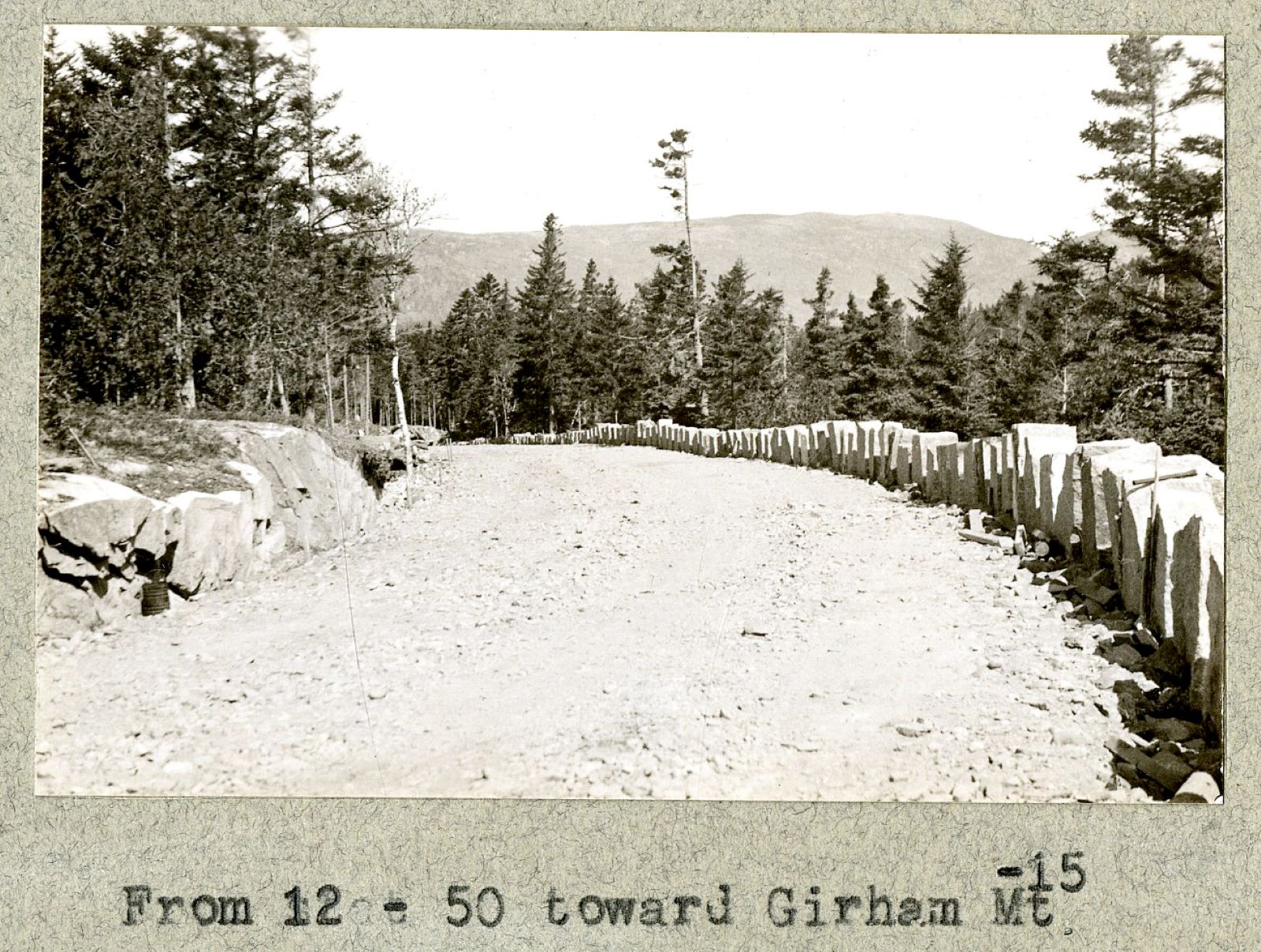
Photo: NPS via NPS.gov (Public Domain)
Best Times for Specific Activities
Hiking the High Country
For anyone focused on hiking trails in great smoky mountains national park above 5,000 feet, the window is narrow. Late May through September is the reliable season. Even in June, you can encounter snow on north-facing slopes near Clingmans Dome. Early morning starts are mandatory in summer to beat afternoon thunderstorms.
The great smoky mountains national park hiking trail network above 5,000 feet offers the best combination of views and cooler temperatures. But the tradeoff is exposure - both to sun and lightning.
Wildlife Viewing
Elk in the Cataloochee Valley are most active at dawn and dusk from August through October during the rut. White-tailed deer follow similar patterns. Black bears are active March through November, with peak sightings in June and July when berries ripen at lower elevations.
Most visitors underestimate how early you need to start. Wildlife activity drops sharply after 8 AM in summer. Rangers will tell you that the parking lots at Cades Cove fill by 7 AM during peak season for exactly this reason.
Fall Color Timing
The common mistake - and almost everyone makes it - is assuming peak color happens everywhere at once. It doesn't. The great smoky mountains best season for fall color depends entirely on elevation:
High elevations (above 4,500 feet): Late September to early October
Mid elevations (2,500 to 4,500 feet): Early to mid-October
Low elevations and valleys: Late October to early November
Newfound Gap Road (US-441) offers the most efficient way to drive through multiple elevation zones in a single day, watching color progress with each thousand feet of elevation gain.
Stargazing
Clear winter nights offer the best visibility. Lower humidity, no leaf cover, and longer nights mean darker skies. The park is one of the few remaining places in the eastern US with dark sky designation. Summer nights are shorter and hazier, but the Milky Way is visible on moonless nights from June through August.
Photo: NPS via NPS.gov (Public Domain)
What to Pack by Season
A generic gear list won't serve you here. The park's specific conditions demand specific preparation.
Summer (June-September): Rain gear is not optional. It will rain on you. A lightweight shell that packs small but keeps water out is worth more than anything else in your pack. Bring quick-drying hiking pants, not cotton. Afternoon thunderstorms mean you will get wet, and staying wet at 60°F at elevation risks hypothermia even in July.
Spring and Fall: Layering system with a base layer, mid-layer, and shell. Temps can swing 30 degrees in six hours. Gloves and a warm hat belong in your pack even if it's 60°F at the trailhead. The great smoky mountains hiking trail network at higher elevations exposes you to wind that the valley forecast doesn't mention.
Winter: Microspikes or similar traction devices are mandatory for any trail above 3,000 feet. The park website doesn't emphasize this enough. Trail conditions reports from rangers should be your primary source, not weather apps. Trekking poles with carbide tips help on ice.
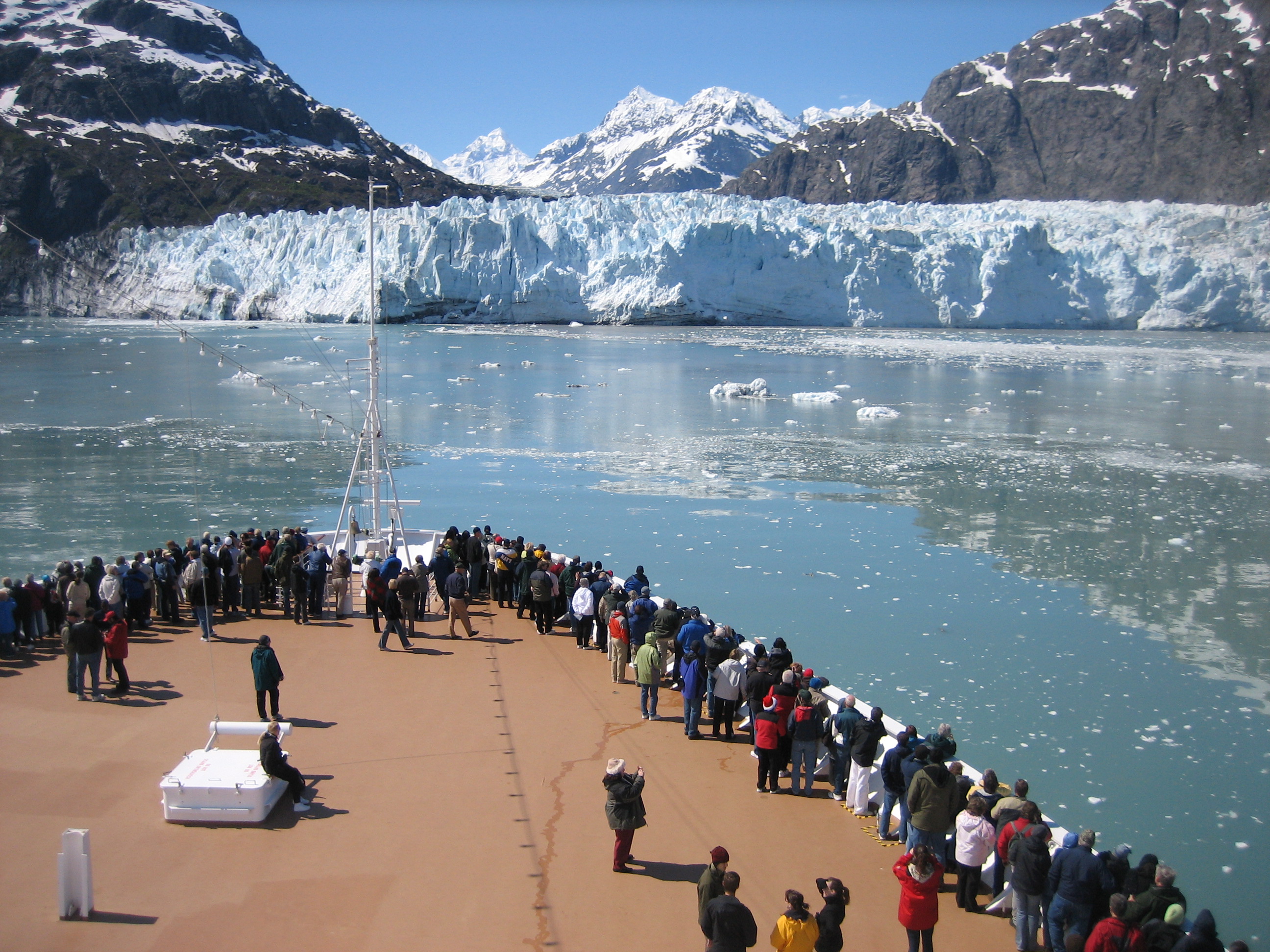
Photo: NPS via NPS.gov (Public Domain)
What the Forecast Doesn't Tell You
The base-to-summit temperature difference is not linear. It's not 3.5 degrees per thousand feet. The steepest drops happen around 4,000 feet, where the vegetation changes and wind exposure increases dramatically.
Afternoon thunderstorms in summer form with clockwork reliability. The window is roughly 2 PM to 5 PM. If you're starting a hike at noon that tops out on a bald ridge, you're gambling with lightning.
Rainfall totals at Clingmans Dome are roughly double what Gatlinburg receives. A "chance of showers" in the town forecast means "expect significant precipitation" at elevation.
Cell service drops out at predictable locations. It's not random. Service disappears on most of Newfound Gap Road north of the park entrance and on nearly all trails. Don't rely on phone-based navigation.
The fall color "peak" lasts about 10 days at any given elevation. It moves downhill at roughly 500 feet per day. If you miss it at Clingmans Dome, drop to Newfound Gap. Miss it there, head to the Oconaluftee Valley.
Winter road closures happen without warning. The park keeps primary roads open 24/7 "weather permitting," but "weather permitting" is doing a lot of work. An inch of freezing rain closes everything.
Humidity in July and August makes 80°F feel like 90°F at low elevations. Pack extra water for this stretch. The hiking in great smoky mountains national park experience in summer is less about temperature and more about managing moisture - both humidity and precipitation.
Practical Takeaways
June through September offers the most reliable access to the full park, including high-elevation hiking trails in great smoky mountains. Accept the crowds and afternoon storms as the tradeoff.
October delivers the best combination of comfortable hiking weather and visual payoff, but you will share the experience with everyone else who read the same advice.
December through February provides genuine solitude for prepared hikers. You need traction devices and flexibility around road closures.
The parking tag requirement ($5 daily, $15 weekly, $40 annual as of 2026) applies to all vehicles stopped longer than 15 minutes. Factor this into your planning.
Early morning is your best bet for clear skies, wildlife sightings, and available parking, regardless of season. The park opens 24 hours a day on primary roads.
Check the great smoky mountains best season for your specific activity - botany, photography, hiking, stargazing - before booking. The "best season" for the park overall might not match your priorities.
For a complete overview of planning logistics, see our complete visitor guide. For trail-specific conditions and difficulty ratings, the hiking trails guide breaks down each route by elevation gain and seasonal accessibility. If overnight trips are part of your plan, review the camping options page for reservation requirements and seasonal openings.