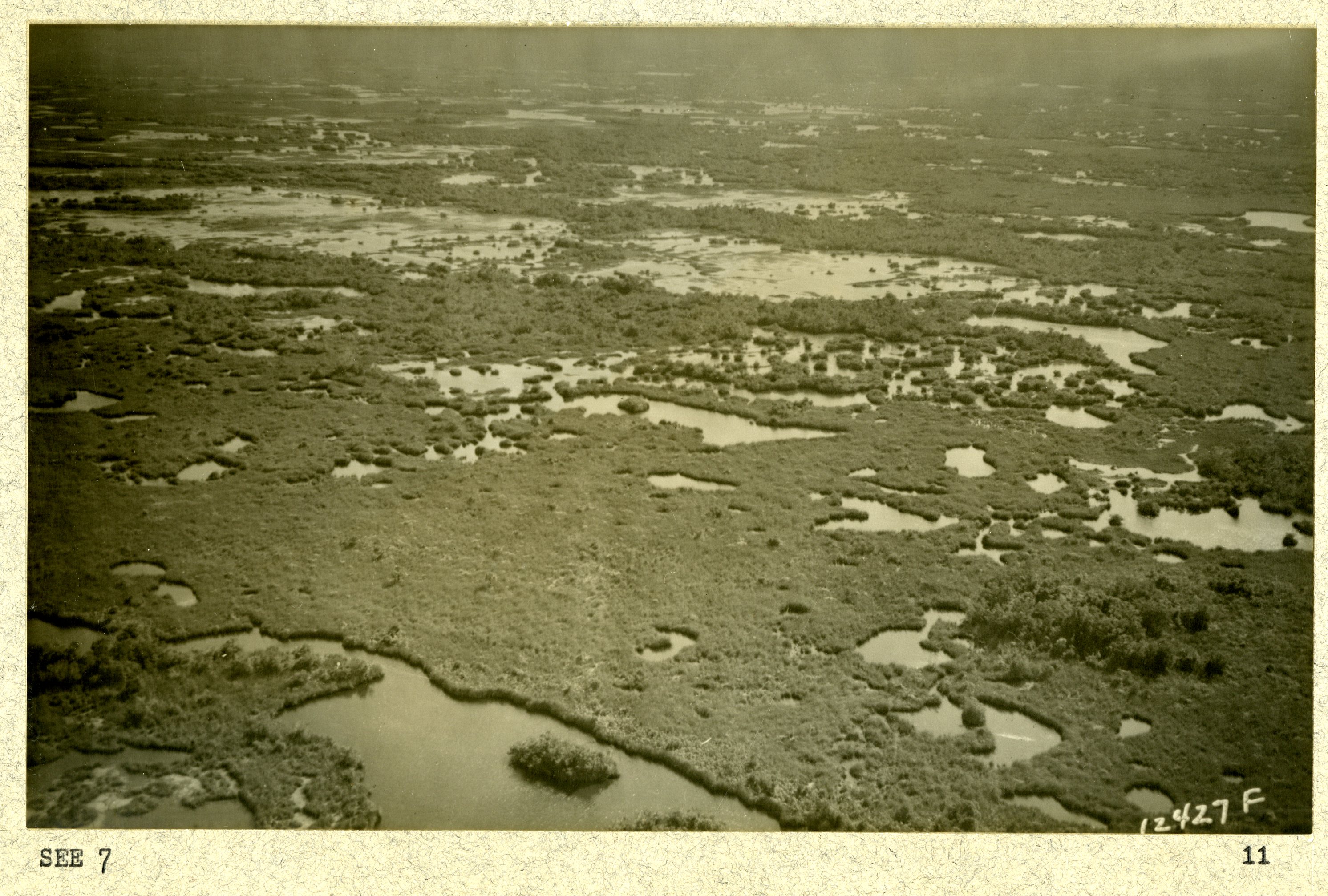
Most visitors get the scale wrong. They picture a swamp. What you get is a river, 60 miles wide and a few inches deep, moving at a pace you can barely perceive. It's the largest subtropical wilderness in the country, and the question of where to camp in Everglades National Park is less about picking a site and more about choosing your level of immersion. You can park an RV under slash pines or paddle for days to a wooden platform in a mangrove tunnel where the only sounds are fish jumping and your own heartbeat. The park service manages over 1.5 million acres, and a third of it is water. Your experience depends entirely on how you decide to meet it.
NPS via NPS.gov (Public Domain)
Everglades National Park: Sawgrass, Gators & Wild Florida - 2026 Guide
11 min read
Park Guide
Coe and Shark Valley are typically 9 AM to 5 PM; Flamingo and Gulf Coast centers have similar hours but may close earlier in summer.
Your plans
This article contains affiliate links — we may earn a small commission at no extra cost to you.
At a glance
Hours
The park is open 24 hours a day, 365 days a year. However, visitor center hours vary: Ernest F. Coe and Shark Valley are typically 9 AM to 5 PM; Flamingo and Gulf Coast centers have similar hours but may close earlier in summer.
Best Time
Late November through April. This is the dry season, with lower humidity, fewer mosquitoes, and concentrated wildlife around remaining water sources. It's also the busy season.
Location
FL
Website
25.3639, -80.7880
Google MapsOverview
The first thing you'll notice is the light. It's flat and bright, reflecting off miles of sawgrass until the horizon blurs into a shimmer. The air carries the damp, fecund smell of wet earth and decaying vegetation - a scent that's neither pleasant nor foul, just profoundly alive. This is the River of Grass, a slow-moving sheet of freshwater flowing south from Lake Okeechobee to Florida Bay. It's a landscape built on subtlety: a six-inch change in elevation marks the difference between a pine rockland and a cypress dome. The wildlife operates on a different scale. American alligators, the park's keystone species, sun on the banks of freshwater sloughs. Wading birds - great blue herons, roseate spoonbills, the namesake anhingas - stalk the shallows with prehistoric patience. The sheer biomass is what stays with you; the sense that life here is crowded, competitive, and utterly indifferent to your presence. Deciding where to camp in Everglades National Park is your first step into this unique ecosystem, a choice between the convenience of a drive-in site and the profound solitude of the backcountry.
Quick Information
Entrance Fee: As of 2026, the entrance fee is $35 per private vehicle, $30 per motorcycle, and $20 per individual arriving by foot or bicycle. The pass is valid for 7 consecutive days. The park accepts digital passes and credit/debit cards only at fee stations; no cash.
Hours: The park is open 24 hours a day, 365 days a year. However, visitor center hours vary: Ernest F. Coe and Shark Valley are typically 9 AM to 5 PM; Flamingo and Gulf Coast centers have similar hours but may close earlier in summer.
Best Time to Visit: Late November through April. This is the dry season, with lower humidity, fewer mosquitoes, and concentrated wildlife around remaining water sources. It's also the busy season.
Location: Southern Florida. The main Homestead entrance is about an hour southwest of Miami. The Shark Valley and Gulf Coast entrances are along US-41 (Tamiami Trail).
Accessibility: The Anhinga Trail and Gumbo Limbo Trail are fully paved and wheelchair accessible. The Shark Valley Tram Tour is also accessible. Many backcountry facilities are not.
Cell Service: Unreliable to non-existent beyond the main park road and visitor centers. Do not count on it for navigation or emergencies.
Restrooms: Flush toilets are available at the Ernest F. Coe, Shark Valley, and Flamingo visitor centers. Vault toilets are at Long Pine Key Campground and various trailheads.
Parking: Parking at Royal Palm (for the Anhinga Trail) fills by 10 AM most days in winter. Shark Valley lot often fills by 9 AM. Flamingo has a large lot that rarely fills completely.

Getting There
There are three primary entrances, and which one you use dictates your experience. The Homestead Entrance (near Florida City) is the main gateway, leading 38 miles down the Main Park Road to Flamingo. From Miami International Airport (MIA), take FL-836 W to the Florida Turnpike (Homestead Extension). Exit at SW 137th Ave, head south to Palm Drive, and follow signs. Allow 1 to 1.5 hours from MIA, depending on traffic.n traffic. The Shark Valley Entrance is on US-41, about 45 minutes west of downtown Miami. This gives access to the 15-mile loop road and observation tower in the northern freshwater slough. The Gulf Coast Entrance in Everglades City is on the west coast, a 1.5-hour drive from Naples via US-41. This is the launch point for the Ten Thousand Islands. Roadwork may cause delays on US-41; watch for crews and expect potential 15-minute stops.
What to Expect
Expect a flat, wet, and deceptively vast world. The terrain underfoot ranges from paved trails and boardwalks to mucky marl prairie and submerged mangrove roots. The elevation change across the entire park is less than 15 feet. The weather dictates everything. From December to April, days are typically sunny with highs in the 70s and 80s F, and nights can dip into the 50s. From May to November, it's hot (90s F), humid, and afternoon thunderstorms are a daily certainty. This is the wet season, when mosquitoes become a formidable presence. The soundscape is a mix of wind rustling through sawgrass, the distant cry of a red-shouldered hawk, and the low chugging of boat engines on Florida Bay. The surprise for first-time visitors is the diversity: one minute you're in a shady hardwood hammock smelling of damp leaves, the next you're on an exposed coastal prairie looking at the shimmering expanse of Florida Bay. Most visitors underestimate the distances between points of interest and the complete lack of services once you leave the main road.

Top Attractions & Points of Interest
Anhinga Trail
This is the park's most reliable wildlife theater. A paved 0.8-mile loop boardwalk winds through Taylor Slough, putting you at eye level with alligators, turtles, and most famously, anhingas drying their wings. Rangers will tell you to go early - just after sunrise - to beat the crowds and see the most activity. The trail is entirely flat and accessible. It's the one place where you're guaranteed to see the Everglades' aquatic life in action.
Shark Valley Tram Road & Observation Tower
A 15-mile paved loop road through the heart of the freshwater marl prairie. You can bike it or take the two-hour guided tram tour. The payoff is the 45-foot-high observation tower at the halfway point, offering a 360-degree view over the sawgrass to the distant tree islands. From this overlook you can see the vast, subtle topography of the river. The parking situation here is competitive; arrive early.
Flamingo
The end of the road, 38 miles south of the main entrance. It feels like an outpost, because it is. The Flamingo Marina is the hub for boat tours into Florida Bay and Whitewater Bay. The area has campgrounds, a visitor center, and trails like the Coastal Prairie Trail. It's also one of the best places in the continental U.S. to see American crocodiles, which often bask along the marina's edges.
Ten Thousand Islands
Accessed from the Gulf Coast Visitor Center in Everglades City, this is a maze of mangrove islands and waterways stretching into the Gulf of Mexico. The primary way to experience it is by boat or kayak. The 90-minute ranger-led boat tour is an excellent introduction, offering chances to see dolphins, manatees, and a array of coastal birds.
Nike Missile Site HM-69
A jarring and fascinating piece of Cold War history preserved within the park. This fully restored missile base, active from 1964 to 1979, offers a glimpse into a time when this wilderness was considered a front line. Ranger-led tours (seasonally) take you into the assembly and control areas. It's a stark reminder that human history here isn't all about fishing and farming.
Activities
Hiking & Walking
The park has trails, but they are not mountain hikes. They are flat walks through specific ecosystems. The Gumbo Limbo Trail is a short, shady loop through a hardwood hammock, a nice contrast to the open sun of the Anhinga Trail. The Snake Bight Trail (“bight” means a bay, not a snake attack) is a 3.2-mile round-trip walk to Florida Bay; it's best in winter when mosquitoes are minimal. For a longer trek, the Coastal Prairie Trail near Flamingo is a 6-mile one-way path following an old road to abandoned fishing camps. Hiking in Everglades National Park requires insect repellent, water, and the understanding that shade is a luxury.
Biking
The 15-mile Shark Valley loop is the premier biking experience. The paved road is flat, and the wildlife viewing is exceptional. You can bring your own bike or rent one at the visitor center. Early morning is your best bet for avoiding the tram traffic and the heat. Biking allows you to travel at your own pace, stopping for every alligator and heron.
Boating, Kayaking & Fishing
One third of the park is water, making this a core activity. The Everglades Wilderness Waterway is a 99-mile marked route from Flamingo to Everglades City for experienced boaters and paddlers, requiring days of travel and backcountry camping. For shorter trips, the West Lake Canoe Trail near Flamingo offers a paddle through mangrove tunnels. Fishing is popular in both fresh and saltwater areas; you'll need a Florida fishing license. Snapper, sea trout, redfish, and tarpon are common targets. The Flamingo Marina is a central hub for launching.
Wildlife Viewing & Birding
This isn't an activity you choose; it's the default state of being here. The Anhinga Trail is the classic starting point. Flamingo is exceptional for wading birds and crocodiles. Snake Bight Trail is renowned among birders for its seasonal concentrations of shorebirds. Winter is the peak time, as migratory species join the year-round residents. Bring binoculars and patience. For a deeper dive, check our guide to wildlife viewing in the park.
Ranger Programs
From guided walks on the Anhinga Trail to talks at the Nike Missile site and the popular tram and boat tours, these programs are worth your time. They provide context you simply can't get on your own. The Everglades Jr. Ranger program is a great way for kids to engage with the park's stories.

Seasonal Guide
December - March (Dry Season): This is the park's high season. Days are mild, humidity is low, and mosquitoes are manageable. Wildlife congregates around permanent water holes, making viewing excellent. All facilities are open, including both frontcountry campgrounds. Crowds are significant, especially at holiday times. Book everything in advance.
April - May (Transition): Temperatures and humidity begin to climb. The wet season's afternoon thunderstorms start to appear. Crowds thin out considerably after Easter. Mosquitoes become more active. This can be a pleasant time to visit if you don't mind some heat and the chance of a daily downpour.
June - November (Wet Season): Hot, humid, and buggy. Afternoon thunderstorms are a near-daily event. This is the time of growth and flooding. Many birds are nesting. Mosquitoes can be ferocious, requiring full coverage and strong repellent. The Long Pine Key Campground is closed during these months. The Flamingo Campground remains open. The upside: you'll have the trails largely to yourself. For a detailed breakdown, see our guide on the best time to visit.
Practical Information
Fees: As noted, the 7-day vehicle pass is $35. An annual Everglades National Park pass is $70. The America the Beautiful Interagency Annual Pass ($80) covers entrance fees.
Permits & Reservations: Backcountry camping permits are required for all wilderness sites (chickees, beach sites, ground sites). These can be reserved up to 24 hours in advance, but popular sites book out months ahead during peak season. Reserve online via Recreation.gov.
Campground Options: The park operates two frontcountry, drive-in campgrounds. Flamingo Campground is open year-round, offering tent and RV sites (some with electric hookups), and even eco-tents for rent. Long Pine Key Campground is open seasonally from November through May and is tent-only, set among a pine rockland forest. For a complete comparison of all camping options, including nearby private RV parks, see our dedicated guide.
Lodging: There is no traditional lodging (hotels) within the park. The Flamingo area has houseboat rentals and the eco-tents. Nearby communities like Homestead, Florida City, and Everglades City offer motels, hotels, and vacation rentals. Explore more about lodging and accommodations in the area.
Services: Gas is NOT available in the park. The last reliable stations are in Homestead/Florida City or Everglades City. Limited groceries, snacks, and basic supplies are available at the Flamingo Marina Store. Dining options within the park are extremely limited and seasonal; plan to bring your own food.

Safety & Preparation
Water: This is the number one rule. Bring more than you think you need - at least one gallon per person per day. The sun and humidity are dehydrating. You can refill bottles at visitor centers.
Wildlife: Maintain a safe distance from ALL wildlife. For alligators and crocodiles, that means at least 15 feet (about the length of a small car). They are not pets; they are powerful predators. Never feed any animal.
Weather & Sun: The Florida sun is intense. Wear a hat, sunglasses, and sunscreen. Sudden afternoon thunderstorms are common in summer; lightning is a real danger. Get off the water and away from open areas if you hear thunder.
Insects: Mosquitoes and biting flies can be relentless, especially at dawn, dusk, and in shaded areas. Use EPA-registered repellent with DEET, picaridin, or oil of lemon eucalyptus. Wear long, loose-fitting, light-colored clothing.
Navigation: Cell service is unreliable. Carry a paper map, especially for backcountry travel. The maze of waterways in the Ten Thousand Islands looks identical; a GPS designed for marine use or a waterproof chart is essential.
Emergency: In an emergency, call 911. The park's dispatch can be reached via satellite phone or ranger. Know your location (trail name, mile marker, GPS coordinates).
Insider Tips
- The Second Anhinga Trail Loop: Everyone clusters at the first pond. Keep walking past the initial crowd. The trail continues on a boardwalk over deeper water, often with fewer people and just as much wildlife, including large alligators.
- Flamingo at Dusk: After the day-trippers leave, Flamingo becomes quiet and magical. This is the best time to spot crocodiles along the marina seawall and to watch flocks of birds coming in to roost. The mosquitoes also come out in force, so come prepared.
- Free Entrance Days: The park offers several fee-free days throughout the year (like National Park Service birthday in August). These days are exceptionally crowded, especially at Shark Valley.
- Bike the Tram Road Early: If you want to bike Shark Valley, get there when the gate opens. You'll have an hour or two of relative solitude before the trams start running. The light is better for photography, and the wildlife is more active.
- The Marina Store Ice: The Flamingo Marina Store sells bagged ice. It's a precious commodity if you're camping in the summer heat. Buy it early in the day before they sell out.
- Check the Tides for Snake Bight: If you hike the Snake Bight Trail hoping for bird activity, check a tide chart. A rising or high tide brings fish - and the birds that eat them - closer to the observation platform at the end.
- Ranger Tour Secret: The ranger-led tours of the Nike Missile site are fascinating but limited. Reservations open online 14 days in advance and can fill in minutes for the winter season. Set a reminder.
Links may earn us a commission at no extra cost to you. We only recommend gear we believe in. For backcountry trips, a reliable, waterproof dry bag is non-negotiable. So is a headnet for mosquitoes during the wet season - trust us on that one.
Your visit hinges on preparation. The Everglades doesn't cater to the casual; it reveals itself to those who come ready for its particular challenges. Bring the water, wear the repellent, slow down your pace to match the river's flow, and you'll understand why this fragile, fierce landscape was worth saving.
For more information, see our complete Everglades National Park Guide.
Recommended Gear
What experienced visitors bring to Everglades National Park: Sawgrass, Gators & Wild Florida - 2026 Guide
Links may earn us a commission at no extra cost to you. We only recommend gear we believe in.
Hiking Essentials
Hydration Pack (3L)
Hands-free water for long trail days
Trekking Poles (Pair)
Save your knees on steep descents
Hiking Boots (Ankle Support)
Sturdy footwear for rocky, uneven trails
Sun & Heat Protection
Wide-Brim Sun Hat
Full coverage UPF 50+ protection at altitude
Insulated Water Bottle (32oz)
Keeps water cold in desert heat all day
Electrolyte Mix Packets
Replace what water alone cannot during intense heat
Winter Gear
Microspikes / Traction Devices
Essential for icy rim trails in winter months
Packable Down Jacket
Lightweight warmth that stuffs into a pocket
Sources
- Official source: NPS — Everglades National Park nps.gov/ever/index.htm
- Official source: National Park Service nps.gov/places/everglades-national-park.htm
Explore More National Parks

Biscayne National Park: Coral Reefs & Underwater Wilderness - 2026 Guide
Discover coral reefs, clear water, and underwater wilderness. Complete 2026 guide to Biscayne Nation...

Dry Tortugas National Park: Fort Jefferson & Remote Coral Keys - 2026 Guide
Discover Dry Tortugas National Park national park guide with our comprehensive guide. Expert tips, p...

Congaree National Park: Ancient Floodplain Forest & Fireflies - 2026 Guide
Discover Congaree National Park national park guide with our comprehensive guide. Expert tips, pract...

Great Smoky Mountains National Park: Complete Guide (2026)
Great Smoky Mountains National Park, America's most visited park, has no entrance gates but requires...
Photo Gallery
More to Explore
Park Guide
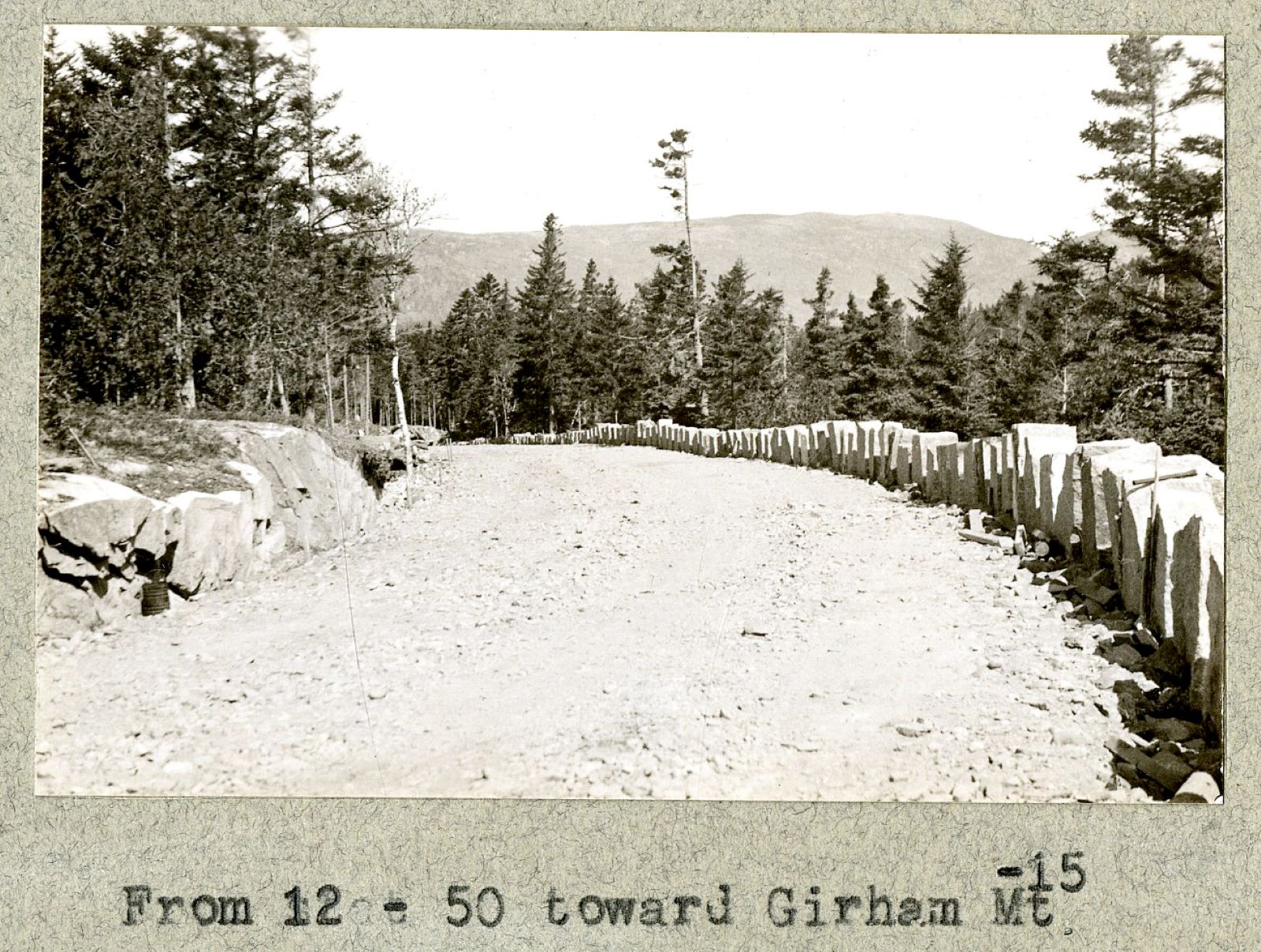
Acadia National Park: Carriage Roads, Cadillac Mountain & 2026 Guide
Discover carriage roads, Cadillac Mountain, and rugged Maine coast. Complete 2026 guide to Acadia National Park — trails, fees, lodging, permits, and what rangers recommend.
Hiking Guide
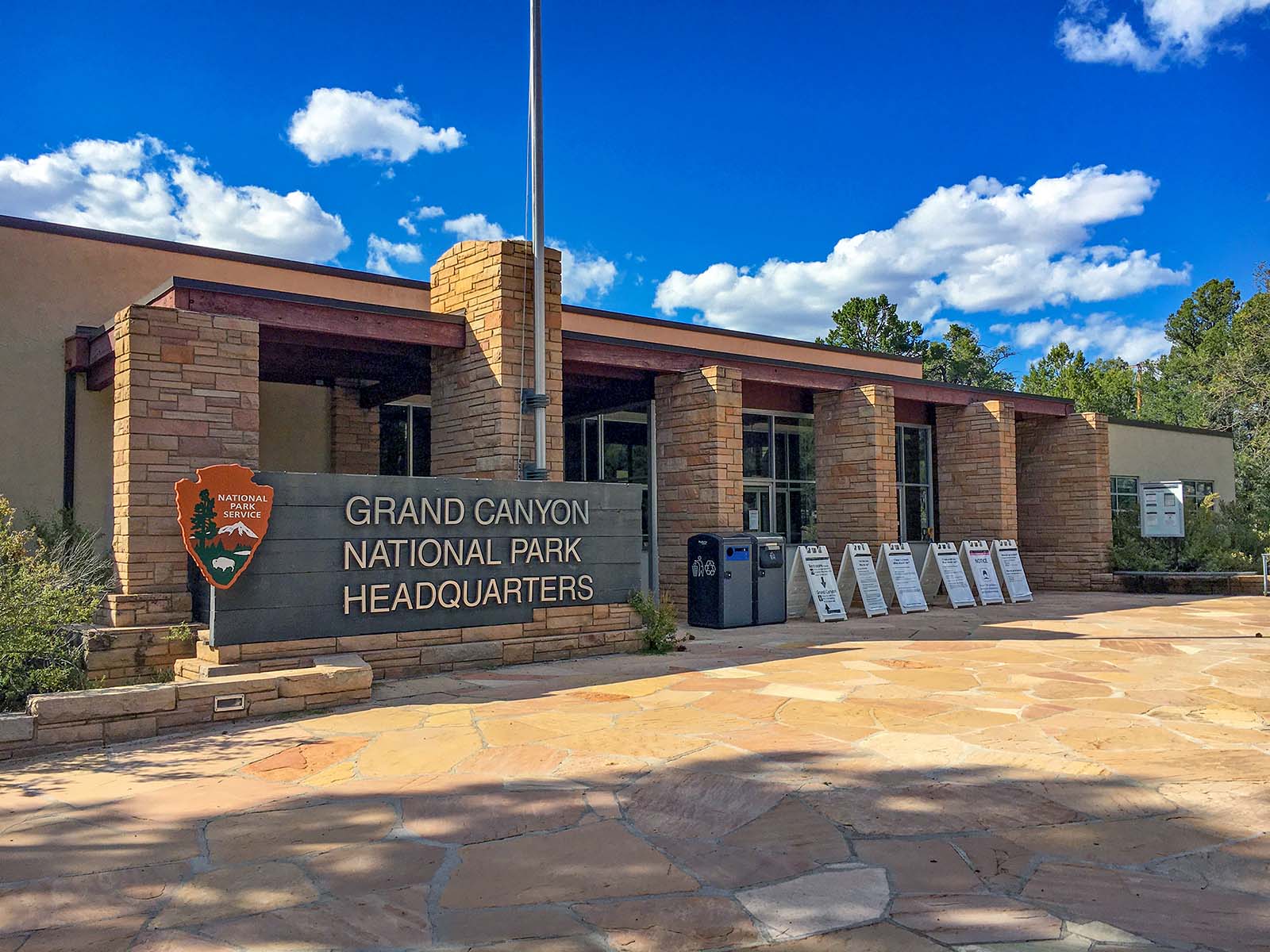
Grand Canyon Hiking Trails: Day Hikes, Water Sources & Rim to Rim
Compare Grand Canyon hiking trails: Bright Angel, South Kaibab, Hermit, Grandview, and rim to rim, with distances, elevation, water stops, and trailhead access for each.
Best Of
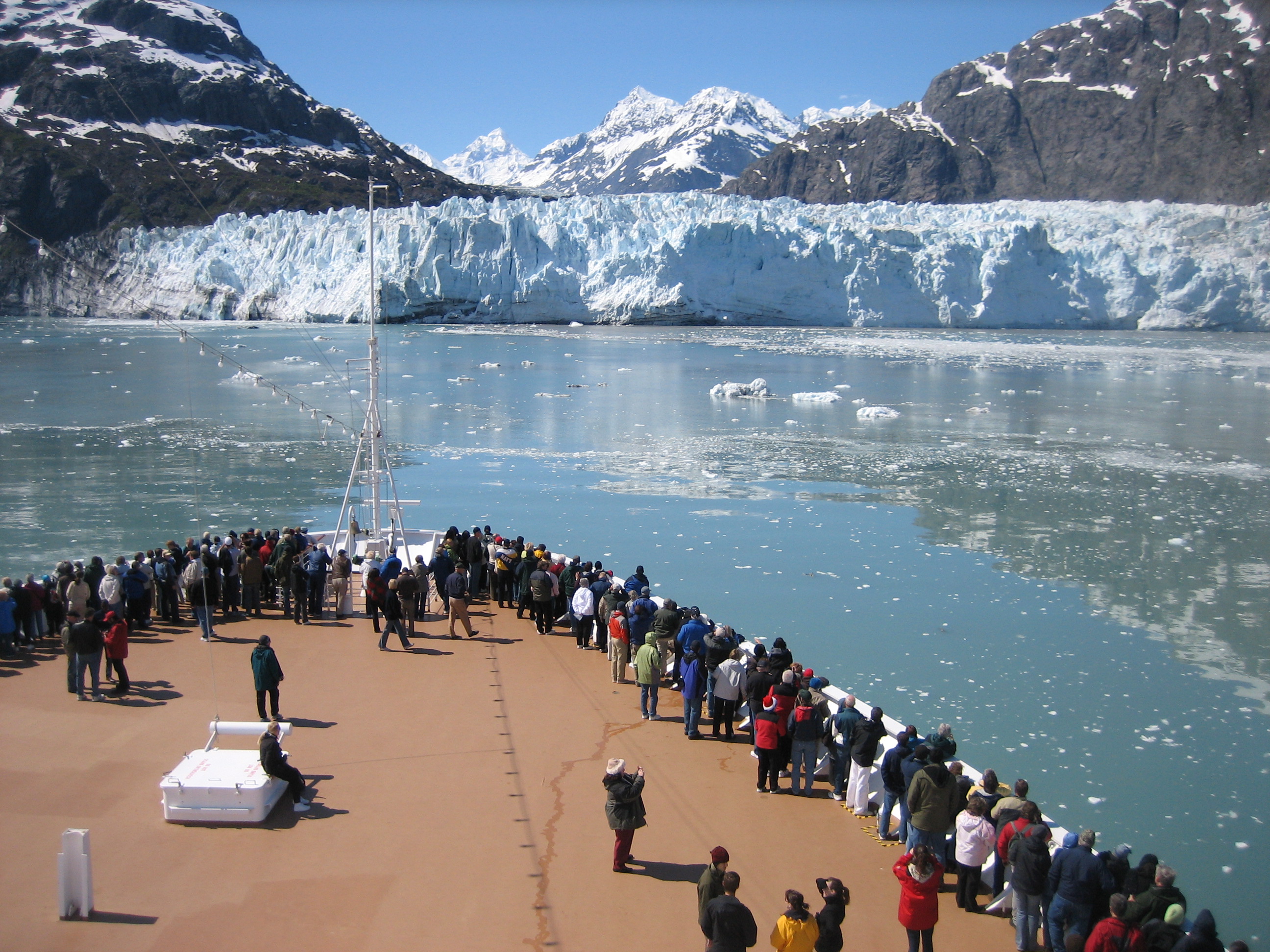
Best of Glacier Bay National Park
The best of Glacier Bay is reached by boat: ranger-led day tours up the bay to the tidewater glaciers. What's worth it, how to book, and when to go (2026).
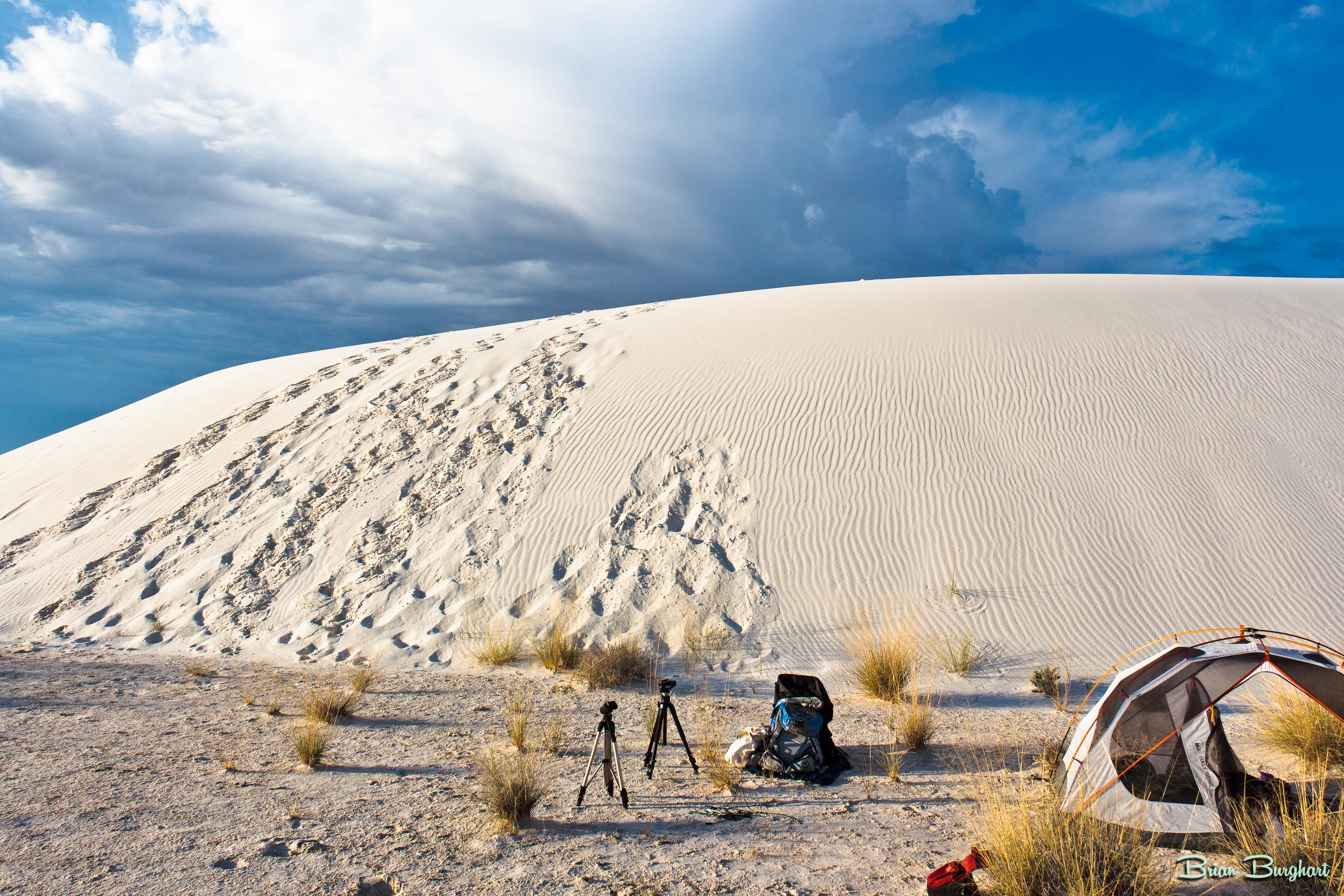
Campsite Guide
White Sands Backcountry Camping: Closed for 2026 — What to Know
As of 2026, backcountry camping at White Sands National Park is closed for site rehabilitation. What that means, and where to camp nearby instead.
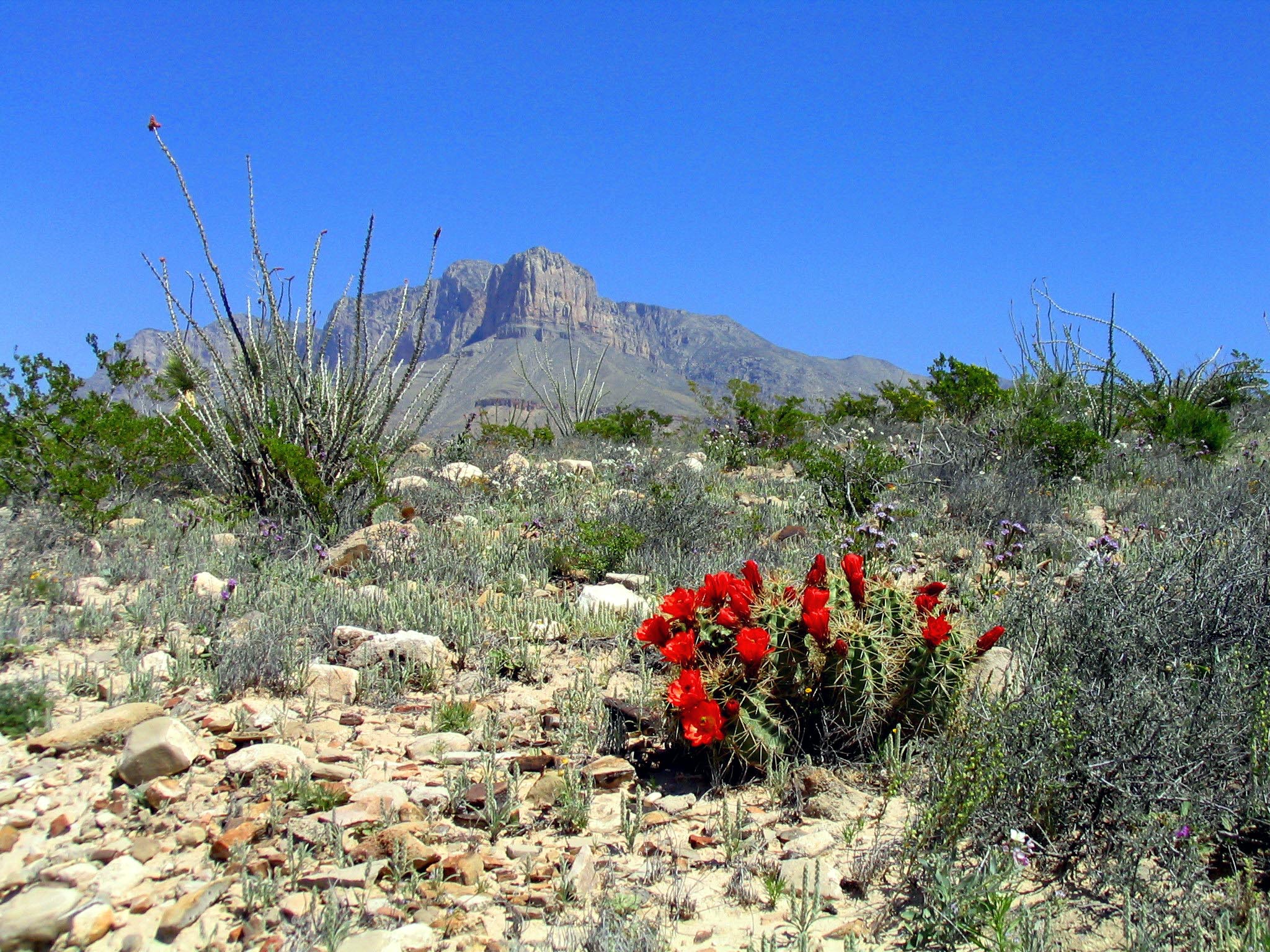
Weather Guide
Guadalupe Mountains National Park Weather: Weather
Guadalupe Mountains National Park: weather guide guide updated 2026. Practical visitor information, reservations, and seasonal tips worth bookmarking before
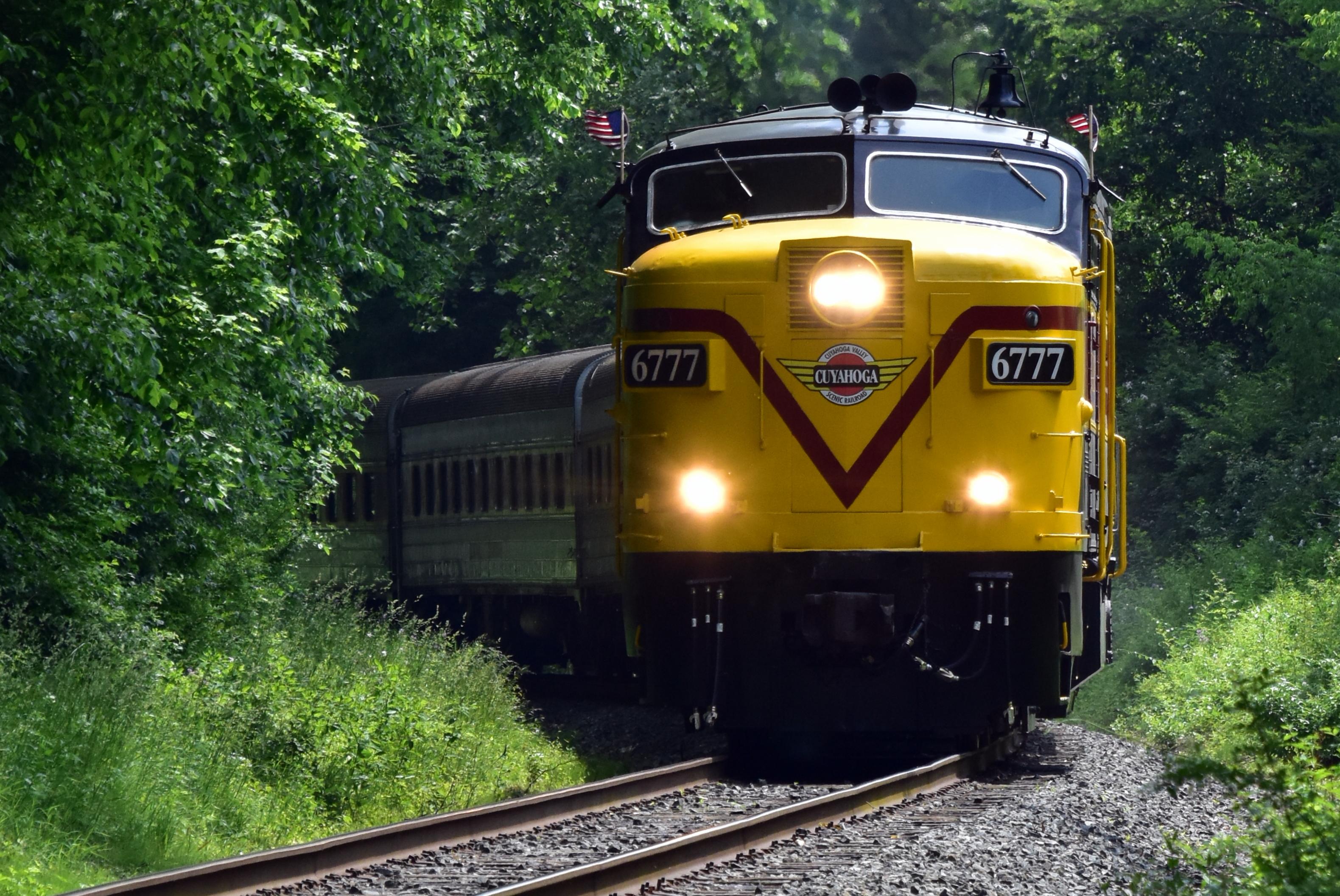
Best Of
Best of Cuyahoga Valley National Park: Best Things to Do
Seeing a Cleveland Orchestra concert with the woods as your backdrop is a uniquely Cuyahoga Valley experience.
Sign in to join the conversation.
Sources & Attribution
Location data courtesy of the National Park Service (U.S. Department of the Interior). NPS data is public domain. Official NPS page.
Images: NPS; NPS; NPS; NPS; NPS.
Map data © OpenStreetMap contributors.
Park operations alerts: NPS.gov · Weather and weather hazards: National Weather Service · Live conditions.
Information may change. Always verify fees, hours, and conditions directly with the official source before visiting.
Did this guide help? Share it with a friend.