Most visitors to Biscayne National Park never set foot on land. That's the first thing we tell folks at the visitor center. This is a park where 95% of the protected area is water—a submerged wilderness of coral reefs, shipwrecks, and mangrove shorelines that begins within sight of Miami's skyline. January temperatures average 68 degrees, and winter water clarity can stretch for 60 feet. This 2026 guide covers what you need to know to navigate a park defined by its tides, boat access, and unique position as a marine sanctuary. We'll cover the practicalities of getting on the water, the history lying beneath it, and how to plan a visit that goes beyond the mainland visitor center.
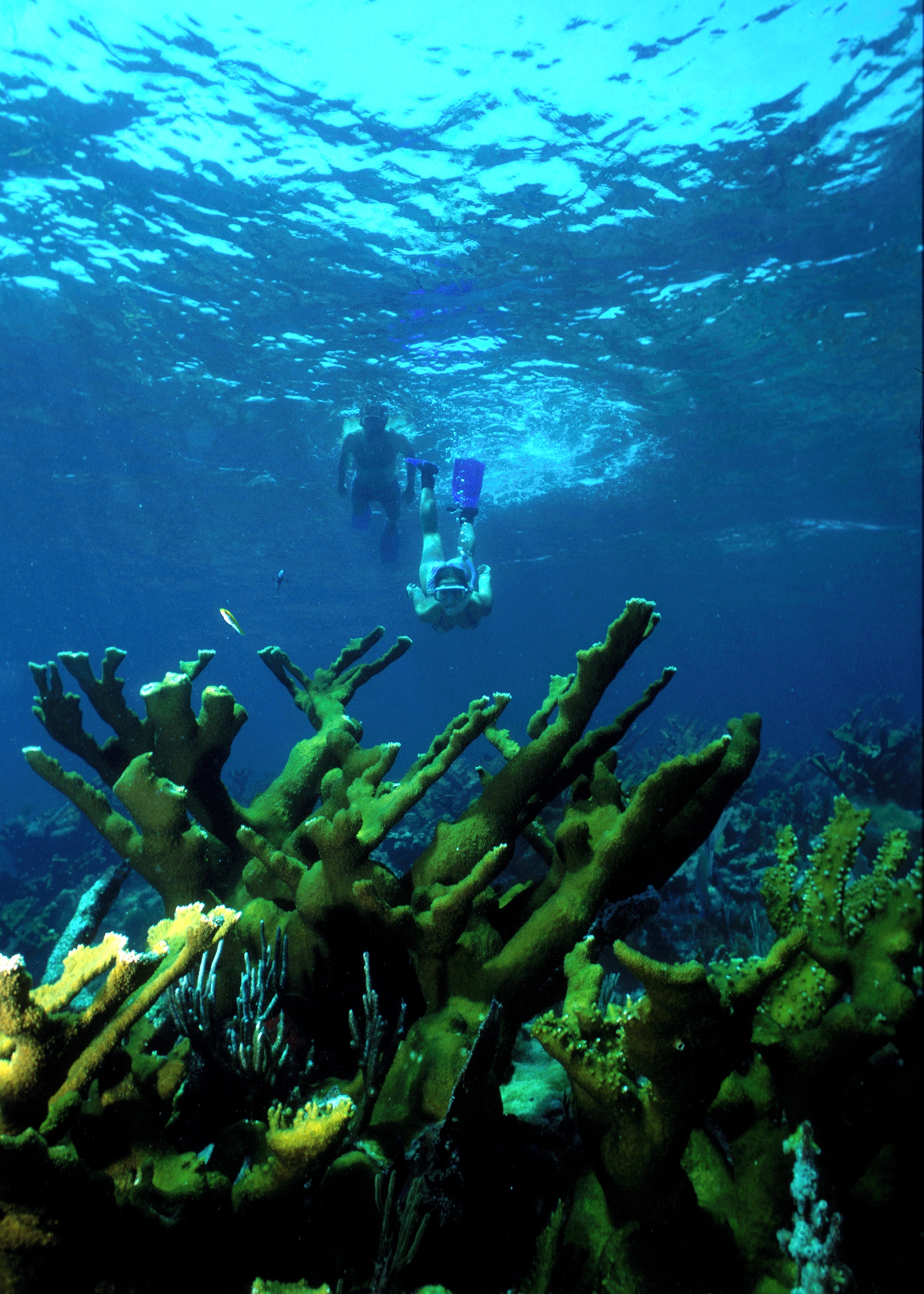
NPS via NPS.gov (Public Domain)
Biscayne National Park: Coral Reefs & Underwater Wilderness - 2026 Guide
7 min read
Park Guide
95% of Biscayne National Park is underwater. Learn how to explore coral reefs, shipwrecks, and mangrove shorelines by boat in this 2026 guide.
Your plans
This article contains affiliate links — we may earn a small commission at no extra cost to you.
At a glance
Hours
Launch your own canoe or kayak from the ramp near the parking area, enjoy a picnic on the lawn, or s
Best Time
June-September (summer), September-October (fall colors)
Address
9700 SW 328th Street, Homestead, FL, 33033
Website
25.4906, -80.2102
Google MapsThe Lay of the Land (and Water)
The Dante Fascell Visitor Center at Convoy Point serves as your terrestrial anchor. It's nine miles east of Homestead, Florida, at the end of SW 328th Street. The grounds open at 7 a.m. and close at 5:30 p.m. sharp—a detail ride-share users often underestimate. The visitor center itself opens at 9 a.m. Its museum provides crucial context you'd miss just staring at the bay: 10,000 years of human history, from Tequesta tribes to pineapple farmers and presidential retreats.
Park waters, however, are open 24 hours a year. That's the operational heart of Biscayne. Your experience divides cleanly into two zones: the shallow, protected bay west of the islands, and the deep, open Atlantic to the east where the coral reef tract begins. The transition happens at the chain of islands - mainly Elliott Key and Boca Chita Key. Everything of consequence requires a boat.
Parking is straightforward but finite. The lot can fill on perfect-weather weekends by mid-morning. You'll find a kayak launch ramp near the parking area, a picnic lawn, and the Jetty Trail—a short, paved path offering a taste of the bayfront scenery. It's a fine introduction, but merely the cover of the book. For the real story, you need to get wet.

Getting on the Water: Access is Everything
You have three options: your own boat, a rented vessel, or a guided tour. Most visitors fall into the latter two categories.
Private boaters must exercise serious caution. A current park alert notes that navigational markers in the bay may be missing or moved. The channels through the mangroves are not always intuitive, and running aground on a shallow seagrass flat is a common, expensive mistake. The park service recommends detailed nautical charts. If you're trailering in, the Homestead Bayfront Marina next door is the closest launch ramp.
For everyone else, the concession-operated boat tours are the essential gateway. These are the only way for the general public to reliably reach the coral reefs, the islands, and the historic Boca Chita lighthouse. Rangers emphasize booking these tours well in advance, especially from December through April. They sell out days, sometimes weeks, ahead.
Kayak and stand-up paddleboard rentals are available at Convoy Point. Paddling here is a serene counterpoint to powerboating. You'll glide over seagrass beds, through narrow mangrove tunnels where the only sounds are the splash of your paddle and the rustle of leaves. The water is often calmest in the early morning. This is your best bet for close-up wildlife viewing without a motor. For a deeper specific routes and put-ins, our guide to the park's tours and guided experiences has the details.

Islands, Reefs, and What Lies Beneath
The islands are more than just dots on a map. Elliott Key, the park's largest, is a sliver of tropical hardwood hammock forest with a surprising seven miles of hiking trails. It feels remote. The campground here has 20 sites, tucked partially under the forest canopy. Boca Chita Key is the park's social hub, with its iconic, picturesque lighthouse (often closed for safety) and a grassy harbor that fills with boats on weekends. Camping here feels more communal, with 60 waterside sites.
But the park's crown jewels are submerged. The Maritime Heritage Trail is a one-of-a-kind attraction: a collection of six carefully mapped shipwrecks in the reef zone, accessible to snorkelers and divers. The wrecks, like the iron-hulled steamer Arratoon Apcar (lost in 1878) and the schooner Mandalay (which ran aground on New Year's Day, 1966), are now artificial reefs encrusted with coral and swarmed by tropical fish. The Fowey Rocks Lighthouse, rising from the sea on iron pilings, stands as a sentinel over this history.
Snorkeling the reef is the activity that defines a visit for many. The water clarity peaks in the winter dry season. You'll see brain coral, elkhorn coral, parrotfish, angelfish, and the occasional sea turtle. It's a fragile world. Rangers will tell you that touching the coral, or even kicking up sand onto it, can kill the polyps that built it over centuries. The park's wildlife viewing guide covers the do's and don'ts for encountering this ecosystem respectfully.

Planning Your Visit: Seasons, Stays, and Logistics
Your experience of Biscayne National Park is dictated by the season. The subtropical climate means it's never truly cold, but the differences are stark.
Winter (December-April) is the dry, mild, and crowded season. Daytime temperatures average in the low 70s, the humidity drops, and the chance of afternoon thunderstorms is lowest. This is the prime time for boating and diving. It's also when every tour boat and island campsite is in highest demand. You'll want a light jacket on the water in January.
Summer (May-October) is hot, humid, and wet. The average July temperature is 82 degrees, but the heat index routinely soars higher. Scattered, intense thunderstorms roll in most afternoons like clockwork. This is the slow season for tourism, but it's also when the water is warmest and the summer fish species are active. From June to November, you're in hurricane season. Always check the forecast. For a full breakdown of seasonal pros and cons, see our dedicated page on the best time to visit.
Overnight Stays
There are no hotels in the park. Your lodging and accommodations are in Homestead, Florida City, or points north. The only way to sleep in the park is to camp on an island.
Both the Boca Chita and Elliott Key campgrounds cost $35 per night as of 2026. Access is by private boat or water taxi only. There are no services - no running water, no electricity at individual sites. You must bring everything you need and pack out all trash. Payment is made on-site using the Recreation.gov phone app. Docking at the islands for the day costs $25 from Friday through Monday and on federal holidays. It's a stark, beautiful, self-sufficient experience. More details on camping options can help you prepare.
Fees and Permits
Here's what the park website doesn't mention: there is no traditional entrance fee for Biscayne National Park. Visiting the Dante Fascell Visitor Center, walking the Jetty Trail, and picnicking at Convoy Point are free. The costs come with access: tour boat fees, camping fees, docking fees, and concession rentals. Fishing requires a valid Florida saltwater fishing license. Special activities, like scientific diving or commercial filming, require permits secured well in advance.

Practical Takeaways
- Book water access first. If you want to take a reef snorkel tour or a trip to Boca Chita Key, reserve your spots online the moment you know your dates. These are the park's equivalent of backcountry permits and they vanish.
- Pack for a marine environment. This means sun protection is non-negotiable: broad-brimmed hat, long-sleeve rash guard, reef-safe sunscreen. Bring more drinking water than you think you need - at least one gallon per person per day if camping. The gift shop sells it, but you'll pay for the convenience.
- Have a Plan B for weather. Afternoon thunderstorms in summer are a certainty, not a possibility. Winter cold fronts can bring high winds that cancel boat tours. Have a mainland backup plan, like exploring the museum or the nearby Everglades.
- Manage your transportation timeline. Convoy Point gates close at 5:30 p.m. If you're using a ride-share service, schedule your pickup for no later than 5:00 p.m. to avoid being stranded.
- Look beyond the surface. Spend time in the visitor center museum. It connects the dots between the Tequesta, the shipwrecks, the failed island developments, and the conservation fight that created this park. You'll appreciate what you're seeing on the water far more.
Final Thoughts
Biscayne National Park asks more of a visitor than most. It asks you to plan, to secure a boat, to watch the weather, and to understand that the main attraction is invisible from shore. That effort is the filter. It's what keeps the reefs from being loved to death and preserves the quiet of an island sunrise.
The reward is a specific kind of freedom - the feeling of casting off from a crowded continent and floating in a world of blue and green. You're visiting a park that protects not a landscape, but a seascape. The history is underwater, the trails are water trails, and the wildlife viewing happens with your face in the sea. It's a different paradigm. Get that part right, and everything else follows.
Recommended Gear
What experienced visitors bring to Biscayne National Park: Coral Reefs & Underwater Wilderness - 2026 Guide
Links may earn us a commission at no extra cost to you. We only recommend gear we believe in.
Hiking Essentials
Hydration Pack (3L)
Hands-free water for long trail days
Trekking Poles (Pair)
Save your knees on steep descents
Hiking Boots (Ankle Support)
Sturdy footwear for rocky, uneven trails
Sun & Heat Protection
Wide-Brim Sun Hat
Full coverage UPF 50+ protection at altitude
Insulated Water Bottle (32oz)
Keeps water cold in desert heat all day
Winter Gear
Microspikes / Traction Devices
Essential for icy rim trails in winter months
Packable Down Jacket
Lightweight warmth that stuffs into a pocket
Sources
- Official source: NPS — Biscayne National Park nps.gov/bisc/index.htm
Explore More National Parks

Everglades National Park: Sawgrass, Gators & Wild Florida - 2026 Guide
Discover sawgrass prairies, alligators, and subtropical wilderness. Complete 2026 guide to Everglade...

Dry Tortugas National Park: Fort Jefferson & Remote Coral Keys - 2026 Guide
Discover Dry Tortugas National Park national park guide with our comprehensive guide. Expert tips, p...

Congaree National Park: Ancient Floodplain Forest & Fireflies - 2026 Guide
Discover Congaree National Park national park guide with our comprehensive guide. Expert tips, pract...

Great Smoky Mountains National Park: Complete Guide (2026)
Great Smoky Mountains National Park, America's most visited park, has no entrance gates but requires...
Photo Gallery
More to Explore
Park Guide
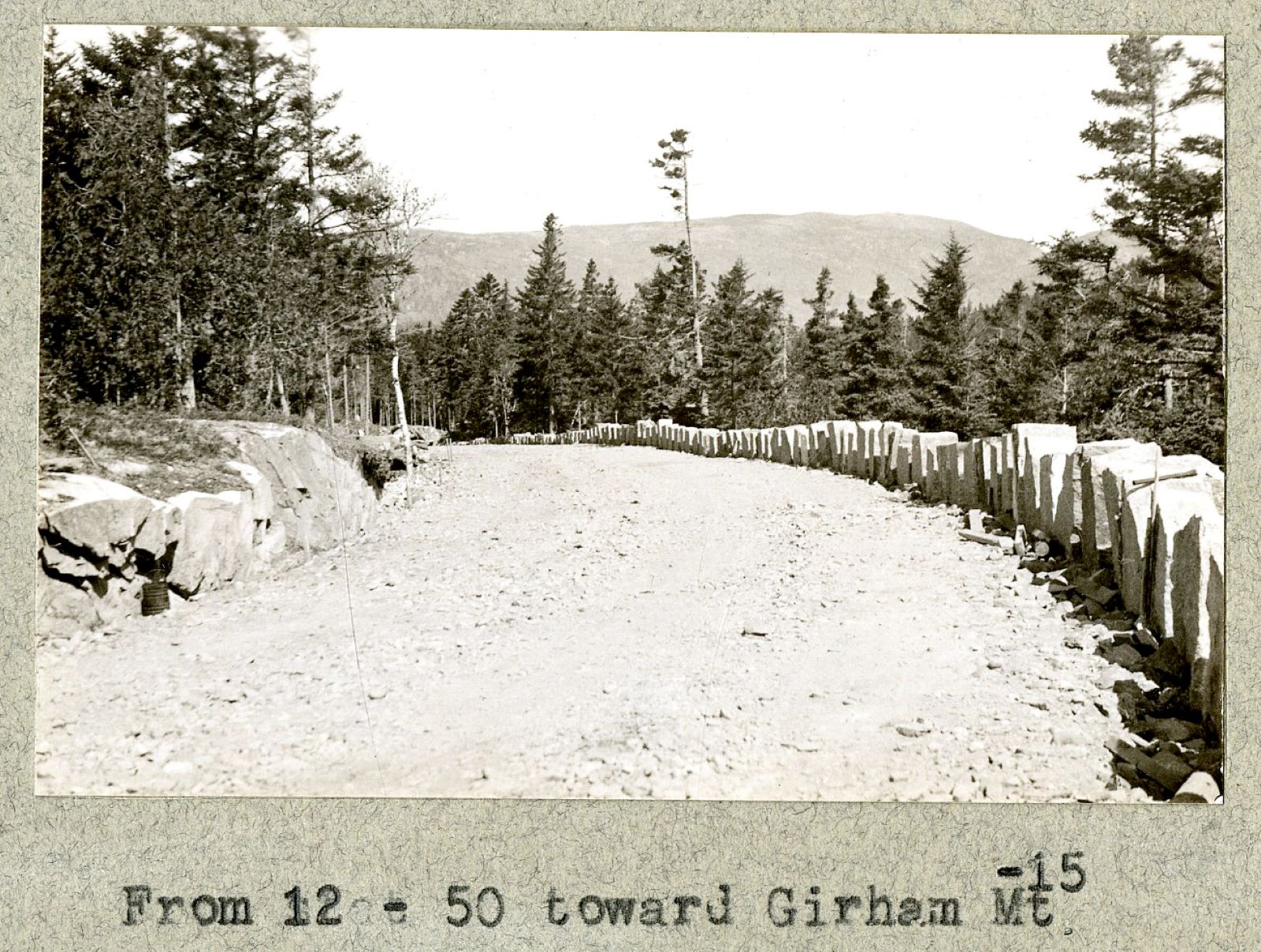
Acadia National Park: Carriage Roads, Cadillac Mountain & 2026 Guide
Discover carriage roads, Cadillac Mountain, and rugged Maine coast. Complete 2026 guide to Acadia National Park — trails, fees, lodging, permits, and what rangers recommend.
Hiking Guide
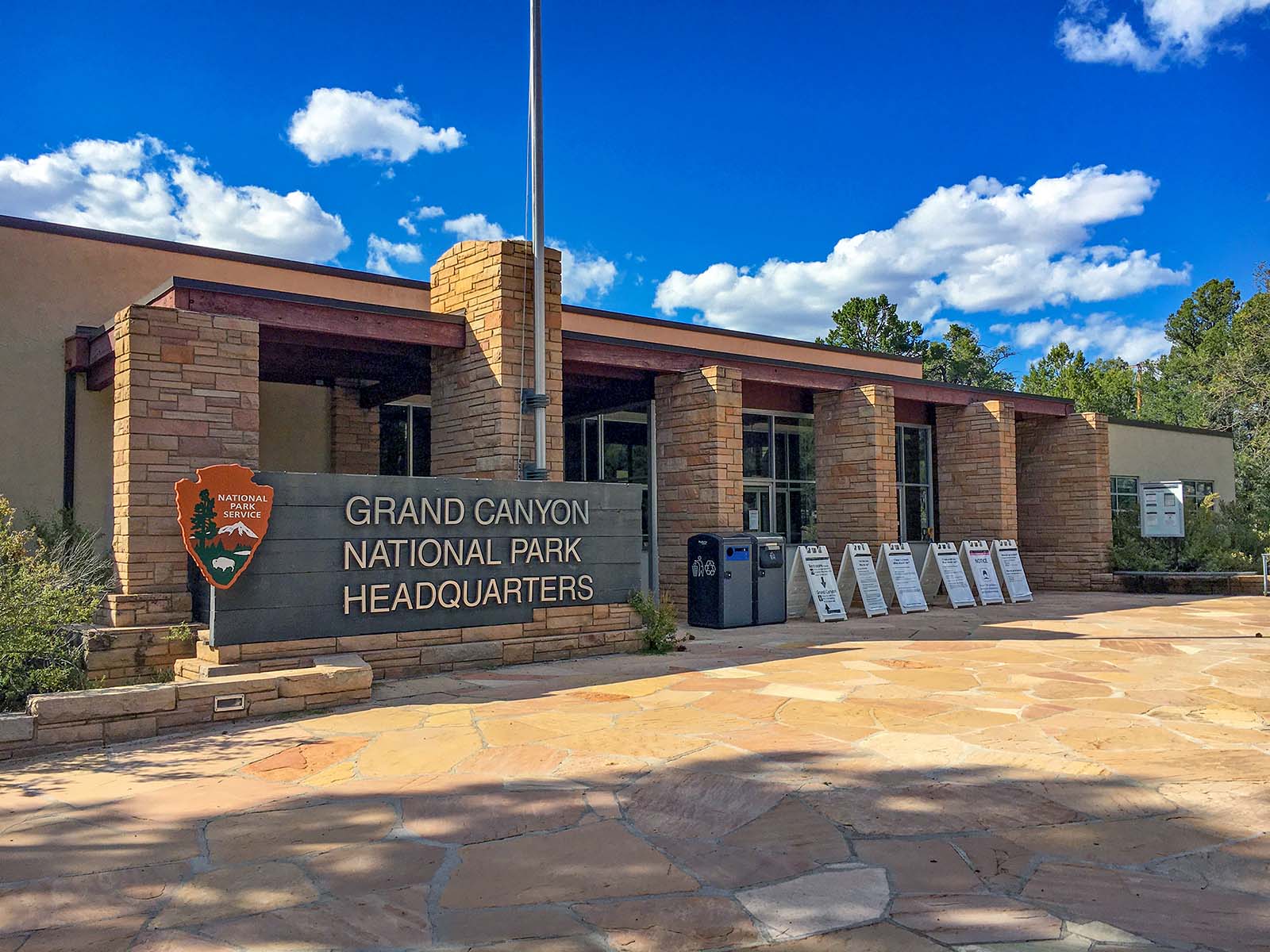
Grand Canyon Hiking Trails: Day Hikes, Water Sources & Rim to Rim
Compare Grand Canyon hiking trails: Bright Angel, South Kaibab, Hermit, Grandview, and rim to rim, with distances, elevation, water stops, and trailhead access for each.
Best Of
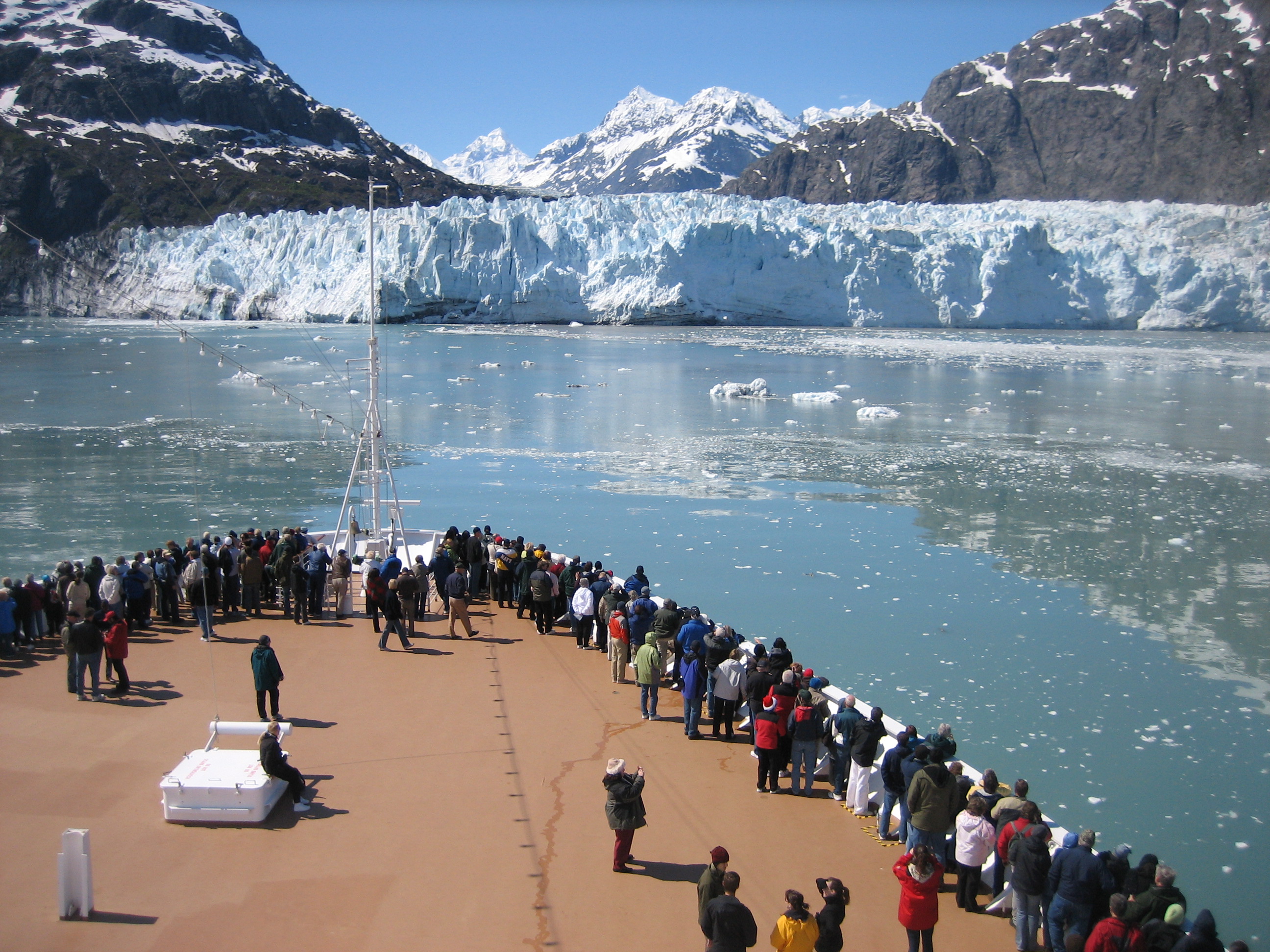
Best of Glacier Bay National Park
The best of Glacier Bay is reached by boat: ranger-led day tours up the bay to the tidewater glaciers. What's worth it, how to book, and when to go (2026).
Campsite Guide
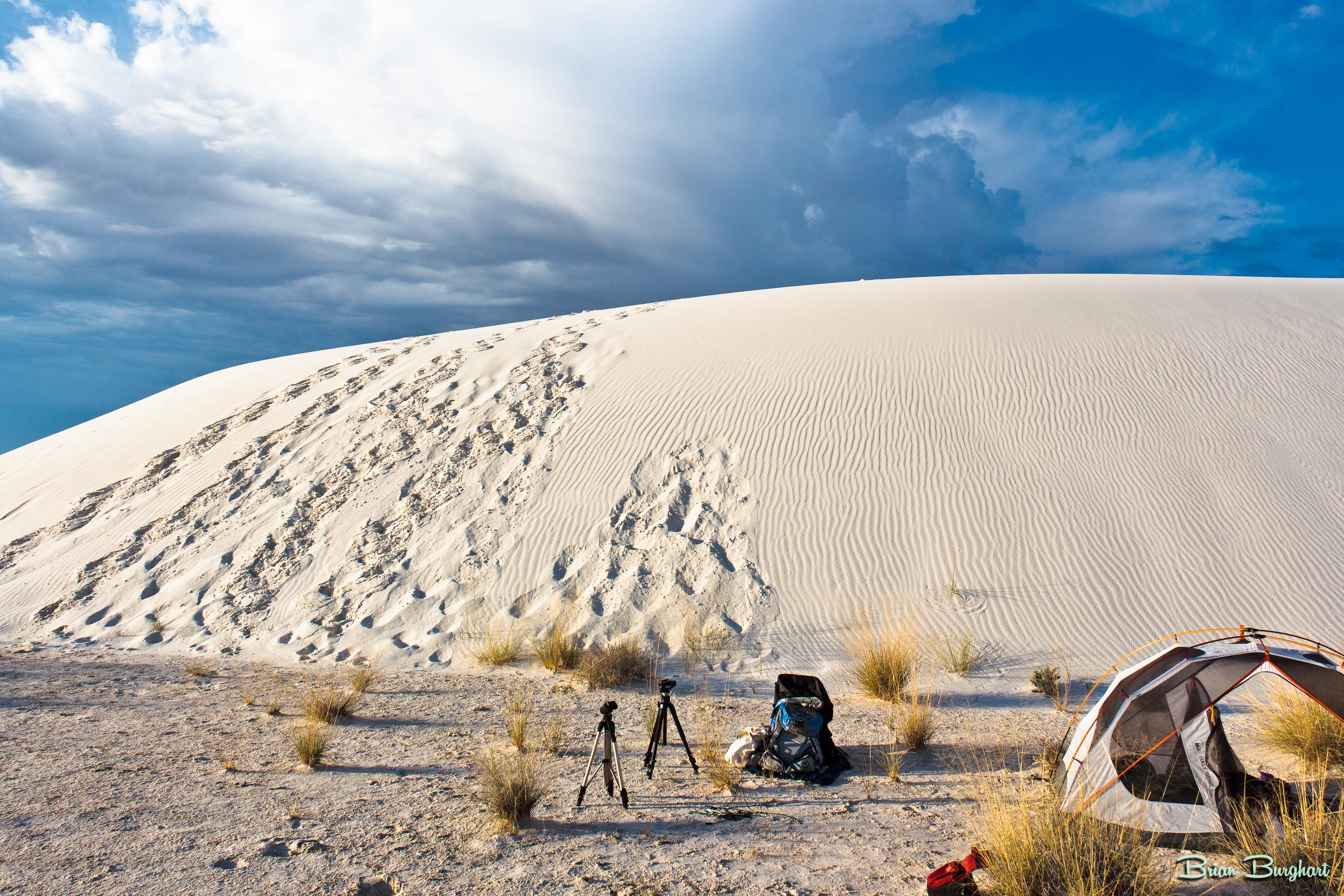
White Sands Backcountry Camping: Closed for 2026 — What to Know
As of 2026, backcountry camping at White Sands National Park is closed for site rehabilitation. What that means, and where to camp nearby instead.
Weather Guide
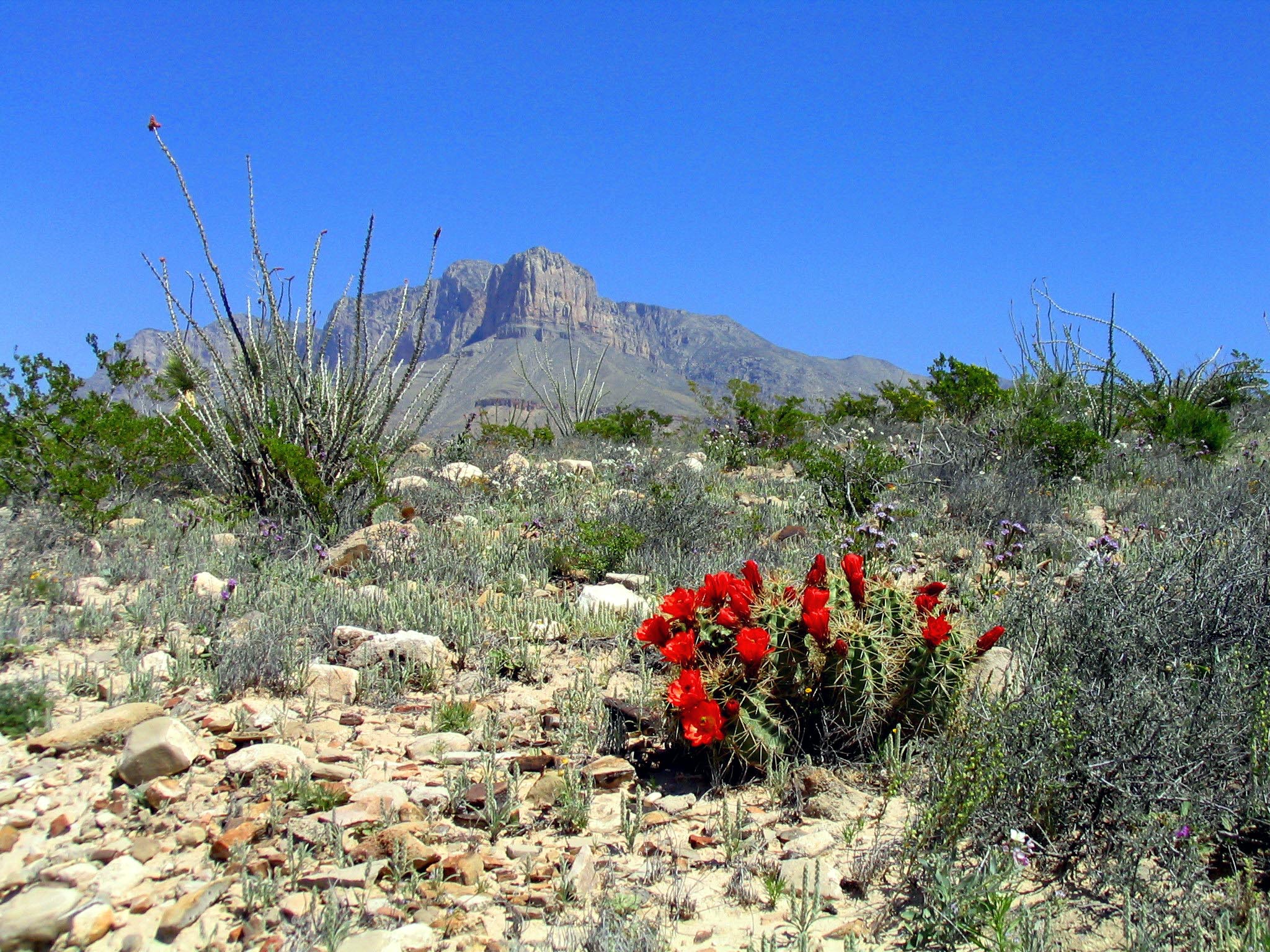
Guadalupe Mountains National Park Weather: Weather
Guadalupe Mountains National Park: weather guide guide updated 2026. Practical visitor information, reservations, and seasonal tips worth bookmarking before
Best Of
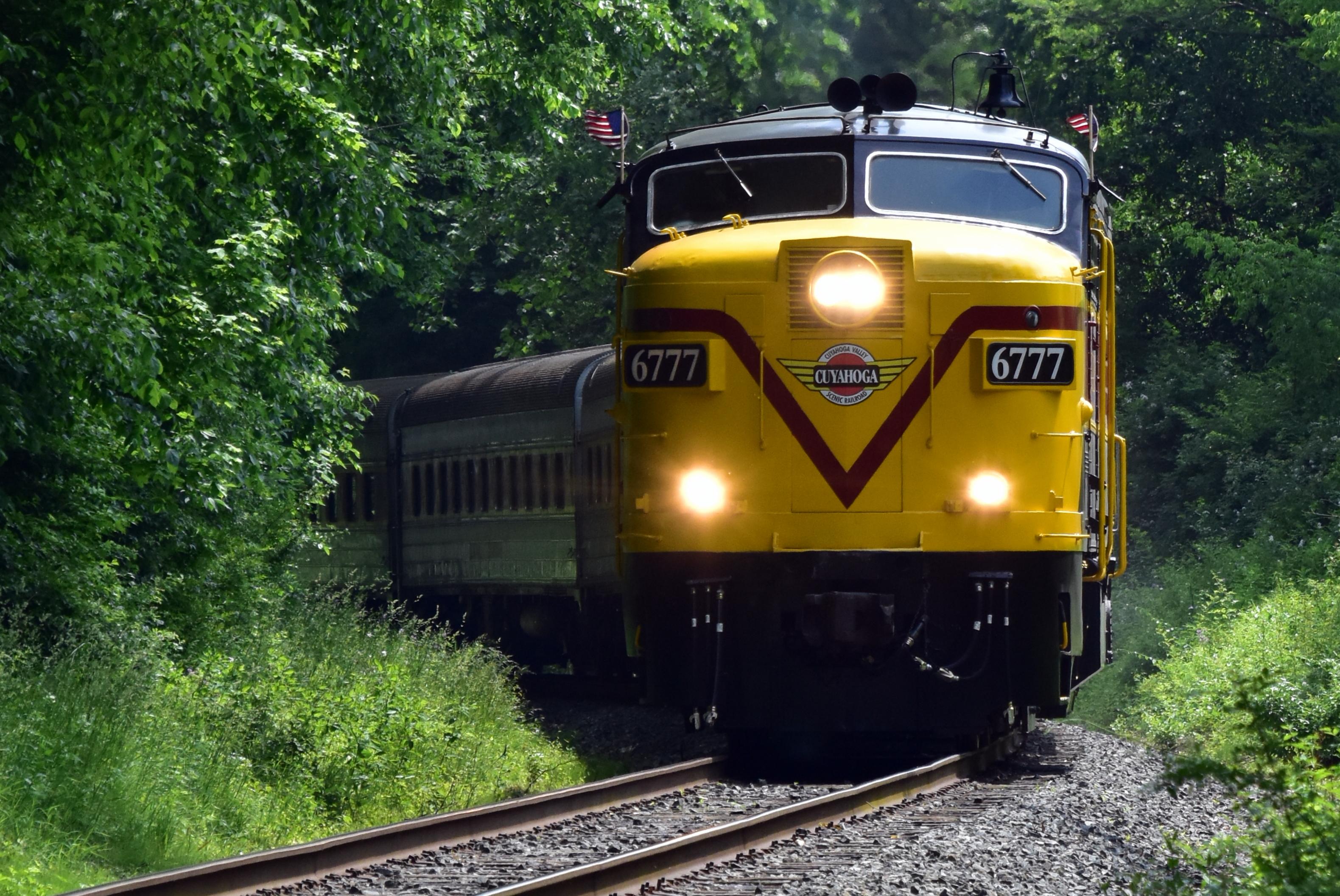
Best of Cuyahoga Valley National Park: Best Things to Do
Seeing a Cleveland Orchestra concert with the woods as your backdrop is a uniquely Cuyahoga Valley experience.
Sign in to join the conversation.
Sources & Attribution
Location data courtesy of the National Park Service (U.S. Department of the Interior). NPS data is public domain. Official NPS page.
Images: NPS; NPS; NPS; NPS; NPS.
Map data © OpenStreetMap contributors.
Park operations alerts: NPS.gov · Weather and weather hazards: National Weather Service · Live conditions.
Information may change. Always verify fees, hours, and conditions directly with the official source before visiting.
Did this guide help? Share it with a friend.