First-time visitors to Biscayne often underestimate one element above all: the sun's reflection off the water. Heat and humidity are expected, but the subtropical sun gains a physical weight here, intensified by the bay's aquamarine surface. You'll feel it on your skin within minutes—a distinct intensity compared to Miami just inland. In this marine environment, a "partly cloudy" forecast still carries a UV index that commands respect, and afternoon thunderstorms from June through September aren't merely possible; they're a daily, predictable occurrence. Your visit hinges on accounting for this interplay of light and water.
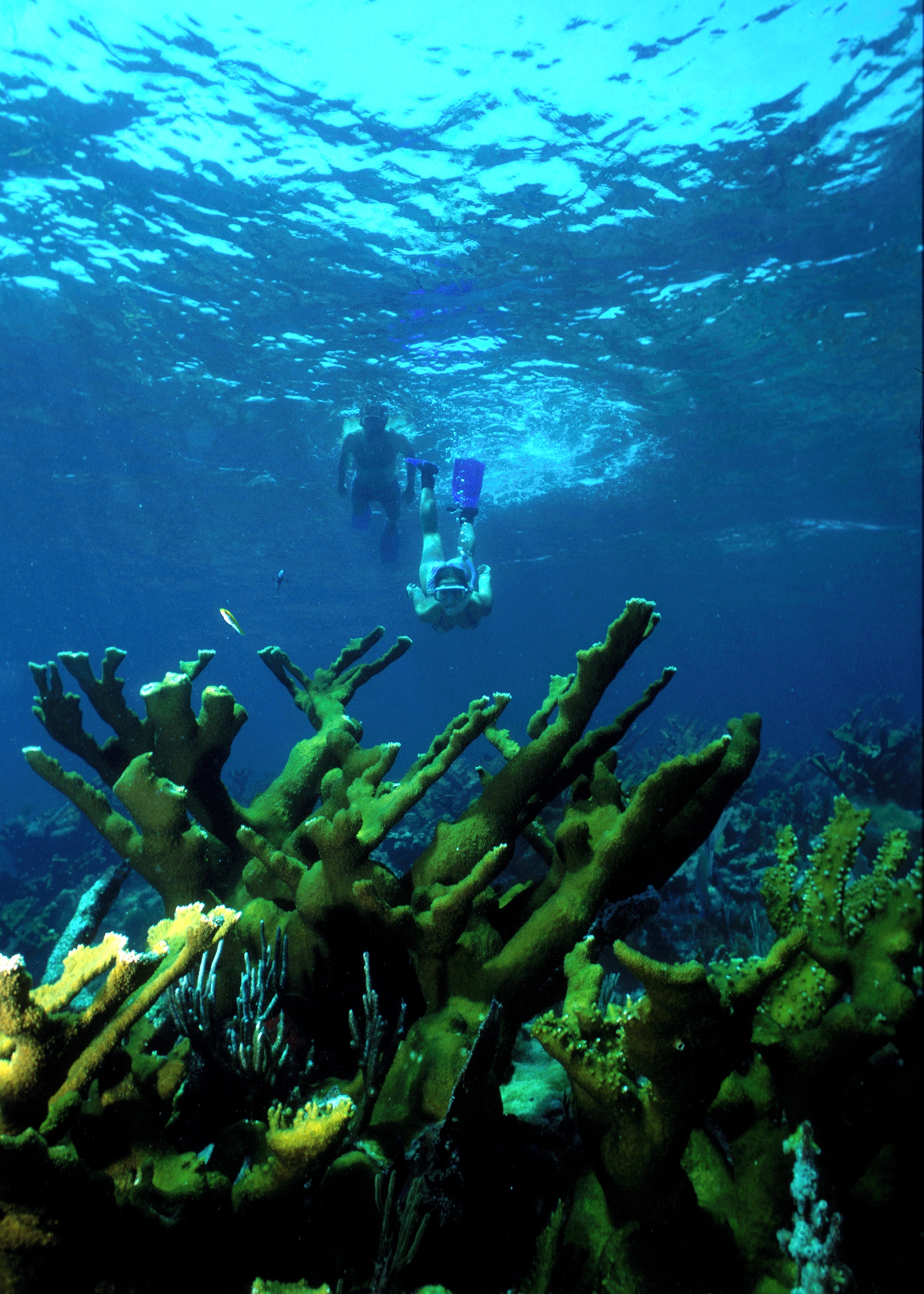
NPS via NPS.gov (Public Domain)
Biscayne National Park Weather
8 min read
Weather Guide
Plan for Biscayne's intense subtropical sun and scheduled summer thunderstorms. Our 2026 guide details the best seasons and essential gear for the water.
For more, see complete visitor guide.
For detailed information on park logistics beyond weather, refer to the complete visitor guide, which covers facilities, tours, and operational details.
The Weather Reality
Biscayne operates on a subtropical marine schedule. The official climate data tells you the averages: 68°F in January, 82°F in July. What it doesn't convey is the texture of the air. Winters are dry and mild, but "mild" here means a cool breeze that can quickly turn chilly on a boat crossing. Summers are hot and humid, but the humidity is what makes the 82 degrees feel closer to 95, especially when you're exerting yourself on the water.
The critical pattern, and the one that dictates all activity planning from late spring through early fall, is the afternoon thunderstorm. They build over the Everglades to the west and march eastward across the bay like clockwork. Rangers will tell you that if you aren't off the water by 2 PM on a typical summer day, you're gambling with lightning and sudden, choppy waves. This isn't occasional bad weather; it's the daily climate cycle. The other dominant reality is hurricane season, which officially runs June through November. While direct hits are rare, the threat influences everything from ferry schedules to campsite availability, as tropical systems can churn up the water and close the islands for days.

Month by Month
Biscayne's seasons are less about temperature and more about humidity, rainfall, and insect activity. Crowds loosely follow the snowbird migration, with winter being busiest at the mainland facilities.
December - February (Dry Season)
Temperatures: Highs 75-80°F, Lows 60-65°F. Cold fronts can occasionally drop temps into the 50s, which feels much colder on the water with wind.
Conditions: This is the park's "dry" season. Rainfall averages around 2 inches per month. Days are frequently sunny with lower humidity. The water temperature cools into the low 70s, which can feel brisk for extended snorkeling.
What's Open: Everything. Concession-operated boat tours to the islands and reefs run full schedules. The Dante Fascell Visitor Center and grounds keep standard hours.
Crowds & Wildlife: Peak visitor season at Convoy Point. The islands are less crowded. Manatees seek the warmer waters near the mainland, particularly around the marina. Birding is excellent as migratory species are present.
Considerations: The most predictable weather window for boating and diving. Also the most expensive and booked-up time for guided tours. You'll want a light jacket for early morning and evening.
March - May (The Sweet Spot)
Temperatures: Highs climb from low 80s to upper 80s. Lows from mid-60s to low 70s. Humidity begins its steady increase.
Conditions: Rainfall remains relatively low early on, increasing in May as the summer pattern establishes. The water warms back up, making snorkeling and swimming more comfortable. Mosquitoes and no-see-ums on the islands become noticeable, especially at dawn and dusk.
What's Open: Full operations.
Crowds & Wildlife: Crowds begin to thin after Spring Break. A great time for spotting sea turtles becoming more active. The transition period means you might get a perfect, calm day or an early preview of summer storms.
Considerations: Often the best balance of good weather, manageable crowds, and warm water. By late May, start planning for those afternoon thunderstorms.
June - September (Wet Season)
Temperatures: Highs 88-92°F, Lows 75-80°F.
Conditions: This is the hot, humid, and stormy core. Average rainfall jumps to nearly 4 inches in July, almost all from those daily afternoon thunderstorms. The heat index routinely exceeds 100°F. This is also the heart of hurricane season. The water is bathwater-warm.
What's Open: Park waters are always open, but tour schedules may be altered or canceled due to weather. Always call ahead. The islands remain open for camping, but be prepared for storms.
Crowds & Wildlife: Lightest mainland crowds, but also the most challenging conditions. Mosquitoes on the keys are at their peak. Spawning activity for some coral species occurs, often around full moons.
Considerations: You must be a morning person. All on-water activities need to be wrapped up by early afternoon. The heat is intense and requires serious hydration. This is the season for cheap rain ponchos and a flexible itinerary.
October - November (Hurricane Season Tail End)
Temperatures: Highs 85-88°F, Lows 70-75°F.
Conditions: The daily storm pattern begins to break up, but the hurricane season risk remains until November 30. Rainfall starts to decrease. The first, weaker cold fronts may arrive in November, bringing drier air.
What's Open: Full operations, but always check for closures related to any tropical weather.
Crowds & Wildlife: Crowds are still low. A good time for fishing as water temperatures begin their slow decline.
Considerations: A transitional month with good weather potential, but you need to monitor the tropics closely. It can be surprisingly quiet and pleasant.

Best Times for Specific Activities
Your ideal month depends entirely on what you want to do. The park's activity list is dominated by the water.
For Snorkeling & Diving: Water clarity is generally best during the drier, calmer winter months (Dec-Apr). However, the water is cooler. For a blend of good visibility and comfortable water temperature, target May or early June. September and October can have great visibility if no storms have recently passed, but always check conditions.
For Paddling & Boating: Predictable calm conditions are the hallmark of the dry season (Nov-Apr). This is when you can most confidently plan a full-day crossing to Elliott or Boca Chita Key. In summer, you have a narrow window of calm morning hours. Rangers emphasize checking the forecast and being off the open bay before storms build.
For Wildlife Viewing:
- Manatees: Seek warmer, shallow waters near the mainland from December through March.
- Sea Turtles: Nesting season runs April through October on the park's islands.
- Birding: Peak diversity occurs during the winter months when migratory species join the resident herons, pelicans, and osprey.
For Avoiding Insects: This is a key factor often underestimated. No-see-ums and mosquitoes on the islands are least aggressive during the dry, breezy winter months. From March onward, a serious insect repellent is non-negotiable for island visits, especially for camping.

What to Pack by Season
Forget generic lists. Pack for sun, water, and sudden changes.
Year-Round Essentials:
- Sun Defense: Reef-safe, waterproof sunscreen (SPF 50+), a wide-brimmed hat that won't blow off, and UV-protective long-sleeve shirt. The sun here is merciless.
- Hydration: More water than you think you need. A gallon per person per day for island trips is not an exaggeration.
- Footwear: Water shoes or closed-toe sandals with grip. The jetty rocks, boat decks, and island shores are slippery.
- Dry Bags: Multiple zip-top bags or a dedicated dry bag for phones, wallets, and car keys. You will get splashed.
Winter Additions:
- A lightweight, wind-resistant jacket or fleece. A boat ride at 8 AM in January is cold.
- A warm hat for those early mornings.
Summer (Wet Season) Additions:
- A compact rain poncho or jacket. The afternoon downpours are heavy but often brief.
- Extra water. Double your usual amount.
- High-quality insect repellent (DEET or picaridin-based).
- A flexible, weather-tolerant attitude. Have a backup plan for when thunderstorms cancel your tour.

What the Forecast Doesn't Tell You
- The "Marine Layer" Isn't Cooling. Any morning haze burns off fast, turning into intense sun. That "partly cloudy" day still delivers extreme UV exposure.
- Wind Direction is Everything. An east wind means calmer water on the bay's western side (near the mainland). A west wind chops up the bay but can mean glassy conditions on the ocean-side reefs. Check the direction, not just the speed.
- Island Bugs Have Their Own Schedule. The forecast won't mention them. They're worst at dawn and dusk, and on still, overcast days. A breeze on the mainland doesn't mean a breeze on Elliott Key.
- Lightning Distance is Deceptive. Over water, you can see storms coming from miles away. That doesn't mean you have time. Lightning can strike from a storm's anvil cloud miles ahead of the rain. If you hear thunder, you're already in danger.
- Water Temperature is a Safety Factor. In winter, 72-degree water can lead to hypothermia during an unexpected long swim. In summer, the warm water accelerates dehydration and fatigue.
- The Jetty is a Weather Vane. If the flag at the end of the Convoy Point jetty is standing straight out, think twice about a long kayak trip. That wind will be stronger and the waves choppier once you're away from shore.
- Afternoon Storms Clean the Air. The rain often leaves behind crystal-clear visibility and spectacular sunsets. The hour after a storm passes can be one of the most beautiful times in the park.
Practical Takeaways
- Biscayne National Park weather is ruled by the sun and sea. Plan every activity with solar exposure and afternoon thunderstorm potential in mind.
- For calm water and fewer bugs, visit December through April. You'll trade perfect conditions for higher crowds and cooler water temperatures.
- For warm water and lower crowds, target May, June, or late October/November. You must become a morning person and monitor tropical weather closely.
- Your daily schedule should be set in stone: on the water at dawn, off by early afternoon from June-September. This isn't a suggestion; it's the pattern of life here.
- Pack for three environments: blazing sun, soaking rain, and (in winter) a chilly boat ride. Layers and waterproofing are key.
- Your most important gear isn't a snorkel or paddle - it's sunscreen, a hat, and a full water bottle. Underestimating hydration and sun protection is the most common visitor mistake.
- Always, always check the official park website and forecast the morning of your activity. As of 2026, the Convoy Point grounds close at 5:30 PM, and a canceled 3 PM boat tour leaves you with few options. Weather here changes fast.
Sources
- Official source: NPS — Biscayne National Park nps.gov/bisc/index.htm
Photo Gallery
More to Explore
Park Guide
Acadia National Park: Carriage Roads, Cadillac Mountain & 2026 Guide
Discover carriage roads, Cadillac Mountain, and rugged Maine coast. Complete 2026 guide to Acadia National Park — trails, fees, lodging, permits, and what rangers recommend.
Hiking Guide
Grand Canyon Hiking Trails: Day Hikes, Water Sources & Rim to Rim
Compare Grand Canyon hiking trails: Bright Angel, South Kaibab, Hermit, Grandview, and rim to rim, with distances, elevation, water stops, and trailhead access for each.
Best Of
Best of Glacier Bay National Park
The best of Glacier Bay is reached by boat: ranger-led day tours up the bay to the tidewater glaciers. What's worth it, how to book, and when to go (2026).
Campsite Guide
White Sands Backcountry Camping: Closed for 2026 — What to Know
As of 2026, backcountry camping at White Sands National Park is closed for site rehabilitation. What that means, and where to camp nearby instead.
Weather Guide
Guadalupe Mountains National Park Weather: Weather
Guadalupe Mountains National Park: weather guide guide updated 2026. Practical visitor information, reservations, and seasonal tips worth bookmarking before

Best Of
Best of Cuyahoga Valley National Park: Best Things to Do
Seeing a Cleveland Orchestra concert with the woods as your backdrop is a uniquely Cuyahoga Valley experience.
Sign in to join the conversation.
Sources & Attribution
Location data courtesy of the National Park Service (U.S. Department of the Interior). NPS data is public domain. Official NPS page.
Images: NPS; NPS; NPS; NPS; NPS.
Map data © OpenStreetMap contributors.
Park operations alerts: NPS.gov · Weather and weather hazards: National Weather Service · Live conditions.
Information may change. Always verify fees, hours, and conditions directly with the official source before visiting.
Did this guide help? Share it with a friend.