For more, see wildlife viewing.
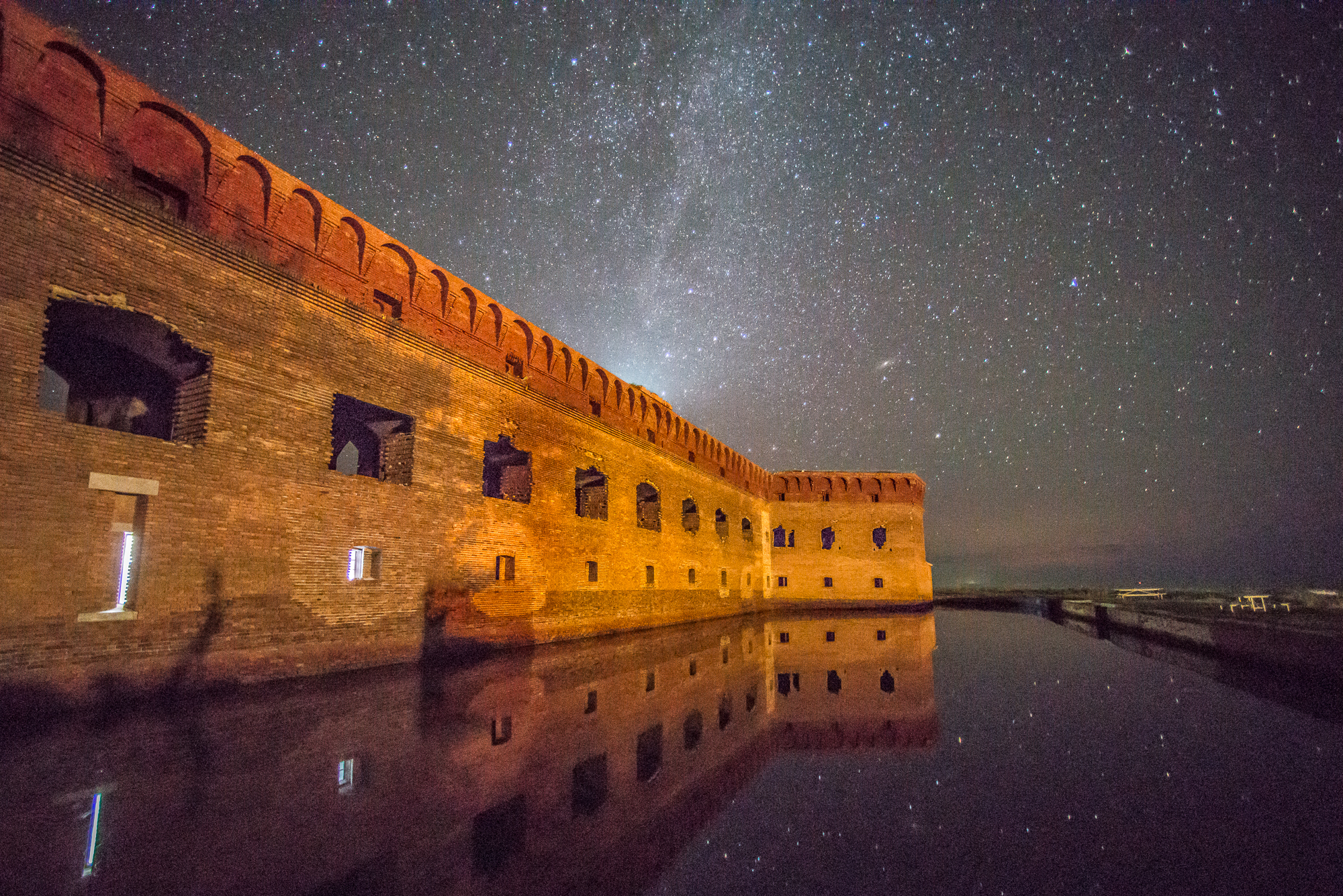
NPS via NPS.gov (Public Domain)
Dry Tortugas National Park: Fort Jefferson & Remote Coral Keys - 2026 Guide
8 min read
Park Guide
Plan your trip to Dry Tortugas National Park: book the Yankee Freedom III ferry months ahead for 4.5 hours on Garden Key, or take a 40-minute seaplane.
Your plans
This article contains affiliate links — we may earn a small commission at no extra cost to you.
At a glance
Entrance Fee
Per person $15Full fee schedule
Hours
The Dry Tortugas is open 24 hours, 7 days a week. This includes holidays.
Best Time
June-September (summer), September-October (fall colors)
Address
40001 SR-9336, Homestead, FL, 33034
Website
24.6287, -82.8732
Google MapsIntroduction
Seventy miles west of Key West, the wind is the first thing you'll notice—a steady hum across Fort Jefferson's parade ground, channeled through its arched casemates. Next comes the water, a rhythmic slap against the old coaling dock pilings. You're standing on a 16-acre brick island in the Gulf of Mexico: Dry Tortugas National Park. Its remoteness defines everything here. Reaching it demands careful planning, and this guide draws on two decades of ranger experience and repeat visitor insights. We'll walk through the journey logistics, what to do upon arrival, and how to navigate a park that's 99% open water. Set aside the glossy brochures. This is about the grit of the brick, the crystalline waters at Little Africa reef, and the precise effort required to secure a campsite on Garden Key.
The Journey Out: Access, Fees, and the Reality of Remoteness
There's no driving entrance to Dry Tortugas. The Homestead address is for administrative offices only. Your journey begins at the Key West waterfront, with two primary access routes: the daily concession ferry or a seaplane. Private boats can attempt the crossing, but any ranger will advise that the 70-mile open-ocean passage is a serious undertaking, suited only for experienced mariners with a seaworthy vessel.
The Yankee Freedom III ferry is the most common access. It departs Key West early in the morning for the 2.5-hour crossing, gives you about 4.5 hours on Garden Key, and returns in the afternoon. As of 2026, the ferry ticket includes the $15 per person park entrance fee (required for anyone 16 and older). Seaplane passengers pay the entrance fee separately upon arrival - bring cash. The seaplane trip is shorter, about 40 minutes each way, and offers a perspective few get: the fort appears as a perfect hexagon in a vast blue plain. Whichever you choose, book months in advance, especially for the ferry. The parking situation at the Key West ferry terminal is tight and expensive; plan to arrive early or use a ride-share.
Cell service drops out about 20 minutes into the trip and doesn't return until you're nearly back to Key West. This isn't a partial signal. It's gone. Tell your family. Download any maps or information you need beforehand. The ferry has a basic galley, but prices reflect the captive audience. Pack your own lunch, snacks, and - most critically - all the water you'll need for the day. The gift shop sells it, but you'll pay for the convenience.

Fort Jefferson: A Masonry Giant in a Liquid Desert
Approaching by sea, Fort Jefferson appears almost implausible. Sixteen million bricks form a three-tiered hexagonal fortress rising from a mere speck of land. It was never completed, never saw combat, and is best known as a prison. The scale is what strikes you first. Inside, the parade ground is a vast, wind-swept expanse of crushed coral and sparse grass. The fort provides essential shelter from the sun, with its shaded lower casemates offering a welcome cool retreat.
Start at the Dock House and Information station right on the pier. Grab a map and check the day's schedule for ranger talks. The self-guided tour is straightforward: follow the numbered stops. Don't rush past Dr. Mudd's Cell, the small room above the sallyport where the doctor who set John Wilkes Booth's leg was imprisoned. The park service has done a good job explaining the complex history here, from military strategy to incarceration. The Fort Jefferson Dungeon, with its ominous inscribed quote, is a stark reminder of the fort's harsh secondary purpose.
Climb the narrow stairs to the top tier. The view from the ramparts is the operational view the fort's designers intended. You can see the entire harbor, the channel markers, Loggerhead Key to the west, and the open Gulf. The Tortugas Harbor Light, a boiler-plate iron structure added in 1876, sits atop the wall. Note the active alerts: as of 2026, sections of the moat wall damaged by past hurricanes are closed for repair. Heed the barricades. The brickwork is historic, but it's also fragile and undergoing constant battle with the salt air and storms.
The Water is the Main Attraction: Snorkeling, Paddling & Beaches
The fort is the landmark, but the park exists for the sea. The water clarity here, often exceeding 100 feet, is what brings people back. You have two main areas for swimming and snorkeling directly from Garden Key: the W. Garden Key Dinghy Beach (tucked between the finger piers) and the area off the old North Coaling Docks. The dinghy beach is the easiest entry point. The coaling dock pilings are now an artificial reef, swarming with sergeant majors, snapper, and the occasional tarpon. It's a five-minute swim from shore. The snorkeling is reliable and good, but for the best experience, you need to get to Loggerhead Key.
Snorkel Little Africa is the park's premier reef site. It's a protected, shallow patch reef off Loggerhead Key's north side, known for its elkhorn coral formations. You can only get there by private boat or by paddling from Garden Key - a 3-mile open-water crossing that is only for strong, experienced kayakers with perfect conditions. Most visitors see it via a guided snorkel tour booked through the ferry concession. If you have the chance, take it. The coral density and fish populations are in a different category than the Garden Key areas.
For a more achievable paddle, circle Garden Key itself. It's about a mile around, and you can peer into the moat (watch for barons and the occasional small shark) and get a view of the fort from the water. Remember, the Dry Tortugas Research Natural Area (RNA), a 46-square-mile no-take ecological preserve, surrounds the keys. All fishing and collecting are prohibited within its boundaries. This sanctuary is a big reason the marine life is so prolific.

Logistics of Staying Overnight: Camping on Garden Key
Day-trippers see one version of Dry Tortugas. Campers see another. The Garden Key Campground has just eight individual sites and three group sites on the island's west side, a short walk from the fort. At $15 per night as of 2026, it's one of the best values in the National Park System, but the competition is fierce. Reservations are released on a rolling basis and sell out within minutes. You must bring everything with you: all food, water (a gallon per person per day minimum), fuel, and supplies. The ferry will transport your gear for a fee.
The campground is primitive. There are picnic tables and grills. The Campground Restroom consists of four composting toilets - they are clean and odor-free but are fragile systems. The rule is strict: only human waste and provided compostable toilet paper go in. Everything else clogs them. There are no showers, no fresh water, and no electricity. What you get is solitude. After the last ferry leaves around 3 PM, the island's population drops from over a hundred to a few dozen. You have the fort to yourself for sunset. The night sky, free from any light pollution, is staggering. The sound of the waves replaces the daytime chatter. It's a different park.
Camping is the only lodging and accommodations option within the park itself. All other stays are back in Key West. The camping experience is not for everyone, but for those prepared, it's the definitive Dry Tortugas experience. You can find a detailed breakdown of the reservation process and packing lists in our dedicated guide to camping options.
Wildlife, Seasons, and Timing Your Visit
The park's name comes from the tortugas (sea turtles) Ponce de León found here, and the dry part noting the lack of fresh water. The turtles are still here - primarily loggerheads and greens. You're more likely to see one while snorkeling than on a beach.
Bird life is the headline act. The keys are a crucial nesting and migratory stopover. From February through September, Bush Key (immediately east of Garden Key) hosts a raucous, swirling colony of over 80,000 Sooty Terns and Brown Noddies. Access to Bush Key is closed through Fall 2026 to protect nesting birds, but you can watch and hear the spectacle from the fort's ramparts. Magnificent Frigatebirds, with their seven-foot wingspans and distinctive forked tails, soar overhead year-round. For dedicated wildlife viewing and the best time to visit for birding, spring is peak season.
Weather dictates everything. The park has two main seasons. The winter months (December-March) are milder and drier, but windier. The seas can be rough, causing ferry cancellations and making snorkeling less pleasant. Summer (June-November) is hot, humid, and calm, with water like glass. This is the prime time for snorkeling and paddling. But this is also Atlantic hurricane season. The park service monitors closely, but trips can be canceled with little notice. The shoulder months of April-May and October-November often strike the best balance. You can dive deeper into seasonal planning with our best time to visit guide.

Practical Takeaways
- Book Transportation First. Secure your ferry or seaplane tickets before anything else. Ferry tickets often sell out 3-4 months in advance for peak periods. Camping reservations are a separate, even more competitive process.
- Pack Like You're Going to the Moon. Assume you cannot buy anything. This means: all your water (1 gallon/person/day minimum if camping), all food, sunscreen, hat, sunglasses, swim gear, and any medication. Pack a dry bag for the boat ride over.
- Your Day-Trip Timeline is Fixed. The ferry gives you about 4.5 hours on the island. Prioritize: do the fort tour first, then hit the water for snorkeling. Eat lunch on the ferry or quickly in the fort's shade.
- Manage Expectations for Snorkeling. The snorkeling from Garden Key is good, not great. For exceptional reefs like Little Africa, you need to book a guided snorkel trip or have your own boat. The ferry's snorkel gear is adequate, but bringing your own mask and snorkel ensures a good fit.
- Respect the Fragility. Everything here is imported. Pack out all trash. Use the composting toilets properly. Don't step on coral. Give nesting birds a wide berth. This remoteness is what protects the place.
Final Thoughts
Dry Tortugas National Park asks more of you than most parks. The cost, the advance planning, the self-sufficiency required - it's a barrier to entry that keeps the crowds at a level the resource can handle. What you get in return is the feeling of having reached a true frontier. It's the contrast that stays with you: the immense, heavy permanence of Fort Jefferson surrounded by the shifting, luminous blue of the Gulf. You come for the history lesson, but you leave remembering the water, the wind, and the sheer audacity of building something so monumental in such an isolated spot. Check the official website for current ferry schedules, fees, and closure alerts, then start planning. The islands will be there, waiting for the next boat.
Recommended Gear
What experienced visitors bring to Dry Tortugas National Park: Fort Jefferson & Remote Coral Keys - 2026 Guide
Links may earn us a commission at no extra cost to you. We only recommend gear we believe in.
Sun & Heat Protection
Wide-Brim Sun Hat
Full coverage UPF 50+ protection at altitude
Insulated Water Bottle (32oz)
Keeps water cold in desert heat all day
Winter Gear
Microspikes / Traction Devices
Essential for icy rim trails in winter months
Packable Down Jacket
Lightweight warmth that stuffs into a pocket
Photography Gear
Wide-Angle Lens
Essential for capturing vast canyon landscapes
Lightweight Travel Tripod
For sunrise, sunset, and astrophotography
Red-Light Headlamp
Preserves night vision for stargazing
Sources
- Official source: NPS — Dry Tortugas National Park nps.gov/drto/index.htm
Explore More National Parks

Everglades National Park: Sawgrass, Gators & Wild Florida - 2026 Guide
Discover sawgrass prairies, alligators, and subtropical wilderness. Complete 2026 guide to Everglade...

Biscayne National Park: Coral Reefs & Underwater Wilderness - 2026 Guide
Discover coral reefs, clear water, and underwater wilderness. Complete 2026 guide to Biscayne Nation...

Congaree National Park: Ancient Floodplain Forest & Fireflies - 2026 Guide
Discover Congaree National Park national park guide with our comprehensive guide. Expert tips, pract...

Great Smoky Mountains National Park: Complete Guide (2026)
Great Smoky Mountains National Park, America's most visited park, has no entrance gates but requires...
Photo Gallery
More to Explore
Park Guide
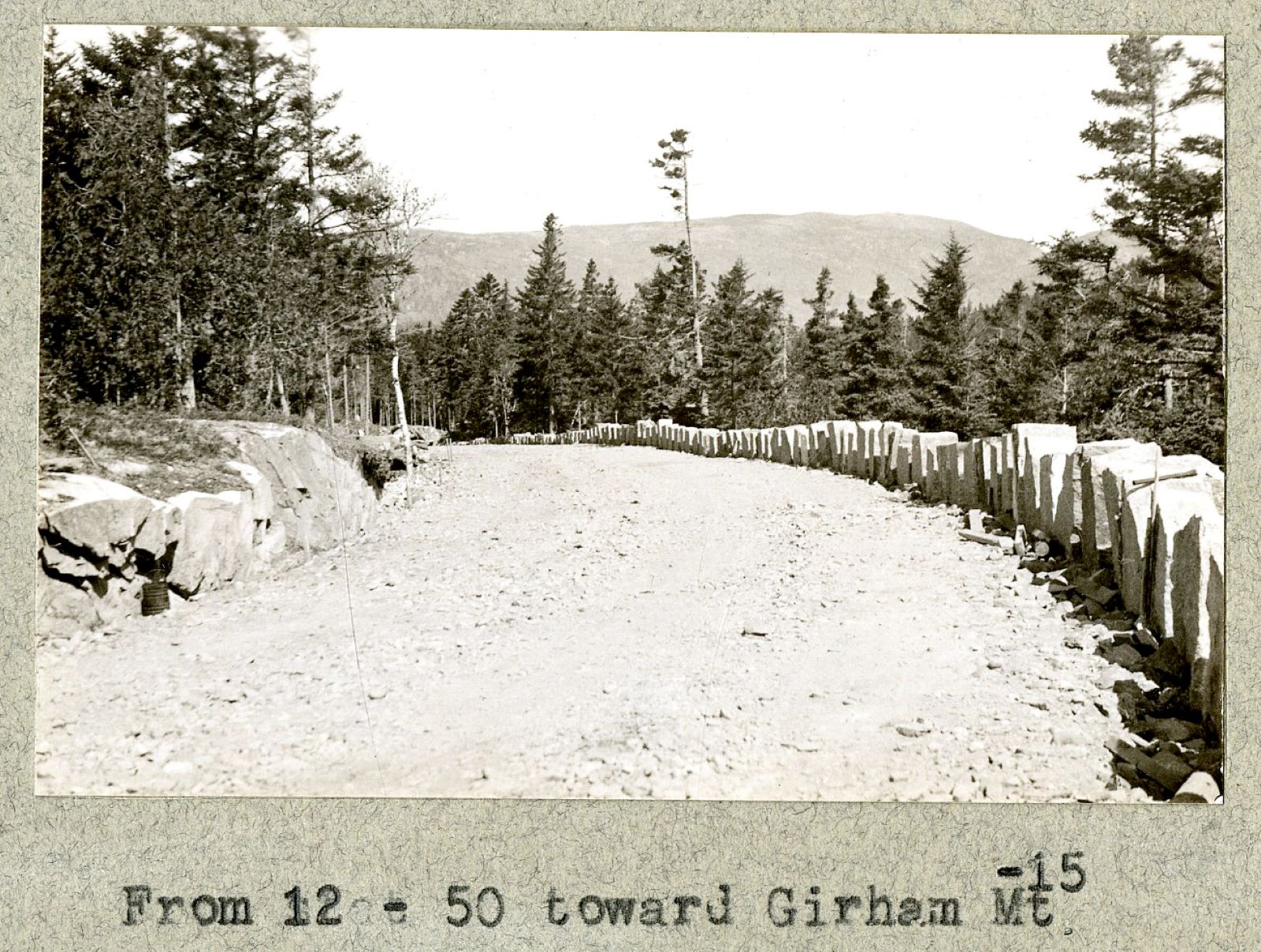
Acadia National Park: Carriage Roads, Cadillac Mountain & 2026 Guide
Discover carriage roads, Cadillac Mountain, and rugged Maine coast. Complete 2026 guide to Acadia National Park — trails, fees, lodging, permits, and what rangers recommend.
Hiking Guide
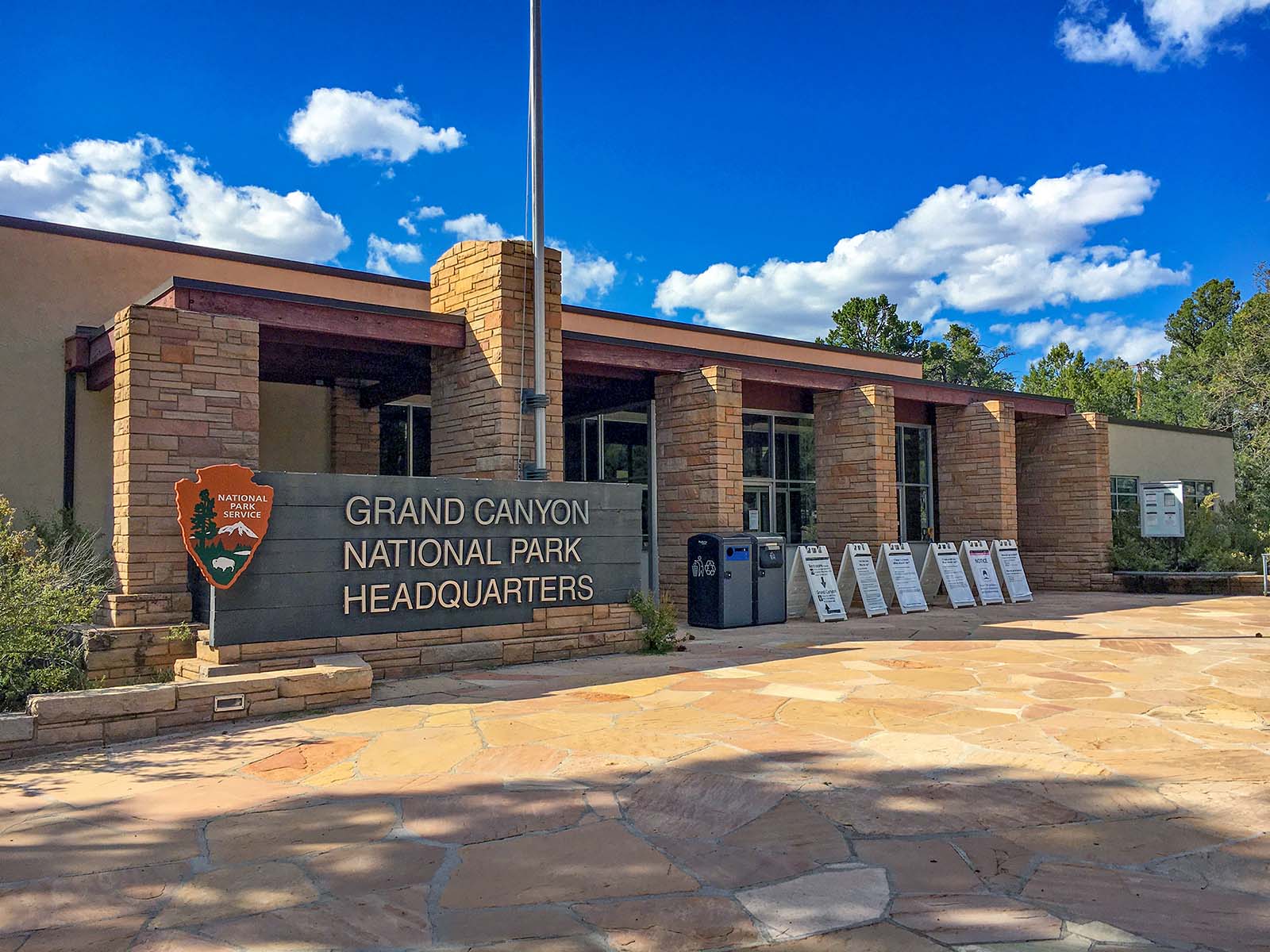
Grand Canyon Hiking Trails: Day Hikes, Water Sources & Rim to Rim
Compare Grand Canyon hiking trails: Bright Angel, South Kaibab, Hermit, Grandview, and rim to rim, with distances, elevation, water stops, and trailhead access for each.
Best Of
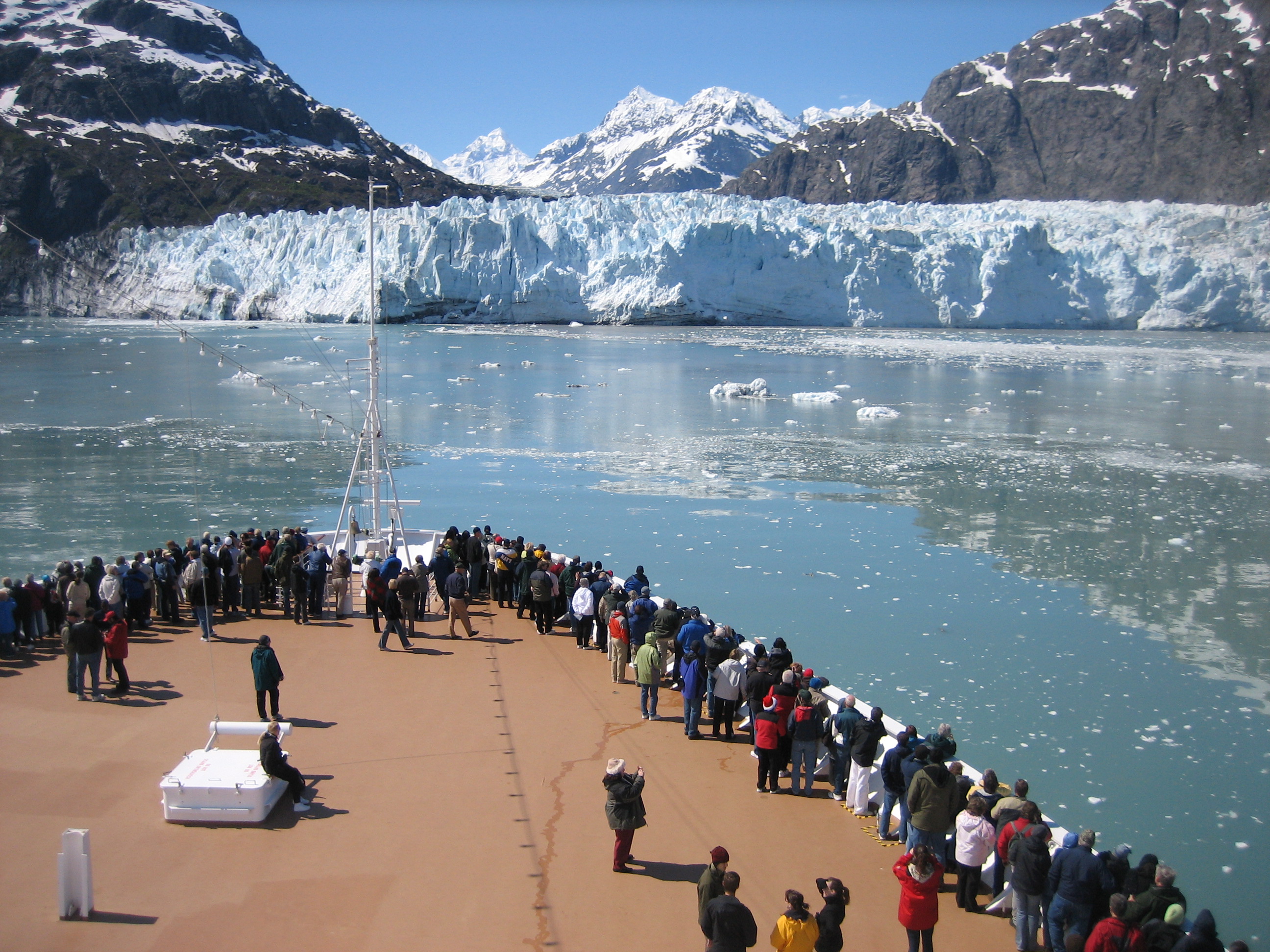
Best of Glacier Bay National Park
The best of Glacier Bay is reached by boat: ranger-led day tours up the bay to the tidewater glaciers. What's worth it, how to book, and when to go (2026).
Campsite Guide
White Sands Backcountry Camping: Closed for 2026 — What to Know
As of 2026, backcountry camping at White Sands National Park is closed for site rehabilitation. What that means, and where to camp nearby instead.
Weather Guide
Guadalupe Mountains National Park Weather: Weather
Guadalupe Mountains National Park: weather guide guide updated 2026. Practical visitor information, reservations, and seasonal tips worth bookmarking before
Best Of
Best of Cuyahoga Valley National Park: Best Things to Do
Seeing a Cleveland Orchestra concert with the woods as your backdrop is a uniquely Cuyahoga Valley experience.
Sign in to join the conversation.
Sources & Attribution
Location data courtesy of the National Park Service (U.S. Department of the Interior). NPS data is public domain. Official NPS page.
Images: NPS; NPS; NPS; NPS; NPS.
Map data © OpenStreetMap contributors.
Park operations alerts: NPS.gov · Weather and weather hazards: National Weather Service · Live conditions.
Information may change. Always verify fees, hours, and conditions directly with the official source before visiting.
Did this guide help? Share it with a friend.