Planning a trip to Dry Tortugas National Park? Your entire visit hinges on one factor: the sea. This isn't a destination you simply drive to. That 70-mile crossing from Key West is the defining weather event of your day—it determines your comfort and whether you even make it to the park.
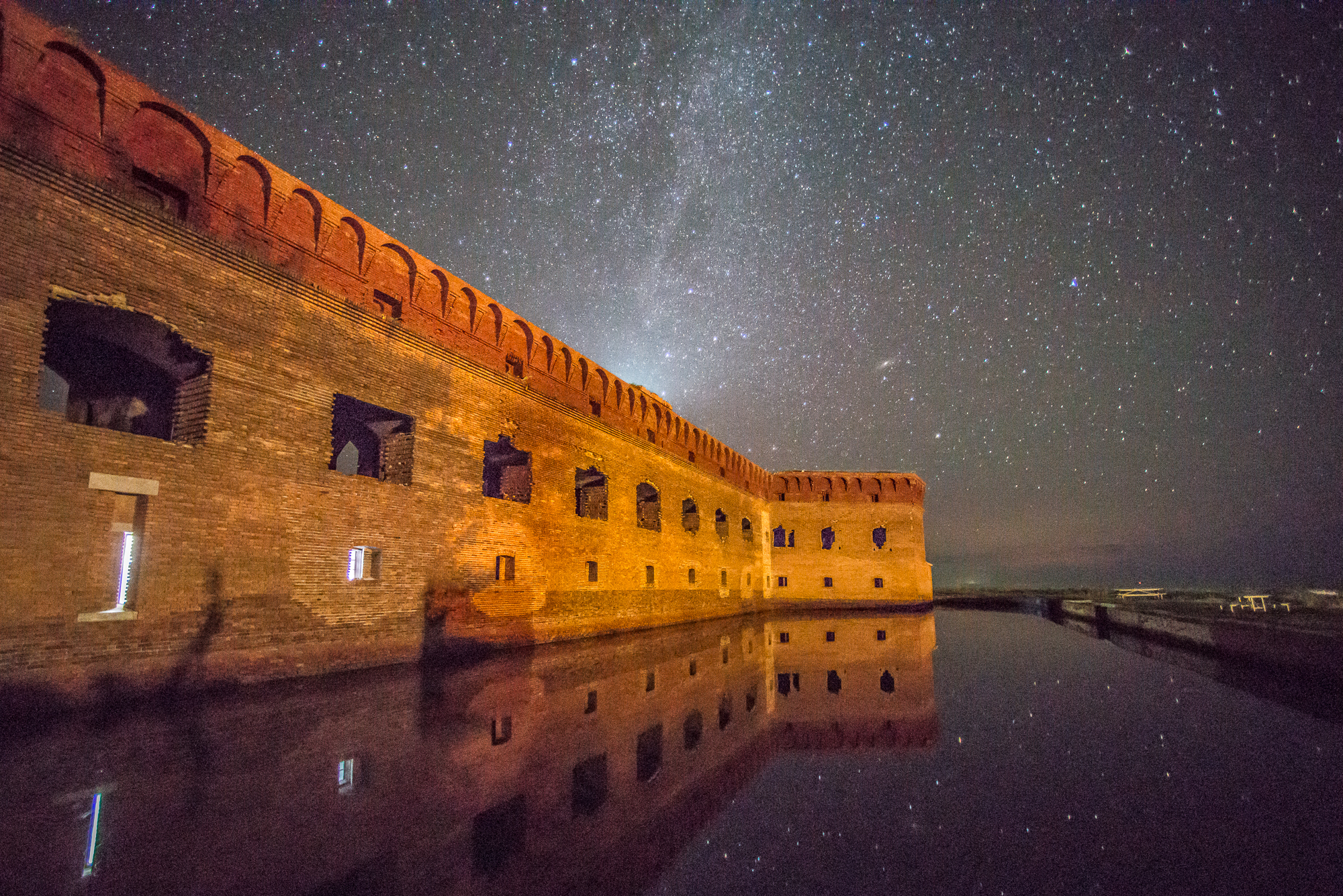
NPS via NPS.gov (Public Domain)
Best Time to Visit Dry Tortugas National Park
8 min read
Weather Guide
Plan your 2026 trip around the sea, not the air. Dry Tortugas' 70-mile crossing dictates your visit. Learn the two distinct seasons and when to go.
For more, see hiking trails and camping options.
The Weather Reality
This is a subtropical climate, which boils down to two realities: true cold is rare, and the ocean calls the shots. Don't put much stock in the official 60°F to 90°F temperature range. What you need to understand are the two distinct seasons, both dictated by the water, not the air.
Winter, from December through March, is the windy season. The term "stormy season" in the park's description refers to frequent cold fronts barreling down from the north, whipping up the Gulf of Mexico. Seas of 4 to 7 feet are common, and the ferry crossing can be rough. The air is milder and drier, yes, but you trade that for a potentially queasy two-and-a-half-hour boat ride each way. Rangers will tell you that winter cancellations due to high seas happen, and they aren't refundable through the park service.
Summer, from June through November, is the tropical storm season. It's hot, humid, and the air feels thick enough to swim through. The sea is often calmer in the morning, but isolated thunderstorms can pop up with little warning. The real risk is a named storm developing, which can shut down all access for days. The water is warmest then, which is great for snorkeling, but the heat on the exposed brick of Fort Jefferson is intense.
What first-time visitors consistently underestimate is the sheer exposure. There is no shade you didn't bring, no fresh water source, and no quick escape if the weather turns. Your experience is a direct product of the day's marine forecast.

Month by Month
December - February (Winter)
* Temperatures: 65°F - 75°F. Nights can dip into the low 60s, which feels cool with the constant wind.
* Conditions: Windy. This is the prime time for rough seas. Northerly winds dominate, making the ferry ride challenging. It's the driest part of the year in terms of rain, but you'll get spray on the boat.
* Crowds: Moderate. Fewer people attempt the crossing, but holiday periods can be busy.
* Wildlife: This is a premier time for birding. Thousands of migratory birds are present, and the nesting season for Sooty Terns and Brown Noddies on Bush Key hasn't yet begun (that closure typically starts in spring).
* The Upside: Lower humidity, fewer bugs, fantastic bird activity.
* The Challenge: The crossing. If you're prone to seasickness, this is the worst time to go. Pack medication and be mentally prepared for a bumpy ride.
March - May (Spring)
* Temperatures: 75°F - 85°F. Humidity begins its steady climb.
* Conditions: The most predictable weather window. Winds begin to subside, seas are generally calmer, and the threat of tropical systems is still months away. Afternoon rain showers become more frequent by May.
* Crowds: High. This is the peak visitation period. The ferry and seaplanes book up far in advance.
* Wildlife: Bird nesting activity intensifies. Note that Bush Key closes to protect nesting birds, typically starting in spring and lasting through fall (as noted in the 2026 closure alert). You'll see the frigatebirds and terns from a distance.
* The Upside: Arguably the best balance of comfortable temperatures, calmer seas, and clear water for snorkeling.
* The Challenge: Everyone else has the same idea. Book everything - ferry, seaplane, campsites - the moment reservations open.
June - August (Summer)
* Temperatures: 80°F - 90°F, with heat indices regularly over 100°F.
* Conditions: Hot, humid, and volatile. Mornings are often still and clear. By afternoon, towering cumulus clouds build and can brief, intense thunderstorms. The sea is usually flat calm in the morning, which is why the ferry departs Key West so early.
* Crowds: Moderate to High. The heat deters some, but summer vacation travel fills spots.
* Wildlife: Sea turtles are active. The coral reefs are vibrant. Mosquitoes and no-see-ums on the islands can be relentless, especially at dawn and dusk.
* The Upside: Warmest water for swimming and snorkeling, excellent underwater visibility, calmer morning seas.
* The Challenge: The heat is no joke. Hydration is a constant task. The fort offers little respite, and afternoon storms can cut a snorkeling session short.
September - November (Fall)
* Temperatures: 75°F - 85°F, slowly cooling from the summer peak.
* Conditions: The peak of hurricane season. This is the biggest gamble. You can have stretches of perfect, calm weather in October. You can also have your trip canceled because a storm is churning in the Caribbean. September is the most active month for tropical systems.
* Crowds: Low to Moderate. The hurricane risk keeps visitor numbers down, creating a quieter experience when the weather cooperates.
* Wildlife: Bird nesting activity winds down. Fall migration brings different species through.
* The Upside: Fewer visitors, warm water, and if you hit a good weather window, it's exceptional.
* The Challenge: It's a roll of the dice. Travel insurance that covers weather cancellations is highly recommended.

Best Times for Specific Activities
For a Smooth Boat Crossing
Aim for late April, May, or early June. The winter winds have faded, and the summer thunderstorm pattern hasn't fully set in. The sea is often at its calmest. Avoid the constant northerly winds of January and February.
For Snorkeling & Diving
June through August provides the warmest, most comfortable water temperatures and typically the highest visibility. The sun is directly overhead, lighting up the coral reefs inside the moat and along the coaling docks. Early morning, before the ferry arrives and stirs up sediment, is prime time.
For Birdwatching
You have two distinct peaks. December through February is for migratory species and general abundance. Spring (March-May) is for observing nesting behaviors, though access to Bush Key itself will be closed. Bring a serious zoom lens; you'll be observing the nesting frenzy from the harbor side of the key.
For Avoiding Crowds
September and October are your best bet, assuming you're willing to monitor the tropics. Weekdays outside of holiday periods in any season will also feel less crowded than weekends.
For Stargazing & Night Sky Photography
Any time of year can be excellent due to the remote, dark location. However, winter months offer clearer atmospheric conditions (less humidity) and longer nights. The Milky Way core is most visible in the summer night sky, but that coincides with higher humidity and a greater chance of haze.

What to Pack by Season
The park's remoteness makes packing a critical safety exercise, not just a comfort one.
All Seasons, No Exceptions:
* Water: At least one gallon per person per day. More in summer. The ferry sells it, but at a premium and supply isn't guaranteed.
* Sun Protection: A wide-brimmed hat, UV-blocking shirt, sunglasses, and reef-safe sunscreen. The sun reflects off the water and the white sand with incredible intensity.
Sea Sickness Remedy: Even on calm days, the 70-mile open-water crossing affects people. Take medication before* you leave the dock.
* Waterproof Bag: For your phone, camera, wallet, and a dry change of clothes.
Winter Additions:
* A windbreaker or light jacket. The ferry ride at speed can be chilly.
* A warm layer for the evening if you're camping.
Summer Additions:
* Electrolytes: Powdered mixes to add to your water.
* Bug Spray: For mosquitoes and no-see-ums, especially if camping.
* A lightweight, long-sleeve sun shirt for snorkeling to prevent back sunburn.
* A poncho or rain jacket for those afternoon pop-up storms.

What the Forecast Doesn't Tell You
- The "Key West" forecast is irrelevant. Always check the marine forecast for the Dry Tortugas region. Wind speed, wave height, and wave period are the numbers that matter.
- The ferry ride out is often calmer than the ride back. Afternoon winds typically pick up. If you felt fine in the morning, don't get overconfident for the return trip.
- The fort creates its own wind tunnel. On a windy day, the shaded interior parade ground can be pleasant, while the exposed upper ramparts are brutally windy. On a still summer day, the fort holds heat and blocks any breeze.
- Rain doesn't mean cold. A passing rain shower in summer will provide a welcome cool-off, but the humidity will spike immediately after. You're not packing for warmth, just for dryness.
- Cell service is virtually non-existent. Your weather app won't update once you leave Key West. The ferry crew and park rangers are your source for any forecast changes.
- The water temperature has a lag. The ocean is warmest in late summer/early fall (August-September) and coolest in late winter/early spring (February-March). A 75°F air temperature in March feels cool when paired with 72°F water.
- Hurricane "season" doesn't mean constant storms. It means conditions are favorable for development. You can have many perfectly clear weeks. The risk is the unpredictability and the long lead time for cancellations.
Practical Takeaways
- Your best time to visit Dry Tortugas National Park is a personal calculation. Prioritize calm seas? Target spring. Want the warmest water? Aim for summer. Seeking active birds? Choose winter. There is no single "perfect" month.
- Book transportation first, everything else second. The ferry and seaplane have limited capacity. Your entire trip hinges on securing this. Campsites are a separate reservation.
- Assume you will get wet. From sea spray on the boat to a sudden rain shower to intentional swimming, plan your gear and electronics accordingly.
- The park's alerts are mandatory reading. As of 2026, Bush Key is closed for nesting, sections of the moat wall are under repair, and the harbor light is out. These directly impact where you can go and what you can do.
- "Isolated storms" means exactly that. A storm can be over Fort Jefferson while the sun is shining on Loggerhead Key. It will pass quickly, but it can be intense.
- Your experience is 70% preparation, 30% weather. You can't control the weather, but you can control your hydration, sun protection, seasickness prep, and expectations. That makes all the difference.
- Always have a Plan B for Key West. Weather cancellations happen. Have a backup list of things to do in Key West for the day, because you'll have advance notice of a canceled ferry or seaplane trip.
For detailed planning on everything from the ferry schedule to what you'll see when you arrive, consult the park's complete visitor guide. If you plan to explore on foot, their guide to the hiking trails (which are more like island walks) is useful. And if you're considering an overnight under the stars, review the unique camping options well in advance.
For more information, see our complete National Park Guide.
Related: how to get to dry tortugas guide
Related: how to go to dry tortugas national park guide
Sources
- Official source: NPS — Dry Tortugas National Park nps.gov/drto/index.htm
Photo Gallery
More to Explore
Park Guide
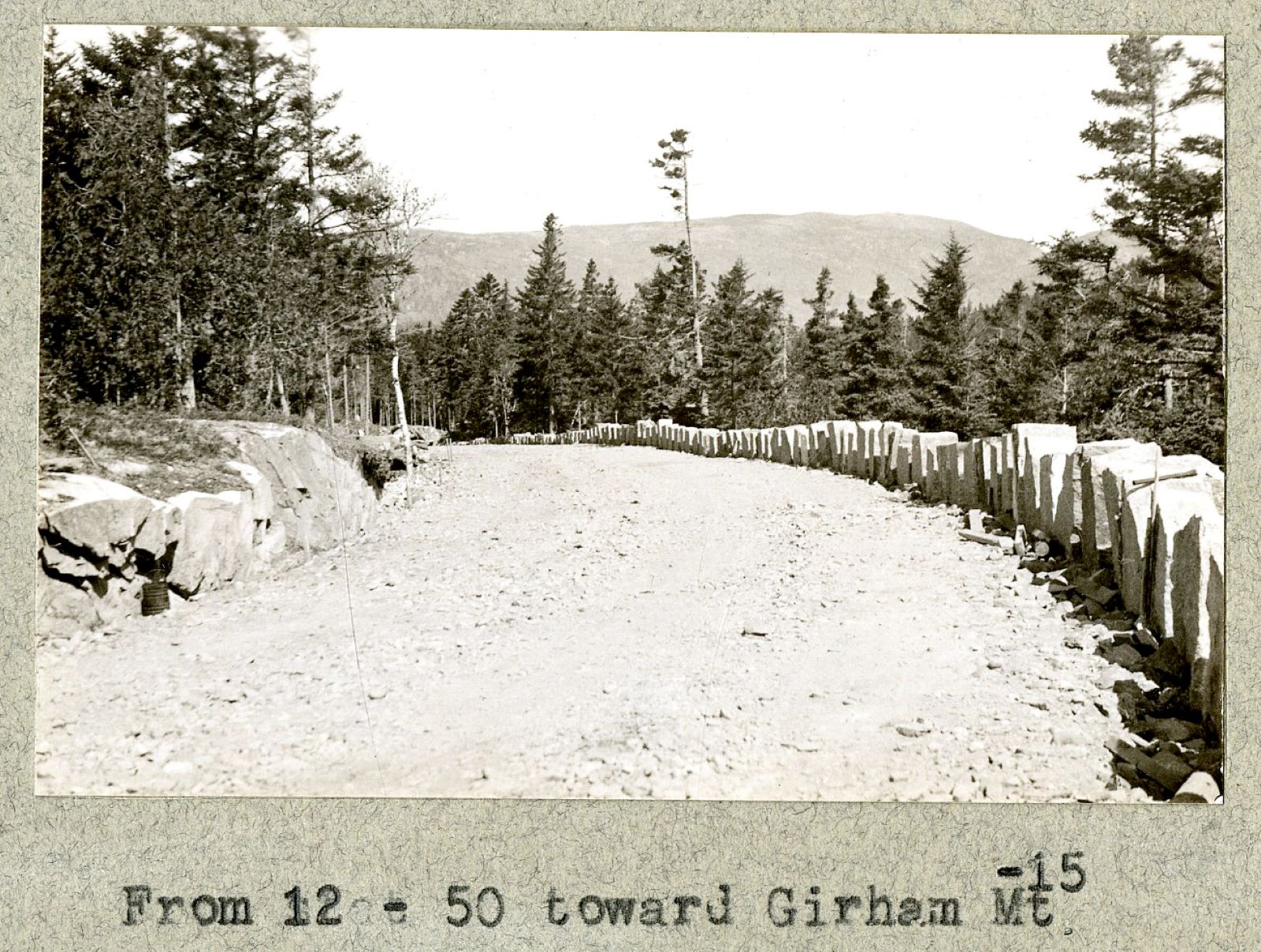
Acadia National Park: Carriage Roads, Cadillac Mountain & 2026 Guide
Discover carriage roads, Cadillac Mountain, and rugged Maine coast. Complete 2026 guide to Acadia National Park — trails, fees, lodging, permits, and what rangers recommend.
Hiking Guide
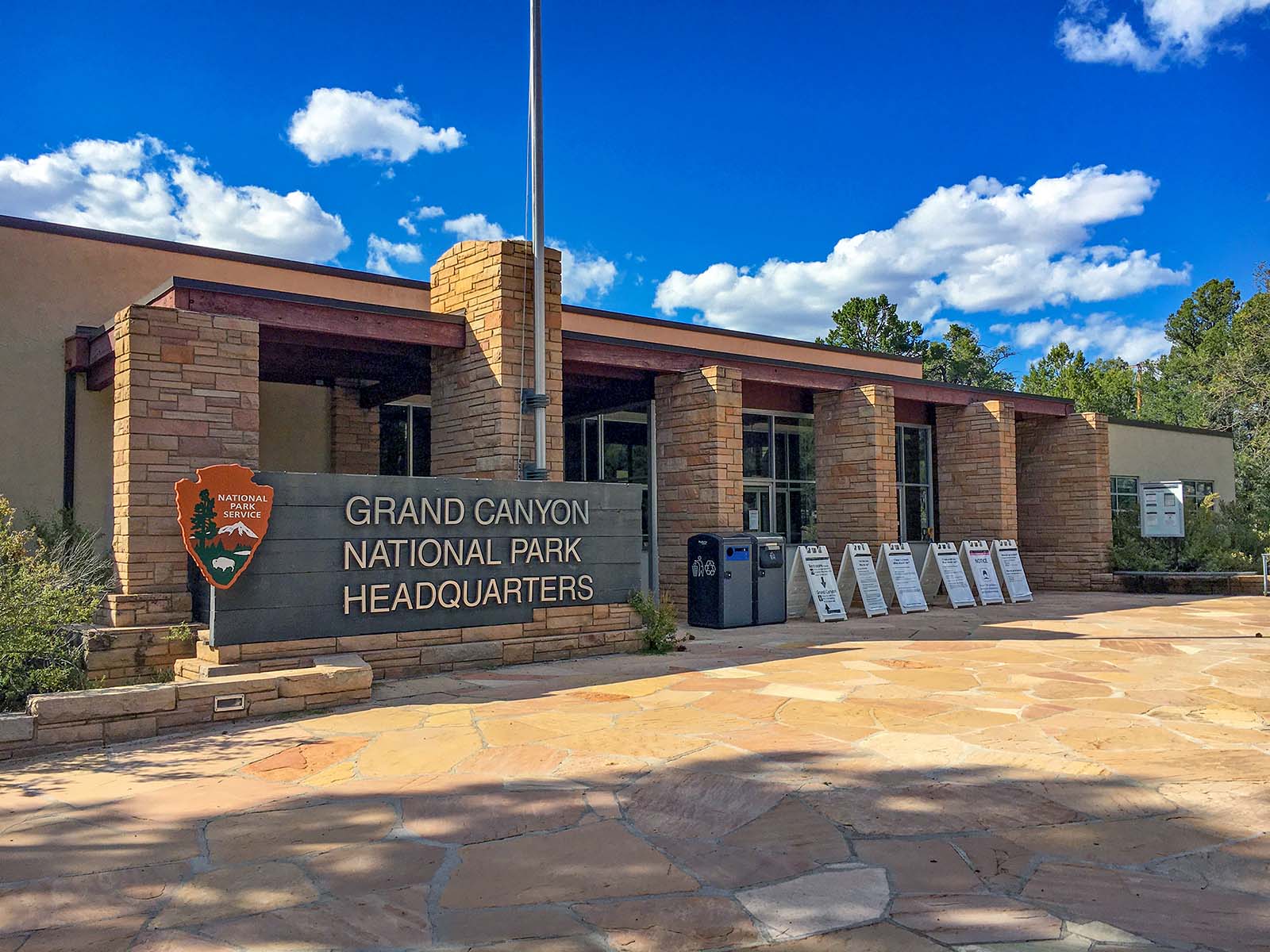
Grand Canyon Hiking Trails: Day Hikes, Water Sources & Rim to Rim
Compare Grand Canyon hiking trails: Bright Angel, South Kaibab, Hermit, Grandview, and rim to rim, with distances, elevation, water stops, and trailhead access for each.
Best Of
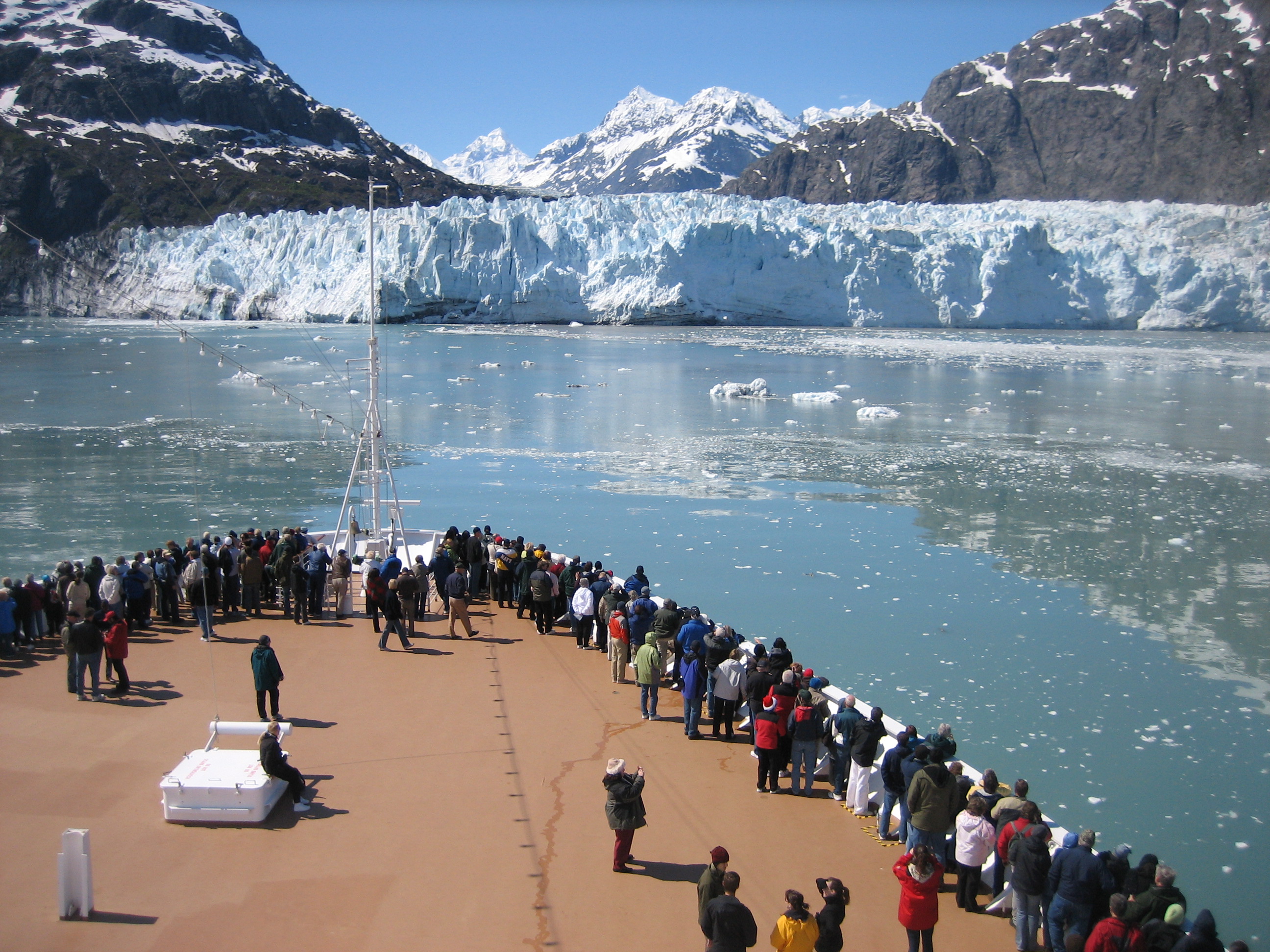
Best of Glacier Bay National Park
The best of Glacier Bay is reached by boat: ranger-led day tours up the bay to the tidewater glaciers. What's worth it, how to book, and when to go (2026).
Campsite Guide
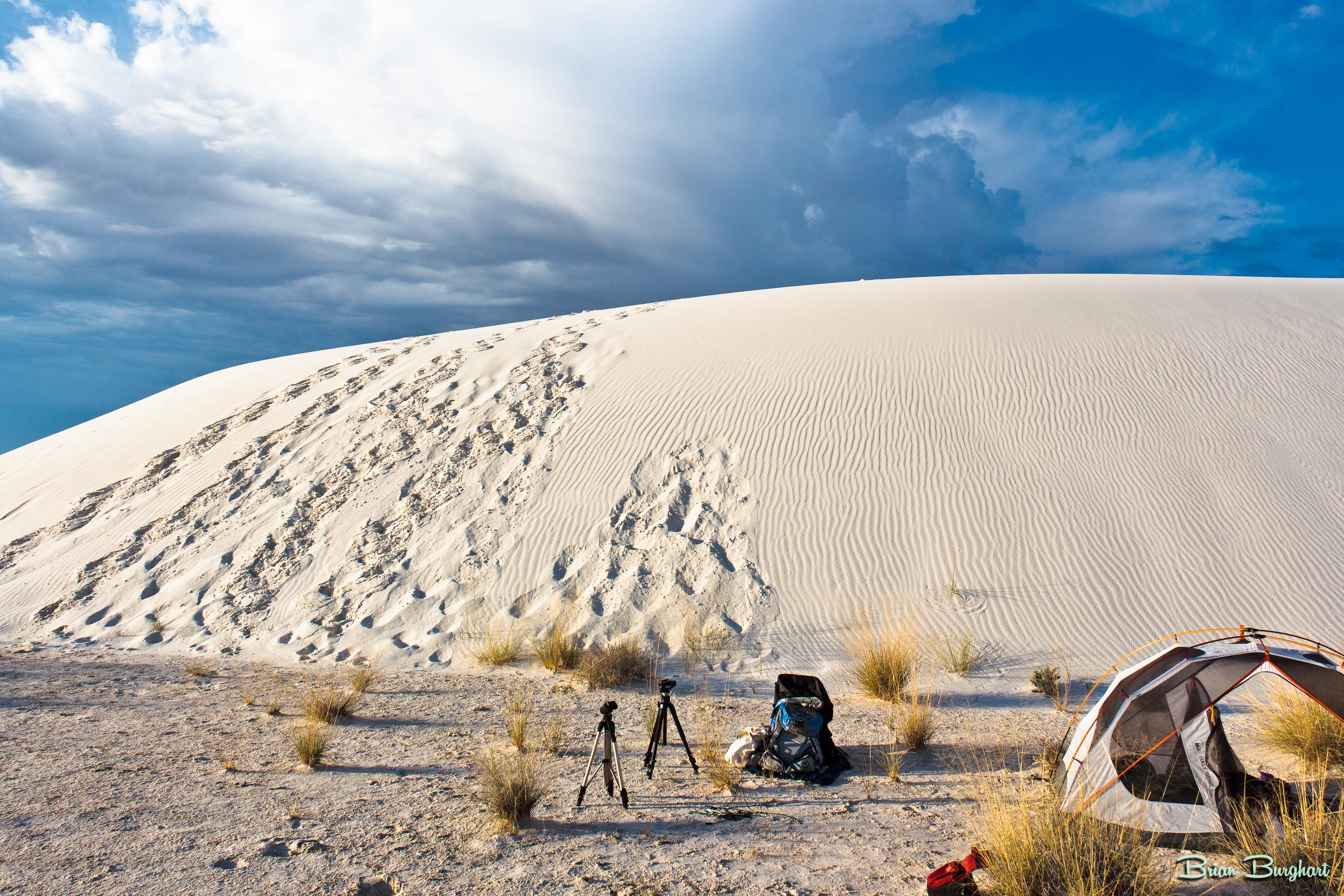
White Sands Backcountry Camping: Closed for 2026 — What to Know
As of 2026, backcountry camping at White Sands National Park is closed for site rehabilitation. What that means, and where to camp nearby instead.
Weather Guide
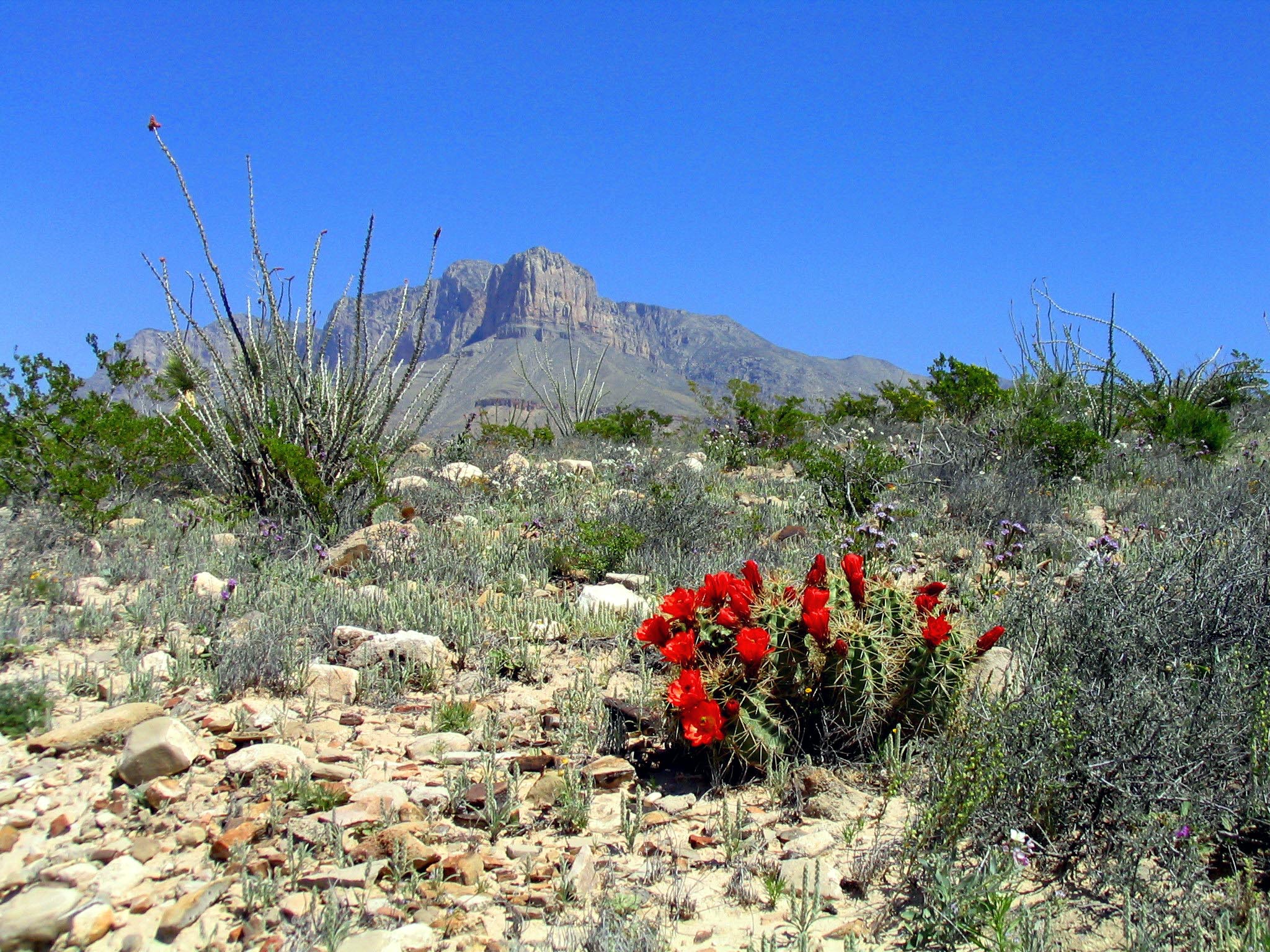
Guadalupe Mountains National Park Weather: Weather
Guadalupe Mountains National Park: weather guide guide updated 2026. Practical visitor information, reservations, and seasonal tips worth bookmarking before
Best Of
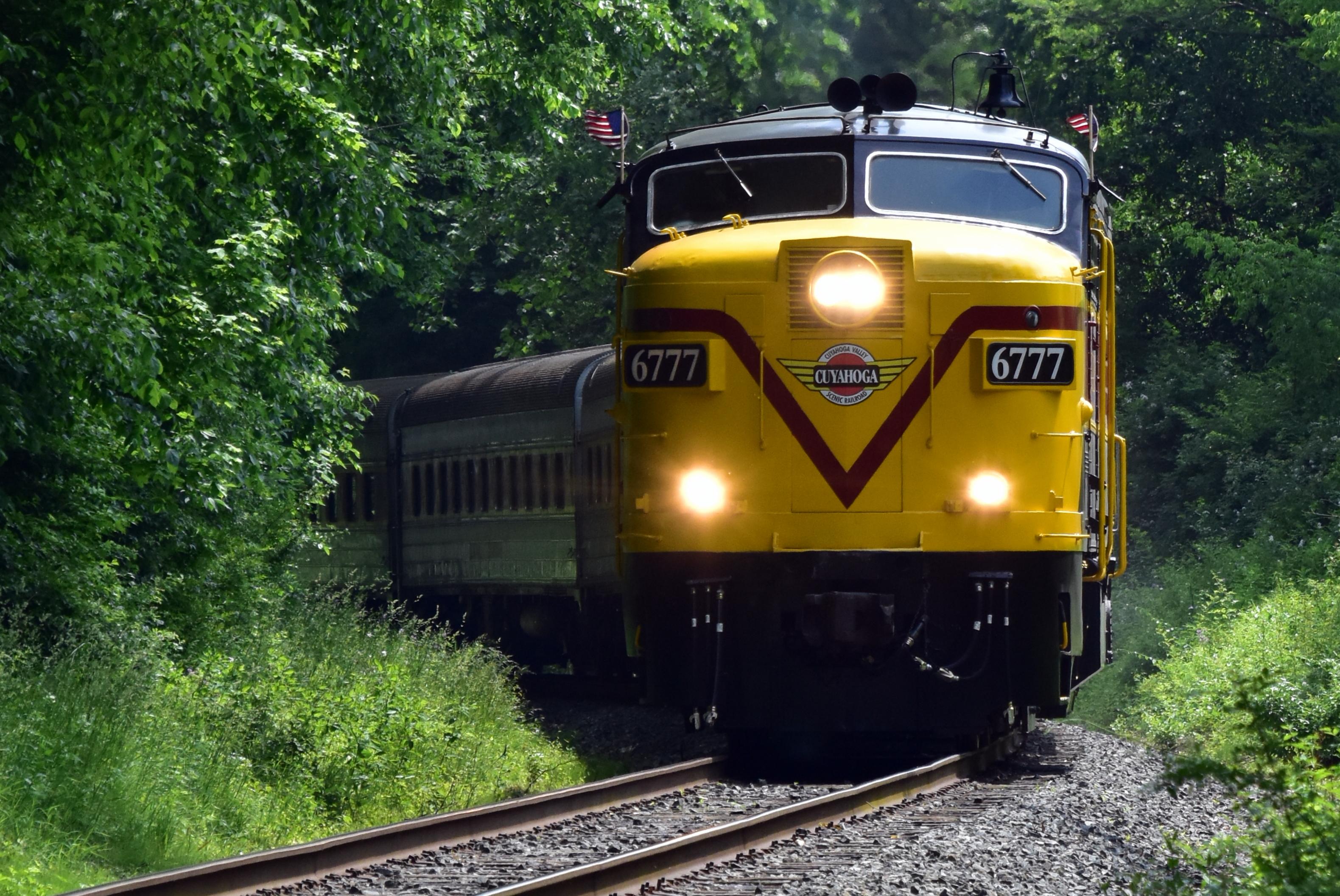
Best of Cuyahoga Valley National Park: Best Things to Do
Seeing a Cleveland Orchestra concert with the woods as your backdrop is a uniquely Cuyahoga Valley experience.
Sign in to join the conversation.
Sources & Attribution
Location data courtesy of the National Park Service (U.S. Department of the Interior). NPS data is public domain. Official NPS page.
Images: NPS; NPS; NPS; NPS; NPS.
Map data © OpenStreetMap contributors.
Park operations alerts: NPS.gov · Weather and weather hazards: National Weather Service · Live conditions.
Information may change. Always verify fees, hours, and conditions directly with the official source before visiting.
Did this guide help? Share it with a friend.