This article contains affiliate links — we may earn a small commission at no extra cost to you.
Advertisement
What Hiking Here Actually Means
Let's be direct: Dry Tortugas National Park is not a hiking destination in the way that Yosemite or Zion are. The park covers 100 square miles, but that's almost entirely open water with seven small islands. The walking here is flat, short, and focused on two things: exploring Fort Jefferson on Garden Key and beach-walking along the island edges. Total trail mileage across the entire park is less than what you'd find at a single medium-sized state park.
Advertisement
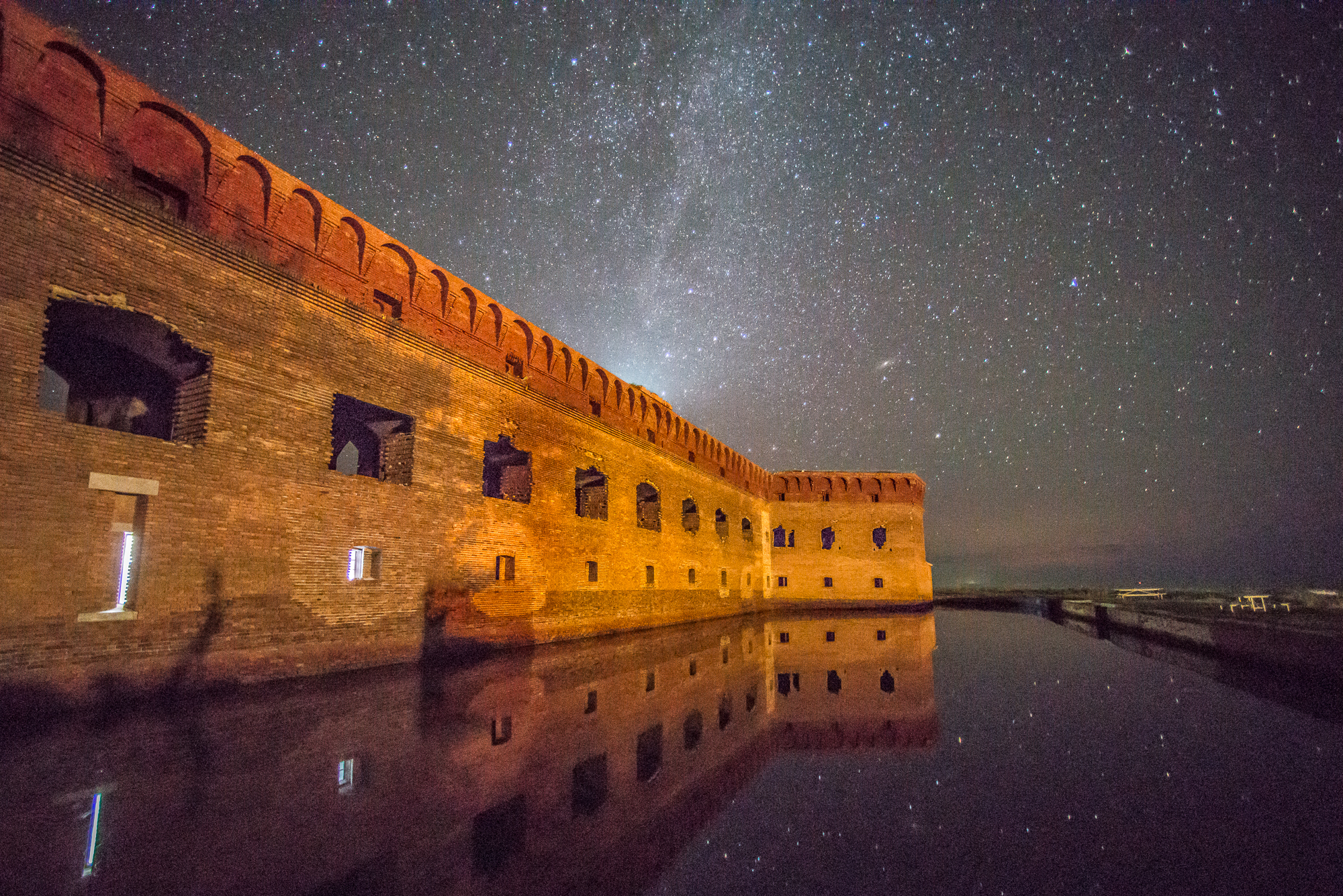
What makes hiking here distinctive is the setting, not the distance. You're 70 miles from Key West. The only way in is by ferry, private boat, charter, or seaplane. The trade-off for limited walking is extraordinary isolation - Fort Jefferson rises out of turquoise water with no development in any direction. First-time visitors consistently underestimate how much the midday heat affects even a one-mile walk. The combination of subtropical sun, reflective white sand, and high humidity means a 90°F day here feels more punishing than 100°F in a dry climate. Plan your walking for early morning or late afternoon. Midday is for snorkeling or sitting in the shade of the fort's archways.
As of 2026, two closures affect on-the-ground exploration. Sections of the moat wall damaged by Hurricanes Irma (2017) and Ian (2022), plus multiple 2024 hurricanes, remain under repair through summer 2026. Follow posted signage - do not cross barricades. The north side of Bush Key is closed through fall 2026 to protect nesting Sooty Terns, Brown Noddies, and Magnificent Frigatebirds. The south side near the harbor remains open.
For a more complete picture of park logistics, including how to get here and what to expect, see the complete visitor guide.
Photo: NPS via NPS.gov (Public Domain)
Garden Key Walking Routes
Fort Jefferson Moat Wall Loop
Distance: Roughly 0.5 miles around the perimeter
Elevation Gain: Essentially zero
Trailhead & Parking: Begins at the main dock on Garden Key. No parking exists - you walk off the ferry or boat directly onto the island.
The Trail: This is a flat, paved walkway that circles the exterior of Fort Jefferson along the moat wall. The surface is wide and even, suitable for all fitness levels. The closure of sections through summer 2026 means you cannot complete the full loop - expect to reach barricades and turn back. What remains open gives you the classic view of the fort's six-sided brick walls rising from the moat, with water so clear you can see sea turtles and tarpon moving through the channel. The walk is exposed to full sun with almost no shade.
The Moment: Standing at the southeast corner just after sunrise, when the fort's shadow falls across the moat and the water turns the color of pale green glass. You can see all the way to the bottom - 20 feet down in places.
What Most Underestimate: The heat radiating off the brick walls and paved surface. Even on a moderate day, this walk feels 10 degrees hotter than the air temperature. Sunscreen is not optional.
Best Time: Sunrise to 9:30 AM. After that, the sun angle eliminates all shade and the heat becomes oppressive. Also worth doing in the last hour before sunset, when the brick catches warm light.
Garden Key Nature Trail
Distance: Approximately 0.75 miles one way
Elevation Gain: Flat
Trailhead & Parking: Starts behind the Fort Jefferson visitor center area, heading toward the southeast beach.
The Trail: This is a sandy path crossing the interior of Garden Key from the fort toward the island's southeast shoreline. The surface transitions from packed sand near the fort to loose sugar-sand closer to the beach - the kind that makes each step slide back half an inch. The trail passes through low coastal vegetation: sea grape, bay cedar, and salt-tolerant shrubs that provide the only real shade on the island. Bird activity is constant. You'll hear Magnificent Frigatebirds cracking their bills overhead before you see them. The trail dead-ends at a small beach facing the open Gulf. This is the best spot on Garden Key for a quiet lunch away from the ferry crowds.
The Moment: About halfway in, when the fort disappears behind vegetation and the sound of other visitors fades. For a few minutes, you could be on any deserted tropical island.
What Most Underestimate: The loose sand. This 0.75 miles in soft sand requires more effort than 2 miles on hardpack. Figure 20-30 minutes each way.
Best Time: Late afternoon, around 4:30-5:30 PM. The light angle cuts through the vegetation and the heat has moderated. The ferry crowds have usually cleared out by then.
Garden Key Southeast Beach Walk
Distance: About 0.3 miles of continuous beach, with additional walking along the waterline at low tide
Elevation Gain: None
Trailhead & Parking: Accessible from the nature trail or by walking around the fort's south side
The Trail: This isn't a maintained trail but a beach-walking route along Garden Key's southeast-facing shore. The sand varies from firm-packed near the waterline to soft and deep higher up. At low tide, the exposed sandbar extends the walkable area considerably. The beach faces open water, so waves here are larger than on the harbor side. This is also where you'll find the best shelling - though park regulations prohibit removing any natural materials, so look but don't collect.
The Moment: Wade out to the sandbar at low tide. Stand facing away from the fort. There is nothing between you and the Yucatán Peninsula except 600 miles of open Gulf of Mexico.
What Most Underestimate: The tide matters. At high tide, the beach narrows to just a few feet. Time your visit to the tide schedule posted at the visitor center.
Best Time: Two hours before and after low tide. Early morning is best for bird activity.
Photo: NPS via NPS.gov (Public Domain)
Loggerhead Key
Loggerhead Key Trail
Distance: Approximately 1.2 miles from the west beach landing to the lighthouse and back
Elevation Gain: Flat
Trailhead & Parking: Accessible only by private boat or charter. There is no concession ferry service to Loggerhead Key. Anchor off the west beach and wade ashore.
The Trail: Loggerhead Key is the largest island in the park at roughly half a mile long, but it gets far fewer visitors than Garden Key. The primary walking route runs from the west beach landing area across the island to the historic Loggerhead Key Lighthouse on the east end. The surface is a mix of packed coral sand and grass flats - easy walking compared to Garden Key's soft sand. Vegetation is sparse and low, so shade is almost nonexistent. The lighthouse was built in 1858 and automated in 1938. You can walk up to the base but cannot enter. The island also has the remains of the Carnegie Institution's marine laboratory, active from 1904 to 1939.
The Moment: Standing at the lighthouse looking west across the island. You see the entire island at once - all green and white against impossibly blue water - with Fort Jefferson visible as a small tan shape on Garden Key to the east.
What Most Underestimate: You need your own boat. There is no scheduled transportation to Loggerhead Key. Private boaters should check the Garden Key Harbor Light status - as of 2026 it is extinguished and under repair, so navigation at night is more challenging.
Best Time: This island rewards overnight visits. The ferry crowd goes back to Key West, and Loggerhead Key gets quiet. Late afternoon light on the lighthouse is exceptional.
Photo: NPS via NPS.gov (Public Domain)
Seasonal Trail Conditions
The seasonality here affects walking conditions differently than at mainland parks.
December through March brings the winter stormy season. Winds pick up, seas get rougher, and the ferry ride becomes an event in itself - expect swells of 4-6 feet on the crossing. On the islands, the benefit is cooler temperatures. Highs stay in the 60s to low 70s. Walking conditions are actually ideal: no heat stress, firmer sand from higher humidity, and fewer bugs. The trade-off is that ferry cancellations happen more frequently due to wind. If you're on a tight schedule, build in a buffer day.
April through May is the sweet spot. Temperatures are warm but not punishing (70s to low 80s), winds have moderated, and the summer crowds haven't arrived. Ferry cancellations are rare. This is the window for comfortable all-day walking on the islands.
June through November is the tropical storm season. Isolated storms are common - afternoon downpours that blow through in 20 minutes then leave blazing sun. Heat and humidity peak from July through September. Highs hit 90°F and the humidity makes it feel like walking through wet wool. If you're hiking in these months, start before sunrise. Carry two to three times the water you think you need. The best time to visit guide has more detail on monthly conditions.
Year-round factor: The sun reflecting off white sand and water increases UV exposure significantly. Sun protection isn't optional at any time of year.
Photo: NPS via NPS.gov (Public Domain)
Trailhead Logistics
There is one trailhead that matters for most visitors: the Garden Key dock. The ferry from Key West (Yankee Freedom III) arrives daily. You walk off the boat and you're at the trailhead. No shuttle, no parking lot, no approach road.
For private boaters accessing Loggerhead Key, the west beach landing is your trailhead. There is no dock on Loggerhead Key. You anchor offshore and wade in through the surf. Pick a calm day - the west side of the island takes the full force of any swell.
Cell service drops completely about 10 miles out of Key West. On the islands, you'll have no signal at all. The park's concession ferry has satellite-based communication, but you personally will be offline from departure until you're back within range of Key West. Download all maps, tide charts, and information before you leave.
There are no water sources on any island. The ferry brings its own supply. Campers need to bring all their water - figure one gallon per person per day minimum. The park store on Garden Key sells bottled water, but supply can run low on busy days.
Rangers lead guided tours of Fort Jefferson multiple times daily. These cover about 0.3 miles of walking within the fort structure. The tour is worth doing for the context it provides, but it's not hiking. The ranger station is on Garden Key near the main dock - stop in for current trail conditions, tide schedules, and bird closure updates.
What to Carry
The carry requirements here are unusual because the walking is short but the environment is extreme.
Footwear: Lightweight trail runners or sturdy sandals with heel straps. You don't need boots. The walking is flat and short. What you need is footwear that handles loose dry sand without destroying your feet. Closed-toe trail runners are best if you're walking the nature trail or beach regularly. Chacos or Tevas work fine for beach walking but won't protect your toes against the sharp edges of coral rock on the moat path. Water shoes are adequate for the beach but not for the paved moat walk in midday heat - the pavement gets hot enough to be uncomfortable through thin soles.
Sun Protection: Wide-brim hat, not a ball cap. Sunglasses with polarization. SPF 50+ sunscreen, and bring more than you think you need. The combination of direct sun and reflected light off sand and water means you're getting UV from above and below. Reapply every 90 minutes if you're sweating.
Water: One liter per hour of active walking. If you're on the island for a full day, carry at least three liters. The ferry provides water for day visitors, but you want it on you, not back on the boat.
Navigation: The islands are small enough that getting lost isn't possible. But know which areas are closed. The Bush Key bird closure applies to the north side through fall 2026. Respect it - the nesting colonies of Sooty Terns and Brown Noddies here are among the largest in the hemisphere.
Other: Dry bag for electronics if you're arriving by boat. Camera with zoom lens for birds - a Magnificent Frigatebird in flight with its wingspan of over seven feet is worth capturing. Snorkel gear if you want to combine walking with time in the water. The coral reefs around Garden Key are better than what you'll find at most Keys snorkel spots.
Practical Takeaways
The walking here is measured in tenths of miles, not miles. Shift your expectations. This is a place to explore a single fort thoroughly and walk a few beaches, not to rack up distance.
The midday sun between 11 AM and 3 PM from April through October makes walking unpleasant regardless of the distance. Plan your island walking for the edges of the day and use midday for swimming, snorkeling, or sitting in the fort's interior shade.
The moat wall partial closure through summer 2026 means you cannot loop the fort. The section near the coal dock entrance is the main affected area. Rangers have posted clear signage - please follow it. The closed sections are genuinely unsafe, not just inconvenient.
Bush Key's north side closure for bird nesting runs through fall 2026. Boaters must stay 100 feet from the island's mean low tide line. The south side near the harbor remains open, but the best bird viewing is on the closed north side. Bring binoculars and watch from the water.
Ferry day trips give you roughly four to five hours on the island. That's enough to walk the entire open area of Garden Key twice, take the fort tour, eat lunch, and snorkel for an hour. Campers get the full experience, including evening and early morning walking conditions that day visitors miss.
The park service encourages visitors to report migrant landings. As of 2026, Cuban migrants continue to arrive by boat from Cuba. This does not affect your ability to walk the island, but you may observe migrant groups. Maintain distance and notify a ranger or the ferry crew.
Loggerhead Key is worth the effort if you have your own boat. The island receives roughly 5% of the visitation that Garden Key gets. The walking paths are quieter, the birding is better, and the lighthouse is one of the park's most photogenic structures.
There are no trash facilities on the trails. Everything you carry in, you carry out. The park operates a strict carry-in, carry-out policy across all islands. This includes food waste, which attracts seabirds and disrupts nesting.
Winds pick up noticeably in the afternoon, especially from December through March. A gusty 20-knot wind makes walking on the exposed beaches feel like leaning into a wall. It also kicks up sand that finds its way into everything. A pair of clear swim goggles is not a terrible addition to your pack during windy months.
For those staying overnight, check the camping options guide for site availability and reservation details. Camping here transforms the experience - empty beaches at sunset and the darkest night sky within 100 miles of Key West make the extra logistics worthwhile.
Recommended Gear
What experienced visitors bring to Guide To Dry Tortugas: Complete Guide (2026)
Links may earn us a commission at no extra cost to you. We only recommend gear we believe in.