For more, see hiking trails and lodging and accommodations.
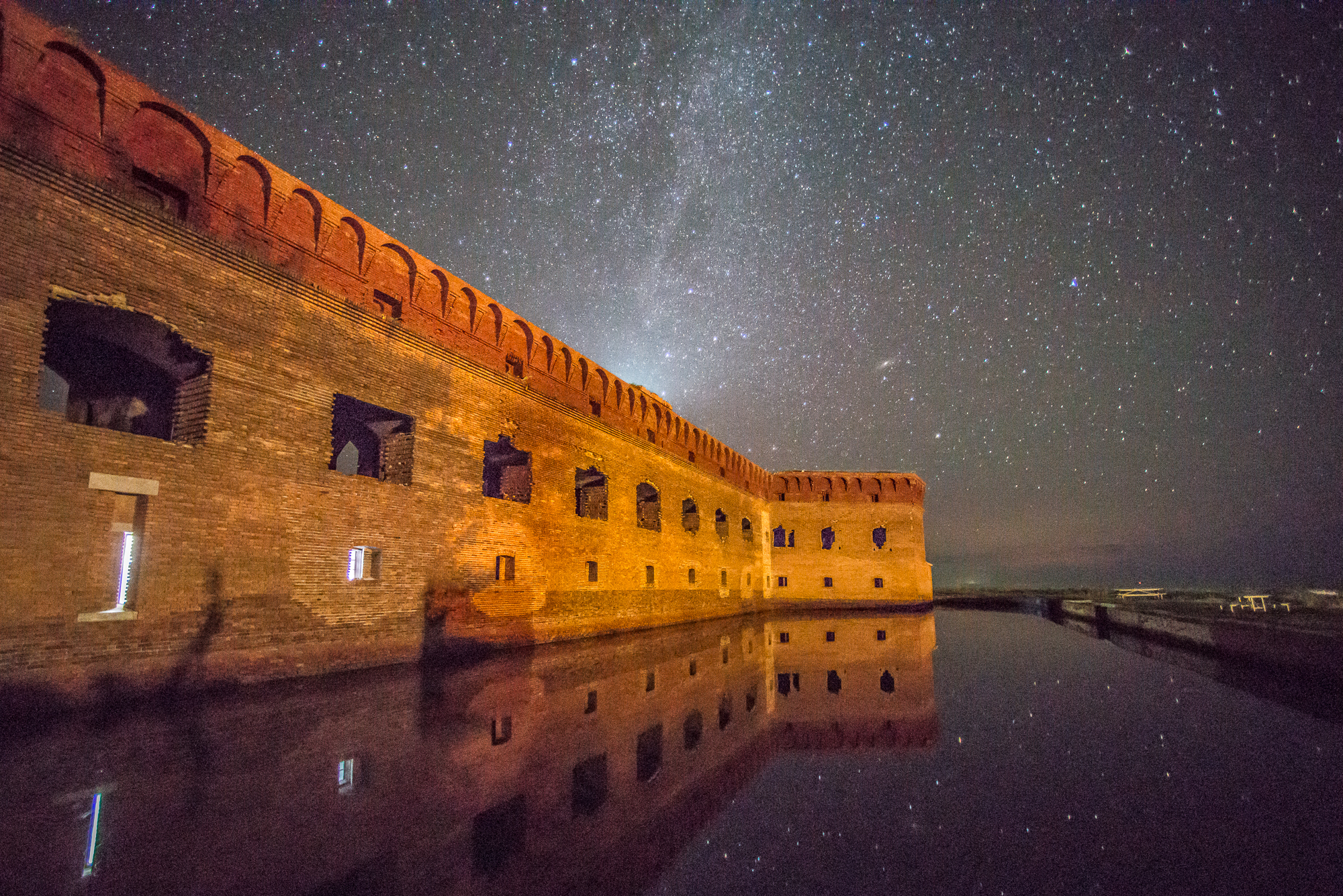
NPS via NPS.gov (Public Domain)
How To Book Dry Tortugas Camping: Complete Guide (2026)
8 min read
Camping Guide
Complete 2026 camping guide for Dry Tortugas National Park. Campground locations, reservation tips, site selection, and what to know before you arrive.
Your plans
This article contains affiliate links — we may earn a small commission at no extra cost to you.
Securing a campsite at Dry Tortugas National Park requires understanding one non-negotiable fact: there is no online booking. The ten primitive sites on Garden Key operate on a first-come, first-served basis, contingent upon obtaining both a ferry ticket and a camping permit through a deliberate, multi-step process. Many first-time visitors underestimate this logistical sequence. Arriving with just a tent guarantees nothing.
The Booking Reality
You are not booking a campsite. You are booking a ferry ticket, and then you are securing a camping permit. The entire system hinges on the ferry operated by the park's official concessioner. As of 2026, the ferry releases its schedule and tickets approximately 11 months in advance, and popular dates - especially weekends from December through April - sell out within days, sometimes hours.
Once you have a confirmed ferry ticket, you must then call the park's main phone line to reserve a camping permit. Rangers will tell you to call no earlier than two weeks before your departure date. There is no online portal for this. You call, you speak to a ranger, and if a site is available for your dates, they put your name on a list. The permit itself is issued and paid for in cash on the day of departure at the ferry terminal in Key West. No ferry ticket, no permit. No permit, no camping. It's a sequential lock that frustrates many first-time planners.
Walk-in availability is a myth here. The ferry has a finite number of passenger spots, and they are all reserved. There is no standby line for hopeful campers. Private boaters have a different, self-registration process at the island, but they are competing for the same ten sites. On any given night from November to May, assume all sites are taken.

Campground at a Glance
| Detail | Garden Key Campground |
|---|---|
| Total Sites | 10 primitive sites |
| Site Types | Tent-only (no RVs) |
| Reservation System | First-come, first-served permit (requires ferry ticket) |
| Operational Season | Year-round |
| Fee (as of 2026) | $15 per site, per night + $15 per person park entrance fee |
| Elevation | Essentially sea level |
| Hookups | None |
| Nearest Services | None on island. All food, water, and fuel must come with you from Key West. |

Garden Key Campground: Complete Guide
Setting and Atmosphere
Forget any notion of a typical campground. You'll be on a 16-acre island of sand, coral rubble, and historic masonry, a full 70 miles from the nearest supply point. The environment here is shaped by three constant forces: wind, sound, and profound isolation.
The wind is relentless. It probes every seam of your tent fly, ensuring a night-long chorus of flapping nylon. Winter brings strong, cold northerlies, while the summer breeze offers the only respite from the stifling humidity. Your auditory backdrop combines lapping waves, the distant thrum of the ferry's generator (which quiets around 2200 hours), and the relentless calls of seabirds. Colonies of sooty terns on Bush Key generate a cacophonous din from spring into fall. After dark, the sky reveals its true depth—unobstructed, immense, and crystal clear, as befits a certified Dark Sky location.
The ground is hard-packed sand and crushed coral. You will not be driving stakes into soft soil. Bring sand stakes or plan to tie off to the picnic table. Shade is non-existent at the sites themselves. The only trees are near the fort, not the campground.
Site-by-Site Breakdown
The ten sites are arranged in a rough line along the island's southwestern beach, with numbers 1-3 closest to the fort and the ferry dock, and numbers 8-10 farthest out. The choice is primarily about trade-offs.
Sites 1-3 are the most convenient and the least private. You are a one-minute walk from the dock, the restroom, and the freshwater spigot (located near the dock). This is crucial if you need to refill water jugs multiple times a day. You are also in the path of day visitors exploring the beach near the fort, and you'll hear all the dock activity. These sites feel more exposed.
Sites 4-7 are the middle ground. You get a bit more distance from the comings and goings, but you're looking at a three to five-minute walk with all your gear to the water spigot. That walk feels longer in the afternoon sun with a 5-gallon jug.
Sites 8-10 offer the most privacy and the best sense of isolation. You are farthest from the dock noise and the day visitor foot traffic. The trade-off is a serious haul for water - a six to eight-minute walk each way across uneven ground. If you are fully self-contained with all your water, these are the prized spots. Site 10 is particularly sought-after for its relative seclusion.
There are no "bad" sites, as every one has direct beach access and a front-row view of the sunset over the Gulf of Mexico. Your decision hinges on how much you value convenience versus solitude.
Facilities and Realities
The facilities are starkly primitive. There are two composting toilets for the entire campground. They are generally clean but basic. There are no showers. There is no sink for washing dishes.
The single source of potable water is a spigot on the main dock. The water is produced by a reverse-osmosis system and is safe to drink. This is not a place to test your water filter on questionable sources - your life depends on this one spigot. Rangers emphasize that you must bring robust containers to transport water from the dock to your site. Collapsible jugs are popular.
What the booking site doesn't show is the sheer logistical weight of everything. You must carry all your gear, food, and water from the ferry, across the dock, and down the beach to your site. The ferry crew helps unload, but you are doing the walking. There is no wagon service. Pack light, but pack for complete self-sufficiency. Also, the moat wall around Fort Jefferson is damaged in sections and closed for repairs - don't plan on using it as a shortcut.

Reservation Strategy
Your strategy has two phases: ferry first, permit second.
Phase 1: Secure the Ferry Ticket. When the ferry schedule opens (roughly 11 months out), book your round-trip passage immediately. You want the "Camping" ticket option, which typically allows for up to three nights on the island. The ferry is your lifeline; without it, nothing else happens. Set a calendar reminder for when your target dates are expected to open for sale.
Phase 2: Secure the Camping Permit. Mark your calendar to call the park at (305) 242-7700 exactly two weeks before your departure date. Call early in the morning. Have your ferry confirmation number ready. The ranger will check site availability for your specific nights. If you're going for three nights, you might get a "maybe" if only two nights are contiguous - be flexible. They will take your name and note your requested site number preference. This call is your reservation.
Phase 3: Finalize on Departure Day. Arrive at the ferry terminal in Key West at least 90 minutes before departure. Find the ranger station window. Pay for your camping permit in cash (as of 2026, it's $15 per site per night). They will issue your permit, assign you a specific site (honoring your preference if possible), and give you a briefing. Do not be late.
For private boaters, the process is different: you self-register at the kiosk on Garden Key dock. Payment is cash or check in an envelope. You are still competing for the same ten sites, so early arrival is key, especially in peak season.

What to Know Before You Arrive
Water is Everything. The park's official guidance is to bring 1 gallon of water per person, per day, plus extra for cooking. Experienced campers bring 2 gallons per person, per day. Dehydration happens fast in the sun and wind. Your plastic jugs must be sturdy.
Food Storage is Critical. This is a raccoon paradise. The raccoons on Garden Key are clever, bold, and will unzip your tent. All food, trash, and scented items (including toothpaste) must be stored in the provided heavy-duty lockers at each campsite the moment you are not actively using them. Not at night - always.
There Are No Trash Cans. You must pack out every scrap of your trash, including organic waste. The ferry will take it back to Key West. Bring extra heavy-duty bags.
Weather Dictates Everything. The ferry does not run in severe weather. If your return trip is canceled due to high seas, you will stay on the island longer than planned. Always pack at least one extra day's worth of food and water. In summer, heat and humidity are oppressive; in winter, wind and sudden cold fronts are common.
Cell Service & Power. Cell service is virtually non-existent. There is no Wi-Fi. There are no electrical outlets for public use. The ferry dock has a single outlet that is often occupied by crew charging safety equipment - do not rely on it. Bring battery packs.
Quiet Hours & Generators. Quiet hours are from 10 PM to 6 AM. The ferry's generator shuts off around 10 PM, plunging the island into near-total silence (besides the wind and waves). Personal generators are prohibited.
Practical Takeaways
- You are booking a ferry ticket first, a camping permit second. They are separate transactions.
- Ferry tickets for peak seasons sell out months in advance. Plan your how to visit Dry Tortugas logistics nearly a year out.
- Call for your camping permit exactly two weeks before your ferry departure date. No earlier.
- Bring cash for the camping permit fee, paid at the ferry terminal on departure day.
- Your packing list is a survival list: focus on water (2 gallons/person/day), sturdy food storage, and pack-out trash bags.
- Site selection is a trade-off between convenience (water access) and privacy. Know your priority.
- There are no showers, no electricity, and no cell service. Plan for complete disconnection.
- All food and scented items go in the campsite locker at all times. The raccoons are professionals.
- Pack for a weather delay. Bring extra food and water.
- For more context on what to do once you're there, review the complete visitor guide and details on the limited hiking trails. If camping isn't for you, research lodging and accommodations in Key West.
This is the most logistically challenging camping trip in the National Park System. It is also one of the most rewarding. The effort to figure out how to book Dry Tortugas camping is the price of admission for nights spent under a blanket of stars, with only the sound of the waves against the shore of a remote fortress.
For more information, see our complete National Park Guide.
Related: how to get to dry tortugas guide
Related: how to go to dry tortugas national park guide
Recommended Gear
What experienced visitors bring to How To Book Dry Tortugas Camping: Complete Guide (2026)
Links may earn us a commission at no extra cost to you. We only recommend gear we believe in.
Hiking Essentials
Hydration Pack (3L)
Hands-free water for long trail days
Trekking Poles (Pair)
Save your knees on steep descents
Hiking Boots (Ankle Support)
Sturdy footwear for rocky, uneven trails
Sun & Heat Protection
Wide-Brim Sun Hat
Full coverage UPF 50+ protection at altitude
Insulated Water Bottle (32oz)
Keeps water cold in desert heat all day
Electrolyte Mix Packets
Replace what water alone cannot during intense heat
Winter Gear
Microspikes / Traction Devices
Essential for icy rim trails in winter months
Packable Down Jacket
Lightweight warmth that stuffs into a pocket
Sources
- Official source: NPS — Dry Tortugas National Park nps.gov/drto/index.htm
Photo Gallery
More to Explore
Park Guide
Acadia National Park: Carriage Roads, Cadillac Mountain & 2026 Guide
Discover carriage roads, Cadillac Mountain, and rugged Maine coast. Complete 2026 guide to Acadia National Park — trails, fees, lodging, permits, and what rangers recommend.
Hiking Guide
Grand Canyon Hiking Trails: Day Hikes, Water Sources & Rim to Rim
Compare Grand Canyon hiking trails: Bright Angel, South Kaibab, Hermit, Grandview, and rim to rim, with distances, elevation, water stops, and trailhead access for each.
Best Of
Best of Glacier Bay National Park
The best of Glacier Bay is reached by boat: ranger-led day tours up the bay to the tidewater glaciers. What's worth it, how to book, and when to go (2026).
Campsite Guide
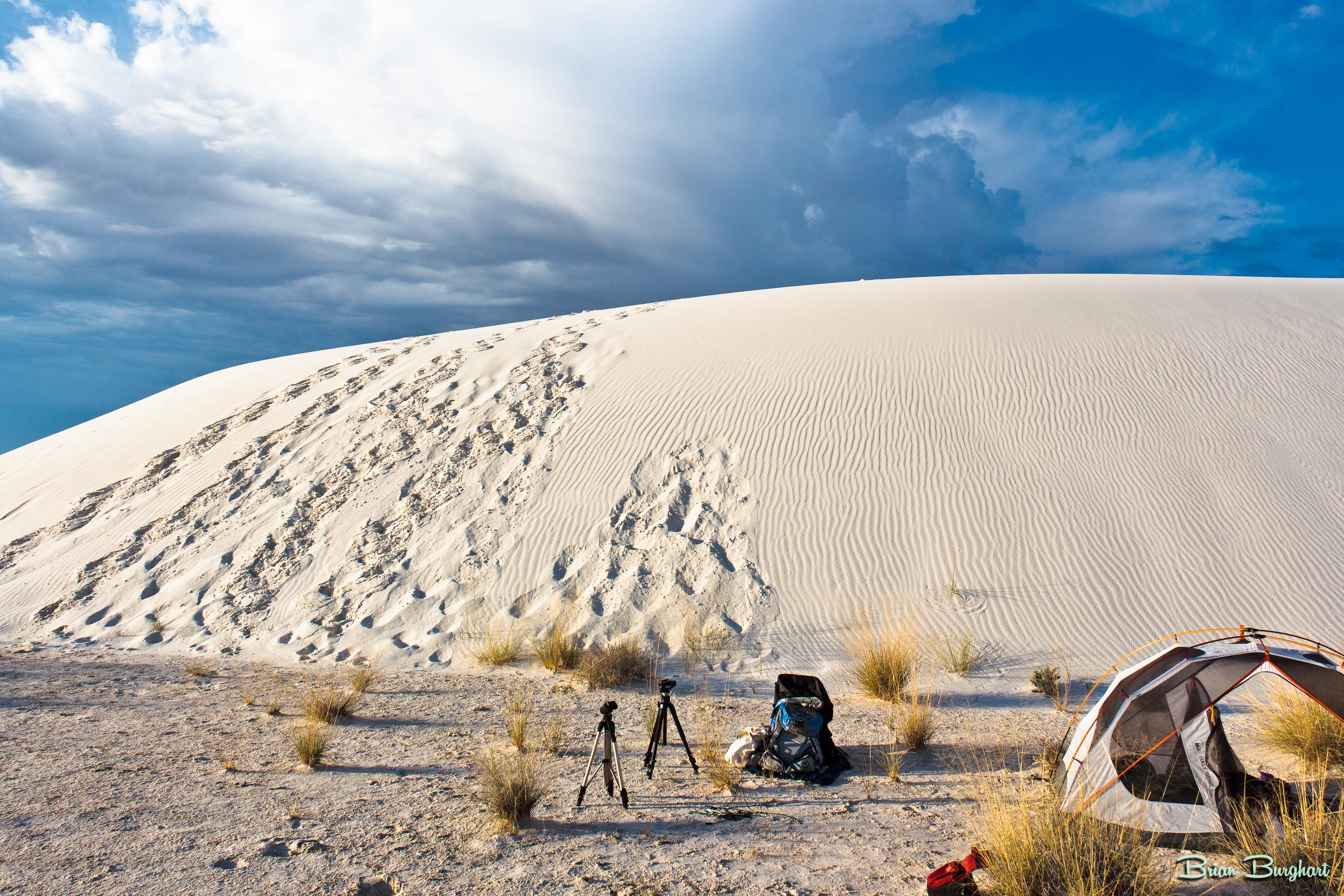
White Sands Backcountry Camping: Closed for 2026 — What to Know
As of 2026, backcountry camping at White Sands National Park is closed for site rehabilitation. What that means, and where to camp nearby instead.
Weather Guide
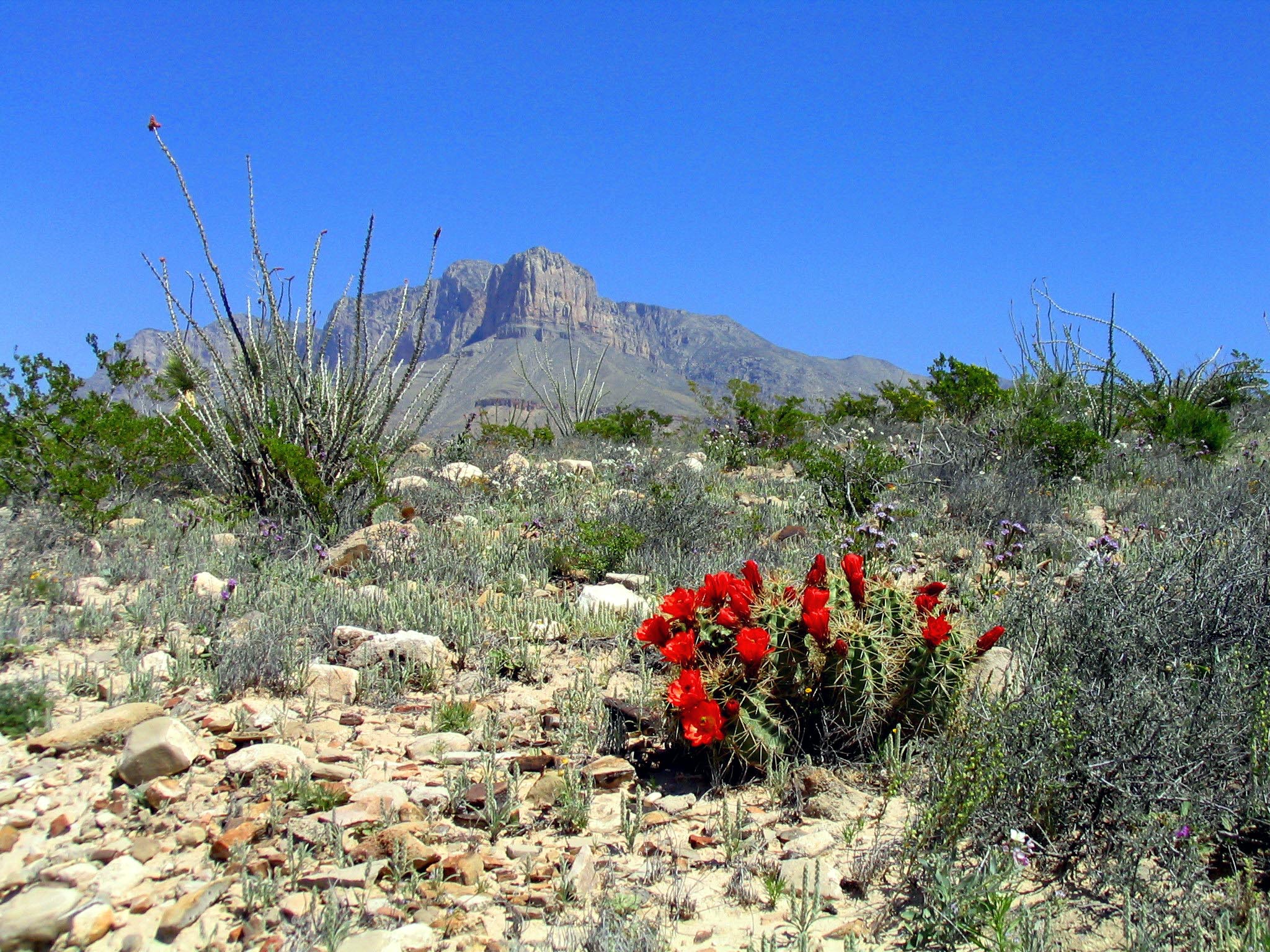
Guadalupe Mountains National Park Weather: Weather
Guadalupe Mountains National Park: weather guide guide updated 2026. Practical visitor information, reservations, and seasonal tips worth bookmarking before
Best Of
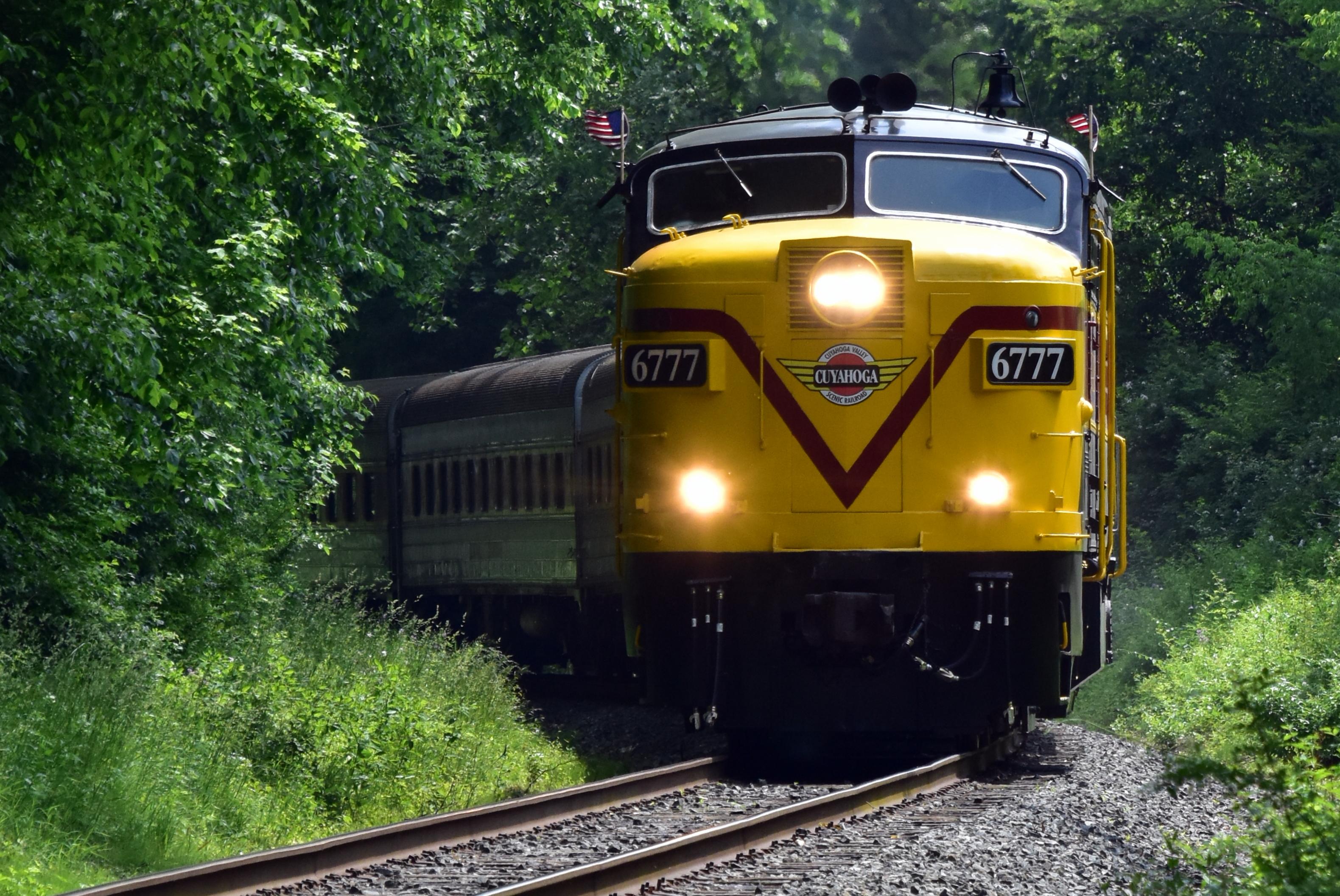
Best of Cuyahoga Valley National Park: Best Things to Do
Seeing a Cleveland Orchestra concert with the woods as your backdrop is a uniquely Cuyahoga Valley experience.
Sign in to join the conversation.
Sources & Attribution
Location data courtesy of the National Park Service (U.S. Department of the Interior). NPS data is public domain. Official NPS page.
Images: NPS; NPS; NPS; NPS; NPS.
Map data © OpenStreetMap contributors.
Park operations alerts: NPS.gov · Weather and weather hazards: National Weather Service · Live conditions.
Information may change. Always verify fees, hours, and conditions directly with the official source before visiting.
Did this guide help? Share it with a friend.