Best of Dry Tortugas National Park: Best Time To Visit (2026)
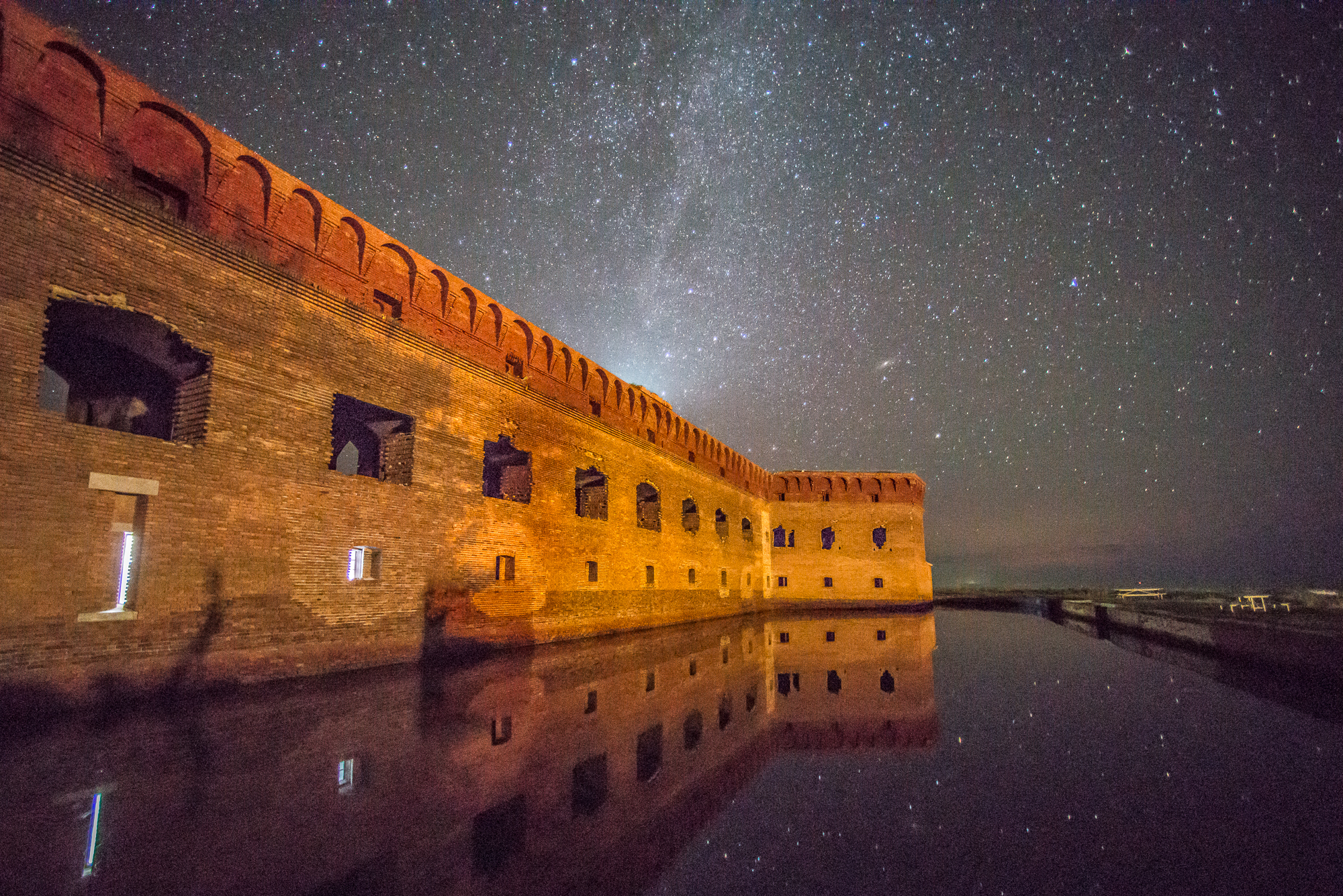
NPS via NPS.gov (Public Domain)
Best Time to Visit Dry Tortugas National Park
9 min read
Best Of
Discover best time to visit dry tortugas national park with our comprehensive guide. Expert tips, practical information, and insider knowledge.
This article contains affiliate links — we may earn a small commission at no extra cost to you.
Planning a trip to Dry Tortugas requires understanding its unique constraints. Seventy miles west of Key West, these seven islands follow different rhythms than mainland parks. Your visit depends more on your comfort with heat, wind, and transportation logistics than any calendar month. While the park never closes, the ferry and seaplane do. For newcomers wanting to tour Fort Jefferson and snorkel the reefs, late March through early June offers the most reliable conditions. Winter storms have typically subsided, summer's intense heat hasn't settled in, and seas are usually calm enough for the ferry crossing. Your timing determines everything from your gear to your daily itinerary.
For more, see complete visitor guide and hiking trails.
If You Only Have One Day
You arrive at the Key West ferry terminal by 7:00 AM for the 7:30 AM check-in. The single decision that derails most one-day visits is trying to do everything. You cannot thoroughly explore Fort Jefferson, snorkel the moat and North Coaling Dock, walk the beach, and attend a ranger talk in four and a half hours on the island. You will have to choose.
When the ferry docks at Garden Key around 10:00 AM, bypass the fort initially. Make directly for the snorkel gear racks, collect your mask and fins, and proceed to the North Coaling Dock ruins. Morning offers the clearest water before ferry activity disturbs the sandy bottom. Allocate forty-five minutes here. You'll observe parrotfish, angelfish, and often barracuda lingering near the old pilings.
By 11:00 AM, the sun is high and the fort offers shade. Enter through the sally port and do the self-guided tour, focusing on the second-tier casemates for the best views and breeze. Skip trying to see every single room. The goal is to understand the scale and the sheer improbability of this place. Be out of the fort by 12:15 PM to claim a picnic table in the shade for lunch - the ones under the sea grape trees go first.
Your final hour, from about 1:00 PM to 1:45 PM, is for the moat wall. The water is warmer now and the light is good. Snorkel the moat along the fort's walls, watching for tarpon and the occasional sea turtle. Rangers will tell you to be out of the water and back at the dock by 1:45 PM for the 2:00 PM departure. They mean it. The ferry leaves whether you're on it or not, and the next one isn't until tomorrow.

The Top Experiences, Ranked
#1 - Snorkeling the North Coaling Dock Ruins: The Underwater Front Door
This spot earns its ranking because you disembark the ferry and, within two hundred feet, enter a vibrant coral reef system. No other park places premier snorkeling directly at your arrival point. The submerged remains of the old coal dock—pilings and rubble—now form a rich habitat supporting hundreds of fish species, soft corals, and spiny lobsters.
What it requires: Basic swimming ability. The ferry provides gear. It requires no booking beyond your ferry ticket.
The single best tip for executing it: Go here first, immediately after docking. The water visibility is best before afternoon winds and activity churn the sandy bottom.
What most visitors do wrong: They spend too long at the fort first and only snorkel when the water is murkier and more crowded. They also overlook the smaller reef patches to the east of the main dock structure, which often have more juvenile fish.
#2 - A Self-Guided Exploration of Fort Jefferson: Walking Through the Puzzle
Why it makes this list: It's the reason the park exists. The massive, unfinished coastal fortress is a historical artifact you can touch, climb, and get lost in. The scale is the story - 16 million bricks, six-foot-thick walls, and a palpable sense of ambition and abandonment.
What it requires: About 90 minutes to two hours of walking on uneven brick and gravel. Sturdy shoes are non-negotiable; flip-flops on the ramparts are a bad idea.
The single best tip for executing it: Head to the second tier (the elevated gun emplacements) first. The views over the moat to the Loggerhead Key lighthouse are worth the climb, and the breeze is always better up there. Then work your way down through the dank, echoing casemates.
What most visitors do wrong: They linger too long in the hot, airless central parade ground. They also miss the interpretive panels in the dark hallways that explain the fort's construction and its role as a Civil War prison.
#3 - Overnight Camping on Garden Key: Owning the Island
Why it makes this list: After the last ferry horn blows at 2:00 PM, the island's population drops from 200 to about 20. You have Fort Jefferson to yourself for sunset, the moat under a star field untouched by light pollution, and the dawn chorus of seabirds. It transforms the experience from a tourist stop to a genuine adventure.
What it requires: Advanced planning. The 10 primitive sites book up months in advance. You must bring all your own food, water (1 gallon per person per day minimum), and gear, and pack out all trash. The ferry charges an extra fee to transport camping gear.
The single best tip for executing it: Book your ferry passage and campsite the second reservations open. Pack a lightweight tent - the wind can be fierce - and more sunscreen than you think you'll need. A full breakdown of logistics is in our guide to camping options.
What most visitors do wrong: Underestimating the wind and bringing a poorly-staked tent. Forgetting that there are no supplies, not even a bottle of water, for sale on the island.
#4 - The Ranger-Led Fort Tour: Context You Can't Get from a Plaque
Why it makes this list: The park rangers connect the dots between the bricks, the birds, and the boats. They'll point out the architectural flaws that kept the fort from ever being finished, tell stories of the prisoners and soldiers, and explain the ongoing battle against salt, wind, and hurricanes.
What it requires: 45 minutes. Tours are typically offered once per ferry visit. Check the board at the visitor center dock for times as soon as you arrive.
The single best tip for executing it: Position yourself near the ranger at the start. The acoustics in the fort's open areas can swallow their voice, especially with wind.
What most visitors do wrong: They assume the tour is a basic recap and skip it, missing nuanced details about the fort's engineering and natural history.
#5 - Swimming in the Moat: Your Personal Tropical Aquarium
Why it makes this list: It's a 70-mile-wide moat filled with clear, blue ocean. You can float on your back staring up at 50-foot brick walls, then dip your face to see schools of silvery baitfish, curious sergeant majors, and the occasional cruising tarpon. The accessibility is unmatched.
What it requires: Just a swimsuit. No gear needed, though a mask makes it better.
The single best tip for executing it: The south side, near the camping area and the old dock pilings, tends to have the calmest water and the most fish activity. Enter via the small sandy beach there.
What most visitors do wrong: They only snorkel at the designated North Coaling Dock area and never experience the simpler pleasure of just swimming in the fort's shadow.
#6 - Birdwatching from the Fort Ramparts: A Seabird Airport
Why it makes this list: The Dry Tortugas are a critical nesting and migration stopover. From the top of Fort Jefferson, you have a bird's-eye view of a bird's life. Magnificent frigatebirds soar on six-foot wingspans, brown noddies perform frantic aerial dances, and sooty terns (when Bush Key is open) create a swirling, noisy cloud over their nesting grounds.
What it requires: Patience and a pair of binoculars. Early morning and late afternoon are most active.
The single best tip for executing it: Focus on the airspace above Bush Key (when accessible) and the channel between Garden and Loggerhead Key. That's where the pelagic action is.
What most visitors do wrong: They look down at the ground for wildlife. Here, you need to look up.
#7 - The Seaplane Flight: Perspective You Can't Get from the Water
Why it makes this list: The 40-minute flight from Key West provides a geographical understanding the ferry cannot. You see the Tortugas as a tiny speck in the vast Gulf of Mexico, the perfect blue circle of the reef around Loggerhead Key, and the hexagonal symmetry of Fort Jefferson from directly above.
What it requires: A significantly larger budget than the ferry and a tolerance for small aircraft. It also gives you about 2.5 hours on the island.
The single best tip for executing it: If you can swing it, take the seaplane over and the ferry back (or vice versa). You get two completely different experiences of the journey.
What most visitors do wrong: Assuming the seaplane is just a faster ferry. It's a core part of the experience, not just transportation.

What Most People Miss
The South Beach Swim. Everyone flocks to the north side for snorkeling. The narrow south beach, facing the channel, has softer sand and water that's often just as clear and calm. It's the best spot for a peaceful, knee-deep wade while watching boats come and go.
Sunset from the Top Tier. Most day-trippers are on the ferry home by sunset. If you're camping or on a private boat, watching the sun melt into the Gulf from the fort's highest accessible point is a silent, powerful show. The brick turns fiery orange, then deep purple.
The Sound of the Wind in the Casemates. Step into one of the dark, empty gun rooms on the second tier, away from the crowd. The only sound is the wind whistling through the embrasure - the same sound a soldier would have heard 160 years ago. It's a visceral, free history lesson.
The Night Sky. With no artificial light for 70 miles in any direction, the stars are not just bright; they are dense. The Milky Way is a visible cloud. On a moonless night, the starlight is enough to cast a faint shadow on the white sand.

What's Overrated (and Better Alternatives)
Overrated: Trying to "See Everything" on a Day Trip. The impulse to sprint from fort, to snorkel spot, to beach, to gift shop leads to a checklist experience where you truly absorb nothing. You'll leave exhausted with only surface-level memories.
Better Alternative: Pick two, maybe three, priorities. Deeply explore the fort or spend quality time snorkeling two different areas. Sit still for 20 minutes and just watch the frigatebirds. A slower, focused visit has a much higher return.
Overrated: The Ferry Ride "Sightseeing" on a Rough Day. The concession company sells the 2.5-hour ferry trip as a chance to see dolphins and flying fish. On days with three-to-four-foot seas - common in the winter stormy season - the main sight is the inside of a paper bag for a significant number of passengers.
Better Alternative: Check the marine forecast the day before. If winds are predicted above 15 knots from the north or east, seriously consider postponing or opting for the quicker (and smoother) seaplane flight. Seasickness can ruin your entire day on the island.

Practical Takeaways
- Book transportation first. Your entire trip hinges on a ferry or seaplane reservation. These sell out, especially from December through April. Do this before you book anything else in Key West.
- The $15 per person park entrance fee (as of 2026) is usually included in your ferry ticket price. Seaplane passengers and private boaters pay it separately upon arrival. Have cash ready.
- Pack like you're going to the moon. The island has no food, water, or supplies for sale. Bring all your water, lunch, snacks, sunscreen, hat, and medications. The ferry sells limited snacks and drinks, but at a premium.
- Footwear is critical. You need closed-toe shoes with grip for the fort's uneven, sometimes slippery bricks. You need water shoes or sandals for the rocky, shelly beaches. Flip-flops are insufficient for both.
- Your best time to visit Dry Tortugas National Park balances sea conditions, heat, and crowds. April and May typically offer the fewest compromises. For a detailed seasonal breakdown, see our guide on the best time to visit.
- Respect the closures. As of 2026, sections of the moat wall are barricaded for repair. Bush Key is closed for nesting. These rules protect both you and the park's fragile resources. Ignoring them risks injury and hefty fines.
- Cell service drops out about 20 minutes into the boat ride from Key West and is nonexistent on the island. Download maps, your ferry ticket, and any guides you need beforehand. Tell people you'll be offline.
Recommended Gear
What experienced visitors bring to Best Time to Visit Dry Tortugas National Park
Links may earn us a commission at no extra cost to you. We only recommend gear we believe in.
Hiking Essentials
Hydration Pack (3L)
Hands-free water for long trail days
Trekking Poles (Pair)
Save your knees on steep descents
Hiking Boots (Ankle Support)
Sturdy footwear for rocky, uneven trails
Sun & Heat Protection
Wide-Brim Sun Hat
Full coverage UPF 50+ protection at altitude
Insulated Water Bottle (32oz)
Keeps water cold in desert heat all day
Winter Gear
Microspikes / Traction Devices
Essential for icy rim trails in winter months
Packable Down Jacket
Lightweight warmth that stuffs into a pocket
Sources
- Official source: NPS — Dry Tortugas National Park nps.gov/drto/index.htm
Photo Gallery
More to Explore
Park Guide
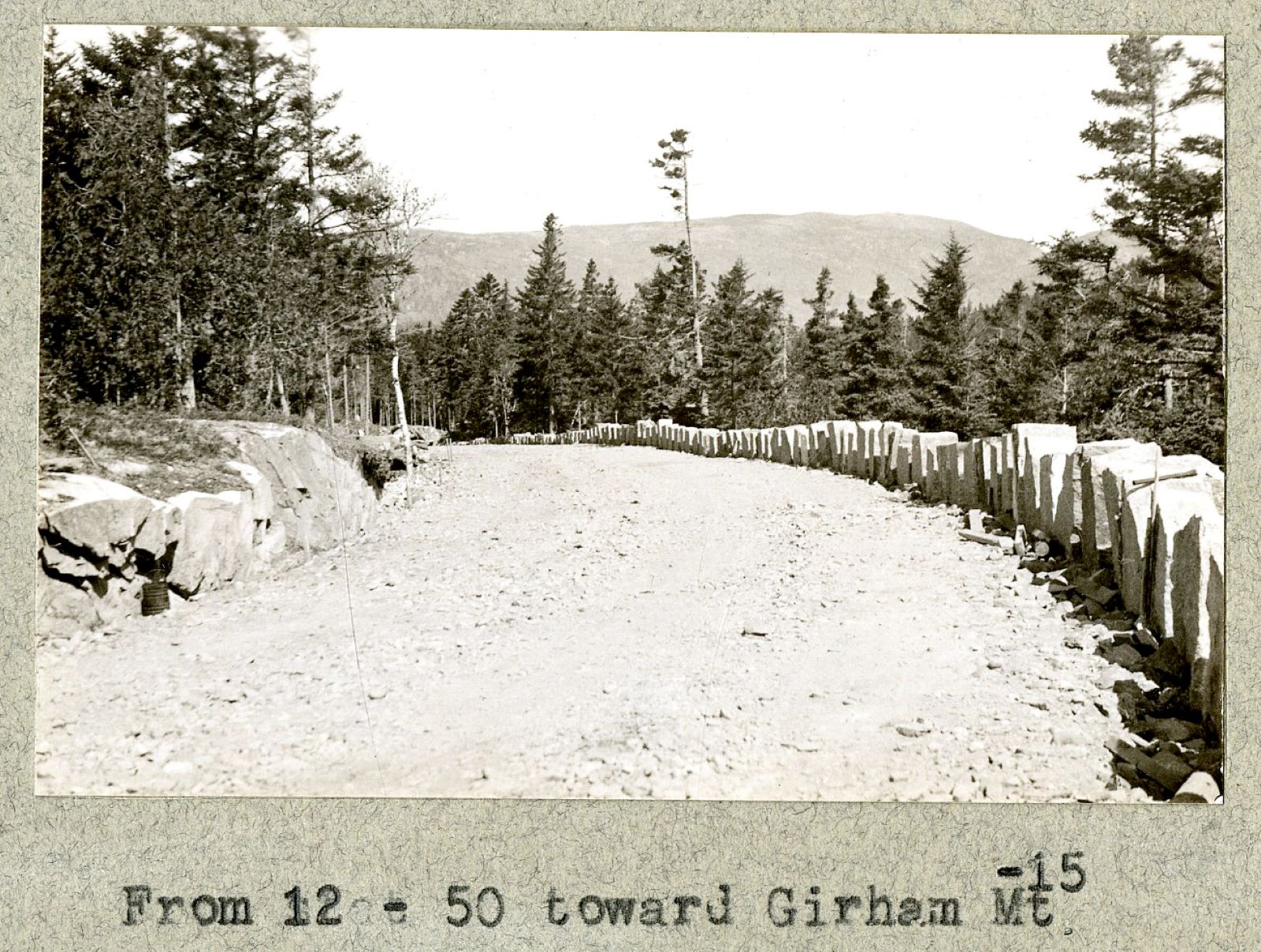
Acadia National Park: Carriage Roads, Cadillac Mountain & 2026 Guide
Discover carriage roads, Cadillac Mountain, and rugged Maine coast. Complete 2026 guide to Acadia National Park — trails, fees, lodging, permits, and what rangers recommend.
Hiking Guide
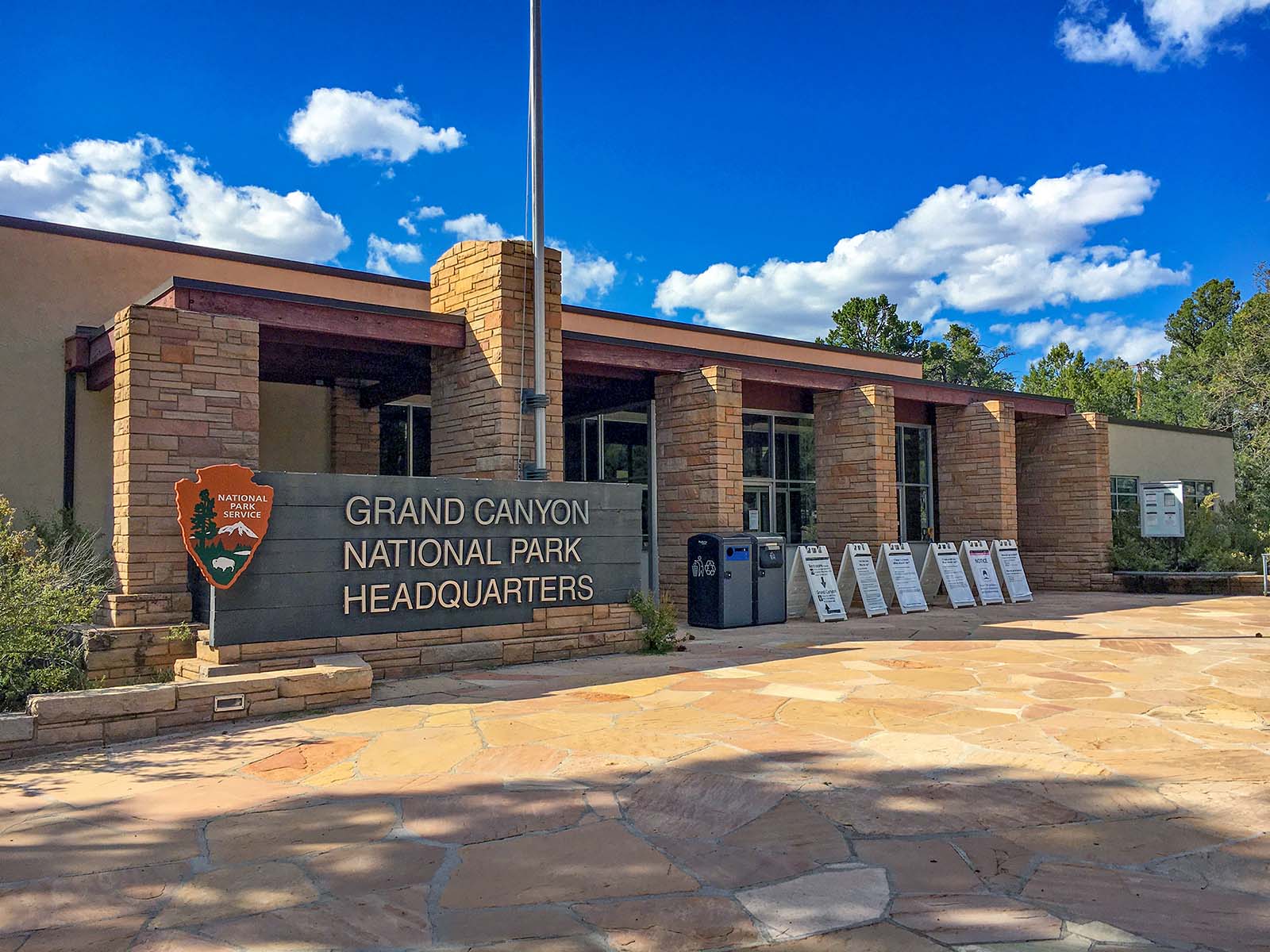
Grand Canyon Hiking Trails: Day Hikes, Water Sources & Rim to Rim
Compare Grand Canyon hiking trails: Bright Angel, South Kaibab, Hermit, Grandview, and rim to rim, with distances, elevation, water stops, and trailhead access for each.
Best Of
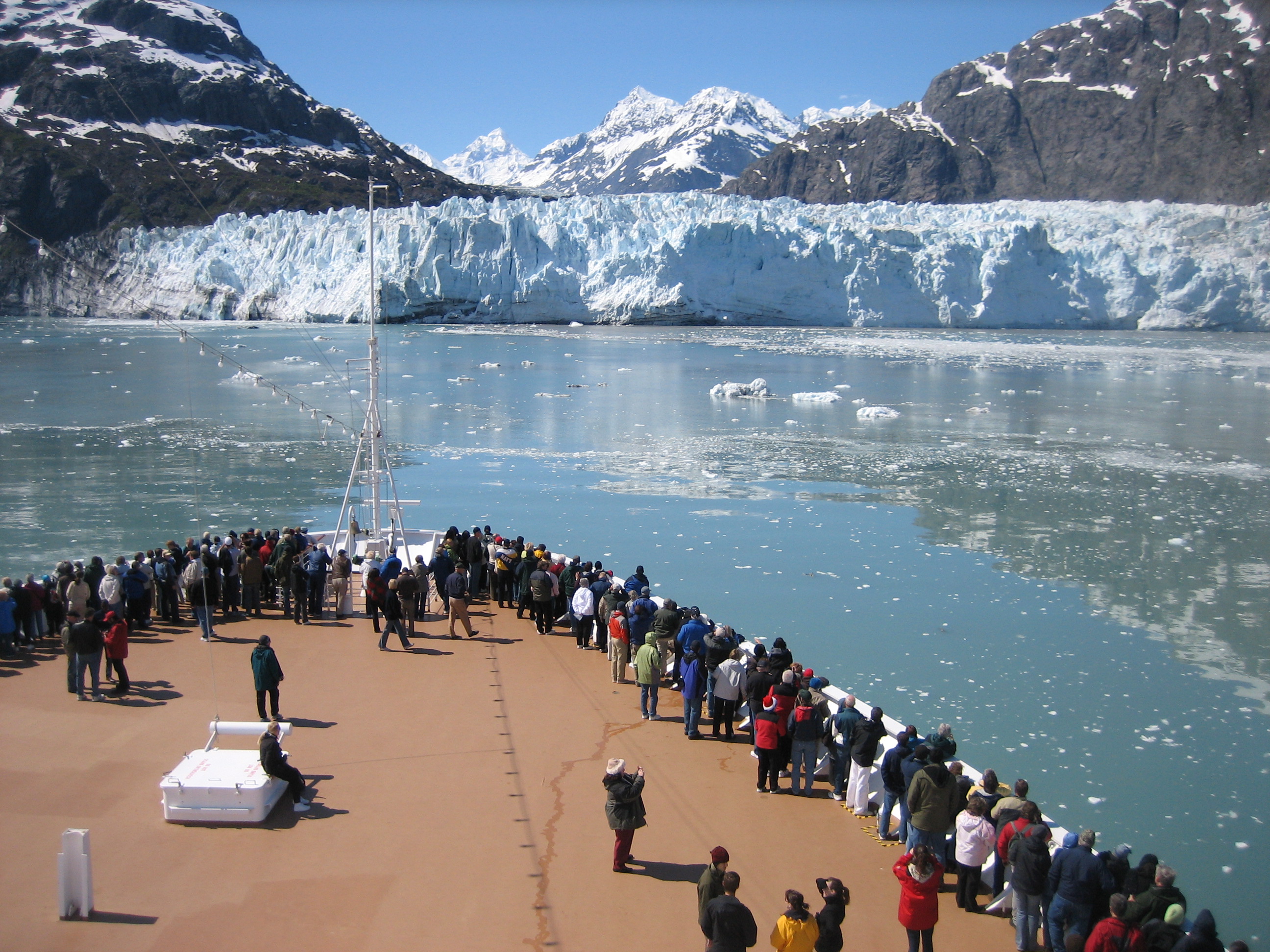
Best of Glacier Bay National Park
The best of Glacier Bay is reached by boat: ranger-led day tours up the bay to the tidewater glaciers. What's worth it, how to book, and when to go (2026).
Campsite Guide
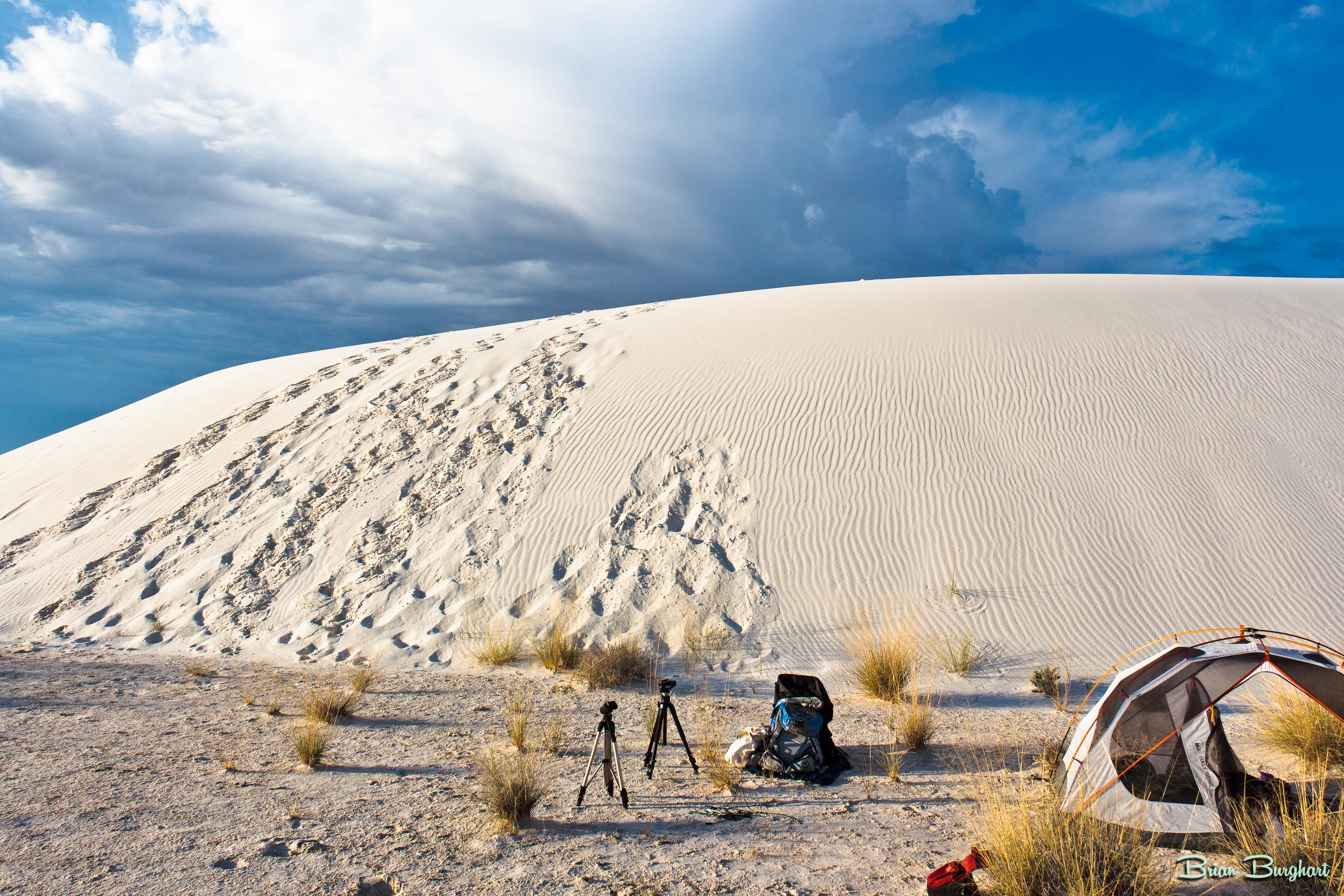
White Sands Backcountry Camping: Closed for 2026 — What to Know
As of 2026, backcountry camping at White Sands National Park is closed for site rehabilitation. What that means, and where to camp nearby instead.
Weather Guide
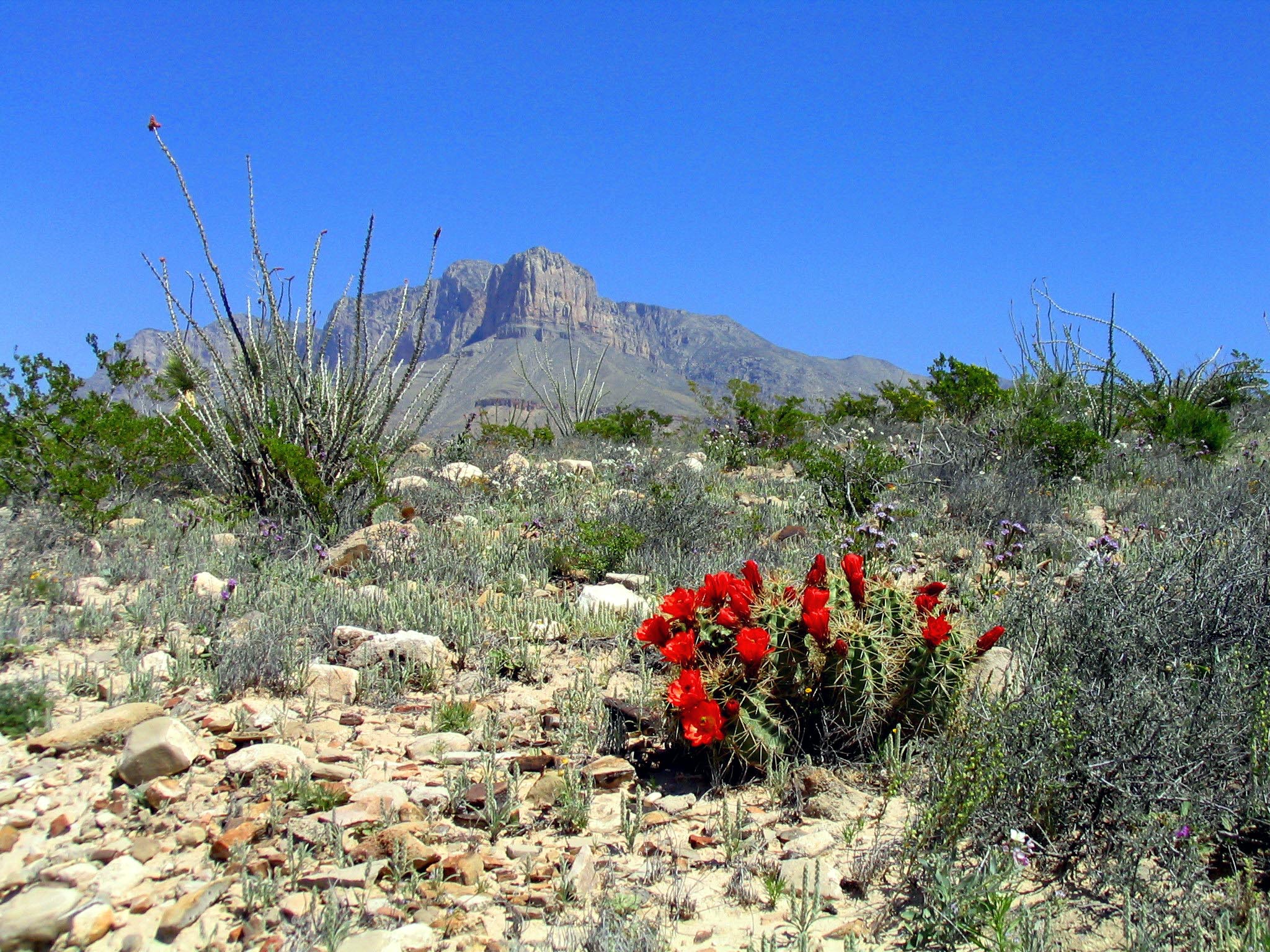
Guadalupe Mountains National Park Weather: Weather
Guadalupe Mountains National Park: weather guide guide updated 2026. Practical visitor information, reservations, and seasonal tips worth bookmarking before
Best Of
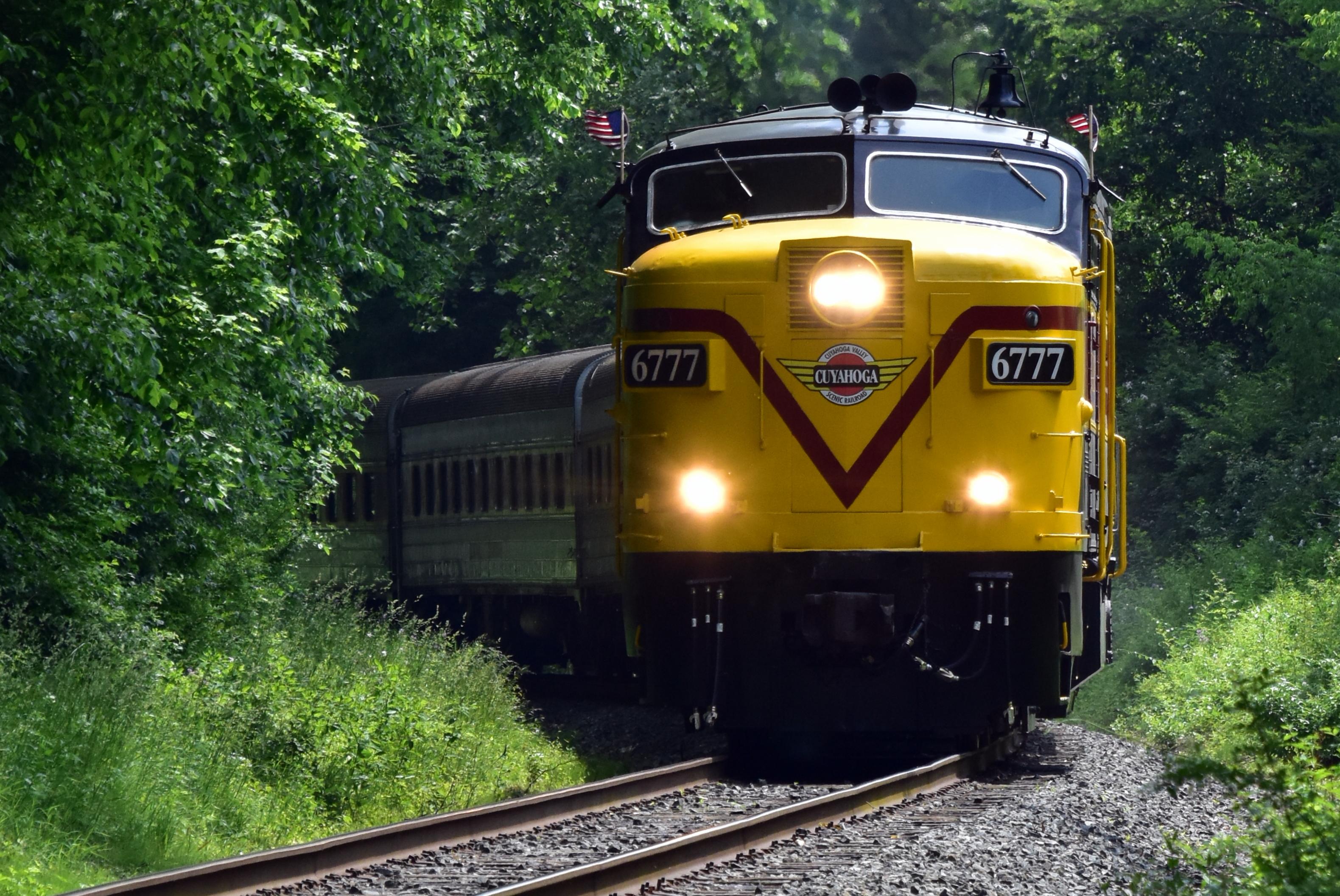
Best of Cuyahoga Valley National Park: Best Things to Do
Seeing a Cleveland Orchestra concert with the woods as your backdrop is a uniquely Cuyahoga Valley experience.
Sign in to join the conversation.
Sources & Attribution
Location data courtesy of the National Park Service (U.S. Department of the Interior). NPS data is public domain. Official NPS page.
Images: NPS; NPS; NPS; NPS; NPS.
Map data © OpenStreetMap contributors.
Park operations alerts: NPS.gov · Weather and weather hazards: National Weather Service · Live conditions.
Information may change. Always verify fees, hours, and conditions directly with the official source before visiting.
Did this guide help? Share it with a friend.