Rent a bike at Shark Valley in Everglades National Park to ride the 15-mile paved loop, the park's premier cycling route. Start by 8:30 AM to beat heat and crowds. The flat, exposed trail offers alligator sightings and a 65-foot observation tower at the halfway point.
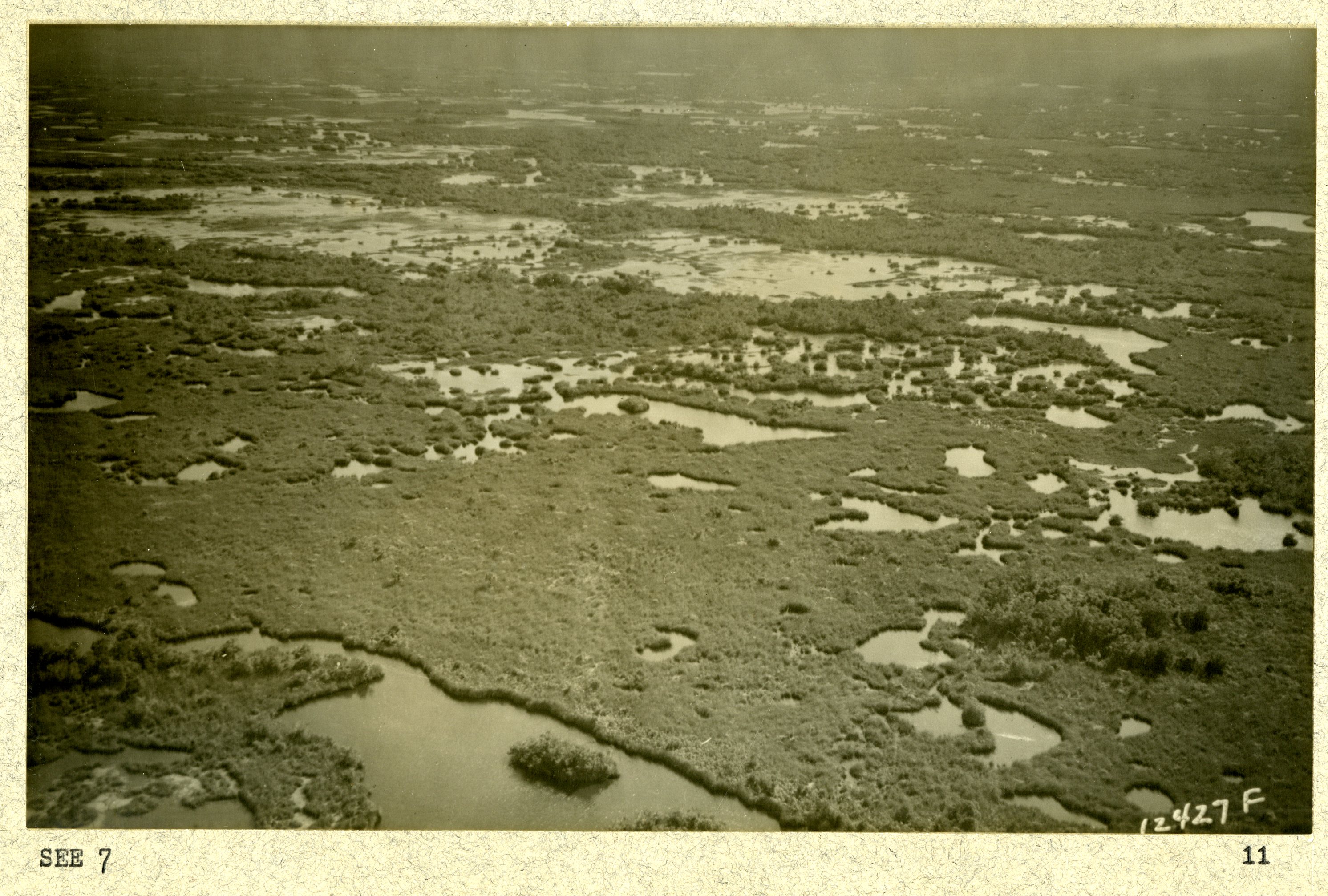
NPS via NPS.gov (Public Domain)
Everglades National Park Gear Guide: What to Pack
6 min read
Gear Guide
What to pack for the Everglades — bug protection, water shoes, and the gear rangers recommend for airboat tours, kayaking, and swamp walks.
For more, see complete visitor guide.
The Shark Valley Loop: Your 15-Mile Wildlife Corridor
The 15-mile paved loop road at Shark Valley is the park's cycling centerpiece. It's dead flat, which is the first thing rangers will tell you, but don't mistake flat for easy. The exposure is total. There's no shade on that blacktop from the moment you leave the visitor center until you return. The loop takes you through a sawgrass marsh prairie, a freshwater slough that's the lifeblood of this region. The entire point is the 65-foot observation tower at the halfway mark. From the top, you get the perspective the park is famous for: an unbroken sea of grass stretching to the horizon, dotted with tree islands. It's the only place on the trail where you can see how the water is supposed to flow.
Most visitors underestimate the sun and the distance. A 15-mile bike ride in a city park is one thing. A 15-mile ride with relentless sun, high humidity, and the potential for sudden afternoon thunderstorms is another. You'll want to be rolling by 8:30 AM, no later. The light is softer, wildlife is more active, and you'll beat the worst of the heat and the crowds that arrive for the tram tours. The trams start running at 9 AM, and while they are courteous, sharing the narrow road with them is part of the experience.
What You'll Actually See
This isn't a zoo. You're riding through a functioning ecosystem. Alligators are the most common large sighting; they bask on the banks of the canal that parallels the road, often mere feet from your bike. They pay you no mind. Great blue herons stalk the water's edge. Anhingas dry their wings on snags. Turtles stack on logs. The key is to ride quietly and keep your eyes scanning the edges. The trail narrows here and there, forcing you to slow down, which is when you often spot the more subtle movements in the grass. By late morning, much of the wildlife retreats into the water or shade.

Navigating Everglades Bike Trail Rentals and Logistics
The everglades bike trail rental is operated by the park's concessionaire at the Shark Valley Visitor Center. As of 2026, they provide single-speed cruiser bikes with wide, comfortable seats and a basket—ideal for the flat terrain. Rentals are first-come, first-served. Parking is the main constraint: the lot is modest and often fills completely by 9:30 AM on a winter weekend. Once full, rangers close the entrance until spaces open, which can mean a wait of an hour or more. Arrive before 9 AM or plan a late afternoon ride; the rental booth typically closes around 4 PM, but always confirm current hours.
You can, of course, bring your own bike. If you do, ensure it's in good working order. A mechanical failure halfway around the loop means a very long, hot walk. There's no shuttle or rescue service for private bikes. The park service recommends a hybrid or mountain bike; the pavement is good, but road bike tires can be susceptible to debris.
Cell service drops out about a mile down the loop road and is nonexistent for the remainder. Tell someone your plan. There is a water bottle filling station at the visitor center - use it. The concessionaire sells water, but at a premium. Pack at least one liter per person for the loop, more if you're visiting between April and October. The only restrooms are at the visitor center and at the observation tower at the 7.5-mile mark.

Connecting Your Ride to the Wider Everglades
Shark Valley is just one entrance to a massive park. The main Homestead entrance, about an hour's drive south, leads to the Everglades National Park map you're probably picturing, with the 38-mile main park road running down to Flamingo. This is where you'll find the famous Anhinga Trail in Everglades National Park. It's a short, paved boardwalk loop right behind the Royal Palm visitor center. If you only do one walk, make it this one. The wildlife viewing is almost guaranteed - anhingas spearing fish, alligators gliding through the lily pads, herons and egrets everywhere. It's the accessible, concentrated version of the ecosystem you biked through.
Further south, Flamingo offers boat tours and the Flamingo Campground. The Coastal Prairie Trail there is a rugged 6-mile one-way hike through history, following an old road. For a different perspective, many visitors seek out the best Everglades City airboat tours on the park's western border; note that these are operated by private companies outside the park boundary, as airboats are not permitted within the national park itself.
When to Go and What to Pair It With
The dry season, roughly December through April, is the prime time for hiking Everglades National Park and biking. Water levels are lower, concentrating wildlife, and the mosquitoes are tolerable. Summer brings heat, humidity, torrential afternoon rains, and insects in biblical proportions. If you visit then, your bike ride must be an early morning affair.
A solid one-day itinerary from Miami: arrive at Shark Valley at opening, complete the bike loop, then drive an hour to the Homestead entrance. Have lunch, then walk the Anhinga Trail and the shaded Gumbo Limbo Trail right next to it. You'll have experienced the park's two most iconic and accessible wildlife viewing experiences.

Practical Takeaways
- Shark Valley Access is Everything. Aim to arrive by 8:30 AM to secure parking and a rental bike. The lot filling up is the single biggest trip-killer for a spontaneous visit.
- Hydration is Non-Negotiable. Fill bottles at the visitor center. Bring more water than you think you need. There is none available on the 15-mile loop except at the halfway tower.
- Sun Protection is Your Kit. Wear a hat, sunglasses, and apply (and reapply) broad-spectrum sunscreen. The Florida sun reflecting off the pavement and water is intense year-round.
- Pair the Bike with a Boardwalk. The Shark Valley bike ride gives you scale and immersion. The Anhinga Trail Everglades National Park boardwalk gives you intimate, close-range wildlife viewing. Doing both provides a complete picture.
- Check for Current Alerts. Before you go, scan the park website for closures. As of 2026, roadwork on the Tamiami Trail (US 41) near the park can cause delays, and invasive plant treatment may be occurring on some Flamingo-area trails.

Final Thoughts
An everglades bike trail rental at Shark Valley isn't about the cycling challenge. It's about pace. It's the speed at which you can cover enough ground to feel the park's expanse, yet move quietly enough to become part of the scenery for the alligators and wading birds. It turns a scenic drive into a sensory experience - the crunch of gravel under your tires, the smell of wet sawgrass, the sudden silence when you stop pedaling. It's the most democratic way to see the Everglades. You put in the sweat, and the park delivers a front-row seat to a world that operates on a different clock. Just remember to bring the water.
Related: everglades national park map guide
Related: everglades national park on map guide
Sources
- Official source: NPS — Everglades National Park nps.gov/ever/index.htm
- Official source: National Park Service nps.gov/places/everglades-national-park.htm
Photo Gallery
More to Explore
Park Guide
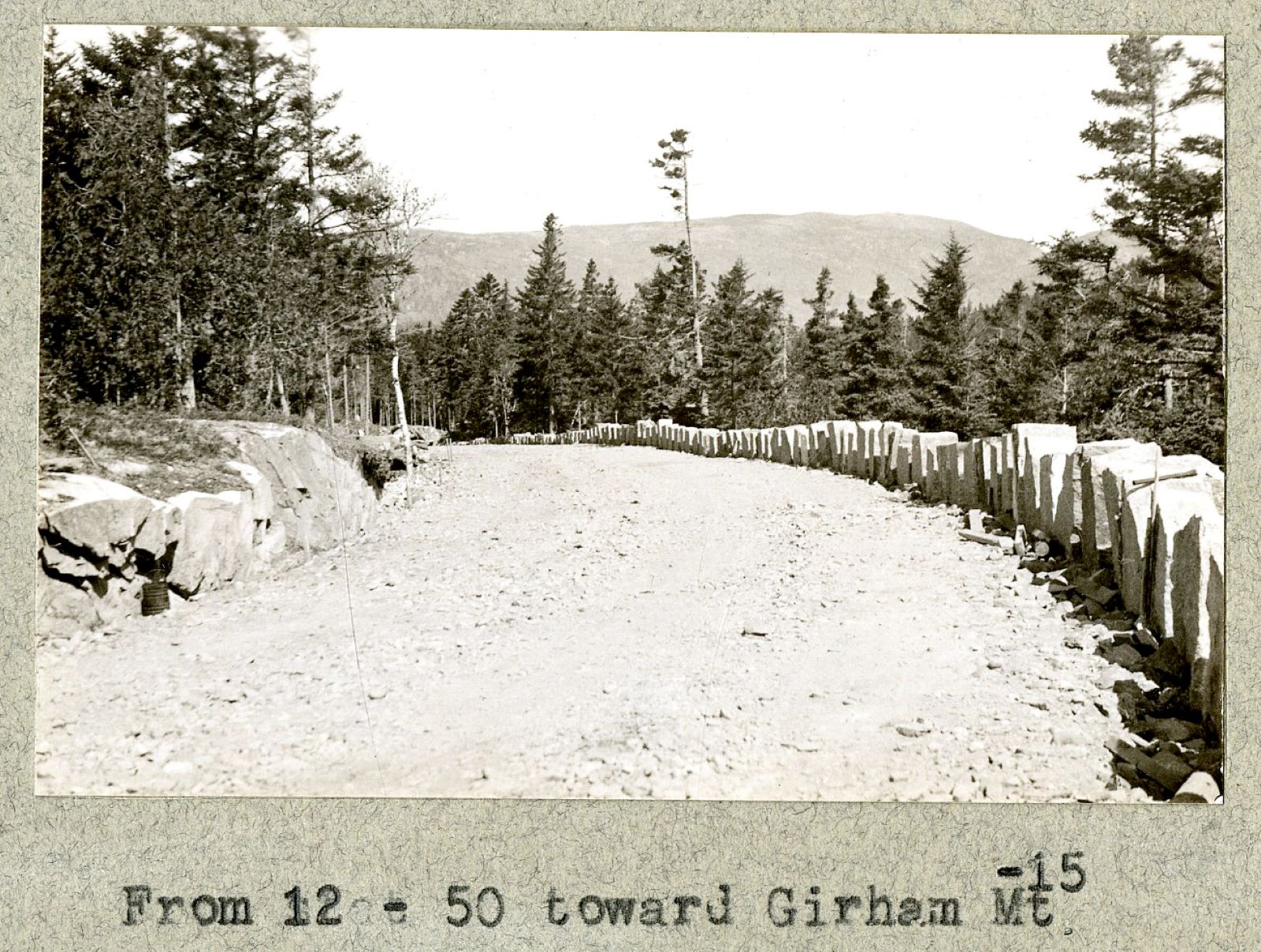
Acadia National Park: Carriage Roads, Cadillac Mountain & 2026 Guide
Discover carriage roads, Cadillac Mountain, and rugged Maine coast. Complete 2026 guide to Acadia National Park — trails, fees, lodging, permits, and what rangers recommend.
Hiking Guide
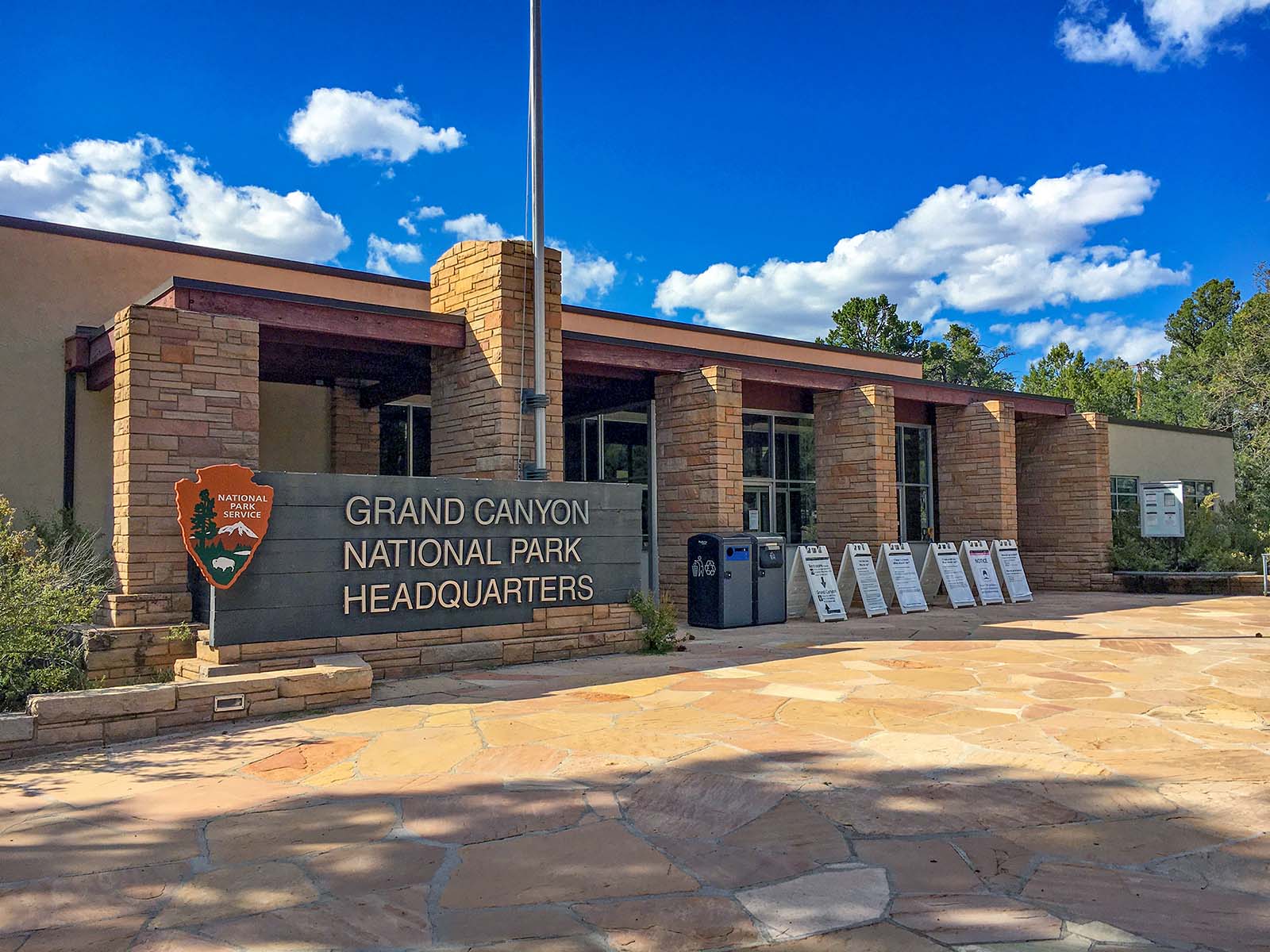
Grand Canyon Hiking Trails: Day Hikes, Water Sources & Rim to Rim
Compare Grand Canyon hiking trails: Bright Angel, South Kaibab, Hermit, Grandview, and rim to rim, with distances, elevation, water stops, and trailhead access for each.
Best Of
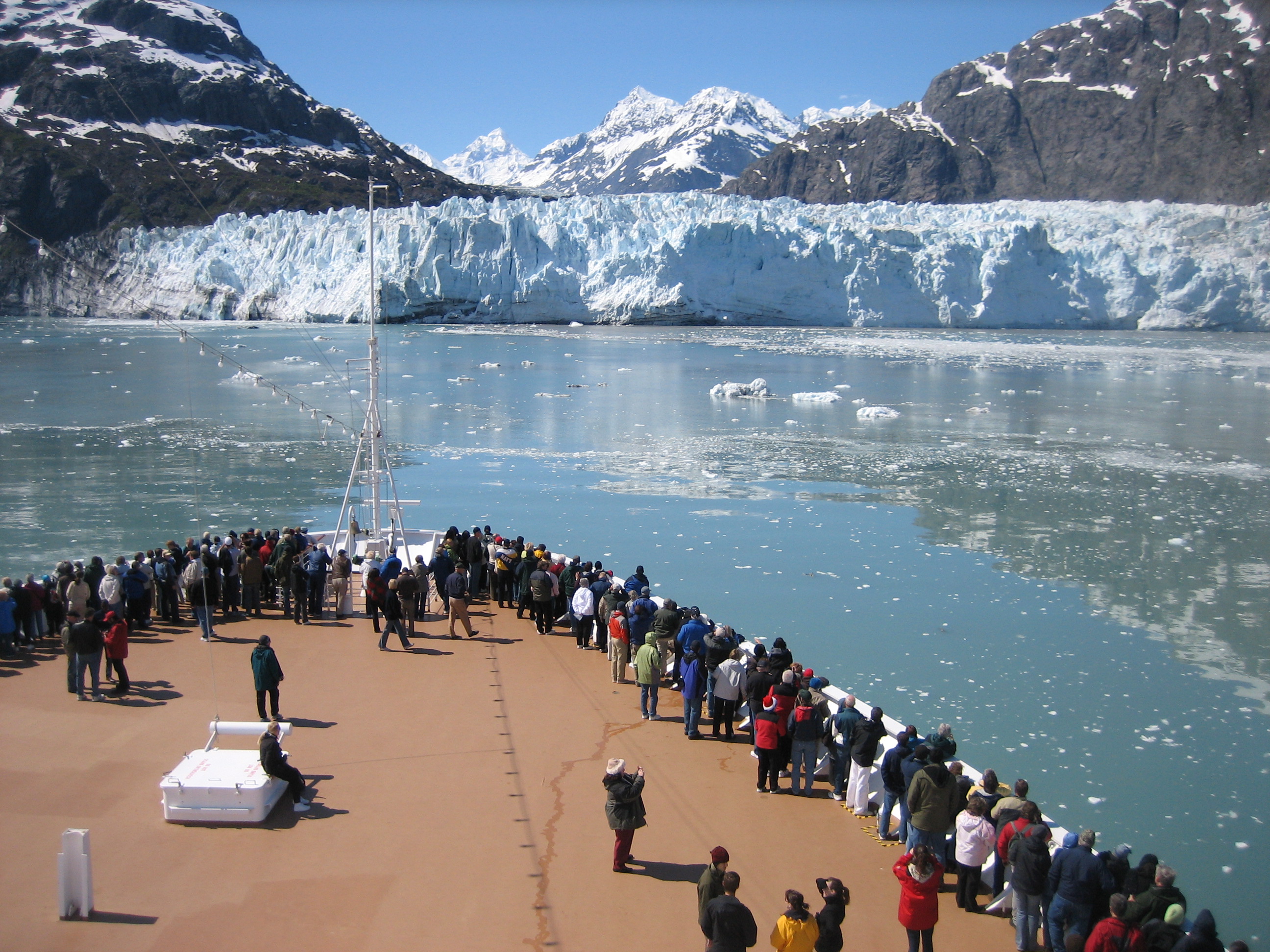
Best of Glacier Bay National Park
The best of Glacier Bay is reached by boat: ranger-led day tours up the bay to the tidewater glaciers. What's worth it, how to book, and when to go (2026).
Campsite Guide
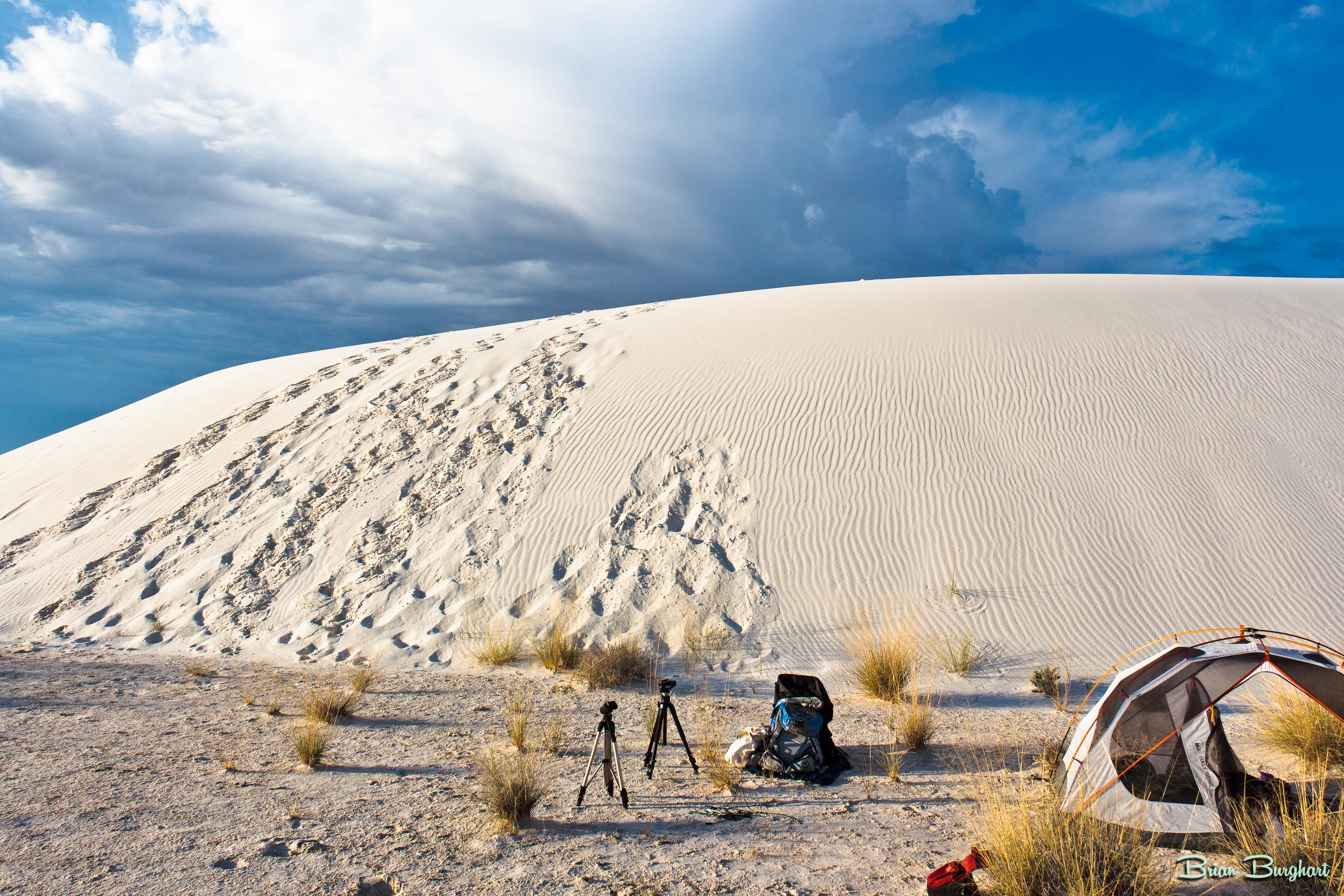
White Sands Backcountry Camping: Closed for 2026 — What to Know
As of 2026, backcountry camping at White Sands National Park is closed for site rehabilitation. What that means, and where to camp nearby instead.
Weather Guide
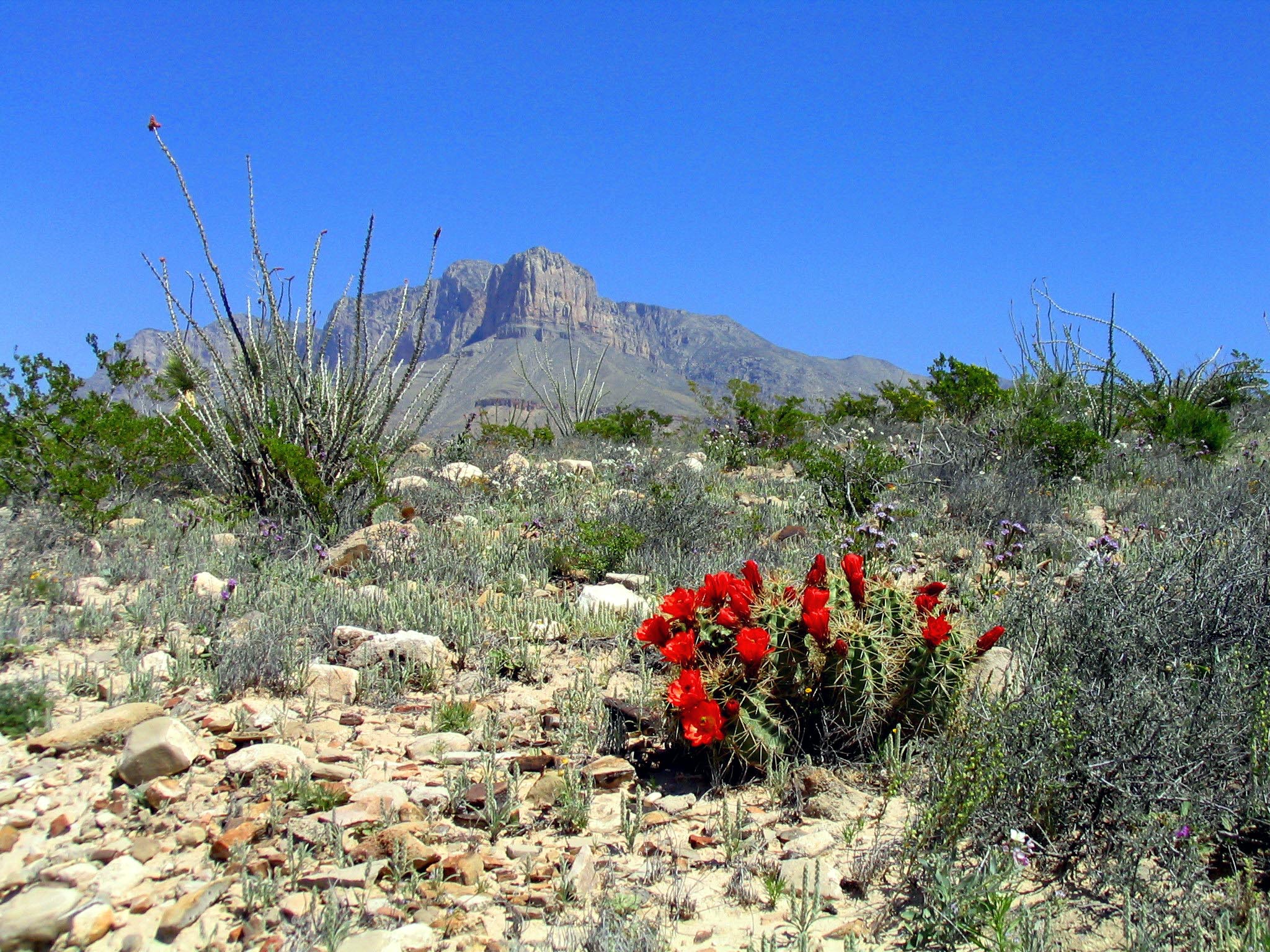
Guadalupe Mountains National Park Weather: Weather
Guadalupe Mountains National Park: weather guide guide updated 2026. Practical visitor information, reservations, and seasonal tips worth bookmarking before
Best Of
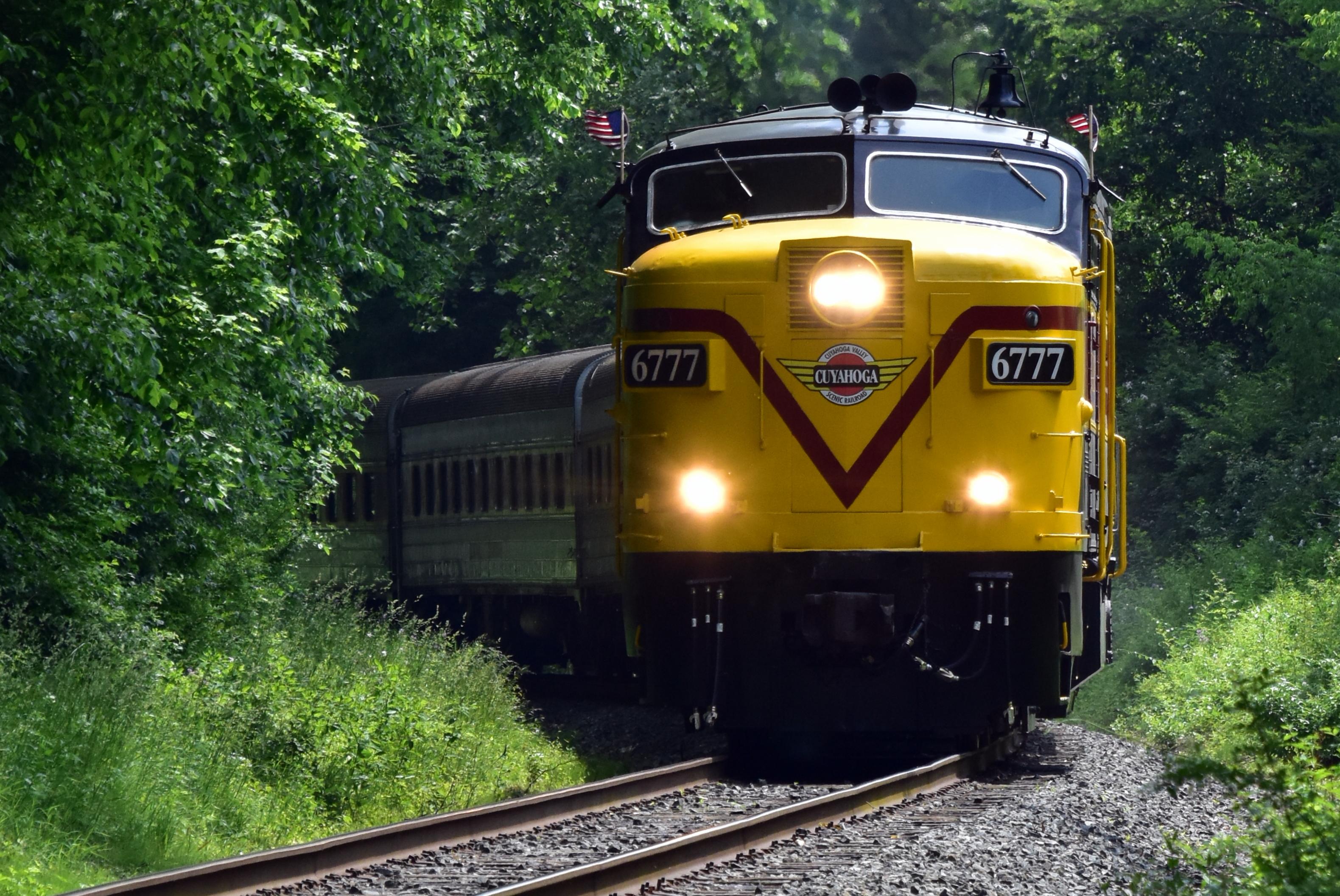
Best of Cuyahoga Valley National Park: Best Things to Do
Seeing a Cleveland Orchestra concert with the woods as your backdrop is a uniquely Cuyahoga Valley experience.
Sign in to join the conversation.
Sources & Attribution
Location data courtesy of the National Park Service (U.S. Department of the Interior). NPS data is public domain. Official NPS page.
Images: NPS; NPS; NPS; NPS; NPS.
Map data © OpenStreetMap contributors.
Park operations alerts: NPS.gov · Weather and weather hazards: National Weather Service · Live conditions.
Information may change. Always verify fees, hours, and conditions directly with the official source before visiting.
Did this guide help? Share it with a friend.