Best of Everglades National Park: Best Fishing In The Everglades (2026)
NPS via NPS.gov (Public Domain)
Best of Everglades National Park: Airboats, Gators & Where to Actually Go (2026)
8 min read
Best Of
The best of Everglades — Anhinga Trail gator watching, Shark Valley tower views, and the honest breakdown of which areas are worth your time. Expert picks for 2026.
This article contains affiliate links — we may earn a small commission at no extra cost to you.
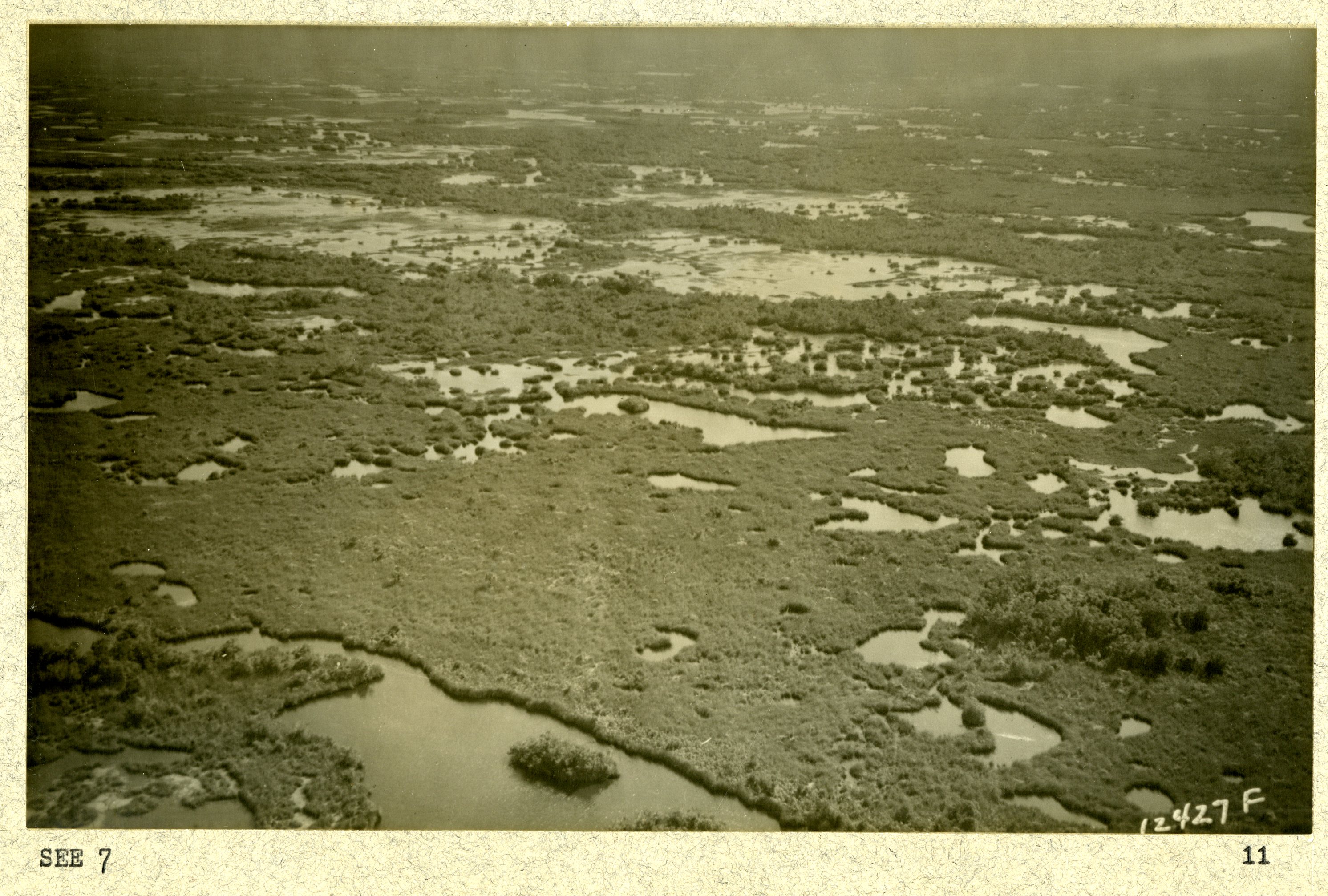
Established in 1947 to protect the slow-moving river of grass, the park's true appeal lies in its waterways. The best fishing here isn't found at one specific location—it's about navigating the complex network of saltwater flats, mangrove creeks, and deep channels where trophy fish thrive. Seasons dictate conditions: winter offers lower water levels and clearer sight-fishing opportunities, while summer rains concentrate tarpon and snook in predictable backcountry holes. Success depends more on timing and local knowledge than expensive equipment.
For more, see hiking trails and camping options.
If You Only Have One Day
Arrive at the Ernest F. Coe Visitor Center gate by 7:30 AM. The line forms quickly, and you want to be ahead of it. Your target is Flamingo, 38 miles south at the park's tip. Drive straight there; do not stop for the first few turnouts. The light is best early, and the boat ramps get crowded.
By 9 AM, you should be launching if you have a boat, or securing a last-minute spot with one of the Flamingo marina charter captains. If fishing independently isn't an option, book the best Everglades City airboat tours for the afternoon - they operate outside the national park boundary but offer a guaranteed way onto the water. The mistake most one-day visits make is trying to do both the Anhinga Trail and a deep backcountry trip. They are opposite directions. Choose water or choose the paved trail. You cannot do both justice.
Spend your core hours, from 9 AM to 3 PM, on or near Florida Bay. That's where you'll find the redfish, trout, and snook. Pack lunch and plenty of water - the gift shop sells it for $4 a bottle. Bring your own. Head back north by 3:30 PM to avoid the worst of the return traffic. Stop at the Pa-hay-okee Overlook on the way out. It's a quick boardwalk that shows you the "river of grass" scale in the late afternoon light. It makes the ecosystem click in a way staring at a canal from the road does not. Be out of the park by dusk. Mosquitoes don't need an invitation.
The Top Experiences, Ranked
#1 - Backcountry Fishing by Skiff: The Real Deal
This is the pinnacle of the best fishing in the Everglades. A skilled guide in a shallow-draft skiff can pole you across grass flats so clear you'll see tailing redfish or push into secluded mangrove creeks where snook stack up.
- Why it makes this list: It accesses water unreachable by foot or large boat. The concentration of trophy fish in these protected zones is the park's open secret.
- What it requires: A significant budget for a guide (easily $600+ for a full day), and a willingness to start before sunrise. Fairly low physical demand once you're in the boat.
- The single best tip: Book your guide 6-12 months in advance, especially for prime winter months. The good ones are gone by February for the following December.
- What most visitors do wrong: Trying to cheap out with an unlicensed guide operating just outside the park. They often lack the necessary park permits, cutting off access to the most productive zones.
#2 - The Anhinga Trail at First Light: Guaranteed Wildlife
The Anhinga Trail is a 0.8-mile paved loop accessible from the main park road. By 8 AM, it's a pleasant walk. Arrive at 7 AM, just after sunrise, and you'll witness nature's theater.
- Why it makes this list: It delivers more wildlife sightings per square foot than anywhere else in the park, with zero effort. You will see alligators, anhingas drying their wings, turtles, and garfish in the canal.
- What it requires: 45 minutes to an hour. Ability to walk on a flat, paved surface. That's it.
- The single best tip: Be in the parking lot 20 minutes before sunrise. Bring binoculars. The early light is soft, the animals are active, and the tour buses haven't arrived.
- What most visitors do wrong: They come at noon, walk the trail in 20 minutes, see a few distant gators, and leave disappointed. The heat pushes everything into hiding.
#3 - Florida Bay from Flamingo: DIY Access
If you have your own boat or kayak, the Flamingo marina is your launch point into Florida Bay. This is where the park transitions from freshwater marsh to saltwater estuary.
- Why it makes this list: It provides direct, independent access to miles of shoreline, oyster bars, and channels holding speckled trout, redfish, and tarpon (in season).
- What it requires: A capable boat and solid coastal navigation skills. The weather here changes fast. A Everglades National Park map is non-negotiable - cell service drops out at the marina.
- The single best tip: Target the moving tides. Fish the points and cuts on an outgoing tide, especially the last two hours of the drop.
- What most visitors do wrong: Running full-speed across the bay without scanning the surface for mud flats or oyster bars. They spend their day repairing a lower unit instead of fishing.
#4 - Shark Valley Tram Tour: The Overview You Need
A 2-hour, ranger-narrated tram ride on a 15-mile loop road into the heart of the sawgrass prairie.
- Why it makes this list: It gives you the big-picture understanding of the Everglades ecosystem that you simply cannot get from your car. Rangers point out nuances of the hydrology and wildlife you'd miss entirely.
- What it requires: A ticket purchased in advance online. The ability to sit for two hours. It's the least physically demanding major experience in the park.
- The single best tip: Book the earliest tour of the day. Wildlife is more active, and the open-air tram is cooler.
- What most visitors do wrong: Showing up hoping to buy a walk-up ticket on a weekend in winter. They sell out days ahead.
#5 - Kayaking the Nine Mile Pond: Paddle Trail
A marked 5-mile paddle trail through a maze of mangrove islands and open ponds. It's the most accessible true wilderness paddle in the main park area.
- Why it makes this list: It puts you in the middle of the landscape, silently. You'll glide past wading birds and likely see alligators from a respectful, eye-level distance.
- What it requires: 3-4 hours, your own kayak or a rental, and basic paddling skills. The trail is marked with numbered poles, but it's easy to take a wrong turn in the mangroves.
- The single best tip: Go on a weekday. The pond is narrow in places, and weekend canoe traffic can feel like a traffic jam, spooking the wildlife you came to see.
- What most visitors do wrong: Underestimating the sun and wind. There is zero shade on the open water. A wide-brim hat, long sleeves, and securing your gear are mandatory.
#6 - Hiking the Mahogany Hammock Trail: A Different World
A short 0.5-mile boardwalk off the main park road that takes you into a dense, shaded tropical hardwood hammock.
- Why it makes this list: It showcases the dramatic elevation change in the Everglades - about 3 feet. That's enough to create a completely different ecosystem of mahogany trees, air plants, and ferns. The temperature drops 10 degrees when you step into the shade.
- What it requires: 20 minutes. It's a perfect leg-stretcher on the drive to or from Flamingo.
- The single best tip: Stop here on your return drive in the afternoon. The hammock feels like an air-conditioned refuge after a day on the open bay.
- What most visitors do wrong: They skip it because it's "just a boardwalk." It's the best example of the park's ecological diversity in a tiny, manageable package.
#7 - Sunset at the Flamingo Marina
Not a program, just a place to be. The marina faces west across Florida Bay.
- Why it makes this list: The sunsets here are vast, painting the sky over the water. It's common to see dolphins fishing in the golden light and manatees milling around the boat docks.
- What it requires: Timing. Show up an hour before official sunset and just sit.
- The single best tip: The mosquitoes descend the minute the sun dips below the horizon. Have your vehicle close by and be prepared to retreat quickly.
- What most visitors do wrong: Leaving Flamingo at 4 PM to "beat the traffic." They miss the best show of the day.
What Most People Miss
The Nike Missile Base (HM-69): A perfectly preserved Cold War relic hidden in the pine rocklands. Ranger-led tours (seasonal) take you into the heart of a facility built to defend Miami during the Cuban Missile Crisis. The juxtaposition of a military installation inside a wilderness park is jarring and fascinating. It's never crowded.
Fishing the Canals along Main Park Road: When the wind blows out Florida Bay, the park's freshwater canals hold bass, Mayan cichlid, and oscar. Pull-offs like at Nine Mile Pond let you fish from shore. It's not trophy saltwater, but it's reliable action when the backcountry is unfishable. Locals do this regularly.
The Slough Slog at Shark Valley: A ranger-led off-trail wade into a cypress dome. You'll get wet and muddy up to your thighs. It's the only way to truly enter the swampy heart of a cypress strand. You need to reserve a spot and have old shoes you don't mind ruining. The intimacy with the ecosystem is.
What's Overrated (and Better Alternatives)
The Flamingo Restaurant (When It's "Open"): The service and food quality are notoriously inconsistent. The better alternative is to pack a substantial cooler. The marina store has limited, expensive basics. Your own sandwiches, fruit, and drinks will be better, cheaper, and available exactly when you want them.
Driving All the Way to Flamingo Without a Water Plan: The 38-mile drive is a commitment. If you have no boat, kayak, or fishing rod, and you don't secure a marina tour, Flamingo can feel like a dusty parking lot with a gift shop. The better alternative is to focus your day around the hiking trails and pull-offs closer to the entrance, like the Anhinga Trail and Pa-hay-okee Overlook, and pair it with an airboat tour from Everglades City. You'll see more with less wasted drive time.
The "Guaranteed" Airboat Tours Inside the Park: NPS doesn't permit traditional airboat tours within the national park boundaries due to noise and environmental impact. The tours advertised as "in the Everglades" are outside the park in conservation areas. They're fun, but they're not a national park experience. Manage expectations.
Practical Takeaways
- Your Pass is Digital: As of 2026, the park only accepts digital passes or credit/debit cards at entrance stations. Cash is not an option. Buy your pass online in advance.
- Roadwork is a Constant: Expect delays on US 41/Tamiami Trail along the northern park boundary. Factor in an extra 15 minutes for travel.
- Mosquitoes are a Fact, Not a Nuisance: Bring a DEET-based repellent. The "natural" stuff is useless here. Long sleeves and pants at dawn and dusk are not a suggestion.
- Water Defines Your Day: For best fishing in the Everglades or any boating, your entire schedule is dictated by the tide chart, not the clock. Get one.
- Two Parks in One: The Shark Valley/Tamiami Trail area and the Ernest F. Coe/Flamingo area are over an hour apart by car. Choose one region per day. Don't try to bridge them.
- Check for Invasive Plant Work: Crews may be treating vegetation along trails like Snake Bight. Give them space and heed posted signs.
- For broader context on camping options or a complete visitor guide, including the best time to visit for your interests, plan with the official resources.
For more information, see our complete Everglades National Park Guide.
Related: everglades national park map guide
Related: everglades national park on map guide
Recommended Gear
What experienced visitors bring to Best of Everglades National Park: Airboats, Gators & Where to Actually Go (2026)
Links may earn us a commission at no extra cost to you. We only recommend gear we believe in.
Hiking Essentials
Hydration Pack (3L)
Hands-free water for long trail days
Trekking Poles (Pair)
Save your knees on steep descents
Hiking Boots (Ankle Support)
Sturdy footwear for rocky, uneven trails
Sun & Heat Protection
Wide-Brim Sun Hat
Full coverage UPF 50+ protection at altitude
Insulated Water Bottle (32oz)
Keeps water cold in desert heat all day
Winter Gear
Microspikes / Traction Devices
Essential for icy rim trails in winter months
Packable Down Jacket
Lightweight warmth that stuffs into a pocket
Sources
- Official source: NPS — Everglades National Park nps.gov/ever/index.htm
- Official source: National Park Service nps.gov/places/everglades-national-park.htm
More to Explore
Park Guide
Acadia National Park: Carriage Roads, Cadillac Mountain & 2026 Guide
Discover carriage roads, Cadillac Mountain, and rugged Maine coast. Complete 2026 guide to Acadia National Park — trails, fees, lodging, permits, and what rangers recommend.
Hiking Guide
Grand Canyon Hiking Trails: Day Hikes, Water Sources & Rim to Rim
Compare Grand Canyon hiking trails: Bright Angel, South Kaibab, Hermit, Grandview, and rim to rim, with distances, elevation, water stops, and trailhead access for each.
Best Of
Best of Glacier Bay National Park
The best of Glacier Bay is reached by boat: ranger-led day tours up the bay to the tidewater glaciers. What's worth it, how to book, and when to go (2026).
Campsite Guide
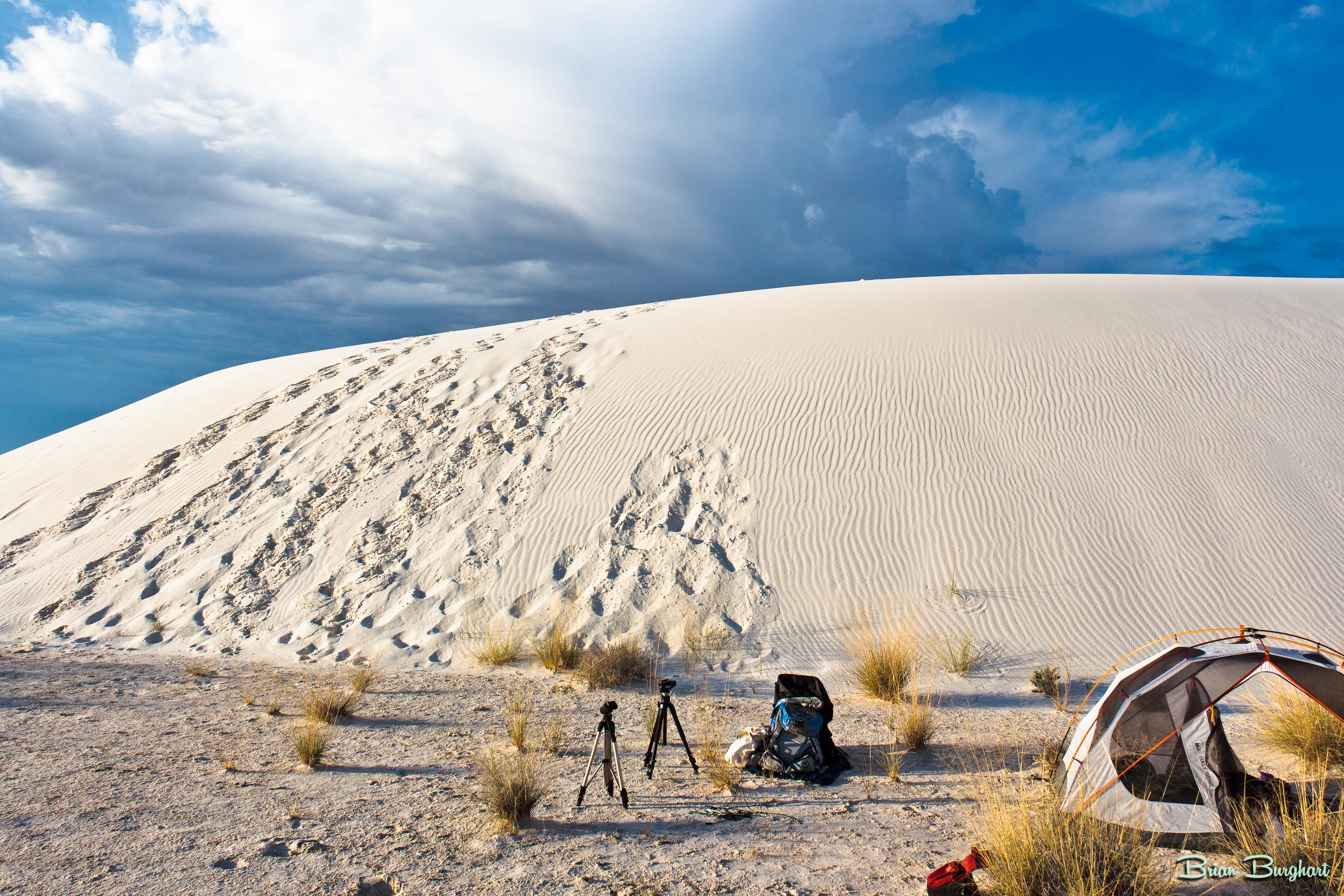
White Sands Backcountry Camping: Closed for 2026 — What to Know
As of 2026, backcountry camping at White Sands National Park is closed for site rehabilitation. What that means, and where to camp nearby instead.
Weather Guide
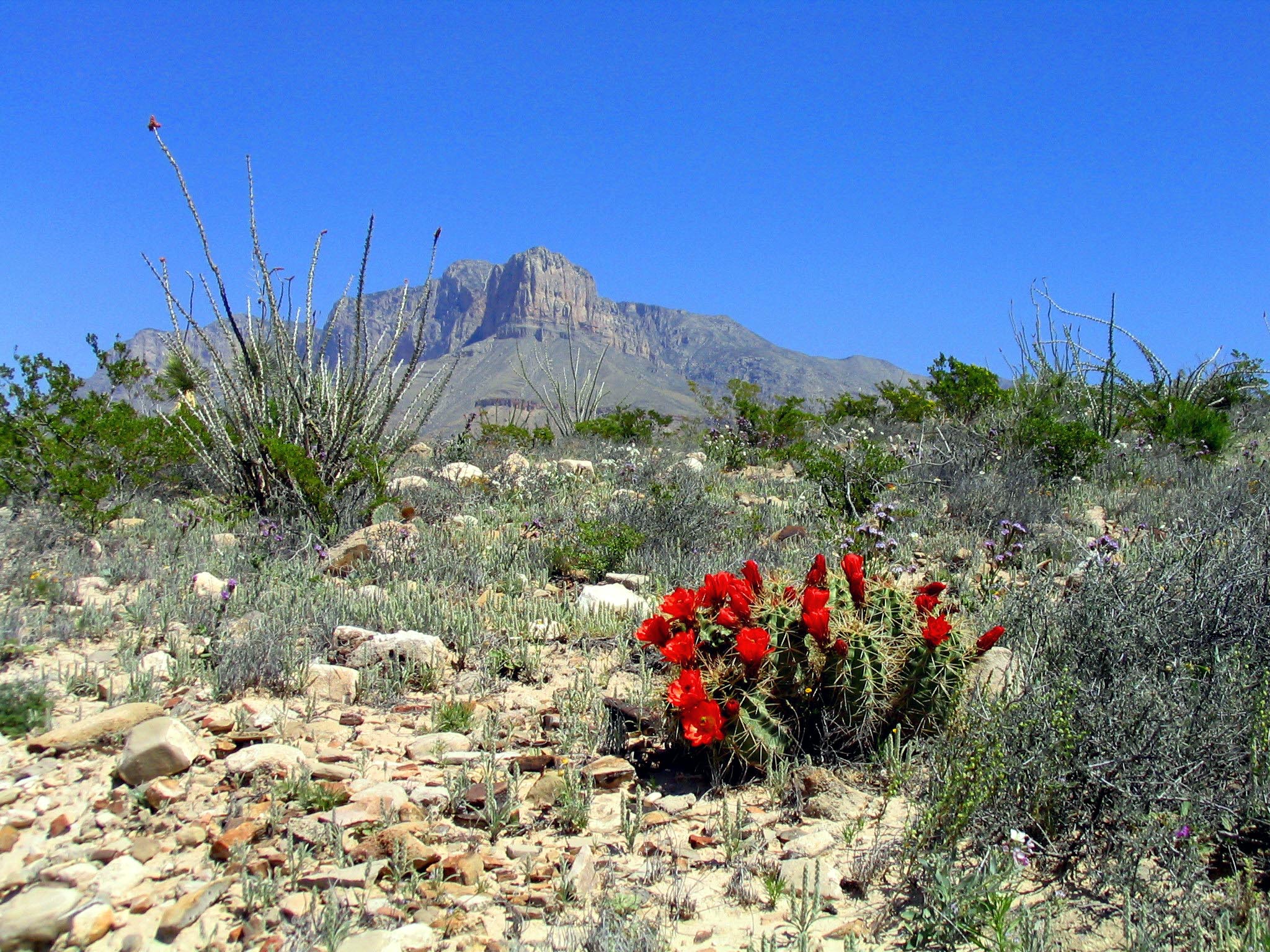
Guadalupe Mountains National Park Weather: Weather
Guadalupe Mountains National Park: weather guide guide updated 2026. Practical visitor information, reservations, and seasonal tips worth bookmarking before
Best Of
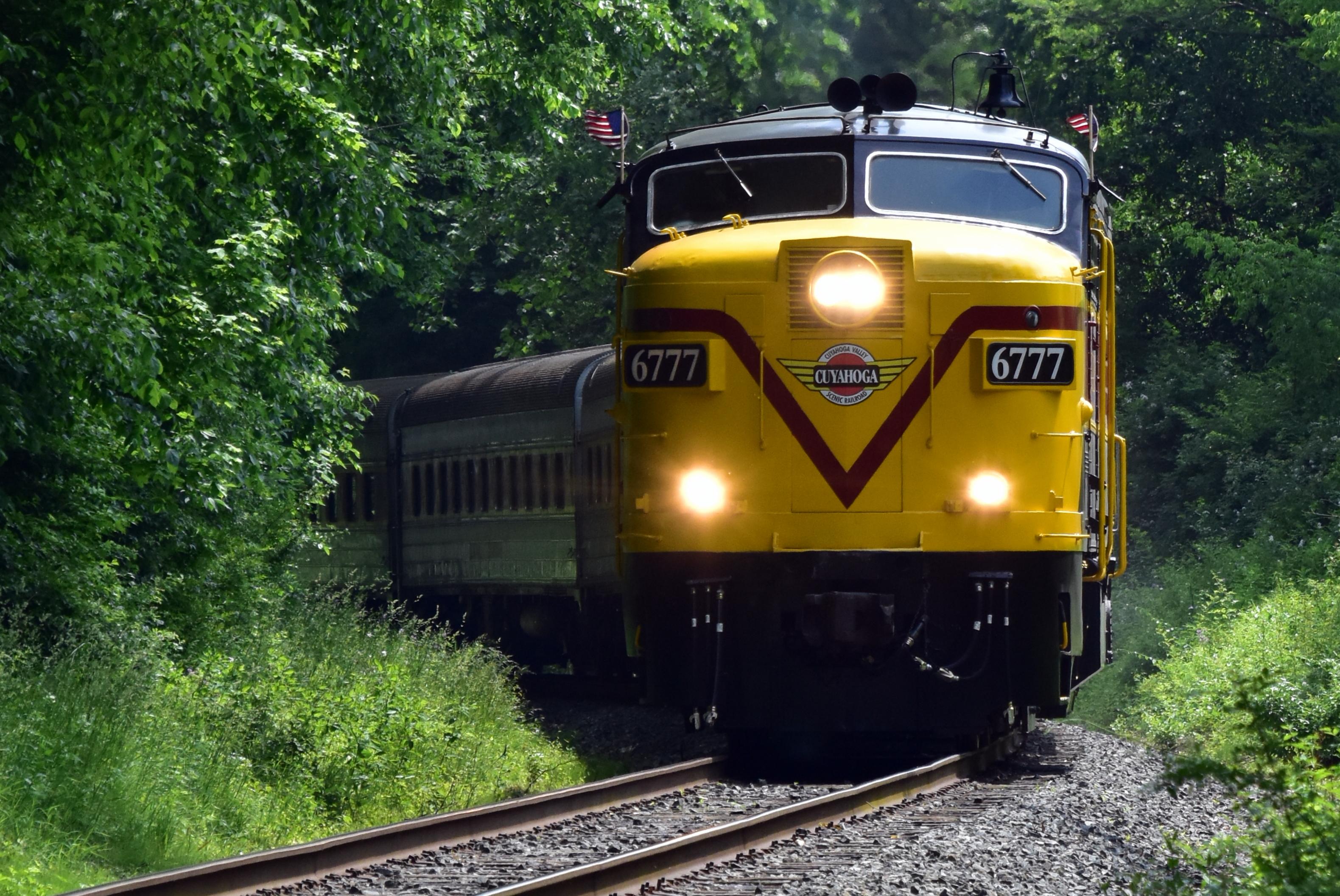
Best of Cuyahoga Valley National Park: Best Things to Do
Seeing a Cleveland Orchestra concert with the woods as your backdrop is a uniquely Cuyahoga Valley experience.
Sign in to join the conversation.
Sources & Attribution
Location data courtesy of the National Park Service (U.S. Department of the Interior). NPS data is public domain. Official NPS page.
Images: NPS.
Map data © OpenStreetMap contributors.
Park operations alerts: NPS.gov · Weather and weather hazards: National Weather Service · Live conditions.
Information may change. Always verify fees, hours, and conditions directly with the official source before visiting.
Did this guide help? Share it with a friend.