For more, see hiking trails and lodging and accommodations.
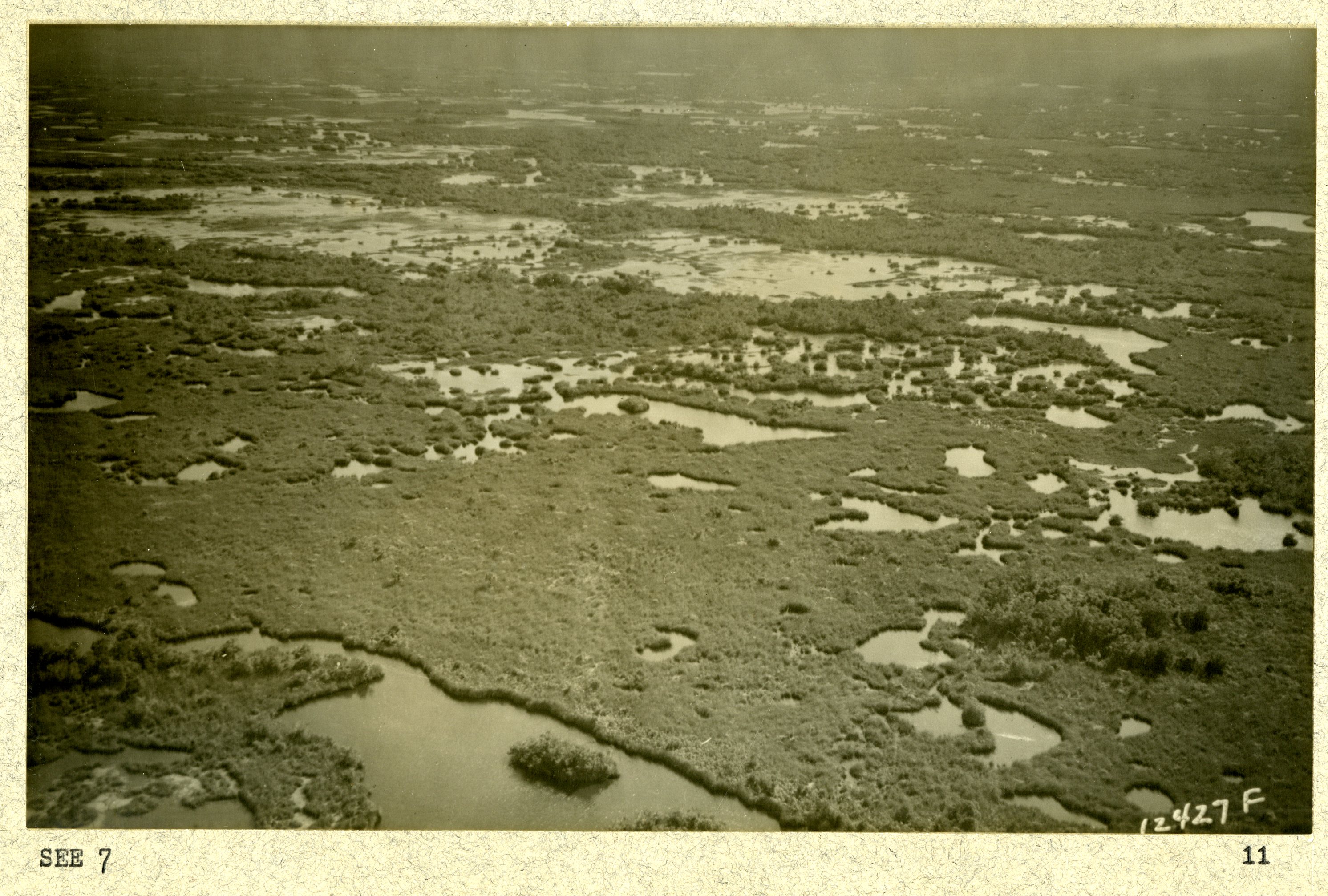
NPS via NPS.gov (Public Domain)
Camping Near Everglades National Park
9 min read
Camping Guide
Complete 2026 camping guide for Everglades National Park. Campground locations, reservation tips, site selection, and what to know before you arrive.
Your plans
This article contains affiliate links — we may earn a small commission at no extra cost to you.
Everglades National Park Camping: Long Pine Key, Flamingo & Backcountry Camping (2026 Guide)
Camping access in Everglades National Park hinges entirely on the season. Both frontcountry campgrounds operate from November through May. Peak winter weekend reservations can vanish within minutes on Recreation.gov, while summer months find the gates locked and sites vacant. A winter visit means competing for limited sites in a sought-after subtropical climate. Summer trips require backcountry camping—a distinct wilderness experience.
The Booking Reality
Reservations for both Long Pine Key and Flamingo Campgrounds are managed through Recreation.gov. The booking window opens six months in advance, rolling daily. For a Saturday arrival in February, that means booking on a Saturday in August. Rangers will tell you that sites for holiday weekends (President's Day, Thanksgiving weekend) and the period between Christmas and New Year's are often fully booked within the first hour the window opens. Your best strategy is to know your exact dates, create a Recreation.gov account with payment info saved, and be online ready to click the moment the clock strikes 10:00 AM Eastern Time.
Walk-in availability is a gamble that rarely pays off in peak season. A cancellation might pop up, but you can't count on it. The park's "View all alerts" page on the NPS website is essential reading before you try this, as it will note any campground closures or reduced capacity. During the summer off-season, both frontcountry campgrounds are completely closed. Your only option for camping near Everglades National Park from June through October is backcountry camping (with a permit) or private campgrounds outside the park boundaries.
Campground at a Glance
| Campground | Sites / Types | Reservation | Season | Fee (2026) | Hookups | Nearest Services |
|---|---|---|---|---|---|---|
| Long Pine Key | ~108 drive-in; tent & RV | Yes, some FCFS loops | Nov - May | ~$35/night | None | Water, restrooms at campground. Gas/food in Homestead (30 min). |
| Flamingo | ~234 drive-in; tent, RV, some walk-to | Yes | Nov - May | ~$35/night | None at standard sites; some at T-Loop | Flamingo Marina (store, cafe, rentals). |
| Backcountry | Beach, ground, & chickee sites | Permit required | Year-round | $21 permit fee + $4/person/night | None | None. Must be fully self-sufficient. |

Long Pine Key Campground: Complete Guide
Long Pine Key Campground sits just inside the Homestead entrance, set in classic pineland habitat. You'll find a flat expanse of tall slash pines over hardpacked limestone ground. The atmosphere is shaded and quiet, marked by wind through pine needles overhead. This is dry upland habitat—no water views here. Consistent shade provides relief from the Florida sun. While the terrain is flat and walkable, the rocky ground necessitates a sturdy tent footprint or a sleeping pad with adequate insulation.
Loop and Site Selection
The campground is arranged in several loops. The common mistake is assuming all sites are equal. They are not.
- Loops A & B: These are often the first-come, first-served (FCFS) loops when the reservation system is not in use for the entire campground. They tend to be a bit more open and closer to the entrance road. Good for last-minute arrivals, but can feel more exposed.
- Inner Loops (C, D, etc.): These reserved loops offer more privacy, with sites better spaced among the pines. Sites on the interior of these loops, away from the loop road, are your best bet for solitude. The trade-off is a longer walk to the shared water spigots and restrooms.
Specific site recommendations are tricky without a map, but the rule is simple: aim for the center of any loop. Perimeter sites back up to the pineland or service roads, which can mean more foot traffic or noise from early-rising neighbors. The official booking site doesn't show the rockiness of the tent pads or the fact that some sites have a slight slope. It also doesn't convey the complete lack of cell service here. Assume you are offline.
Facilities and Practicalities
Facilities are basic but functional. You'll find modern restrooms with flush toilets and cold-water sinks. There are no showers. Potable water is available from spigots throughout the loops. There is no dump station at Long Pine Key; the nearest is at Flamingo or outside the park. The biggest practical note is the generator policy. Generator use is permitted, but hours are strictly enforced (typically 8 AM to 8 PM). Rangers do patrol, and a generator running outside those hours is a sure way to get a knock on your camper door.
Flamingo Campground: Complete Guide
Flamingo is the park's main hub at the very end of the main park road, 38 miles from the entrance. The setting is coastal prairie, right on Florida Bay. The atmosphere is defined by wind and wide-open skies. You'll hear ospreys calling and the constant rustle of breeze through the sawgrass. The trade-off for the bay views and access to the marina is a near-total lack of natural shade. What trees exist are short and scrubby. You camp under the sun or under your own awning. The ground is grassy and softer than the limestone at Long Pine Key.
Loop and Site Selection
Flamingo's size means more variety. Use the campground map on Recreation.gov religiously.
- T-Loop (RV Sites): This is the only loop with electrical hookups. These sites are paved, close together, and feel more like an RV park. They book up fastest of all. If you need power, this is your only in-park option.
- Standard Loops (A, B, etc.): These are grassy, open sites suitable for tents or RVs (no hookups). Views of the bay are possible from the outer edges of these loops. For the best chance at a water view, look for sites that back onto the coastal edge. For more wind protection, choose a site in the interior of a loop, though true shelter is scarce.
- Walk-to Eco Tents: Flamingo also offers furnished canvas tents on raised platforms. These are booked separately from standard campsites and include beds and basic furniture. They are a solid option if you want to camp without your own gear.
What the booking site doesn't show is the relentless wind, which can make tent camping a challenge without serious stakes and guylines. It also doesn't highlight the proximity to the Flamingo Marina, which is both a convenience (store, cafe, visitor center) and a source of ambient light and occasional noise, especially when tour boats are loading.
Facilities and Practicalities
Flamingo has the park's most developed services. The campground has restrooms with flush toilets and cold-water sinks. Coin-operated showers are available at the nearby marina store - bring quarters. Potable water is available throughout the campground. A dump station and freshwater fill are located near the entrance. The marina store sells basic groceries, ice, and camping supplies, but prices are high and selection is limited. The gift shop sells water for $4 a bottle. Bring your own.

Backcountry Camping
This is wilderness camping. You'll need a permit, which can be reserved online or in person at the Flamingo or Gulf Coast Visitor Centers. Sites include beach sites (ground camping on coastal shelves), ground sites (like those at Hell's Bay), and chickees - raised wooden platforms over open water. Chickees are the most iconic and require a kayak or canoe to reach. They have a roof, a portable toilet, and tie-offs for boats. Nothing else.
The most important thing to know is that this is a water-based ecosystem. You must be proficient in navigating by chart and tide tables. You must pack out all waste, including human waste for ground and beach sites. You must store all food in hard-sided, lockable containers (not just a cooler) because raccoons and rats are adept swimmers. This isn't a casual overnight; it's a logistical expedition. The $21 permit fee plus $4 per person per night is a bargain for the solitude, but you earn it.
Reservation Strategy
For Flamingo and Long Pine Key, the six-month rolling window on Recreation.gov is law. Set a calendar reminder for 9:55 AM ET, six months before your planned arrival date. Log in early. Have your desired site numbers (from studying the map) as alternates ready. If you strike out, use Recreation.gov's cancellation notification tool. People's plans change regularly, especially a week or two out from the date.
For backcountry permits, the process is different. Reservations are available online up to 24 hours in advance, but popular chickee sites for peak season can be booked months ahead. You can also try for a walk-in permit at the visitor centers, but for a weekend trip, don't rely on it. Have a flexible itinerary with multiple site options.

What to Know Before You Arrive
Check the NPS alerts page. As of 2026, roadwork on US 41/Tamiami Trail can cause delays, and invasive plant treatment in Flamingo areas means you might encounter closed trails or work crews. This is critical intel for planning your arrival time.
Wildlife and Storage: This is not bear country, but it is raccoon, otter, and rat country. At Flamingo and Long Pine Key, you must store all food, trash, and scented items (toothpaste, sunscreen) in your vehicle or in the provided food storage lockers when not in immediate use. At backcountry sites, use the designated storage lockers on chickees or a hard, lockable container. A soft cooler left out is an invitation.
Fire and Water: Ground fires are prohibited everywhere in the park. You may use a raised, contained charcoal grill or camp stove. Potable water is available at both frontcountry campgrounds. For backcountry trips, you must filter or treat all water from natural sources - without exception.
Cell Service: Cell service is unreliable to non-existent at Long Pine Key and spotty at Flamingo. Download maps, permits, and reservation confirmations before you arrive.
Quiet Hours & Generators: Quiet hours (typically 10 PM to 6 AM) are enforced. Generator hours are strictly limited to daytime, usually 8 AM to 8 PM. If you need power overnight for medical equipment, contact the park in advance.
Practical Takeaways
- Season is everything. Frontcountry campgrounds (Long Pine Key, Flamingo) are only open November through May. Plan and book accordingly.
- Book at 10:00 AM ET, six months out. For a winter weekend, this is not a suggestion. It's the only way.
- Study the campground maps on Recreation.gov. Site selection dramatically impacts your experience, especially for shade at Long Pine Key and wind/wviews at Flamingo.
- Bring your own shade and wind protection. Flamingo has little natural shade. Long Pine Key is shadier but open. A pop-up canopy or tarp is worth its weight.
- Store all food in your vehicle or locker. Every night, without fail. The raccoons are professional.
- No ground fires are allowed. Bring a camp stove for cooking.
- Assume you will have no cell service. Download your reservation, permits, and area maps before you leave home.
- For Flamingo, bring quarters for the coin-operated showers at the marina store.
- Check the park alerts page before you travel for roadwork delays or area closures, especially for invasive species treatment.
- Backcountry camping is a serious undertaking. It requires watercraft, navigation skills, and rigorous food storage. It is not for beginners without guidance.
For more details on navigating the park itself, from entrance stations to visitor centers, consult the complete visitor guide. If you're looking to explore on foot, our guide to hiking trails in the Everglades covers the best routes. And if you decide camping isn't for you, there are other lodging and accommodations available in the surrounding area.
For more information, see our complete Everglades National Park Guide.
Related: everglades national park map guide
Related: everglades national park on map guide
Recommended Gear
What experienced visitors bring to Camping Near Everglades National Park
Links may earn us a commission at no extra cost to you. We only recommend gear we believe in.
Hiking Essentials
Hydration Pack (3L)
Hands-free water for long trail days
Trekking Poles (Pair)
Save your knees on steep descents
Hiking Boots (Ankle Support)
Sturdy footwear for rocky, uneven trails
Sun & Heat Protection
Wide-Brim Sun Hat
Full coverage UPF 50+ protection at altitude
Insulated Water Bottle (32oz)
Keeps water cold in desert heat all day
Winter Gear
Microspikes / Traction Devices
Essential for icy rim trails in winter months
Packable Down Jacket
Lightweight warmth that stuffs into a pocket
Sources
- Official source: NPS — Everglades National Park nps.gov/ever/index.htm
- Official source: National Park Service nps.gov/places/everglades-national-park.htm
Photo Gallery
More to Explore
Park Guide
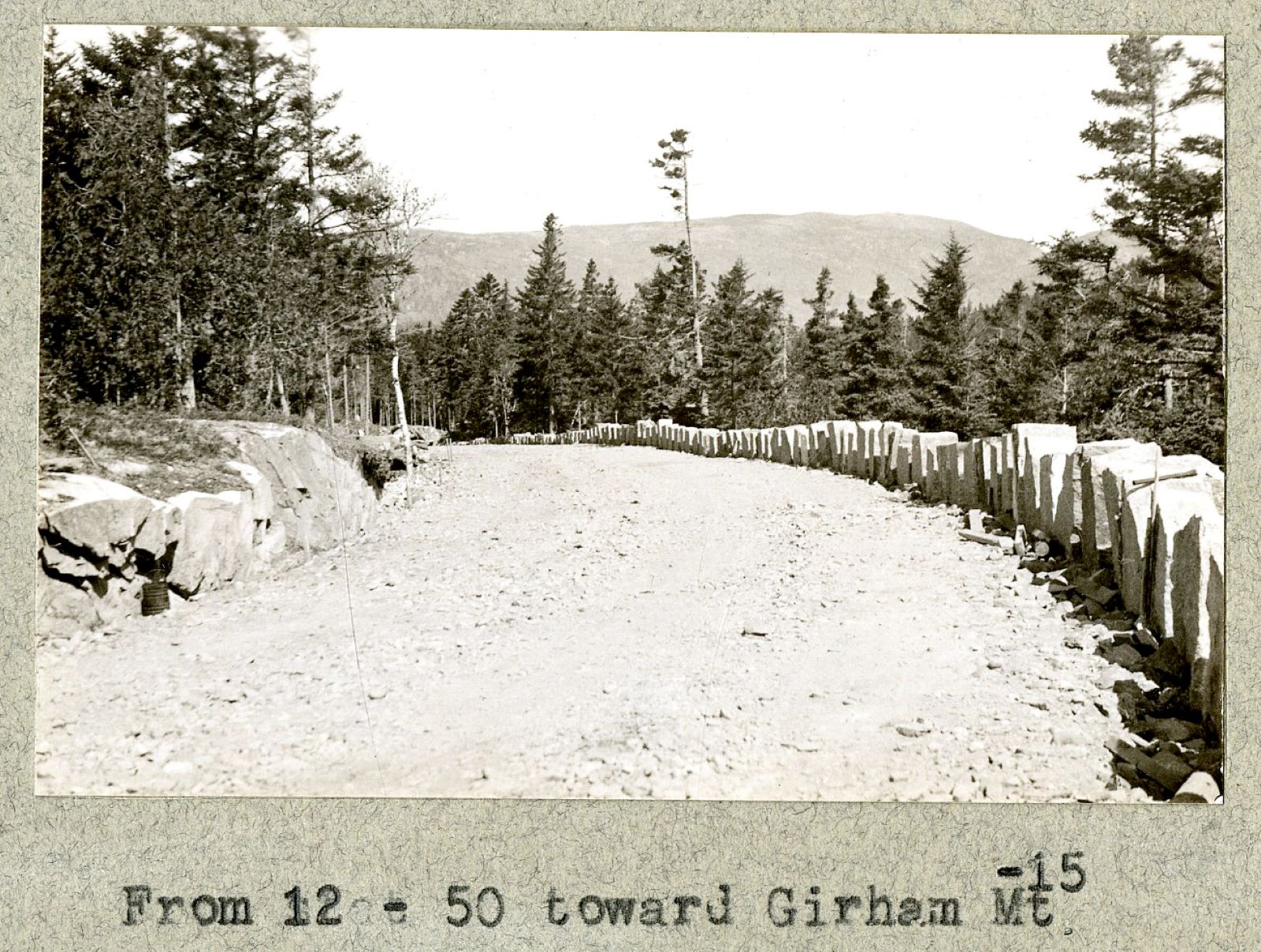
Acadia National Park: Carriage Roads, Cadillac Mountain & 2026 Guide
Discover carriage roads, Cadillac Mountain, and rugged Maine coast. Complete 2026 guide to Acadia National Park — trails, fees, lodging, permits, and what rangers recommend.
Hiking Guide
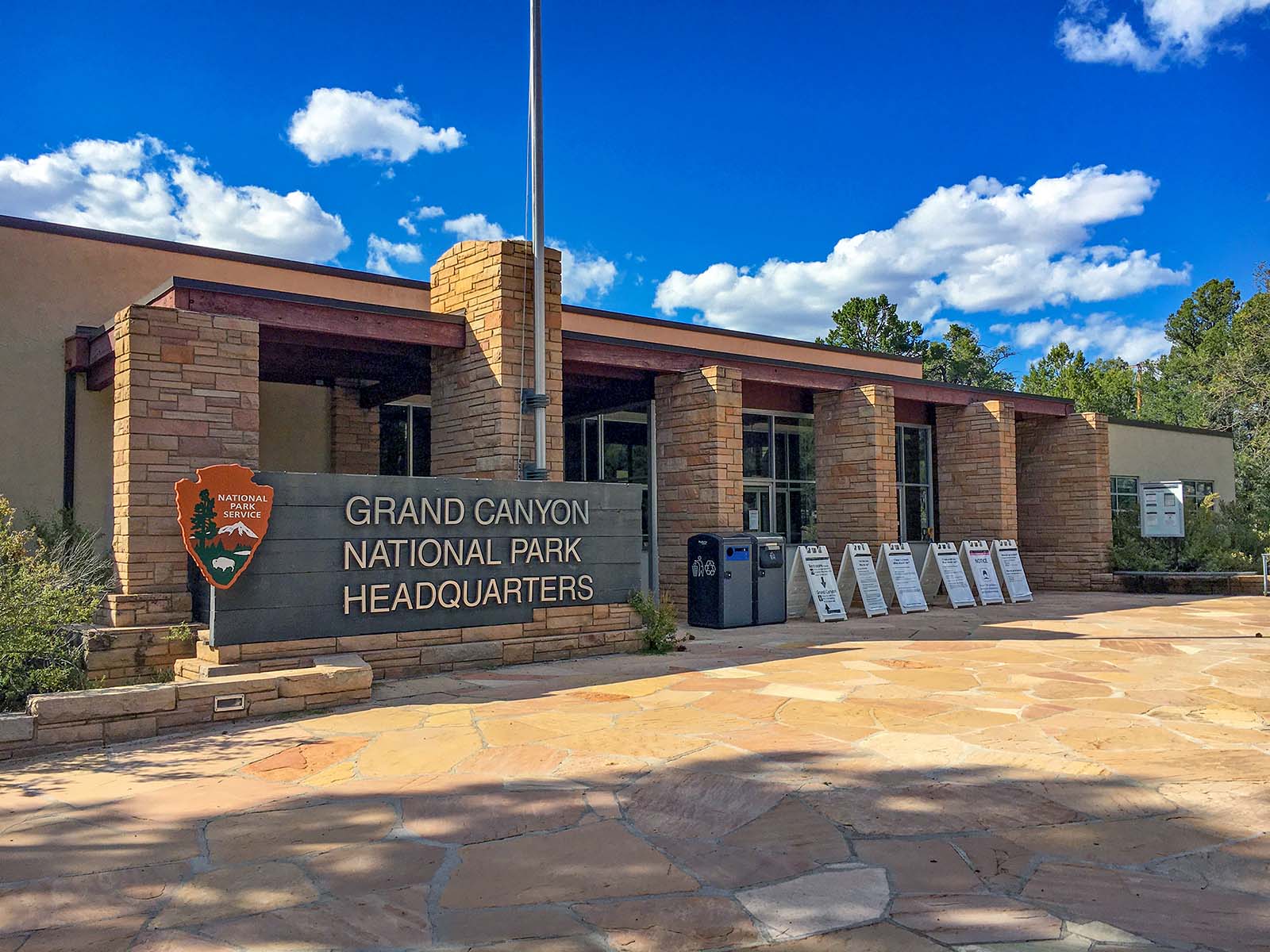
Grand Canyon Hiking Trails: Day Hikes, Water Sources & Rim to Rim
Compare Grand Canyon hiking trails: Bright Angel, South Kaibab, Hermit, Grandview, and rim to rim, with distances, elevation, water stops, and trailhead access for each.
Best Of
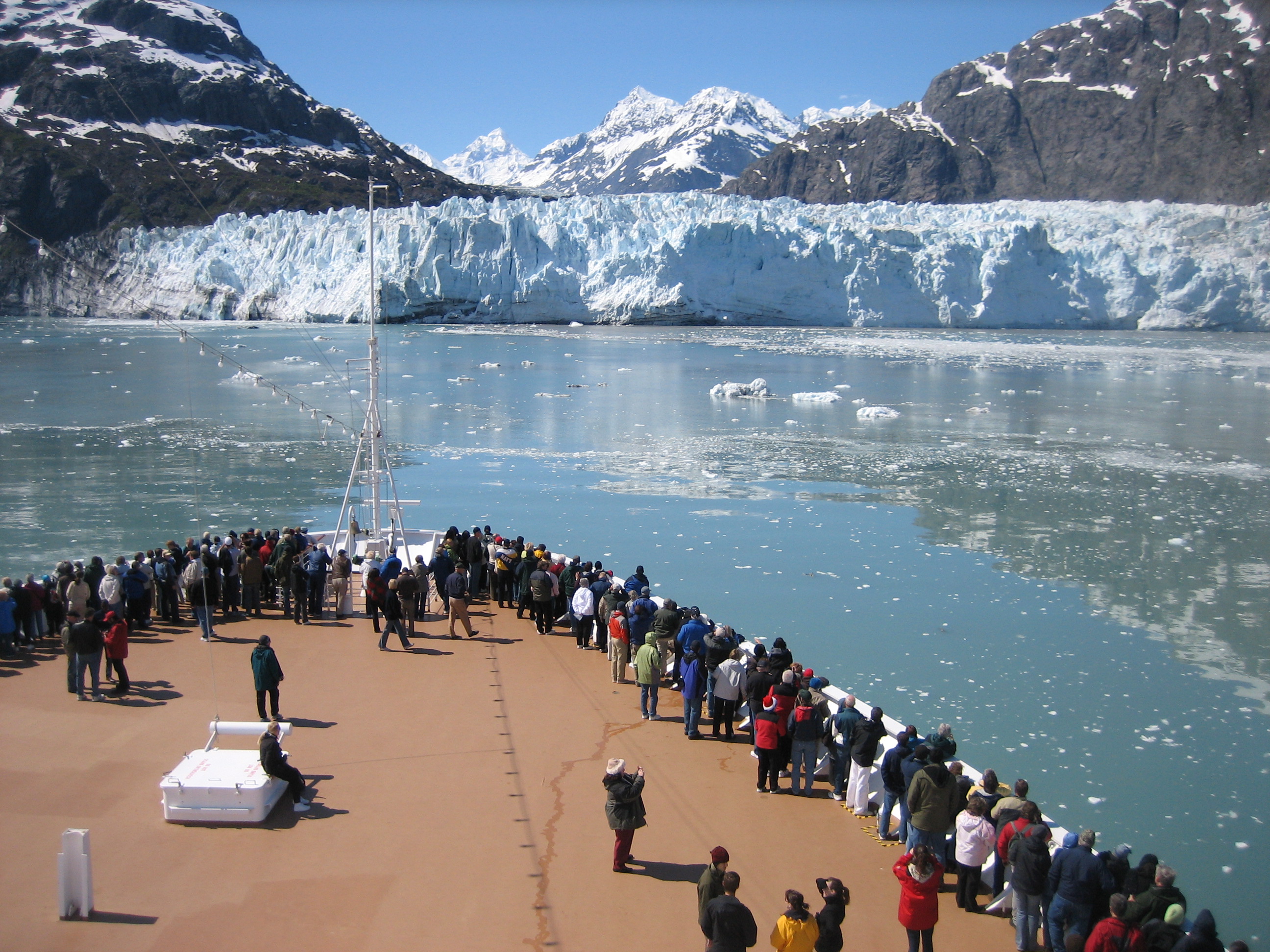
Best of Glacier Bay National Park
The best of Glacier Bay is reached by boat: ranger-led day tours up the bay to the tidewater glaciers. What's worth it, how to book, and when to go (2026).
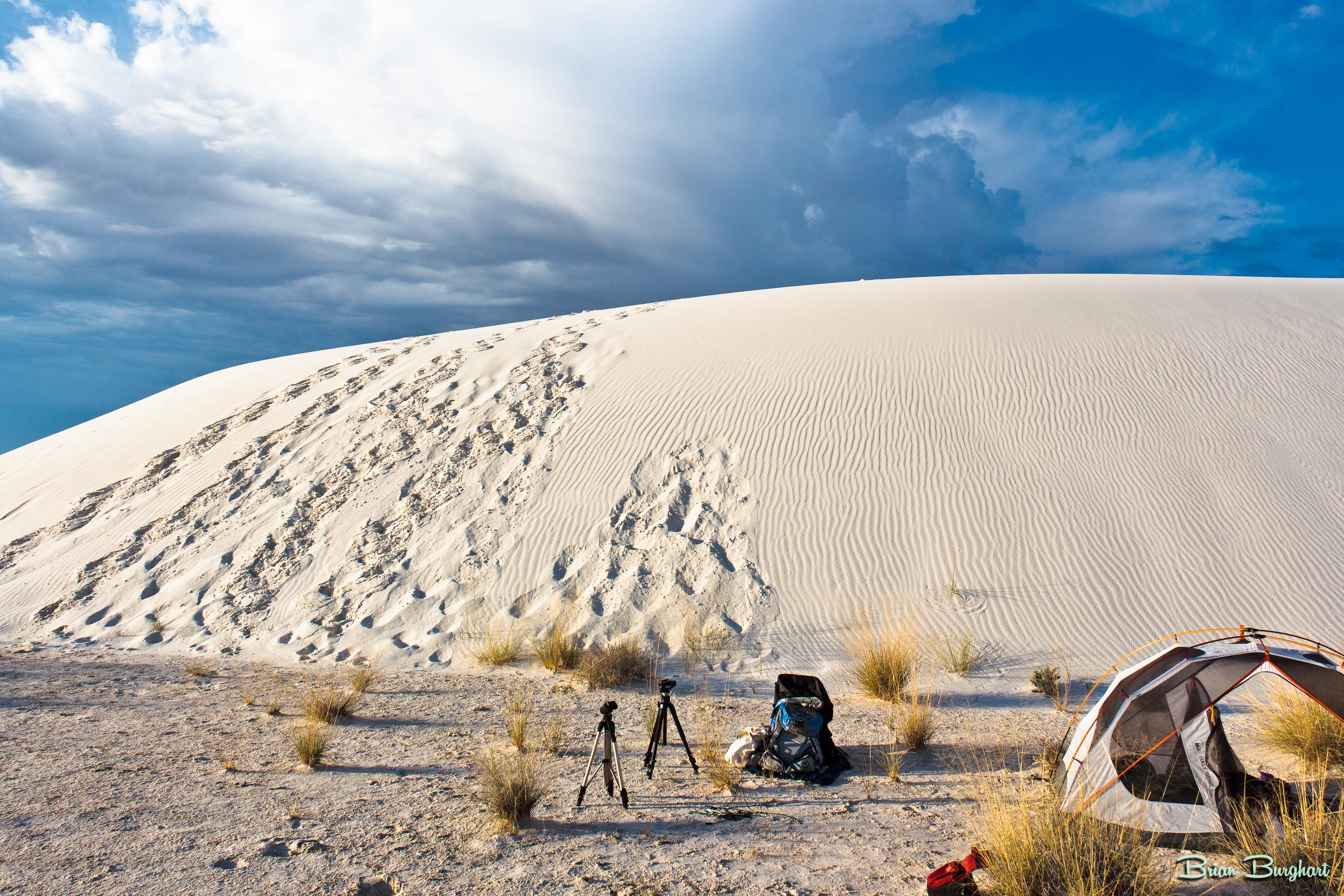
Campsite Guide
White Sands Backcountry Camping: Closed for 2026 — What to Know
As of 2026, backcountry camping at White Sands National Park is closed for site rehabilitation. What that means, and where to camp nearby instead.
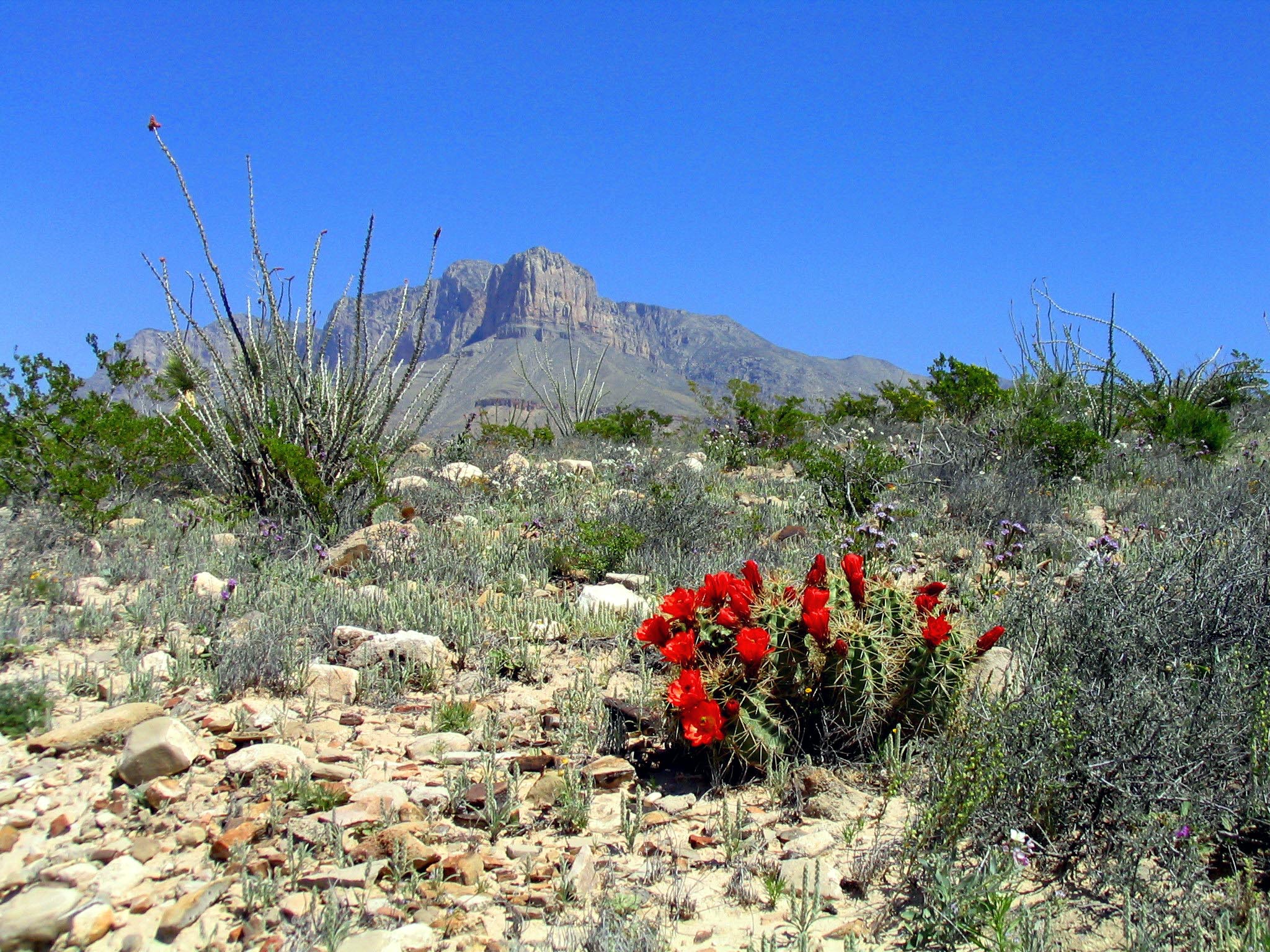
Weather Guide
Guadalupe Mountains National Park Weather: Weather
Guadalupe Mountains National Park: weather guide guide updated 2026. Practical visitor information, reservations, and seasonal tips worth bookmarking before
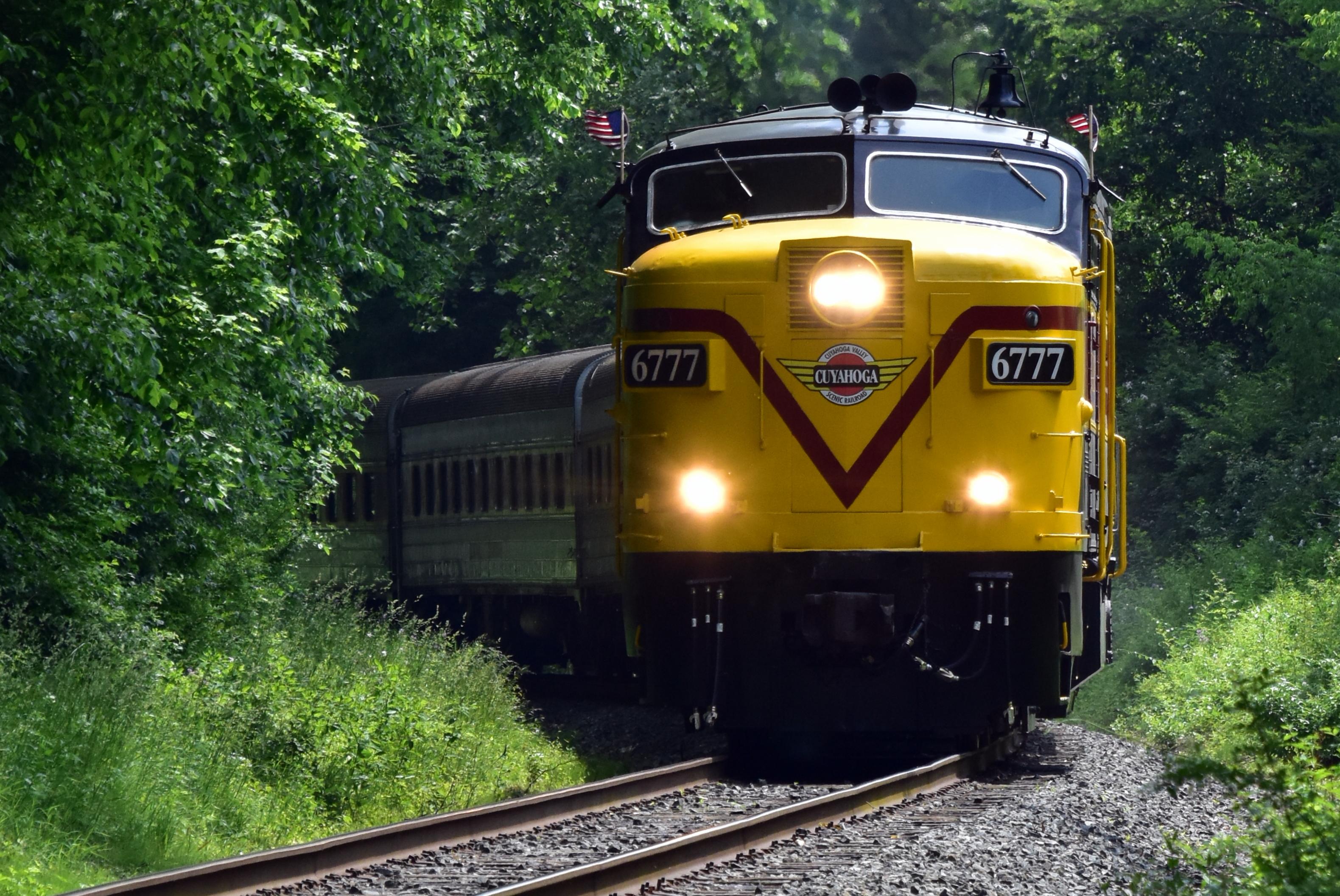
Best Of
Best of Cuyahoga Valley National Park: Best Things to Do
Seeing a Cleveland Orchestra concert with the woods as your backdrop is a uniquely Cuyahoga Valley experience.
Sign in to join the conversation.
Sources & Attribution
Location data courtesy of the National Park Service (U.S. Department of the Interior). NPS data is public domain. Official NPS page.
Images: NPS; NPS; NPS; NPS; NPS.
Map data © OpenStreetMap contributors.
Park operations alerts: NPS.gov · Weather and weather hazards: National Weather Service · Live conditions.
Information may change. Always verify fees, hours, and conditions directly with the official source before visiting.
Did this guide help? Share it with a friend.