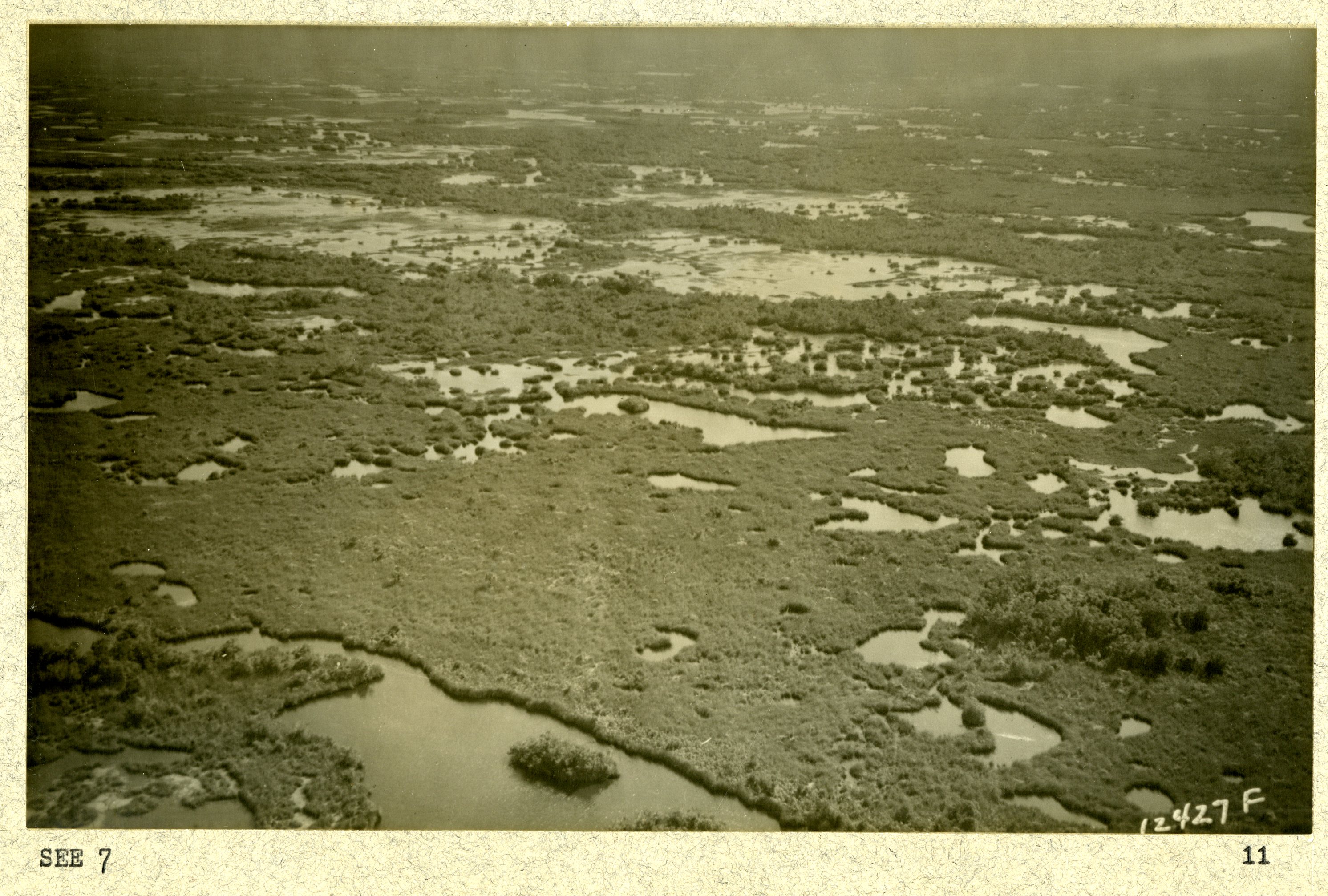
Visitors expecting four distinct seasons will find the Everglades operates on a different rhythm. The critical division here is between Dry Season and Wet Season, a fundamental cycle that governs everything from wildlife movements to trail accessibility. Newcomers often underestimate the magnitude of this shift—it reshapes water levels, temperatures, and which areas of the park remain navigable. A Miami forecast reading "sunny" fails to convey the humidity, the thunderstorms gathering over the sawgrass, or the mosquito activity that defines a day here. This landscape is shaped by water, with weather serving as its driving force.
NPS via NPS.gov (Public Domain)
Everglades National Park Weather
8 min read
Weather Guide
Forget Miami's forecast. Everglades weather runs on a Dry vs. Wet Season cycle that changes everything. Plan your 2026 visit around wildlife, bugs, and access.
The Weather Reality
The Everglades operates on a binary system: Dry Season (roughly November through April) and Wet Season (May through October). This isn't a subtle gradient. The Dry Season sees lower water levels across the "River of Grass," concentrating fish and other prey in remaining sloughs and ponds. This, in turn, makes wildlife viewing - especially for wading birds and alligators - dramatically easier. The air is drier (for Florida), temperatures are milder, and mosquitoes are often tolerable.
The Wet Season is a different park. Daily afternoon thunderstorms are virtually guaranteed, dumping inches of rain that flood the marl prairies and raise water levels by feet. This disperses wildlife, making them harder to spot but supercharging the ecosystem. The heat and humidity are intense, and mosquitoes become a formidable presence. Rangers will tell you that many secondary roads and trails, especially around Flamingo, can become impassable or closed due to high water. The common mistake is assuming a summer visit will be like a winter one, just hotter. It's not. You're visiting two fundamentally different environments.

Month by Month
To plan effectively, you need to grasp these monthly details. Visitor numbers typically reflect comfort levels—the most agreeable months draw crowds, while the tougher conditions see fewer people.
December - February (Dry Season Core)
* Temperatures: Highs 77-80°F, Lows 53-63°F. Cold fronts can occasionally drop temperatures into the 40s, a shock if you've only packed shorts.
* Precipitation: Minimal. This is the driest period.
* Conditions: This is peak season for a reason. Skies are clear, humidity is low, and bug pressure is at its annual minimum. All visitor centers, tours, and facilities are open.
* Crowds: High. Parking lots at popular trailheads like Anhinga fill by mid-morning. Lodges and campgrounds book months in advance.
* Wildlife: Prime time. Concentrated water sources make birding exceptional - roseate spoonbills, wood storks, and vast flocks of waders are common. Alligators bask on canal banks.
* The Trade-off: You trade perfect weather for crowds and advanced planning. Rangers emphasize making reservations for everything.
March - April (Dry to Transition)
* Temperatures: Climbing. Highs 82-87°F, Lows 62-68°F.
* Precipitation: Rainfall begins to increase, especially in April with sporadic afternoon storms.
* Conditions: The landscape is still relatively dry, but the heat becomes noticeable. Mosquitoes start to reappear, particularly at dawn and dusk. Water levels are at their annual low.
* Crowds: Still high through spring break, then beginning to taper in late April.
* Wildlife: Still excellent for viewing. This is also when many birds begin nesting.
* The Challenge: The sun is strong. Sun protection and hydration are non-negotiable. The "dry" feel of winter is gone.
May - June (Early Wet Season)
* Temperatures: Hot. Highs 87-90°F, Lows 70-75°F. Humidity becomes oppressive.
* Precipitation: Daily afternoon thunderstorms become the routine. These are not all-day rains, but they are intense, with dramatic lightning.
* Conditions: The park greens rapidly. Mosquitoes become a constant factor - bug spray is a required layer. Some trails may start to get soggy.
* Crowds: Drop significantly. You'll find solitude but must work for it.
* Wildlife: Viewing becomes more challenging as animals disperse. However, this is the start of the breeding season for many species, and the lush greenery is dramatic.
* The Reality: Plan your hiking and biking for early mornings. Be off the trails by early afternoon when storms roll in.
July - September (Peak Wet & Hurricane Season)
* Temperatures: Hottest and most humid. Highs 90-91°F, Lows 75-78°F. Heat indices regularly exceed 100°F.
* Precipitation: Highest of the year. Afternoon storms are a certainty. This is the core of the Atlantic hurricane season.
* Conditions: Many unpaved roads and trails, particularly in the Flamingo area, may be flooded and closed. Mosquitoes are relentless. The air feels thick.
* Crowds: Lowest. You'll have overlooks to yourself, but many concession-run tours may have reduced schedules.
* Wildlife: Mammals and reptiles are active but hidden in dense growth. Bird diversity is lower as many species disperse north.
* The Consideration: Only experienced, well-prepared visitors should target this period. Hydration and insect protection are critical. Always monitor the official park website for hurricane warnings and closures.
October - November (Transition to Dry)
* Temperatures: Slowly cooling. Highs 85-88°F in October down to 80-83°F in November. Lows from 70s down to 60s.
* Precipitation: Tapers off through November. The daily storm pattern breaks.
* Conditions: A volatile but rewarding time. Humidity drops, mosquitoes begin to subside, and water levels are still high from the wet season, creating beautiful flooded landscapes.
* Crowds: Begin to increase in November, especially around Thanksgiving.
* Wildlife: As water begins to recede, wildlife starts to concentrate again. A good shoulder-season bet.
* The Bonus: You can often experience the lushness of the wet season with some of the comfort of the dry season, minus the peak crowds.

Best Times for Specific Activities
Your ideal month depends entirely on what you want to do.
* For Wildlife Viewing & Photography: Target December through March. The combination of low water, mild weather, and minimal bugs makes spotting and photographing birds and alligators along main roads like the Anhinga Trail and Shark Valley loop vastly easier.
* For Hiking & Biking: The Dry Season is the only practical window for most trails. Trails like the Long Pine Key or Snake Bight are firm and passable. In the Wet Season, they become muddy, flooded, and mosquito-infested. For the hiking trails overview, see our dedicated guide.
* For Kayaking & Canoeing: This splits. For inland paddling trails like the Nine Mile Pond or Hell's Bay, late Dry Season into early Wet (March-May) offers good water levels before the mosquito explosion. For the coastal wilderness waterways, conditions are more dependent on wind and tides than seasonal rain.
* For Solitude & Adventure: July and August offer an empty park, but it's a rugged experience. You'll have the place to yourself if you can handle the conditions.
* For Fishing: Anglers debate this. The Dry Season finds fish concentrated in deeper holes, making them easier to locate. The Wet Season offers more expansive access as backcountry bays and creeks fill, but fish are scattered. Check our complete visitor guide for permit details.

What to Pack by Season
Forget generic lists. Pack for the specific seasonal battle you're walking into.
Dry Season (Nov-Apr):
* Layers: A light fleece and a wind/rain shell are essential. Mornings on a bike or boat can be chilly, especially during a cold front.
* Sun Defense: A wide-brimmed hat, UV-blocking sunglasses, and high-SPF sunscreen. The subtropical sun is intense even in winter.
* Footwear: Closed-toe shoes or hiking sandals with good grip for paved and limestone trails. Trail runners are ideal.
* Bug Spray: Still bring it. Mosquitoes aren't gone, especially at dawn/dusk near water.
Wet Season (May-Oct):
* Rain Gear: A quality, packable rain jacket. Umbrellas are useless in wind-driven storms.
* Insect Armor: EPA-registered repellent with DEET, picaridin, or oil of lemon eucalyptus. Consider a head net for serious hiking - it's not overkill.
* Quick-Dry Everything: From shirts to shorts to socks. Cotton will stay wet and chafe.
* Water Shoes/ Sandals: For trails that have become shallow streams.
* Hydration System: A large water reservoir or multiple bottles. You will sweat constantly.
* Dry Bags: For protecting cameras, phones, and car keys during sudden downpours or while paddling.

What the Forecast Doesn't Tell You
- The Mosquito Forecast is More Important: The official weather app won't warn you. Mosquito activity is directly tied to recent rainfall and water levels. Rangers at the visitor center can give you a current "bug report." Believe them.
- Afternoon Means 2 PM, Not 5 PM: The daily Wet Season thunderstorm isn't a late-afternoon event. It typically builds between 1 and 3 PM. Plan to be finished with outdoor activities or already under shelter by then.
- "Scattered Storms" Means "You Will Get Wet": In summer, "50% chance of rain" means 100% chance it will rain somewhere in the park, and it will likely be where you are. Assume you'll encounter rain.
- Cold Fronts Have Teeth: A winter cold front can drop temperatures 25 degrees in a few hours. That 75°F day can turn into a 50°F, windy evening - chilly on the water.
- Humidity is the Real Temperature: A 90°F day in October feels cooler than an 85°F day in July because the humidity is lower. Pay attention to the "feels like" heat index.
- Road Flooding is Instant: During the Wet Season, a heavy downpour can temporarily flood low sections of road, like parts of the main park road or the road into Flamingo. Drive slowly and avoid standing water of unknown depth.
- Lightning is a Genuine Threat: You are the tallest object on a vast, flat prairie. When you hear thunder, the storm is close enough to strike. Seek shelter in a building or a hard-topped vehicle immediately.
Practical Takeaways
- For first visits, target the Dry Season (Dec-Mar). You'll see more wildlife with fewer logistical and comfort challenges. Book camping reservations and tours well in advance.
- If you visit in the Wet Season, embrace the rain. Plan activities for early morning, be under cover by early afternoon, and never underestimate the mosquitoes.
- Your packing list is non-negotiable. Sun protection and insect repellent are as essential as your park pass, regardless of month.
- Check for water-related closures. Before heading to Flamingo or backcountry trails in summer, verify that roads and trails are passable. Current alerts about invasive vegetation removal or flooding will be posted.
- Layer for 30-degree swings. A winter day can start in the 50s, peak in the 80s, and drop again at sunset. Be ready for all of it.
- Hurricane Season is a real planning factor. From June through November, have a flexible plan and trip insurance. If a storm is forecast, the park will close.
- The best weather often comes with the worst crowds. To slightly beat the crowds at peak season, arrive at trailheads at sunrise or visit in the shoulder months of November or late April.
Understanding Everglades National Park weather is the key to a successful visit. It determines what you'll see, how you'll feel, and what you'll remember. Pack for the season you're visiting, not the park you imagine, and you'll be prepared for the extraordinary reality of this river of grass.
For more information, see our complete Everglades National Park Guide.
Related: everglades national park guide
Sources
- Official source: NPS — Everglades National Park nps.gov/ever/index.htm
- Official source: National Park Service nps.gov/places/everglades-national-park.htm
Photo Gallery
More to Explore
Park Guide
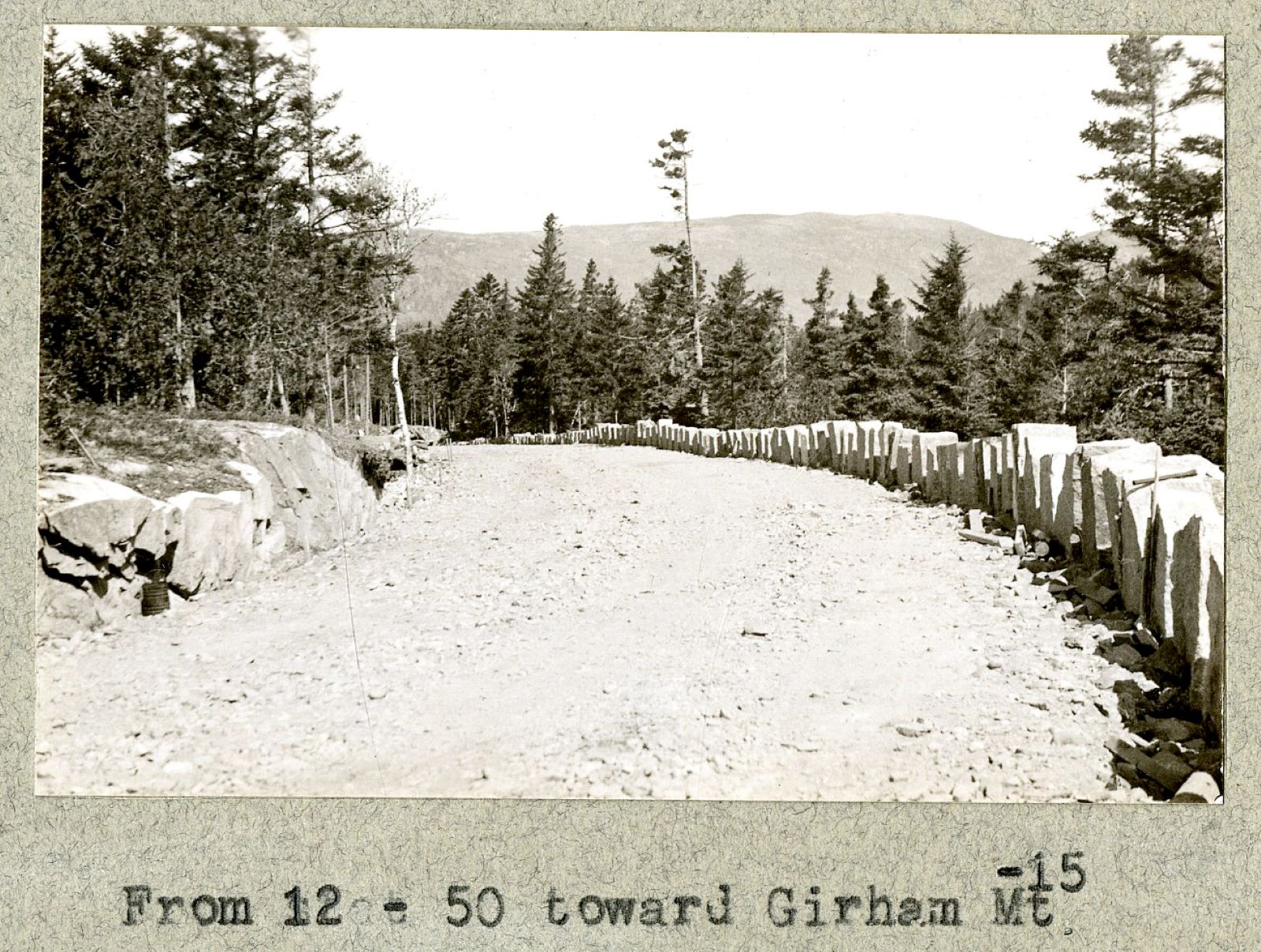
Acadia National Park: Carriage Roads, Cadillac Mountain & 2026 Guide
Discover carriage roads, Cadillac Mountain, and rugged Maine coast. Complete 2026 guide to Acadia National Park — trails, fees, lodging, permits, and what rangers recommend.
Hiking Guide
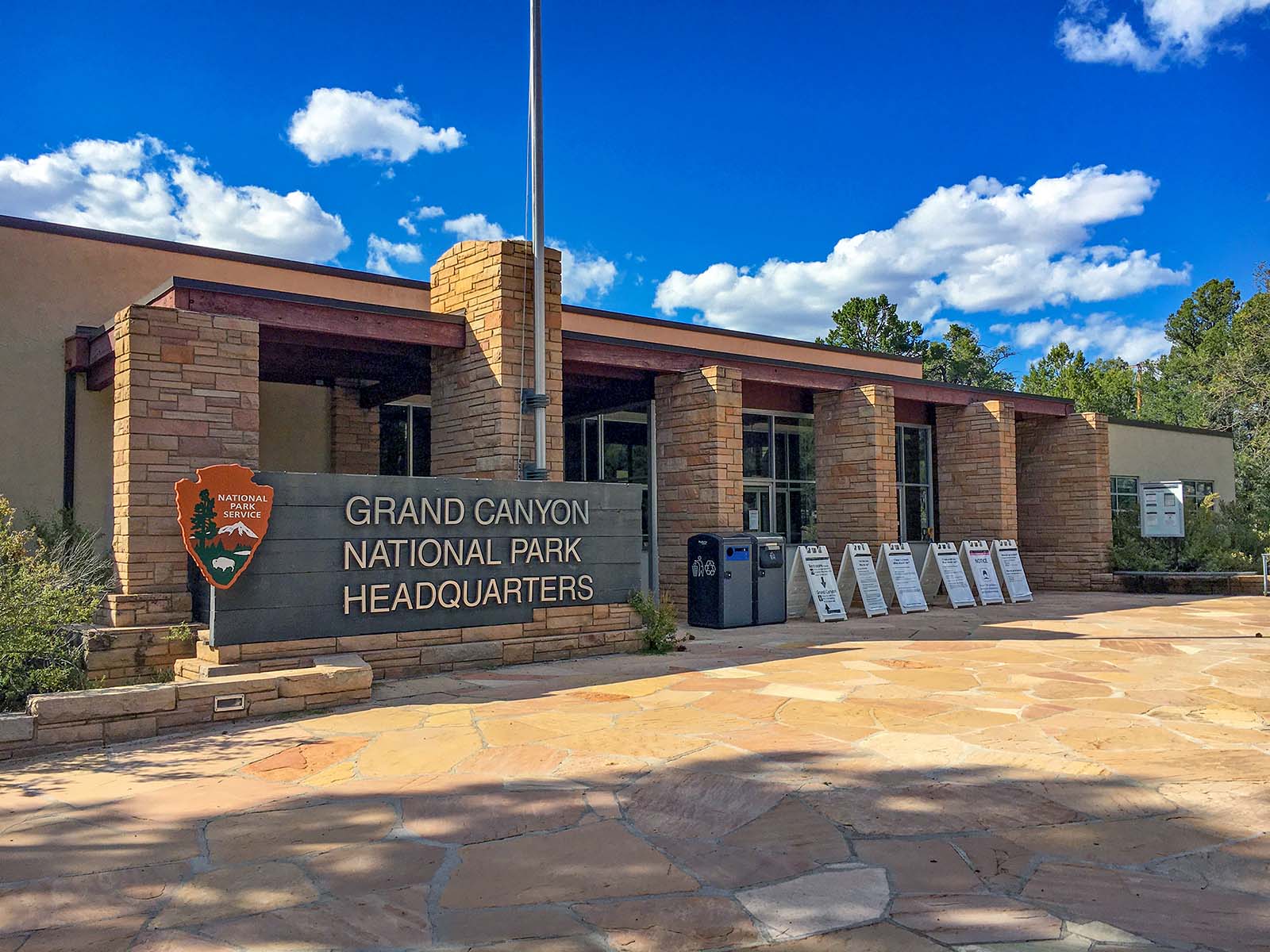
Grand Canyon Hiking Trails: Day Hikes, Water Sources & Rim to Rim
Compare Grand Canyon hiking trails: Bright Angel, South Kaibab, Hermit, Grandview, and rim to rim, with distances, elevation, water stops, and trailhead access for each.
Best Of
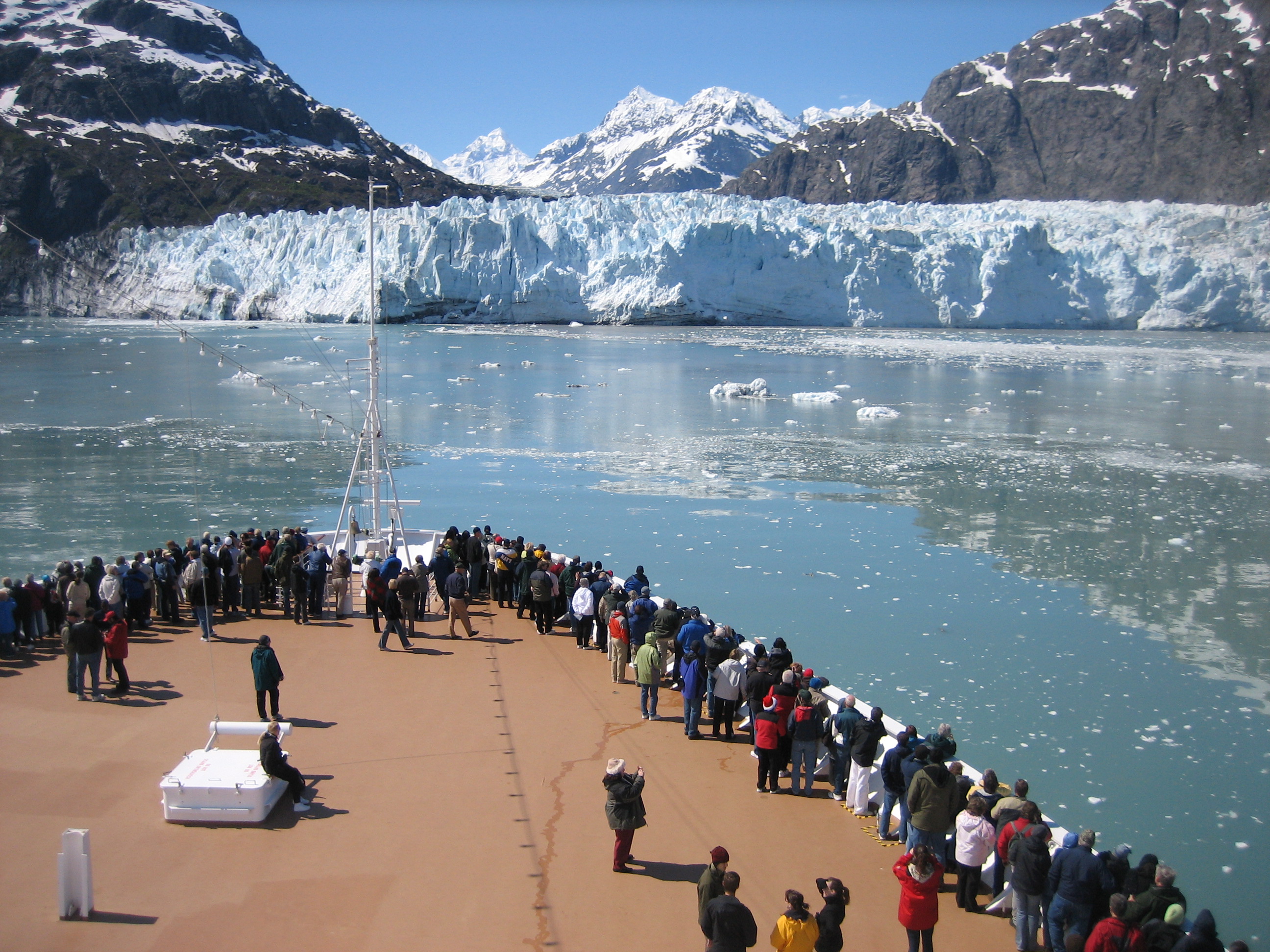
Best of Glacier Bay National Park
The best of Glacier Bay is reached by boat: ranger-led day tours up the bay to the tidewater glaciers. What's worth it, how to book, and when to go (2026).
Campsite Guide
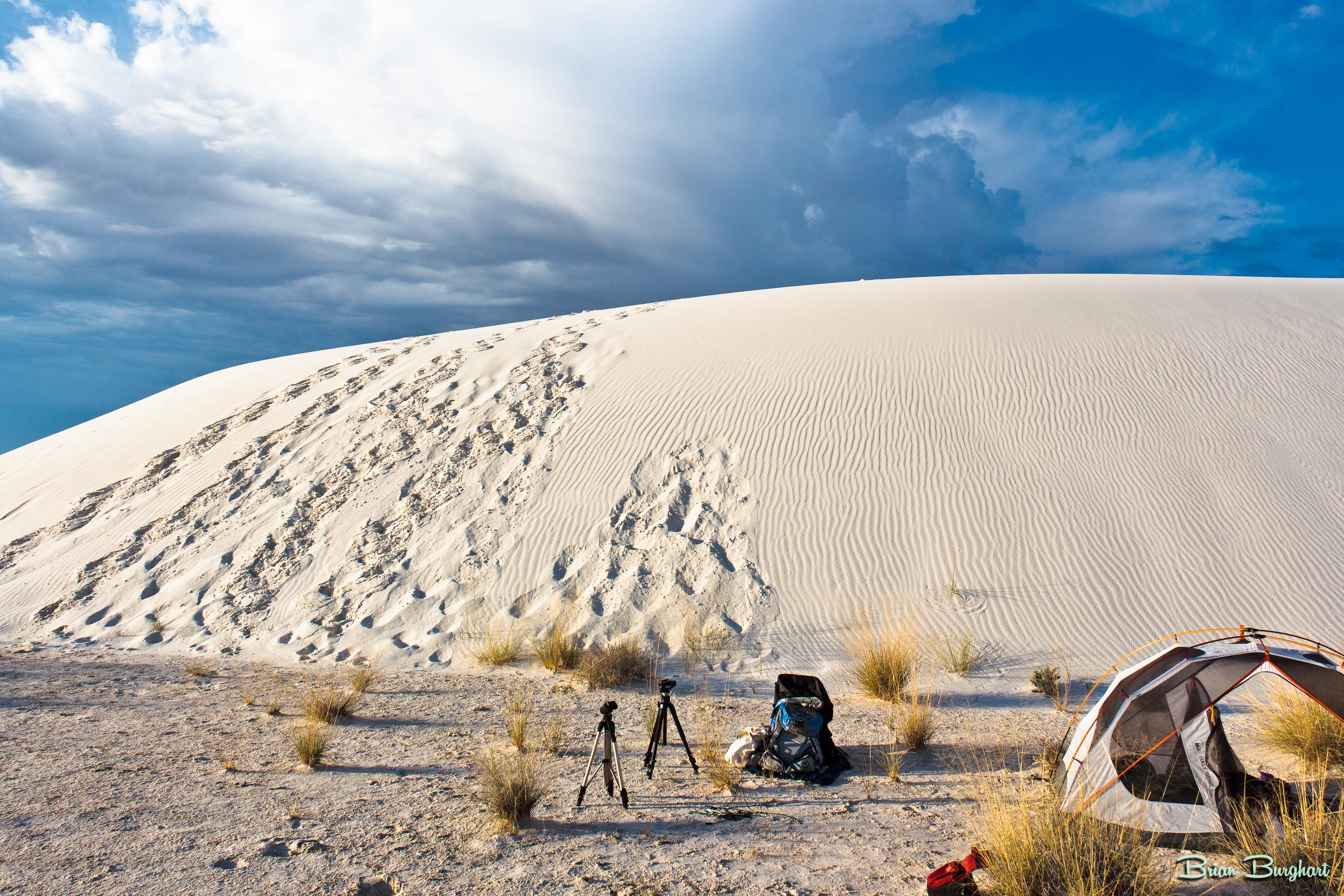
White Sands Backcountry Camping: Closed for 2026 — What to Know
As of 2026, backcountry camping at White Sands National Park is closed for site rehabilitation. What that means, and where to camp nearby instead.
Weather Guide
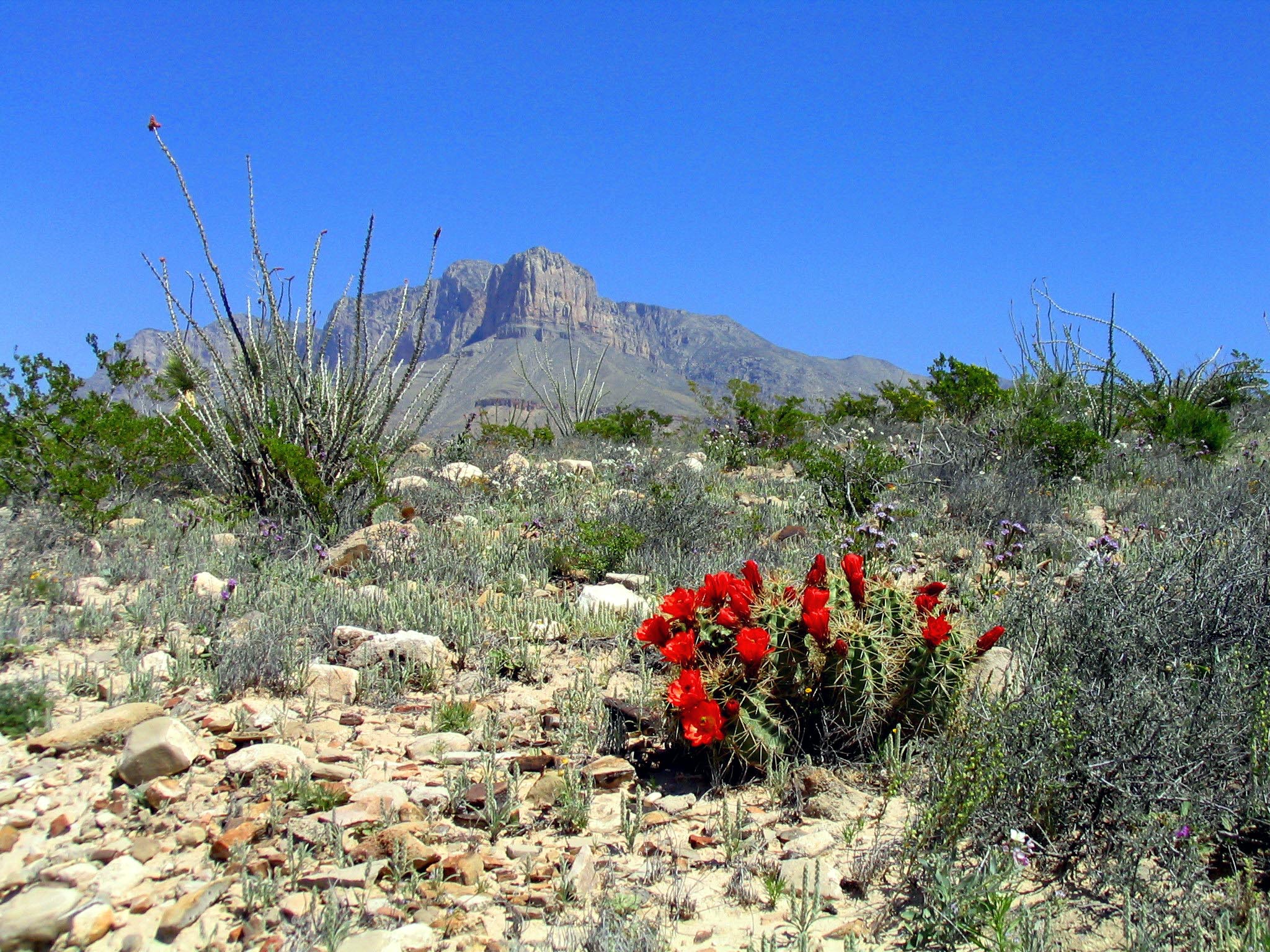
Guadalupe Mountains National Park Weather: Weather
Guadalupe Mountains National Park: weather guide guide updated 2026. Practical visitor information, reservations, and seasonal tips worth bookmarking before
Best Of
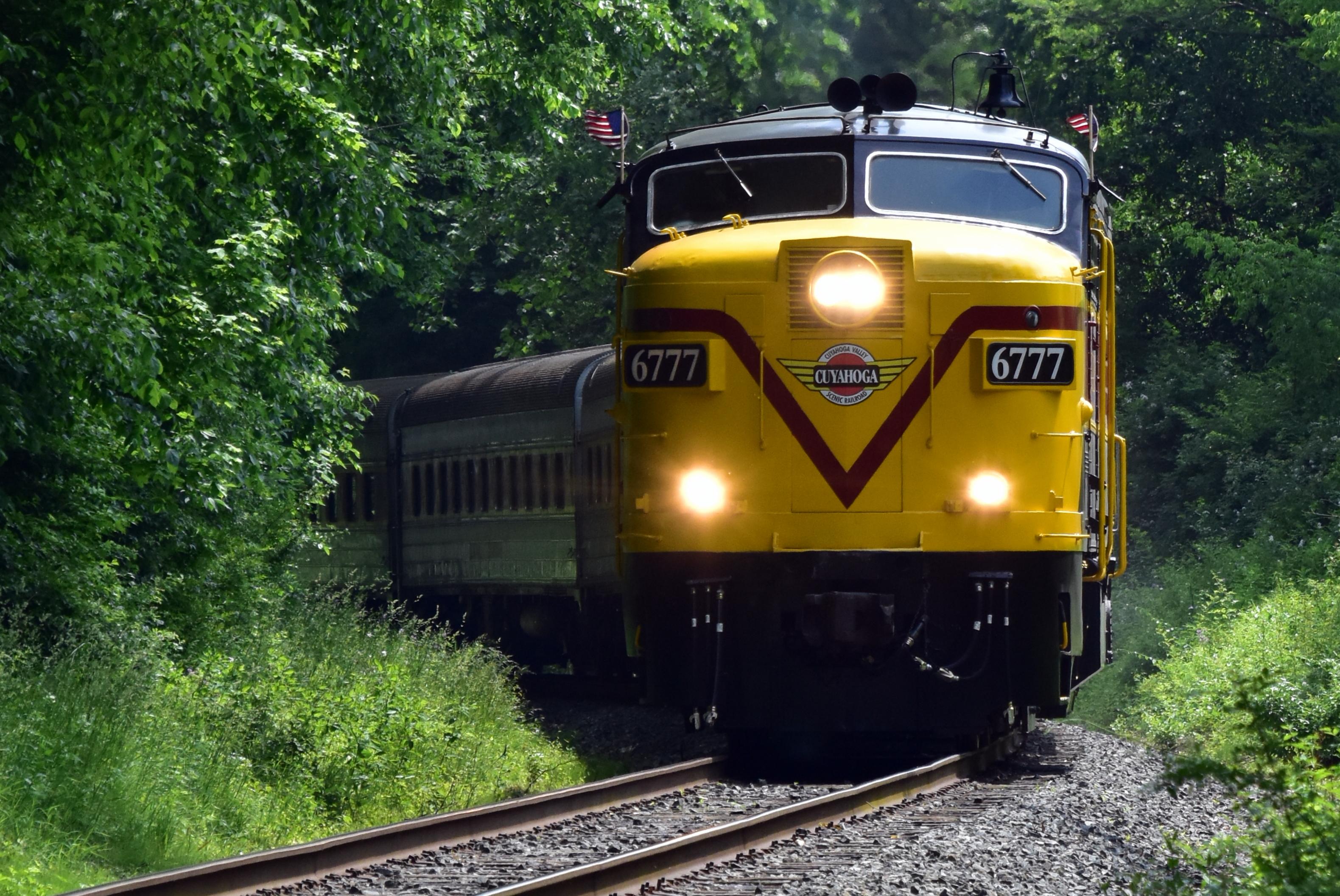
Best of Cuyahoga Valley National Park: Best Things to Do
Seeing a Cleveland Orchestra concert with the woods as your backdrop is a uniquely Cuyahoga Valley experience.
Sign in to join the conversation.
Sources & Attribution
Location data courtesy of the National Park Service (U.S. Department of the Interior). NPS data is public domain. Official NPS page.
Images: NPS; NPS; NPS; NPS; NPS.
Map data © OpenStreetMap contributors.
Park operations alerts: NPS.gov · Weather and weather hazards: National Weather Service · Live conditions.
Information may change. Always verify fees, hours, and conditions directly with the official source before visiting.
Did this guide help? Share it with a friend.