What sets a campground apart when it's the only one in a two-million-acre park that never closes its gates? For Mammoth Campground, that distinction comes with specific trade-offs worth understanding before you book.
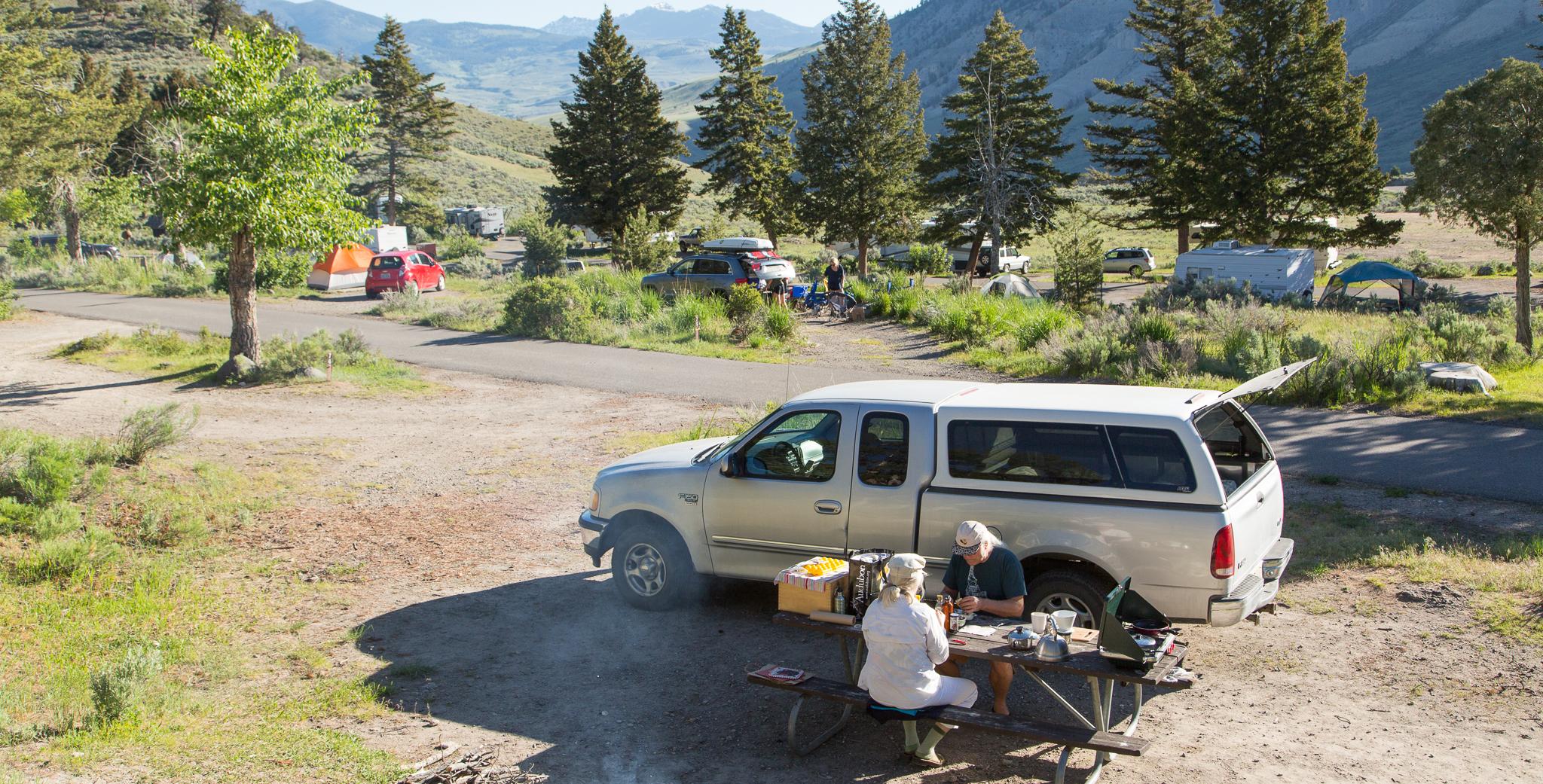
NPS via NPS.gov (Public Domain)
Campsites at Mammoth Campground (2026 Guide)
7 min read
Campsite Guide
Complete guide to mammoth campground. Everything you need to know, updated for 2026.
Your plans
For more, see Bridge Bay Campground at Bridge Bay Campground Yellowstone National Park (2026 Guide), Campsites at Fishing Bridge RV Park (2026 Guide), Canyon Campground at Canyon Campground Yellowstone National Park (2026 Guide), Madison Campground at Madison Campground Yellowstone National Park (2026 Guide), and Slough Creek Campground at Slough Creek Campground Yellowstone National Park (2026 Guide).
Located five miles south of Yellowstone's North Entrance at 6,200 feet elevation, Mammoth Campground operates year-round while every other developed campground in the park shuts down for winter. That alone makes it worth knowing about - but there's more to figure out before you pull in with your tent or RV.
Year-Round Access and What That Actually Means
The phrase "open year-round" sounds straightforward until you realize what it entails at 6,200 feet in northwest Wyoming. Mammoth Campground sits in a relatively mild pocket of Yellowstone - mild by Yellowstone standards, anyway. Winter temperatures regularly drop below zero, and snow accumulates. The park service keeps the campground operational, but facilities are scaled back from November through mid-April.
The seasonal split works like this:
- Reservation season (April 15 - October 15): Full campground operation. All 85 sites are available. Reservations are required during this window. Book early - this is when demand peaks.
- Winter/spring shoulder (mid-October - mid-April): Part of the campground closes. The remaining sites operate on a first-come, first-served basis. Vault toilets replace flush facilities. No water hookups. You are camping in winter conditions.
Checkout time is 10 AM regardless of season. The nightly fee for 2026 is $25.00, with Interagency Access and Senior Pass holders receiving a 50 percent discount. As of 2026, vehicle entrance reservations are not required for Yellowstone, though you still need to purchase a park entrance pass. You can buy one at the North Entrance station or online before you arrive.
Most visitors underestimate how much the 6,200-foot elevation affects sleep quality, especially the first night. If you are coming from sea level, plan for shorter sleep and hydrate aggressively.

Site Layout and What to Expect When You Arrive
Scattered juniper and Douglas fir trees provide shade across the campground - welcome relief during July and August when afternoon temperatures can climb into the 80s despite the elevation. The trees also offer some visual separation between sites, which is better than the open-field layouts at some other Yellowstone campgrounds.
The campground is run by the National Park Service, not a concessionaire. That means rangers staff the entrance station, and the general tone is lower-key than the concession-run RV parks elsewhere in the park. You will find standard NPS campground amenities: picnic tables, fire rings, and access to drinking water during the reservation season.
What you won't find:
- No hookups (water, electric, or sewer) at individual sites
- No dump station on-site (the nearest is at the Mammoth Hot Springs RV parking area)
- No shower facilities at the campground itself (Mammoth Hot Springs has public showers nearby)
- Limited generator hours (standard NPS quiet hours apply)
The 85-site capacity makes it one of the smaller developed campgrounds in Yellowstone. It fills regularly during July and August. If you are arriving without a reservation after mid-October, you have better odds, but winter campers should still arrive early in the day.

Wildlife in the Campground (Yes, Right Through It)
Rangers will tell you that elk and bison occasionally pass through Mammoth Campground. That phrasing - "occasionally" - understates how routinely this happens during certain seasons. The campground sits within the northern range, a grassland corridor that provides critical winter habitat for the park's ungulates. Elk herds move through the area regularly, particularly during fall and spring migrations.
Specific things to expect:
- Bull elk bugling in September and October, sometimes within 50 feet of tent sites
- Bison walking between sites, usually at dawn or dusk
- Coyotes moving through at night - you will hear them
- Bears are less common here than in the Lamar Valley or Pelican Valley areas, but they pass through
The park service emphasizes standard food storage rules: keep all food, coolers, and scented items inside a hard-sided vehicle or bear-proof food locker when not in use. Mammoth Campground has food storage boxes at each site.
Most first-time visitors are caught off guard by how close wildlife gets. You do not need to hike anywhere to see elk from your campsite. The trail register is full of comments from people who woke up to find bison bedded down ten feet from their tent.

Nearby Activities Worth Planning Around
Mammoth Campground's location puts you within walking distance or a short drive of several significant Yellowstone features.
Mammoth Hot Springs (5-minute walk or drive)
The hot springs terraces are the closest major attraction. The boardwalk loops take 30 minutes to 2 hours depending on how many terraces you cover. Early morning and late evening offer the best light and the fewest people. The terraces are active, which means the boardwalk routes sometimes change as new features form.
Forces of the Northern Range Self-guided Trail
This 0.5-mile boardwalk has 11 interpretive stops and no restroom. It covers how Yellowstone's northern range functions as grassland habitat. Best from spring through fall. It is a short enough walk to do after dinner without losing daylight.
Beaver Ponds Trailhead
Located behind the Mammoth Hot Springs Hotel, this trailhead provides access to a 5-mile loop through meadows and forest. Spring and early summer offer the best wildflower displays. The trail gains about 350 feet of elevation - nothing extreme, but noticeable at 6,200 feet.
Fishing
The Gardner River runs near the campground. It holds Yellowstone cutthroat trout. A Yellowstone fishing permit is required. The river was affected by the 2022 flood, which changed some channels and washed out the Rescue Creek Trail bridge. Check current conditions at the visitor center before heading out.
Winter Activities
During snow season, the Snow Pass Ski Trail starts nearby. It is a 4.2-mile, skier-tracked route rated easiest to most difficult. The Bannock Ski Trail (2 miles, easy) follows an old roadbed that once supplied the mining town of Cooke City. The nearby Riverside Ski Trail provides easy options along the Madison River with views of the Gallatin and Madison ranges.
If you are snowshoeing, the Observation Point Loop Snowshoe Trail is 2 miles and snowshoe-only, treating you to unobstructed views of the Upper Geyser Basin - though that is a drive from Mammoth, not a walk from the campground.

What the Park Website Does Not Mention
The official NPS page covers the basics accurately. A few things get less attention:
The road noise is noticeable. Mammoth Campground sits close to the Grand Loop Road. Trucks and RVs pass by, especially during summer daylight hours. It quiets down after 10 PM but does not go silent. If you are an ultralight sleeper, bring earplugs.
Cell service drops out at the campground entrance. Once you turn in, don't count on reliable data. The Mammoth Hot Springs area has intermittent service, but it is not consistent. Download maps and directions before you arrive.
The parking situation here is tight for larger RVs. Sites vary in length, and not all can accommodate vehicles over 30 feet. The research data shows the campground has 85 sites total, but it does not break out RV-specific dimensions. Check your reservation confirmation for your specific site length before arriving.
Heat is not consistent in winter. While the campground is open year-round, the water system is winterized from mid-October through April. You will be hauling water from a central spigot that remains operational. Plan accordingly.
Practical Takeaways
If you are booking for summer: Reserve exactly on the date the booking window opens. Mammoth is the only year-round campground, and its proximity to the North Entrance makes it popular with both first-time visitors and return travelers who know the park well.
If you are coming in winter: Arrive with a full tank of gas, extra blankets, and a plan for how you will manage frozen water lines. The campground is open, but you need to treat it like backcountry camping with a car nearby.
If you are using an RV: Confirm your site length when you book. The shorter sites in the older loops cannot accommodate rigs over 30 feet.
If you are a Senior or Access Pass holder: Your 50 percent discount brings the nightly fee down to $12.50. That discount applies to the campsite fee only, not the park entrance fee.
For a broader look at what Yellowstone offers across all its campgrounds, check out the complete visitor guide. For comparisons between Mammoth and other park campgrounds, the all campgrounds page breaks down each site's pros and cons.
Final Thoughts
Mammoth Campground solves a specific problem: where to stay in Yellowstone when every other campground has closed for the season. But it also works well as a summer base camp if you prefer smaller, quieter sites over the 400-site operations at Bridge Bay or Grant Village. The wildlife passes through your campsite rather than requiring a drive to find it. The hot springs are a five-minute walk. The elevation will affect your first night's sleep, and the road noise will remind you that you are not deep in the backcountry - but that is the trade-off for year-round access. Pack accordingly, book ahead in summer, and treat winter conditions with the respect they deserve.
For more information, see our complete Yellowstone National Park Guide.
Sources
- Official source: NPS — Yellowstone National Park nps.gov/yell/index.htm
- Official source: National Park Service nps.gov/yell/planyourvisit/mammothhscg.htm
Photo Gallery
More to Explore
Park Guide
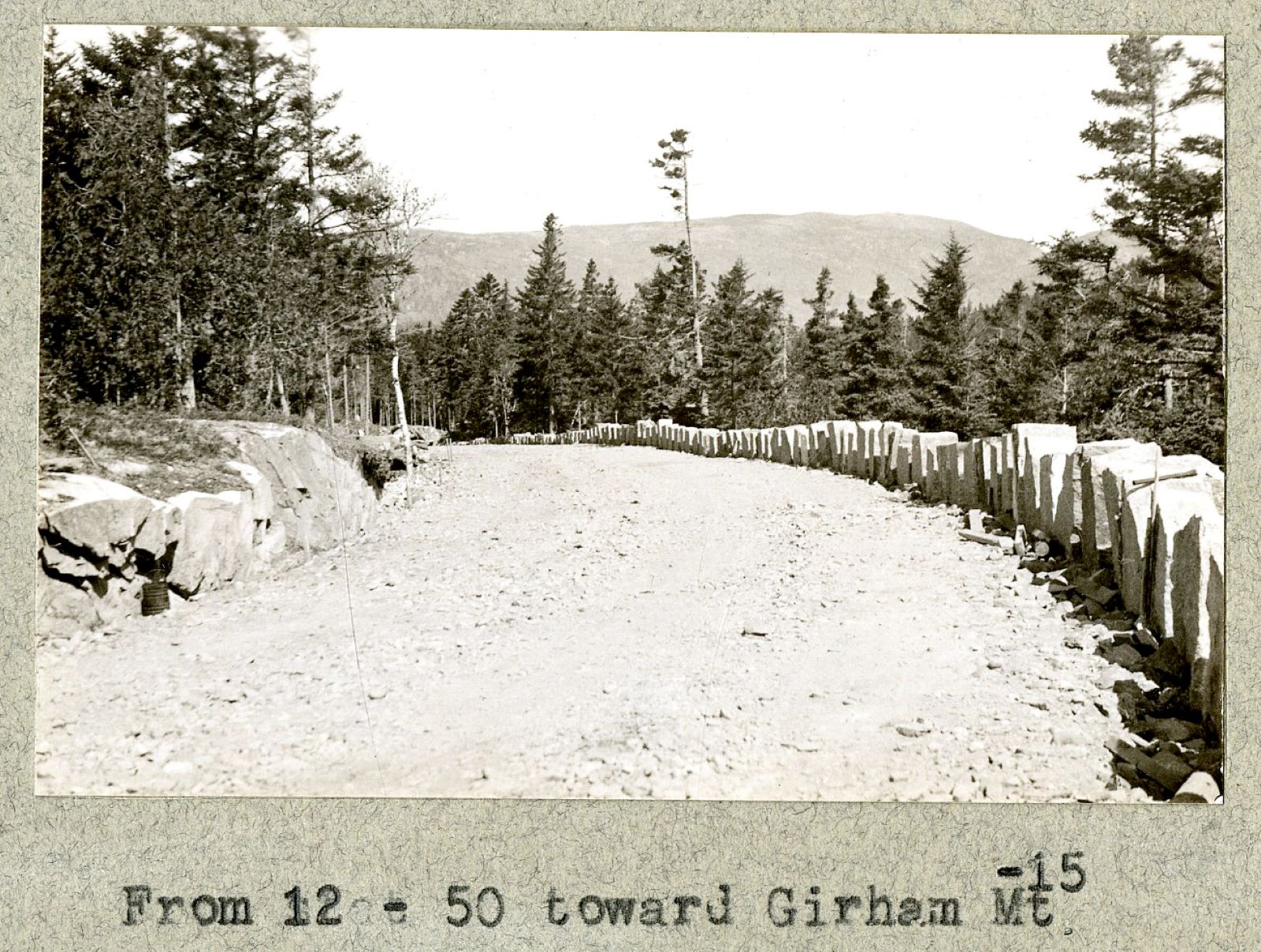
Acadia National Park: Carriage Roads, Cadillac Mountain & 2026 Guide
Discover carriage roads, Cadillac Mountain, and rugged Maine coast. Complete 2026 guide to Acadia National Park — trails, fees, lodging, permits, and what rangers recommend.
Hiking Guide
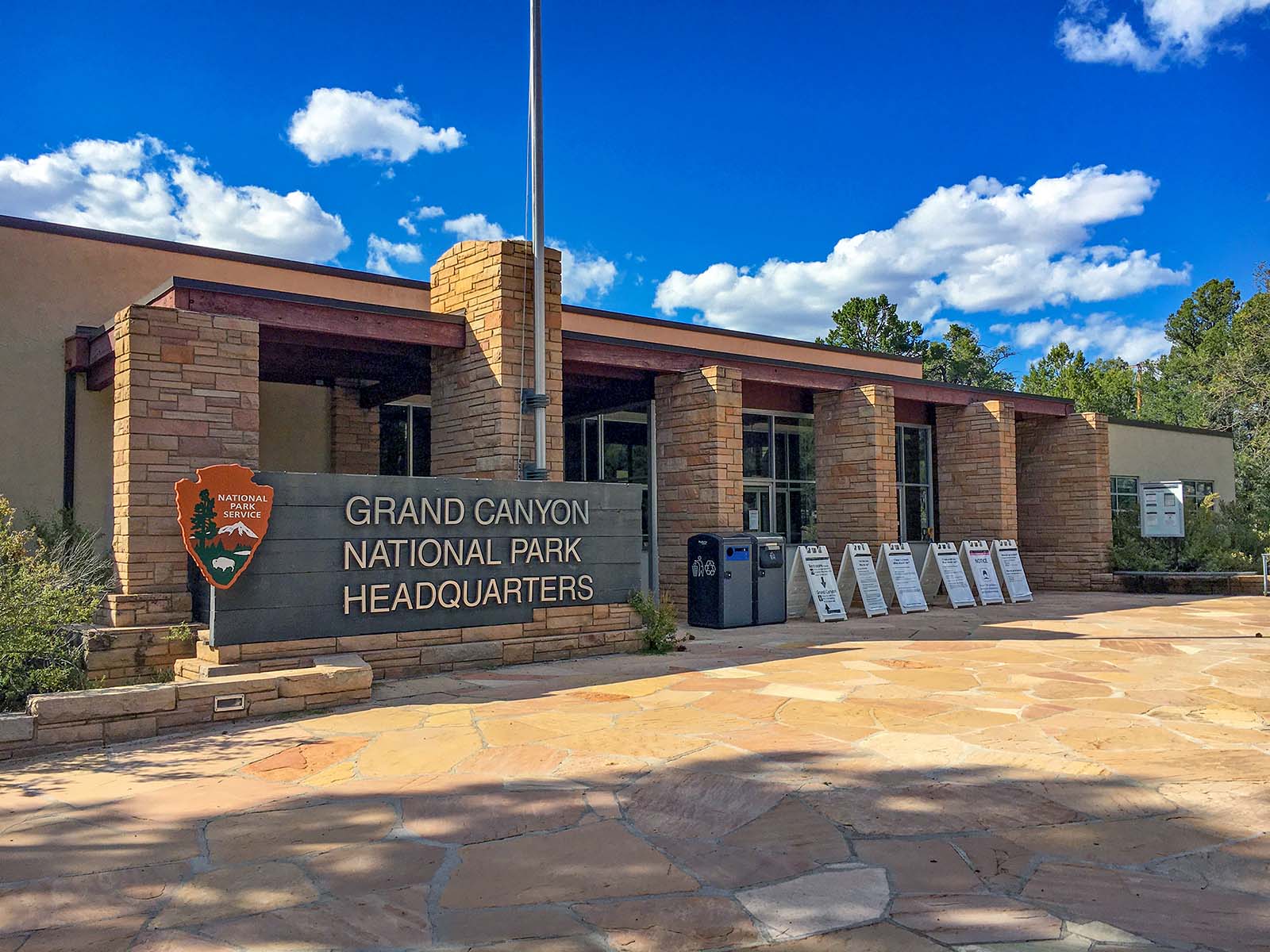
Grand Canyon Hiking Trails: Day Hikes, Water Sources & Rim to Rim
Compare Grand Canyon hiking trails: Bright Angel, South Kaibab, Hermit, Grandview, and rim to rim, with distances, elevation, water stops, and trailhead access for each.
Best Of
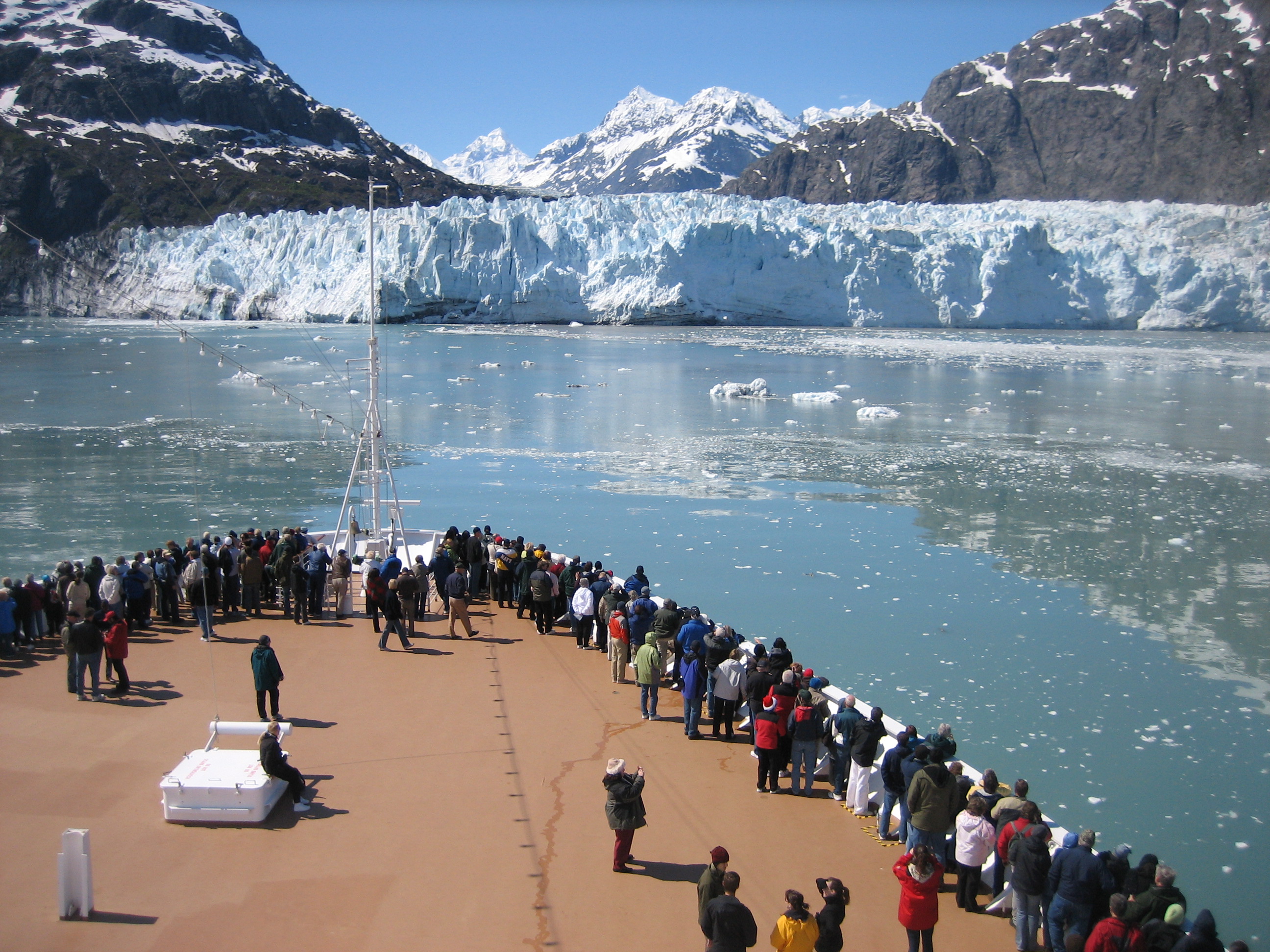
Best of Glacier Bay National Park
The best of Glacier Bay is reached by boat: ranger-led day tours up the bay to the tidewater glaciers. What's worth it, how to book, and when to go (2026).
Campsite Guide
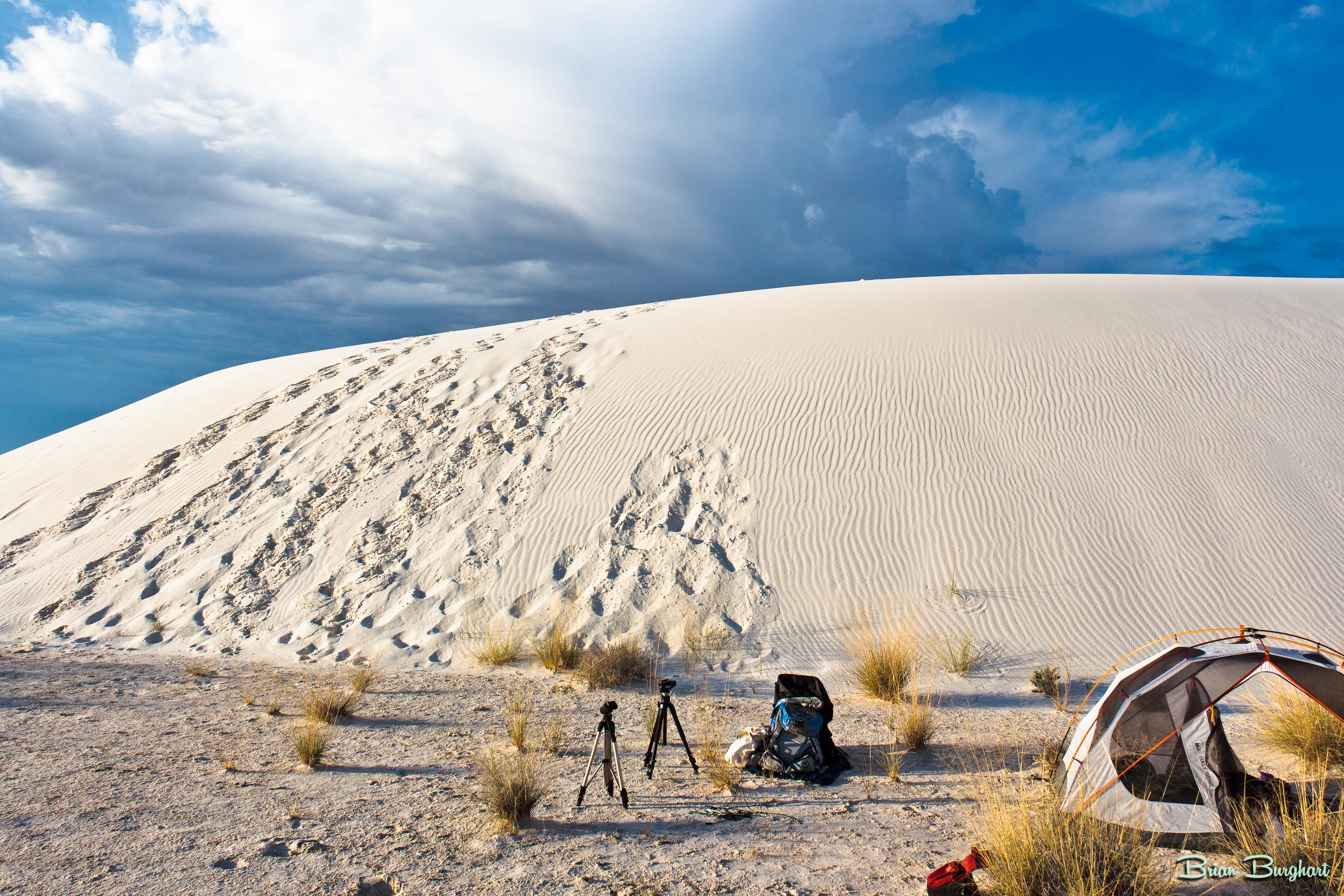
White Sands Backcountry Camping: Closed for 2026 — What to Know
As of 2026, backcountry camping at White Sands National Park is closed for site rehabilitation. What that means, and where to camp nearby instead.
Weather Guide
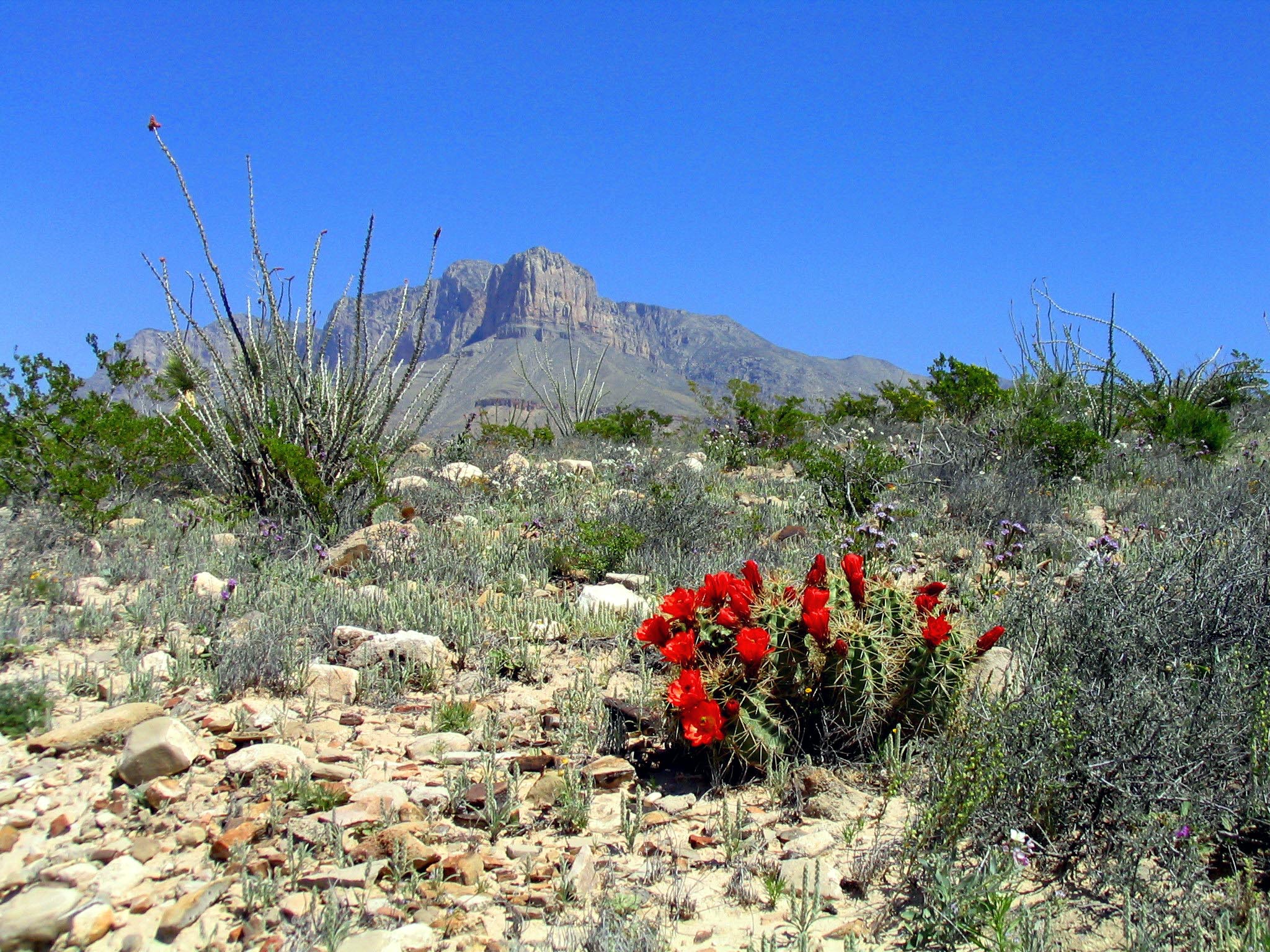
Guadalupe Mountains National Park Weather: Weather
Guadalupe Mountains National Park: weather guide guide updated 2026. Practical visitor information, reservations, and seasonal tips worth bookmarking before
Best Of
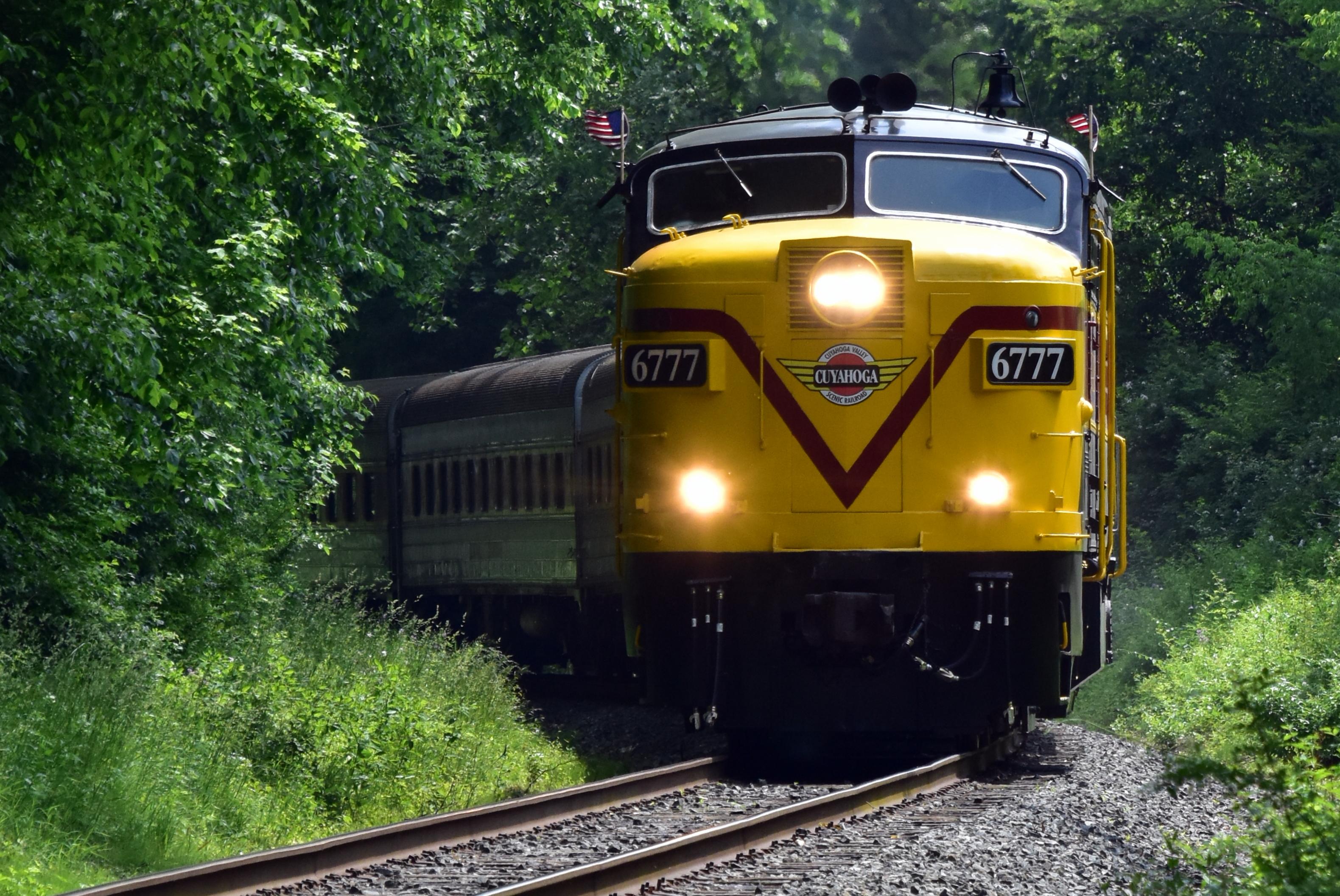
Best of Cuyahoga Valley National Park: Best Things to Do
Seeing a Cleveland Orchestra concert with the woods as your backdrop is a uniquely Cuyahoga Valley experience.
Sign in to join the conversation.
Sources & Attribution
Location data courtesy of the National Park Service (U.S. Department of the Interior). NPS data is public domain. Official NPS page.
Images: NPS; NPS; NPS; NPS; NPS.
Map data © OpenStreetMap contributors.
Park operations alerts: NPS.gov · Weather and weather hazards: National Weather Service · Live conditions.
Information may change. Always verify fees, hours, and conditions directly with the official source before visiting.
Did this guide help? Share it with a friend.