The tallest living things on Earth grow here - some exceeding 380 feet, which is taller than the Statue of Liberty from base to torch. That single fact tends to short-circuit most first-time visitors: how do you even photograph something that large? You don't, really. You stand at the base and look up, and the trunk keeps going, narrowing to a crown you can barely make out through the haze of fog and filtered light. It's disorienting in the best way.
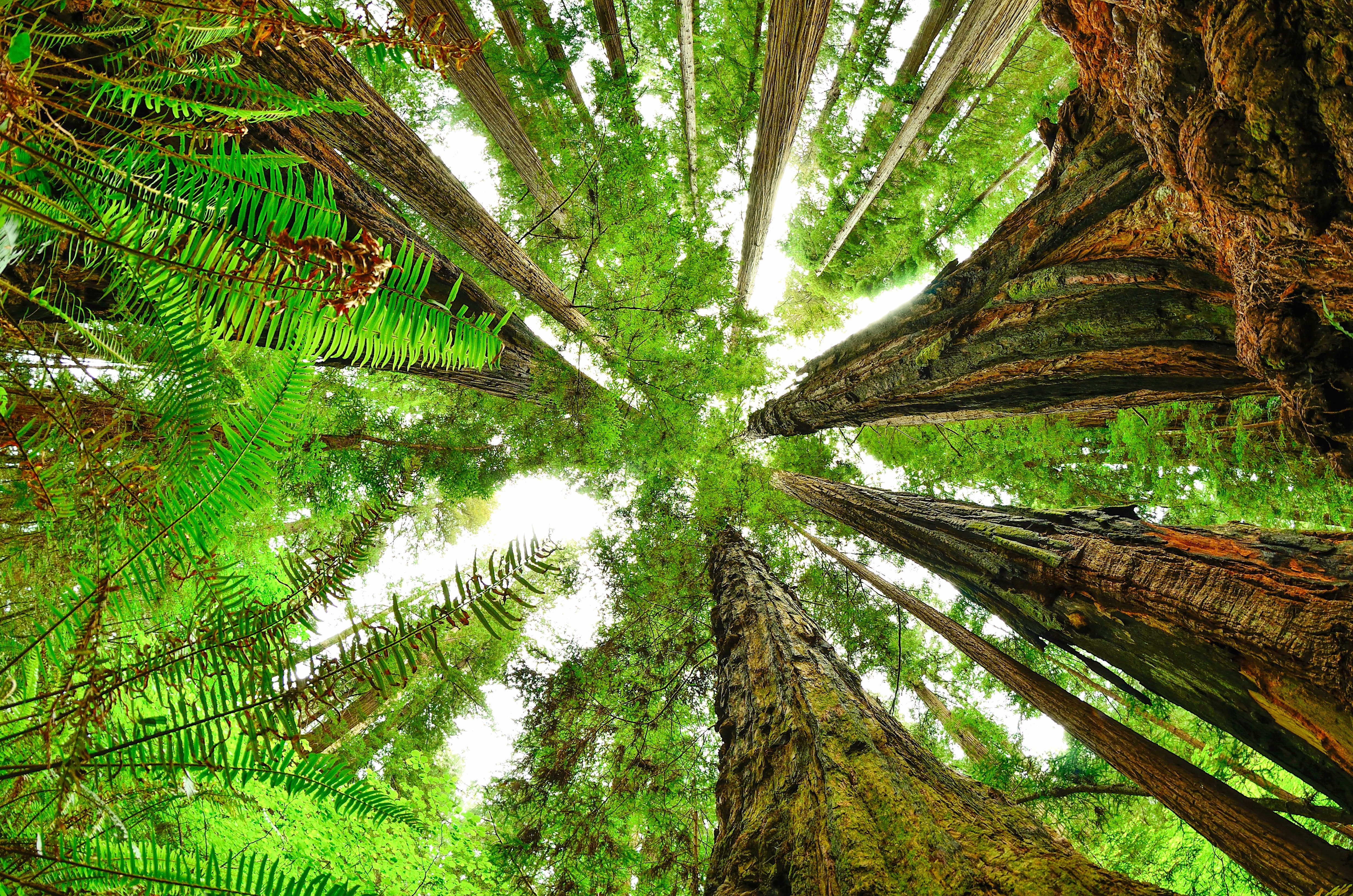
NPS via NPS.gov (Public Domain)
Redwood National Park: Walking Among Earth's Tallest Trees - 2026 Guide
10 min read
Park Guide
The Tall Trees Grove - home to the tallest measured trees on Earth - is here but requires a free permit reservation.
Your plans
This article contains affiliate links — we may earn a small commission at no extra cost to you.
At a glance
Hours
The national and state parks are always open to enjoy.
Roads, trails and public access remain open
Best Time
June-September (summer), September-October (fall colors)
Address
1111 Second Street, Crescent City, CA, 95531
Website
41.3724, -124.0318
Google MapsIf you're searching for redwoods near San Diego, you'll find small groves at places like Sequoia National Park or even Balboa Park's one or two plantings, but those are distant cousins. The real old-growth coast redwoods - the ones that have stood since before Columbus - are concentrated in a 60-mile strip of northern California, and Redwood National Park is the heart of that strip. The drive from San Diego is about 12 hours, but the payoff is an entire landscape that operates on a different scale: trees that predate the Magna Carta, elk that wander through campgrounds, and a coastline so raw it feels like the edge of something.
Rangers will tell you the most common mistake visitors make is assuming one afternoon is enough. It isn't. This park is actually four parks - Redwood National Park plus three California state parks (Jedediah Smith, Del Norte Coast, and Prairie Creek) - all managed as one unit. You could spend a week here and still leave trails unexplored.
The Lay of the Land
Redwood National and State Parks runs roughly north to south along US 101, about 60 miles from the Oregon border south toward Orick. The park is divided into three distinct geographic zones, each with its own character.
The Northern Zone (Jedediah Smith & Del Norte Coast)
This is where the biggest, most accessible old-growth groves sit. The Smith River runs clear and cold through Jedediah Smith Redwoods State Park, and Howland Hill Road - a narrow dirt road where redwoods practically kiss your car - gives you an intimate drive through the heart of the grove. The Stout Memorial Grove is here, a flat 0.7-mile loop through 300-foot trees. Del Norte Coast Redwoods State Park adds a rugged coastline component, with the Mill Creek Campground tucked into recovering second-growth forest.
The Middle Zone (Prairie Creek)
Prairie Creek Redwoods State Park is the most visitor-friendly section, with the Newton B. Drury Scenic Parkway (a 10-mile paved road through old-growth that any vehicle can handle) and the Elk Prairie Day Use Area where Roosevelt elk regularly graze. The Big Tree Wayside is here - a five-minute walk to a 304-foot redwood that gives you the "wow" factor without a hike. Fern Canyon, the most famous short walk in the entire park complex, requires a reservation from May 15 through September 15 and a vehicle capable of crossing two shallow streams.
The Southern Zone (Redwood National Park proper)
This is the least developed and most remote section, with the Bald Hills Road climbing from coastal fog to sunny prairies at 3,000 feet elevation. The Tall Trees Grove - home to the tallest measured trees on Earth - is here but requires a free permit reservation. Lady Bird Johnson Grove offers a gentle 1.5-mile loop that's a popular first stop.
Driving between the northern and southern ends of the park takes about 90 minutes without stops. Most visitors base themselves in one zone and do day trips to the others.
Planning Your Visit
Entrance Fees and Passes
As of 2026, there is no entrance fee for the national park portion, but the three state parks have day-use fees:
- Jedediah Smith, Del Norte Coast, and Prairie Creek Redwoods State Parks: $8 per vehicle per day (honor system pay stations).
- The America the Beautiful Annual Pass ($80) covers entrance at all national parks but does NOT waive state park day-use fees.
- The California Poppy Pass or annual state park pass covers the state park fees.
Note: Gold Bluffs Beach Campground access and Fern Canyon require a separate day-use reservation ($12) from May 15-September 15.
Hours and Accessibility
The parks are open 24 hours a day, 365 days a year. Roads, trails, and public access remain open year-round. However, visitor centers have reduced hours October-May, and some campgrounds operate on a seasonal schedule.
When to Go
The best time for clear weather and mild hiking conditions is June through September, but expect coastal fog even then. September and October offer the clearest skies and best chance of sunny days. Winters are wet (60-80 inches of rain from October through April) but crowd-free and dramatic. Year-round temperatures along the coast range from mid-40s to mid-60s °F (7-18°C). Summer highs occasionally reach the low 70s °F (20°C).
For a detailed breakdown of monthly conditions, check our best time to visit guide.
Permits and Reservations
- Tall Trees Grove access: Requires a free online reservation. Limited daily permits.
- Fern Canyon/Gold Bluffs Beach: Mandatory reservation May 15-September 15; $12 per vehicle.
- Backcountry camping: Free permits required. Available at visitor centers or online.
- Jedediah Smith Campground: Reservations recommended year-round, especially summer.

Getting There & Getting Around
Directions from Major Cities
- San Francisco (6-7 hours, 325 miles north): Take US 101 north all the way to the park. This route passes through the Redwood Highway and offers multiple entrance points.
- Portland, OR (6 hours, 330 miles south): US 101 south along the coast, or I-5 south to US 199 west.
- Redding, CA (4 hours, 170 miles west): Take CA 299 west to US 101.
- San Diego: It's a full day's drive (12+ hours). Most people fly into San Francisco or Arcata/Eureka (ACV) and rent a car.
Which Entrance to Use
- Northern access (Jedediah Smith): Exit US 101 at Crescent City, then take US 199 east to Hiouchi. Ideal for Howland Hill Road and Stout Grove.
- Central access (Prairie Creek): Use the Newton B. Drury Scenic Parkway exits off US 101 near Orick.
- Southern access (Redwood National Park): Bald Hills Road exit just north of Orick. Tall Trees and Lady Bird Johnson Grove are here.
Parking Reality
Parking lots at popular trailheads fill by 9:30-10:00 AM from June through September. The Lady Bird Johnson Grove lot often fills first. If you arrive after 10 AM in summer, expect to hunt for a spot or use overflow parking along Bald Hills Road. Experience visitors aim for short walks before breakfast and longer hikes after 2 PM when lots begin to empty.
Cell Service
Cell service drops out at most trailheads and along the Newton B. Drury Scenic Parkway. You'll get intermittent service in Crescent City and Orick, but download maps and directions before entering the park. Rangers will tell you this is not the place to rely on GPS.
What to Do
Hiking
Over 200 miles of trails crisscross the park, ranging from 10-minute strolls to all-day backpacking routes. The signature experiences include:
- Stout Memorial Grove Trail (0.7 miles, flat): A short walk with an adventure to get there - you drive through a ford or cross a footbridge. These 300-foot trees define the northern experience.
- Lady Bird Johnson Grove (1.5-mile loop): The most popular family-friendly redwood walk. Gentle, well-interpreted, and crowded by 10 AM.
- Tall Trees Grove (4 miles round-trip, moderate): Requires a free permit. This is the grove that holds the tallest trees on Earth - you stand among the true giants.
- Fern Canyon Loop (1 mile, easy but requires stream crossings): A slot canyon completely draped in ferns. Straight out of a Jurassic Park set.
- Boy Scout Tree Trail (5 miles round-trip, moderate): Steep grades and switchbacks through old-growth to a small waterfall. Located off Howland Hill Road.
For a complete breakdown of every trail by difficulty and length, see our hiking trails guide.
Scenic Drives
If you have limited time, priority goes to:
- Newton B. Drury Scenic Parkway (10 miles, paved): The single best quick immersion. No RVs or trailers over 8 feet wide.
- Howland Hill Road (10 miles, dirt): Bring a car with decent ground clearance. Trees are so close they brush the sides of your vehicle.
- Bald Hills Road (20+ miles, paved then gravel): Climbs out of the fog into sunny prairies with views of the coast. Great for wildflowers in spring.
Wildlife Viewing
Roosevelt elk are the park's most visible large animal. You'll see them grazing in Elk Prairie, Gold Bluffs Beach, and along the Drury Parkway. Early morning and late evening offer the best sightings. Black-tailed deer, Steller's jays, and once in a while a gray fox or black bear cross the road. For more on where and when to spot animals, visit our upcoming wildlife viewing guide.
Biking
- Ossagon Trail Loop (19 miles, advanced): Old-growth redwoods to the Pacific coast and back. Requires good fitness and mountain bike skills.
- Lost Man Creek Trail (8 miles one-way, moderate): Ride through a recovering clearcut - a powerful reminder of why this place was saved.
Guided Experiences
The park offers ranger-led walks, cultural demonstrations, and Junior Ranger programs. Check current schedules at visitor centers. For a list of tour operators and guided options, see our tours and guided experiences guide.

Where to Stay
Inside the Park Campgrounds
Four campgrounds operate within the park complex. All reservations can be made through Recreation.gov (for national park sites) or ReserveCalifornia (for state park sites). As of 2026:
- Jedediah Smith Campground (86 sites, $35/night): Situated in an old-growth grove along the Smith River. The most atmospheric campground. Reservations essential.
- Mill Creek Campground (145 sites, $35/night): Located in Del Norte Coast Redwoods State Park. Near the coast, more open canopy, good for RVs.
- Elk Prairie Campground (75 sites, $35/night): In Prairie Creek Redwoods State Park. Elk often wander through. Over 70 miles of hiking and biking trails accessible.
- Gold Bluffs Beach Campground (26 sites, $35/night): Remote beachfront camping. Access requires crossing Fern Canyon stream - summer reservations mandatory. No RVs over 21 feet.
For full details on site sizes, hookups, and reservation windows, see our camping options guide.
Lodging and Gateway Towns
No lodging exists inside the national park proper. The nearest towns with hotels, motels, and vacation rentals are:
- Crescent City (north end): Full service, closest to Jedediah Smith and Del Norte Coast.
- Orick (south end): Limited options, very basic.
- Klamath (middle): Small, a few motels and cabins.
- Arcata and Eureka (60-90 minutes south): Larger towns with more choices.
For recommendations and booking tips, check our lodging and accommodations guide.
Backcountry Camping
Seven backcountry sites (including 44 Camp, DeMartin Camp, Elam Camp) require free permits. Sites are basic - no water, no fire rings. Most require a hike of 2-10 miles to reach. Permits available at visitor centers or online.
Seasonal Guide
Summer (June-September)
- Pros: Warmest weather (though still cool, 50s-low 70s °F), long daylight, all facilities open, most programs running.
- Cons: Fog is common, especially mornings and evenings. Trails are crowded by mid-morning. Fern Canyon requires reservations.
- Crowd levels: High. Arrive before 8:30 AM to avoid parking issues.
Fall (September-October)
- Pros: Clearest weather of the year. Less fog. Fewer crowds after Labor Day. Fall color in maples and vine maples along creeks.
- Cons: Days get shorter. Some campgrounds begin reduced services after October 1.
- Best time for: Photography, uncrowded trails, elk rut (September-October).
Winter (November-March)
- Pros: Solitude. Dramatic storms and fog. No reservation needed for most trails. Lowest visitor numbers.
- Cons: Heavy rain (60-80 inches over the season). Some roads may close temporarily due to downed trees or flooding. Shorter daylight. Most visitor centers on reduced hours.
- What's open: Roads and trails stay open. Campgrounds remain open but with limited services. Paved scenic drives are fine.
Spring (April-May)
- Pros: Wildflowers in the prairies (Bald Hills Road). Fresh green in the understory. Waterfalls flowing strong. Cool but less rain.
- Cons: Mosquitoes can be bad at lower elevations. Foggy mornings common.
- What to know: Fern Canyon reservation system kicks in May 15. Snow possible on Bald Hills Road into early May.

Practical Takeaways
- Get to the parking lot of your first stop by 8:00 AM. By 9:30, Lady Bird Johnson and Stout Grove lots will be full. By 10:00, you're waiting.
- Pack rain gear even in August. Coastal fog is wet fog - it will soak you. The park averages over 60 inches of precipitation annually.
- Reserve Fern Canyon access in advance. From May 15-September 15, you cannot drive to the trailhead without a timed reservation ($12). Book two weeks ahead.
- The Tall Trees Grove permit is free but limited. Apply online at Recreation.gov well ahead. Only about 50 vehicles per day get access.
- Cell service does not exist in most of the park. Download offline maps (AllTrails, Google Maps, or Avenza) before you leave Crescent City or Orick.
- Roosevelt elk are not tame. They can weigh 1,000 pounds. Stay at least 100 feet away. Rangers will remind you of this constantly - because people still get too close.
- Jedediah Smith Campground is the best choice for first-time visitors. It sits right in the old-growth, and you wake up under 300-foot trees. Reserve five months ahead.
- The five-mile stretch of Newton B. Drury Scenic Parkway is worth a slow drive with windows down. You'll smell the redwoods - damp earth, needle duff, and something like cedar.
- If you only have one day, do Lady Bird Johnson Grove in the morning, then drive Drury Parkway to Big Tree Wayside, then head to Jedediah Smith for Stout Grove in the afternoon. You'll see three different types of redwood forest.
- Most visitors underestimate the size of the park. The drive from Jedediah Smith to Tall Trees is 60 miles. Don't plan to do both in one day.
Final Thoughts
Redwood National Park is not a quick-stop attraction. It rewards patience, layers of clothing, and a willingness to slow down. The trees have been here for over a thousand years - they're not going anywhere. The park asks you to come prepared for dampness and to share the trails with people who drove just as far as you did. What it gives back is the experience of standing next to something so large and so old that your own timeline becomes background noise. This is the kind of place you visit once and then start figuring out how to come back.
For more information, see our complete National and State Parks Guide.
Recommended Gear
What experienced visitors bring to Redwood National Park: Walking Among Earth's Tallest Trees - 2026 Guide
Links may earn us a commission at no extra cost to you. We only recommend gear we believe in.
Hiking Essentials
Hydration Pack (3L)
Hands-free water for long trail days
Trekking Poles (Pair)
Save your knees on steep descents
Hiking Boots (Ankle Support)
Sturdy footwear for rocky, uneven trails
Sun & Heat Protection
Wide-Brim Sun Hat
Full coverage UPF 50+ protection at altitude
Insulated Water Bottle (32oz)
Keeps water cold in desert heat all day
Winter Gear
Microspikes / Traction Devices
Essential for icy rim trails in winter months
Packable Down Jacket
Lightweight warmth that stuffs into a pocket
Sources
- Official source: NPS — Redwood National Park nps.gov/redw/index.htm
Explore More National Parks

Coastal Trail: Complete 2026 Travel Guide & Visitor Information
There is no entrance fee to access the Coastal Trail or the tidepool parking lots. The park's tidepo...

Lassen Volcanic National Park: Boiling Springs & Active Volcanics - 2026 Guide
Lassen's park road opens only 4 months yearly. 2026 guide to snowmelt timing, campground openings, a...

Crater Lake National Park: America's Deepest Lake - Complete 2026 Guide
Crater Lake National Park: America's Deepest Lake - Complete 2026 Guide Introduction Seventy-seven c...

Yosemite National Park: Waterfalls, Half Dome & Complete 2026 Guide
Discover towering waterfalls and granite valley walls. Complete 2026 guide to Yosemite National Park...
Photo Gallery
More to Explore
Park Guide
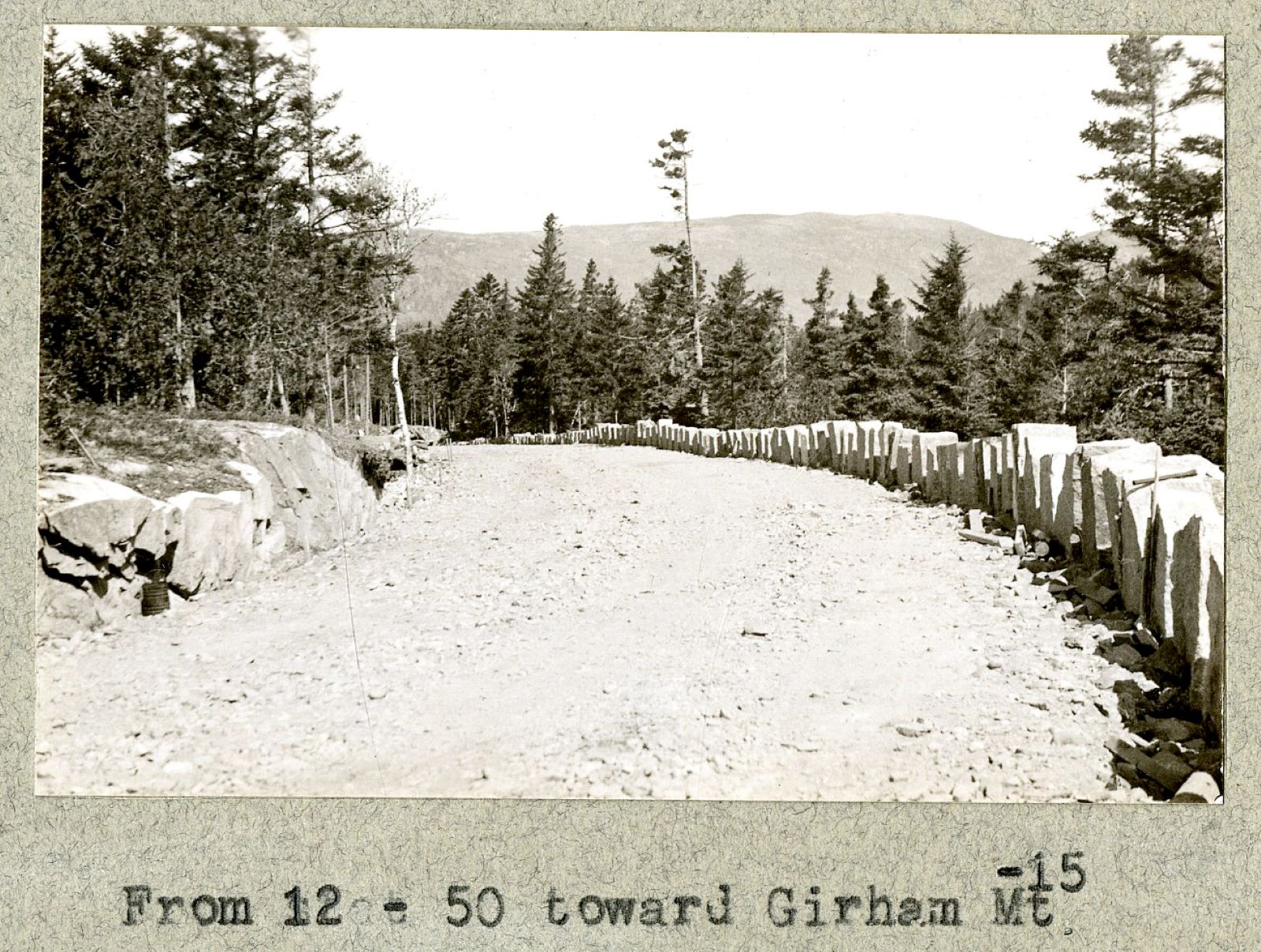
Acadia National Park: Carriage Roads, Cadillac Mountain & 2026 Guide
Discover carriage roads, Cadillac Mountain, and rugged Maine coast. Complete 2026 guide to Acadia National Park — trails, fees, lodging, permits, and what rangers recommend.
Hiking Guide
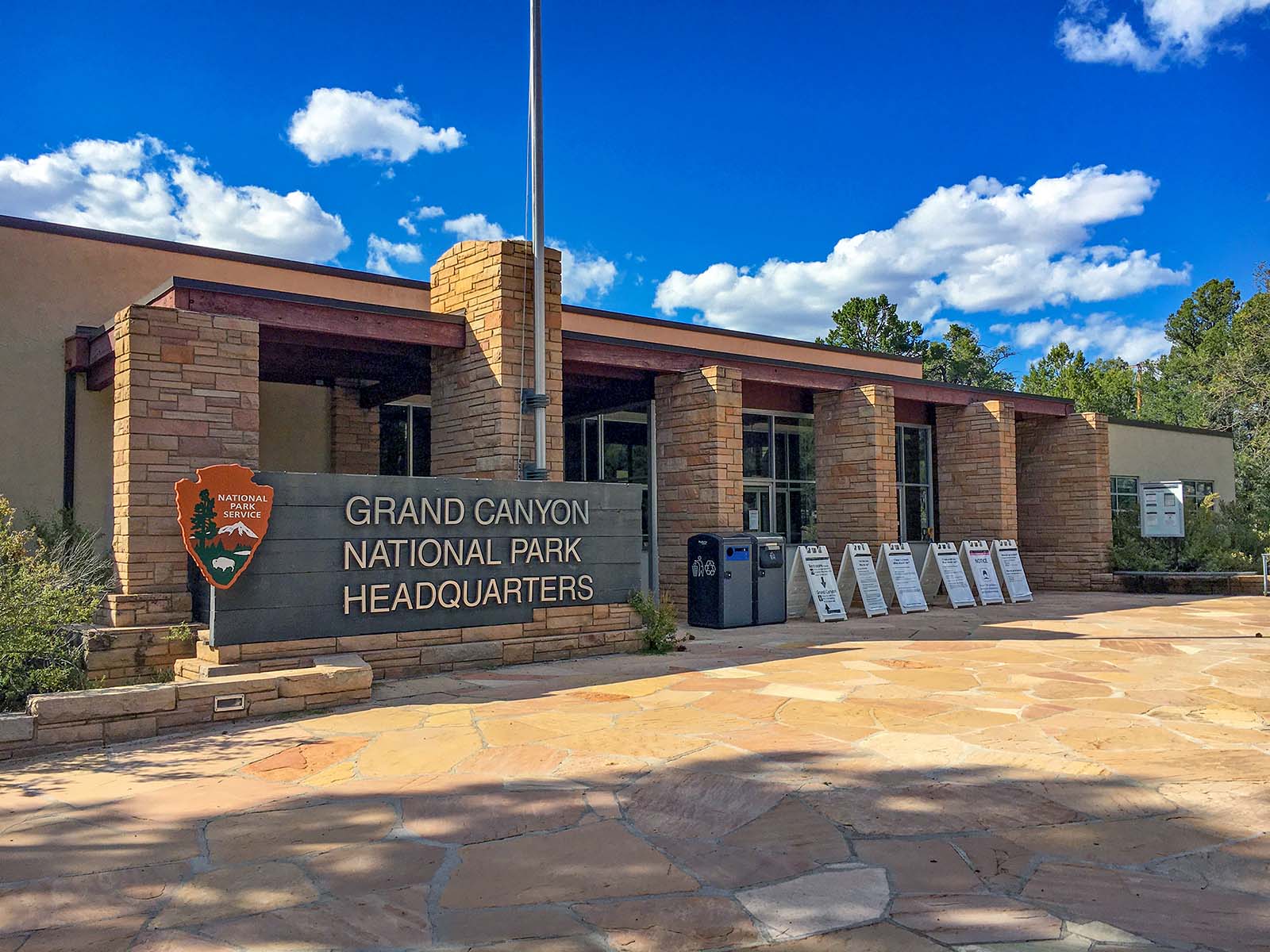
Grand Canyon Hiking Trails: Day Hikes, Water Sources & Rim to Rim
Compare Grand Canyon hiking trails: Bright Angel, South Kaibab, Hermit, Grandview, and rim to rim, with distances, elevation, water stops, and trailhead access for each.
Best Of
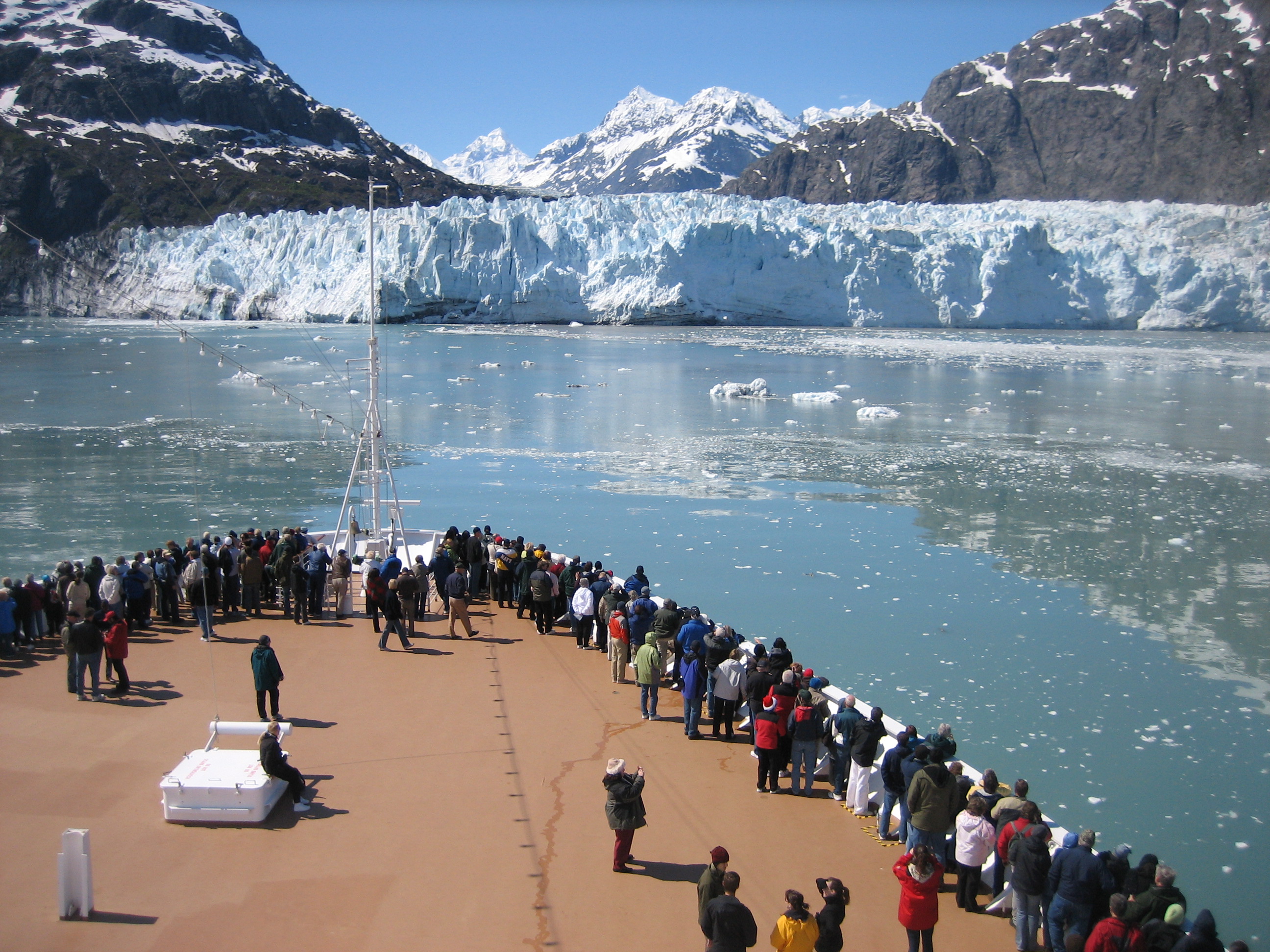
Best of Glacier Bay National Park
The best of Glacier Bay is reached by boat: ranger-led day tours up the bay to the tidewater glaciers. What's worth it, how to book, and when to go (2026).
Campsite Guide
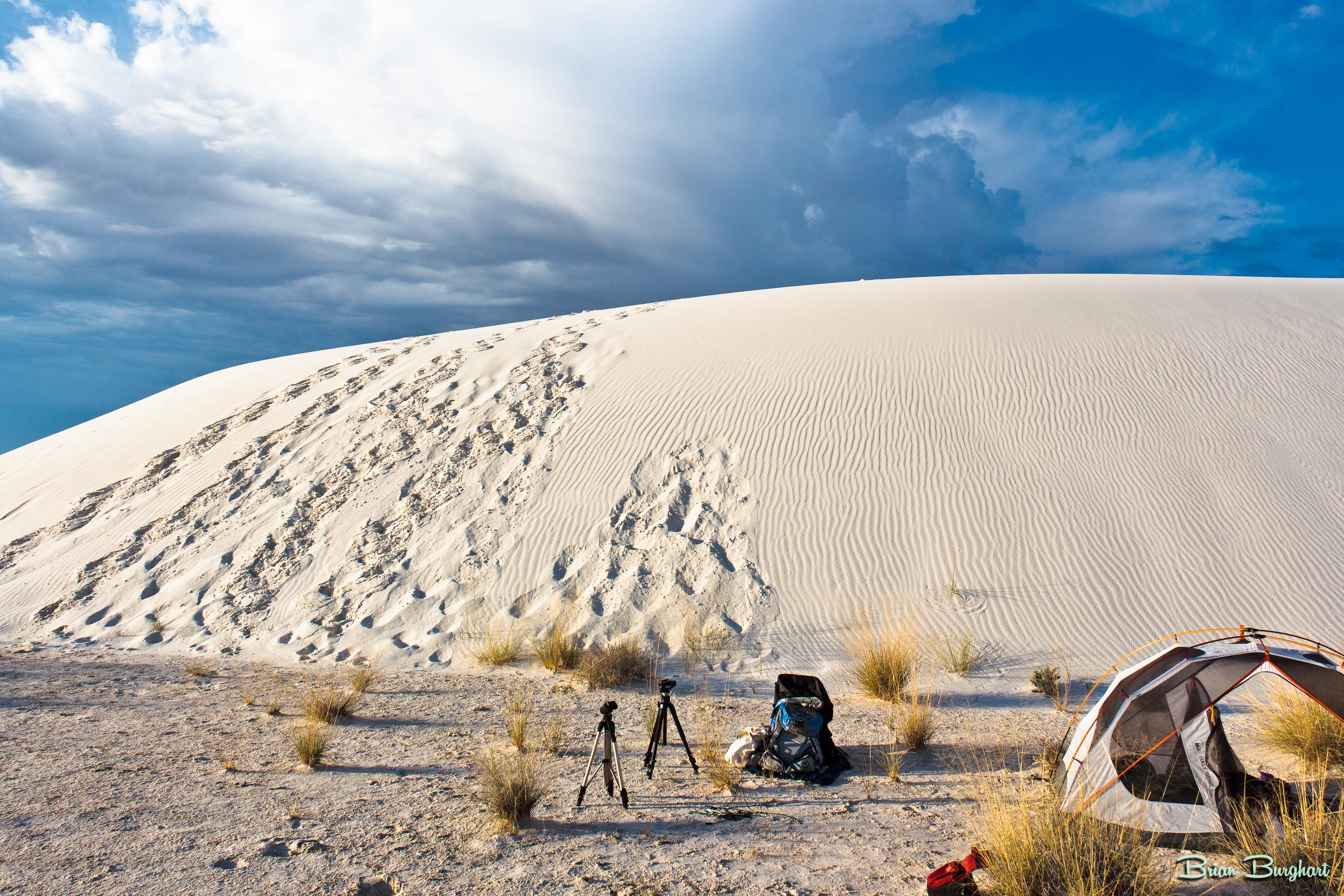
White Sands Backcountry Camping: Closed for 2026 — What to Know
As of 2026, backcountry camping at White Sands National Park is closed for site rehabilitation. What that means, and where to camp nearby instead.
Weather Guide
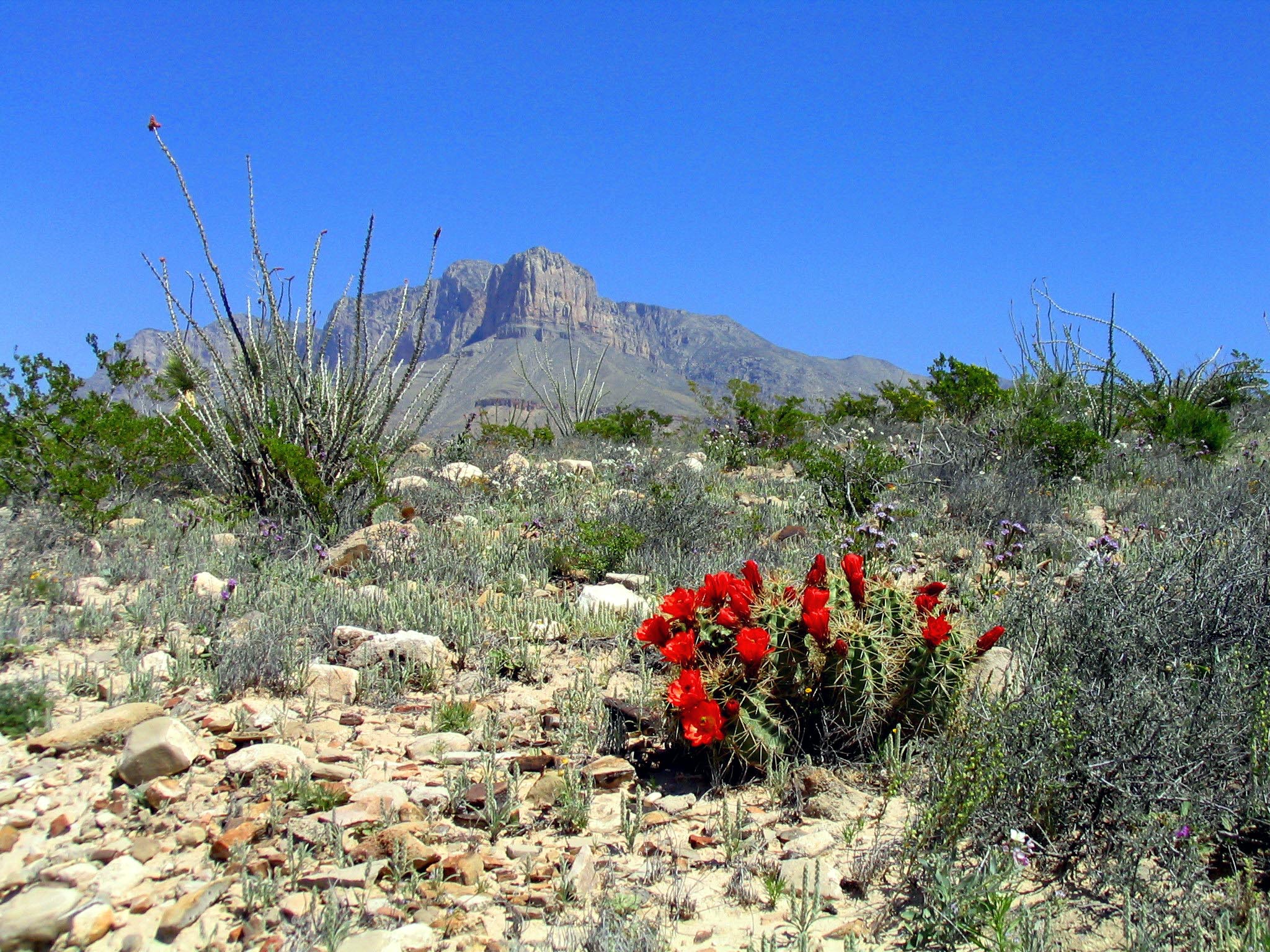
Guadalupe Mountains National Park Weather: Weather
Guadalupe Mountains National Park: weather guide guide updated 2026. Practical visitor information, reservations, and seasonal tips worth bookmarking before
Best Of
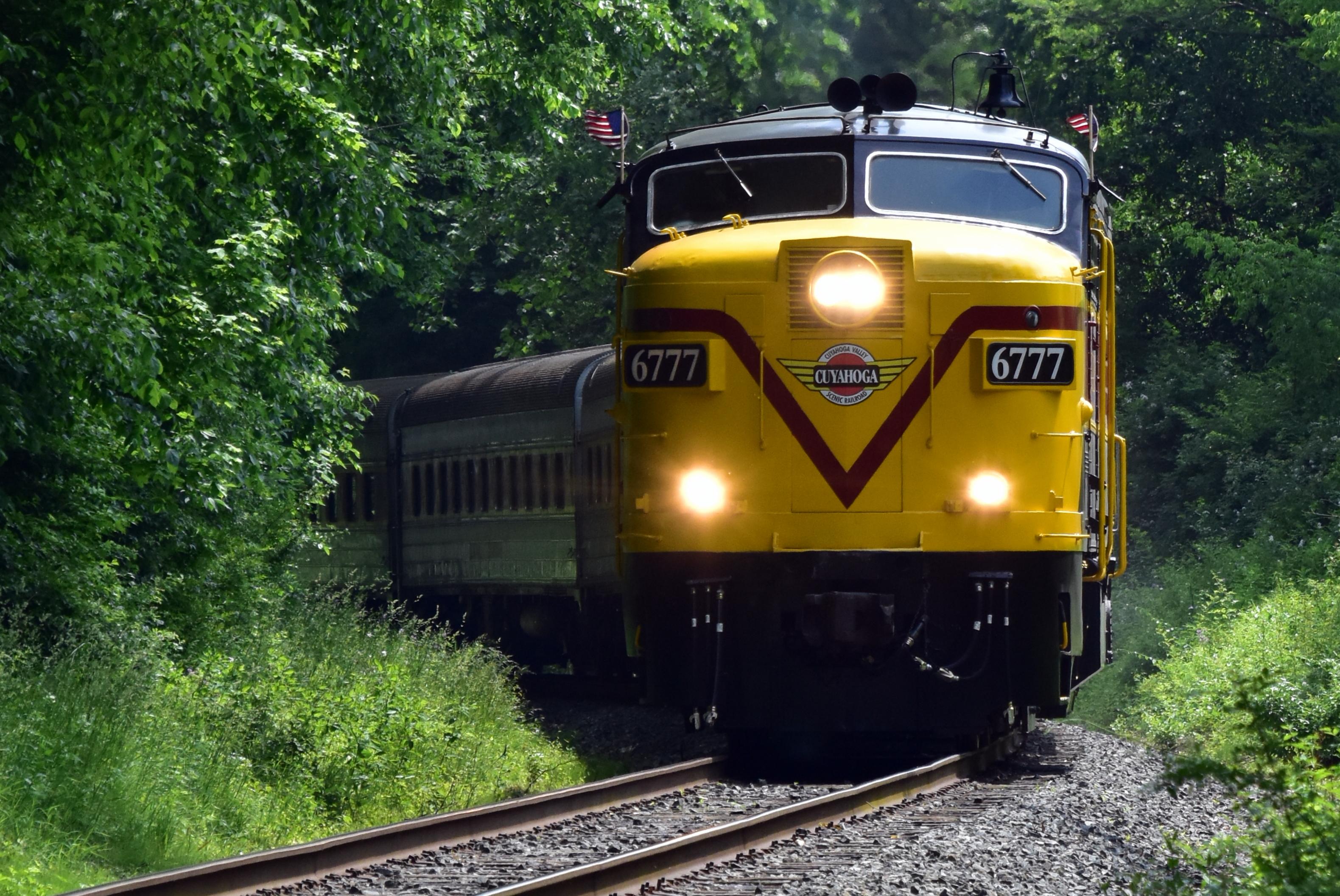
Best of Cuyahoga Valley National Park: Best Things to Do
Seeing a Cleveland Orchestra concert with the woods as your backdrop is a uniquely Cuyahoga Valley experience.
Sign in to join the conversation.
Sources & Attribution
Location data courtesy of the National Park Service (U.S. Department of the Interior). NPS data is public domain. Official NPS page.
Images: NPS; NPS; NPS; NPS; NPS.
Map data © OpenStreetMap contributors.
Park operations alerts: NPS.gov · Weather and weather hazards: National Weather Service · Live conditions.
Information may change. Always verify fees, hours, and conditions directly with the official source before visiting.
Did this guide help? Share it with a friend.