Redwood National Park runs 60 miles north to south. Where you camp decides what you can reach without wasting hours driving. The best campsites put you inside the old-growth groves themselves, not just on a patch of dirt.
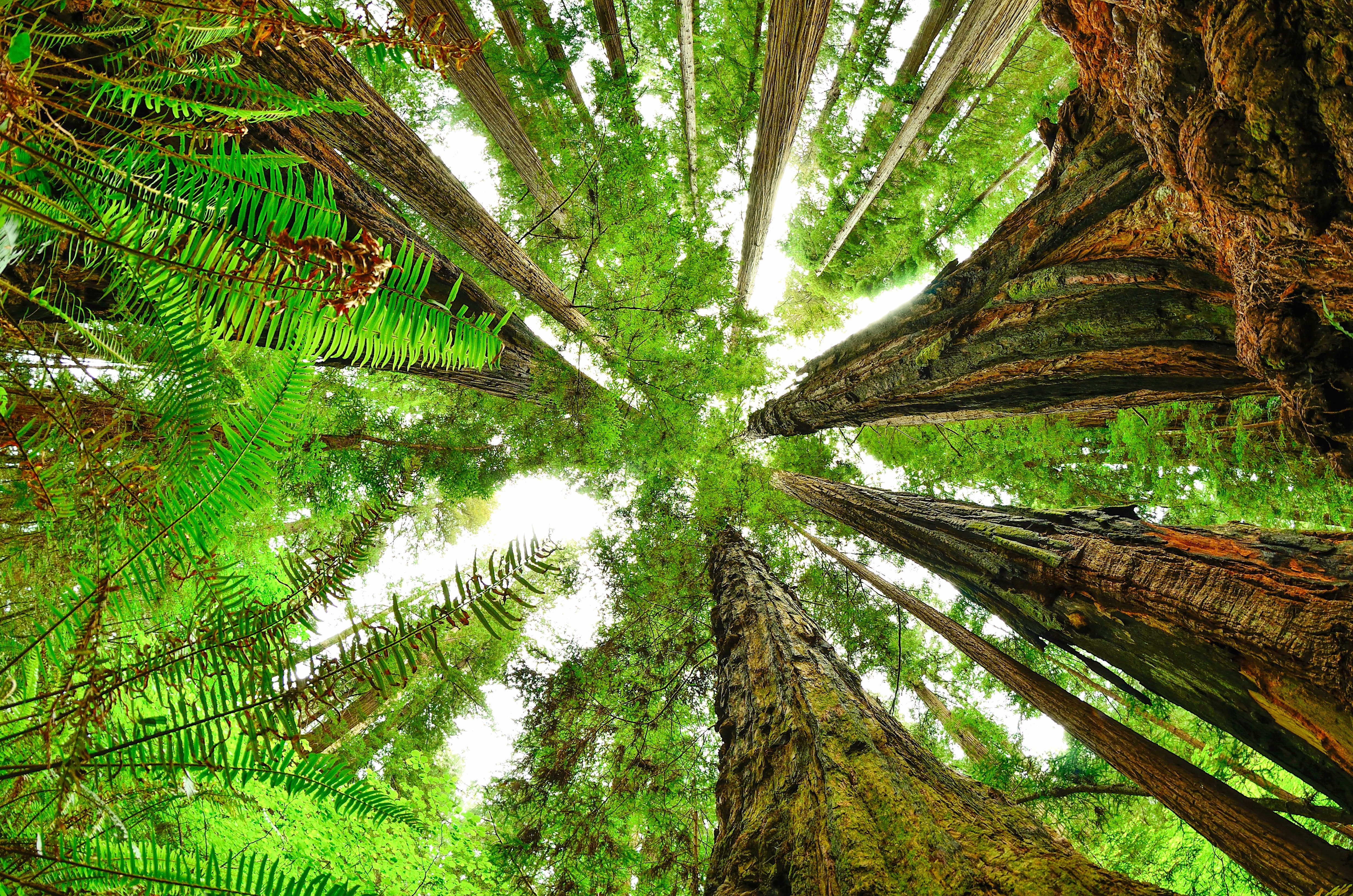
NPS via NPS.gov (Public Domain)
Best of Redwood National Park: Best Places to Camp (2026)
11 min read
Best Of
Sleep inside old-growth groves at Redwood National Park. 2026 guide to picking the best campground by section so you wake up among the giants.
This article contains affiliate links — we may earn a small commission at no extra cost to you.
You can't cover the whole park in a day. The distances between sections are too great. But you can have a full day by picking one area and sticking with it.
If You Only Have One Day
Start at the Prairie Creek Visitor Center by 8:30 AM. Not 9, not 10 - 8:30. The parking lots at the popular trailheads fill by 9:30 in summer, and the fog usually burns off around 10, giving you that filtered light that makes the redwoods look like they're glowing from inside.
Your first stop: Lady Bird Johnson Grove. It's a 1.5-mile loop on an easy trail, takes about 45 minutes, and it's the most accessible introduction to old-growth redwoods in the southern section. The trail is wide, well-graded, and passes through a grove that was dedicated in 1968. Most first-time visitors are caught off guard by how quiet it gets once you're fifty yards in - the thick bark and dense canopy absorb sound in a way that feels almost unnatural.
From there, drive the Newton B. Drury Scenic Parkway southbound. This 10-mile road is the single best driving route in the park. Pull over at the Big Tree Wayside - it's a five-minute walk from the parking area to a redwood that's 304 feet tall and roughly 1,500 years old. That's the quickest way to see a truly massive tree without a hike.
Lunch at Elk Prairie Day Use Area. Picnic tables under the trees, and almost guaranteed Roosevelt elk sightings in the meadow nearby. Keep your distance - 75 feet minimum. They're wild animals and they're bigger than your car.
Afternoon: Trillium Falls Trail. This is a 2.5-mile loop that's family-friendly, passes through old-growth redwoods and maples, and ends at a small but genuinely pretty waterfall. It's arguably the best short hike in the southern section, and it's less crowded than Fern Canyon.
The one decision that derails most one-day visits: trying to see Fern Canyon and the northern groves in the same day. You can't do both without spending 3+ hours in the car. Pick one section. The southern section (Prairie Creek) offers the best concentration of accessible experiences for a single day.
Head back to your campground by 5 PM. If you're staying at Elk Prairie Campground, you'll have elk grazing fifty yards from your tent as the light fades. That's the payoff.

The Top Experiences, Ranked
#1 - Camping at Elk Prairie Campground: The Best Basecamp in the Park
- Why it makes this list: You wake up surrounded by Roosevelt elk and ancient redwoods. The campground is positioned in the heart of Prairie Creek State Park, giving you direct trail access to over 70 miles of hiking and biking trails. It's the most convenient location for accessing the southern section's best experiences.
- What it requires: A reservation made months in advance. The 75 sites fill fast. $35 per night as of 2026. Flush toilets and drinking water are available.
- The single best tip: Request a site in the loop closest to the meadow. You'll have elk in view from your tent door in the early morning and late evening.
- What most visitors do wrong: They arrive after dark and miss the experience entirely. The campground is beautiful in daylight - the redwood canopy overhead, the sound of Prairie Creek nearby. Arrive by 4 PM to actually enjoy where you're staying.
- Link: See full camping options for reservation details and site recommendations.
#2 - Drive the Newton B. Drury Scenic Parkway
- Why it makes this list: This 10-mile road through old-growth redwoods is the single best return on time investment in the entire park. You don't need to hike. You don't need a permit. You just drive slowly with your windows down.
- What it requires: 30-60 minutes, but budget an hour because you'll want to stop at pullouts. Any vehicle works - RVs included.
- The single best tip: Drive it north to south in the morning. The light comes through the canopy at an angle that makes the trunks look like they're lit from within.
- What most visitors do wrong: They stay on Highway 101 and miss it entirely. The parkway is a parallel road - you have to deliberately exit the highway.
#3 - Walk the Fern Canyon Loop Trail
- Why it makes this list: A 100-foot canyon with walls completely covered in ferns, moss, and liverworts. It looks like something from the Jurassic period because parts of Jurassic Park 2 were actually filmed here.
- What it requires: From May 15 to September 15, you need a reservation to drive to the trailhead. The road is unpaved and crosses two streams - high-clearance vehicles recommended. The loop is about a mile and takes 45-90 minutes.
- The single best tip: Go early (before 9 AM) or late (after 4 PM). Midday crowds can make the narrow canyon feel like a subway platform.
- What most visitors do wrong: They show up without a reservation during summer and get turned away. Check the park website for the current reservation system.
#4 - Hike the Tall Trees Grove
- Why it makes this list: This grove contains some of the tallest trees on Earth. The hike is a half-day commitment (3-6 hours) that rewards you with genuine solitude - the limited permit system keeps crowds minimal.
- What it requires: A free online reservation, available through the park website. The trail is 4 miles round-trip with a 600-foot elevation drop on the way in (which means 600 feet of climbing on the way out).
- The single best tip: Your legs will let you know about that climb on the return. Pack water and take your time on the switchbacks.
- What most visitors do wrong: They underestimate the hike back uphill. It's not extreme, but it's real work on a warm day.
- Link: Read our full list of hiking trails for detailed difficulty ratings.
#5 - Hike the James Irvine Trail to Fern Canyon Loop
- Why it makes this list: This is the definitive full-day redwood experience - a 12-mile loop that takes you through old-growth forest, along Prairie Creek, and out to the Pacific Ocean at Fern Canyon.
- What it requires: 4-8 hours, good fitness, and a full day of food and water. The trail is well-maintained but long.
- The single best tip: Start at the Prairie Creek Visitor Center trailhead. Hike the James Irvine Trail out to the coast, then return via the Coastal Trail and Fern Canyon. The elevation gain is spread evenly and never feels punishing.
- What most visitors do wrong: They don't check tide charts. The beach section can be impassable at high tide.
#6 - Watch Wild Roosevelt Elk at Elk Prairie
- Why it makes this list: Roosevelt elk are the largest members of the deer family in North America, and Elk Prairie is the most reliable place in the park to see them. Bulls can weigh over 1,000 pounds.
- What it requires: Zero effort. Pull into the day-use area or walk to the edge of the meadow. You'll see them most reliably in early morning and late evening.
- The single best tip: Bring binoculars. You'll get a much better view of the bulls' antlers from a safe distance.
- What most visitors do wrong: They get too close. A bull elk during the rut (September-October) is dangerous. Use that zoom lens.
#7 - Drive Howland Hill Road
- Why it makes this list: A 10-mile dirt road through old-growth redwoods so massive and close to the road that branches will literally brush your car. It's the most immersive driving experience in the park.
- What it requires: A vehicle you're comfortable driving on unpaved roads. Dust, potholes, and occasional fallen branches. 45-90 minutes.
- The single best tip: Drive it north to south, starting from the Hiouchi area. The road surface is generally better in that direction.
- What most visitors do wrong: They try to take an RV or low-clearance sedan on it. Don't. The road narrows in sections and turning around is difficult.
#8 - Go Tide Pooling at Enderts Beach
- Why it makes this list: The tide pools here are among the most accessible on the California coast. Green anemones, purple sea urchins, starfish, and sometimes octopus in the deeper pools.
- What it requires: A short hike from the Crescent Beach Overlook parking area. Check tide charts - you need a negative low tide for the best pools.
- The single best tip: Wear shoes you can get wet. The rocks are sharp and slippery. Water shoes or old sneakers work better than flip-flops.
- What most visitors do wrong: They go at the wrong tide and see nothing but wet rocks. Check the tide tables before you go.
#9 - Hike to the Grove of Titans
- Why it makes this list: A grove containing some of the largest redwoods by volume in the world. The new elevated boardwalk (completed summer 2022) protects the fragile forest floor while giving you access to trees that were previously off-limits.
- What it requires: 1-2 hours. Located in the northern section near Jedediah Smith Redwoods State Park.
- The single best tip: The boardwalk makes this accessible in wet weather when other trails are muddy.
- What most visitors do wrong: They expect the boardwalk to be short. It's actually quite extensive and worth the full walk.
#10 - Walk the Stout Memorial Grove Trail
- Why it makes this list: A 300-foot-tall grove of redwoods along the Smith River, considered by many to be the heart of Jedediah Smith Redwoods State Park. The trail is short but the trees are exceptional.
- What it requires: Getting there requires driving Howland Hill Road or taking the access road from Highway 199. The trail itself is less than a mile.
- The single best tip: Combine this with a drive on Howland Hill Road. They're in the same area and complement each other well.
- Link: Check our complete visitor guide for route planning between sections.

What Most People Miss
Gold Bluffs Beach Campground - Most visitors don't even know this campground exists. Located on the coast in Prairie Creek State Park, it's a 26-site walk-in campground on a bluff overlooking the Pacific. You hear waves all night. Roosevelt elk wander through the campground. The trade-off: no hookups, vault toilets, and you have to carry your gear about 100 yards from the parking area. Worth it. This is the best place to camp if you want the coast experience.
The Bald Hills Road drive - Everyone focuses on the redwood groves, but the Bald Hills Road climbs out of the forest into open prairies with views that stretch to the ocean. It's a dirt road, takes 2-6 hours depending on how far you go, and offers hiking, birding, and wildflower viewing that most visitors miss entirely. The road is passable for most vehicles when dry, but check conditions at the visitor center.
The Crescent Beach Overlook at sunset - The overlook is a two-minute drive off Highway 101 and gives you sweeping views north toward Crescent City harbor. The light on the cliffs turns orange and gold. Most visitors are back at their campground by this hour. Don't be.
Mill Creek Campground - The largest campground in the park (145 sites) at $35 per night, but it's in Del Norte Coast Redwoods State Park in the northern section. Most visitors camp in the south and never see this area. The campground sits beneath towering maples and young redwoods, with access to Mill Creek and miles of hiking trails. If you want solitude, this is your pick.

What's Overrated (and Better Alternatives)
Fern Canyon during peak hours (10 AM - 3 PM) - The canyon itself is genuinely spectacular. But the crowds during summer midday can ruin the experience. You're shuffling single-file behind twenty other people, and the narrow canyon amplifies every voice. The better alternative: go at 8 AM or 4 PM. Or skip it entirely and hike the Zig Zag Loop instead. This 3.9-mile loop follows Prairie Creek through old-growth redwoods before ascending to ridgetop views. Same forest, same ferns, maybe 10% of the crowd.
The Tall Trees Grove for casual visitors - If you're not a dedicated hiker, the permit system and 4-mile round-trip hike with 600 feet of elevation gain is more effort than necessary. The Big Tree Wayside gives you a comparable tree in a five-minute walk from your car. If you want the full hiking experience, the Boy Scout Tree Trail (3-5 hours, moderate) offers a better return on effort with more variety in terrain.
Driving the entire park in one day - This is the most common mistake. The park is 60 miles long. Highway 101 is a two-lane road through coastal mountains. A drive from the southern visitor center to the northern one takes 90 minutes without stops. Add trailhead access roads and you're looking at 3+ hours of driving. The better alternative: pick one section and explore it thoroughly. The southern section (Prairie Creek) has the highest concentration of experiences. The northern section (Jedediah Smith) has the most impressive groves. You can't do both justice in one day.

Practical Takeaways
- Book your campground 6+ months out - Elk Prairie and Jedediah Smith fill first. Mill Creek is your backup option. Gold Bluffs Beach is the wildcard if you want coastal camping. These are the best places to camp redwood national park for 2026, but they require planning.
- Pack for rain year-round - Even in August, fog and drizzle are common. The temperature range is mid-40s to mid-60s°F year-round. October through April averages 60-80 inches of rain. A waterproof jacket is not optional.
- Cell service drops out - For long stretches of Highway 101 and most of the park interior, you will have no signal. Download maps and directions before you arrive. The visitor centers have WiFi, but don't rely on it.
- The best time to visit is September - June-August brings fog and crowds. September-October offers clearer weather, fewer people, and fall color in the maples and oaks. Spring (April-May) is beautiful but wet. Check our best time to visit guide for monthly breakdowns.
- The free Tall Trees Grove permit is worth the effort - But only if you're committed to the hike. If you're not, the Big Tree Wayside and Lady Bird Johnson Grove give you a similar experience with less commitment.
- Roosevelt elk are not zoo animals - They are 1,000-pound wild animals. Stay 75 feet away. Do not approach them for photos. Every year, someone gets charged because they ignored this rule.
- The northern and southern sections are different parks in character - The south (Prairie Creek) is more accessible, more developed, and better for families. The north (Jedediah Smith) has the tallest, most impressive groves and a wilder feel. Choose based on your priorities, not a desire to "see everything."
Recommended Gear
What experienced visitors bring to Best of Redwood National Park: Best Places to Camp (2026)
Links may earn us a commission at no extra cost to you. We only recommend gear we believe in.
Hiking Essentials
Hydration Pack (3L)
Hands-free water for long trail days
Trekking Poles (Pair)
Save your knees on steep descents
Hiking Boots (Ankle Support)
Sturdy footwear for rocky, uneven trails
Sun & Heat Protection
Wide-Brim Sun Hat
Full coverage UPF 50+ protection at altitude
Insulated Water Bottle (32oz)
Keeps water cold in desert heat all day
Winter Gear
Microspikes / Traction Devices
Essential for icy rim trails in winter months
Sources
- Official source: NPS — Redwood National Park nps.gov/redw/index.htm
Photo Gallery
More to Explore
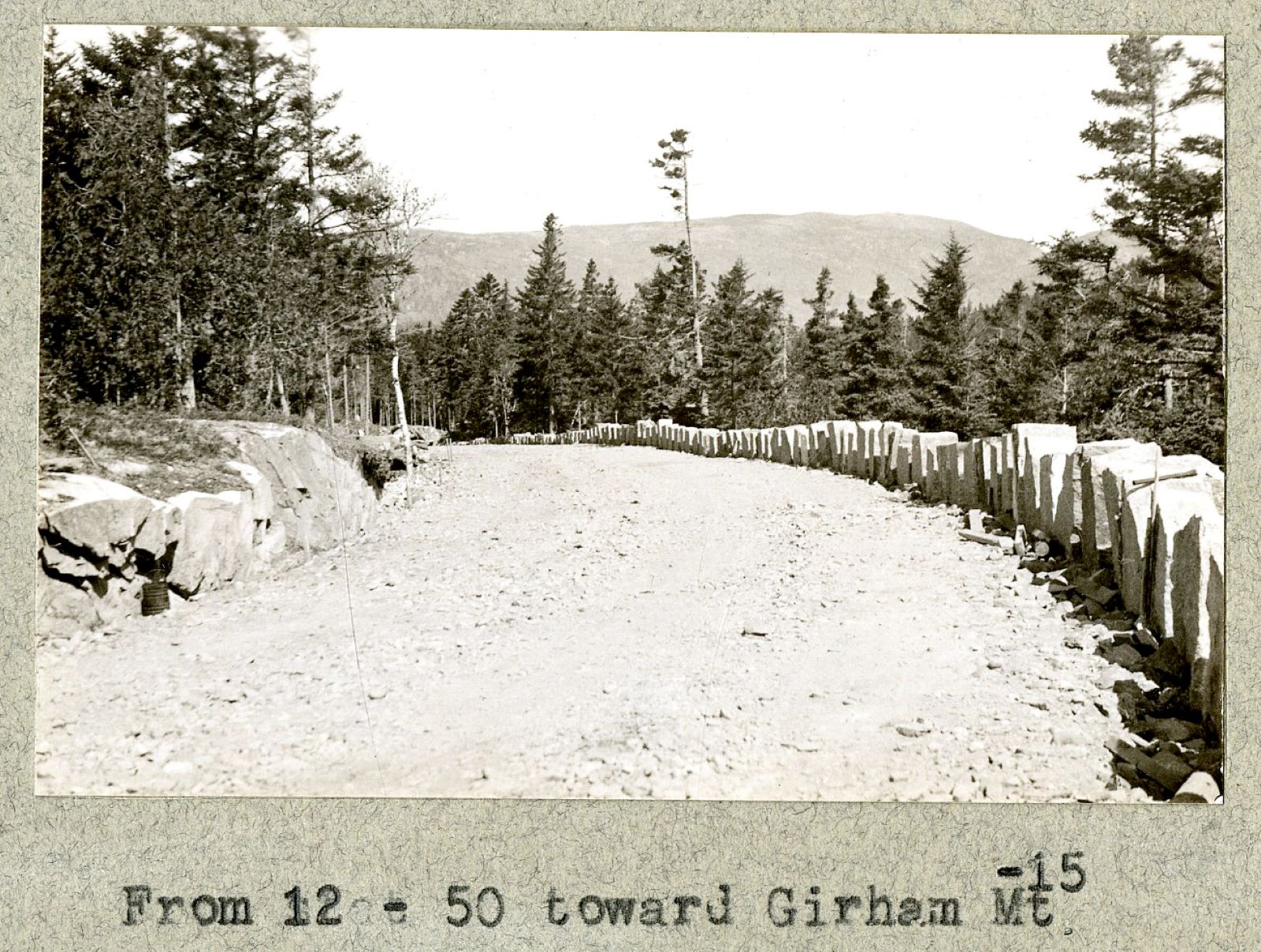
Park Guide
Acadia National Park: Carriage Roads, Cadillac Mountain & 2026 Guide
Discover carriage roads, Cadillac Mountain, and rugged Maine coast. Complete 2026 guide to Acadia National Park — trails, fees, lodging, permits, and what rangers recommend.
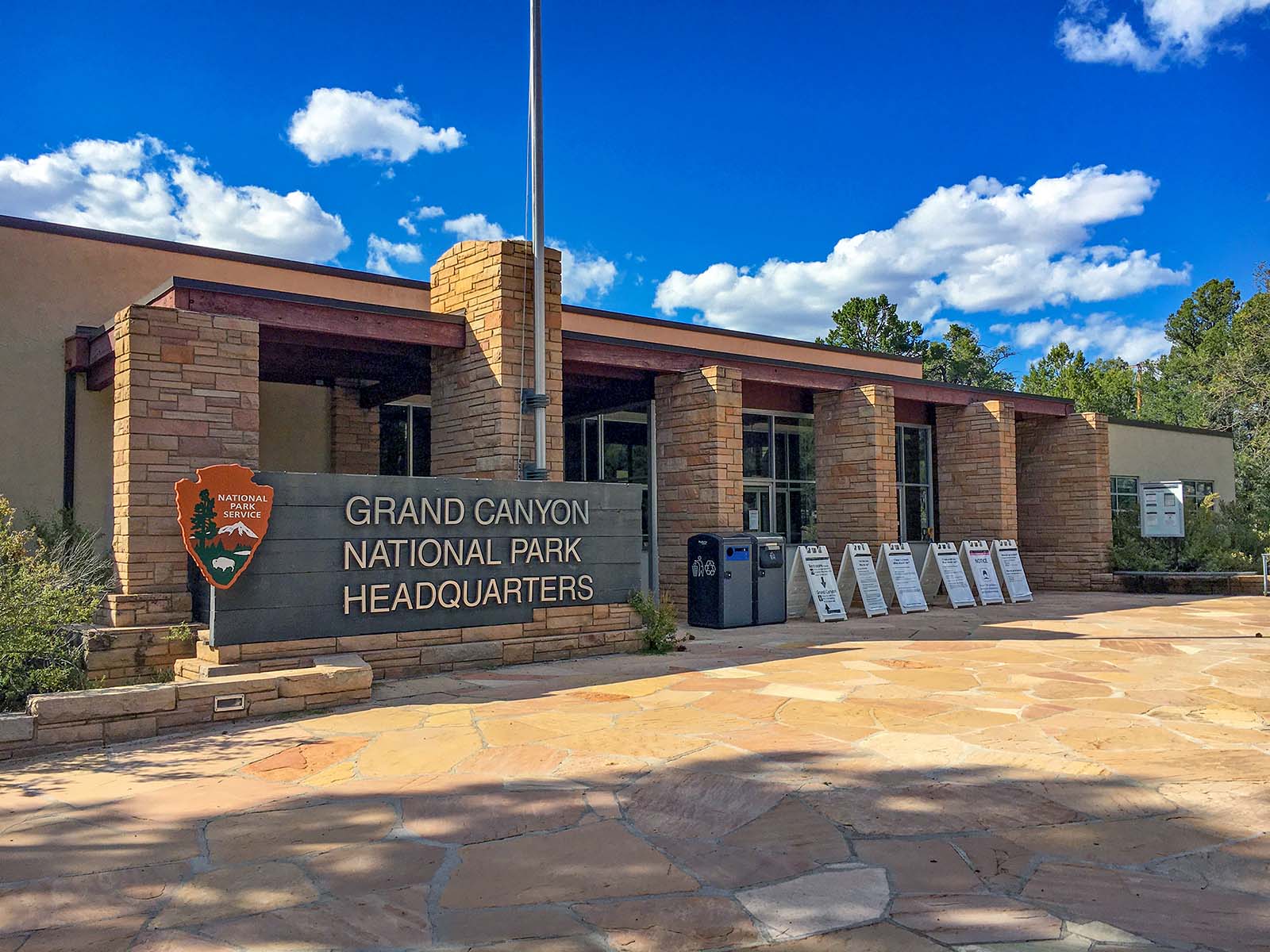
Hiking Guide
Grand Canyon Hiking Trails: Day Hikes, Water Sources & Rim to Rim
Compare Grand Canyon hiking trails: Bright Angel, South Kaibab, Hermit, Grandview, and rim to rim, with distances, elevation, water stops, and trailhead access for each.
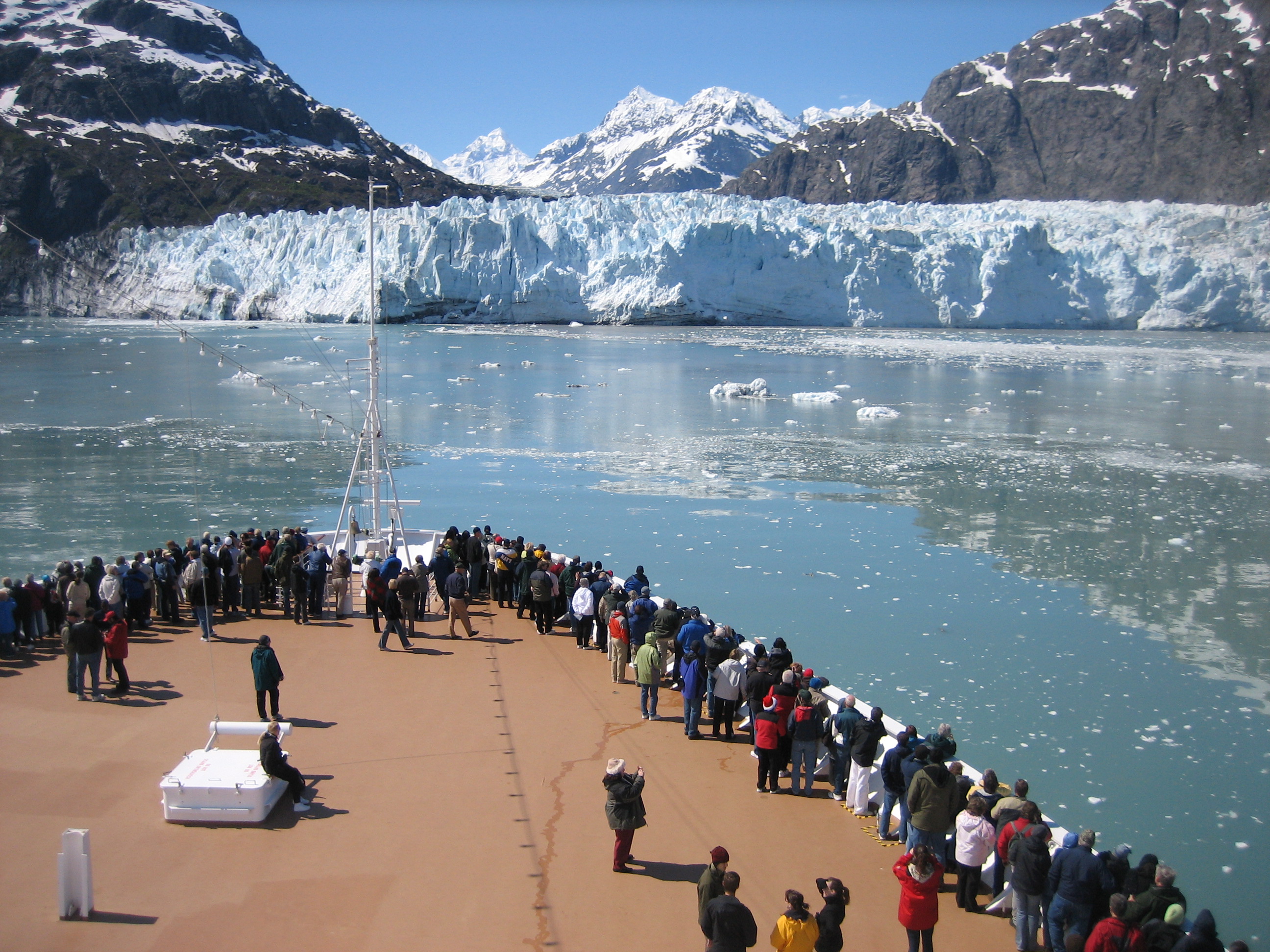
Best Of
Best of Glacier Bay National Park
The best of Glacier Bay is reached by boat: ranger-led day tours up the bay to the tidewater glaciers. What's worth it, how to book, and when to go (2026).
Campsite Guide
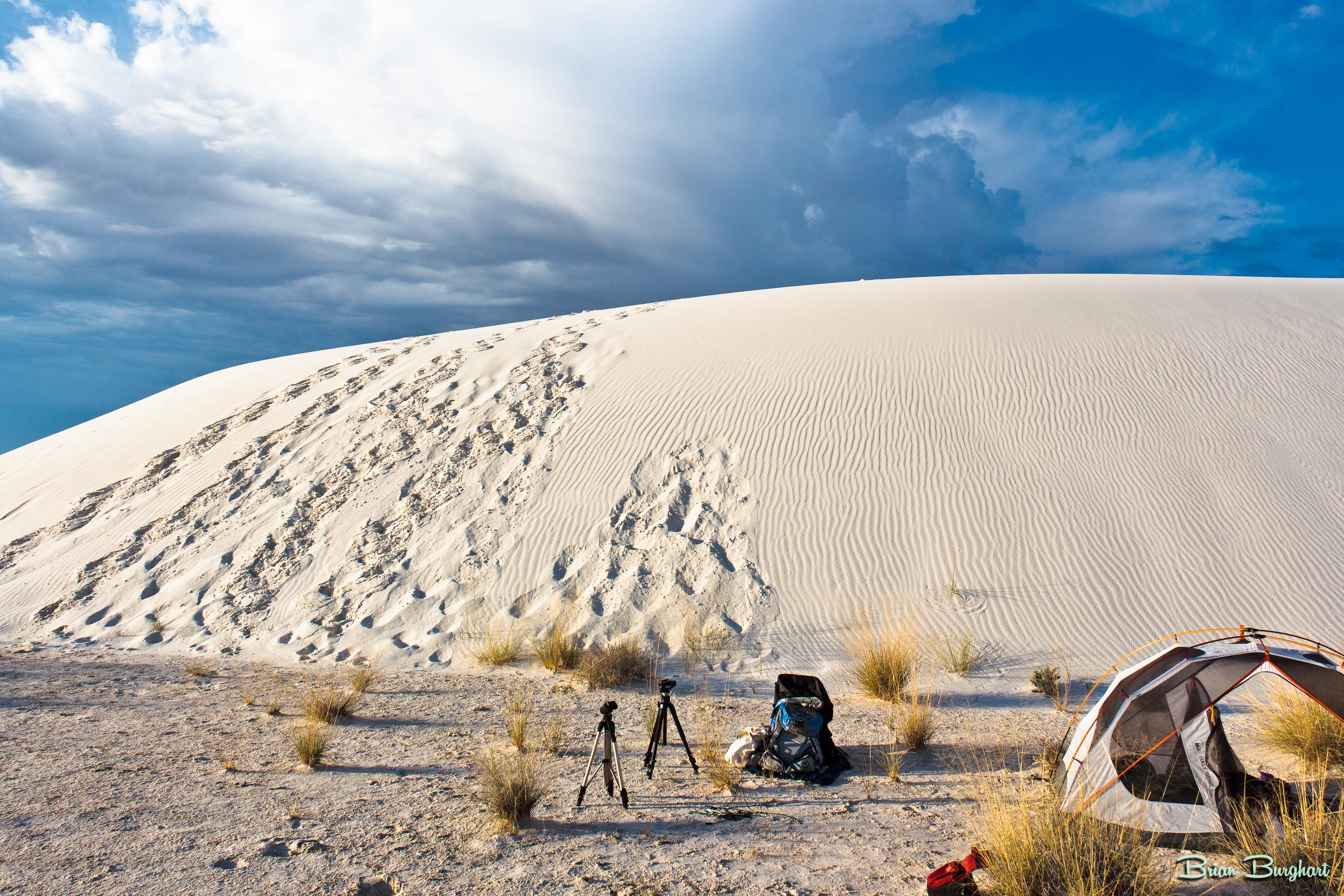
White Sands Backcountry Camping: Closed for 2026 — What to Know
As of 2026, backcountry camping at White Sands National Park is closed for site rehabilitation. What that means, and where to camp nearby instead.
Weather Guide
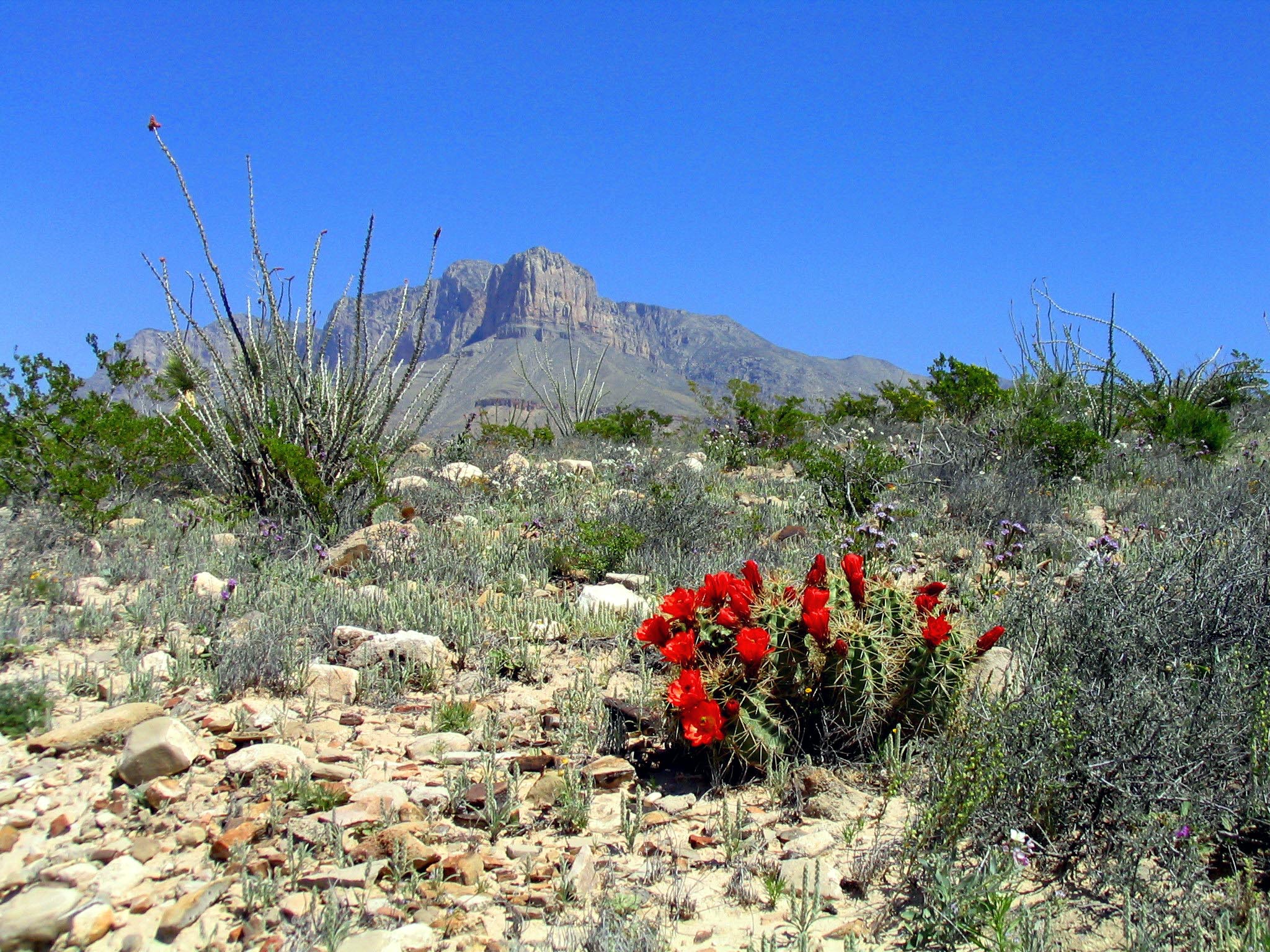
Guadalupe Mountains National Park Weather: Weather
Guadalupe Mountains National Park: weather guide guide updated 2026. Practical visitor information, reservations, and seasonal tips worth bookmarking before
Best Of
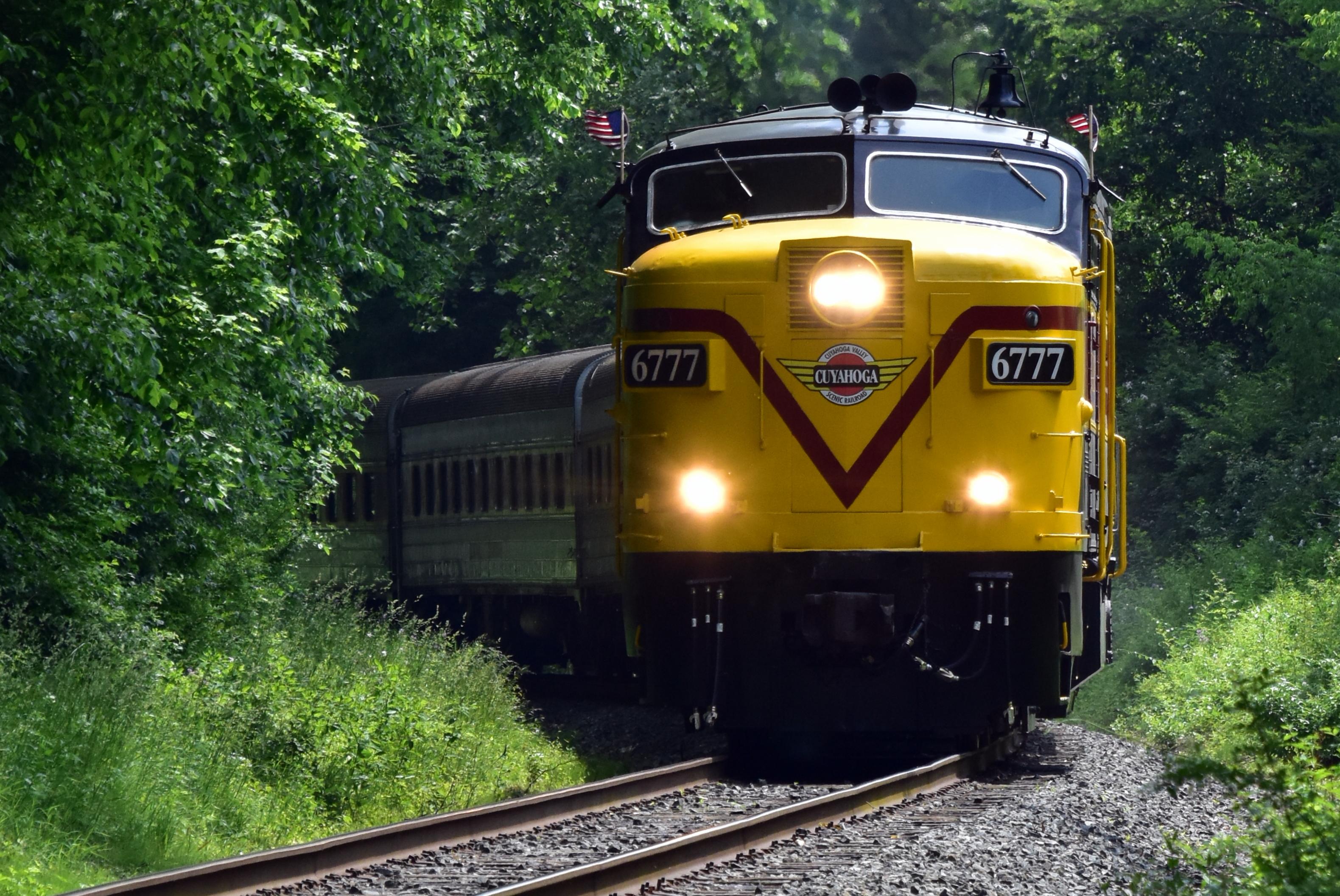
Best of Cuyahoga Valley National Park: Best Things to Do
Seeing a Cleveland Orchestra concert with the woods as your backdrop is a uniquely Cuyahoga Valley experience.
Sign in to join the conversation.
Sources & Attribution
Location data courtesy of the National Park Service (U.S. Department of the Interior). NPS data is public domain. Official NPS page.
Images: NPS; NPS; NPS; NPS; NPS.
Map data © OpenStreetMap contributors.
Park operations alerts: NPS.gov · Weather and weather hazards: National Weather Service · Live conditions.
Information may change. Always verify fees, hours, and conditions directly with the official source before visiting.
Did this guide help? Share it with a friend.